
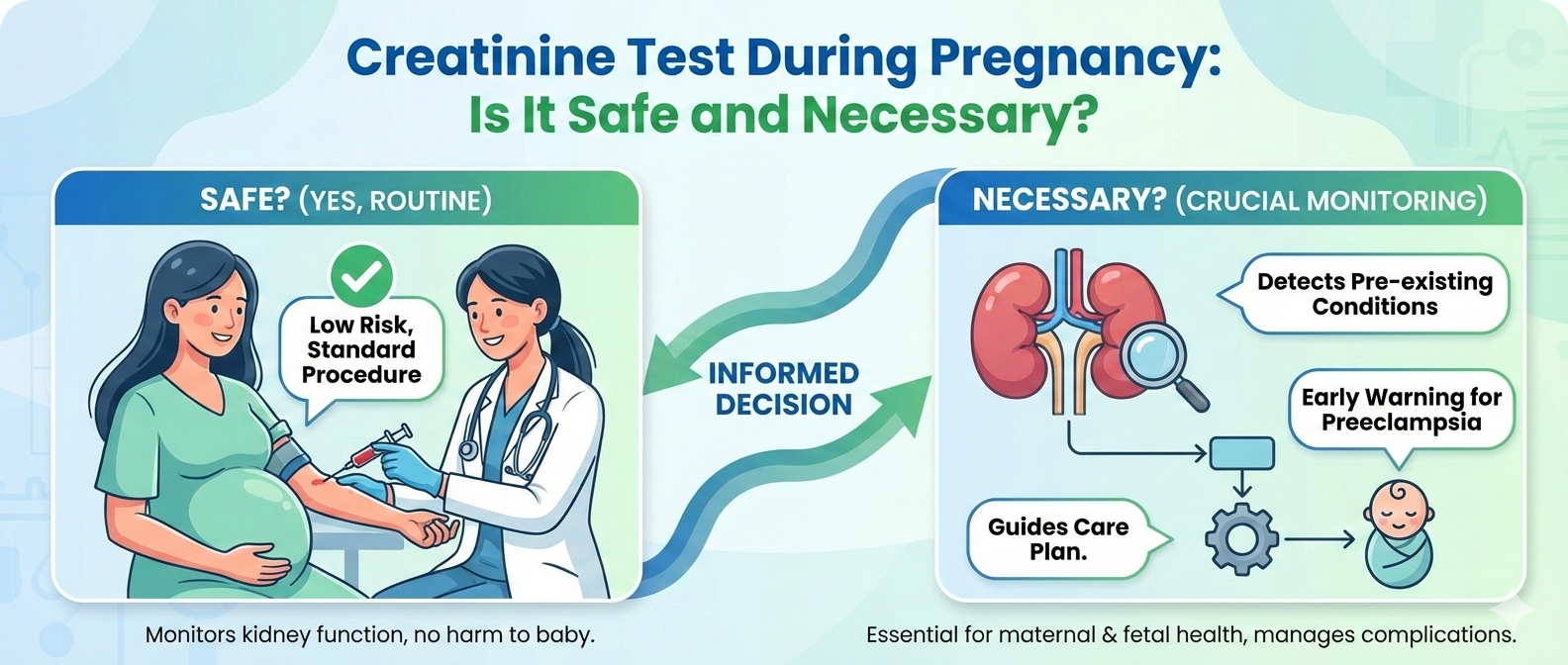

Pregnancy is one of those life phases where your body becomes a full-time multitasker. It’s growing a human, managing hormones that feel like a rollercoaster, and quietly adjusting how every organ works behind the scenes. With so many changes happening, routine medical tests suddenly feel more important—and sometimes more worrying—than ever before. One test that often raises questions is the creatinine test during pregnancy. Is it safe? Is it really necessary? Or is it just another needle poke added to an already long list?
Let’s slow things down and talk about this in a clear, honest, and human way. No panic. No jargon overload. Just real information that helps you understand why the creatinine test during pregnancy exists, what it tells doctors, and how it protects both you and your baby.
Understanding Creatinine and Its Role in the Body
What Is Creatinine?
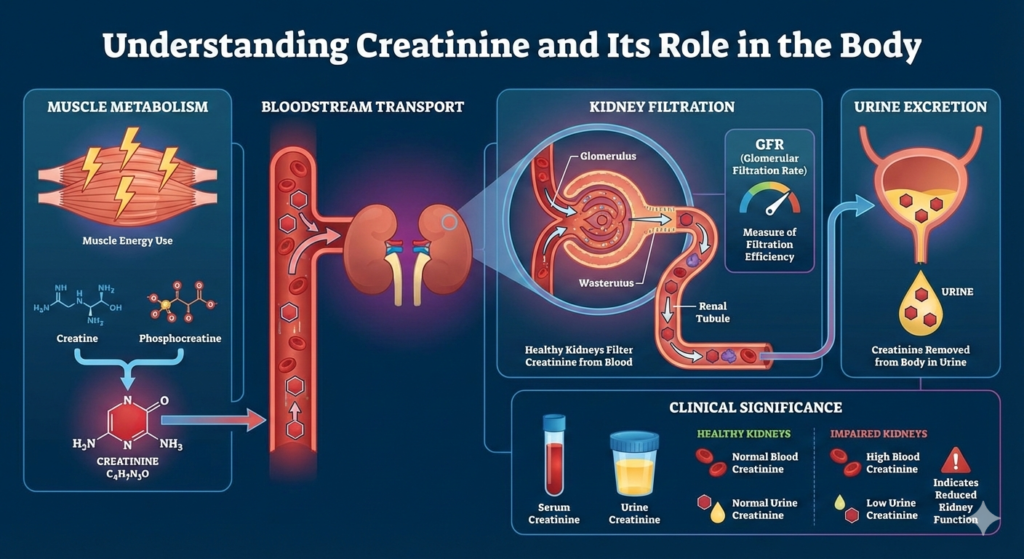
Creatinine might sound like a chemical you’d only hear about in a lab, but it’s actually a natural byproduct your body creates every single day. Whenever your muscles move—whether you’re walking, stretching, or simply standing—your body produces creatinine as a waste product. Think of it like exhaust from a car engine. The engine runs smoothly, but it produces exhaust that needs to be cleared out.
That’s where your kidneys come in. Healthy kidneys filter creatinine out of your blood and send it out of your body through urine. So, the amount of creatinine in your blood becomes a useful marker of how well your kidneys are doing their job.
During pregnancy, this process becomes even more important. Your body isn’t just cleaning waste for one—it’s working for two.
How Creatinine Is Produced in the Body
Creatinine comes from creatine, a substance stored in muscles that helps produce energy. Every time your muscles use energy, a small amount of creatinine is released into the bloodstream. This process happens at a fairly steady rate, which is why creatinine levels are usually stable in healthy people.
What makes creatinine especially useful is its consistency. Because it’s produced regularly and cleared almost entirely by the kidneys, doctors can use it as a reliable indicator of kidney function. If creatinine levels rise, it often signals that the kidneys aren’t filtering as efficiently as they should.
In pregnancy, however, things get a bit more complex. Blood volume increases, kidney filtration speeds up, and hormone shifts change how waste is processed. That’s why understanding creatinine levels during pregnancy requires a slightly different lens.
Why Creatinine Levels Matter During Pregnancy
During pregnancy, your kidneys work overtime. Blood flow to the kidneys increases significantly, and filtration becomes more efficient, especially in the early and middle stages of pregnancy. This often causes creatinine levels to drop slightly below what’s considered “normal” outside of pregnancy.
So why does this matter? Because even a small rise in creatinine during pregnancy can be a red flag. What might look like a “normal” value in a non-pregnant person could actually indicate kidney stress in a pregnant woman. That’s why doctors pay close attention to creatinine test results during pregnancy—it helps them spot problems early, before symptoms even appear.
Normal Creatinine Levels vs Pregnancy Changes
Outside of pregnancy, creatinine levels follow a fairly standard range. During pregnancy, however, those ranges shift. Due to increased kidney filtration, lower creatinine levels are often expected. This means that a “normal” lab value isn’t always normal in pregnancy terms.
This is exactly why a creatinine test during pregnancy is so valuable. It gives doctors a baseline and helps them track changes over time. Trends matter more than single numbers, and pregnancy is all about monitoring how your body adapts week by week.
What Is a Creatinine Test During Pregnancy?
Purpose of a Creatinine Test During Pregnancy
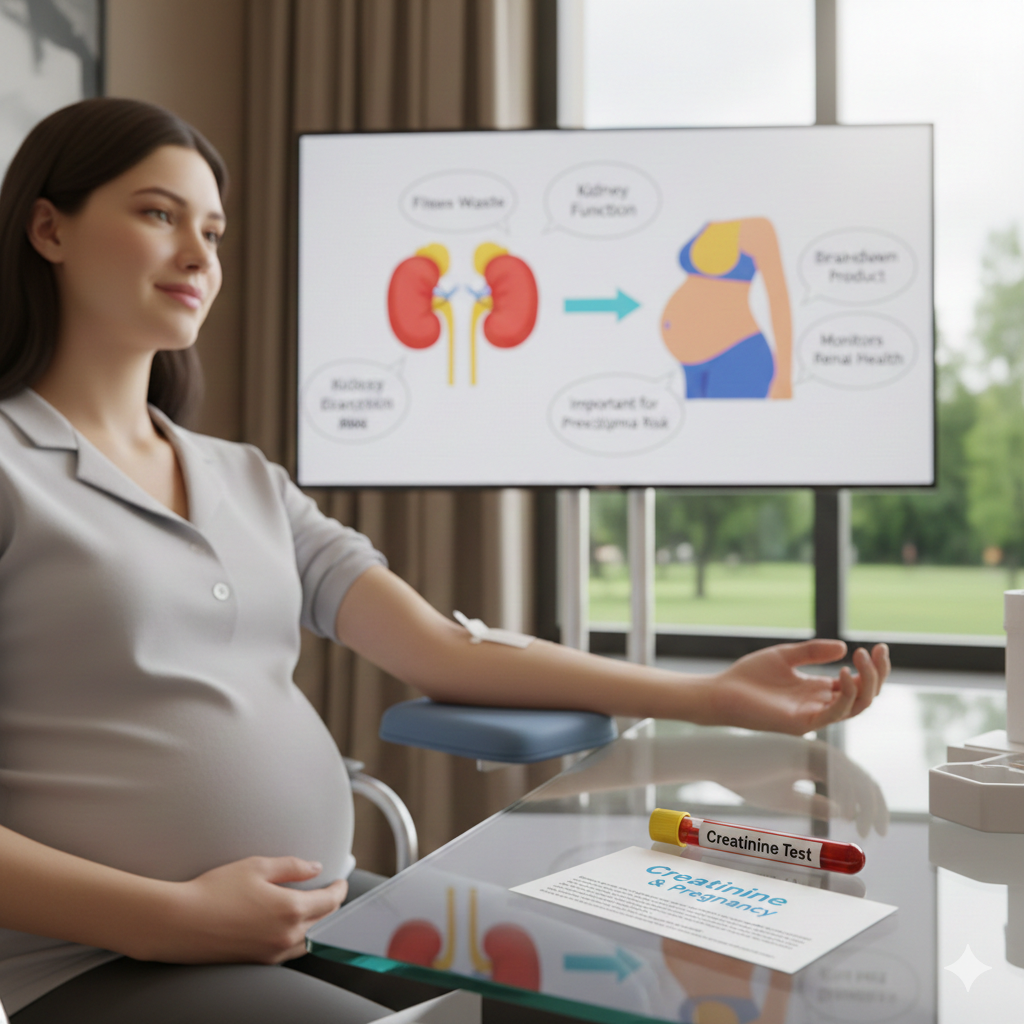
The main purpose of a creatinine test during pregnancy is to assess kidney function. Healthy kidneys are essential during pregnancy because they help regulate fluid balance, blood pressure, and waste removal—three things that directly affect both maternal and fetal health.
This test helps doctors:
- Monitor how well your kidneys are filtering waste
- Detect early signs of kidney stress or disease
- Identify pregnancy-related conditions that affect kidney function
- Guide treatment decisions if complications arise
Rather than being a test that looks for problems only when symptoms appear, the creatinine test acts more like an early warning system.
Types of Creatinine Tests Used in Pregnancy
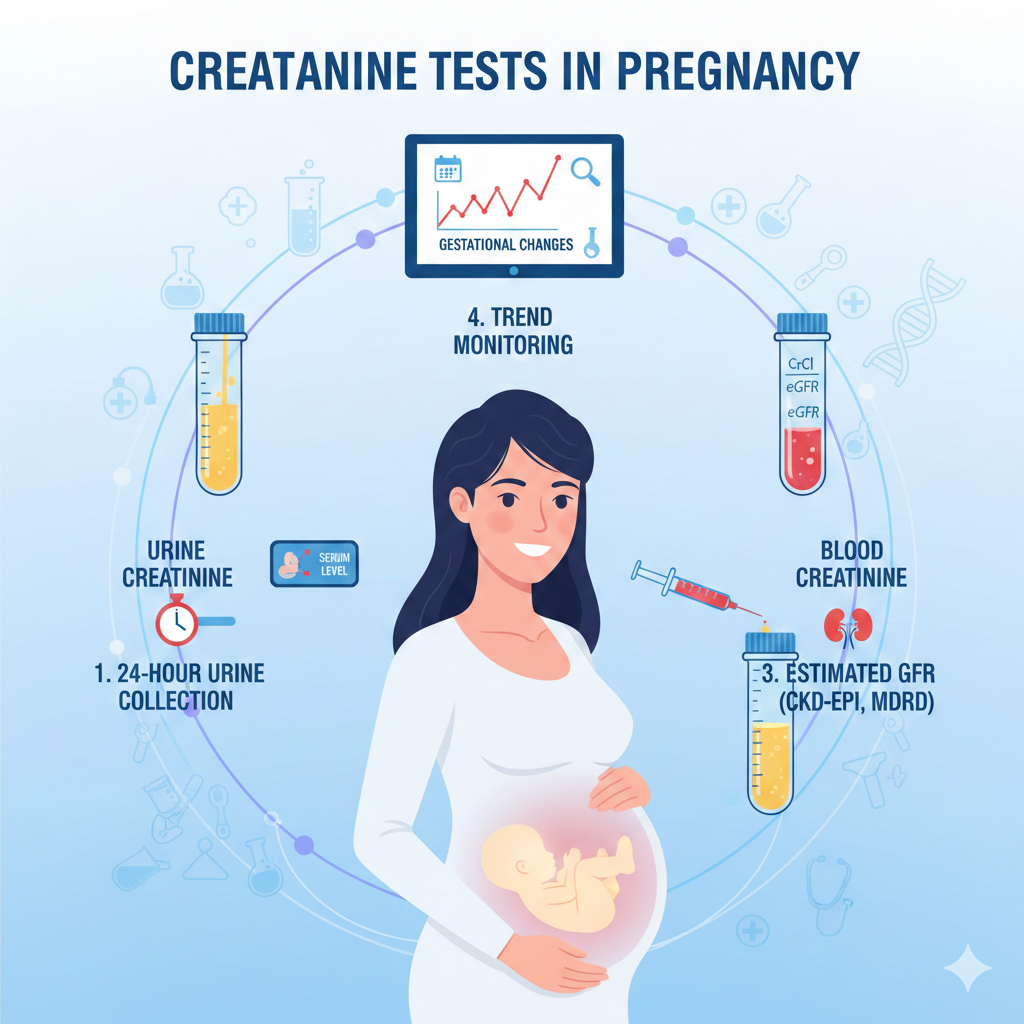
There are two common ways creatinine is measured during pregnancy:
- Blood Creatinine Test
This is the most common method. A small blood sample is taken and analyzed to measure the amount of creatinine present in the bloodstream. - Urine Creatinine Test
In some cases, doctors may also evaluate creatinine levels in urine, often alongside other markers. This can help provide a more complete picture of kidney function.
Both methods are considered safe during pregnancy and are often used together when more detailed monitoring is needed.
How the Creatinine Test Is Performed
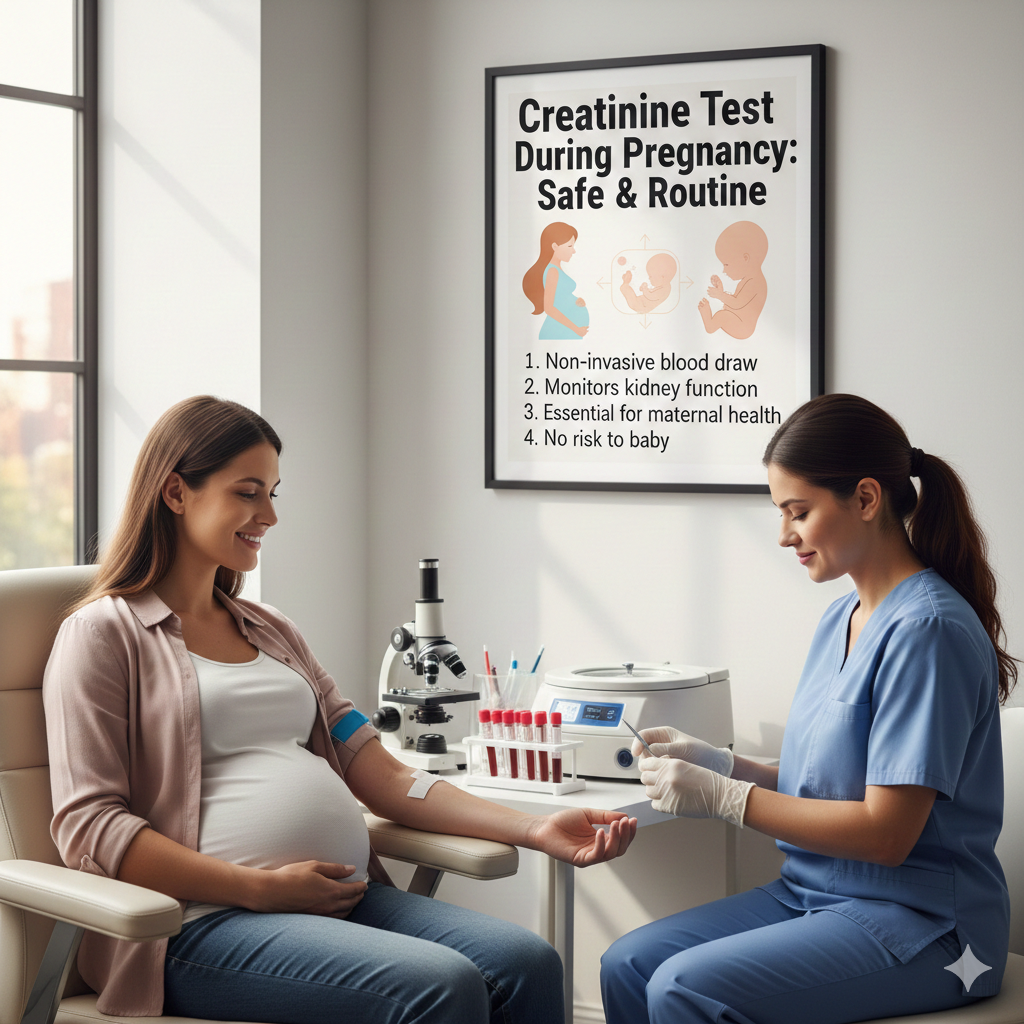
The blood-based creatinine test during pregnancy is quick and straightforward. A healthcare professional draws a small amount of blood, usually from your arm. The process takes just a few minutes, and there’s no radiation, imaging, or invasive procedure involved.
For urine testing, you may be asked to provide a urine sample, either once or over a 24-hour period, depending on what your doctor is evaluating. While the 24-hour collection can feel inconvenient, it’s completely safe and painless.
When Doctors Recommend a Creatinine Test During Pregnancy
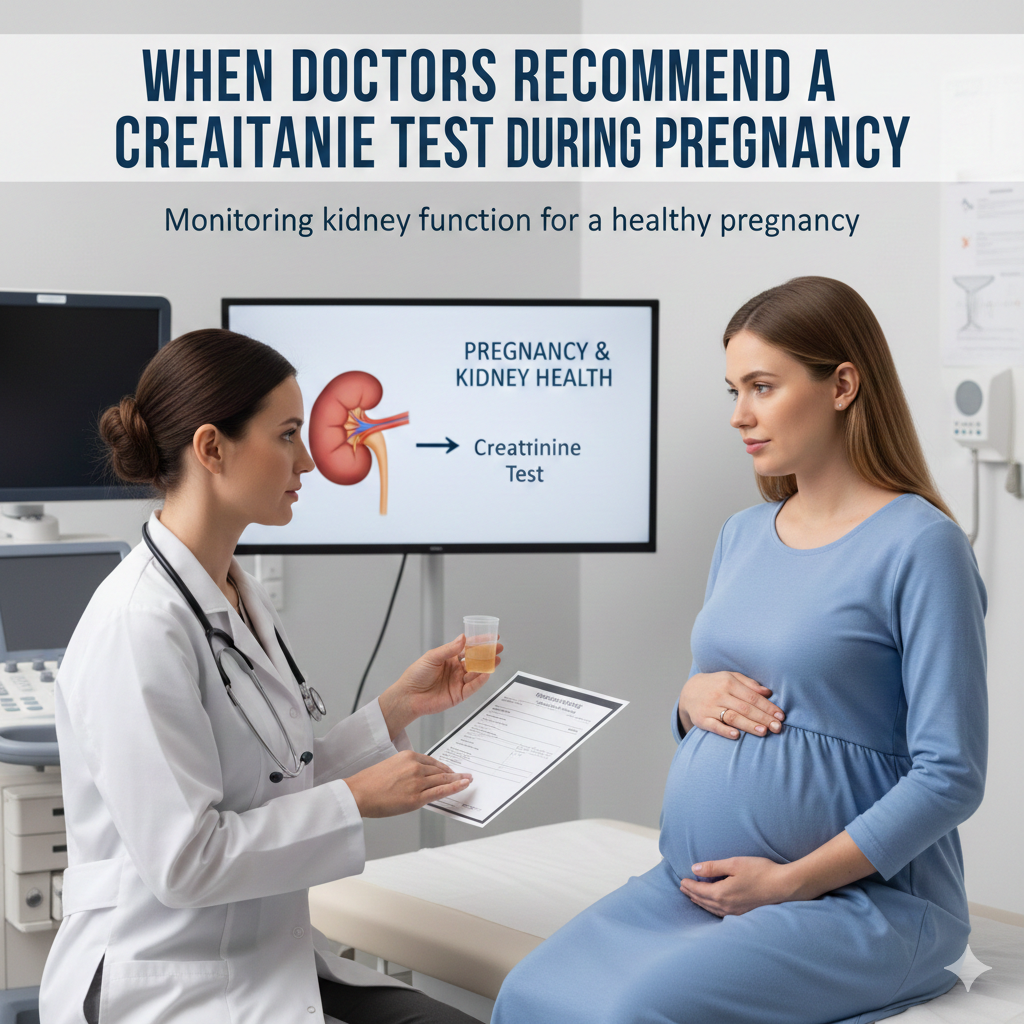
Not every pregnant woman needs frequent creatinine testing, but doctors commonly recommend it if:
- You have a history of kidney disease
- You develop high blood pressure during pregnancy
- There are signs of preeclampsia
- You have diabetes or autoimmune conditions
- Swelling, reduced urine output, or abnormal blood pressure is observed
In many cases, it’s included as part of routine blood work to ensure everything is progressing smoothly.
Is the Creatinine Test During Pregnancy Safe?
Safety of Blood Tests During Pregnancy
One of the biggest concerns expectant mothers have is whether medical tests could harm their baby. The good news? Blood tests, including the creatinine test during pregnancy, are widely considered safe.
Blood draws do not affect the uterus, placenta, or baby in any way. The amount of blood taken is minimal and does not interfere with your body’s ability to support pregnancy. These tests have been used for decades in prenatal care and are backed by extensive medical research.
Risks and Side Effects of a Creatinine Test During Pregnancy
The risks associated with a creatinine test are extremely minor and usually related to the blood draw itself. These may include:
- Mild pain or discomfort at the needle site
- Slight bruising
- Temporary dizziness in sensitive individuals
There are no known risks to the fetus from this test. No chemicals, dyes, or medications are involved, making it one of the safest diagnostic tools used during pregnancy.
Myths vs Facts About Creatinine Testing in Pregnancy
There’s a lot of misinformation floating around, especially online. Some people mistakenly believe that frequent blood tests weaken the body or stress the baby. In reality, these beliefs have no scientific basis.
Fact: The creatinine test during pregnancy does not interfere with fetal development.
Myth: Blood tests drain nutrients needed by the baby.
Fact: The body quickly replaces the small amount of blood drawn.
Understanding the facts can help ease unnecessary anxiety and allow you to focus on what truly matters—your health and your baby’s well-being.
Can a Creatinine Test Harm the Baby?
Simply put: no. A creatinine test does not harm the baby. In fact, it helps protect the baby by ensuring the mother’s kidneys are functioning properly. Healthy kidneys support proper fluid balance, blood pressure control, and nutrient delivery to the fetus.
If there’s any test that works quietly in the background to safeguard pregnancy, this is one of them.
Why Is the Creatinine Test During Pregnancy Necessary?
Monitoring Kidney Function in Pregnant Women
Pregnancy places unique demands on a woman’s body, and the kidneys are among the organs that feel this pressure the most. As blood volume increases to support the growing baby, the kidneys must filter more blood than usual. This increased workload is normal, but it also means that even subtle kidney problems can become more pronounced during pregnancy. That’s exactly why the creatinine test during pregnancy plays such a crucial role.
By measuring creatinine levels, healthcare providers can assess how efficiently the kidneys are filtering waste. If creatinine levels rise unexpectedly, it may signal that the kidneys are under stress or not functioning optimally. This early insight allows doctors to intervene before the situation escalates into something more serious. In many cases, women feel perfectly fine and have no noticeable symptoms, which makes routine monitoring even more valuable.
Think of the creatinine test as a quiet checkpoint on a long road trip. You may not feel like anything is wrong, but checking the engine ensures you don’t break down miles ahead. During pregnancy, that kind of preventive care can make all the difference.
Creatinine Test During Pregnancy and Preeclampsia
One of the most important reasons doctors recommend a creatinine test during pregnancy is to help identify conditions like preeclampsia. Preeclampsia is a pregnancy-related disorder characterized by high blood pressure and signs of damage to organs, particularly the kidneys. It often develops silently, without obvious symptoms in the early stages.
When the kidneys are affected, creatinine levels can rise. Monitoring these levels helps doctors spot warning signs early, sometimes even before blood pressure becomes dangerously high. Early detection allows for closer observation, lifestyle adjustments, and medical management that can protect both mother and baby.
Without tests like creatinine measurement, preeclampsia could go unnoticed until it becomes severe. In this way, the creatinine test doesn’t just provide numbers—it offers an opportunity for timely action and safer outcomes.
Detecting Hidden Kidney Disorders Early
Not all kidney problems announce themselves loudly. Some women enter pregnancy with mild or undiagnosed kidney conditions that only become apparent when the kidneys are pushed harder than usual. The creatinine test during pregnancy can uncover these hidden issues before they cause complications.
Early detection is especially important because pregnancy-related kidney stress can worsen preexisting conditions. Identifying a problem early allows healthcare providers to tailor care plans, adjust monitoring frequency, and reduce risks. For many women, this means continuing a healthy pregnancy with the right support in place.
In short, the creatinine test acts like a spotlight, illuminating issues that might otherwise remain in the shadows.
Role of Creatinine Test in High-Risk Pregnancies
Some pregnancies are considered high-risk due to factors such as diabetes, chronic hypertension, autoimmune conditions, or a history of kidney disease. In these situations, the creatinine test during pregnancy becomes even more important.
Regular testing helps doctors track changes over time and respond quickly if kidney function begins to decline. Rather than relying on symptoms alone—which may appear late—the test provides objective data that guides medical decisions. This proactive approach reduces the likelihood of emergency interventions later in pregnancy.
For high-risk pregnancies, the creatinine test isn’t optional—it’s an essential part of comprehensive prenatal care.
Normal Creatinine Levels During Pregnancy
Trimester-Wise Creatinine Levels Explained
Creatinine levels naturally fluctuate throughout pregnancy. In the first trimester, kidney filtration increases, often leading to slightly lower creatinine levels. This trend usually continues into the second trimester, when blood volume and kidney efficiency peak.
By the third trimester, creatinine levels may rise slightly but should still remain within pregnancy-adjusted ranges. Doctors interpret these values carefully, always considering the stage of pregnancy. This trimester-specific approach is why the creatinine test during pregnancy must be evaluated differently than in non-pregnant individuals.
Understanding these natural shifts helps prevent unnecessary worry when values look “different” but are actually normal for pregnancy.
How Pregnancy Naturally Lowers Creatinine Levels
One interesting aspect of pregnancy is how it enhances kidney filtration. This increased efficiency means creatinine is cleared from the blood more quickly, resulting in lower levels. It’s a bit like upgrading from a standard water filter to a high-speed purifier—the waste gets cleared faster.
This natural drop is expected and healthy. However, because levels are usually lower, even a modest increase can be significant. That’s why doctors pay close attention to changes rather than relying on a single test result.
The creatinine test during pregnancy helps track these changes over time, providing a clearer picture of kidney health.
What Is Considered High Creatinine During Pregnancy?
High creatinine levels during pregnancy don’t always mean there’s a serious problem, but they do warrant attention. Since pregnancy typically lowers creatinine, values that would be considered normal outside of pregnancy may raise concerns during gestation.
Elevated creatinine levels can indicate dehydration, kidney stress, high blood pressure, or other underlying conditions. Doctors interpret these results alongside symptoms, blood pressure readings, and other tests to determine the cause.
The key takeaway? Context matters. A creatinine value is never evaluated in isolation during pregnancy.
What Is Considered Low Creatinine During Pregnancy?
Low creatinine levels are common and usually not a cause for concern during pregnancy. They often reflect increased kidney filtration and lower muscle mass due to pregnancy-related changes.
In most cases, low creatinine is simply a sign that the body is adapting as expected. The creatinine test during pregnancy helps confirm that these changes are normal rather than problematic.
Causes of High Creatinine Levels During Pregnancy
Dehydration and Its Effect on Creatinine
Dehydration is one of the most common and easily correctable causes of elevated creatinine levels during pregnancy. When the body lacks sufficient fluids, blood becomes more concentrated, and creatinine levels can rise.
Pregnant women are especially prone to dehydration due to nausea, vomiting, and increased fluid needs. Drinking enough water is a simple yet powerful way to support kidney health and maintain normal creatinine levels.
Pregnancy-Related Kidney Stress
As pregnancy progresses, the kidneys face increased demands. In some cases, this stress can lead to temporary changes in kidney function. The creatinine test during pregnancy helps identify when this stress exceeds what’s considered normal.
Monitoring allows doctors to distinguish between normal adaptation and potential complications, ensuring timely care.
High Blood Pressure and Creatinine Levels
High blood pressure can damage blood vessels in the kidneys, reducing their ability to filter waste. During pregnancy, conditions like gestational hypertension and preeclampsia are closely linked to kidney function.
Elevated creatinine levels may serve as an early indicator that blood pressure is affecting the kidneys, prompting closer monitoring and intervention.
Underlying Medical Conditions Affecting Creatinine
Conditions such as diabetes, autoimmune disorders, or chronic kidney disease can influence creatinine levels during pregnancy. The creatinine test during pregnancy helps manage these conditions by providing ongoing insight into kidney health.
Symptoms of Abnormal Creatinine Levels During Pregnancy
Signs of High Creatinine Levels During Pregnancy
High creatinine levels don’t always cause noticeable symptoms, but when they do, they may include:
- Swelling in the face, hands, or feet
- Reduced urine output
- Fatigue
- Nausea or loss of appetite
These symptoms often overlap with normal pregnancy discomforts, which is why testing is so important.
Symptoms of Kidney Issues in Pregnant Women
Kidney-related symptoms may be subtle or mistaken for typical pregnancy changes. Persistent swelling, severe fatigue, or changes in urination patterns should always be discussed with a healthcare provider.
The creatinine test during pregnancy helps clarify whether these symptoms are harmless or require attention.
When to Seek Medical Attention
If symptoms are severe, sudden, or worsening, medical evaluation is essential. Early assessment can prevent complications and ensure appropriate care.
Can Abnormal Creatinine Levels Be Asymptomatic?
Yes, many women with abnormal creatinine levels feel completely fine. That’s why routine testing plays such a vital role in prenatal care.
Creatinine Test During Pregnancy and Fetal Health
How Kidney Function Affects Baby’s Growth
Healthy kidneys help regulate blood pressure and fluid balance, both of which influence placental blood flow. Proper kidney function ensures the baby receives adequate oxygen and nutrients.
The creatinine test during pregnancy indirectly supports fetal growth by ensuring maternal kidney health.
Risks to the Baby if Creatinine Levels Are High
If kidney function is compromised, it may affect placental efficiency. This can impact fetal growth and increase the risk of preterm birth. Early detection through creatinine testing helps minimize these risks.
Importance of Early Detection Through Creatinine Testing
Early detection allows for interventions that protect both mother and baby. Whether it’s adjusting fluid intake or managing blood pressure, timely action makes a difference.
Long-Term Effects on Mother and Baby
Managing kidney health during pregnancy reduces the likelihood of long-term complications for both mother and child. The creatinine test during pregnancy supports healthier outcomes beyond delivery.
How to Prepare for a Creatinine Test During Pregnancy
Dietary Guidelines Before a Creatinine Test
Most of the time, no special diet is required. However, following your doctor’s guidance ensures accurate results.
Hydration Tips for Accurate Test Results
Staying well-hydrated helps maintain stable creatinine levels. Drinking water regularly is one of the simplest ways to support kidney health.
Medications That May Affect Creatinine Levels
Some medications can influence creatinine levels. Always inform your healthcare provider about any supplements or prescriptions you’re taking.
What to Expect on the Day of the Test
The test is quick, routine, and usually completed in minutes. Knowing what to expect can help reduce anxiety.
Managing High Creatinine Levels During Pregnancy
Lifestyle Changes to Support Kidney Health
Simple changes such as staying hydrated, resting adequately, and managing stress can positively impact kidney function.
Pregnancy-Safe Dietary Adjustments
Balanced nutrition supports overall health, including kidney function. Your healthcare provider may suggest minor dietary changes if needed.
Importance of Fluid Intake
Fluids help the kidneys flush out waste. Adequate hydration is especially important during pregnancy.
Medical Management and Monitoring
In some cases, closer monitoring or treatment may be required. The creatinine test during pregnancy helps guide these decisions.
Creatinine Test During Pregnancy vs Other Kidney Tests
Creatinine vs Blood Urea Levels
Creatinine is often more specific for kidney function than other markers, making it a key component of prenatal testing.
Creatinine Clearance Test Explained
This test provides additional insight into how well the kidneys are filtering blood, complementing standard creatinine measurements.
Urine Tests Alongside Creatinine Testing
Urine tests can reveal protein levels and other markers that help assess kidney health.
Why Creatinine Test Remains Essential During Pregnancy
Despite the availability of multiple tests, creatinine remains a reliable and widely used indicator of kidney function during pregnancy.
Emotional and Mental Aspects of Creatinine Testing During Pregnancy
Anxiety Around Medical Tests in Pregnancy
It’s normal to feel anxious about tests during pregnancy. Understanding their purpose can ease those worries.
How to Cope With Abnormal Test Results
Abnormal results don’t always mean something is wrong. Open communication with your healthcare provider helps put results into perspective.
Communicating With Healthcare Providers
Asking questions and staying informed empowers you to participate actively in your care.
Staying Calm and Informed
Knowledge reduces fear. The more you understand the creatinine test during pregnancy, the more confident you’ll feel.
Is the Creatinine Test During Pregnancy Safe and Necessary?
The answer is a reassuring yes. The creatinine test during pregnancy is both safe and necessary for many women. It provides valuable insight into kidney health, helps detect potential complications early, and supports better outcomes for both mother and baby. Far from being an unnecessary procedure, it’s a quiet guardian—working behind the scenes to ensure your pregnancy journey stays on track.
FAQs
- Is the creatinine test during pregnancy painful?
The test involves a simple blood draw and causes minimal discomfort. - How often is a creatinine test done during pregnancy?
Frequency depends on individual health needs and risk factors. - Can drinking more water lower creatinine levels during pregnancy?
Proper hydration can help maintain healthy creatinine levels. - Are low creatinine levels dangerous during pregnancy?
Low levels are usually normal and reflect increased kidney filtration. - Do creatinine levels return to normal after delivery?
Yes, creatinine levels typically return to pre-pregnancy ranges after childbirth.
Leave a Reply