
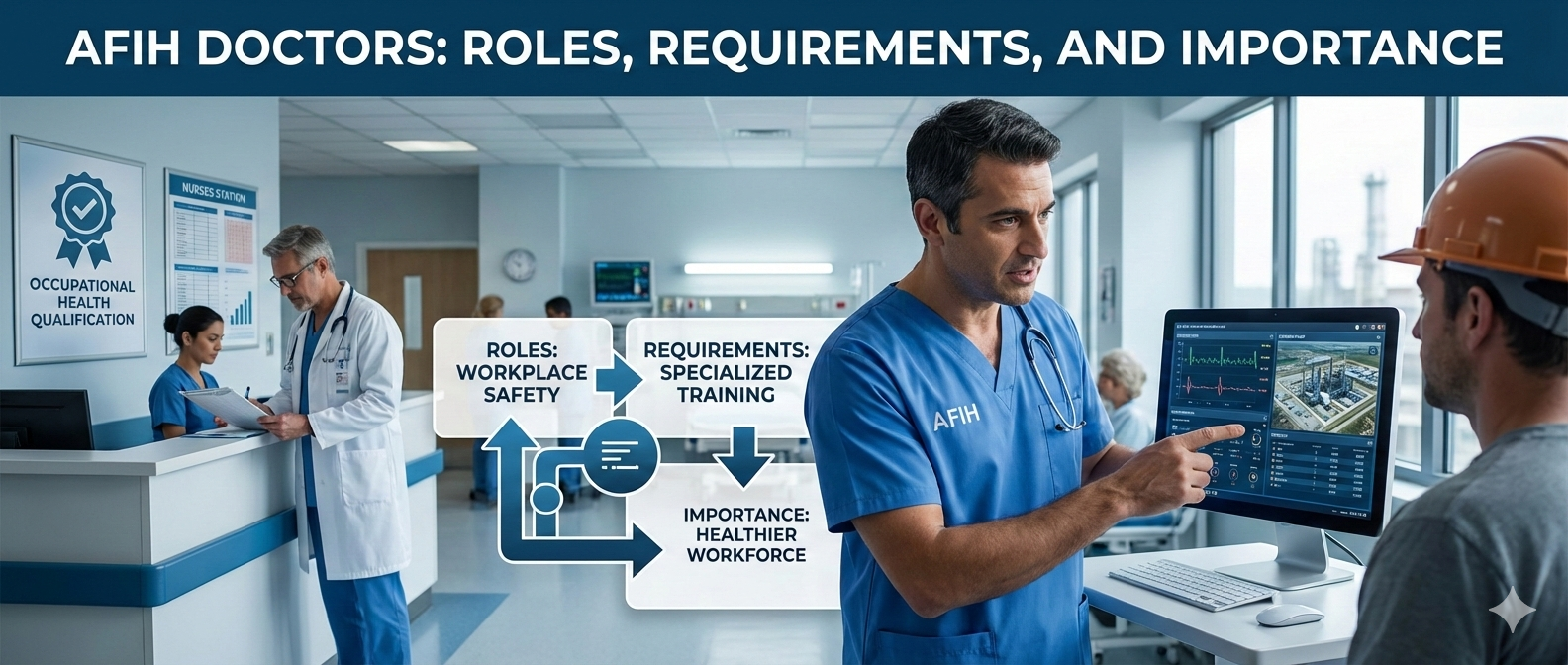

AFIH Doctors in Hospitals: An Introduction
AFIH Doctors in Hospitals play a quietly powerful role in modern healthcare systems. While most people instantly think of surgeons, physicians, or emergency doctors when imagining hospital care, there is another layer of medical expertise working behind the scenes to ensure that hospitals remain safe, compliant, and healthy environments. That layer is where AFIH Doctors in Hospitals operate. Their work directly impacts not only patient outcomes but also the wellbeing of healthcare workers and the overall efficiency of hospital operations.
Hospitals are complex ecosystems. They are filled with biological, chemical, physical, and psychological hazards that can affect staff and patients alike. From exposure to infectious diseases to ergonomic stress and environmental risks, these challenges require specialized oversight. AFIH Doctors in Hospitals are trained to recognize, evaluate, and manage these risks systematically. They bridge the gap between clinical medicine and workplace safety, ensuring hospitals function as healing spaces rather than risk zones.
What makes AFIH Doctors in Hospitals particularly important today is the growing complexity of healthcare delivery. Advanced technologies, increasing patient loads, regulatory pressures, and global health threats have made occupational health expertise essential rather than optional. AFIH Doctors step into this role with a preventive mindset, focusing not just on treating illness but on stopping it before it begins.
In this article, we’ll explore in depth who AFIH Doctors in Hospitals are, what they do, what qualifications they need, and why their role has become indispensable in today’s healthcare landscape.
Understanding the Concept of AFIH Doctors in Hospitals
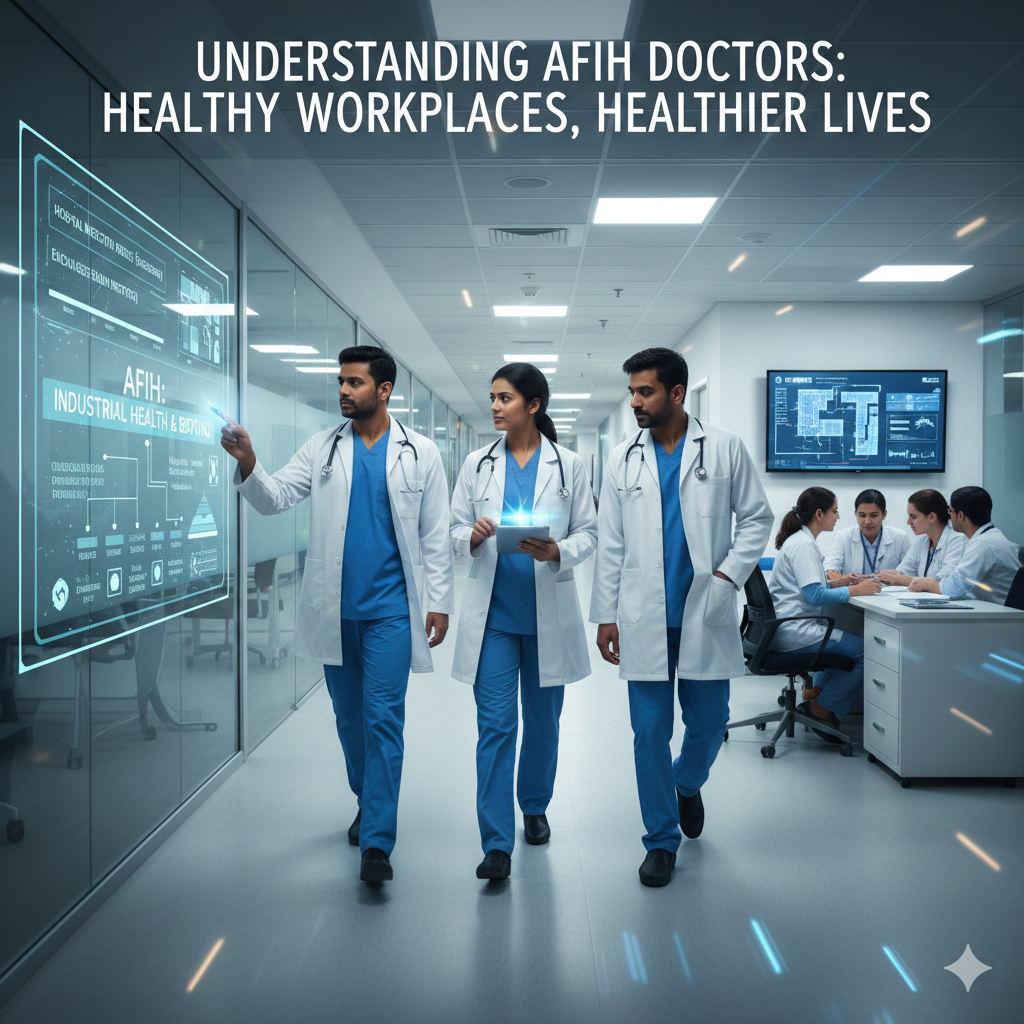
AFIH Doctors in Hospitals specialize in occupational health within healthcare settings. Their primary focus is the interaction between work and health, particularly how hospital environments affect the physical and mental wellbeing of healthcare workers. Unlike general clinicians who respond to illness after it occurs, AFIH Doctors take a proactive and preventive approach.
Historically, occupational health was associated with factories, mines, and industrial workplaces. However, as healthcare systems expanded and became more technologically advanced, hospitals emerged as high-risk workplaces themselves. Exposure to infections, radiation, chemicals, long working hours, and emotional stress made it clear that hospitals required dedicated occupational health expertise. This realization paved the way for AFIH Doctors in Hospitals to become an integral part of healthcare institutions.
AFIH Doctors in Hospitals are trained to assess workplace hazards, design preventive strategies, and advise hospital management on health-related policies. Their work is not limited to a single department. Instead, they interact with administration, nursing staff, clinicians, support workers, and safety teams. This broad scope allows them to view hospital health risks holistically.
At their core, AFIH Doctors in Hospitals aim to create a safer, healthier, and more productive working environment. By doing so, they indirectly enhance patient care, reduce staff absenteeism, and support the hospital’s long-term sustainability.
Core Responsibilities of AFIH Doctors in Hospitals
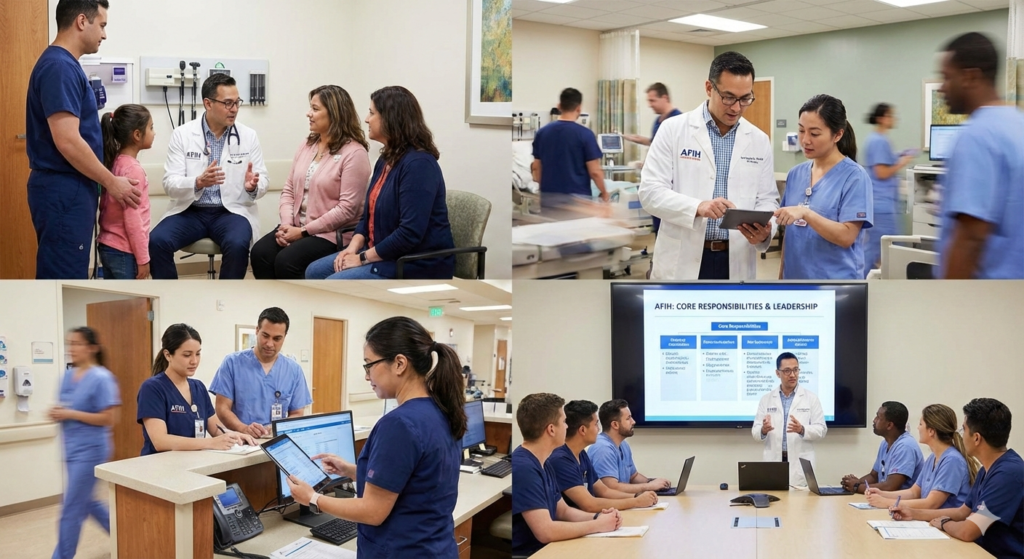
The responsibilities of AFIH Doctors in Hospitals are diverse and far-reaching. One of their main tasks is identifying workplace hazards that could negatively affect healthcare workers. These hazards may include infectious agents, chemical exposure, physical strain, or psychological stress. Once identified, AFIH Doctors develop strategies to minimize or eliminate these risks.
Another key responsibility is health surveillance. AFIH Doctors in Hospitals monitor the health status of employees who may be exposed to specific occupational risks. This includes conducting regular health assessments, reviewing medical fitness for duty, and ensuring early detection of work-related illnesses. Early intervention not only protects employees but also prevents disruptions in hospital operations.
AFIH Doctors in Hospitals also play an advisory role. They provide expert guidance to hospital leadership on occupational health policies, risk management, and legal compliance. Their recommendations often influence decisions related to staffing, workflow design, and safety investments.
Additionally, education and training form a significant part of their role. AFIH Doctors in Hospitals design and deliver training programs to raise awareness about workplace hazards, safe practices, and personal health responsibility. By empowering staff with knowledge, they help foster a culture of safety within the hospital.
Daily Duties of AFIH Doctors in Hospitals
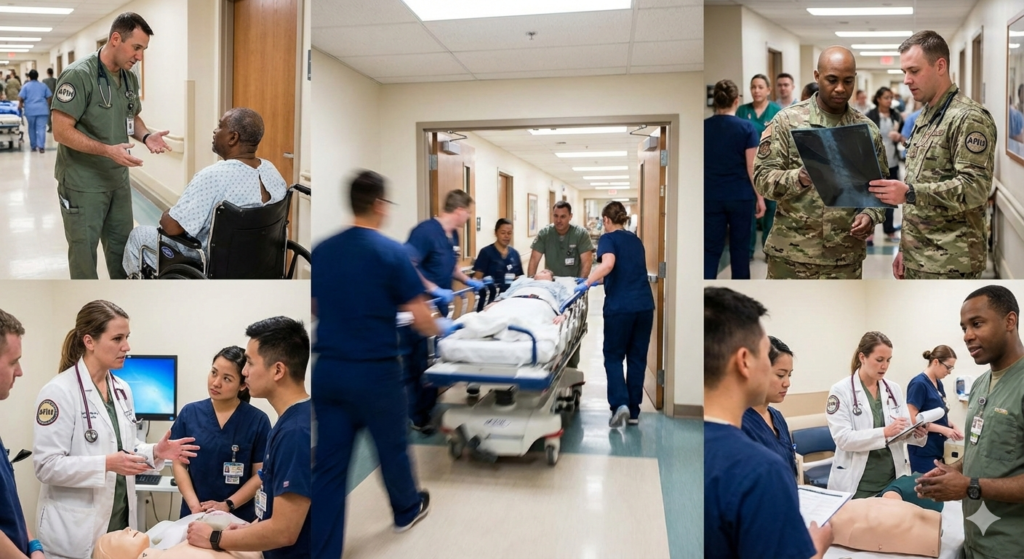
A typical day for AFIH Doctors in Hospitals is anything but routine. Their daily duties blend clinical assessments, administrative tasks, and collaborative meetings. They may start the day by reviewing reports of workplace incidents or staff health concerns, followed by AFIH Doctor consultations with employees experiencing work-related symptoms.
Clinical evaluations are a core part of their day. AFIH Doctors in Hospitals assess whether employees are fit for work, require modified duties, or need temporary leave due to health issues. These decisions are crucial because they balance employee wellbeing with the hospital’s operational needs.
Another daily duty involves workplace inspections. AFIH Doctors often visit different departments to observe working conditions, identify emerging risks, and assess compliance with safety protocols. These on-ground observations provide valuable insights that data alone cannot offer.
Documentation and reporting are also essential. AFIH Doctors in Hospitals maintain detailed records of health assessments, incidents, and preventive measures. These records support continuous improvement and serve as evidence of compliance during audits or inspections.
AFIH Doctors in Hospitals and Occupational Health
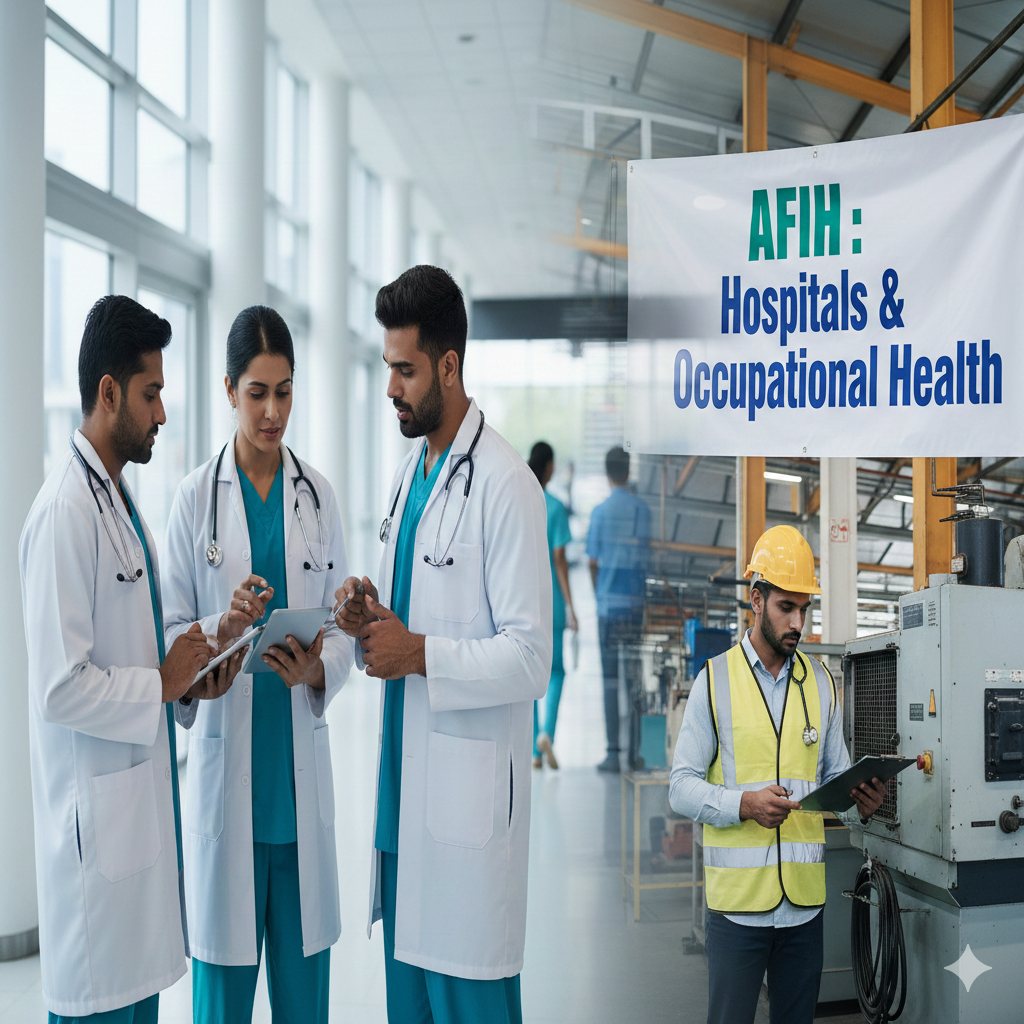
Occupational health is the backbone of the work done by AFIH Doctors in Hospitals. Their role is centered on understanding how work affects health and how health, in turn, affects work performance. In a hospital setting, this relationship is especially complex due to the demanding nature of healthcare jobs.
AFIH Doctors in Hospitals assess occupational risks unique to healthcare environments. These include exposure to infectious diseases, shift work fatigue, musculoskeletal injuries from patient handling, and mental health challenges arising from high-stress situations. By addressing these risks systematically, they help reduce long-term health problems among staff.
Health surveillance programs designed by AFIH Doctors ensure early detection of occupational illnesses. This proactive approach reduces the severity of conditions and supports faster recovery. It also helps hospitals retain experienced staff by preventing chronic health issues.
Beyond physical health, AFIH Doctors in Hospitals increasingly focus on mental wellbeing. Burnout, anxiety, and depression are common in healthcare settings. By promoting mental health initiatives and supportive policies, AFIH Doctors contribute to a more resilient workforce.
AFIH Doctors in Hospitals: Legal and Regulatory Importance
Hospitals operate under strict health and safety regulations, and AFIH Doctors in Hospitals play a critical role in ensuring compliance. They interpret relevant laws and guidelines and translate them into practical policies that can be implemented on the ground.
One of their key responsibilities is advising management on legal obligations related to employee health. This includes fitness-for-work assessments, workplace accommodations, and return-to-work programs. AFIH Doctors ensure that these processes are fair, ethical, and compliant with regulations.
AFIH Doctors in Hospitals also assist during audits and inspections. Their documentation, reports, and expert input provide evidence that the hospital is taking proactive steps to protect employee health. This not only reduces legal risk but also enhances the institution’s reputation.
Ethical considerations are equally important. AFIH Doctors must balance confidentiality, employee rights, and organizational needs. Their impartial medical judgment helps maintain trust between staff and management.
AFIH Doctors in Hospitals and Patient Safety
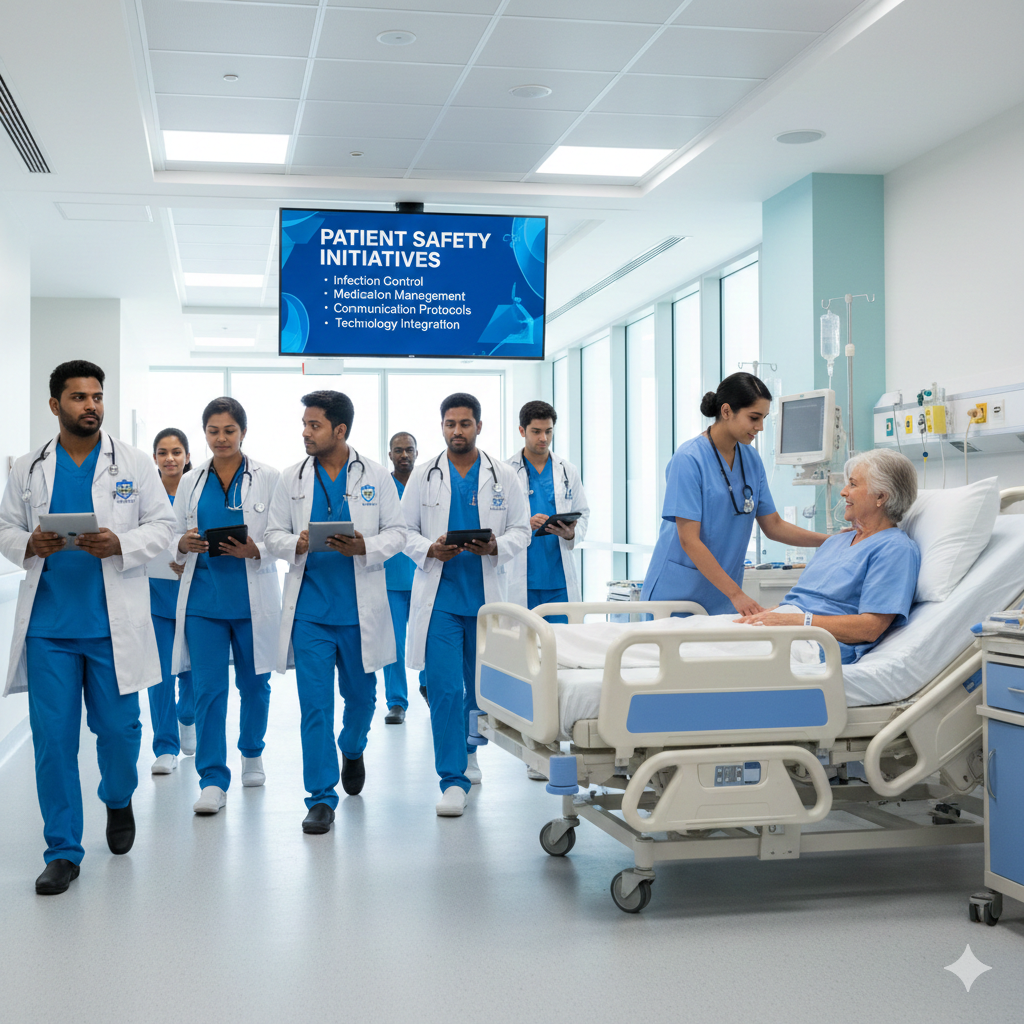
While AFIH Doctors in Hospitals primarily focus on staff health, their work has a direct impact on patient safety. Healthy healthcare workers are less likely to make errors, transmit infections, or experience burnout-related lapses in judgment.
AFIH Doctors contribute to infection prevention strategies by advising on vaccination programs, exposure management, and safe work practices. By reducing staff illness, they help maintain continuity of patient care.
Risk reduction is another area where AFIH Doctors in Hospitals make a difference. By identifying unsafe work practices and recommending improvements, they help create a safer environment for both staff and patients. This proactive approach aligns with the broader goal of quality healthcare delivery.
Role of AFIH Doctors in Hospitals During Health Emergencies

Health emergencies, such as disease outbreaks or large-scale disasters, highlight the importance of AFIH Doctors in Hospitals. During such times, their expertise becomes invaluable in managing risks and ensuring staff safety.
AFIH Doctors are often involved in emergency preparedness planning. They help design protocols for exposure management, staff protection, and continuity of operations. When emergencies occur, they provide real-time guidance on risk assessment and mitigation.
During prolonged crises, AFIH Doctors in Hospitals monitor staff fatigue, stress, and health outcomes. Their interventions help prevent burnout and ensure that healthcare workers can continue providing care effectively.
AFIH Doctors in Hospitals: Required Qualifications
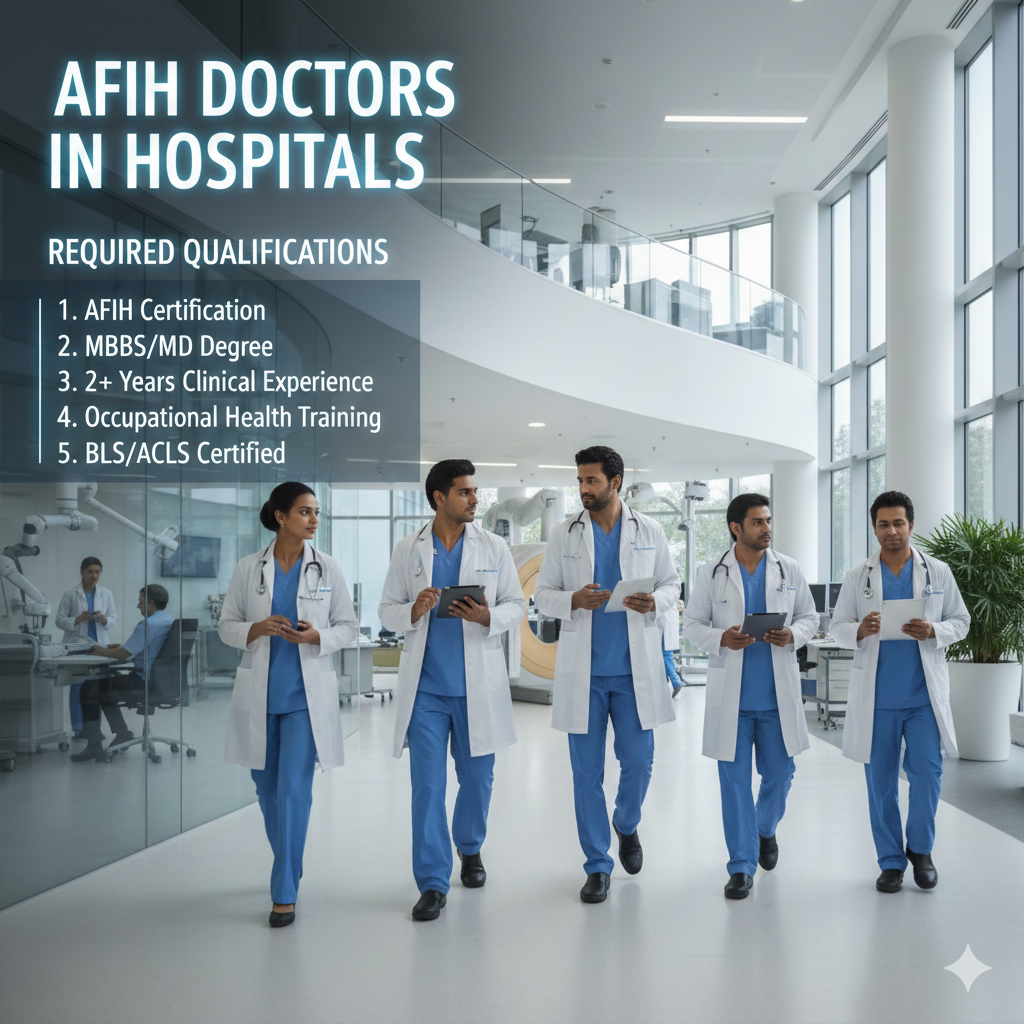
To become AFIH Doctors in Hospitals, individuals must first complete a medical degree. This foundational training provides the clinical knowledge necessary to understand health conditions and their implications in the workplace.
Following medical qualification, specialized training in occupational health is required. This training equips doctors with skills in risk assessment, workplace hazard management, and preventive medicine. Continuous professional development is also essential, as healthcare risks and regulations evolve over time.
AFIH Doctors in Hospitals must maintain a strong understanding of healthcare systems, workplace dynamics, and regulatory frameworks. This combination of medical expertise and occupational health knowledge sets them apart from other medical professionals.
Skills and Competencies of AFIH Doctors in Hospitals
AFIH Doctors in Hospitals require a unique blend of skills. Clinical competence is fundamental, but it must be complemented by analytical thinking and problem-solving abilities. They often assess complex situations involving multiple risk factors and stakeholders.
Communication skills are equally important. AFIH Doctors must explain medical and safety concepts clearly to both healthcare workers and administrators. Their ability to build trust and influence decision-making is critical to successful implementation of health initiatives.
Leadership and collaboration also play a key role. AFIH Doctors in Hospitals work with multidisciplinary teams, contributing their expertise to broader organizational goals. Their calm, evidence-based approach is especially valuable during crises.
AFIH Doctors in Hospitals and Hospital Administration
Hospital administration relies heavily on the expertise of AFIH Doctors in Hospitals. These doctors provide data-driven insights that inform policy decisions, staffing strategies, and resource allocation.
AFIH Doctors help design health and safety policies that align with both regulatory requirements and operational realities. Their input ensures that policies are practical, effective, and sustainable.
By collaborating closely with management, AFIH Doctors in Hospitals help integrate occupational health into the hospital’s strategic planning. This alignment supports long-term organizational resilience.
Importance of AFIH Doctors in Hospitals for Healthcare Workers
Healthcare workers are the backbone of any hospital, and AFIH Doctors in Hospitals play a crucial role in protecting them. By addressing occupational risks, AFIH Doctors help reduce illness, injury, and burnout among staff.
Their work supports early intervention and rehabilitation, enabling healthcare workers to return to work safely and confidently. This not only benefits individuals but also strengthens team morale and productivity.
In the long run, AFIH Doctors in Hospitals contribute to workforce sustainability. By promoting health and wellbeing, they help hospitals retain skilled professionals and reduce turnover.
Challenges Faced by AFIH Doctors in Hospitals

Despite their importance, AFIH Doctors in Hospitals face several challenges. Limited resources, competing priorities, and lack of awareness about occupational health can hinder their efforts.
The evolving nature of healthcare risks also presents challenges. New technologies, emerging diseases, and changing work patterns require continuous adaptation. AFIH Doctors must stay informed and flexible to address these changes effectively.
Balancing employee advocacy with organizational demands can also be complex. AFIH Doctors must navigate these dynamics carefully to maintain trust and credibility.
Future Scope of AFIH Doctors in Hospitals
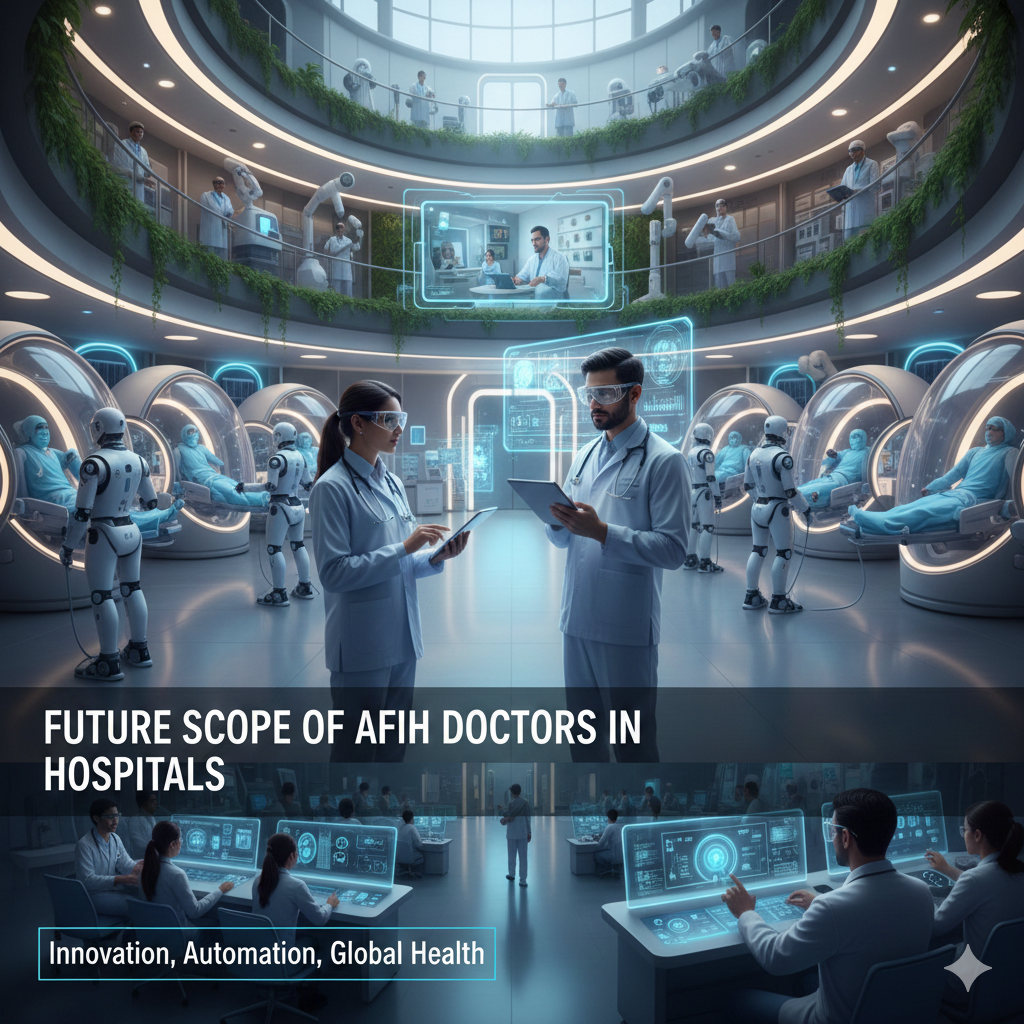
The future of AFIH Doctors in Hospitals looks promising as awareness of occupational health continues to grow. Advances in technology, such as data analytics and digital health tools, will enhance their ability to monitor and manage workplace risks.
AFIH Doctors are likely to take on more strategic roles, influencing hospital design, workforce planning, and sustainability initiatives. Their preventive focus aligns well with the healthcare industry’s shift toward value-based care.
As hospitals become more complex, the demand for AFIH Doctors in Hospitals will continue to rise.
Why AFIH Doctors in Hospitals Are Indispensable Today
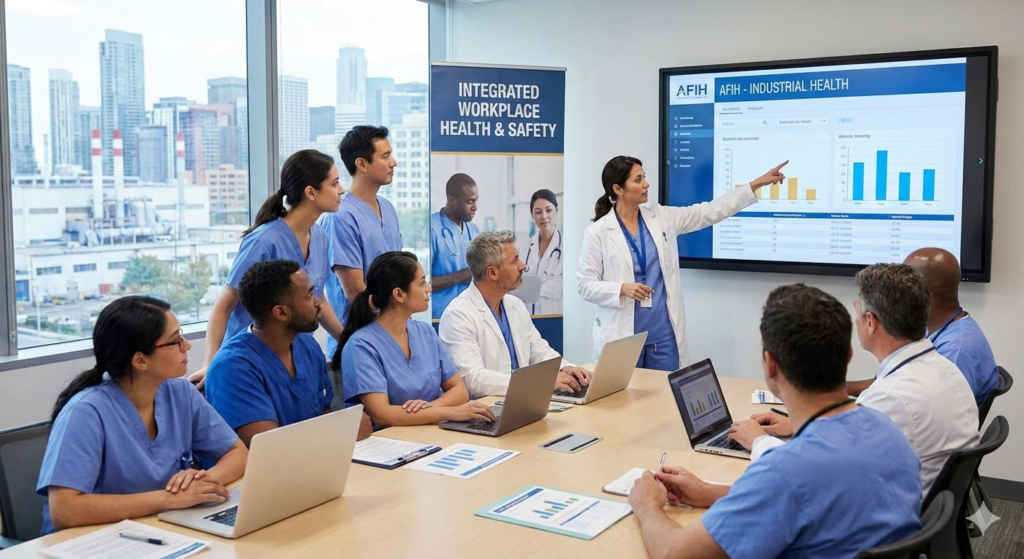
In today’s healthcare landscape, AFIH Doctors in Hospitals are no longer optional. They are essential partners in delivering safe, efficient, and high-quality healthcare.
Their preventive approach reduces costs, protects staff, and enhances patient safety. By addressing health risks proactively, AFIH Doctors help hospitals navigate challenges with confidence.
Simply put, AFIH Doctors in Hospitals are the silent guardians of healthcare systems, ensuring that those who care for others are themselves cared for.
Conclusion
AFIH Doctors in Hospitals play a vital yet often underappreciated role in healthcare. Their expertise in occupational health bridges the gap between clinical medicine and workplace safety, creating healthier environments for staff and patients alike. From risk assessment and policy development to emergency preparedness and staff wellbeing, their contributions are far-reaching.
As healthcare systems face increasing pressures, the importance of AFIH Doctors in Hospitals will only grow. Investing in their role is not just a regulatory requirement; it is a strategic decision that benefits everyone involved in healthcare delivery.
FAQs
- What is the main role of AFIH Doctors in Hospitals?
AFIH Doctors focus on occupational health, ensuring that hospital staff work in safe and healthy environments. - Do AFIH Doctors in Hospitals treat patients directly?
Their primary focus is employee health, but their work indirectly improves patient care and safety. - Why are AFIH Doctors important for healthcare workers?
They help prevent work-related illnesses, injuries, and burnout, supporting long-term wellbeing. - Are AFIH Doctors involved in hospital policy-making?
Yes, they advise management on health, safety, and regulatory compliance policies. - Will the demand for AFIH Doctors in Hospitals increase in the future?
Yes, due to growing awareness of occupational health and increasing healthcare complexity.
Leave a Reply