
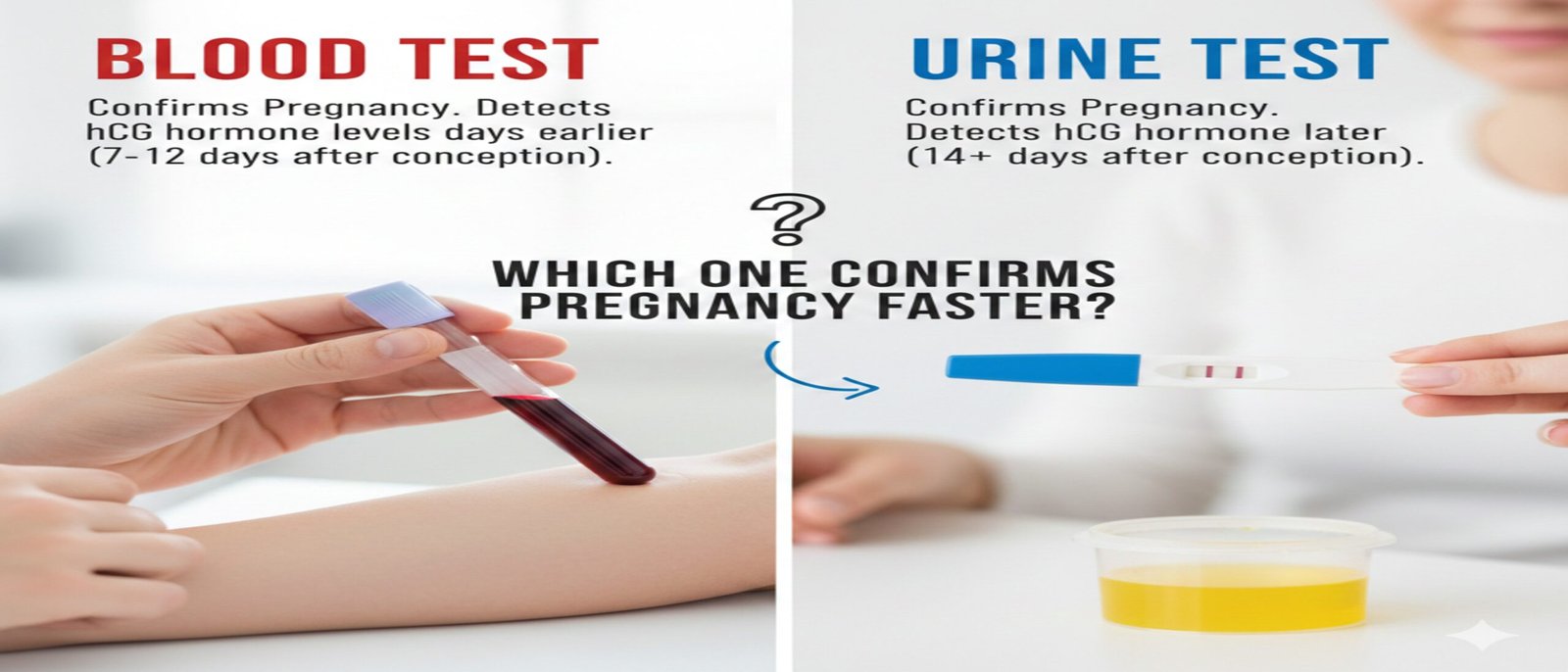
Pregnancy is one of the most emotional, exciting, and nerve-racking phases a person can experience. And when the question “Am I pregnant?” crosses someone’s mind, the very first thing they often look for is a reliable pregnancy test. But that leads to another big question: Blood test or urine test? Which one confirms pregnancy faster? While both tests aim to detect the presence of hCG—the pregnancy hormone—their speed, accuracy, sensitivity, and overall reliability can vary significantly.
Understanding which test provides quicker confirmation is not only helpful for curiosity but also important for early decision-making, planning, health monitoring, or even peace of mind. Many people reach for a urine test because it’s affordable and easily accessible, while a blood test is often viewed as the more medically accurate option. But which truly delivers results earlier? And which one is better under different circumstances?
This detailed guide breaks everything down step by step. You’ll learn exactly how each test works, how early they can detect pregnancy, how sensitive they are, their strengths and weaknesses, and most importantly—which test confirms pregnancy sooner. The goal here is to give you a crystal-clear understanding so you can make the right choice based on your situation. Whether you’re trying to conceive, suspect you may be pregnant, or simply want to understand how pregnancy testing works, this article covers every angle.
Sit back, take a deep breath, and let’s walk through everything you need to know about blood tests vs. urine tests for pregnancy—because timing matters, accuracy matters, and your peace of mind matters even more.
Understanding How Pregnancy Tests Work
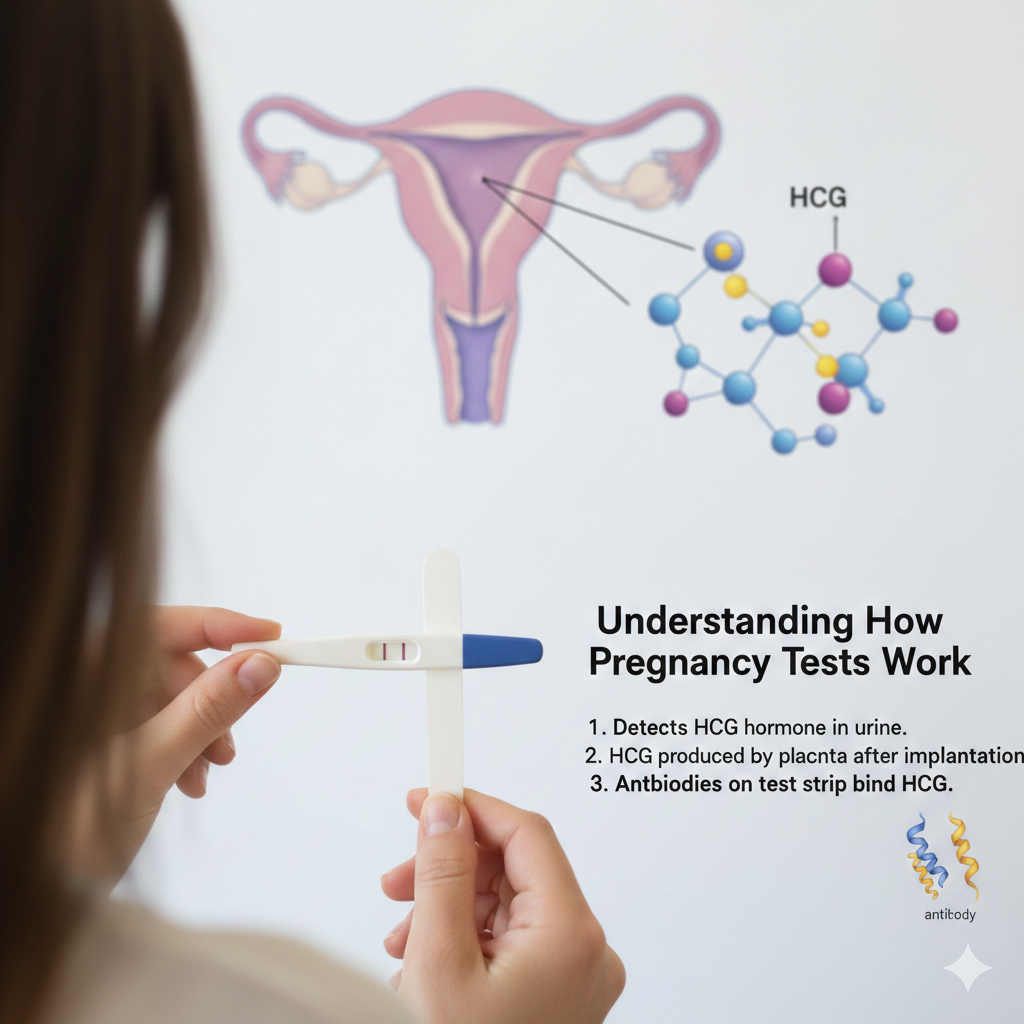
To understand which pregnancy test confirms pregnancy faster, it’s important to know how both tests function. Pregnancy tests—whether urine-based or blood-based—work by detecting human chorionic gonadotropin (hCG). This hormone is produced after a fertilized egg implants into the uterine lining, a process that generally happens 6 to 12 days after conception.
Here’s the thing: hCG rises slowly at first but then doubles every 48–72 hours in early pregnancy. Because of this rising pattern, a test’s ability to detect pregnancy depends on how sensitive it is to small amounts of hCG.
A typical urine test requires a higher level of hCG to show a positive result, while a blood test can detect extremely low levels—even before you’ve missed your period. That’s where the biggest difference comes in. The earlier the test picks up hCG, the sooner you get confirmation.
But the science doesn’t stop there. Pregnancy tests contain antibodies specially designed to bind to hCG molecules. When hCG is present, the reaction triggers a signal that appears as a line, color change, digital word, or lab measurement. While both test types use the same principle, the sensitivity and precision differ greatly.
What Is a Urine Pregnancy Test?
A urine pregnancy test is the most common method people use to check for pregnancy—simple, familiar, and available everywhere from pharmacies to supermarkets. These tests work by detecting hCG in your urine, but what makes them so widely used is the level of convenience they offer. You don’t need an appointment, a needle, or a medical setting. All you need is a few minutes and a test kit in your bathroom.
The test usually comes in one of two types: midstream tests, where you urinate directly on the stick, and dip tests, where you collect urine in a cup and dip the strip into it. Both versions look for the same thing: whether hCG levels in your urine are high enough for the test to catch. Once the liquid reaches the test area, the strip inside begins searching for the hormone. If hCG is present, a chemical reaction occurs that triggers a visible line, symbol, or digital message reading “Pregnant.”
Urine tests are designed for home use, which means they’re meant to be user-friendly, quick, and easy. Most of them promise high accuracy—often above 97%—when used at the right time. But timing is the key here. While some tests claim to detect pregnancy up to six days before a missed period, the truth is that not every person produces hCG early enough for an ultra-sensitive home test to pick up.
Another reason urine pregnancy tests are so popular is their psychological comfort factor. You can test privately, repeatedly, and without pressure. For someone who’s feeling anxious or unsure, the ability to take a test in the comfort of their home can be very reassuring. Plus, they’re inexpensive, which makes them ideal for people who test early and often while trying to conceive.
However, despite their popularity, it’s important to remember that urine tests still rely on the concentration of hCG in your urine. Hydration levels, timing, and test sensitivity can all affect whether the result is accurate. This means a urine test is not always the fastest method for confirming pregnancy—especially if you’re testing early.
How Urine Tests Detect hCG
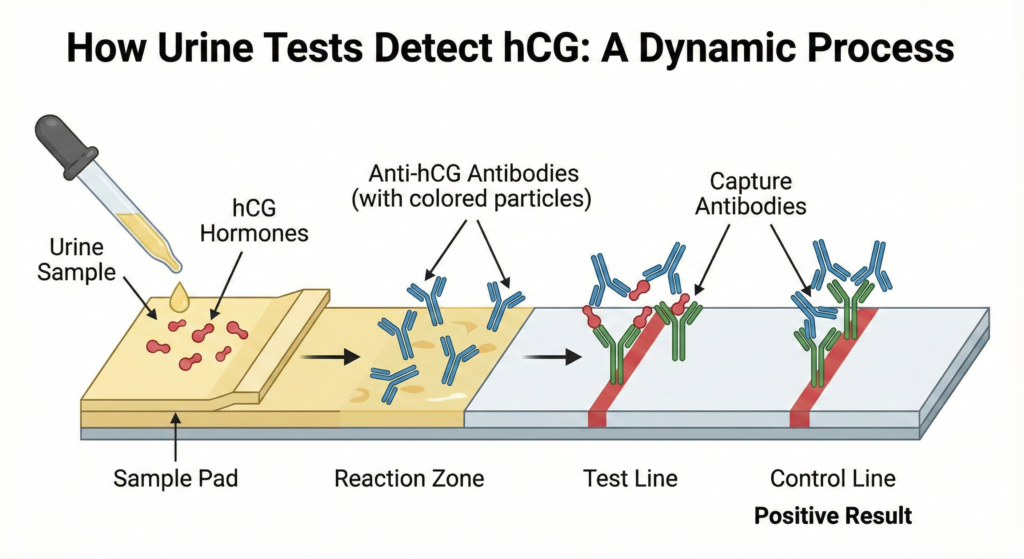
Understanding how urine tests detect hCG helps explain why they sometimes fail to give early confirmation. The hormone hCG first appears in blood, then later gets filtered into urine. So even if a fertilized egg implants early, it takes additional time for hCG to reach a detectable level in urine. This delay alone makes urine tests slower than blood tests in many cases.
Inside every pregnancy test is a strip lined with antibodies that are designed to latch onto the hCG molecule. When you apply urine to the test area, the liquid moves along the strip through capillary action. If hCG is present, the antibodies trigger a chemical reaction that results in a colored line or digital reading. The whole process may feel like magic, but it’s essentially a biochemical handshake between hCG and the test strip.
What’s interesting is that not all urine tests have the same sensitivity. Some low-sensitivity tests only detect hCG levels of 50 mIU/mL or higher, meaning early results are unlikely. More sensitive brands detect 10–20 mIU/mL, making them better for pre-period testing. But even the most sensitive urine tests cannot compete with blood tests, which can detect hCG as low as 1–2 mIU/mL.
Factors like time of day also matter. Using first-morning urine is recommended because it’s more concentrated, which increases the chances of detecting hCG. Drinking a lot of water before testing can dilute your urine and lead to a false negative. Even hormone fluctuations based on your cycle can influence results.
Urine tests also have a limited reaction window. Reading the test too early or too late can result in misinterpretations, evaporation lines, or incorrect assumptions. That’s why instructions always emphasize waiting the exact number of minutes indicated.
In short, urine tests rely heavily on the concentration of hCG and external conditions. While convenient and affordable, they simply aren’t the fastest option for early pregnancy confirmation. Their effectiveness depends heavily on timing, sensitivity, and proper usage.
Urine Test Accuracy and Timing
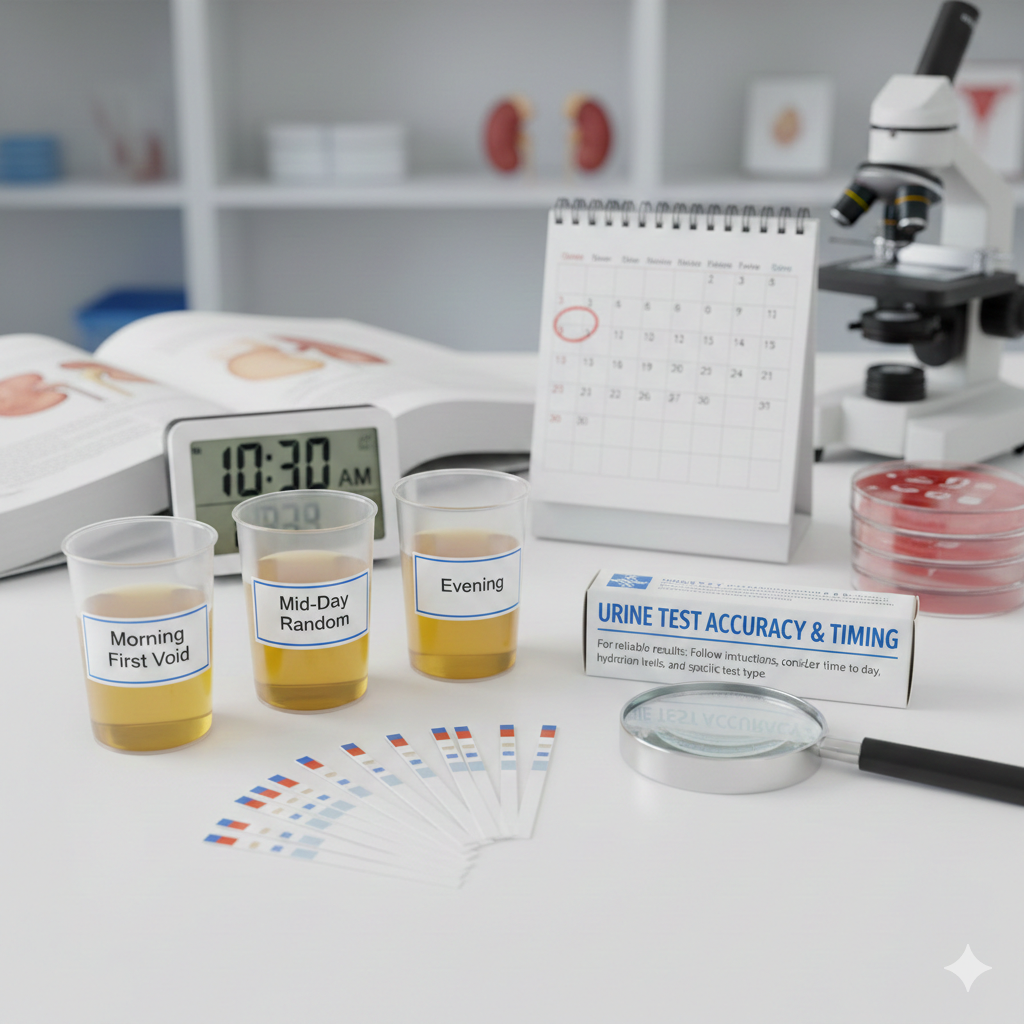
The accuracy and timing of a urine pregnancy test are two of the biggest factors that influence whether or not you’ll get a reliable result. Most brands advertise accuracy rates of 97–99%, but that number applies only when the test is taken on or after the first day of a missed period. Before that point, accuracy drops significantly, sometimes even below 70%, depending on how early someone tests and how quickly their body produces hCG.
Timing is everything when it comes to urine tests. hCG typically begins to appear in urine about 10 to 14 days after conception, and only when it reaches a high enough concentration can a home pregnancy test detect it. Because implantation can occur earlier or later depending on the individual, the exact day hCG becomes detectable can vary quite a bit. Some people may get a positive urine test four days before their expected period, while others may not see a positive result until days after their period is late—even if they are pregnant.
One of the most overlooked factors is the time of day you take the test. Every pregnancy test manufacturer recommends using first-morning urine because it’s the most concentrated. During the night, you’re not drinking, and your kidneys have time to build up more concentrated waste, making hormone levels more detectable. Testing later in the day, especially after drinking lots of water or other fluids, can dilute your hCG levels, leading to false negatives.
Another point to consider is the sensitivity of the specific urine test you choose. Low-sensitivity tests may require 50 mIU/mL of hCG to show a positive reading, while more sensitive early detection tests may only need 10–20 mIU/mL. This difference in sensitivity could mean getting a positive result several days earlier—or several days later. Some people unknowingly purchase a less sensitive test and assume they’re not pregnant simply because the result was read too early.
Additionally, urine tests come with the possibility of false negatives, which happen far more often than false positives. False negatives occur when hCG is too low, implantation is late, the urine is diluted, or the test is taken incorrectly. On the other hand, false positives—while rare—can happen due to evaporation lines, chemical pregnancies, or certain hormonal conditions.
So while urine tests are easy and accessible, they don’t always provide the earliest confirmation. Their effectiveness depends on a perfect combination of timing, hormone concentration, proper technique, and test sensitivity. If even one of those factors is off, your results may be misleading, which is why many people turn to blood tests when they need faster or more definitive answers.
Benefits of Taking a Urine Pregnancy Test
Despite the limitations, urine pregnancy tests remain incredibly popular for many logical reasons. One of the biggest advantages is convenience. Anyone can take the test at home without scheduling appointments or waiting in clinics. For people going through the emotional rollercoaster of wondering whether they’re pregnant, being able to test privately—at any time of day—is a major relief. Whether it’s first thing in the morning or in the middle of the night, a urine test is right there when you need it.
Another key benefit is cost-effectiveness. Compared to blood tests, which often require fees for testing, processing, and sometimes consultations, urine tests are very affordable. Many brands sell multi-packs, making it easier for people who like to test early, test often, or confirm their results. For those trying to conceive, this affordability is a major advantage because repeated testing becomes almost routine during the two-week wait.
Speed is another strength. Most urine pregnancy tests produce results in 1 to 3 minutes, giving almost instant clarity. There’s no need to wait for lab analysis, phone calls, or email notifications. In an emotional moment, getting quick answers is invaluable.
Urine tests also come in different styles—line tests, plus/minus symbols, and digital formats. Digital tests can be especially helpful because they eliminate guesswork and avoid the stress of interpreting faint or confusing lines. Seeing “Pregnant” or “Not Pregnant” spelled out can bring peace of mind.
Additionally, urine pregnancy tests can detect pregnancy with high accuracy after a missed period. At that stage, hCG levels are usually high enough to guarantee reliable results. For many people, waiting until after a missed period feels natural and aligns with the body’s cues.
Finally, the privacy factor cannot be overstated. Testing at home allows people to process the result emotionally without feeling rushed, judged, or watched. Whether the result is joyful or unexpected, the comfort of privacy is a powerful benefit.
Limitations of Urine Pregnancy Tests
While urine pregnancy tests are convenient and widely accessible, they come with several limitations that can affect how quickly and accurately they confirm pregnancy. One of the biggest drawbacks is their dependency on hCG concentration. Since hCG appears in blood before urine, there is always a delay between when conception occurs and when a urine test can detect it. This delay can be frustrating for people who need answers earlier, especially those tracking ovulation closely or experiencing early symptoms.
False negatives are the most common issue with urine tests. This usually happens when someone tests too early, before hCG levels have reached the threshold needed for detection. It can also occur if the test is taken later in the day when urine is diluted, lowering the hormone concentration. These false negatives often cause confusion and emotional stress, leading people to test multiple times or doubt their results.
Another limitation comes from variability in test sensitivity. Not all urine tests are created equal. Some detect hCG at 10 mIU/mL, while others require 25, 40, or even 50 mIU/mL. Because packaging can be unclear or overly optimistic in marketing claims, users may unknowingly purchase a low-sensitivity test and assume they are not pregnant simply because the test cannot detect early levels of the hormone.
Urine tests also rely heavily on the user following instructions correctly. Factors like how long urine sits on the strip, whether the sample is too little or too much, or reading the test outside the recommended time window can all lead to inaccurate results. Evaporation lines—faint grey or colorless lines that appear after the test dries—can trick users into thinking they are pregnant when they are not.
Hydration plays another significant role. Drinking too much water before testing can dilute hCG levels, making even a pregnant person get a negative result. People often test spontaneously, not realizing that timing and urine concentration matter more than they might expect.
Lastly, urine tests are not ideal for monitoring pregnancy progression. They cannot measure hCG levels precisely or determine if the hormone is rising appropriately—something that is crucial in cases of high-risk pregnancies, fertility treatments, or suspected ectopic pregnancies. This makes urine tests best suited only for initial detection, not ongoing evaluation.
For those wanting quick, precise confirmation, these limitations make urine tests less reliable than blood tests, especially in the earliest days of pregnancy.
What Is a Blood Pregnancy Test?
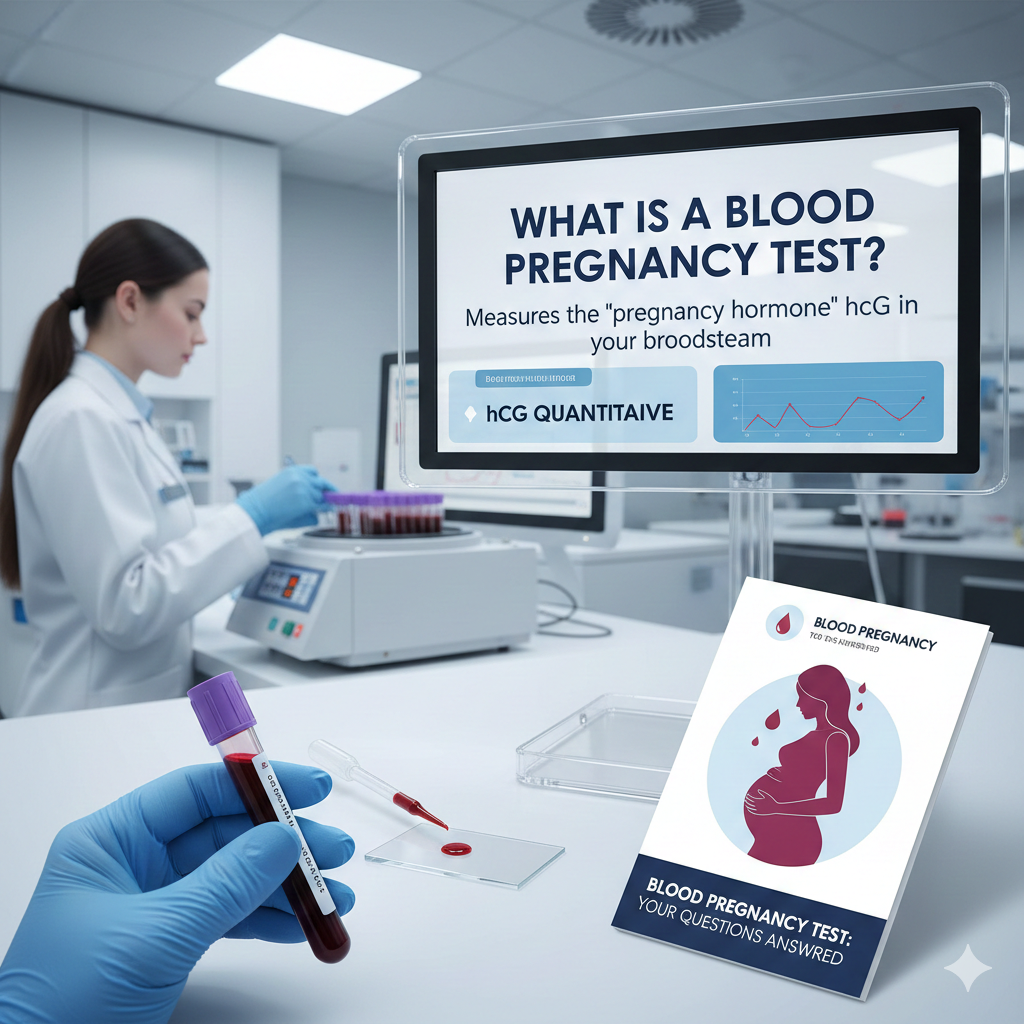
A blood pregnancy test is a more sensitive and medically precise method for detecting pregnancy. Unlike urine tests that rely on hormone concentration in your bladder, blood tests measure hCG directly from the bloodstream, where the hormone first appears after implantation. This gives blood tests a significant edge when it comes to early detection and accuracy.
Blood pregnancy tests fall into two categories: qualitative and quantitative. A qualitative blood test works similarly to a urine test—it simply checks whether hCG is present and returns a “yes or no” result. A quantitative test, often called a beta hCG test, measures the exact amount of hCG circulating in the blood. This number is incredibly helpful for monitoring the progress of early pregnancy, identifying potential complications, and determining how far along someone may be.
One of the main advantages of blood tests is their ability to detect extremely low levels of hCG—often as low as 1 to 2 mIU/mL. This means they can confirm pregnancy several days earlier than a urine test, sometimes as early as 6 to 8 days after ovulation, depending on the individual’s implantation timing.
Blood tests are also not influenced by hydration, urine dilution, or user error. Because the process is handled by trained professionals using specialized equipment, the risk of inaccurate results is greatly reduced.
Blood pregnancy tests are particularly useful for people undergoing fertility treatments, such as IVF, where early and precise hCG monitoring is crucial. They are also used when doctors’ consultation need to rule out or diagnose conditions like ectopic pregnancies or miscarriages, as fluctuating hCG levels offer valuable clues about what is happening internally.
Although blood tests require a clinic visit and a small blood draw, they offer unmatched accuracy, reliability, and early detection capabilities. For anyone seeking the fastest and most definitive answer, a blood pregnancy test is often the best choice.
How Early Can a Blood Test Detect Pregnancy?
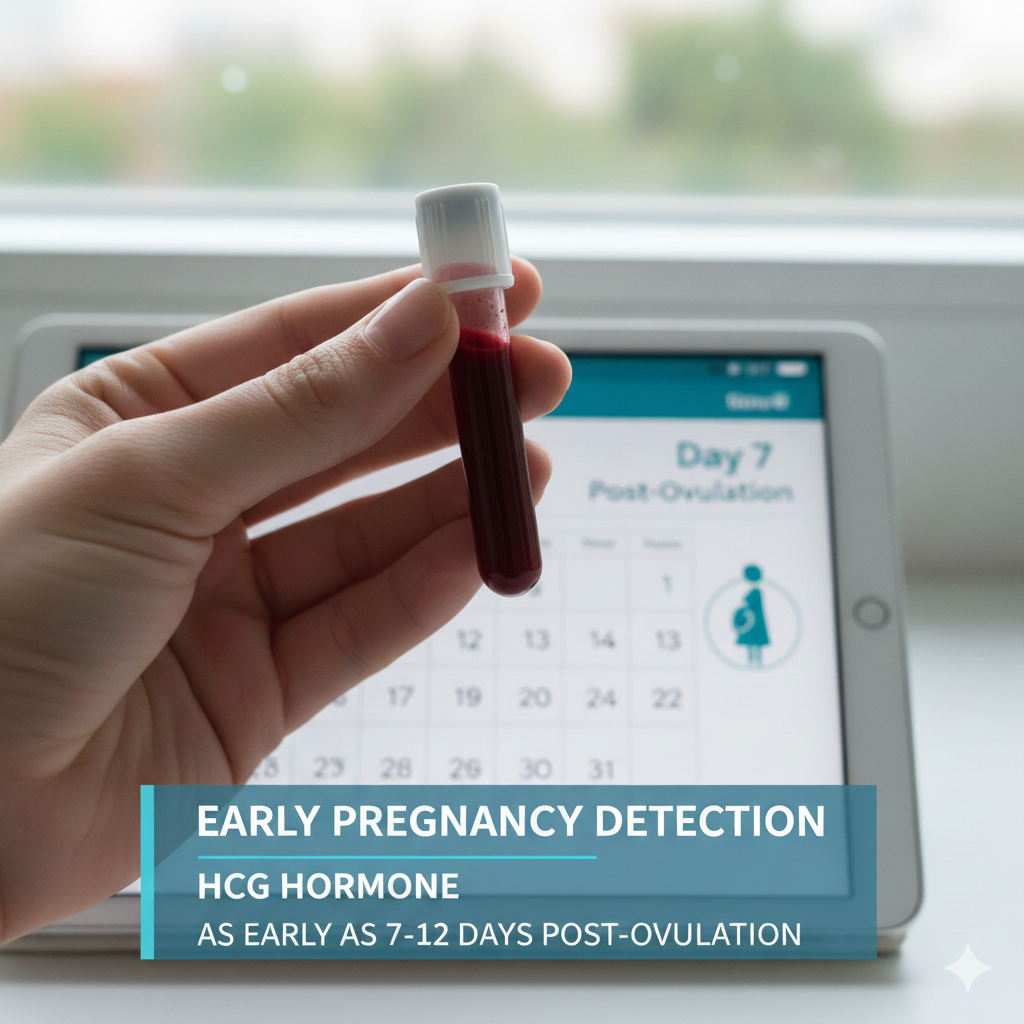
A blood pregnancy test is the earliest and most reliable way to confirm pregnancy because it can detect incredibly low levels of hCG long before a urine test can pick up the hormone. One of the biggest advantages blood tests offer is early detection—often as soon as 6 to 8 days after ovulation. To understand why this matters, it helps to know how implantation timing affects hCG production.
After fertilization, the embryo travels down the fallopian tube and implants itself into the uterus. Once implantation happens, the body begins producing hCG almost immediately. In most cases, implantation occurs between 6 and 12 days after conception, but some people implant earlier or later than average. A blood test can detect pregnancy before a missed period and in many cases even before implantation has fully stabilized, because hCG levels in blood rise sooner than in urine.
Quantitative blood tests (beta hCG tests) are the most sensitive, detecting hCG at concentrations as low as 1–2 mIU/mL, compared to 10–25 mIU/mL for most urine tests. This means a blood test often confirms pregnancy several days sooner than even the most sensitive urine test. For people actively trying to conceive, especially those undergoing fertility treatments or carefully tracking ovulation, these few days feel incredibly significant.
Another major benefit of early detection through blood testing is that it allows healthcare providers to monitor early pregnancy development more accurately. If hCG levels are rising appropriately—typically doubling every 48 to 72 hours—this indicates a healthy progression. On the other hand, slow or declining hCG levels may signal early miscarriage or an ectopic pregnancy, conditions that need early intervention.
Because blood tests don’t rely on urine concentration, hydration level, or user technique, the result is not influenced by mistakes in timing or test interpretation. Even variations in hCG metabolism between individuals do not affect the ability of a blood test to detect the hormone early.
For anyone who suspects early pregnancy, experiences symptoms before a missed period, or simply wants the earliest possible confirmation, blood pregnancy tests provide faster answers and far more precise insights than any urine test available on the market.
Accuracy of Blood Pregnancy Tests
When it comes to confirming pregnancy, blood tests are considered the gold standard because of their remarkable accuracy. Unlike urine tests, which rely on the concentration of hCG in a sample you provide at home, blood tests measure hCG directly from your bloodstream using advanced laboratory equipment. This allows for near-perfect accuracy—often 99% or higher, depending on the timing.
The strength of a blood pregnancy test lies in its sensitivity and consistency. While urine tests vary widely in their sensitivity levels, blood tests are precise and standardized. They are capable of detecting extremely small amounts of hCG, which means they not only identify pregnancy earlier but also eliminate many of the uncertainties that come with at-home testing.
Quantitative blood tests, in particular, give exact numerical readings of hCG levels. This is incredibly useful for monitoring early pregnancy progression, determining whether hCG is doubling normally, and identifying concerns such as chemical pregnancies, ectopic pregnancies, or potential miscarriages. Urine tests can only give a yes or no—they cannot show whether hCG levels are rising appropriately, which is vital information during early pregnancy.
Another important factor contributing to the accuracy of blood tests is the controlled testing environment. Since the test is performed by trained professionals using calibrated machines, there is no room for error due to improper usage, diluted urine, incorrect timing, or misinterpretation. This consistency provides peace of mind and a level of reliability urine tests simply cannot match.
Blood tests are also strongly recommended for individuals undergoing fertility treatments, such as IUI or IVF, where knowing the exact hCG level is essential for determining whether implantation was successful. In these situations, even slight fluctuations in hCG values can provide meaningful insights into the early development of a pregnancy.
In short, blood pregnancy tests are the most accurate way to confirm pregnancy early and reliably. Their ability to detect low levels of hCG, combined with lab-grade precision and numerical tracking, makes them unmatched in both sensitivity and dependability.
Benefits of Blood Pregnancy Tests
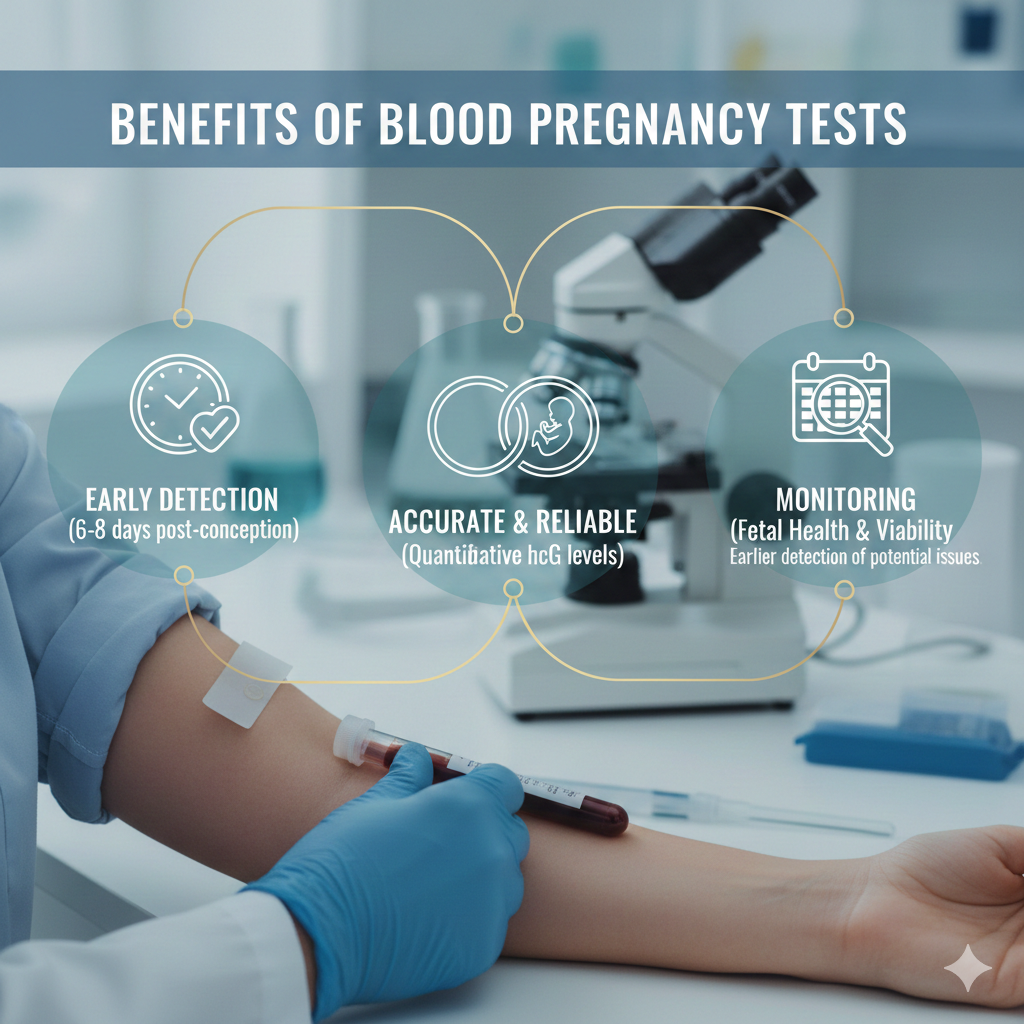
Blood pregnancy tests come with several compelling advantages that make them the preferred choice for early and accurate pregnancy detection. One of the most significant benefits is their high sensitivity, allowing them to detect extremely low levels of hCG—much lower than what urine tests can identify. This makes blood tests ideal for confirming pregnancy days earlier than urine tests, often before a missed period. For individuals anxiously waiting for a result or those tracking ovulation closely, this early detection can make a world of difference emotionally and medically.
Another major benefit is the ability of blood tests to provide precise and measurable hCG levels. Quantitative (beta hCG) tests don’t just say “pregnant” or “not pregnant”; they give a numerical result. This is incredibly valuable in early pregnancy, as rising hCG levels can indicate normal development. On the other hand, declining or abnormally slow-rising levels can signal complications such as a chemical pregnancy, threatened miscarriage, or ectopic pregnancy. Only a blood test can offer this kind of detailed insight.
Blood pregnancy tests are also beneficial for individuals undergoing fertility treatments. During treatments such as IVF or IUI, monitoring hormone levels is crucial, and doctors often rely on blood tests to confirm implantation success and track early pregnancy progression. The precision of these tests can help guide medical decisions and provide reassurance during an already emotional process.
Reliability is another major advantage. Unlike urine tests, which depend on hydration levels, test sensitivity, or user interpretation, blood tests eliminate most sources of error. Because they are conducted in medical settings by trained professionals using standardized equipment, the risk of false negatives or false positives is significantly reduced. This offers peace of mind and clarity, especially in situations where accuracy is critical.
Blood tests can also detect hCG variants that urine tests may miss, such as certain forms produced early in pregnancy or during fertility treatments. This makes them more comprehensive and reliable in complex cases.
Additionally, blood tests are recommended for people with irregular periods, hormonal imbalances, or medical conditions that make it hard to rely on urine testing. They provide answers even when cycle timing is uncertain.
In short, blood pregnancy tests offer unmatched accuracy, earlier detection, precise monitoring abilities, and reliable results—making them the best option for those seeking fast and definitive confirmation of pregnancy.
Limitations of Blood Pregnancy Tests
Despite their advantages, blood pregnancy tests also come with certain limitations that affect how practical they are for everyday use. The first and most obvious limitation is that they require a clinical setting or professional, meaning you can’t take the test yourself at home. This lack of convenience can be inconvenient for people who want immediate results or prefer the privacy of testing on their own.
Another limitation is the waiting time. While urine tests provide results in minutes, blood tests sometimes take several hours to a full day for processing, depending on the facility, workload, and type of test. For someone anxiously waiting for an answer, this waiting period can feel agonizing.
Blood tests are also more expensive than urine tests. Because they require equipment, specialized staff, and laboratory analysis, the cost is higher. This can be a barrier for people who need multiple tests, such as those undergoing fertility treatments or those confirming non-progressing pregnancies.
The process itself can also be uncomfortable. Some individuals dislike needles or the clinical environment, which can make the testing experience stressful. While a simple blood draw is generally quick, it’s still more invasive than a urine test.
Another limitation is that blood tests are sometimes ordered only when medically necessary. This means that if someone simply wants to know early out of curiosity, a healthcare provider may not always agree to run the test unless there is a medical reason or clear timing.
Lastly, blood tests may create worries when hCG levels are lower or higher than expected. Because they provide precise numbers, people sometimes overanalyze the results or panic if the numbers are not doubling exactly—especially when variations are normal. This may create unnecessary emotional stress for those new to pregnancy or unfamiliar with hormone fluctuations.
In summary, while blood pregnancy tests are highly accurate and detect pregnancy earlier, they are less accessible, costlier, and more time-consuming than urine tests, making them ideal for confirmation but less practical for frequent or casual testing.
Blood Test vs. Urine Test: Which Confirms Pregnancy Faster?
When it comes to speed, sensitivity, and early detection, there is a clear winner between the two: blood pregnancy tests confirm pregnancy faster than urine pregnancy tests. While both detect the same hormone—hCG—the difference lies in how soon they can detect it and how accurately they measure it.
Blood tests can detect hCG levels as low as 1–2 mIU/mL, meaning they can identify pregnancy days before a missed period, often as early as 6–8 days after ovulation. This is because hCG enters the bloodstream immediately after implantation begins. Urine, on the other hand, only reflects hCG after the kidneys have filtered it—resulting in a natural delay. By the time hCG is detectable in urine, it has already been present in the blood for a while.
Urine tests usually detect pregnancy around 12–14 days after ovulation, which is roughly the time a missed period occurs. Even early detection urine tests typically need hCG levels around 10–25 mIU/mL, meaning they still require more time for hormones to build up. For people eager to know as soon as possible—especially those tracking ovulation or undergoing fertility treatments—urine testing may simply feel too slow.
Accuracy is another differentiating factor. Blood tests not only detect pregnancy earlier but also do so with higher reliability. Since they’re processed in controlled lab environments, they are not affected by diluted urine, improper testing technique, or misinterpretation of faint lines. Urine tests, while convenient, can produce false negatives if taken too early, too late, or under the wrong conditions.
Another major factor is the emotional side of pregnancy detection. For anyone dealing with irregular cycles, fertility treatments, or previous pregnancy loss, the uncertainty of early urine testing may add unnecessary stress. Blood tests eliminate the guesswork by confirming pregnancy earlier and providing measurable hormone levels that reflect how the pregnancy is progressing.
However, the trade-off is that blood tests require appointments, waiting time, and higher costs—while urine tests are fast, private, and affordable. So while blood tests undeniably confirm pregnancy faster, urine tests remain more accessible for everyday use.
In short:
- Fastest confirmation: Blood test
- Most accessible and convenient: Urine test
- Best for early or high-risk pregnancy: Blood test
- Best for quick home checks: Urine test
Understanding the strengths and limitations of each test helps you choose the method that suits your timing, comfort, and personal circumstances.
Which Test Should You Choose?
Choosing between a blood pregnancy test and a urine pregnancy test ultimately depends on your needs, timing, and emotional comfort. There’s no one-size-fits-all answer because each person’s situation is different, but knowing the strengths of each option helps you make the best decision for your body and peace of mind.
If you want the earliest possible confirmation, a blood test is the clear winner. This is especially true for those who track ovulation closely, are undergoing fertility treatments, or have experienced early pregnancy complications in the past. Blood tests can detect hCG before a missed period, making them ideal for anyone who feels anxious or uncertain and wants fast, definitive answers.
For those who simply want a quick, affordable, and private way to check for pregnancy, a urine test is often the best choice. Home tests are convenient, easy to use, and reliable when taken after a missed period. If you’re testing out of curiosity or checking casually without urgency, the simplicity of a home urine test might be exactly what you need.
Medical situations also play a big role. If you experience symptoms like severe pain, dizziness, fainting, or abnormal bleeding, a blood test is more appropriate because healthcare professionals can monitor your hCG levels and detect potential issues early. This is crucial for identifying conditions like ectopic pregnancy, which cannot be diagnosed with a urine test alone.
Cost and accessibility matter, too. Urine tests are inexpensive and available everywhere. Blood tests require appointments, lab fees, and waiting time. If you’re testing frequently or on a budget, urine tests may be the more practical option.
Emotionally, some people prefer the privacy of testing at home, while others feel more comfortable with clear, lab-confirmed results. Think about what will bring you the most peace of mind—fast answers from a blood test or the privacy and convenience of home testing.
In many cases, people choose to start with a urine test and follow up with a blood test if they need early confirmation, clearer results, or medical evaluation. Both tests have their place, and choosing the right one comes down to your timing, needs, and preferences.
When to Retest After a Negative Result
Getting a negative pregnancy test result can be confusing or disappointing—especially if you truly believe you might be pregnant. But a negative test doesn’t always mean pregnancy is impossible. Timing, hormone levels, and even the type of test used can influence results. Knowing when to retest after a negative result helps ensure you get the most accurate answer.
If you took a urine test before your missed period and it came back negative, it may simply be too early. Even highly sensitive tests might miss early hCG levels if implantation occurred later in your cycle. Because of this, the best practice is to wait at least 2–3 days and test again, or wait until the morning after your missed period for the most reliable result. Using first-morning urine is especially important because it’s more concentrated, increasing your chances of picking up hCG if you’re pregnant.
If your period is late by one week and your urine test is still negative, you may want to retest again in a few days or consider getting a blood test. Blood tests can detect much lower hCG levels and may identify a pregnancy earlier than urine tests, especially in cases of late implantation or slow-rising hCG.
For those with irregular cycles, figuring out when to retest can be tricky. If you’re unsure when ovulation occurred, waiting 14–21 days after having unprotected intercourse often provides enough time for accurate testing. If multiple urine tests remain negative during this timeframe and your period still hasn’t arrived, a blood test is the next logical step.
There are also medical reasons to retest. If you’re experiencing early pregnancy symptoms—such as nausea, mood swings, fatigue, breast tenderness, light cramping, or spotting—but urine tests remain negative, your hCG levels may be rising slowly. Retesting after 48–72 hours is recommended because hCG typically doubles every two to three days in early pregnancy.
Additionally, certain factors can produce false negatives, including drinking too much water before testing, testing at the wrong time of day, or using an expired test. If any of these might apply, waiting a day and retesting with a fresh test kit can make a big difference.
Retesting is also important if there is any possibility of a chemical pregnancy or very early miscarriage. These situations can produce faint positives followed by negatives, so monitoring with additional tests may be needed for clarity.
In summary, if you get a negative result but still suspect you might be pregnant, don’t panic. Instead, follow the rule of testing every 48–72 hours, consider switching to a blood test, and pay attention to your body’s signals. With the right timing and method, you’ll get your answer.
Common Myths About Pregnancy Tests
Pregnancy testing is surrounded by myths, misunderstandings, and old advice that has been passed down for generations. While some myths may seem harmless, others can lead to confusion, unnecessary stress, or incorrect assumptions about your fertility and health. Understanding the truth behind these common misconceptions can help you interpret your results with confidence and avoid false expectations.
Myth 1: A negative test always means you’re not pregnant.
This is one of the most widespread misconceptions. In reality, false negatives are far more common than people think—especially if you test too early, use diluted urine, or implant later than average. A negative test can simply mean “not yet detectable,” not “not pregnant.”
Myth 2: All pregnancy tests detect pregnancy at the same time.
This is not true at all. Different tests have different sensitivities. Some urine tests need 50 mIU/mL of hCG, while others can detect 10 mIU/mL. Blood tests can detect hCG levels as low as 1–2 mIU/mL. So the type of test you choose matters significantly.
Myth 3: You can’t get a false positive.
While false positives are rare, they can happen. Chemical pregnancies, user error, certain fertility medications, and even evaporation lines can cause confusion. This is why blood tests are often recommended for confirmation.
Myth 4: Testing at any time of day gives the same result.
Urine concentration varies throughout the day. Morning urine is more concentrated, making early pregnancy easier to detect. Testing later, especially after drinking fluids, can lead to diluted hormone levels and false negatives.
Myth 5: A faint line means you’re not pregnant.
A faint line still means hCG is present. The intensity of the line depends on hormone levels, not the validity of the pregnancy. Even a very faint line typically indicates early pregnancy.
Myth 6: You must wait to test until after you miss your period.
While urine tests are most accurate after a missed period, blood tests can detect pregnancy days earlier. Many people assume all tests work the same, but blood tests offer early confirmation long before urine tests do.
Understanding these myths helps you make informed decisions, reduces unnecessary stress, and ensures you interpret your results accurately. Knowledge is power—especially when it comes to something as emotional and important as pregnancy testing.
Signs That Indicate You Should Take a Pregnancy Test

Sometimes it’s not the calendar or a missed period that prompts someone to take a pregnancy test—it’s the subtle (or not-so-subtle) changes happening in their body. Pregnancy symptoms can show up earlier than most people expect, often appearing before a missed period or before hCG levels are high enough to register on a test. Recognizing these signs can help you decide the right time to take a test and avoid unnecessary confusion or worry.
One of the earliest signs many people notice is breast tenderness. Hormonal changes, especially increases in progesterone and hCG, can make breasts feel swollen, sensitive, or unusually sore. This can happen as early as a week after conception, making it an early indicator that something might be changing in your body.
Another common sign is fatigue—a deep, unexplained tiredness that seems to hit out of nowhere. Early pregnancy causes your body to ramp up progesterone levels and increase blood production, which can drain your energy quickly. If you find yourself exhausted despite sleeping well, pregnancy could be a possible reason.
Nausea, often known as morning sickness, can also appear earlier than many expect. Although it’s more common around the 6th week of pregnancy, some people experience mild nausea shortly after implantation. This early nausea can be triggered by hormonal shifts or heightened sensitivity to smells.
Implantation bleeding is another sign that confuses many people. It is usually light spotting—pink, brown, or very light red—and occurs around the time your period would normally start. Implantation bleeding is often mistaken for an early period, but it tends to be much lighter and shorter. Spotting combined with mild cramping or pelvic fullness could signal early pregnancy.
Other early signs include heightened sense of smell, aversion to certain foods, mood swings, and frequent urination. Hormonal changes can make everyday scents suddenly overwhelming, create cravings or aversions, or cause emotional fluctuations due to shifts in estrogen and progesterone. Frequent urination, caused by increased blood flow to the kidneys, can occur very early as well.
Finally, the most obvious sign is a missed period. If your cycle is regular and your period is late by even a few days, it’s a good time to test. However, people with irregular cycles may need to test based on symptoms rather than dates.
In general, if you experience a combination of these signs—especially fatigue, nausea, breast tenderness, or spotting—it may be time to take a pregnancy test. Paying attention to your body’s changes not only helps you test at the right moment but also prepares you emotionally for whatever the result may be.
Conclusion
Choosing between a blood test and a urine test for pregnancy confirmation ultimately comes down to how early you want to know and how accurate you need the results to be. If speed and precision are your top priorities, a blood pregnancy test is undeniably the faster and more reliable option. It detects pregnancy earlier, measures exact hCG levels, and eliminates guesswork. If convenience, privacy, and affordability matter more, a urine pregnancy test is a simple and effective tool—especially after a missed period.
Both tests serve important purposes, and understanding their strengths and limitations empowers you to make the choice that fits your needs, whether you’re trying to conceive, monitoring symptoms, or seeking clarity during uncertain cycle days. Remember that factors like testing too early, diluted urine, or irregular cycles can influence urine test results, while blood tests offer clearer answers when timing or symptoms are confusing.
Ultimately, the best test is the one that gives you peace of mind, supports informed decisions, and aligns with your timing and circumstances. And if you still feel unsure after a negative result, retesting after 48–72 hours—or opting for a blood test—can give you the certainty you’re looking for.
FAQs
- Which test confirms pregnancy faster—blood test or urine test?
A blood test confirms pregnancy faster because it detects lower levels of hCG earlier than urine tests. - How soon can a blood test detect pregnancy?
Blood tests can detect pregnancy as early as 6–8 days after ovulation, even before a missed period. - Can a urine test be wrong?
Yes. False negatives are common if you test too early, use diluted urine, or choose a low-sensitivity test. - Should I take a pregnancy test in the morning?
Yes. First-morning urine is more concentrated and increases the chance of detecting hCG accurately. - What if my period is late but my test is negative?
Retest after 2–3 days or consider a blood test, especially if you have pregnancy symptoms.
Leave a Reply