

Winter brings more than cozy evenings and festive cheer. As temperatures drop, our immune defenses often face added strain, making seasonal illnesses more frequent and sometimes more severe. When fatigue lingers, coughs persist, or unexplained aches appear, timely awareness becomes essential. We explore the five most common winter diseases, their hallmark symptoms, and the medical tests required for accurate diagnosis, helping individuals make informed decisions and seek appropriate care without delay.
Why Winter Triggers More Illnesses

Cold weather influences the human body in subtle but significant ways. Reduced sunlight exposure may lower vitamin D levels, while dry air irritates respiratory passages, creating ideal conditions for infections. People also tend to spend more time indoors, increasing close contact and viral transmission. Understanding these seasonal dynamics allows us to identify warning signs early and act decisively before minor ailments escalate into serious health concerns.
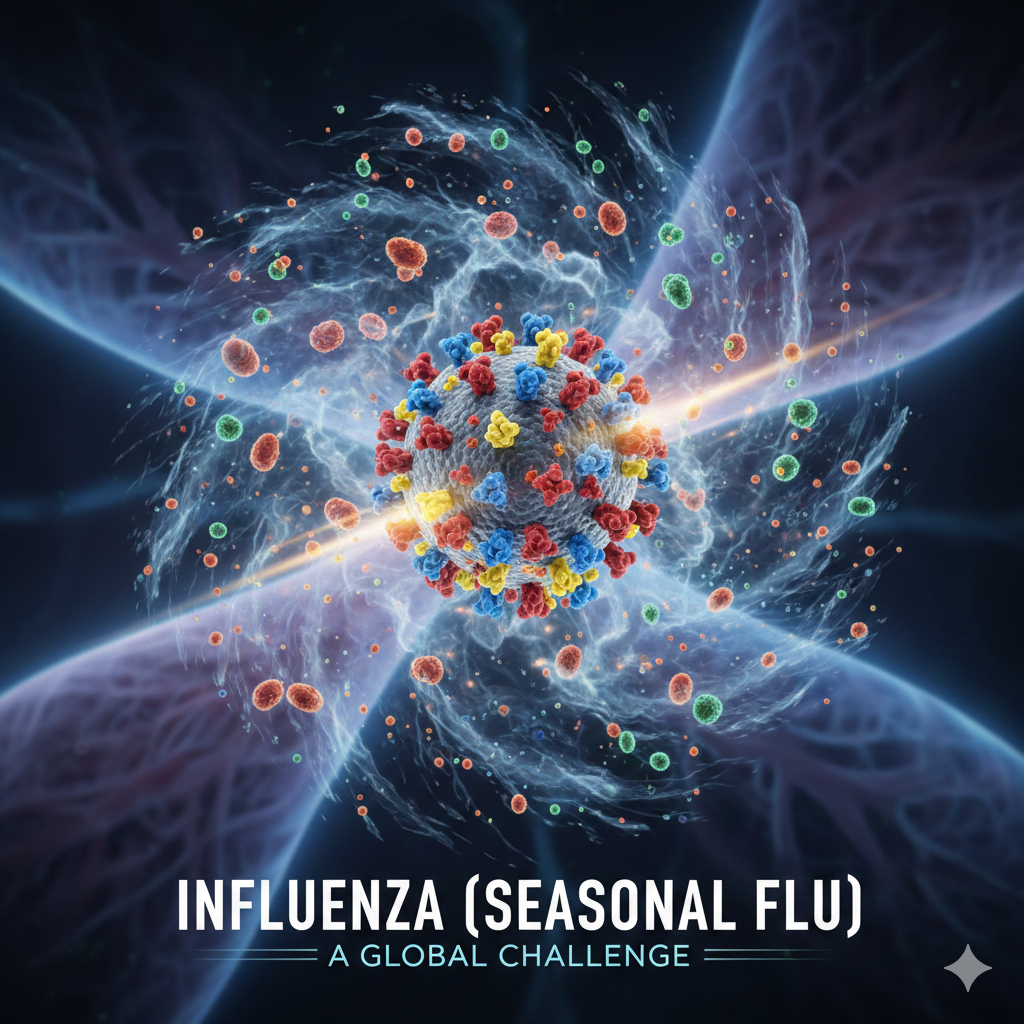
1. Influenza (Seasonal Flu)
Overview and Symptoms
Influenza remains one of the most prevalent winter illnesses worldwide. Unlike the common cold, flu symptoms often appear suddenly and intensely. We commonly observe high fever, chills, muscle aches, persistent headaches, fatigue, dry cough, and sore throat. In vulnerable populations—such as older adults, young children, and individuals with chronic conditions—flu can progress to complications like pneumonia or bronchitis.
Required Medical Tests
Accurate diagnosis supports targeted treatment and reduces unnecessary antibiotic use. Physicians may recommend:
- Rapid Influenza Diagnostic Tests (RIDTs) to detect viral antigens.
- RT-PCR tests, considered the gold standard for confirming influenza strains.
- Chest X-rays, when respiratory complications are suspected.
Early testing enables timely antiviral therapy, which can significantly shorten illness duration and reduce severity.
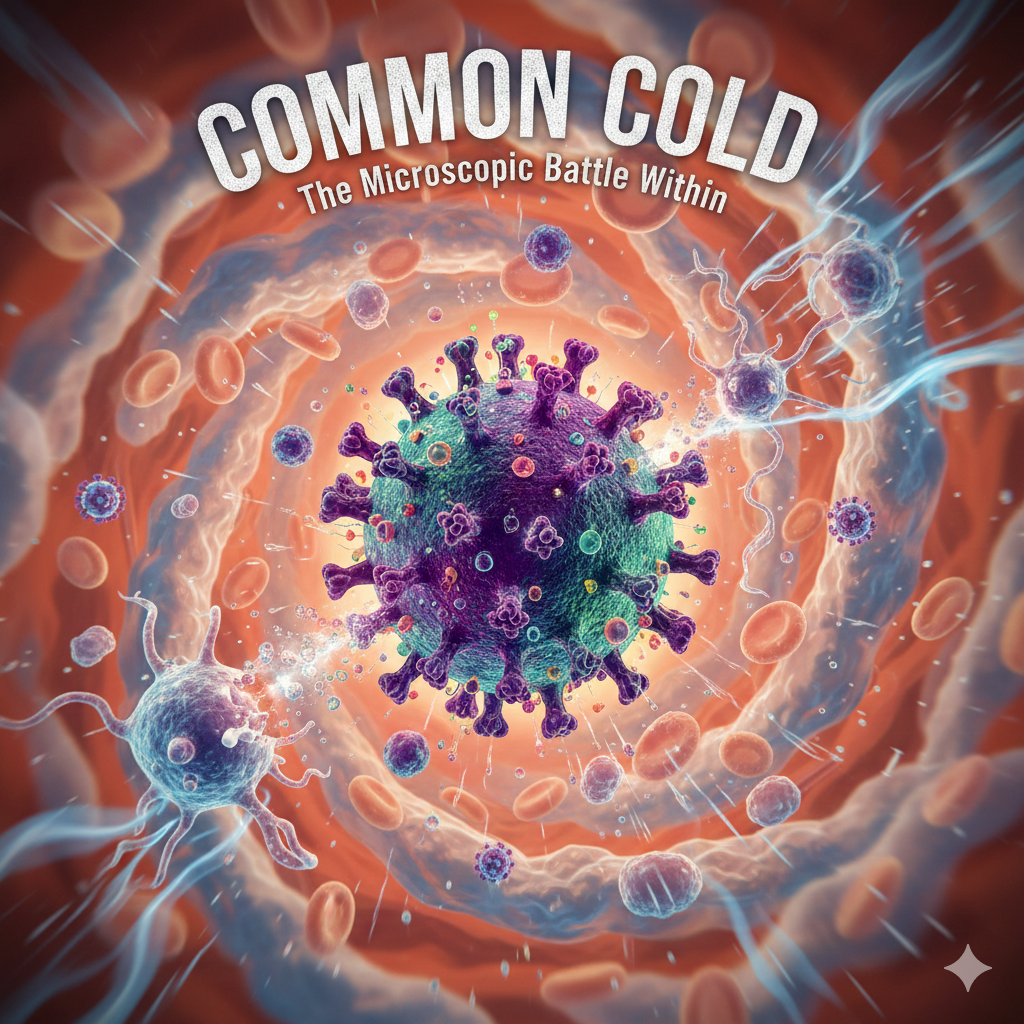
2. Common Cold
Overview and Symptoms
Often underestimated, the common cold affects millions each winter. Symptoms usually include nasal congestion, sneezing, mild sore throat, watery eyes, and low-grade fever. While generally self-limiting, repeated colds can weaken immunity and disrupt daily productivity.
Required Medical Tests
In most cases, laboratory tests are unnecessary. However, when symptoms persist beyond ten days or worsen, healthcare providers may suggest:
- Throat swabs to rule out bacterial infections.
- Complete Blood Count (CBC) to assess immune response.
Testing ensures that lingering symptoms are not misdiagnosed or masking more serious conditions.
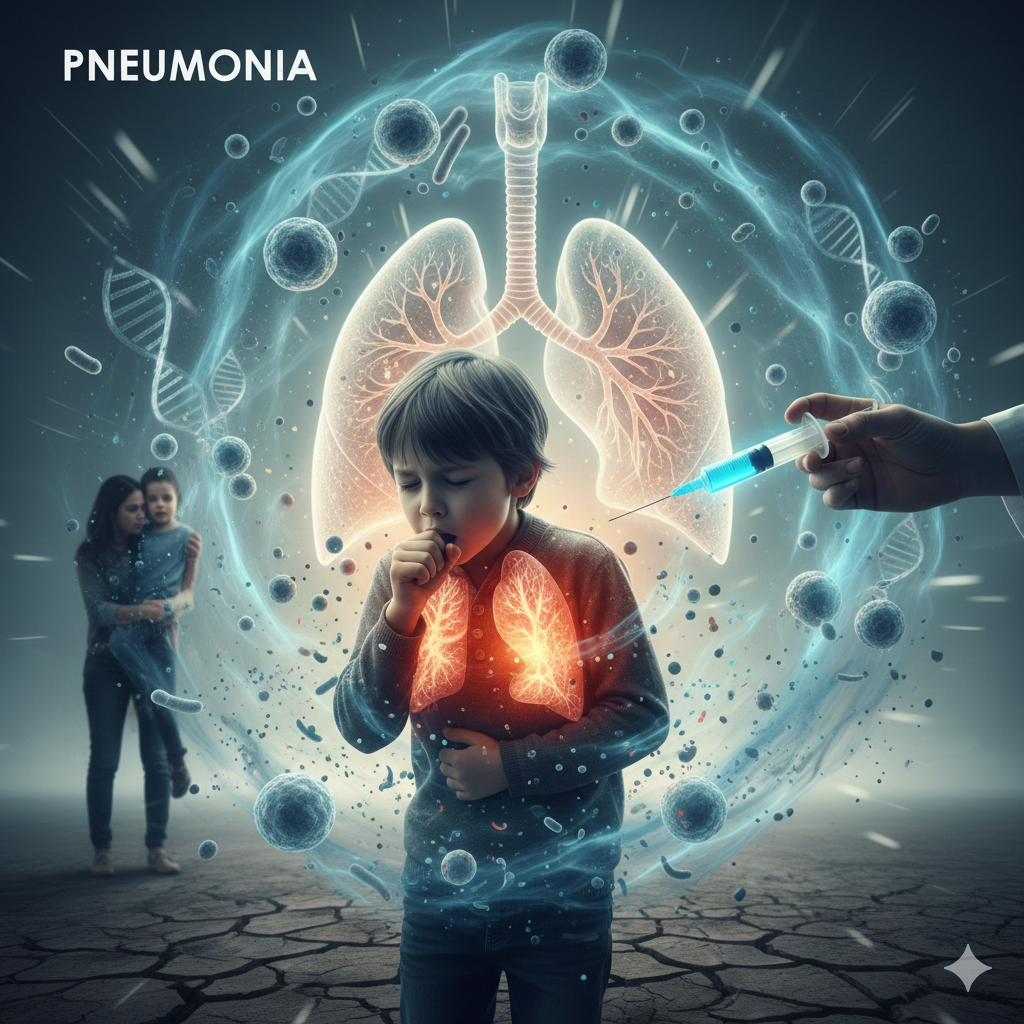
3. Pneumonia
Overview and Symptoms
Pneumonia represents a serious winter disease characterized by lung inflammation caused by bacteria, viruses, or fungi. We often see high fever, chest pain, productive cough with mucus, shortness of breath, and fatigue. Left untreated, pneumonia can become life-threatening, especially in elderly individuals.
Required Medical Tests
Prompt diagnosis is critical. Common investigations include:
- Chest X-rays to identify lung infiltrates.
- Blood cultures to detect bacterial pathogens.
- Sputum analysis for microbial identification.
- Pulse oximetry to measure oxygen saturation.
Comprehensive testing guides appropriate antibiotic or antiviral therapy, reducing hospitalization risks.
4. COVID-19 and Other Viral Respiratory Infections

Overview and Symptoms
Although present year-round, COVID-19 cases often surge during winter due to indoor crowding. Symptoms range from mild to severe and may include fever, cough, fatigue, sore throat, loss of taste or smell, and breathing difficulties. Other respiratory viruses, such as RSV, also circulate heavily in colder months.
Required Medical Tests
Reliable diagnosis helps limit transmission and ensures timely care:
- RT-PCR tests remain the most accurate for COVID-19 detection.
- Rapid antigen tests provide quick preliminary results.
- CT scans, in severe cases, assess lung involvement.
Testing also supports public health efforts to manage outbreaks effectively.
5. Seasonal Allergies and Winter Asthma Exacerbation

Overview and Symptoms
Winter allergens such as dust mites, mold, and indoor pollutants can worsen asthma and allergy symptoms. Common complaints include wheezing, coughing, chest tightness, nasal congestion, and itchy eyes. These conditions are often mistaken for infections, delaying appropriate management.
Required Medical Tests
Differentiating allergies from infections requires careful evaluation:
- Pulmonary function tests (spirometry) to assess airway obstruction.
- Allergy testing, including skin prick tests.
- Peak flow measurements for asthma monitoring.
Accurate diagnosis allows personalized treatment plans, improving long-term respiratory health.
Preventive Measures to Stay Healthy This Winter
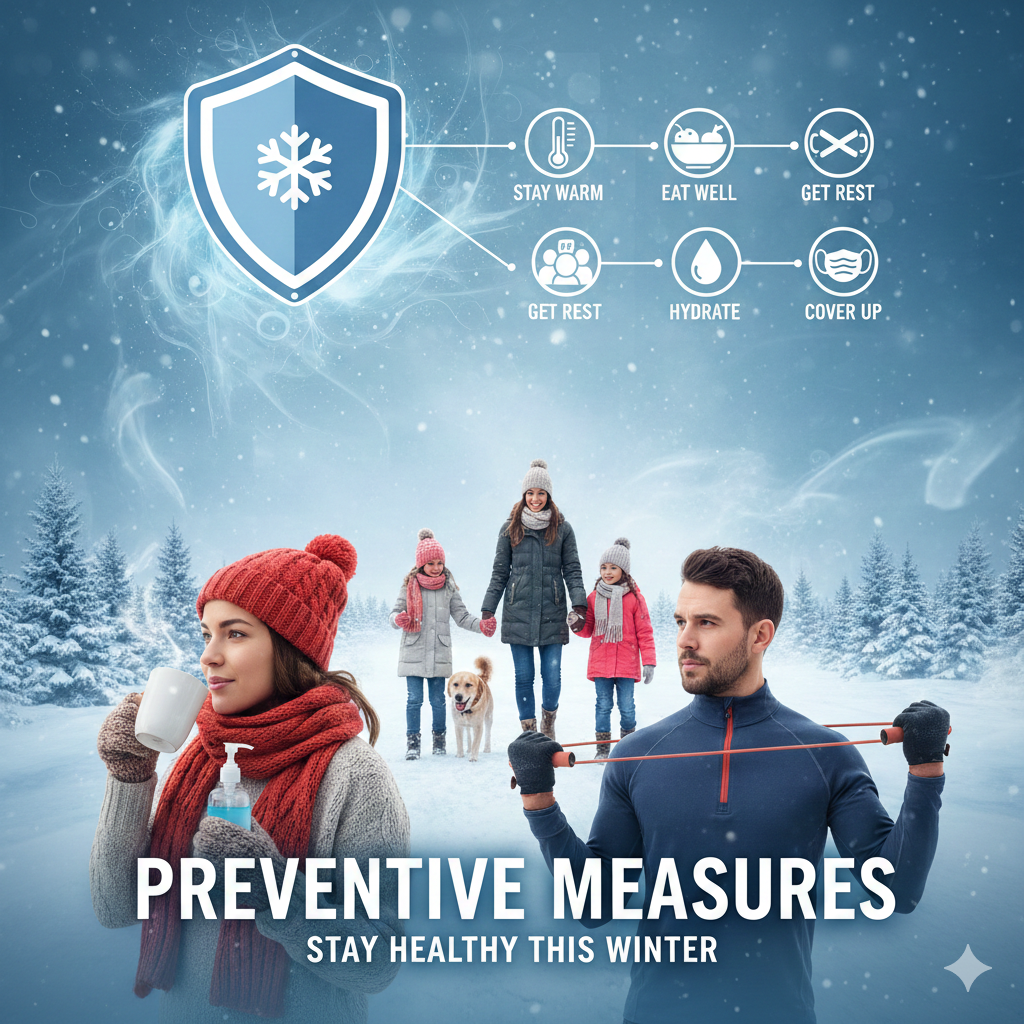
Prevention remains the most effective defense against winter illnesses. We recommend:
- Maintaining proper hand hygiene.
- Staying updated with vaccinations, including flu shots.
- Ensuring adequate hydration and nutrition.
- Prioritizing sleep and stress management.
- Seeking medical advice promptly when symptoms persist.
These measures collectively reduce disease burden and support immune resilience.
When to Seek Medical Attention
Not every winter illness requires urgent care, but certain warning signs should never be ignored. Persistent high fever, chest pain, difficulty breathing, confusion, or dehydration warrant immediate evaluation. Early medical intervention prevents complications and ensures faster recovery.
Frequently Asked Questions (FAQs)
1. How can we differentiate between flu and common cold symptoms?
Flu symptoms tend to appear suddenly and are more severe, often involving high fever and body aches, while colds develop gradually with milder discomfort.
2. Are medical tests always necessary for winter illnesses?
Not always. Mild symptoms may resolve with rest, but testing becomes essential when symptoms persist, worsen, or involve high-risk individuals.
3. Can pneumonia develop from untreated flu or cold?
Yes. Secondary bacterial infections can occur, making timely diagnosis and treatment crucial.
4. How effective are rapid tests compared to laboratory tests?
Rapid tests offer quick results but may be less sensitive. Laboratory-based tests provide higher accuracy and confirmation.
5. What role does immunity play during winter?
Strong immunity reduces susceptibility and severity. Balanced nutrition, adequate sleep, and preventive care significantly enhance immune defenses.
Conclusion
Winter-related illnesses pose recurring challenges, but informed awareness empowers proactive health management. By recognizing symptoms early, understanding the required medical tests, and seeking appropriate care, we significantly reduce health risks and improve recovery outcomes. Preparedness, prevention, and prompt diagnosis remain the cornerstones of staying well throughout the winter season.
Leave a Reply