
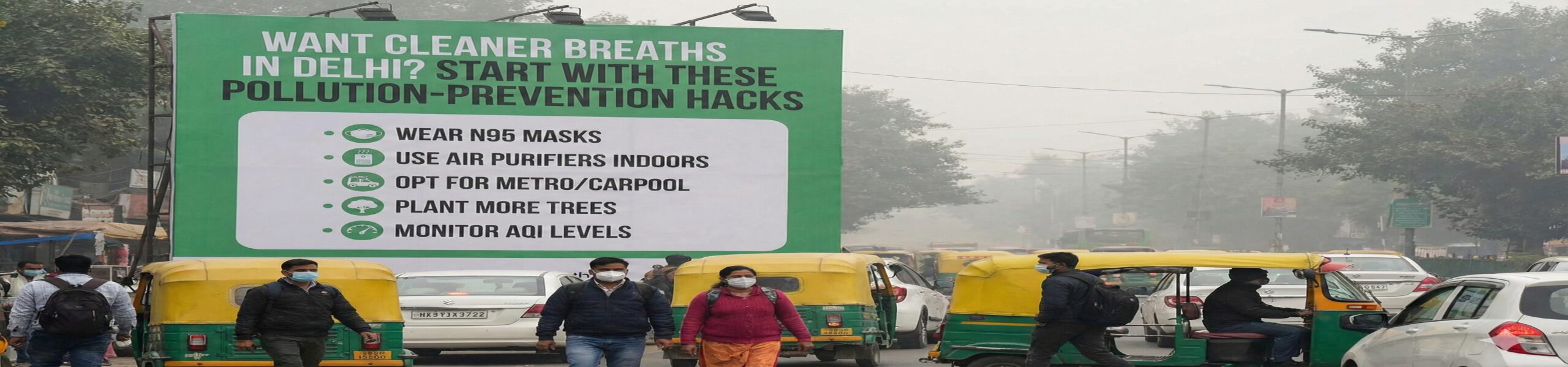
Want Cleaner Breaths in Delhi?
Delhi’s air has become something we can’t avoid discussing anymore. Whether you’re stepping out for work, sending your kids to school, or simply opening your balcony for fresh air, you can almost feel pollution wrapping around your lungs. The city’s air quality often slips into the “very poor” or “severe” category, especially during winter, leaving millions struggling with coughing, breathlessness, burning eyes, fatigue, and constant throat irritation. Yet, while we can’t control everything outdoors, we can absolutely take control of how we protect our bodies—especially our lungs.
Want cleaner breaths in Delhi? You’re not alone. Most residents wake up checking the AQI like it’s the weather. And honestly, in today’s scenario, it matters even more. But here’s the good news: protecting your respiratory health doesn’t require dramatic lifestyle changes. Instead, it’s about adopting smart, easy, and highly effective pollution-prevention hacks that can greatly reduce the toxic load entering your lungs.
And yes—these hacks aren’t just random lifestyle suggestions. They’re backed by what doctors consistently recommend during consultations, especially for those living in high-pollution environments like Delhi. From choosing the right mask to improving indoor air quality, from adopting lung-strengthening breathing techniques to knowing when you absolutely must see a doctor, this article walks you through practical, day-to-day steps that genuinely make a difference.
Think of it as your personal respiratory survival guide—simple, actionable, and designed to help you breathe easier despite the environmental challenges around you. If you’ve ever felt like Delhi’s pollution is beyond your control, this guide will remind you that your health, at least, doesn’t have to be.
Understanding Delhi’s Air Pollution Crisis
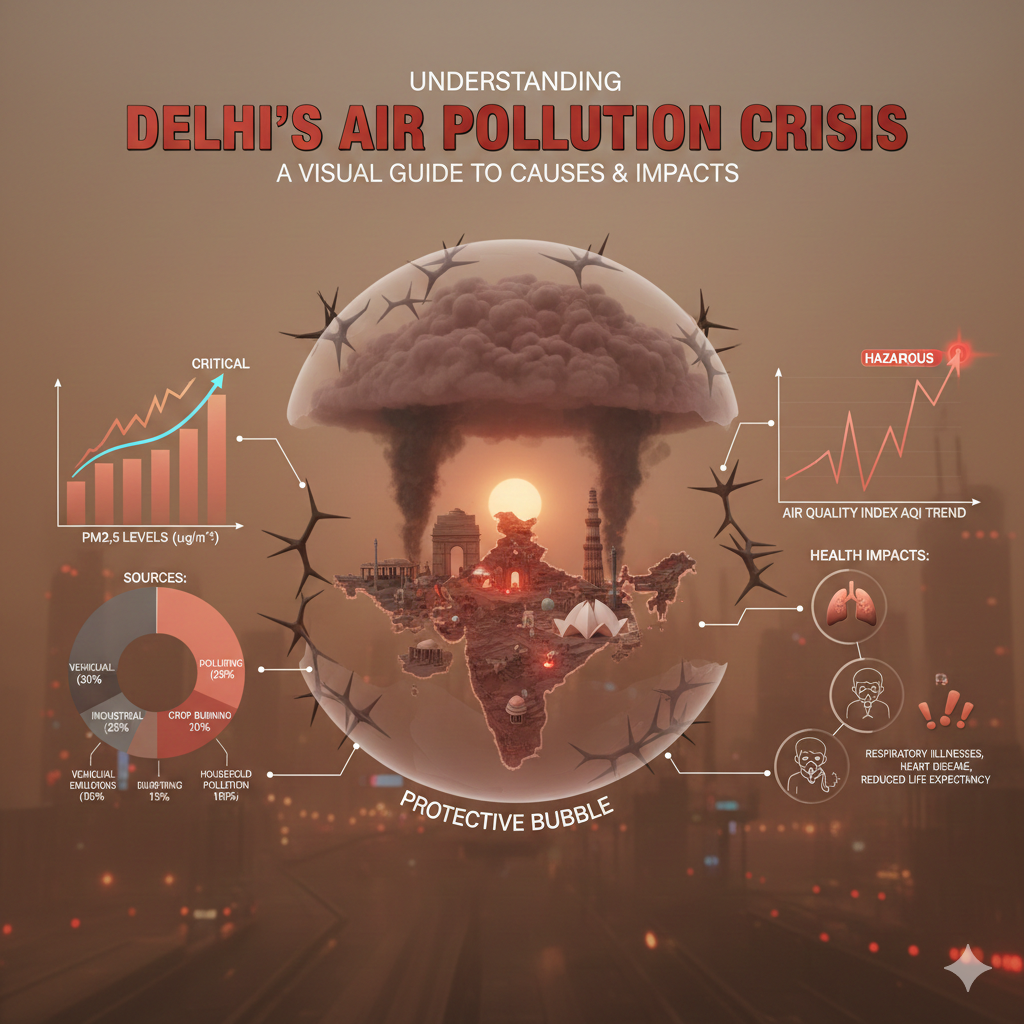
If you’ve ever stepped outside in Delhi on a winter morning and felt an instant heaviness in your chest, you already know how real the pollution crisis is. But to truly protect yourself, it helps to understand what exactly you’re breathing in. Delhi’s air quality is affected by a combination of factors—seasonal, environmental, human-made, and sometimes even geographical. When these elements collide, the air becomes a dangerous cocktail of pollutants that directly attack your respiratory system.
One of the biggest contributors is PM2.5 and PM10—tiny particles so small that they slip through your nose and throat’s natural filters and settle deep inside the lungs. These particles don’t just irritate your airways; they can enter the bloodstream and impact the heart, brain, and overall immunity. During winter, these pollutants remain trapped near the ground because of a phenomenon known as temperature inversion, where warm air traps cold air beneath it like a lid. As a result, pollutants have nowhere to escape.
Vehicular emissions, industrial activities, open burning, and dust from construction sites add a constant supply of new pollutants, turning Delhi’s air into a hazardous zone. To make matters worse, stubble burning in nearby states creates massive seasonal smog that can push AQI levels into the “severe” range for days or even weeks. In this range, breathing the air is equivalent to smoking several cigarettes a day—without ever lighting one.
Doctors often say that Delhi’s pollution affects everyone, but not equally. Children, the elderly, asthmatics, heart patients, and pregnant women face the highest risks because their bodies are either developing, weakening, or stressed. Even healthy adults report symptoms like breathlessness, wheezing, headaches, fatigue, and persistent cough during peak pollution months.
Understanding the crisis empowers you to take the right steps. You begin recognizing patterns—why mornings are worse, why winter feels suffocating, and why some days make your chest feel heavy. This awareness becomes your first line of defense, helping you decide when to step out, when to stay indoors, and when a free doctor consultation becomes absolutely necessary.
Symptoms That Show You Need Cleaner Breaths
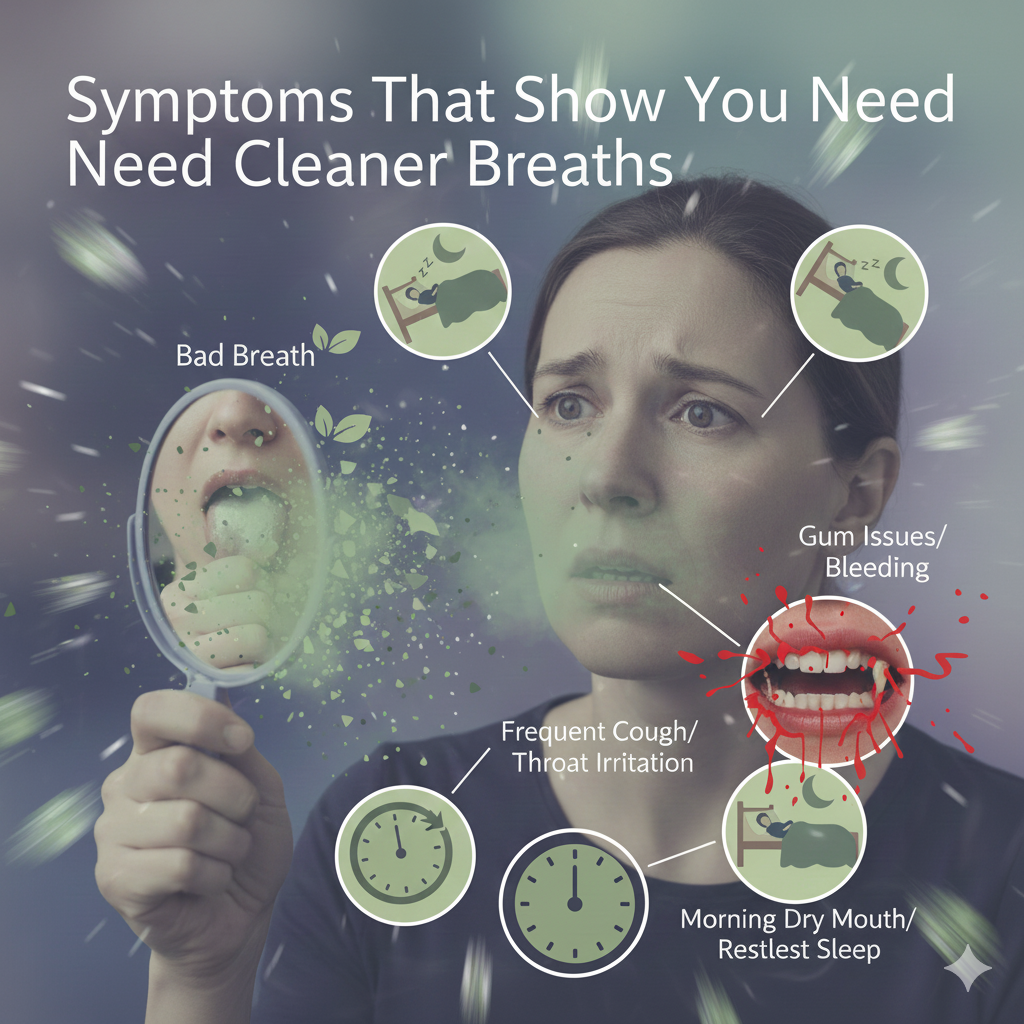
Before pollution hits you hard, your body often whispers warnings—subtle signs that something isn’t right. Unfortunately, most people in Delhi brush off these symptoms as “normal winter issues” or “usual smog discomfort,” not realizing that ignoring them can lead to long-term respiratory complications. Understanding these early signals can help you take timely action and seek a doctor consultation before the problem becomes serious.
One of the earliest symptoms is persistent coughing. You may notice a dry, itchy cough that refuses to go away. This happens because pollutants irritate the lining of your airways, triggering inflammation. If you’re coughing more frequently in the mornings or after stepping outside, it’s your body reacting to poor air quality. Similarly, throat irritation—a burning, scratching feeling—often indicates that pollutants are directly affecting your respiratory tract.
Another common symptom is breathlessness, especially during mild physical activity. If climbing stairs suddenly feels harder or you find yourself gasping even after a short walk, it may not be low stamina—it could be inflamed airways struggling to process polluted air. Many people also report chest heaviness, a sensation like something is pressing on the chest. Doctors note that this is one of the most overlooked signs of pollution-induced respiratory stress.
Watery or burning eyes, frequent headaches, fatigue, and dizziness are other symptoms connected with sustained exposure to bad air. Children may show signs like difficulty sleeping, irritability, or reduced appetite. Elderly individuals may feel unusually tired or develop wheezing. People with asthma often experience more frequent flare-ups, requiring medication more often than usual.
The key is to listen to your body. If these symptoms persist for more than two to three days, appear suddenly, or worsen during pollution peaks, a doctor consultation becomes essential. Doctors can assess how pollution is affecting your lungs and may suggest inhalers, breathing therapy, tests, or lifestyle changes tailored to your condition.
Ignoring symptoms today may lead to chronic respiratory issues tomorrow. Recognizing these signals early helps you prevent long-term damage and empowers you to protect your lungs more effectively.
Air Pollution and Its Impact on Your Lungs
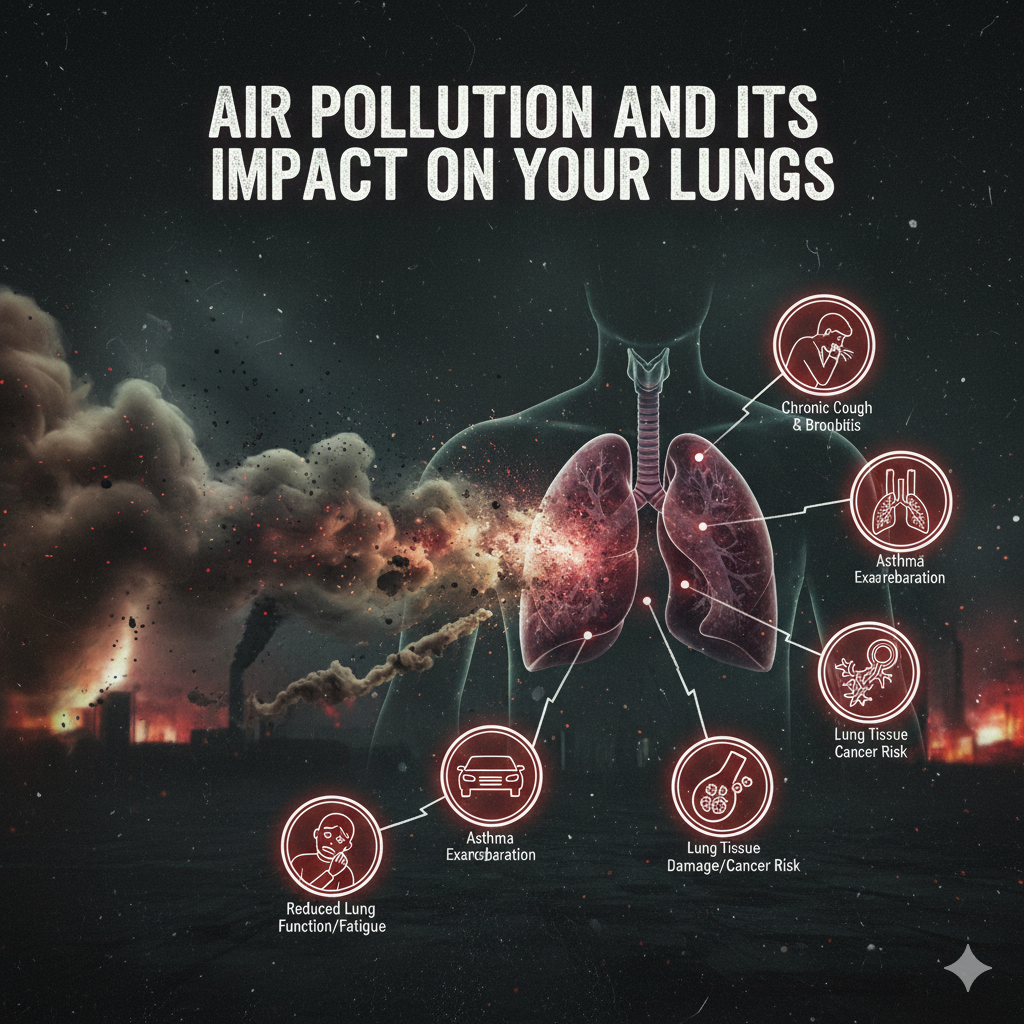
Living in Delhi means your lungs are constantly battling pollutants—even when you’re just sitting indoors. Air pollution doesn’t simply irritate your airways; it can fundamentally change how your lungs function over time. Understanding this impact is crucial because once lung damage becomes chronic, reversing it becomes extremely difficult. Many people assume pollution only causes coughing or sneezing, but its effects run far deeper and can influence your long-term health in ways you might not notice immediately.
When you inhale polluted air filled with PM2.5, PM10, nitrogen dioxide, sulfur dioxide, and ozone, these toxic particles enter your respiratory system and settle deep inside your lung tissues. PM2.5 is especially harmful because it’s so tiny that it bypasses your nasal filters and reaches the alveoli—the delicate air sacs responsible for oxygen exchange. Once there, these particles trigger inflammation, swelling, and tissue irritation, making it harder for your lungs to function properly. Over time, continuous exposure can reduce lung capacity, meaning your lungs can hold and process less air than before.
This long-term irritation can lead to conditions like chronic bronchitis, asthma, COPD (Chronic Obstructive Pulmonary Disease), and even irreversible fibrosis. For people who already have asthma or allergies, pollution acts as a powerful trigger, causing frequent flare-ups, tightness in the chest, and increased dependency on inhalers. Doctors often report that pollution seasons in Delhi lead to a spike in respiratory hospital visits—not just for those with existing conditions but also for previously healthy individuals who suddenly develop breathing issues.
Children’s lungs are still developing, which makes them more vulnerable. Their smaller airways get clogged faster, and pollutants can hinder lung development, potentially affecting their breathing capacity later in life. Elderly individuals face a different risk: pollution can worsen pre-existing heart or lung diseases, making them more prone to infections and breathing distress.
Because the impact is slow and gradual, many people don’t realize how much damage has already occurred until symptoms become hard to ignore. This is why regular doctor consultation is essential during high-pollution periods. Doctors can assess lung function, recommend protective measures, and guide you with exercises or medications that help prevent long-term harm.
Your lungs are working overtime in Delhi—protecting them isn’t optional; it’s a necessity.
Pollution-Prevention Hacks for Cleaner Breaths
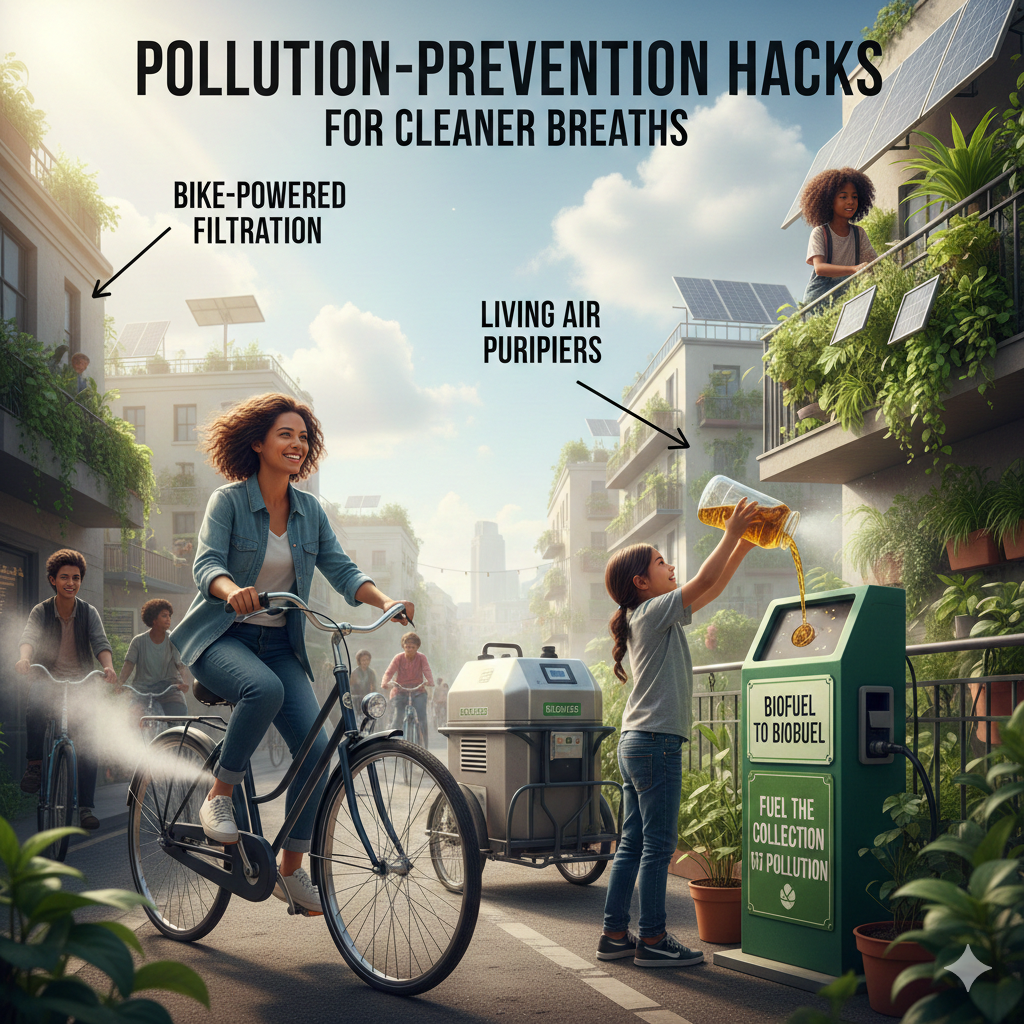
When the air outside is loaded with toxic particles, your best defense is a smart, preventive routine. Cleaner breaths in Delhi don’t come from one big change—they come from a series of small, consistent habits that reduce your exposure and strengthen your body’s natural defenses. Think of these pollution-prevention hacks as your daily shield, helping your lungs cope with the constant environmental stress around you. Most of these hacks are simple to start, easy to follow, and recommended during doctor consultations for anyone living in high-pollution cities.
One of the first hacks is monitoring the Air Quality Index (AQI) every single day. This gives you a sense of how risky it is to step outside. On “poor” or “very poor” days, it’s safer to avoid outdoor workouts, long walks, or unnecessary travel. You’ll notice that mornings and late evenings are often the worst times to go out, so shifting your errands or commute slightly can drastically reduce exposure.
Another essential hack is keeping windows closed during peak pollution hours. Many people assume natural air is better, but during pollution season, outdoor air can carry harmful particles straight into your home. Instead, ventilate your house during mid-day when the air quality improves slightly. Using exhaust fans while cooking and in bathrooms also helps remove indoor pollutants.
Pollutants also settle on clothes, hair, and skin. This is why doctors often recommend changing clothes and washing your face after returning home. It may seem unnecessary, but it prevents you from breathing in particles that cling to your outfit or hair.
Another often-overlooked hack is staying properly hydrated and moisturized. Pollution tends to dry out your airways, making them more sensitive and prone to irritation. Drinking enough water, using saline nasal sprays, or even inhaling steam can help keep your airways moist and reduce the discomfort caused by pollutants.
Finally, never underestimate the importance of regular cleaning, especially of surfaces, curtains, and upholstery that trap dust. If you’ve been experiencing frequent coughing or sneezing at home, it’s not always the outdoor air—indoor dust accumulation can create a pollution-like effect indoors too.
These preventive hacks may seem simple, but together, they form a protective foundation that helps you breathe cleaner air, stay healthier, and reduce pollution-related health risks.
Use Anti-Pollution Masks for Cleaner Breaths in Delhi
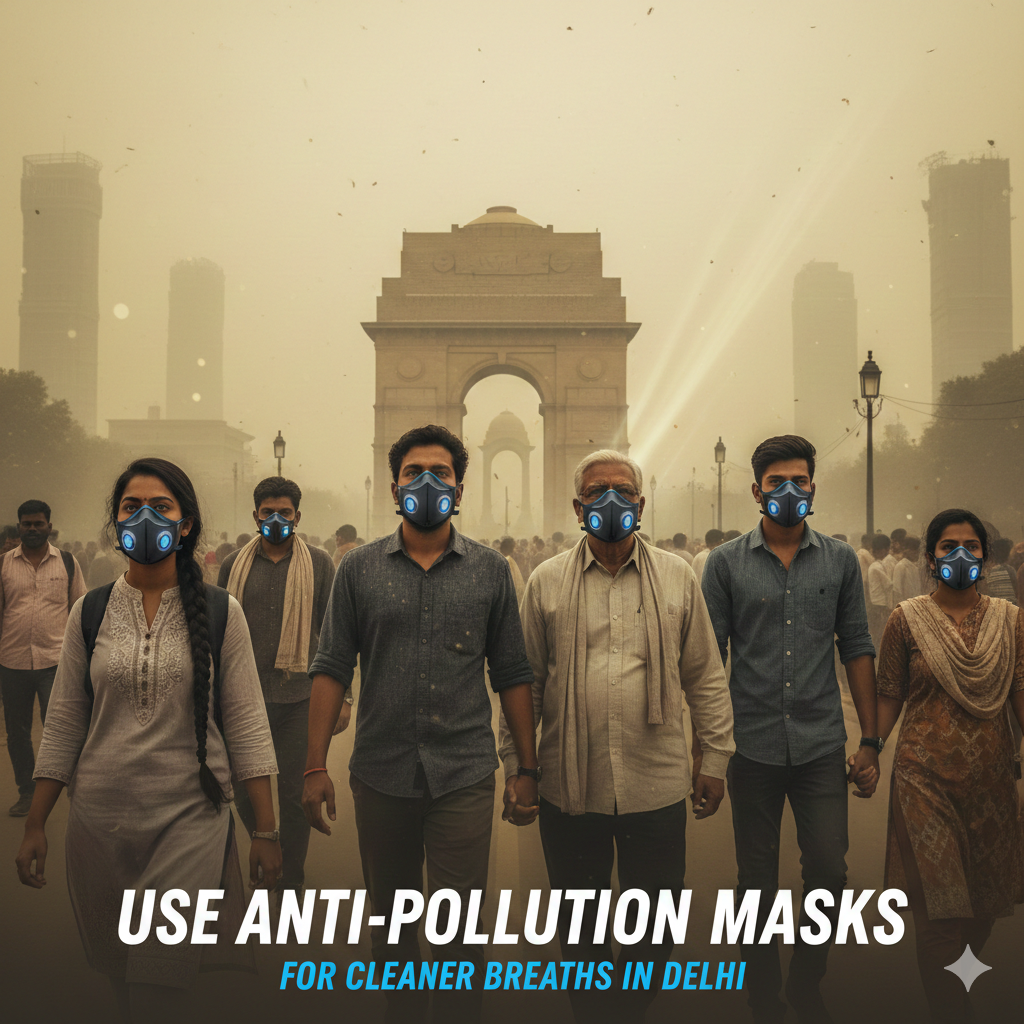
If there is one item that has become as essential as your wallet or phone in Delhi, it’s an anti-pollution mask. When the air is saturated with PM2.5, PM10, and toxic gases, wearing a proper mask isn’t just a precaution—it’s a necessity. But not all masks offer the same level of protection, and choosing the wrong one can give you a false sense of safety. To genuinely achieve cleaner breaths in Delhi, you need to understand which mask works, how to use it correctly, and what doctors recommend for maximum respiratory protection.
The most effective masks for pollution are N95, N99, and N100 respirators. These numbers reflect how much particulate matter the mask can filter. For example, an N95 mask filters about 95% of airborne particles as small as 0.3 microns. This includes PM2.5, one of the most dangerous pollutants. N99 and N100 filters are even more efficient, providing greater protection during severe pollution days. However, higher filtration also means slightly more resistance while breathing, which can be uncomfortable for some users. That’s why choosing the right balance based on your health and comfort is essential.
Doctors often emphasize the importance of proper fit. Even the best mask loses its effectiveness if it doesn’t seal properly around your nose and mouth. A loose mask lets polluted air sneak in from the sides, making it almost useless. Look for masks with adjustable nose clips, strong ear loops, and designs that contour to your face shape. If you wear glasses, choose a mask that minimizes fogging, which usually happens when air escapes upward instead of being filtered.
Single-layer cloth masks are not suitable for Delhi’s pollution. They might help during dusty conditions but fail miserably against toxic micro-particles. Many people also unknowingly reuse disposable masks for too long. Most N95 and N99 masks have a usage limit—usually around 40 to 50 hours—after which their filtration power decreases. If the mask feels moist, dirty, or difficult to breathe through, it’s time to replace it.
Wearing a mask is especially important for children, elderly individuals, pregnant women, and people with asthma or heart conditions. Doctors recommend avoiding long outdoor exposure even with a mask, but when stepping out becomes necessary, it’s your strongest defense. Masks also help prevent throat irritation, headaches, and coughing caused by direct pollutant exposure.
Using the right anti-pollution mask doesn’t just filter pollutants—it gives your lungs a much-needed break. And in a city like Delhi, every filtered breath makes a difference.
Create a Clean Indoor Environment for Cleaner Breaths

When the outside world is filled with pollution, your home should be your safest breathing zone. Unfortunately, many people don’t realize that indoor air can sometimes be even more polluted than outdoor air, especially in a city like Delhi where dust, chemicals, and microscopic particles continuously find their way inside. Creating a clean indoor environment isn’t just about comfort—it’s a major step toward achieving cleaner breaths and protecting your lungs from long-term damage. Doctors consistently stress this during consultations because improving indoor air quality significantly reduces respiratory stress.
One of the first steps is to reduce indoor dust accumulation, which is one of the biggest culprits in worsening allergies and breathing problems. Dust settles on curtains, bedsheets, carpets, sofas, and even electronic items. If you haven’t cleaned these surfaces for a while, they act like pollution traps. Washing or vacuuming curtains weekly, using dust-resistant bedding, and wiping down surfaces with a microfiber cloth can drastically reduce airborne particles inside your home. You’ll also notice a difference in symptoms like sneezing, morning coughing, and throat irritation.
Another powerful strategy is controlling ventilation smartly. Many believe opening windows brings in fresh air, but during high pollution days, doing this at the wrong time can flood your house with PM2.5 particles. The best time to ventilate your home is during mid-day when AQI tends to improve slightly. Avoid early mornings and evenings, which are peak smog hours. If you live near a busy road, marketplace, or construction zone, keeping windows closed during traffic hours can make a huge difference in improving indoor air quality.
Indoor activities like cooking also release pollutants. To minimize this, always keep exhaust fans running in the kitchen and bathrooms. This helps remove smoke, moisture, and chemical fumes that can irritate your lungs. If your home has a chimney, ensure it’s cleaned regularly so it functions efficiently.
Doctors also recommend minimizing the use of synthetic air fresheners, incense sticks, aerosols, and chemical cleaners, as they release harmful volatile organic compounds (VOCs). These chemicals worsen indoor pollution and can trigger headaches, coughing, allergies, and even asthma attacks. Switching to natural cleaning solutions or low-VOC products is a safer alternative.
If you have pets, regular grooming is essential. Pet dander floating in the air can worsen respiratory issues, especially for individuals already sensitive to pollution. Keeping pets clean and brushing them outdoors can significantly reduce airborne allergens inside your home.
Creating a clean indoor environment is not a one-time effort—it’s a daily habit. The cleaner your indoor air, the lesser your exposure to harmful pollutants. And in a city like Delhi, where stepping outside can instantly irritate your lungs, your home must be your respiratory sanctuary.
Improve Breathing With Indoor Plants

Indoor plants are more than just pretty decor—they’re quiet, hardworking air cleaners that support healthier lungs, especially in a polluted city like Delhi. While you can’t magically eliminate outdoor pollution, you can build a mini-ecosystem inside your home where your breathing gets a break. Plants help absorb toxins, increase oxygen levels, and naturally balance humidity, making the air feel fresher and lighter. Many people underestimate how powerful the right indoor plants can be. But once you place a few in your bedroom, living room, or workspace, you’ll start noticing better airflow and even fewer dry-air irritations. It’s like having a natural air purifier running all day without electricity.
Let’s talk about the best air-purifying plants recommended for Delhi homes. The top choices include Snake Plant (Sansevieria), Aloe Vera, Peace Lily, Money Plant (Pothos), Areca Palm, Spider Plant, and Rubber Plant. These are not only low-maintenance but also scientifically proven to absorb pollutants like carbon monoxide, benzene, formaldehyde, and other harmful VOCs released from furniture and household materials. The Snake Plant, for example, works at night too, releasing oxygen while you sleep. The Peace Lily is excellent at filtering indoor chemicals and also maintains humidity—great for dry winter months when pollution peaks. Areca Palm is a natural humidifier, which helps reduce throat dryness caused by polluted air. When you place a combination of these plants around your home, you create pockets of clean, oxygen-rich zones that your lungs appreciate.
But how exactly do plants improve AQI inside homes? The process is a combination of natural filtration and biological magic. Plants absorb pollutants through their leaves and roots during photosynthesis. They also trap dust on their foliage, reducing airborne particles. The soil in potted plants contains microbes that break down chemical toxins—something most people don’t even know. Plants also release moisture and stabilize humidity, preventing dryness that irritates the throat and nasal passages. When the air is hydrated, particulate matter (PM2.5 and PM10) settles faster, reducing the concentration that you inhale. It’s a simple, low-cost strategy with massive health impact. If placed strategically—like near windows, beside your work desk, or in your sleeping area—plants can noticeably improve the quality of your breaths.
Now, one thing people overlook is safety tips suggested by doctors. While indoor plants are mostly safe, they require proper care to ensure they don’t become dust collectors or mold hotspots. Doctors advise wiping plant leaves weekly to prevent dust buildup. Avoid overwatering—excess moisture invites mold growth, which can worsen breathing issues. Choose non-allergenic plants if you have children or pets. Keep plants in well-lit spaces so they grow without stress. Some plants like Peace Lily can be mildly toxic if ingested, so keep them out of reach of small kids and pets. Also ensure good ventilation—plants help, but they’re not a substitute for fresh air circulation. When used correctly, indoor plants become one of your best natural allies for cleaner, healthier breaths in Delhi.
Maintain Hydration for Cleaner Breaths

Hydration may sound like a simple habit, but when it comes to dealing with pollution, it becomes a powerful tool for protecting your lungs. Your body relies on moisture to keep the respiratory system functioning smoothly. When the air in Delhi becomes dry and polluted, your throat and nasal passages lose moisture quickly, making them irritated and more vulnerable to pollutants. Staying well-hydrated helps keep your airway linings moist, allowing them to trap dust and toxins more efficiently. Think of hydration as your body’s internal air purifier—one that helps your lungs filter pollutants and remain strong.
Let’s understand the importance of water intake from a breathing perspective. Every breath you take passes through your nose and throat, both of which need moisture to trap particulate matter. When you’re dehydrated, your mucus becomes thick, sticky, and less effective at capturing pollutants. This leads to dry coughing, congestion, and a burning sensation in the throat—symptoms many people in Delhi experience during winter pollution peaks. Drinking enough water thins your mucus, making it easier for your body to flush out toxins naturally. It also supports proper lung expansion, oxygen flow, and cellular repair. Even mild dehydration can make you feel more tired and breathless than usual.
But hydration isn’t just about water. How hydration reduces pollution effects goes deeper than you think. Fluids help your kidneys eliminate toxins absorbed through polluted air. Warm water, herbal teas, and electrolyte-rich drinks provide additional support by improving circulation and flushing irritants faster. Warm liquids soothe the throat and open your airways, making breathing easier. For people with asthma or allergies, proper hydration lowers the severity of flare-ups by reducing airway inflammation. Even your skin benefits, acting as a secondary barrier against environmental pollutants.
Doctors emphasize the importance of knowing ideal daily hydration levels. Generally, adults should drink 2.5–3.5 liters of water per day, depending on activity level, age, and climate. However, during high-pollution days, doctors recommend increasing intake by 20–30% because your body loses more moisture while trying to filter pollutants. Children should drink water frequently throughout the day, while seniors need reminders because their natural thirst signals weaken. If you have kidney issues, heart problems, or chronic respiratory conditions, consult a doctor before modifying your fluid intake. Hydration is simple, powerful, and absolutely essential for cleaner breaths in Delhi.
Strengthen Your Lungs With Breathing Exercises

When you live in a heavily polluted environment like Delhi, your lungs need extra care—and breathing exercises are one of the most effective ways to support them. Think of these exercises as a gym workout for your respiratory system. Just like your muscles feel stronger when you exercise regularly, your lungs become more efficient, flexible, and resilient when you practice controlled breathing. Breathing exercises help you draw in more oxygen, clear trapped pollutants from your lungs, improve lung capacity, and reduce inflammation. They’re simple, free, and can be done anywhere—even while sitting on your bed, commuting, or taking a break at work.
Let’s explore the best exercises for cleaner, healthier breaths. Doctors recommend diaphragmatic breathing (belly breathing), pursed-lip breathing, deep rhythmic breathing, and the 4-7-8 technique. In diaphragmatic breathing, you focus on filling your belly instead of your chest—this expands the lungs and enhances oxygen exchange. Pursed-lip breathing helps release trapped air, making it extremely helpful for people with asthma or pollution-triggered coughing. The 4-7-8 technique—a slow inhale, hold, and controlled exhale—reduces anxiety, stabilizes breathing, and opens the airways. Practicing these exercises for 10–15 minutes a day can significantly improve your lung performance and make your breaths feel lighter even on bad AQI days.
Breathing isn’t just a physical process—it’s deeply connected to the mind. That’s where yoga techniques come in. Pranayama practices such as Anulom Vilom, Bhastrika, Kapalbhati (gentle, not aggressive), and Ujjayi breathing are widely recommended by wellness experts. Anulom Vilom improves oxygen flow and clears nasal passages. Bhastrika energizes the body by increasing lung capacity. Kapalbhati, when practiced gently and under guidance, helps clean the respiratory tract. Ujjayi offers a calming effect and strengthens the throat muscles. Yoga combines breath with posture, which improves posture-related breathing restrictions caused by long hours of sitting.
Now let’s look at the benefits approved by respiratory doctors. Many pulmonologists agree that breathing exercises help reduce pollution-related symptoms like wheezing, coughing, and chest tightness. Deep breathing improves blood oxygen levels and supports better sleep—a big advantage when pollution irritates your lungs at night. Regular practice can slow down the decline of lung function, especially in seniors and individuals with chronic respiratory issues. Doctors also point out that breathing exercises reduce stress, which is important because anxiety can worsen breathing difficulty. Simply put, stronger lungs mean stronger protection against Delhi’s air pollution.
Modify Your Daily Routine to Reduce Exposure
Living in Delhi means you can’t avoid pollution completely—but you can smartly reduce how much you’re exposed to it. Small lifestyle adjustments make a surprisingly big difference in how clean your breaths feel throughout the day. The goal isn’t to hide indoors all the time, but to build a routine that protects your lungs while still allowing you to live life normally. Many people expose themselves unknowingly at the worst times, which leads to irritation, respiratory issues, and general fatigue. Tweaking your schedule and habits can lower your pollution intake by nearly 40%.
One of the simplest strategies is choosing safe travel times. Pollution levels vary throughout the day, and studies show that early morning (5 AM–8 AM) often has the cleanest air. Avoid stepping out before or after traffic hours when emissions spike. Nights can also be dusty because pollutants settle close to the ground. If you must go out, wear a certified N95 mask and avoid congested routes. Use AQI apps to track real-time conditions, and reschedule outdoor work when levels fall within safer limits.
Next comes the need to adjust outdoor physical activity. Running, jogging, or cycling outdoors during high pollution hours forces your lungs to inhale more polluted air. Switch intense workouts to indoors on bad AQI days. If you love outdoor exercise, choose parks with dense greenery—they naturally filter pollutants. Morning yoga or brisk walking in tree-covered areas is safer and healthier. Schools should also avoid taking children outdoors when AQI exceeds moderate levels.
Finally, try these smart commuting hacks. Keep car windows closed during traffic hours. Use air recirculation mode inside your vehicle to avoid pulling in polluted outside air. If you ride a two-wheeler, always wear a well-fitted mask. Avoid travelling behind heavy vehicles like trucks and autos—they release concentrated exhaust fumes. Carpool to reduce your carbon footprint and overall pollution load. These small changes help reduce exposure and support cleaner breaths in your daily routine.
Use Air Purifiers for Cleaner Breaths in Delhi
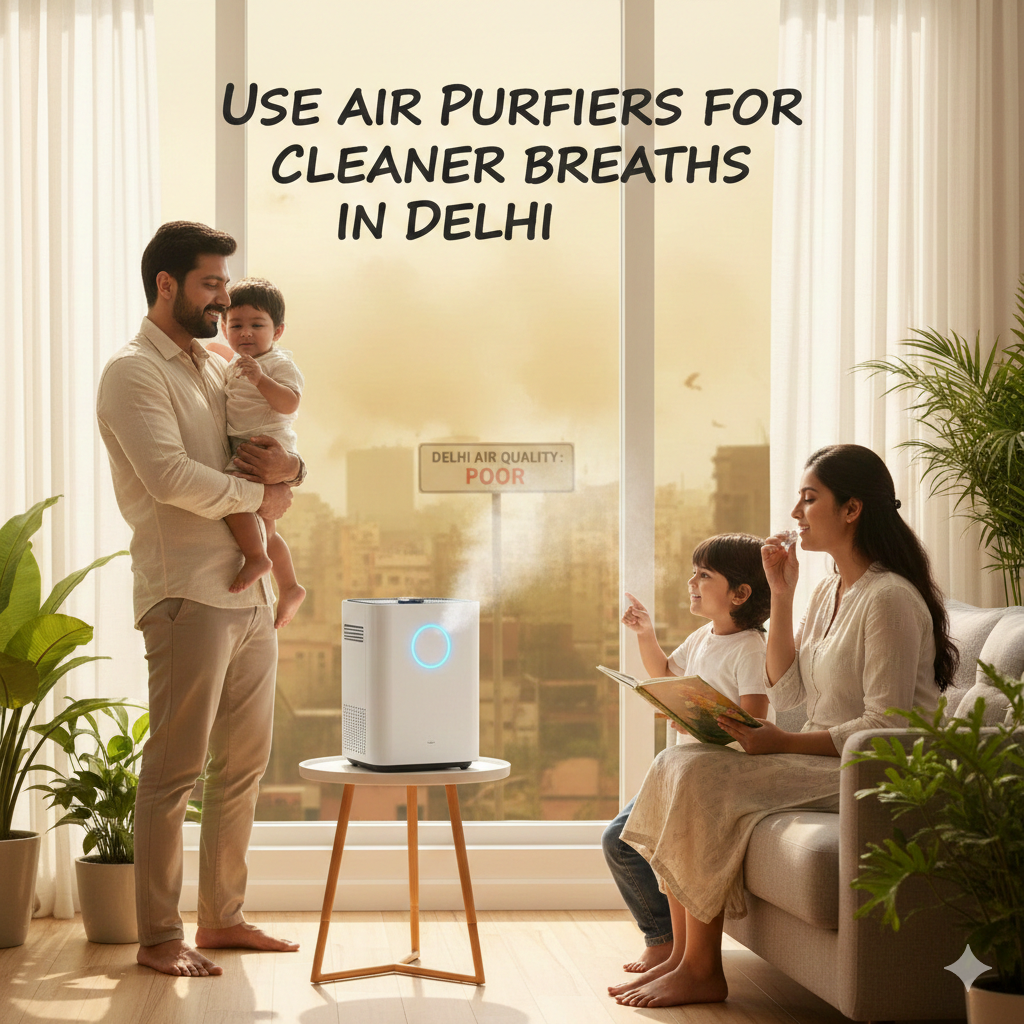
In Delhi, air purifiers are no longer luxury items—they’re essential survival tools. With rising PM2.5 levels and toxic smog, an air purifier creates a safer breathing zone inside your home. But buying just any purifier won’t help; you need one that suits Delhi’s pollution profile. So let’s break it down in simple terms.
Start by understanding the key features to look for. A good purifier must have CADR (Clean Air Delivery Rate) suited for your room size. Higher CADR means faster cleaning. Look for features like real-time AQI indicators, auto mode, night mode, and noise control. Ensure the device covers at least the size of your largest room. Purifiers with air quality sensors adjust filtration based on pollution levels automatically, making them perfect for Delhi homes.
Now the most crucial part: filter types. Doctors recommend HEPA (High-Efficiency Particulate Air) filters because they trap 99.97% of particles as small as 0.3 microns—including PM2.5, dust, pollen, and bacteria. Activated carbon filters absorb harmful gases and bad odors. Pre-filters trap larger dust particles and extend the life of the main filter. Avoid ionizers or ozone-based purifiers; they release ozone, which can irritate your lungs.
Lastly, follow maintenance tips recommended by doctors. Replace filters on time—dirty filters reduce efficiency and may even release trapped dust back into the air. Keep doors and windows closed while the purifier is running. Clean your purifier’s exterior weekly. Don’t place it behind furniture; position it where airflow is uninterrupted. Consistent use and proper care help your purifier deliver cleaner, healthier air every day.
Healthy Diet for Better Lungs and Cleaner Breaths

When the air around you is polluted, what you put inside your body becomes even more important. A healthy diet acts like an internal shield that strengthens your lungs, reduces inflammation, and supports your immune system. Think of your food as your daily defense system—each bite either boosts your lung health or makes your body more vulnerable to pollution. In Delhi’s high-AQI days, your lungs work overtime to filter toxins. The right foods can lighten their load and help repair the respiratory damage caused by polluted air. Your meals can literally decide how clean and effortless your breaths feel.
Let’s begin with anti-inflammatory foods, the superheroes your lungs desperately need. Polluted air triggers inflammation in the airways, which leads to coughing, wheezing, throat irritation, and even asthma flare-ups. Foods rich in antioxidants and anti-inflammatory compounds can calm this internal irritation. Include turmeric (with black pepper for absorption), ginger, garlic, leafy greens, walnuts, almonds, chia seeds, and fatty fish like salmon or rohu (rich in omega-3). Berries, apples, oranges, and pomegranates help fight oxidative stress caused by pollution. Even humble Indian spices—cinnamon, cloves, and cardamom—have lung-protective benefits. When you combine these foods regularly, your lungs stay clearer and stronger.
Now let’s look at vitamin-rich options that boost your respiratory health. Vitamin C strengthens immunity and improves lung function—add guava, amla, kiwi, lemon, and tomatoes to your diet. Vitamin E acts as a shield against pollutant-induced oxidative damage—sunflower seeds, almonds, spinach, and avocados are excellent sources. Vitamin A enhances the health of your mucus membranes, helping your airways stay moisturized and protected; eat carrots, sweet potatoes, pumpkin, and leafy greens. Don’t forget magnesium-rich foods like bananas, beans, and whole grains—they help your lungs take in more air by relaxing the respiratory muscles. Together, these nutrients keep your lungs functioning smoothly even when pollution tries to slow them down.
Lastly, focus on doctor-approved dietary habits. Respiratory doctors often advise eating fresh, home-cooked meals instead of oily, packaged, or fried foods that worsen inflammation. Drink warm water or herbal teas to soothe your throat and loosen mucus. Add herbal remedies like tulsi, mulethi, black pepper, and honey (in moderation) for natural relief. Avoid cold drinks, excessive dairy, and sugary items during high pollution days because they thicken mucus and clog airways. Eating smaller meals more frequently helps prevent heaviness and improves breathing comfort. Doctors also recommend increasing antioxidant intake during peak pollution season through salads, fruit bowls, or fresh juices without added sugar. Your plate becomes your lungs’ best friend when chosen wisely.
Doctor Consultation: When and Why It’s Essential

Many people ignore pollution-related symptoms until they become serious, but timely doctor consultation can prevent long-term complications. Pollution is not just an inconvenience—it’s a health risk that affects your lungs, heart, immunity, and even your mood. Knowing when to consult a doctor is crucial. If you experience persistent cough, chest tightness, wheezing, shortness of breath, recurring throat infections, burning eyes, or reduced exercise stamina, it’s time to seek medical advice. People with asthma, bronchitis, allergies, sinus issues, or heart ailments should consult doctors more frequently, especially during winter smog season. Children and seniors should never delay checkups because their lungs are more sensitive to pollution.
During your visit, understand what a doctor evaluates. A pulmonologist or general physician assesses your breathing capacity, oxygen levels, lung strength, and exposure-related symptoms. They may listen to your chest for wheezing sounds, check inflammation in your airways, evaluate your mucus buildup, and monitor your respiratory efficiency. If needed, doctors may recommend tests like chest X-rays, spirometry (lung function test), or allergy tests. They also review lifestyle habits, mask usage, home environment, and your daily exposure pattern. This holistic evaluation helps identify hidden issues before they turn into major diseases.
Now let’s talk about why early intervention matters. Pollution damage is often gradual and silent. You may feel “fine” while your lungs are working twice as hard internally. Early doctor consultation helps you catch problems before they become chronic. It also ensures timely treatment, personalized breathing exercises, lifestyle adjustments, and preventive medications if required. Doctors can guide you on the best inhalers, supplements, mucolytics, and protective habits suitable for your body. Early care prevents complications and ensures you continue breathing comfortably even in heavy pollution. Protecting your lungs today means protecting your long-term health and energy levels.
Preventive Health Checkups for Cleaner Breaths

Just like regular vehicle servicing keeps your car running smoothly, preventive health checkups keep your lungs functioning at their best. In a high-pollution city like Delhi, routine checkups are not optional—they’re a necessity. Preventive screenings help you detect early signs of pollution-related damage, monitor your lung function, and catch allergies before they spiral into chronic problems. Many people wait for symptoms before getting tested, but by then, the damage is often already done. Prevention makes breathing easier, improves immunity, and keeps you healthier year-round.
Start with pulmonary tests, which evaluate how well your lungs are working. Spirometry is the most common test; it measures how much air you can inhale and exhale, as well as how quickly you can do it. It helps diagnose asthma, COPD, bronchitis, and pollution-induced airway restrictions. Peak flow tests measure your airflow strength and indicate if your breathing is improving or worsening over time. Doctors may also recommend chest X-rays or CT scans to check for inflammation, fluid buildup, or structural changes caused by long-term pollution exposure.
Next, consider allergy screenings, especially if you experience frequent sneezing, watery eyes, cough, or skin rashes during pollution season. Delhi’s air carries pollen, dust mites, mold spores, and chemical pollutants—all of which can trigger respiratory allergies. Allergy tests help pinpoint your specific triggers so you can protect yourself more effectively. Once your doctor identifies what you’re allergic to, they can create a personalized management plan that includes medications, lifestyle adjustments, and avoidance strategies. This ensures fewer flare-ups and smoother breathing throughout the year.
Preventive checkups also play a huge role in long-term pollution protection. When you track your lung health regularly, you stay ahead of potential issues. Doctors can monitor your progress, adjust your treatment, and recommend additional preventive measures like flu shots, breathing therapies, and supplements. Prevention is always better than cure—and in Delhi’s pollution, it’s your strongest weapon for long-lasting clean breaths.
Kids’ Health: Cleaner Breaths for Children in Delhi

Children are the most vulnerable to pollution, and in a city like Delhi, their developing lungs face challenges every single day. Kids breathe faster than adults, spend more time outdoors, and have weaker immune systems, making them more sensitive to pollutants like PM2.5, dust, and chemical fumes. When a child inhales polluted air, the effects are deeper and longer-lasting because their airways are still growing. That’s why creating cleaner breathing habits for children is not just helpful—it’s essential for their long-term health and development.
Let’s begin with extra care tips that every parent can follow. Make sure your child wears a certified N95 mask whenever AQI crosses 150. If they resist wearing masks, choose colorful, soft, child-friendly versions that feel comfortable. Increase their water intake to keep their throat moist and reduce irritation. Use a good air purifier in their bedroom since kids spend long hours indoors. Ensure they sleep with clean bedsheets, dust-free curtains, and soft toys that are washed frequently. Encourage steam inhalation once or twice a week to soothe their airways. And of course, teach them simple breathing exercises—kids pick them up quickly when you make it fun.
Parents must also understand school-time precautions. Schools should avoid outdoor activities and sports when pollution levels spike. If your child travels by bus or auto, give them a mask and ask the school to keep windows closed during peak traffic hours. Pack healthy, lung-friendly snacks like fruits, nuts, and home-cooked meals that support immunity. Ensure your child washes their hands and face after returning home to remove dust and pollutants. For children with asthma or allergies, always keep their inhalers and prescribed medicines in their school bag.
Now let’s look at why pediatric doctor consultation is crucial. Children cannot always express what they’re feeling—tight chest, breathing difficulty, or irritation—so regular doctor visits help catch early signs of respiratory stress. Pediatricians evaluate lung function, monitor oxygen levels, and recommend preventive care. They may prescribe nebulization, nasal sprays, or inhalers if needed. Early intervention ensures your child doesn’t develop chronic conditions like asthma later in life. A pediatric doctor becomes your partner in protecting your child’s breaths and ensuring they grow up healthy despite Delhi’s pollution challenges.
Senior Citizens and Pollution: Protecting Their Breaths
Senior citizens are among the most affected during Delhi’s pollution season. Aging naturally reduces lung capacity, immunity, and the body’s ability to filter harmful particles. When you combine that with high PM2.5 levels, seniors face increased risk of respiratory infections, asthma attacks, heart strain, and chronic coughing. Even a slight dip in air quality can make them feel breathless or fatigued more quickly than younger adults. That’s why extra care, smart routines, and preventive medical guidance are absolutely necessary.
Start with senior-specific hacks for cleaner breaths. Keep windows closed during high pollution hours and ensure an air purifier is running in their main living and sleeping area. Encourage them to wear N95 masks when stepping outside, especially during morning walks. Replace their outdoor exercises with indoor alternatives like slow walking, stretching, or mild physiotherapy. Keep their home dust-free—clean ceiling fans, cushions, carpets, and curtains regularly. Seniors should avoid exposure to incense sticks, mosquito coils, and room fresheners, all of which irritate delicate airways. Hydration, warm water gargles, and herbal teas like tulsi or ginger tea help soothe their throat and reduce irritation.
Next, explore safe breathing exercises for older adults. Slow diaphragmatic breathing, pursed-lip breathing, and gentle pranayama like Anulom Vilom work wonders for seniors. These exercises enhance oxygen intake, clear mucus, ease chest tightness, and improve lung strength. Avoid fast or aggressive techniques like Kapalbhati unless approved by a doctor. Encourage slow stretches and simple yoga poses that open the chest and improve posture—poor posture among seniors often limits lung expansion and makes breathing harder.
Finally, understand how often seniors should consult doctors. Unlike younger adults, seniors need more frequent checkups during pollution season. A monthly or bi-monthly checkup helps monitor their respiratory health, adjust medications, and prevent complications. Doctors may recommend flu shots, breathing therapies, inhalers, or additional tests to ensure their lungs are functioning well. Early detection of breathing issues can prevent hospitalization and improve their daily comfort. Regular medical support gives seniors the confidence to breathe easier, even when Delhi’s pollution rises.
Conclusion – Your Path to Cleaner Breaths in Delhi
Clean breaths in Delhi might feel like a challenge, but with the right habits, tools, and awareness, you can protect yourself and your loved ones. Pollution is a reality, but your response to it shapes your health. From improving indoor air quality, adopting breathing exercises, choosing smarter routines, using air purifiers, to following a lung-friendly diet—every step adds up. Your lungs are your lifelong partners; treat them with care.
In summary, the key pollution-prevention hacks include wearing N95 masks, using air purifiers, keeping plants at home, hydrating well, eating antioxidant-rich foods, modifying travel routines, and staying consistent with breathing exercises. Pay attention to symptoms, avoid unnecessary exposure, and make your home a safe breathing zone.
Most importantly, never underestimate the value of doctor consultation. Early medical guidance prevents complications and keeps your lungs healthy long-term. Your health is too important to leave to chance—take proactive steps today for a cleaner, healthier tomorrow.
FAQs
- What are the best ways to get cleaner breaths in Delhi?
Use N95 masks, air purifiers, indoor plants, proper hydration, breathing exercises, and a pollution-protective daily routine. - How often should I consult a doctor during pollution season?
At least once every 1–2 months, especially if you have asthma, allergies, or frequent respiratory issues. - Do masks really help in reducing pollution exposure?
Yes, N95 and KN95 masks filter out up to 95% of PM2.5 particles, offering strong protection outdoors. - What foods help improve lung health?
Turmeric, garlic, ginger, leafy greens, citrus fruits, nuts, seeds, and omega-3-rich foods support lung strength. - Can indoor plants actually improve air quality?
Yes, many indoor plants absorb toxins, increase oxygen levels, and naturally improve indoor AQI.
Leave a Reply