

Why Winter Demands Extra Immunity Care
Winter has a sneaky way of testing our health. One day you’re enjoying cozy evenings, and the next, you’re battling a sore throat, runny nose, or that lingering fatigue that just won’t quit. Ever wondered why illnesses seem to line up during the colder months? The answer lies in how winter impacts our immune system and daily habits. Shorter days, reduced sunlight, limited outdoor activity, and a tendency to crave comfort foods all combine to weaken our natural defenses.
This is exactly why winter immunity boosting foods become more than just a health trend—they turn into a seasonal survival toolkit. Food isn’t merely fuel; it’s information for your body. Every bite you take sends signals that either strengthen or sabotage your immune response. Think of your immune system like a fireplace during winter. Without enough quality wood, the fire slowly fades. The right foods are that wood, keeping the fire alive and roaring.
In this guide, we’ll explore how strategic nutrition can help you stay resilient all winter long. From vitamin-rich fruits to warming spices and gut-friendly fermented foods, you’ll learn how to build a plate that protects you. This isn’t about extreme diets or complicated rules. It’s about simple, comforting, and delicious foods that naturally support immunity—foods your body recognizes and loves. Ready to eat your way to a healthier winter? Let’s dive in.
Understanding Immunity and Seasonal Challenges
Your immune system is a beautifully complex defense network, working around the clock to protect you from viruses, bacteria, and other invaders. But here’s the catch—it doesn’t work in isolation. Seasonal changes, especially winter, can disrupt its rhythm. Cold temperatures don’t directly cause illness, but they create conditions that make it easier for infections to spread and harder for your body to fight back.
During winter, people spend more time indoors, increasing exposure to germs. The dry air from heaters dries out nasal passages, reducing their ability to trap pathogens. Add to that lower vitamin D levels due to reduced sunlight, and you’ve got a perfect storm for weakened immunity. Your body is essentially fighting on multiple fronts with fewer resources.
This is where nutrition steps in as your secret weapon. Certain nutrients directly support immune cell production, antibody formation, and inflammation control. Without them, your immune response becomes sluggish. Imagine sending soldiers into battle without armor or weapons—that’s what happens when your diet lacks immune-supportive foods.
Understanding these seasonal challenges helps you make smarter food choices. Winter immunity boosting foods don’t just prevent illness; they help your body adapt to the environmental stressors of the season. When you align your diet with what your immune system needs most during winter, you’re not just reacting to sickness—you’re proactively building resilience.
The Role of Nutrition in Immune Health

Nutrition is the foundation of immunity. While sleep, exercise, and stress management play vital roles, food remains the most consistent and controllable factor. Every immune cell in your body relies on nutrients to function properly. Vitamins, minerals, proteins, and healthy fats work together like a well-coordinated orchestra. When even one section is missing, the entire performance suffers.
Macronutrients like proteins provide the building blocks for antibodies and immune cells. Micronutrients such as zinc, selenium, vitamin C, and vitamin A regulate immune responses and reduce inflammation. Antioxidants neutralize free radicals that damage immune cells, while probiotics strengthen gut health—where nearly 70% of your immune system resides.
Many people turn to supplements during winter, but food should always be your first line of defense. Whole foods offer nutrients in their most bioavailable form, along with fiber and phytonutrients that supplements often lack. Plus, food nourishes more than just immunity—it supports digestion, energy levels, and mental well-being.
By prioritizing nutrient-dense foods, you create an internal environment where your immune system can thrive. Think of nutrition as daily maintenance rather than emergency repair. Consistency matters more than perfection. When your meals are rich in immune-supporting foods, your body responds with strength, balance, and resilience throughout the winter months.
Vitamin C–Rich Foods for Winter Protection

Vitamin C is often the first nutrient that comes to mind when we think about immunity—and for good reason. It plays a critical role in stimulating white blood cell production, enhancing their ability to fight infections, and protecting them from oxidative stress. During winter, when colds and flu are more common, vitamin C becomes an essential daily ally.
Citrus fruits like oranges, lemons, grapefruits, and tangerines are classic vitamin C powerhouses. They’re refreshing, hydrating, and easy to incorporate into your diet. A glass of warm lemon water in the morning not only boosts immunity but also aids digestion and detoxification. But citrus isn’t the only star here.
Indian gooseberry, also known as amla, contains significantly more vitamin C than oranges. It has been used for centuries in traditional medicine to enhance immunity and vitality. Berries, kiwi, guava, and papaya are other excellent sources that bring variety and antioxidants to your plate.
What makes vitamin C even more powerful is consistency. Your body doesn’t store it, so daily intake is crucial. Including a variety of vitamin C–rich foods ensures better absorption and sustained immune support. Think of vitamin C as your immune system’s daily shield—lightweight, reliable, and essential for winter defense.
Vitamin D Foods: The Sunshine Vitamin You Miss in Winter
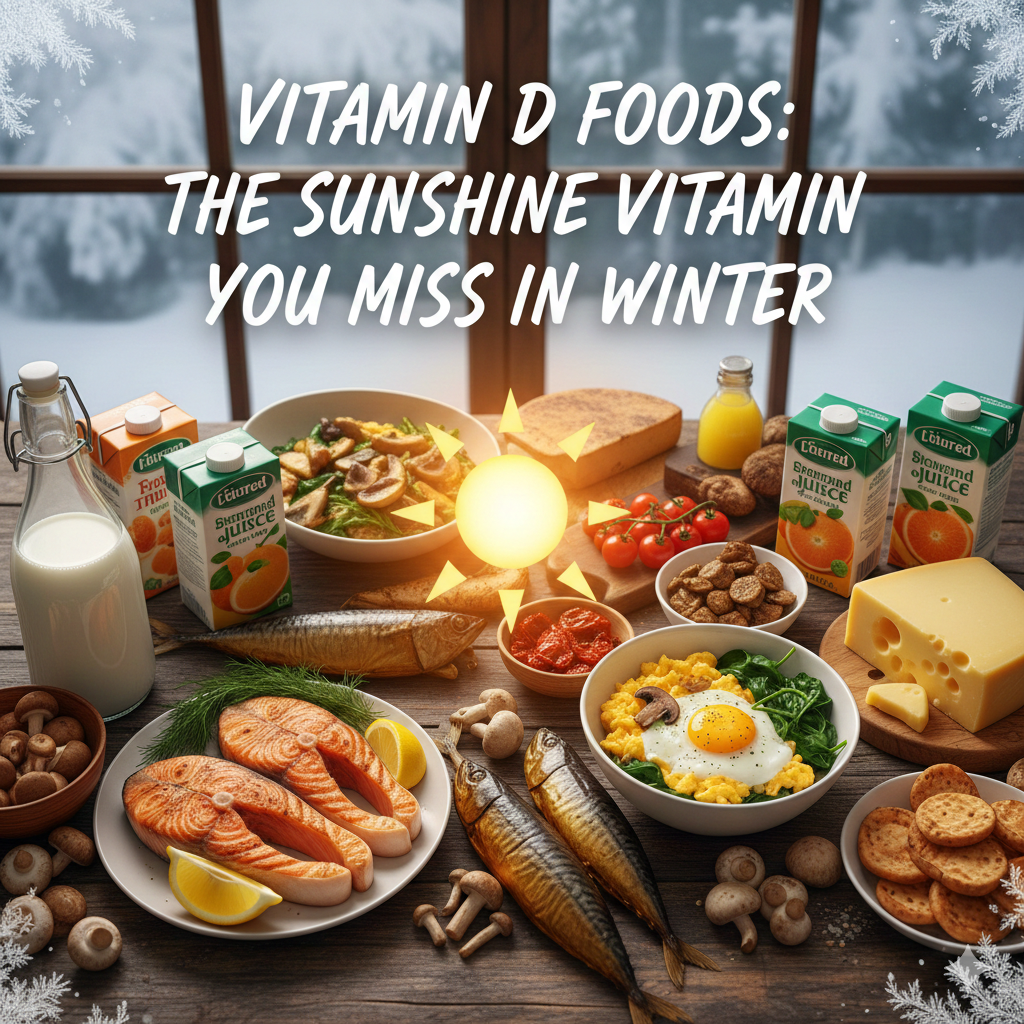
Vitamin D is often called the “sunshine vitamin,” and winter is exactly when most people stop getting enough of it. Shorter days, weaker sunlight, and spending more time indoors drastically reduce natural vitamin D production in the skin. Unfortunately, this nutrient is not optional when it comes to immunity. Vitamin D plays a direct role in activating immune defenses and regulating inflammatory responses. Without enough of it, your immune system becomes slower and less effective at responding to infections.
During winter, low vitamin D levels are linked to a higher risk of colds, flu, respiratory infections, and even prolonged recovery times. It’s like trying to drive a car with low fuel—you might move, but you won’t go very far. This is why including vitamin D–rich foods in your winter diet is essential, especially when sunlight exposure is limited.
Fatty fish such as salmon, mackerel, sardines, and tuna are among the best natural food sources of vitamin D. Egg yolks also provide a moderate amount and are easy to incorporate into daily meals. Fortified foods like milk, plant-based milk alternatives, cereals, and yogurt can help bridge the gap, especially for those who don’t consume fish regularly.
Pairing vitamin D foods with healthy fats improves absorption, making them even more effective. When combined with regular outdoor walks during daylight hours, these foods help restore balance. Think of vitamin D as the immune system’s thermostat—it keeps everything running at the right intensity throughout the cold season.
Protein-Packed Foods That Strengthen Immunity
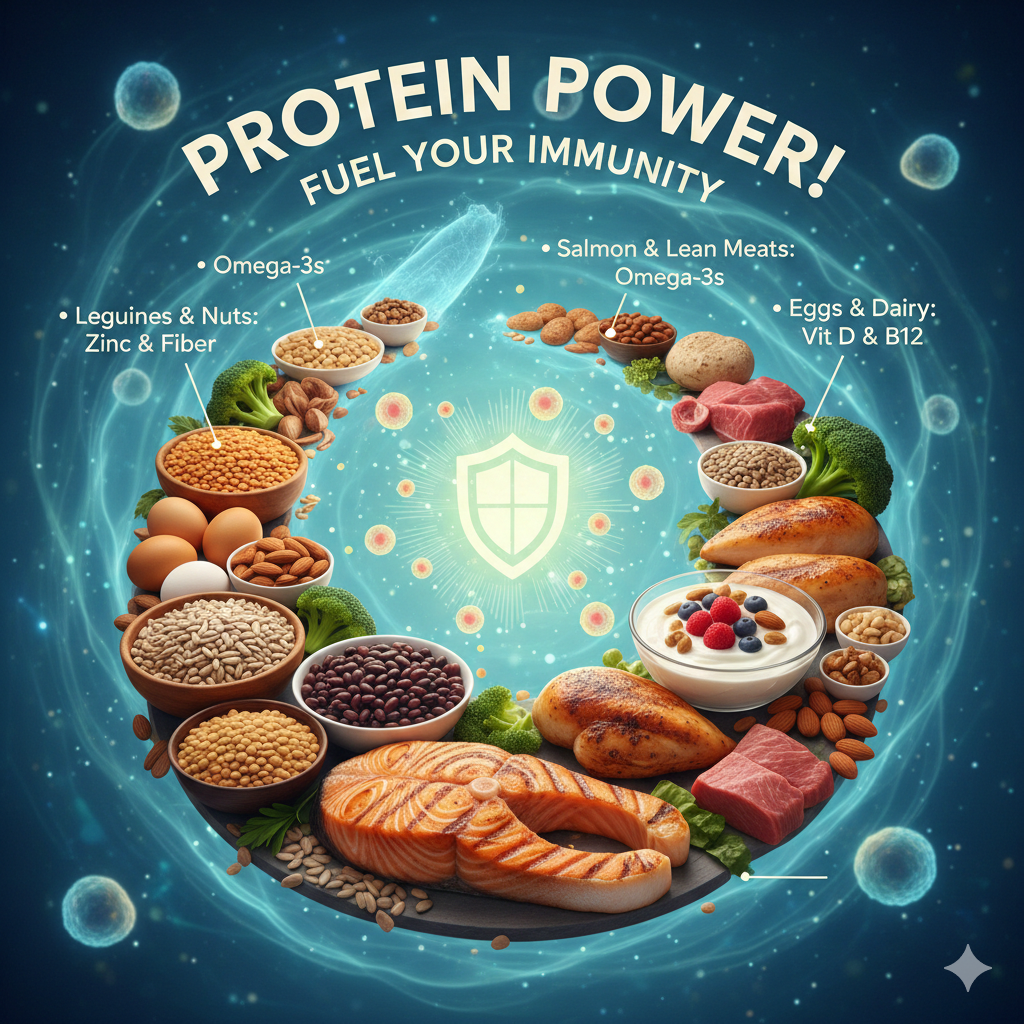
Protein is the unsung hero of immune health. While vitamins often steal the spotlight, protein quietly does the heavy lifting behind the scenes. Immune cells, antibodies, and signaling molecules are all made from protein. Without enough of it, your immune system simply can’t build or repair itself efficiently, especially during winter when demands are higher.
Animal-based proteins such as eggs, chicken, turkey, fish, and lean meats provide complete amino acids that support immune cell production. Bone broth, a winter favorite, deserves special mention. Rich in collagen, amino acids, and minerals, it supports gut health and reduces inflammation while keeping you warm and nourished.
Plant-based proteins are equally powerful when combined correctly. Lentils, chickpeas, beans, tofu, tempeh, nuts, and seeds provide not only protein but also fiber, zinc, and antioxidants. These nutrients work together to strengthen immune responses and improve gut health. Quinoa stands out as a complete plant protein, making it a great winter staple.
What matters most is consistency and variety. Including protein in every meal helps maintain steady energy levels and prevents immune burnout. Think of protein as the bricks used to build your immune fortress. Without strong bricks, even the best defenses crumble under pressure.
Antioxidant-Rich Fruits and Vegetables

Antioxidants are like your immune system’s cleanup crew. Every day, your body produces free radicals as a result of metabolism, stress, and environmental exposure. During winter, infections and inflammation increase this load. Antioxidants neutralize these harmful molecules, protecting immune cells from damage and keeping your defenses strong.
Colorful fruits and vegetables are the richest sources of antioxidants. The deeper and brighter the color, the more protective compounds they contain. Carrots, sweet potatoes, spinach, kale, red cabbage, and beetroot are winter-friendly vegetables that deliver beta-carotene, vitamin A, and polyphenols. These nutrients support the health of skin and mucosal barriers—the body’s first line of defense against pathogens.
Fruits like apples, pears, pomegranates, berries, and oranges provide flavonoids and vitamin C that enhance immune communication. Even frozen fruits retain most of their antioxidant power, making them a convenient winter option. Adding them to smoothies, oatmeal, or yogurt keeps meals exciting and nutritious.
Eating a rainbow isn’t just a catchy phrase—it’s a strategy. Each color supports immunity in a slightly different way. When your plate looks vibrant, your immune system benefits from a diverse toolkit to fight winter illnesses more effectively.
Herbs and Spices That Act as Natural Immunity Boosters

Herbs and spices are tiny but mighty. They’ve been used for centuries across cultures to prevent illness and promote healing, long before modern medicine existed. In winter, these warming ingredients do more than add flavor—they actively support immune function, reduce inflammation, and improve circulation.
Turmeric stands out as a powerful anti-inflammatory spice thanks to its active compound, curcumin. When paired with black pepper, its absorption increases significantly. Ginger is another winter staple that helps fight infections, soothe sore throats, and improve digestion. A cup of ginger tea can feel like a warm hug for your immune system.
Garlic deserves its reputation as a natural antibiotic. It contains allicin, a compound known for its antimicrobial and antiviral properties. Regular consumption of raw or lightly cooked garlic has been linked to reduced severity and duration of colds. Cinnamon, cloves, and cardamom also offer antioxidant benefits while helping regulate blood sugar and improve circulation.
Incorporating herbs and spices into daily cooking is effortless. Add them to soups, teas, curries, and roasted vegetables. Think of them as your immune system’s seasoning—small additions that make a big difference.
Healthy Fats and Their Role in Immune Response
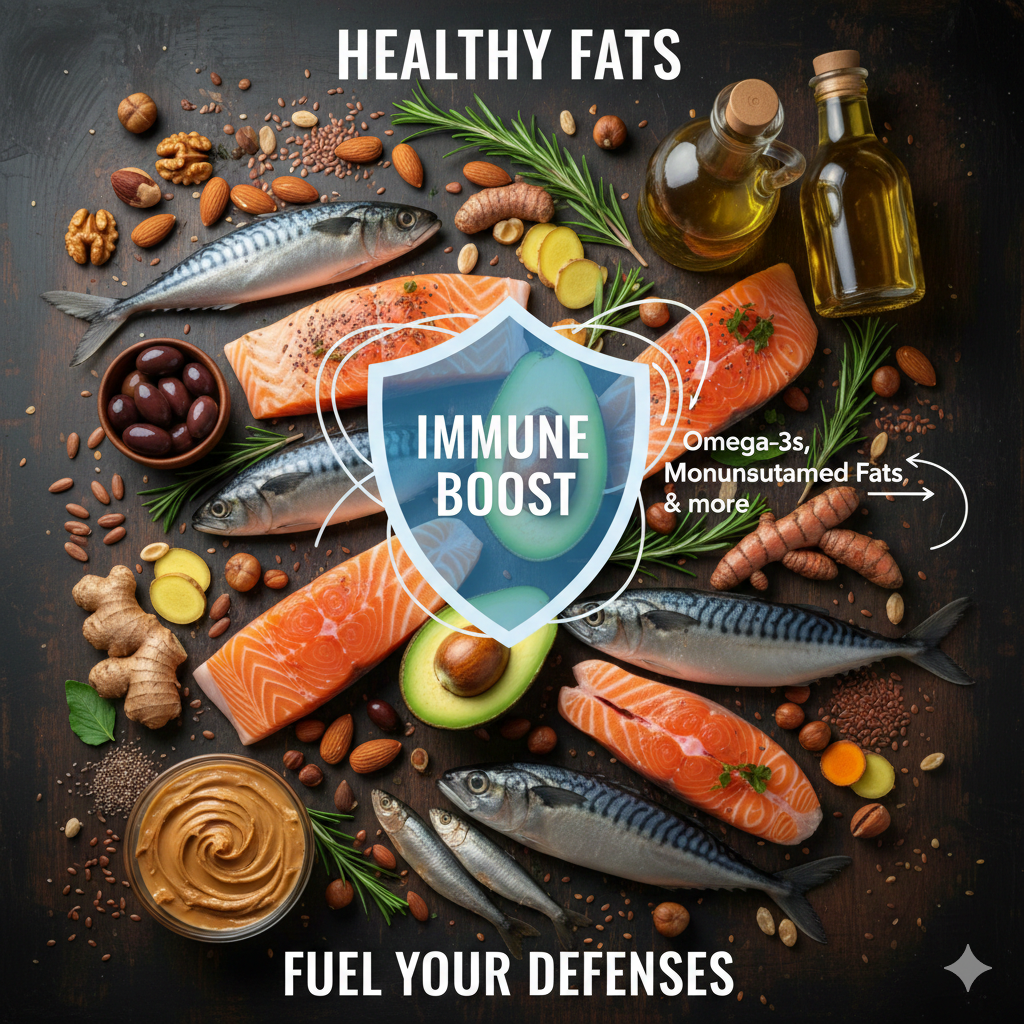
Fats often get a bad reputation, but when it comes to immunity, healthy fats are essential. They help absorb fat-soluble vitamins like A, D, E, and K, all of which are critical for immune function. Without enough healthy fats, even the most nutritious diet falls short.
Omega-3 fatty acids are particularly important during winter. Found in fatty fish, flaxseeds, chia seeds, walnuts, and hemp seeds, omega-3s help regulate inflammation and support immune cell communication. Instead of suppressing immunity, they balance it—preventing both overreaction and underperformance.
Healthy fats also provide long-lasting energy, which is crucial when winter fatigue sets in. Foods like avocados, olive oil, nuts, seeds, and coconut help stabilize blood sugar levels and keep you satisfied. This reduces cravings for sugary comfort foods that weaken immunity.
Including healthy fats in every meal creates a sense of warmth and nourishment. Think of fats as the oil that keeps your immune engine running smoothly through the cold months.
Fermented Foods and Gut Immunity

Your gut is the command center of your immune system. Nearly 70% of immune cells reside in the gut, constantly interacting with the microbiome—the trillions of bacteria that influence digestion, inflammation, and immune responses. In winter, maintaining gut health becomes even more critical.
Fermented foods introduce beneficial probiotics that strengthen the gut barrier and improve immune signaling. Yogurt with live cultures, kefir, sauerkraut, kimchi, miso, and kombucha are excellent choices. These foods help crowd out harmful bacteria and enhance nutrient absorption.
A healthy gut means faster immune responses and better protection against pathogens. It also reduces the risk of chronic inflammation, which can weaken immunity over time. Even small daily servings of fermented foods can make a noticeable difference.
Think of fermented foods as friendly reinforcements for your immune army. They don’t fight directly, but they make sure your defenses are well-trained and ready for action.
Hydration and Immunity in Cold Weather
Hydration often gets overlooked in winter because we don’t feel as thirsty as we do in summer. However, dehydration is just as common—and just as harmful—during colder months. Proper hydration keeps mucous membranes moist, helping them trap and eliminate pathogens before they cause infection.
Warm fluids are especially beneficial in winter. Herbal teas, warm water with lemon, soups, and broths hydrate while providing comfort and nutrients. Ginger tea, turmeric milk, and green tea offer additional antioxidant and anti-inflammatory benefits.
Limiting sugary drinks and excessive caffeine is important, as they can dehydrate the body and weaken immunity. Instead, aim for consistent fluid intake throughout the day. Even mild dehydration can reduce physical energy and immune efficiency.
Think of hydration as the transport system for your immune nutrients. Without enough fluids, even the best foods can’t do their job properly.
Traditional Winter Foods Across Cultures

Across the world, traditional winter diets have one thing in common—they focus on warmth, nourishment, and immunity. These food traditions developed long before modern nutrition science, yet they align perfectly with what we know today.
In Ayurveda, winter foods include ghee, lentils, root vegetables, warming spices, and herbal teas designed to balance the body and strengthen digestion. Chinese cuisine emphasizes soups, broths, garlic, ginger, and fermented vegetables to support energy flow and immunity.
In European cultures, winter meals often feature stews, fermented cabbage, whole grains, and bone broths. These foods provide sustained energy and essential nutrients during colder months. Even Mediterranean diets adapt in winter by emphasizing olive oil, legumes, fish, and seasonal vegetables.
Learning from traditional wisdom reminds us that immunity isn’t built overnight. It’s cultivated daily through simple, nourishing foods that support the body naturally.
Foods to Avoid That Weaken Immunity

Just as some foods strengthen immunity, others quietly sabotage it. Excess sugar is one of the biggest offenders. It suppresses immune cell activity and increases inflammation, making it easier for infections to take hold. Winter desserts are tempting, but moderation is key.
Highly processed foods lack essential nutrients and often contain unhealthy fats, preservatives, and additives that burden the immune system. Frequent consumption leads to nutrient deficiencies, even when calorie intake is high.
Excessive alcohol weakens immune responses and disrupts sleep, while too much caffeine can increase stress hormones. Both reduce your body’s ability to recover and defend itself.
Avoiding these foods doesn’t mean restriction—it means balance. When you minimize immune-draining foods, your body has more resources to fight winter illnesses effectively.
Daily Winter Immunity Diet Plan

A simple, balanced daily diet can make a powerful difference. For breakfast, consider oatmeal topped with berries, nuts, and seeds, paired with green tea. Lunch could include a lentil or vegetable soup with whole-grain bread and fermented vegetables.
Dinner works best when it’s warm and nourishing—think grilled fish or tofu, roasted vegetables, and brown rice or quinoa. Snacks like fruit, yogurt, nuts, or herbal teas keep energy steady throughout the day.
The goal isn’t perfection but consistency. When most meals support immunity, occasional indulgences won’t derail your health. This approach keeps your immune system strong without stress or complexity.
Lifestyle Tips to Enhance the Power of Immunity Foods

Even the best foods work better when paired with healthy habits. Quality sleep allows immune cells to regenerate and communicate effectively. Aim for 7–9 hours of restful sleep each night.
Regular movement improves circulation, helping immune cells travel efficiently throughout the body. Gentle winter activities like walking, stretching, or yoga are enough to make a difference.
Managing stress is equally important. Chronic stress suppresses immunity, undoing the benefits of a healthy diet. Simple practices like deep breathing, meditation, or quiet time can restore balance.
Food sets the foundation, but lifestyle choices build the structure. Together, they create a resilient immune system that thrives all winter long.
Building a Stronger Immune System This Winter

Winter doesn’t have to mean constant colds, low energy, or lingering fatigue. By choosing the right immunity boosting foods, you give your body the tools it needs to stay strong, balanced, and resilient. From vitamin-rich fruits and vegetables to warming spices, healthy fats, and gut-friendly fermented foods, every choice adds a layer of protection.
Think of winter nutrition as an investment. The more consistently you nourish your body, the better it responds when challenges arise. Instead of reacting to illness, you create an environment where health becomes the default. This winter, let your plate be your shield—and enjoy the season with confidence and vitality.
FAQs
- What are the best immunity boosting foods for winter?
Foods rich in vitamin C, vitamin D, protein, antioxidants, healthy fats, and probiotics are ideal for winter immunity. Examples include citrus fruits, fatty fish, lentils, yogurt, garlic, ginger, and leafy greens. - Can immunity boosting foods prevent colds and flu completely?
While no food can guarantee complete prevention, a strong immune-supportive diet significantly reduces the risk, severity, and duration of winter illnesses. - How often should I consume immunity boosting foods?
Daily consumption is best. Immunity relies on consistency, not occasional intake. Including these foods in regular meals provides ongoing support. - Are supplements necessary during winter?
Supplements can help when deficiencies exist, especially vitamin D, but whole foods should always be the primary source of nutrients whenever possible. - How long does it take to see results from an immunity-focused diet?
Most people notice improved energy and fewer illnesses within a few weeks of consistent dietary changes, especially when combined with good sleep and stress management.
Leave a Reply