
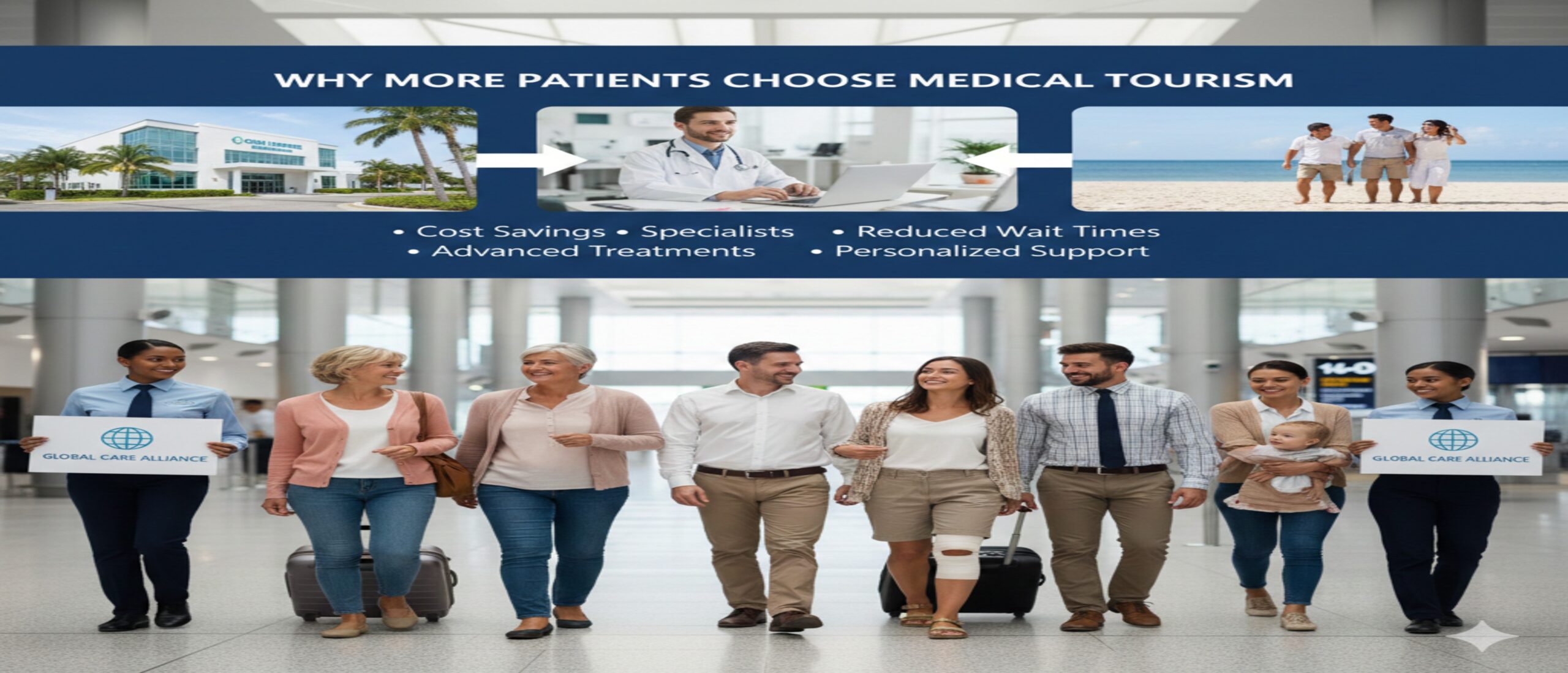
Medical tourism has become one of the fastest-growing sectors in global healthcare, with millions of patients traveling abroad every year seeking better, faster, and more affordable treatment options. But what’s truly shaping this surge isn’t just the desire to save money or access advanced medical procedures—it’s the rising trust patients place in medical tourism companies. These organizations have become the backbone of the international healthcare experience, offering patients the guidance, support, and transparency they need when navigating medical care in a foreign country.
The decision to travel for medical treatment is rarely simple. It brings uncertainties related to safety, affordability, cultural differences, documentation, and communication challenges. Medical tourism companies eliminate these barriers by serving as reliable intermediaries between patients and overseas healthcare providers. Their expertise has transformed what once seemed risky or complicated into a smooth, reassuring, and well-managed experience.
As global healthcare standards evolve and international travel becomes more accessible, patients are increasingly relying on these companies to ensure that their medical journey is safe, efficient, and tailored to their needs. Whether someone is seeking a life-saving operation, elective surgery, dental care, or wellness treatments, medical tourism companies provide peace of mind every step of the way. Their growing popularity is a direct reflection of rising patient expectations—expectations they continue to meet through professionalism, transparency, and unwavering support.
Understanding Why More Patients Trust Medical Tourism Companies
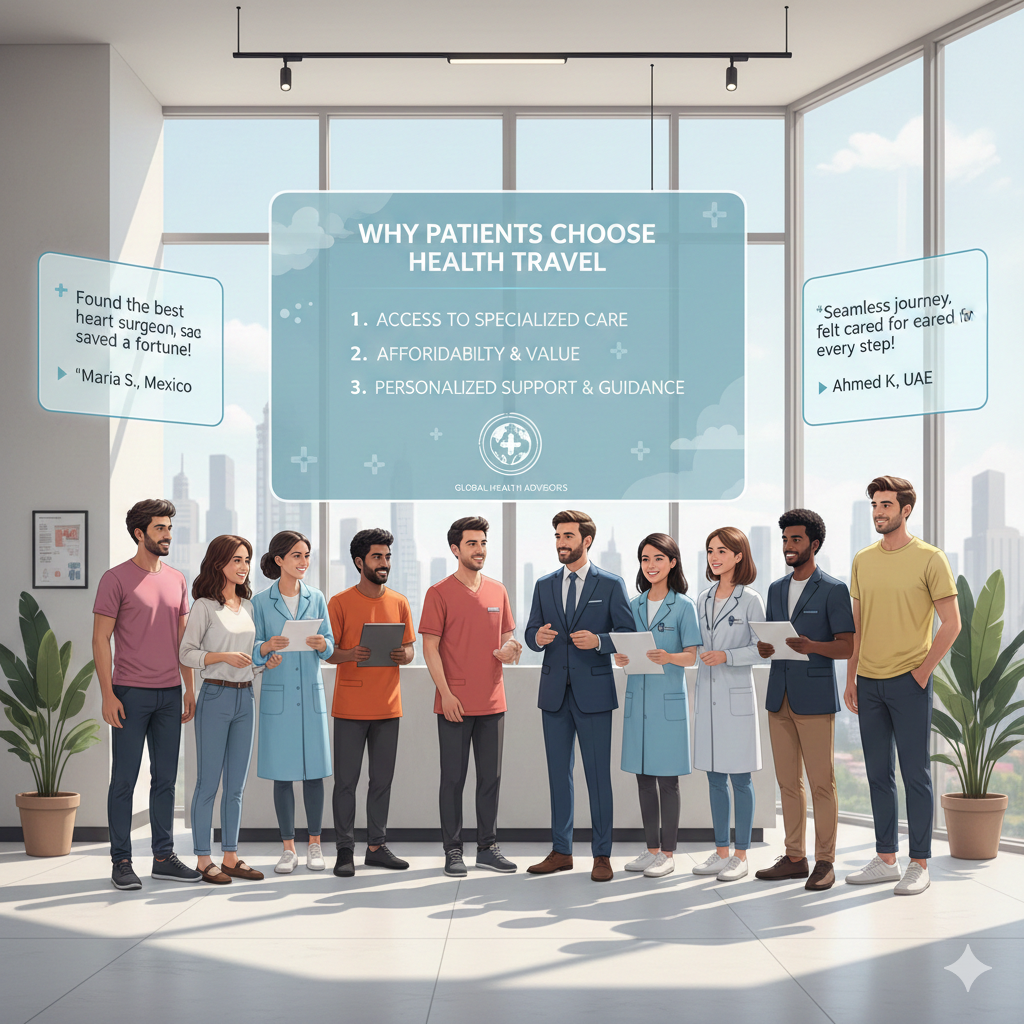
Trust is the backbone of medical decision-making, especially when a patient is considering treatment far from home. Over the past decade, the trust placed in medical tourism companies has grown significantly, and this shift is not just based on marketing—it’s driven by real results, transparent processes, and positive patient experiences. Many individuals once hesitant about traveling abroad for medical care now feel confident thanks to the supportive structure these companies provide. Their systems, checks, and guided processes create a level of reassurance that patients cannot achieve alone.
One of the biggest contributors to this trust is transparency. Patients today are more informed than ever. They compare treatments, review medical standards, and evaluate risks before choosing a healthcare option. Medical tourism companies understand this behavior and respond with clear, organized, and detailed information about every stage of the treatment journey. From explaining medical procedures to breaking down recovery timelines, these companies ensure that patients never feel lost or misinformed. This honesty fosters confidence and makes decision-making easier, especially for those nervous about international healthcare.
Patient satisfaction rates have also played a major role in building trust. As more people share their successful experiences online, through testimonials, forums, and social media, others gain the reassurance they need. Positive outcomes create a ripple effect—seeing others travel safely, get treated successfully, and return home healthier serves as powerful proof of reliability. This organic trust becomes stronger over time, making medical tourism companies the preferred choice for overseas care. Their growing credibility is also supported by professional partnerships, strict quality control, and continuous improvement in patient support services.
What Drives Patients to Seek Overseas Care

More patients are choosing to travel abroad for medical treatment, and understanding what motivates them helps explain why medical tourism companies have become so essential. One of the biggest driving forces is cost. In many countries, healthcare is extremely expensive, and patients are often shocked to learn that they can receive the same—or even better—treatment overseas at a fraction of the price. Medical tourism companies help patients identify cost-effective options without compromising on quality, making affordable care accessible to more people.
Another motivating factor is access to advanced or specialized treatments. In some regions, certain technologies or medical procedures simply aren’t available yet. Patients who need cutting-edge treatments, advanced diagnostics, or innovative surgical techniques look beyond their borders to find answers. Medical tourism companies play a crucial role here by connecting patients with hospitals and specialists who offer modern medical solutions they can’t get at home. This access to global expertise can make a life-changing difference, especially for complex medical conditions.
Reduced waiting times also encourage many people to seek healthcare abroad. In countries with congested healthcare systems, patients sometimes wait months—or even years—for critical surgeries. Medical tourism companies eliminate these delays by arranging faster appointments with overseas providers. For someone dealing with chronic pain, mobility issues, or a time-sensitive condition, receiving timely treatment can significantly impact their quality of life. By offering quicker access, medical tourism companies help patients avoid unnecessary suffering and begin their recovery sooner.
The Role of Medical Tourism Companies in Guiding Patients
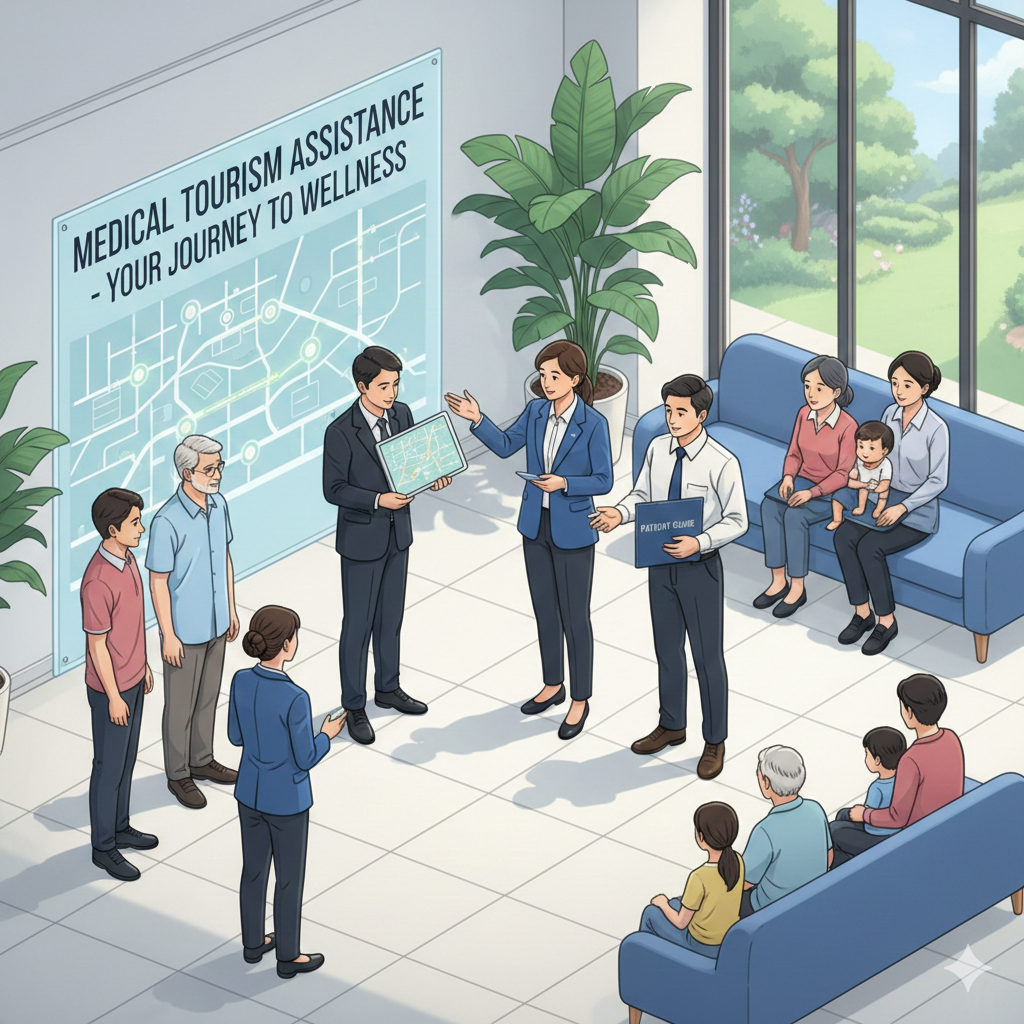
Medical tourism companies act as expert navigators in a journey that could otherwise feel overwhelming. For many patients, planning treatment abroad is unfamiliar territory involving different healthcare systems, medical standards, languages, and logistics. These companies simplify everything by providing personalized guidance from the very first inquiry. Their role begins long before the patient boards a plane and continues well after treatment is completed, ensuring that the entire experience is smooth and stress-free.
One of their most valuable roles is offering personalized case management. Instead of leaving patients to figure out complicated medical documents, international hospital requirements, or treatment expectations on their own, these companies assign dedicated coordinators who understand each patient’s needs. These coordinators gather medical reports, communicate with overseas specialists, schedule consultations, and ensure that the patient receives professional opinions tailored to their condition. This individual attention gives patients clarity and confidence, turning what could have been a confusing process into a structured plan.
Beyond medical coordination, these companies manage essential steps such as travel planning, document preparation, local transfers, and post-treatment follow-ups. They act as a single point of contact, which means patients don’t have to juggle communication between hospitals, travel agencies, or embassy services. This centralized support saves time, prevents miscommunication, and ensures that patients feel supported throughout their journey. The step-by-step assistance, from choosing the right doctor to completing the follow-up checkups, builds trust and shows patients that they’re not alone—every question, concern, or challenge is addressed promptly by professionals who are committed to their well-being.
How Medical Tourism Companies Improve Patient Safety

Safety is the number-one concern for any patient considering overseas treatment, and this is where medical tourism companies truly prove their value. They do much more than recommend hospitals—they conduct thorough evaluations to ensure that every medical provider in their network meets international standards. Patients often worry about unfamiliar healthcare systems, but these companies eliminate that worry by partnering only with accredited hospitals that maintain strict safety and quality measures.
One of the biggest contributions these companies make to patient safety is verifying hospital credentials. They confirm accreditation, facility certifications, surgeon qualifications, and success rates before including any hospital in their network. This means patients are not selecting healthcare providers blindly; they’re choosing from a carefully vetted list of high-quality options. Patients gain peace of mind knowing that the hospitals recommended to them have passed rigorous quality assessments.
Medical tourism companies also standardize quality checks to ensure safe experiences. They review hygiene practices, surgical protocols, emergency response processes, and patient care standards to ensure consistency across all recommended facilities. Additionally, they brief patients on what to expect before, during, and after their procedures. This transparency helps patients prepare mentally and physically, reducing anxiety and ensuring they follow every safety guideline provided. With this level of oversight, patients feel protected and informed, which is why more people trust these companies with their overseas medical care.
Building Patient Trust Through Information Transparency

Transparency plays an essential role in earning patient trust, and medical tourism companies excel in providing clear, honest, and complete information at every stage of the journey. When someone chooses to undergo treatment abroad, uncertainty can be overwhelming—especially if they’re navigating a different healthcare system, language, or culture. By offering straightforward details about doctors, procedures, pricing, and expected outcomes, these companies eliminate confusion and help patients feel in control of their decisions.
One of the biggest ways they demonstrate transparency is through detailed explanations of medical procedures. Instead of vague descriptions, patients receive thorough breakdowns of what to expect during consultations, pre-surgery assessments, the actual procedure, risks, potential complications, recovery timelines, and follow-up requirements. This level of clarity ensures that patients fully understand their treatment path. It also reduces the fear of the unknown, which is often a major obstacle for people considering cross-border healthcare.
These companies also explain risks and benefits without sugarcoating the truth. Unlike promotional materials that emphasize only the positives, professional medical tourism companies offer a balanced view, helping patients weigh their options realistically. They answer tough questions, provide alternative treatment suggestions when needed, and offer second opinions from multiple doctors. This openness strengthens trust because patients know they’re getting accurate information, not exaggerated promises.
Another vital part of information transparency is providing clear cost breakdowns. Patients often worry about hidden charges, unexpected fees, or inflated prices once they arrive overseas. Medical tourism companies address these concerns by offering itemized estimates that cover medical procedures, hospital stays, medication, diagnostics, and travel-related costs. When patients know exactly what they will spend, they feel more confident and prepared. This honesty builds long-term trust and encourages patients to rely on these companies for future medical needs.
Expertise of Medical Tourism Companies in International Healthcare

One of the strongest reasons patients trust medical tourism companies is the depth of expertise they bring to the table. Most people do not have the knowledge or experience to evaluate overseas hospitals, compare international treatment standards, or determine which country offers the best solution for their condition. Medical tourism companies fill this gap with professional insight, industry knowledge, and years of hands-on experience guiding patients through international medical journeys.
These companies employ skilled coordinators and medical consultants who understand global healthcare landscapes. They study treatment success rates, doctor qualifications, hospital technology levels, and evolving medical advancements around the world. This expert knowledge helps patients make informed decisions about where to travel for care. Instead of relying on random online information or personal guesses, patients receive recommendations backed by real data and professional experience.
Another area where these companies excel is navigating international medical standards. They know which countries specialize in which treatments, which hospitals offer the best outcomes, and which surgeons have the strongest track records. This insight allows them to match patients with the most suitable medical providers. Whether it’s complex surgery, cosmetic procedures, fertility treatments, dental care, or wellness therapies, their expertise ensures that patients receive care tailored to their needs.
Additionally, these companies are skilled in managing cultural, linguistic, and logistical barriers. They understand how different healthcare systems operate and help patients communicate clearly with overseas doctors. They ensure that medical records are translated correctly, that appointment schedules align smoothly, and that patients follow the proper medical protocols. This guidance is invaluable for people unfamiliar with international healthcare processes, reinforcing trust and eliminating the stress of going abroad for treatment.
Why Patients Prefer Medical Tourism Companies for Cost Management
Cost is one of the strongest motivations behind medical travel, and medical tourism companies have earned patient trust by offering clarity, fairness, and structure in all financial matters. When someone seeks treatment overseas, understanding the pricing system can be intimidating—different currencies, hospital fee structures, package inclusions, and legal requirements often create confusion. Medical tourism companies simplify everything by providing transparent, itemized, and accurate cost breakdowns, helping patients prepare financially without stress.
One of the biggest advantages they offer is transparent pricing. Unlike independent research where patients may encounter inconsistent or unclear cost estimates, medical tourism companies gather real-time pricing directly from hospitals and present it in a clear, organized manner. Patients receive detailed lists of surgical fees, anesthesia costs, diagnostic expenses, post-operative care charges, medication costs, and any additional services that might be required. This eliminates surprises and helps the patient plan their budget with confidence.
Another benefit is the prevention of hidden costs. Many people fear unexpected expenses when traveling for treatment—extra consultations, unplanned tests, or inflated bills. Medical tourism companies protect patients from these challenges by negotiating standardized package rates with hospitals. These packages often include accommodations, airport transfers, medical tests, and hospital stays, making it easier for patients to compare options and choose the most cost-effective one. Knowing that someone is monitoring and verifying financial details builds a strong sense of trust.
Additionally, these companies help patients explore flexible financial solutions. For example, they guide patients through insurance-related questions, cross-border coverage options, and payment plans offered by international hospitals. They also help patients understand the possible tax benefits or reimbursement allowances depending on their home country’s laws. This level of support ensures that financial planning becomes a manageable, stress-free process. With full cost transparency, financial guidance, and professional negotiation, patients prefer medical tourism companies because they protect them from financial uncertainty.
Comprehensive Travel and Medical Support Services
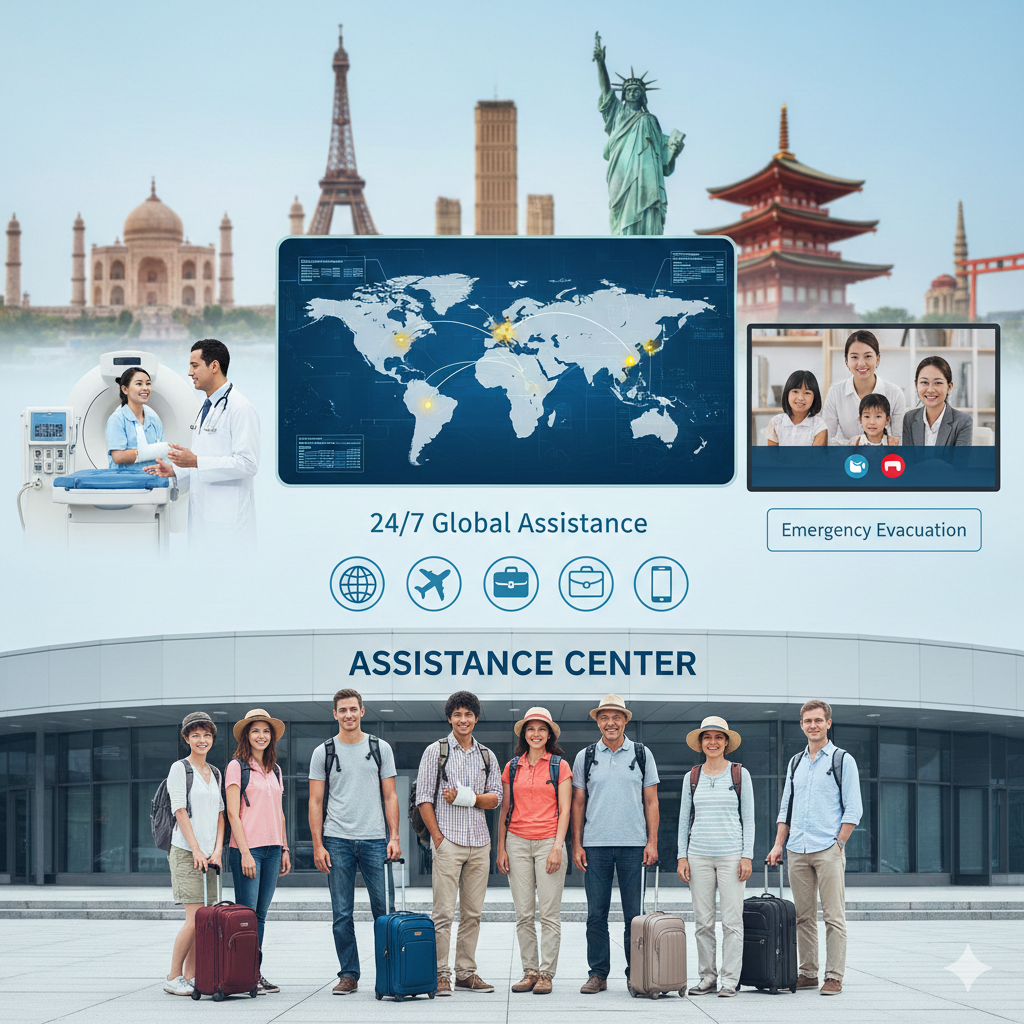
Traveling abroad for medical care involves much more than booking a flight and scheduling a surgery. Patients need help with logistics, documentation, accommodation, and local transportation—all while managing their health concerns. Medical tourism companies simplify this complex process by offering comprehensive support services that cover every aspect of the journey. This all-in-one assistance gives patients the comfort of knowing that professionals are handling the details, allowing them to focus entirely on their treatment and recovery.
One of the standout services these companies provide is travel documentation support. Visas, medical letters, hospital admission confirmations, and travel insurance can be confusing to navigate. Medical tourism companies handle these tasks by preparing necessary documents, coordinating with hospitals, and guiding patients step-by-step. This assistance is especially valuable for those traveling to countries with strict visa regulations or detailed medical entry requirements. Patients feel more secure when experts ensure that everything is completed correctly.
Accommodation and local transportation arrangements are also major areas of support. Medical tourism companies reserve safe, clean, and convenient accommodations close to the medical facility, often at special discounted rates. They arrange airport pickups, round-trip transfers to the hospital, and mobility-support services for patients with physical limitations. This eliminates the stress of navigating a foreign city or finding reliable transportation. Having these logistics handled professionally builds trust and ensures that patients remain comfortable throughout their stay.
Moreover, these companies provide continuous on-ground assistance. Local coordinators greet patients, accompany them to appointments, help with registration, arrange interpreters if needed, and make sure they are cared for both medically and personally. This level of involvement creates an emotional sense of security, especially for first-time travelers or patients who may be anxious. With such comprehensive support, medical tourism companies become dependable partners, ensuring a smooth and well-managed experience from start to finish.
How Medical Tourism Companies Enhance Psychological Comfort
Traveling abroad for medical treatment can be emotionally challenging. Patients deal with fear, uncertainty, and the stress of being far from home while facing a medical condition. Medical tourism companies play a crucial role in reducing this emotional burden by offering reassurance, clear communication, and personal support throughout the entire journey. This emotional safety net is one of the biggest reasons why more patients trust these companies for overseas care.
From the very beginning, medical tourism companies engage with patients in a warm, understanding manner. They listen carefully to medical concerns, personal worries, and treatment expectations. This empathetic approach helps patients feel heard and understood, which is incredibly important when making a major life decision like seeking medical care abroad. By explaining every step in simple, comforting language, they transform what once felt overwhelming into a manageable, structured plan.
Continuous communication also plays a huge role in boosting psychological comfort. Medical tourism companies stay in touch with patients before departure, during travel, throughout treatment, and even after they return home. This constant support makes patients feel less alone and more confident. Whether it’s answering late-night questions, updating family members, or coordinating follow-up appointments, this consistent presence helps maintain emotional balance during a stressful period.
Another important factor is the presence of local coordinators who offer face-to-face support in the destination country. Patients appreciate knowing that someone will meet them at the airport, accompany them to the hospital, help with translation, or simply offer reassurance during difficult moments. These small but meaningful gestures create a sense of safety, which is especially comforting for patients traveling alone or undergoing major surgeries. When patients feel emotionally supported, their trust in medical tourism companies becomes stronger, making the experience smoother and less overwhelming.
Trust Built Through Real Patient Stories and Testimonials
Real patient stories are powerful, and they have become one of the strongest trust-building tools in the medical tourism industry. When people see others overcoming similar health challenges, traveling abroad safely, receiving excellent treatment, and returning home satisfied, it creates a ripple effect of confidence. Medical tourism companies highlight these genuine experiences to help new patients understand what to expect and to reassure them that they are making a wise decision.
Testimonials act as social proof. Instead of relying on advertisements or generic information, patients can hear directly from individuals who have lived the journey. They talk about their fears, expectations, and outcomes, offering insights that official sources might not cover. These honest accounts help new patients prepare mentally and emotionally, giving them a clearer picture of the entire process—from the moment they first contact a medical tourism company until they complete their recovery.
Success stories also highlight the professional strengths of medical tourism companies. Many testimonials discuss how coordinators helped with paperwork, how local guides eased communication challenges, or how hospital partners delivered excellent care. These shared experiences reinforce the idea that patients are not taking risks—they are choosing a reliable, structured, and supportive system. The authenticity of these stories builds credibility that no marketing campaign can replicate.
Additionally, medical tourism companies often collect reviews across multiple platforms—websites, social media, forums, and healthcare communities. This transparency shows that they have nothing to hide. Positive ratings, high satisfaction levels, and detailed feedback foster trust and encourage more patients to travel for care. When new patients see hundreds or thousands of successful journeys, the fear of going abroad diminishes, and confidence grows. This collective influence of real stories continues to drive global trust in medical tourism companies.
Digital Transformation in Medical Tourism Companies
Technology is transforming the medical tourism sector, and it’s one of the biggest reasons patients feel more confident about seeking care abroad. Digital tools allow medical tourism companies to provide faster communication, more accurate information, and smoother coordination from the comfort of a patient’s home. This modern, tech-enabled approach increases trust by making the entire process more efficient, transparent, and personalized.
Virtual consultations are one of the most impactful innovations. Instead of waiting until they arrive overseas, patients can speak with international physicians beforehand through secure video calls. These consultations allow them to ask questions, understand treatment options, and build rapport with doctors well before traveling. This early connection reduces anxiety and ensures that patients feel prepared and informed.
Another technological advancement is AI-assisted case matching. Medical tourism companies now use intelligent systems to analyze patient reports and match them with the most suitable specialists or hospitals worldwide. This improves accuracy and ensures that patients are connected to providers who have the highest expertise in their specific condition. Such precision would be difficult to achieve manually, and patients appreciate knowing that their care is optimized using advanced tools.
Digital platforms also streamline the entire journey—managing documents, sharing medical files securely, coordinating appointments, and providing real-time updates. Mobile apps and online dashboards allow patients to track their schedules, view medical reports, receive reminders, and communicate with coordinators instantly. This organized, transparent system enhances trust and eliminates the uncertainty that often surrounds international healthcare. As technology continues to evolve, medical tourism companies will only become more efficient, making overseas treatment safer and more accessible.
Digital Transformation in Medical Tourism Companies

Virtual Consultations
Virtual doctor consultations have quickly become one of the biggest turning points in the medical tourism industry. Not long ago, patients who wanted treatment abroad had to travel across oceans just to meet a doctor for the very first time. It meant spending money on flights, hotels, local transportation, and taking time off work—only to discover that the doctor wasn’t the right match or that the treatment plan needed further evaluation. Today, that entire hassle has been transformed through digital innovation. Virtual consultations allow patients to sit comfortably in their homes, connect with world-class doctors, and get reliable insights about their conditions without leaving their couch. This shift does more than save money. It gives patients emotional relief and confidence because they can understand the treatment, ask questions, explore risks, and even compare medical opinions—all before investing a single dollar in travel.
Medical tourism companies play a big role in making these virtual consultations smooth, secure, and meaningful. They organize the appointment, prepare the patient’s medical files, translate reports if needed, and ensure that the doctor reviewing the case has everything necessary. This avoids misunderstandings and speeds up diagnosis. It also builds trust because patients feel genuinely supported, not rushed. The platforms used for these consultations have also improved significantly. Many medical tourism companies now rely on encrypted video portals that protect sensitive medical data, offer high-resolution video for clearer conversations, and allow screen-sharing for medical imaging. When a surgeon shows a patient their MRI scan live on screen, explaining what each detail means, the patient experiences a level of clarity that earlier was nearly impossible to get remotely.
Another important impact of virtual consultations is transparency. Patients appreciate honest answers. They can compare multiple specialists from different countries and choose the one who communicates the clearest plan. This freedom of choice reinforces trust in medical tourism companies, who serve as guides rather than salespeople. Additionally, virtual consultations often include cost breakdowns, recovery expectations, travel instructions, and success rates. These details help patients plan their journey step by step without fear or uncertainty. In a world where time is precious and decisions about health carry emotional weight, virtual consultations offer convenience, comfort, clarity, and a more human connection. They are the gateway to safer, smarter, and more patient-centered medical tourism.
AI-Assisted Case Matching
AI-assisted case matching is one of the most powerful technological advancements shaping the modern medical tourism industry. In the past, matching a patient with the right doctor or hospital depended heavily on manual evaluation, human judgment, and the availability of medical coordinators. While human expertise will always matter, the introduction of artificial intelligence has brought unmatched precision, speed, and personalization to this process. Think of AI case matching as a smart assistant that analyzes thousands of medical variables in seconds—something no human team could realistically do with the same level of accuracy. Whether a patient needs an orthopedic surgeon, a fertility specialist, an oncologist, or a cardiac surgeon, AI helps ensure that the selected expert is not just qualified but genuinely the best match for that specific medical profile.
Medical tourism companies use AI systems that scan a patient’s medical history, imaging files, lab test, treatment preferences, and even budget limitations. Based on this data, the AI compares hundreds of hospitals and specialists worldwide. It evaluates their success rates, technologies available, specialties, certifications, patient reviews, and even past performance with similar cases. This method eliminates guesswork and reduces the risk of being matched with a professional who may not be ideal for the procedure. Instead, patients get options that have been scientifically and systematically selected for them. This boosts confidence and reduces the anxiety that often accompanies medical decision-making.
Another advantage of AI-assisted case matching is the speed at which patients receive answers. Usually, international medical evaluations could take weeks because hospitals needed time to review documents manually. AI tools accelerate the process dramatically. Patients often get preliminary matches within hours, and doctors receive pre-filtered data that speeds up their assessments. This is invaluable for patients dealing with urgent conditions or those who simply want faster clarity.
Additionally, AI improves fairness and transparency. It removes biases, personal preferences, or external influences from the matching process. Patients no longer have to rely on vague recommendations or generic suggestions. Instead, they receive objective, data-backed guidance. For people making life-changing healthcare decisions, this accuracy builds deep trust.
Ultimately, AI-assisted case matching empowers patients with knowledge, choices, and reassurance. It ensures they aren’t just paired with a doctor—they are paired with the right doctor. And in the world of medical tourism, that difference can influence outcomes, recovery, satisfaction, and the entire experience from start to finish.
Legal and Ethical Support Provided by Medical Tourism Companies

Patient Rights Guidance
Patient rights guidance is one of the most crucial yet often overlooked services that medical tourism companies provide. When a patient decides to travel abroad for treatment, they aren’t just stepping into a new healthcare system—they are stepping into a new legal environment with different rules, procedures, protections, and expectations. What counts as a standard consent form in one country might be legally insufficient in another. What qualifies as malpractice in one region may not be treated the same way somewhere else. These differences can overwhelm patients, especially when they are already dealing with medical stress. That’s where medical tourism companies step in as navigators, educators, and advocates who help patients understand their rights long before they set foot on foreign soil.
The first major support provided is clarity. Medical tourism companies break down complex legal jargon into simple, understandable language. They explain a patient’s rights regarding informed consent, second opinions, data privacy, pre-treatment tests, confidentiality, and refusal of treatment. Many patients don’t realize they have the right to question a doctor, request alternative treatment options, or decline unnecessary procedures. By educating them early, medical tourism companies empower patients to make decisions confidently and safely.
Another key area is documentation. Different countries require different medical records, permits, insurance documents, affidavits, and consent forms. For someone who has never received international medical care, gathering these documents can be confusing and intimidating. Medical tourism companies ensure that patients know exactly what they need, where to obtain it, and how to submit it properly. This prevents legal issues and delays and ensures the patient’s treatment journey starts smoothly.
Medical tourism companies also help patients understand cross-border medical insurance, reimbursement options, and legal recourse in case of complications. They provide guidance on patient protection laws, dispute resolution procedures, and the steps to follow if something goes wrong. Many reputable companies partner with legal advisors who specialize in international health law, giving patients access to professional support when they need it most.
The emotional comfort this guidance brings is invaluable. Patients often feel anxious about being misunderstood, overcharged, or mistreated in a foreign country. Knowing their rights—and knowing someone is there to defend those rights—greatly increases trust. It transforms fear into confidence and hesitation into peace of mind. In a world where medical choices carry significant consequences, patient rights guidance ensures that every individual feels informed, respected, protected, and supported from start to finish.
Ethical Medical Coordination
Ethical medical coordination is the backbone of trustworthy medical tourism companies, shaping the way patients experience care from the moment they inquire about treatment to long after they return home. In an industry that involves cross-border transactions, varied healthcare standards, and vulnerable individuals seeking treatment far from home, ethical practices are not just optional—they are essential. Patients place an enormous amount of trust in medical tourism companies, and fulfilling that trust requires transparency, fairness, and unwavering commitment to doing what is right rather than what is convenient or profitable.
One of the core responsibilities of ethical coordination is ensuring that patients receive accurate and unbiased information. Some companies might be tempted to overpromise results or hide potential risks to secure business. Ethical companies do the opposite—they provide honest treatment expectations, realistic success rates, and balanced comparisons between different hospitals or specialists. They inform patients about the advantages and limitations of every option, even if it means the patient chooses a lower-cost procedure or a different provider altogether. This honesty builds long-term trust and protects patients from unnecessary disappointment or danger.
Another important aspect is fair pricing. Medical tourism companies act as intermediaries between patients and hospitals, so they must ensure that costs are fully transparent. Ethical coordination includes showing patients a clear breakdown of fees, avoiding hidden charges, and preventing hospitals from inflating prices for international patients. This level of transparency eliminates financial exploitation and reassures patients that they are being treated with dignity and respect, not as a source of profit.
Ethical medical coordination also involves vetting medical providers thoroughly. Not all hospitals and clinics are equal. Ethical medical tourism companies evaluate whether a facility meets international standards, holds proper accreditation, employs experienced specialists, and follows safety protocols. They refuse to work with providers who cut corners, use outdated technology, or lack verified credentials. This careful evaluation protects patients from unsafe practices and ensures they only receive care from reputable, qualified professionals.
Additionally, ethical coordination includes cultural sensitivity, respectful communication, and confidentiality. Patients often come from different backgrounds, beliefs, and expectations. Ethical companies train their staff to communicate respectfully, honor cultural differences, and handle sensitive medical information with strict privacy standards. This builds a sense of security and belonging for patients navigating unfamiliar environments.
Perhaps the most important component is advocacy. Ethical medical tourism companies stand by the patient, not the healthcare provider. This means if miscommunication or problems arise, the company intervenes to protect the patient’s interests, facilitates solutions, and ensures proper follow-up. These actions prove to patients that they are not alone and that someone genuinely cares about their well-being.
In a world where medical decisions can be overwhelming, ethical coordination transforms the patient experience from uncertain and intimidating to transparent, comfortable, and genuinely supportive.
The Future of Medical Tourism Driven by Patient Trust

Technology Integration
Technology integration is shaping the future of medical tourism in ways that would have seemed impossible a decade ago. As patients increasingly expect faster answers, clearer communication, and safer healthcare experiences, medical tourism companies are embracing advanced tools that elevate trust, transparency, and convenience. The role of technology is no longer limited to scheduling appointments or sending documents—it has become the backbone of how global healthcare operates. From virtual reality hospital tours to blockchain-secured medical records, digital innovation is transforming the entire patient journey long before a traveler boards a plane.
One of the most exciting advancements is the use of AR (Augmented Reality) and VR (Virtual Reality) for virtual hospital tours. Patients can now explore treatment centers, operating rooms, recovery suites, and even nearby accommodations through immersive 360-degree experiences. This eliminates guesswork and builds trust because patients can visualize where they will be treated. Instead of relying on photos or brochures, they gain a sense of familiarity and comfort before arriving at their destination.
Predictive analytics is another game changer. Using AI-driven tools, medical tourism companies can predict potential risks, estimate recovery timelines, and suggest the best treatment periods based on weather, patient flow, and seasonal availability. This helps patients plan smarter, avoid overcrowded times, and choose clinics that best match their case history. Predictive algorithms can even suggest doctors who have had the highest success rates with similar conditions.
Blockchain technology is revolutionizing medical data security. Many patients hesitate to share their sensitive medical files across borders, fearing misuse or unauthorized access. Blockchain solves this by creating secure, tamper-proof digital records that only approved parties can view. This gives patients complete control over who sees their information and when—a feature that significantly strengthens trust.
Telemedicine platforms are also becoming more intuitive and personalized. Instead of generic video calls, patients now have access to portals where they can upload medical reports, track treatment timelines, receive automated reminders, and chat with coordinators in real time. The entire process feels smoother and more organized, reducing stress and increasing confidence.
Wearable health devices—such as smart glucose monitors, heart rate sensors, and post-surgery tracking tools—are making it possible for doctors abroad to monitor patients even after they return home. This continuous care improves outcomes and reduces the risk of complications.
Together, these technologies create a future where medical tourism is not just about traveling for healthcare—it’s about enjoying a connected, safe, intelligent, and patient-centered experience. And as long as technology continues evolving, trust in medical tourism companies will grow stronger, opening doors for millions of patients worldwide who seek quality care beyond borders.
Increasing Global Partnerships
Increasing global partnerships is shaping the next era of medical tourism, bringing a level of collaboration that benefits patients more than ever before. In the past, medical tourism used to be a simple “patient-to-hospital” model—patients chose a country, booked a hospital, and made travel arrangements. But today, the landscape has evolved into a dynamic global network where hospitals, governments, insurance providers, wellness centers, airlines, and even tourism boards work together to create seamless, patient-focused experiences. This new collaborative approach is redefining trust in medical tourism companies and making international healthcare more accessible, reliable, and standardized.
One of the most important developments is the rise of cross-border healthcare networks. Instead of working with just one hospital, medical tourism companies now partner with multiple accredited institutions across various countries. These partnerships are built on shared quality standards, strict safety protocols, and transparent pricing agreements. This gives patients more choices without compromising on quality. It also protects them from unreliable or unlicensed medical providers, since companies only partner with institutions that meet international benchmarks.
Global partnerships also encourage collaborative medical research, which enhances treatment outcomes. Hospitals from different continents are now exchanging expertise, sharing rare case studies, hosting joint training programs, and participating in international conferences. This cross-border collaboration results in better surgical techniques, improved diagnostic tools, and more innovative treatment options for patients. For example, a cancer patient in Europe might benefit from a treatment protocol developed jointly by oncologists in India, Germany, and South Korea. When such expertise is shared across borders, patients receive the best the world has to offer.
Insurance companies are also playing a bigger role. Many are forming agreements with medical tourism companies to cover treatments abroad at lower costs than domestic procedures. This greatly reduces financial stress for patients and increases trust because they know they have official support and protection. Some governments are even joining partnerships to promote regulated medical tourism programs, ensuring ethical practices and boosting patient safety.
Airlines, hotels, and travel agencies are part of the partnerships too, offering medical travel packages that include discounted fares, wheelchair assistance, priority boarding, extended hotel stays, and wellness add-ons. This level of coordination ensures that every part of a patient’s journey—medical and non-medical—is smooth and comfortable.
Finally, global partnerships help unify the patient experience. Patients receive consistent communication, standardized documentation, and coordinated aftercare—even when dealing with different teams across multiple countries. This eliminates the confusion that once made medical tourism feel overwhelming or risky.
As more countries recognize the value of medical tourism and collaborate on a global scale, the future becomes brighter and more patient-centered. These partnerships are not just business arrangements—they are bridges built on trust, quality, and shared responsibility for patient well-being.
Conclusion
The journey through modern medical tourism reveals one undeniable truth: patient trust is the real currency driving the industry forward. As more people cross borders seeking high-quality, affordable, and specialized care, medical tourism companies have become the backbone of this global movement—guiding, protecting, educating, and empowering patients at every step. What makes this trust so strong is not just the convenience these companies offer, but the deep sense of security they provide in an otherwise complex international healthcare environment.
Patients rely on medical tourism companies because they simplify the entire process—turning intimidating decisions into clear, manageable steps. From the first inquiry to the final follow-up appointment, patients receive personalized support that feels human, honest, and dependable. They are no longer left to navigate foreign hospitals, unfamiliar languages, or complicated legal systems on their own. Instead, they are supported by experts who understand the emotional, financial, and physical challenges involved in seeking treatment abroad.
Technology has amplified this trust even further. Virtual consultations allow patients to connect with top specialists long before booking a flight, while AI-assisted case matching ensures they are paired with the most suitable doctor—not just any available one. Blockchain, telemedicine, AR hospital tours, and predictive analytics are transforming the industry into a modern, transparent, and highly personalized ecosystem where patients feel informed and in control.
Equally important is the ethical and legal support medical tourism companies provide. Patients are educated about their rights, protected from exploitation, guided through complex documents, and connected with credible, accredited hospitals. This level of integrity reassures patients that their well-being—not profit—is the top priority.
Global partnerships are also shaping the future. Collaborations between hospitals, governments, airlines, researchers, and insurers create smoother, safer, and more consistent experiences. Patients no longer face fragmented care; instead, they benefit from unified, cross-border cooperation designed to guarantee safety and quality.
As the world continues to shrink through technology and international collaboration, medical tourism will only become more trustworthy and accessible. More patients will travel for treatment—not because they lack local healthcare, but because medical tourism companies offer a superior blend of global expertise, personalized guidance, and holistic support.
In the end, the growth of medical tourism is not driven by cheap surgeries or trendy destinations. It is driven by trust—trust in professionalism, trust in transparency, trust in technology, and trust in the unwavering commitment of medical tourism companies to place patients first.
FAQs
1. How safe is traveling abroad for medical treatment?
Traveling abroad for medical treatment can be very safe when patients work with reputable medical tourism companies that follow strict standards. These companies partner only with accredited hospitals, certified specialists, and licensed facilities. They also provide pre-travel guidance, virtual consultations, treatment plans, and assistance with travel logistics to ensure a smooth experience. Safety increases when patients choose trusted destinations with strong healthcare regulations, transparent communication, and proven success rates. With proper coordination, international treatment becomes not just safe—but often more comfortable and efficient than local alternatives.
2. How do medical tourism companies select hospitals?
Medical tourism companies use strict criteria to evaluate and select hospitals. These include international accreditation (like JCI), specialist experience, technology availability, patient reviews, success rates, and ethical standards. Many companies conduct on-site inspections, review medical certifications, and assess whether the facility follows global safety protocols. They avoid hospitals that lack transparency or do not meet international quality benchmarks. This vetting process ensures patients are matched with only the best and safest medical providers in the destination country.
3. Do patients receive help after returning home?
Yes, reputable medical tourism companies provide comprehensive post-treatment support. This includes follow-up telemedicine consultations, medication guidance, rehabilitation recommendations, and monitoring progress with the treating physician abroad. Some companies even offer 24/7 assistance for questions after returning home and coordinate with local doctors if additional support is needed. This continuity of care helps patients feel secure, reduces complications, and ensures long-term treatment success.
4. What legal protection do medical tourists get?
Patients receive legal protection through informed consent documents, medical contracts, insurance options, and the support of international patient rights laws. Medical tourism companies play a major role by explaining legal terms, ensuring proper documentation, and guiding patients through the rules of the destination country. Some companies work with legal advisors to help patients understand how disputes are handled and what rights they have if something goes wrong. This guidance provides clarity and reduces the risks associated with cross-border care.
5. Is AI influencing the future of medical tourism?
Absolutely. AI is transforming medical tourism by improving case accuracy, speeding up evaluations, predicting risks, and enhancing patient-doctor matching. AI tools analyze medical records, recommend top specialists, and support personalized treatment planning. They also help companies streamline communication, detect errors, and deliver more reliable outcomes. As AI continues to advance, it will make medical tourism faster, safer, and more transparent—further increasing patient trust in the industry.
Leave a Reply