
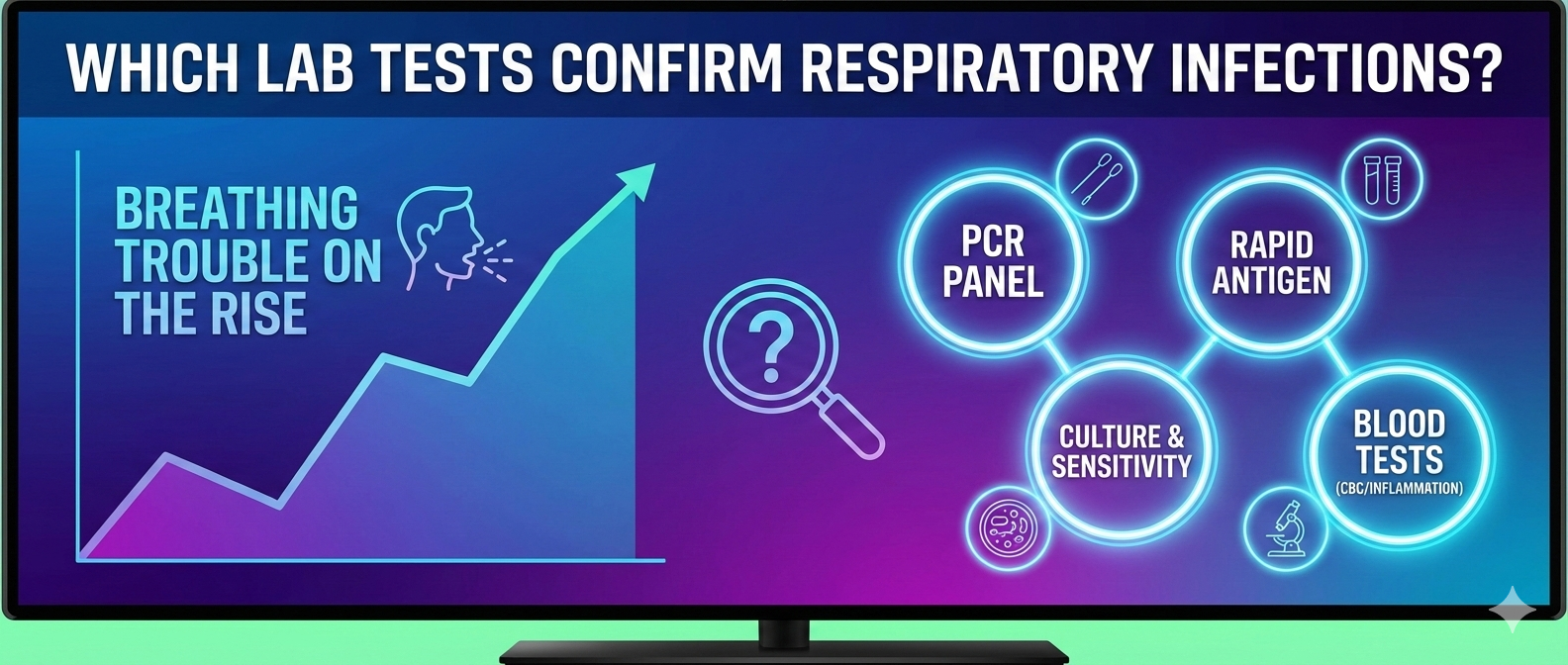
Breathing Trouble on the Rise: Understanding the Growing Concern

Breathing trouble on the rise isn’t just a headline—it’s a reality many families are facing today. From children struggling with persistent coughs to adults experiencing sudden shortness of breath, respiratory concerns are becoming more common than ever. You might have noticed it yourself. A simple cold seems to linger longer. Seasonal flu feels heavier. Even mild allergies suddenly turn into chest tightness. What’s going on?
Several factors are contributing to this alarming trend. Pollution levels are climbing in urban centers. Climate change is altering pollen cycles. Viral outbreaks have become more frequent. On top of that, weakened immunity due to stress, sedentary lifestyles, and poor nutrition makes our bodies more vulnerable. When your lungs—the body’s oxygen factory—are compromised, everything else slows down.
Breathing issues can range from mild discomfort to life-threatening conditions. Asthma, bronchitis, pneumonia, influenza, COVID-19, allergic reactions, and chronic obstructive pulmonary disease (COPD) are just a few of the culprits. The tricky part? Many respiratory infections share similar symptoms. A cough might mean a simple viral infection—or something more serious.
That’s where proper lab testing becomes critical. Guesswork is risky. Self-medication can delay the right treatment. Timely and accurate lab tests confirm respiratory infections and help determine whether the cause is viral, bacterial, allergic, or inflammatory. At H.R. Diagnostic, advanced testing combined with free doctor consultation ensures that patients get clarity, not confusion.
Breathing should be effortless—like the tide flowing in and out. When it becomes a struggle, it’s your body waving a red flag. Ignoring it isn’t an option anymore. Early testing can mean the difference between quick recovery and prolonged illness.
Why Early Diagnosis Matters in Respiratory Infections
When breathing trouble is on the rise, timing becomes everything. Imagine driving a car with a warning light blinking on the dashboard. Would you ignore it for weeks? Probably not. Your lungs deserve the same urgency.
Respiratory infections can escalate quickly. What begins as a mild sore throat may develop into bronchitis. A simple viral infection could lead to secondary bacterial pneumonia. Without proper lab tests to confirm respiratory infections, treatment may not target the real cause. Antibiotics won’t help viral infections. Antihistamines won’t cure bacterial pneumonia. Taking the wrong medication wastes precious recovery time.
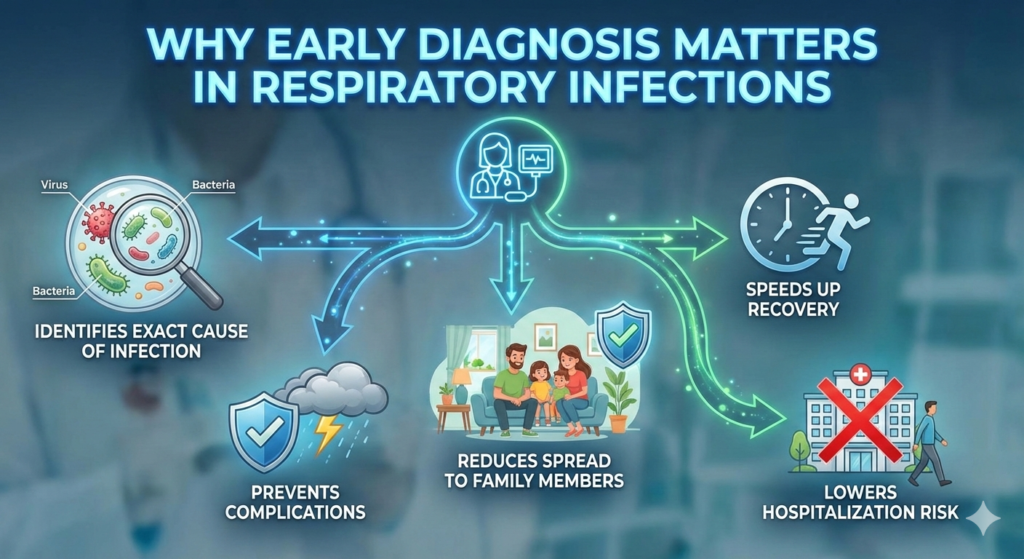
Early diagnosis offers several advantages:
- Identifies the exact cause of infection
- Prevents complications
- Reduces spread to family members
- Speeds up recovery
- Lowers hospitalization risk
At H.R. Diagnostic, early screening plays a vital role. Through comprehensive lab tests and free doctor consultation, patients receive immediate guidance on the next steps. Doctors interpret results in context—because numbers alone don’t tell the whole story. A slightly elevated CRP may mean mild inflammation or severe infection depending on symptoms.
Delaying tests can also worsen chronic conditions like asthma or COPD. In high-risk individuals—elderly patients, children, and those with diabetes—respiratory infections can become dangerous within days. Early confirmation through lab tests allows doctors to tailor treatments before complications arise.
Think of early diagnosis as catching a small spark before it turns into a wildfire. The sooner you confirm what’s happening inside your lungs, the faster you can extinguish the problem. And when breathing is at stake, every hour matters.
Common Symptoms That Signal the Need for Lab Tests Confirm Respiratory Infections
Sometimes your body whispers before it screams. Recognizing those whispers can save you from serious health trouble. When breathing trouble is on the rise, knowing when to seek lab tests confirm respiratory infections becomes essential.
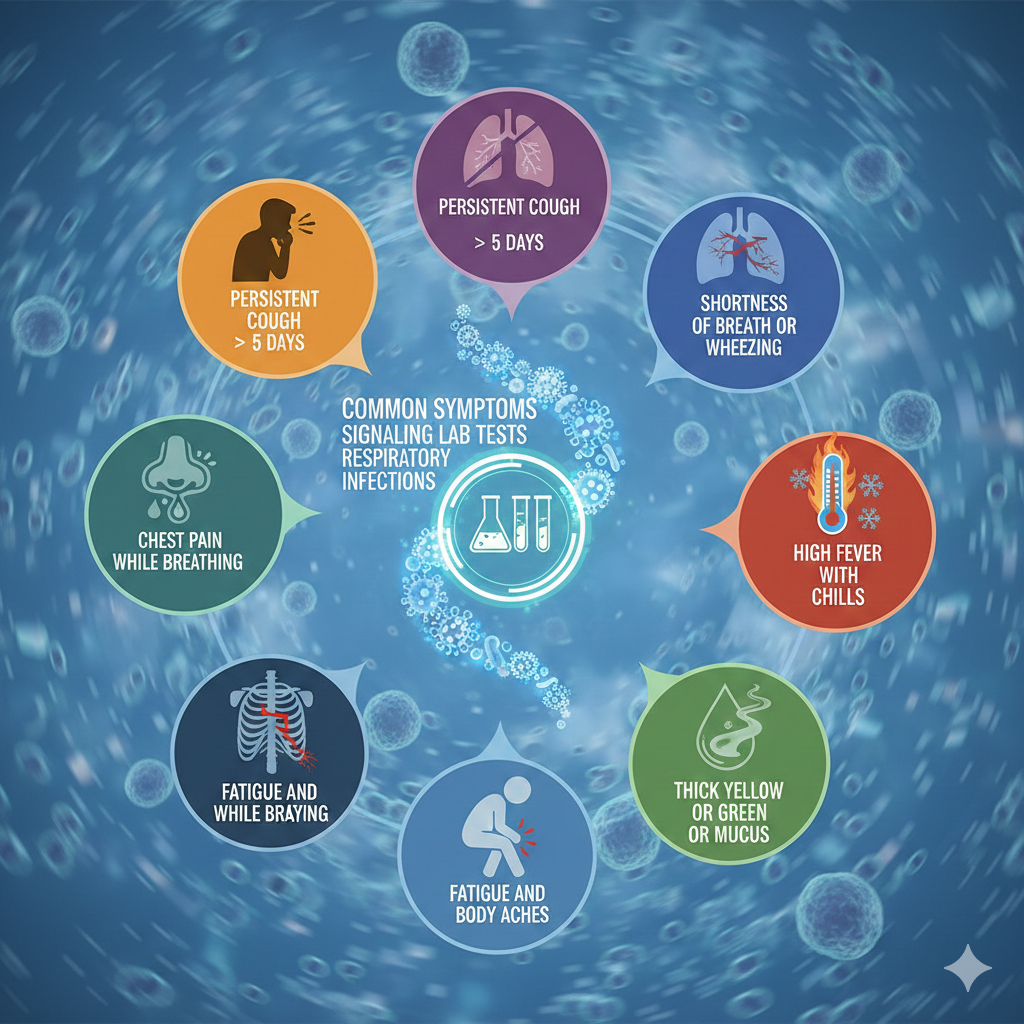
Here are symptoms you should never ignore:
- Persistent cough lasting more than 5 days
- Shortness of breath or wheezing
- High fever with chills
- Chest pain while breathing
- Thick yellow or green mucus
- Fatigue and body aches
- Sudden loss of smell or taste
- Rapid breathing in children
A cough isn’t always “just a cough.” If it’s dry and persistent, it could indicate viral infection. If it produces thick sputum, bacterial infection may be involved. Shortness of breath might suggest lung inflammation, asthma flare-up, or pneumonia.
Many people delay testing because they assume symptoms will pass. And sometimes they do. But when they don’t, the infection may already be spreading deeper into the lungs. Lab tests confirm respiratory infections by identifying whether white blood cells are elevated, inflammation markers are high, or specific viruses are present.
At H.R. Diagnostic, advanced diagnostic panels are designed to pinpoint the cause quickly. Instead of guessing, you get clarity. And with free doctor consultation, your symptoms are evaluated alongside lab results for a complete diagnosis.
Children and elderly individuals deserve special attention. Their symptoms may not be obvious. A child might simply appear lethargic. An older adult may not develop a high fever despite serious infection. That’s why lab confirmation becomes even more crucial.
Your lungs work around the clock without complaint. When they signal distress, it’s wise to listen carefully and act promptly.
What Causes Breathing Trouble on the Rise in Urban and Rural Areas?

Breathing trouble on the rise isn’t limited to big cities. It’s affecting rural communities too. The triggers may differ, but the result feels the same—difficulty drawing a full, satisfying breath.
In urban areas, air pollution is a major culprit. Vehicle emissions, industrial smoke, construction dust, and indoor air pollution from air conditioning systems contribute heavily. Prolonged exposure irritates airways, making them more vulnerable to infections.
In rural areas, crop burning, biomass fuel use, dust exposure, and limited access to healthcare worsen respiratory risks. Seasonal farming activities stir up allergens and particulate matter. Add viral outbreaks, and the lungs become easy targets.
Other contributing factors include:
- Climate change increasing pollen seasons
- Indoor mold growth
- Smoking and second-hand smoke
- Weakened immune systems
- Crowded living conditions
When environmental triggers combine with infectious agents, the impact multiplies. That’s why lab tests confirm respiratory infections are crucial—they differentiate between environmental irritation and active infection.
At H.R. Diagnostic, advanced screening helps identify whether symptoms are allergy-based, viral, or bacterial. This distinction is important. Treating pollution-related irritation requires different management compared to treating pneumonia.
Breathing issues are no longer seasonal—they’re year-round concerns. Understanding the cause behind breathing trouble empowers you to take preventive measures. Clean air habits, vaccinations, early testing, and medical guidance can significantly reduce risks.
Your lungs are like delicate filters. When the air around you is polluted or infected, those filters clog faster. Regular health check-ups and timely lab tests ensure they stay functional and strong.
How H.R. Diagnostic Helps Detect Respiratory Infections Early
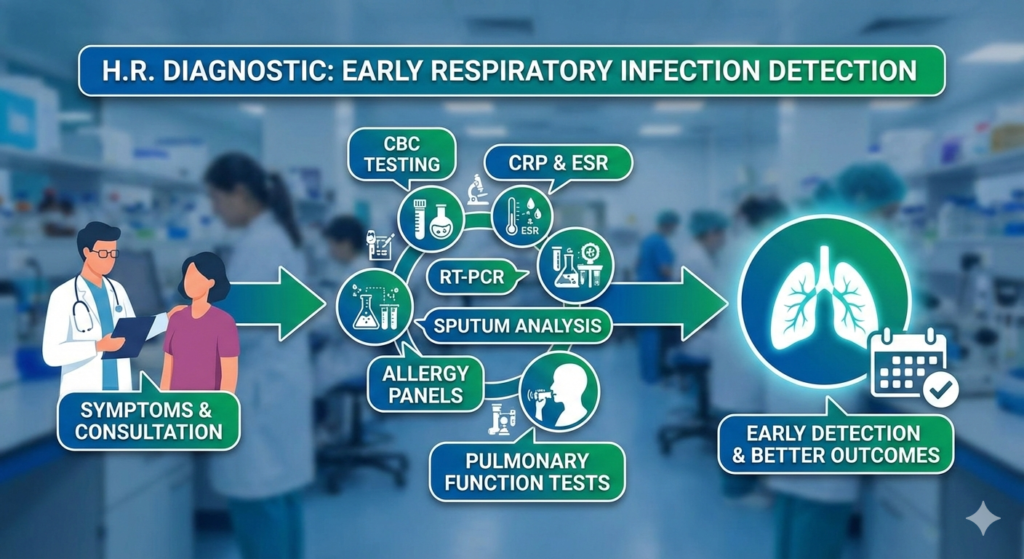
When breathing trouble is on the rise, choosing the right diagnostic center makes all the difference. H.R. Diagnostic stands out by combining advanced laboratory technology with patient-centered care—and that includes free doctor consultation with every major respiratory screening.
What sets H.R. Diagnostic apart?
- State-of-the-art laboratory equipment
- Rapid turnaround time for reports
- Experienced pathologists
- Comprehensive respiratory panels
- Free doctor consultation for result interpretation
Many diagnostic centers simply hand over a report filled with numbers. But what do those numbers actually mean? Is a slightly high WBC count alarming? Does elevated CRP require antibiotics? That’s where free doctor consultation becomes invaluable.
At H.R. Diagnostic, doctors review your symptoms, medical history, and test results together. This integrated approach ensures accurate diagnosis and personalized treatment recommendations.
Early detection services include:
- CBC testing
- CRP and ESR
- RT-PCR
- Sputum analysis
- Allergy panels
- Pulmonary Function Tests
Convenience also plays a key role. Easy appointment booking, hygienic sample collection, and prompt digital reports make the process smooth and stress-free.
When you’re struggling to breathe, you don’t want delays or confusion. You want answers. And you want them fast. H.R. Diagnostic bridges the gap between testing and treatment, ensuring patients receive clarity and guidance under one roof.
Because at the end of the day, diagnosing respiratory infections isn’t just about lab values—it’s about restoring your breath, your comfort, and your peace of mind.
Complete Blood Count (CBC): The First Step to Confirm Respiratory Infections
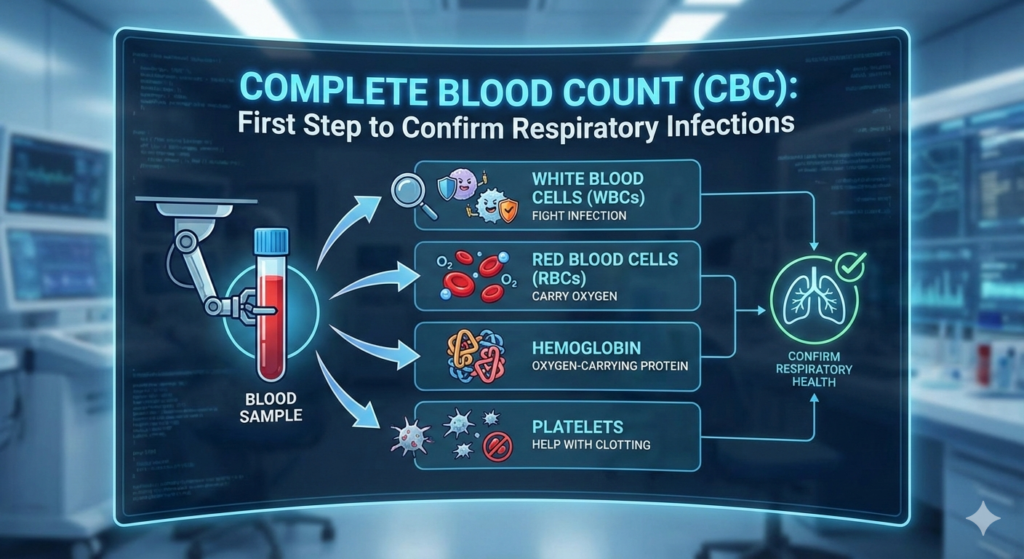
When breathing trouble is on the rise, one of the first and most important lab tests to confirm respiratory infections is the Complete Blood Count (CBC). Think of CBC as the “health snapshot” of your bloodstream. It doesn’t directly show what’s happening in your lungs, but it reveals how your body is reacting—and that reaction tells a powerful story.
A CBC measures several key components:
- White Blood Cells (WBCs) – Fight infection
- Red Blood Cells (RBCs) – Carry oxygen
- Hemoglobin – Oxygen-carrying protein
- Platelets – Help with clotting
In respiratory infections, white blood cell counts often rise. But here’s where it gets interesting: the type of white blood cell that increases can hint at the cause.
- Neutrophils often rise in bacterial infections.
- Lymphocytes tend to increase in viral infections.
- Eosinophils may rise in allergic conditions.
So instead of guessing, CBC gives doctors direction. For example, if someone walks into H.R. Diagnostic with fever, cough, and chest congestion, and their CBC shows elevated neutrophils, the suspicion leans toward bacterial infection. That changes the treatment plan immediately.
CBC also helps identify complications. Low hemoglobin can worsen shortness of breath because less oxygen is delivered to tissues. High platelet counts may indicate systemic inflammation. These details matter.
At H.R. Diagnostic, CBC testing is fast, reliable, and interpreted with free doctor consultation. Instead of staring at confusing numbers, patients receive clear explanations. You understand whether your immune system is fighting something mild—or something serious.
In short, CBC is like the first clue in a medical investigation. It doesn’t solve the case alone, but it sets the direction. And when breathing feels heavy or labored, getting that first clue quickly can make all the difference.
C-Reactive Protein (CRP) and ESR: Measuring Inflammation in the Lungs
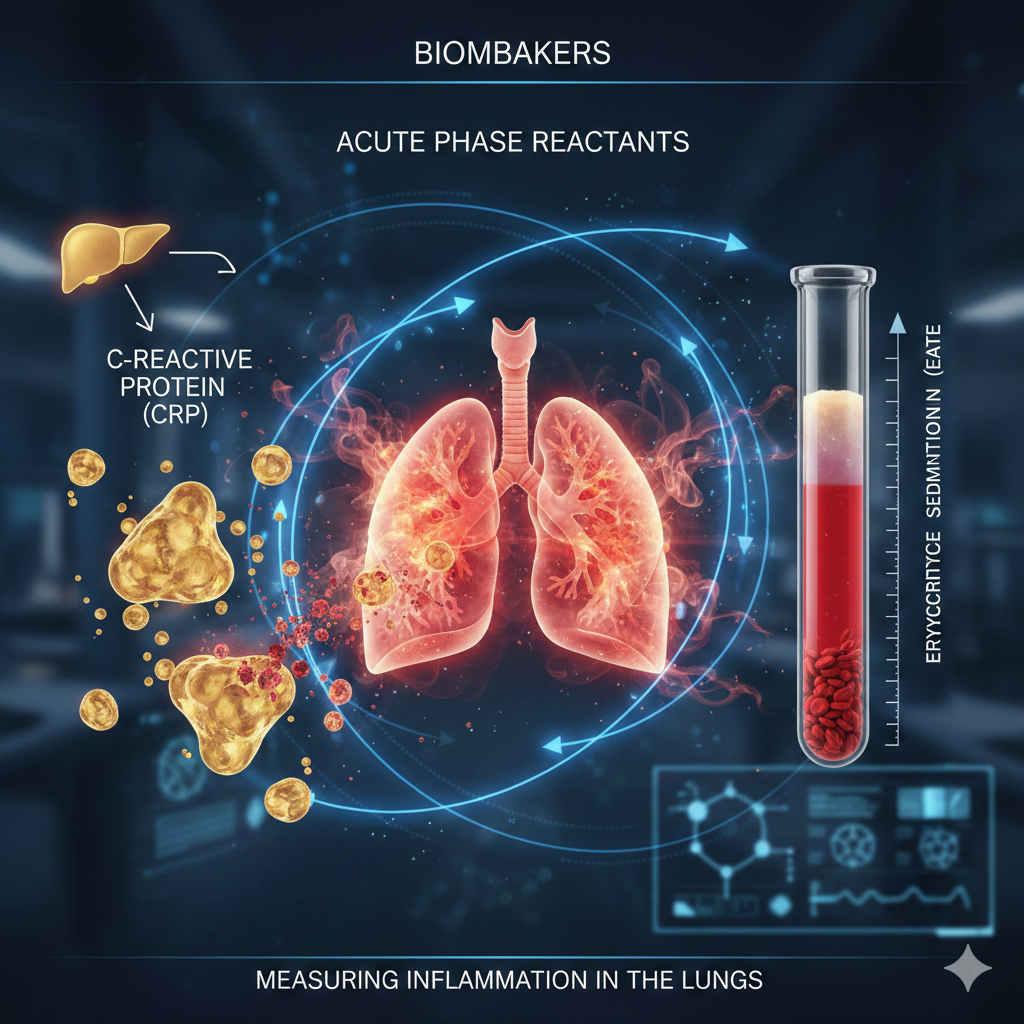
When breathing trouble is on the rise, inflammation is often hiding behind the scenes. Two powerful lab tests that confirm respiratory infections by measuring inflammation are C-Reactive Protein (CRP) and Erythrocyte Sedimentation Rate (ESR).
Let’s break it down in simple terms.
CRP is a protein produced by the liver when inflammation occurs. If there’s infection in your lungs—like pneumonia or severe bronchitis—CRP levels can spike dramatically. It’s like your body’s alarm system going off.
ESR measures how quickly red blood cells settle at the bottom of a test tube. Faster settling usually indicates inflammation. While ESR rises more gradually than CRP, it helps detect ongoing or chronic inflammation.
Here’s a quick comparison:
| Test | Detects | Speed of Response | Best For |
| CRP | Acute inflammation | Rapid | Severe infections |
| ESR | Chronic inflammation | Slower | Long-term conditions |
If someone has high fever, chest pain, and difficulty breathing, and CRP levels are significantly elevated, doctors suspect a serious infection. But if CRP is mildly elevated and ESR is high, it may indicate chronic inflammation such as asthma or long-standing bronchitis.
At H.R. Diagnostic, these tests are frequently used when lab tests confirm respiratory infections. They are especially helpful in distinguishing mild viral infections from aggressive bacterial ones.
And here’s where free doctor consultation matters again. Elevated CRP doesn’t automatically mean antibiotics are required. Doctors interpret results alongside symptoms and other tests.
Inflammation is like smoke. It tells you there’s a fire somewhere—but you still need to locate it. CRP and ESR guide doctors toward that fire quickly, helping patients breathe easier sooner.
Chest X-Ray and Imaging Tests at H.R. Diagnostic
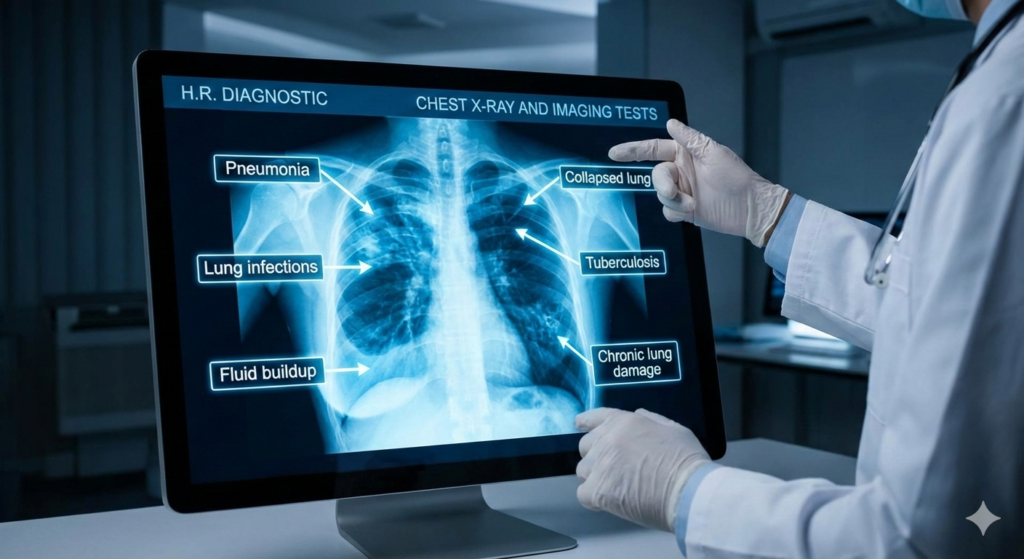
Sometimes blood tests aren’t enough. When breathing trouble is on the rise, doctors may need to actually “see” what’s happening inside your lungs. That’s where chest X-rays and imaging tests step in.
A chest X-ray provides a visual snapshot of your lungs, airways, heart, and surrounding structures. It can detect:
- Pneumonia
- Lung infections
- Fluid buildup
- Collapsed lung
- Tuberculosis
- Chronic lung damage
Imagine your lungs as balloons. If one balloon is filled with fluid or pus, it won’t inflate properly. A chest X-ray shows these abnormalities clearly.
At H.R. Diagnostic, modern imaging technology ensures clear and accurate scans. If someone presents with persistent cough, high fever, and chest tightness, imaging confirms whether the infection has reached deep lung tissue.
Sometimes, doctors may recommend CT scans for more detailed imaging. This is especially helpful in complex cases where X-rays don’t provide enough clarity.
Why combine imaging with lab tests to confirm respiratory infections? Because numbers and pictures together tell a complete story. Elevated CRP plus visible lung consolidation on X-ray strongly confirms pneumonia. But normal imaging with mild inflammation may suggest upper respiratory infection instead.
The best part? With free doctor consultation at H.R. Diagnostic, imaging results are explained immediately. You’re not left guessing what “infiltrates” or “opacity” means.
Seeing is believing. And when it comes to lung infections, visual confirmation speeds up treatment decisions and improves outcomes dramatically.
RT-PCR Test: Gold Standard to Confirm Viral Respiratory Infections

When it comes to viral infections, especially after the global pandemic experience, RT-PCR has become a household term. And for good reason. It remains the gold standard lab test to confirm respiratory infections caused by viruses.
RT-PCR (Reverse Transcription Polymerase Chain Reaction) detects genetic material from viruses. It doesn’t just suggest infection—it confirms it with precision.
Viruses detected by RT-PCR include:
- COVID-19
- Influenza A and B
- RSV (Respiratory Syncytial Virus)
- Other respiratory viral strains
Here’s why it matters. Viral and bacterial infections may look identical symptom-wise. Fever, cough, fatigue—these overlap. But antibiotics don’t work on viruses. Without RT-PCR confirmation, treatment may be misguided.
At H.R. Diagnostic, RT-PCR testing is performed with strict quality control and rapid reporting. If breathing trouble is on the rise due to viral outbreaks, early detection prevents spread to family members and workplaces.
The process is simple. A nasal or throat swab is collected. The sample is analyzed in advanced labs. Results indicate whether viral RNA is present.
Free doctor consultation ensures proper guidance after results. If positive, doctors recommend isolation, supportive care, or antiviral medications if needed.
Think of RT-PCR as a fingerprint scanner for viruses. It identifies the exact culprit with accuracy. And in respiratory infections, precision saves time—and sometimes lives.
Sputum Culture Test: Identifying Bacterial Lung Infections
When cough produces thick mucus, especially yellow, green, or rust-colored sputum, doctors often recommend a sputum culture test. This lab test confirms respiratory infections caused by bacteria.
The concept is straightforward. A sputum sample is collected and placed in a culture medium. If bacteria grow, the lab identifies the exact strain. Even better, the test determines which antibiotics are most effective.
This is called antibiotic sensitivity testing.
Why is this important? Because not all bacteria respond to the same medication. Using the wrong antibiotic can worsen resistance and delay recovery.
Common bacteria detected include:
- Streptococcus pneumoniae
- Haemophilus influenzae
- Staphylococcus aureus
At H.R. Diagnostic, sputum analysis is handled with strict laboratory standards to ensure accurate identification.
If breathing trouble is on the rise with persistent fever and productive cough, sputum culture becomes a powerful diagnostic tool.
Free doctor consultation means results are translated into clear treatment plans. Instead of trial-and-error medication, treatment becomes targeted and precise.
Imagine trying to open a lock with random keys. That’s what treating infection without culture results feels like. Sputum culture provides the exact key needed to unlock recovery.
Allergy Testing for Chronic Breathing Trouble
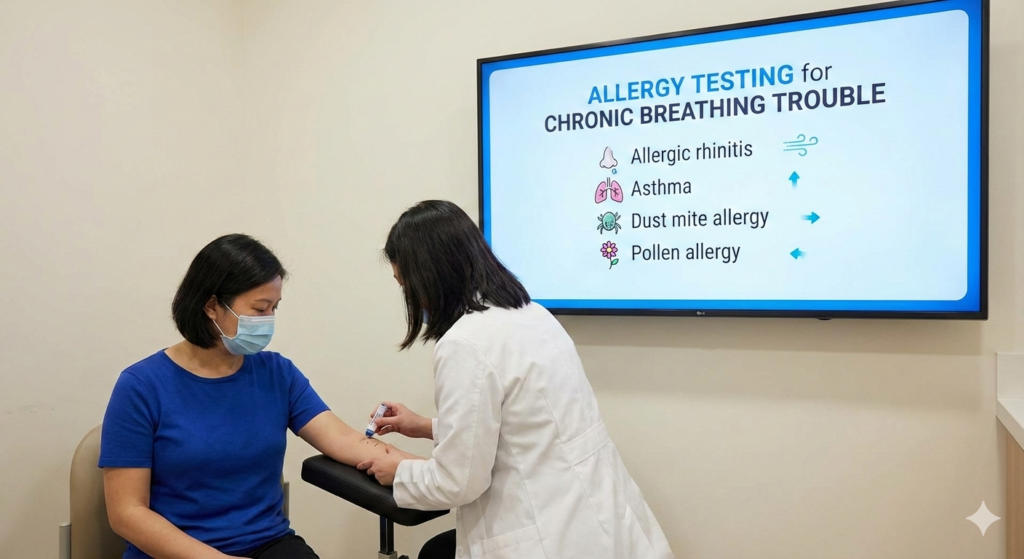
Not all breathing problems are infections. Sometimes, allergies are the hidden trigger. When breathing trouble is on the rise seasonally or repeatedly without fever, allergy testing becomes crucial.
Allergic respiratory conditions include:
- Allergic rhinitis
- Asthma
- Dust mite allergy
- Pollen allergy
Allergy tests may include blood tests measuring Immunoglobulin E (IgE) levels or skin prick tests.
High IgE levels indicate allergic response. Identifying specific allergens helps patients avoid triggers and receive appropriate treatment.
At H.R. Diagnostic, allergy panels are available to confirm whether symptoms stem from immune hypersensitivity rather than infection.
Free doctor consultation ensures patients understand whether they need antihistamines, inhalers, or lifestyle changes.
Sometimes, the problem isn’t infection—it’s your immune system overreacting. And identifying that difference changes everything.
Pulmonary Function Test (PFT): Measuring Lung Performance When Breathing Trouble Is on the Rise
When breathing trouble is on the rise, sometimes the issue isn’t just infection—it’s how well your lungs are actually functioning. That’s where the Pulmonary Function Test (PFT) becomes incredibly valuable. Unlike blood tests that detect infection or inflammation, PFT measures the mechanical performance of your lungs. In simple words, it checks how well you inhale, exhale, and transfer oxygen.
Think of your lungs like a pair of bellows. If they can’t expand fully or release air efficiently, breathing becomes difficult—even if there’s no active infection. A PFT evaluates:
- Lung capacity
- Airflow rate
- Oxygen exchange efficiency
- Airway obstruction
The most common component of PFT is spirometry. During this test, you take a deep breath and blow into a machine as forcefully as possible. It measures values like:
- FVC (Forced Vital Capacity) – Total air exhaled
- FEV1 (Forced Expiratory Volume in 1 second) – Air exhaled in the first second
- FEV1/FVC ratio – Identifies obstruction
If breathing trouble is on the rise due to asthma, COPD, or post-infection airway narrowing, PFT clearly highlights the problem. For example, a low FEV1 may indicate obstructed airways, common in asthma or chronic bronchitis.
At H.R. Diagnostic, PFT is conducted using modern equipment in a patient-friendly setting. It’s painless, non-invasive, and highly informative. When combined with lab tests that confirm respiratory infections, PFT gives a complete picture—structure, inflammation, and function.
Free doctor consultation plays a key role here. Numbers alone don’t explain whether reduced lung function is reversible or chronic. Doctors interpret the patterns and guide you on inhalers, breathing exercises, or medications.
If blood tests are the internal report card, PFT is the performance review. It tells you how well your lungs are actually doing their job. And when every breath counts, knowing your lung capacity isn’t optional—it’s essential.
D-Dimer and Advanced Blood Markers in Severe Respiratory Cases
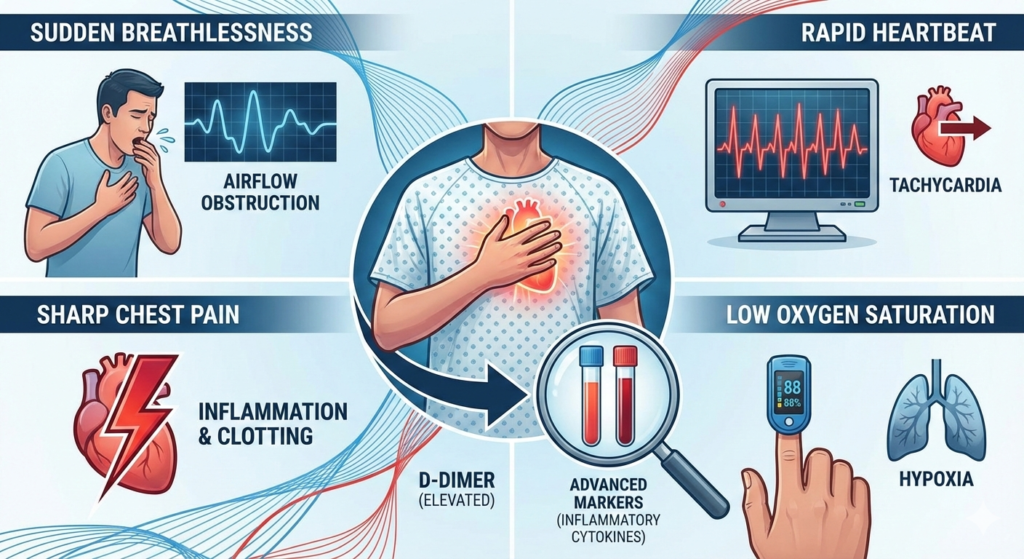
When breathing trouble is on the rise and symptoms are severe—like sudden shortness of breath, chest pain, or low oxygen levels—doctors may order advanced blood tests such as D-Dimer test. While not a routine test for simple infections, it becomes critical in complicated respiratory cases.
D-Dimer measures tiny protein fragments present when blood clots break down. Why does this matter in respiratory conditions? Because severe infections can increase the risk of blood clots in the lungs, known as pulmonary embolism.
Symptoms of pulmonary embolism may include:
- Sudden breathlessness
- Sharp chest pain
- Rapid heartbeat
- Low oxygen saturation
If breathing trouble escalates unexpectedly, D-Dimer helps doctors rule out life-threatening clotting disorders. Elevated levels don’t confirm a clot alone—but they signal the need for further imaging like CT pulmonary angiography.
Other advanced markers may include:
- Procalcitonin – Helps differentiate bacterial infections from viral ones
- Lactate levels – Indicate severe infection or sepsis
- Arterial Blood Gas (ABG) – Measures oxygen and carbon dioxide levels in blood
At H.R. Diagnostic, these advanced tests are available when clinical situations demand deeper investigation. When lab tests confirm respiratory infections in severe stages, additional markers help assess complications.
Free doctor consultation ensures patients understand whether elevated results are alarming or manageable. Not every abnormal value signals danger—but ignoring significant changes can be risky.
In serious respiratory conditions, these advanced markers act like early warning radars. They detect complications before they spiral out of control. And when breathing becomes unstable, that early alert can save lives.
Free Doctor Consultation at H.R. Diagnostic: Why It Makes a Difference
Let’s be honest—getting lab reports without guidance can feel overwhelming. Medical terms, reference ranges, highlighted numbers… it’s confusing. That’s exactly why free doctor consultation at H.R. Diagnostic isn’t just a bonus—it’s a game changer.
When breathing trouble is on the rise, anxiety rises with it. Patients want answers, not medical jargon. They want clarity. They want reassurance. Free consultation bridges that gap.
Here’s how it helps:
- Personalized Interpretation – Doctors explain what each test means in your specific case.
- Immediate Treatment Guidance – No delay between diagnosis and action.
- Avoid Unnecessary Medication – Prevents misuse of antibiotics or steroids.
- Clear Next Steps – Whether it’s imaging, medication, or specialist referral.
- Peace of Mind – Knowing exactly what’s happening reduces stress.
For example, slightly elevated CRP might scare someone reading the report alone. But during consultation, a doctor may explain that mild elevation can occur with viral infections and may not require antibiotics.
Similarly, normal CBC with persistent symptoms may prompt further imaging. The consultation ensures no detail is overlooked.
At H.R. Diagnostic, patient care doesn’t end with a printed report. It continues through professional medical guidance. That integrated approach makes diagnosis smoother and treatment faster.
Healthcare shouldn’t feel like solving a puzzle alone. When lab tests confirm respiratory infections, expert interpretation transforms raw data into actionable insight. And that makes recovery feel more achievable.
When Should You Visit H.R. Diagnostic for Breathing Trouble on the Rise?
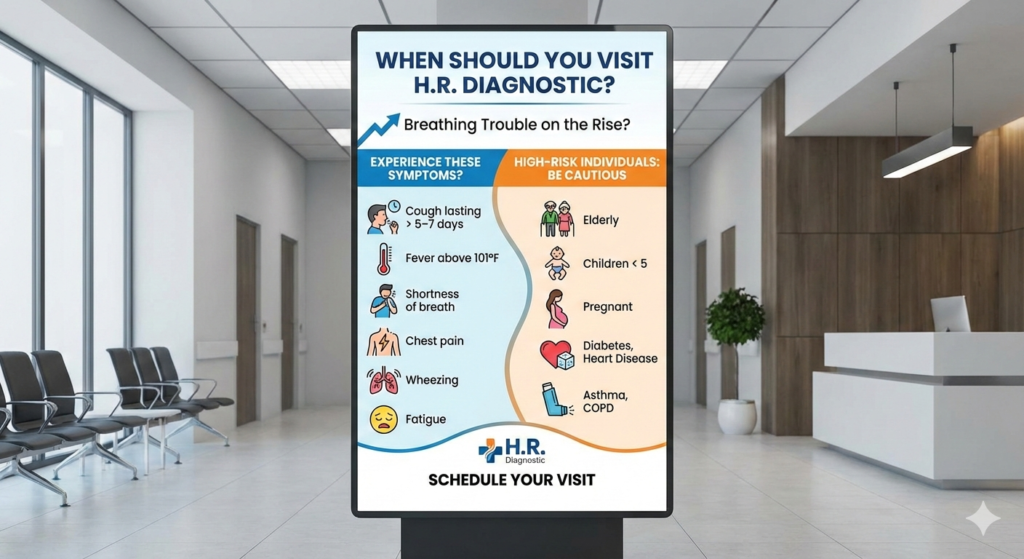
So how do you know it’s time to stop waiting and start testing? When breathing trouble is on the rise and symptoms persist or worsen, that’s your cue.
You should consider visiting H.R. Diagnostic if you experience:
- Cough lasting more than 5–7 days
- Fever above 101°F
- Shortness of breath during simple activities
- Chest pain while breathing
- Recurrent respiratory infections
- Wheezing or noisy breathing
- Fatigue that doesn’t improve
High-risk individuals should be even more cautious:
- Elderly patients
- Children under five
- Pregnant women
- Individuals with diabetes or heart disease
- Asthma or COPD patients
Respiratory infections can escalate quickly in vulnerable groups. Early lab tests confirm respiratory infections and prevent complications.
Another reason to visit? If symptoms improve and then suddenly worsen. That may indicate secondary bacterial infection—a common complication after viral illnesses.
At H.R. Diagnostic, streamlined testing services mean minimal waiting time. With advanced lab panels and free doctor consultation, you leave not just with results—but with answers.
Your lungs don’t have a backup system. When they struggle, your whole body feels it. Listening to early warning signs and seeking timely testing can shorten illness duration significantly.
Sometimes we wait because we hope symptoms will disappear. But hope isn’t a treatment plan. Testing is.
Prevention Tips to Reduce Respiratory Infections
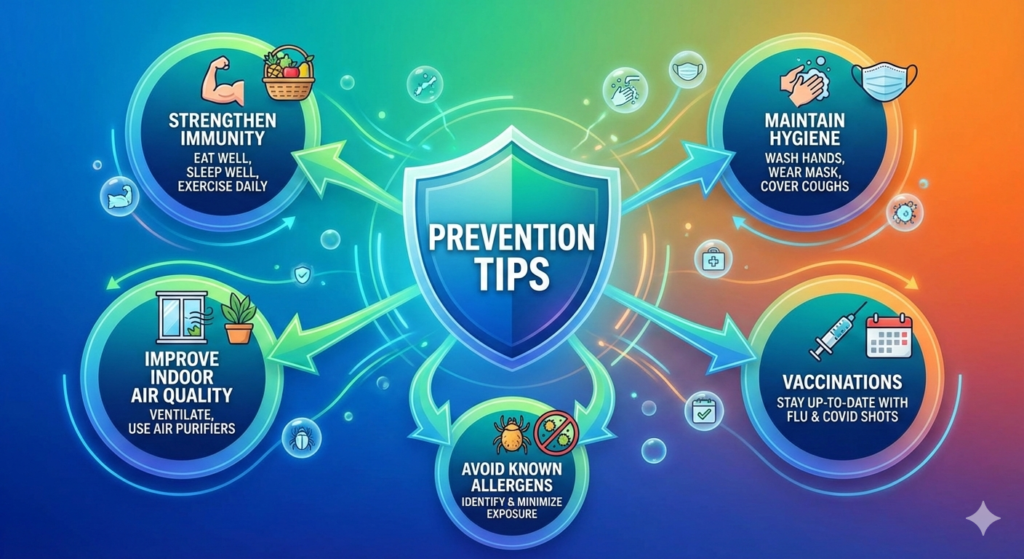
While lab tests confirm respiratory infections effectively, prevention is always better than cure. When breathing trouble is on the rise, proactive habits make a powerful difference.
Here are practical steps to protect your lungs:
1. Strengthen Immunity
- Eat vitamin-rich foods
- Stay hydrated
- Sleep at least 7–8 hours
- Exercise regularly
2. Maintain Hygiene
- Wash hands frequently
- Avoid touching your face
- Use masks during outbreaks
3. Improve Indoor Air Quality
- Use air purifiers
- Clean air filters
- Avoid smoking indoors
4. Vaccinations
- Annual flu vaccine
- Pneumococcal vaccine for high-risk groups
5. Avoid Known Allergens
- Keep bedding dust-free
- Reduce exposure to pollen
- Monitor seasonal triggers
Small habits create big protection. Think of your immune system as a shield. The stronger it is, the fewer infections break through.
Regular health check-ups at H.R. Diagnostic also help detect early changes before symptoms become severe. Lab tests confirm respiratory infections—but routine monitoring helps prevent them from escalating.
Prevention doesn’t require dramatic lifestyle changes. Consistency matters more than intensity. A little daily effort keeps your lungs resilient.
Don’t Ignore Breathing Trouble on the Rise
Breathing trouble on the rise is more than a seasonal inconvenience—it’s a growing health concern that demands attention. From mild coughs to severe lung infections, respiratory conditions can escalate quickly if left unchecked.
The good news? Modern lab tests confirm respiratory infections with remarkable accuracy. CBC, CRP, ESR, RT-PCR, sputum culture, imaging tests, PFT, and advanced markers together create a complete diagnostic picture. Instead of guessing, you get clarity.
H.R. Diagnostic stands out by combining advanced testing technology with free doctor consultation. That means you don’t just receive results—you receive guidance, treatment direction, and reassurance.
Breathing should feel natural, effortless, automatic. When it becomes difficult, your body is asking for help. Listening early, testing promptly, and seeking professional evaluation can prevent serious complications.
Your lungs work tirelessly every second of your life. Giving them proper care and timely diagnosis is not optional—it’s essential.
FAQs
1. Which lab tests confirm respiratory infections most accurately?
CBC, CRP, ESR, RT-PCR, sputum culture, and chest X-ray are commonly used. The choice depends on symptoms and suspected cause.
2. Is RT-PCR only for COVID-19?
No. RT-PCR can detect multiple viral respiratory infections, including influenza and RSV.
3. Do all breathing problems require antibiotics?
No. Viral infections do not respond to antibiotics. Lab tests confirm respiratory infections and help determine appropriate treatment.
4. How long does it take to get reports at H.R. Diagnostic?
Most routine tests are processed quickly, often within the same day, depending on the test type.
5. Why is free doctor consultation important after lab tests?
It ensures accurate interpretation of results and proper treatment guidance, reducing confusion and unnecessary medication.
Leave a Reply