
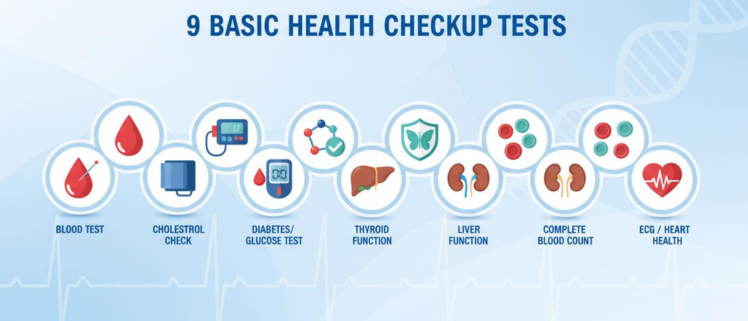
Let’s be honest—most of us only visit a doctor when something feels wrong. A headache that won’t go away. Constant fatigue. A strange pain we can’t explain. But here’s the truth: waiting for symptoms is like waiting for smoke before checking for fire. By the time you notice something, the problem might already be serious.
That’s where basic health checkup tests come in. These simple yet powerful medical tests act like early warning systems for your body. They help detect silent problems—high blood pressure, diabetes, thyroid imbalance, cholesterol buildup—long before they turn into major diseases. Think of them as regular maintenance for your car. You wouldn’t drive thousands of miles without servicing it, right? So why do that to your body?
In today’s fast-paced world, stress, poor diet, lack of sleep, and sedentary lifestyles are quietly damaging our health. Many chronic conditions develop slowly and silently. The good news? Most of them are manageable—or even reversible—if detected early.
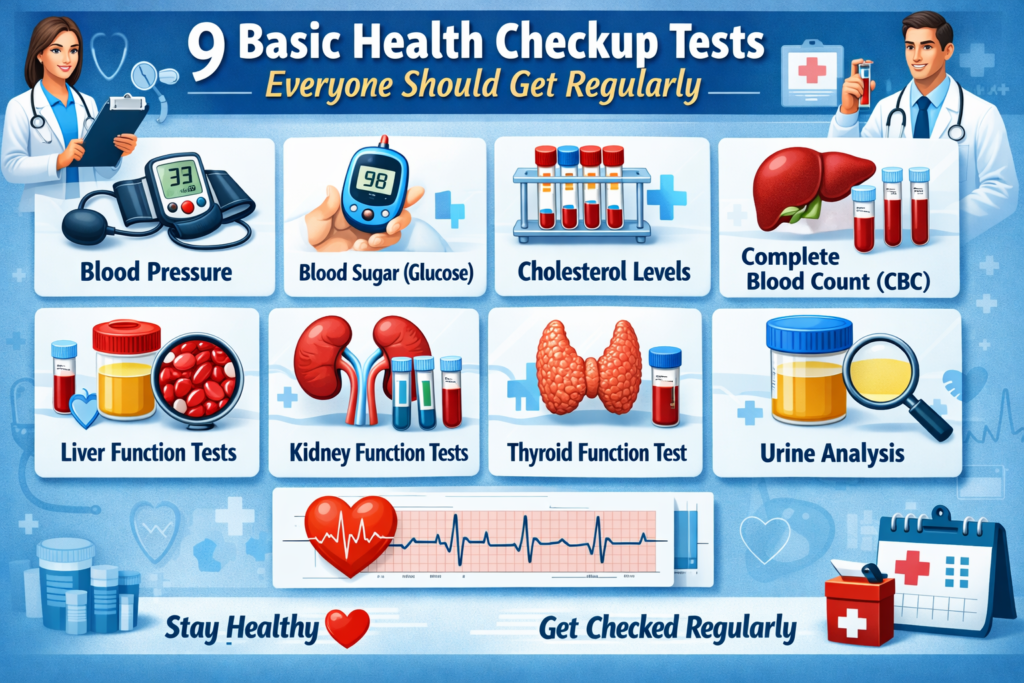
In this detailed guide, we’ll break down the 9 basic health checkup tests everyone should get regularly, why they matter, how often you need them, and what they actually reveal about your health. By the end, you’ll have a clear roadmap for staying proactive about your well-being.
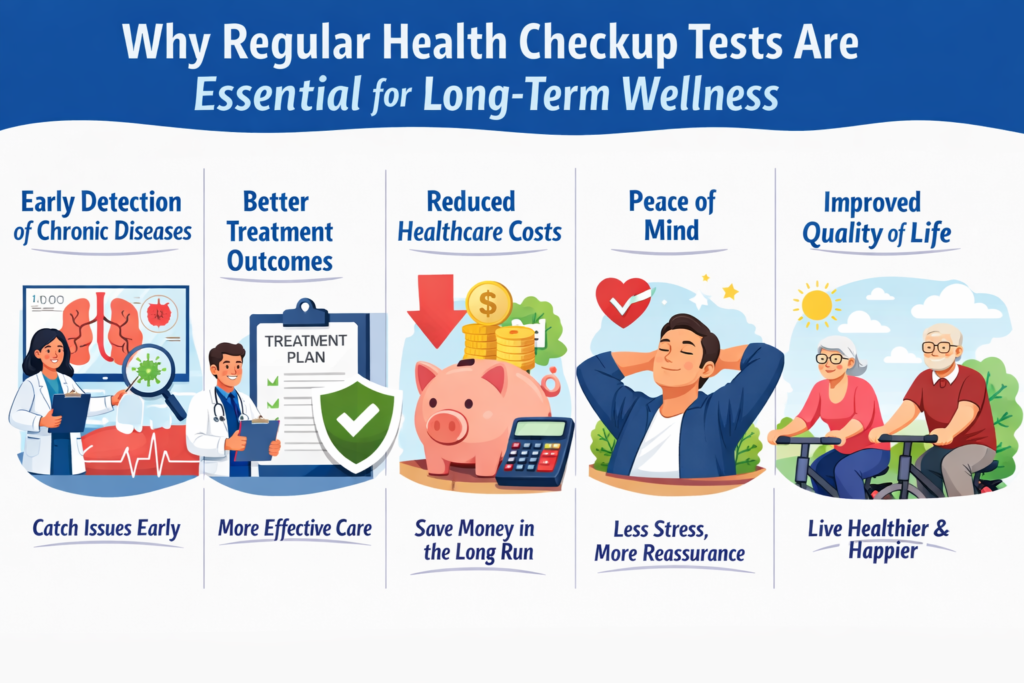
Why Regular Health Checkup Tests Are Essential for Long-Term Wellness
You might feel perfectly fine today. No pain. No discomfort. Plenty of energy. So why bother with regular basic health checkup tests?
Because many serious health conditions don’t show symptoms in their early stages.
High blood pressure is often called the “silent killer” for a reason. Diabetes can quietly damage your organs before you even realize your blood sugar is high. High cholesterol builds plaque in your arteries without causing noticeable symptoms—until a heart attack strikes.
Regular health checkups act as your body’s dashboard warning lights. They detect hidden imbalances before they spiral out of control. And when problems are caught early, treatment is usually simpler, cheaper, and far more effective.
Let’s look at what regular testing really gives you:
- Early detection of chronic diseases
- Better treatment outcomes
- Reduced healthcare costs in the long run
- Peace of mind
- Improved quality of life
Think of it this way: prevention is always easier than cure. A simple blood test today could save you from years of medication later.
There’s also a psychological benefit. When you know your numbers—blood pressure, cholesterol, blood sugar—you feel more in control. You’re not guessing about your health; you’re informed. And informed decisions lead to healthier habits.
Regular basic health checkup tests aren’t just for older adults. Young professionals, teenagers, and even fitness enthusiasts need them. Being active doesn’t automatically mean being healthy internally.
Your body works for you 24/7. Isn’t it worth checking in on it at least once a year?
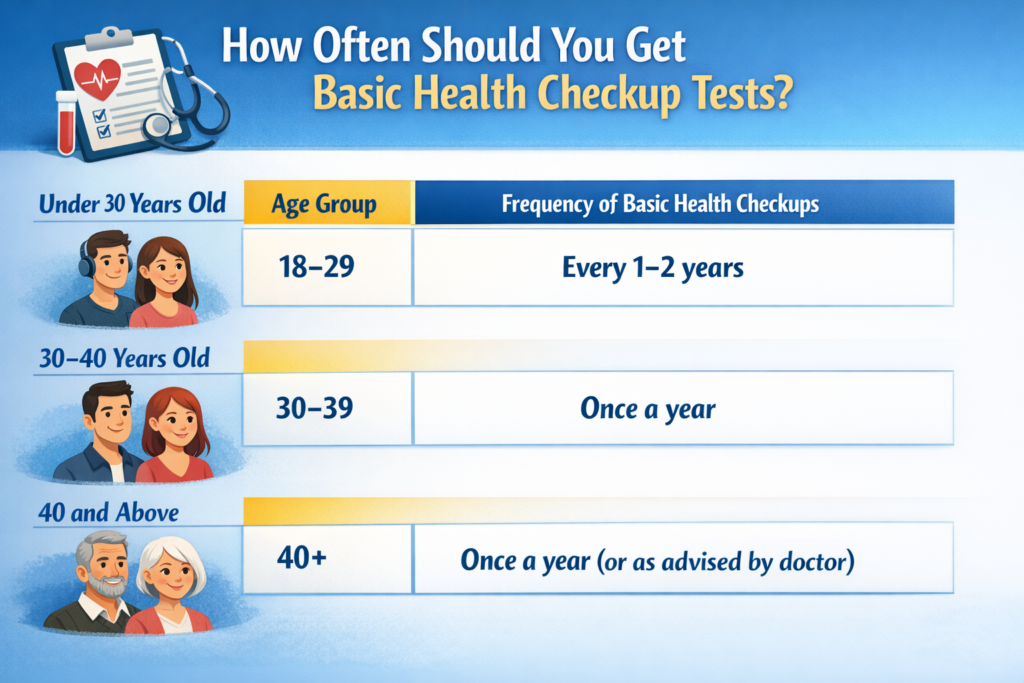
How Often Should You Get Basic Health Checkup Tests?
This is one of the most common questions people ask: “How often do I really need these tests?”
The answer depends on your age, lifestyle, medical history, and family background. But as a general rule, most adults should undergo basic health checkup tests at least once a year.
Let’s break it down in a simple way:
Under 30 Years Old
If you’re in your 20s and generally healthy, you might think you’re invincible. But this is actually the best time to establish a baseline. Annual or biennial checkups help you understand what’s normal for your body.
30–40 Years Old
This is when lifestyle-related conditions start creeping in. Stress, career pressure, irregular meals, and reduced physical activity can begin affecting blood pressure, cholesterol, and blood sugar. Annual checkups are strongly recommended.
40 and Above
After 40, the risk of chronic diseases increases significantly. Regular basic health checkup tests become non-negotiable. Some screenings may even need to be done every 6 months, depending on your health condition.
Here’s a quick reference table:
| Age Group | Frequency of Basic Health Checkup Tests |
| 18–29 | Every 1–2 years |
| 30–39 | Once a year |
| 40+ | Once a year (or as advised by doctor) |
If you have risk factors like obesity, smoking, family history of diabetes or heart disease, your doctor may recommend more frequent testing.
The bottom line? Don’t wait for symptoms. Schedule regular basic health checkup tests and make them part of your yearly routine—just like renewing your insurance or celebrating your birthday.
Blood Pressure Test – The Most Important Basic Health Checkup Test
If there’s one test you absolutely shouldn’t ignore, it’s the blood pressure test. This simple, quick, and painless procedure can reveal a lot about your cardiovascular health.
Blood pressure measures the force of blood pushing against your artery walls. When this pressure stays consistently high, it strains your heart and damages blood vessels. Over time, this can lead to heart disease, stroke, kidney failure, and even vision problems.
The scary part? High blood pressure often has no symptoms.
You could feel completely normal while your arteries are under constant stress.
Blood pressure readings are recorded as two numbers:
- Systolic pressure (top number): Pressure when the heart beats
- Diastolic pressure (bottom number): Pressure when the heart rests
A normal reading is usually around 120/80 mmHg. Anything consistently above 130/80 may indicate hypertension.
Risk factors include:
- High salt intake
- Obesity
- Lack of physical activity
- Chronic stress
- Smoking
- Family history
The beauty of a blood pressure test is its simplicity. It takes less than five minutes. No needles. No complicated preparation.
Yet this small test can literally save your life.
Regular monitoring allows early lifestyle adjustments—reducing salt, exercising more, managing stress—before medication becomes necessary. And if medication is required, early treatment significantly lowers the risk of complications.
Among all basic health checkup tests, the blood pressure test is perhaps the easiest and most powerful tool for protecting your heart.
Don’t underestimate it.
Complete Blood Count (CBC) – A Core Basic Health Checkup Test
If your body were a city, your blood would be the transportation system—carrying oxygen, nutrients, hormones, and immune cells to every corner. Now imagine trying to manage that city without knowing how many buses, trains, or delivery trucks are running. That’s exactly what skipping a Complete Blood Count (CBC) feels like.
A CBC is one of the most essential basic health checkup tests because it gives a broad snapshot of your overall health. It evaluates three major components of your blood:
- Red Blood Cells (RBCs) – Carry oxygen
- White Blood Cells (WBCs) – Fight infections
- Platelets – Help with blood clotting
It also measures hemoglobin and hematocrit levels, which indicate how efficiently oxygen is transported throughout your body.
So what can a CBC detect?
- Infections
- Inflammation
- Blood disorders
- Nutritional deficiencies
- Certain cancers like leukemia
Feeling constantly tired? Pale skin? Frequent infections? Easy bruising? A CBC might reveal the hidden reason.
Here’s the powerful part: many conditions show up in blood changes before symptoms become severe. That means a simple annual CBC as part of your basic health checkup tests can catch problems early.
For example, mild anemia may just cause slight fatigue at first. But untreated, it can lead to serious weakness and complications. Early detection allows you to correct iron, B12, or folate deficiencies quickly.
Even if you feel completely healthy, a CBC establishes your baseline. That way, if something changes in the future, your doctor can spot it immediately.
Think of the CBC as your body’s internal report card. It tells you whether everything is running smoothly—or if something needs attention.
Skipping this test is like driving without checking your fuel gauge. It might be fine today, but eventually, you’ll run into trouble.
Blood Sugar Test – A Must-Have Basic Health Checkup Test
Diabetes doesn’t usually knock on the door with loud symptoms. It sneaks in quietly. And that’s why the blood sugar test is one of the most critical basic health checkup tests you should never ignore.
Your body relies on glucose for energy. But when blood sugar levels remain too high, they begin damaging blood vessels, nerves, kidneys, and even your eyes. The frightening part? Many people live with high blood sugar for years without knowing it.
There are two main types of blood sugar tests:
1. Fasting Blood Sugar (FBS)
You fast for 8–10 hours before the test.
- Normal: Below 100 mg/dL
- Prediabetes: 100–125 mg/dL
- Diabetes: 126 mg/dL or higher
2. HbA1c Test
This measures your average blood sugar over the past 2–3 months.
- Normal: Below 5.7%
- Prediabetes: 5.7%–6.4%
- Diabetes: 6.5% or higher
Why is this important?
Because early-stage diabetes may only cause subtle symptoms like:
- Increased thirst
- Frequent urination
- Fatigue
- Blurred vision
Easy to ignore, right?
Regular basic health checkup tests, especially blood sugar testing, allow early intervention. Lifestyle changes—like cutting refined sugar, increasing physical activity, and losing excess weight—can reverse prediabetes.
That’s powerful.
If you have a family history of diabetes, are overweight, or lead a sedentary lifestyle, you should be especially proactive.
Think of blood sugar testing as a reality check. It tells you whether your daily habits are helping your body—or quietly harming it.
A 5-minute blood draw today could prevent lifelong medication tomorrow.
Lipid Profile Test – Essential Basic Health Checkup Test for Heart Health
Your heart works nonstop. Day and night. No breaks. No vacations. And yet, many people neglect one of the most vital basic health checkup tests for protecting it—the lipid profile test.
This test measures the levels of fats in your blood, including:
- LDL (Low-Density Lipoprotein – “Bad” Cholesterol)
- HDL (High-Density Lipoprotein – “Good” Cholesterol)
- Triglycerides
Here’s how it works: LDL cholesterol can build up in your arteries, forming plaques. Over time, these plaques narrow blood vessels, increasing the risk of heart attack and stroke. HDL cholesterol, on the other hand, helps remove excess cholesterol from your bloodstream.
Think of LDL as sticky garbage piling up in pipes—and HDL as the cleanup crew.
A healthy lipid profile generally looks like this:
| Component | Ideal Level |
| Total Cholesterol | Below 200 mg/dL |
| LDL | Below 100 mg/dL |
| HDL | 60 mg/dL or higher |
| Triglycerides | Below 150 mg/dL |
High cholesterol often has no symptoms. None. You won’t feel it building up in your arteries.
That’s why regular lipid testing is non-negotiable among basic health checkup tests.
Risk factors include:
- Poor diet (high in saturated and trans fats)
- Lack of exercise
- Smoking
- Obesity
- Family history
The good news? Cholesterol levels respond incredibly well to lifestyle changes. A balanced diet, regular exercise, quitting smoking, and weight management can significantly improve your numbers.
And if medication is needed, early treatment reduces the risk of serious heart disease.
Ignoring your lipid profile is like ignoring rust forming inside a pipe. You won’t notice until the damage is severe.
Protect your heart. It’s the engine of your life.
Thyroid Function Test – Important Basic Health Checkup Test for Hormonal Balance
Have you ever felt unusually tired, gained weight without explanation, or struggled with mood swings? Sometimes, it’s not stress or diet—it could be your thyroid.
The thyroid function test is a key basic health checkup test that evaluates how well your thyroid gland is working. This small, butterfly-shaped gland in your neck controls metabolism, energy levels, body temperature, and even heart rate.
The main hormones tested include:
- TSH (Thyroid Stimulating Hormone)
- T3 (Triiodothyronine)
- T4 (Thyroxine)
Thyroid disorders generally fall into two categories:
Hypothyroidism (Underactive Thyroid)
- Weight gain
- Fatigue
- Depression
- Cold sensitivity
- Hair thinning
Hyperthyroidism (Overactive Thyroid)
- Weight loss
- Rapid heartbeat
- Anxiety
- Sweating
- Irritability
Women are especially prone to thyroid disorders, but men are not immune.
What makes this one of the most essential basic health checkup tests is that thyroid imbalance often mimics other issues. You might blame stress or aging when the real culprit is hormonal.
The good news? Thyroid conditions are manageable with medication once diagnosed.
Without testing, though, the condition can worsen—leading to heart problems, fertility issues, and severe metabolic disturbances.
Think of your thyroid as your body’s thermostat. If it’s off even slightly, everything feels uncomfortable.
Regular testing ensures your internal temperature—and energy system—remains balanced.
Liver Function Test (LFT) – Key Basic Health Checkup Test for Liver Health
Your liver is your body’s detox powerhouse. It processes nutrients, filters toxins, produces essential proteins, and supports digestion. Yet, liver problems often remain silent until significant damage occurs.
That’s why the Liver Function Test (LFT) is one of the most underrated basic health checkup tests.
An LFT measures enzymes and proteins in your blood, including:
- ALT (Alanine Aminotransferase)
- AST (Aspartate Aminotransferase)
- ALP (Alkaline Phosphatase)
- Bilirubin
- Albumin
Elevated enzyme levels can signal liver inflammation or damage.
Common causes of liver issues include:
- Fatty liver disease
- Excess alcohol consumption
- Viral hepatitis
- Obesity
- Certain medications
In early stages, liver damage may show no symptoms. Maybe mild fatigue. Maybe nothing at all.
Left unchecked, it can progress to cirrhosis or liver failure.
Including LFT in your annual basic health checkup tests is particularly important if you:
- Drink alcohol regularly
- Are overweight
- Have diabetes
- Take long-term medications
The liver has an incredible ability to regenerate—but only if damage is detected early.
Ignoring liver health is like ignoring the filter in your home’s water system. If it fails, everything else suffers.
Regular monitoring keeps your detox engine running smoothly.
Kidney Function Test – Crucial Basic Health Checkup Test for Detox Health
Your kidneys may be small—about the size of your fist—but they perform life-sustaining work every single minute. They filter waste, balance fluids, regulate blood pressure, and maintain essential minerals in your body. Yet, kidney disease is often called a “silent condition” because symptoms usually appear only after significant damage has occurred. That’s why the Kidney Function Test is one of the most crucial basic health checkup tests you should schedule regularly.
A kidney function test typically measures:
- Serum Creatinine
- Blood Urea Nitrogen (BUN)
- Estimated Glomerular Filtration Rate (eGFR)
- Electrolytes (Sodium, Potassium, etc.)
Creatinine is a waste product from muscle activity. If your kidneys are functioning properly, they filter it out efficiently. Elevated creatinine levels may signal reduced kidney performance. Similarly, eGFR estimates how well your kidneys are filtering waste from your blood.
What makes this test especially important is how kidney damage progresses quietly. Early-stage kidney disease might cause no noticeable symptoms. As it worsens, you may experience:
- Swelling in feet or ankles
- Fatigue
- Changes in urination patterns
- Shortness of breath
- Nausea
Risk factors include diabetes, high blood pressure, heart disease, obesity, and family history.
Here’s the reality: diabetes and hypertension are leading causes of kidney failure worldwide. That means if you’re already monitoring blood sugar and blood pressure, adding kidney screening to your basic health checkup tests completes the protective circle.
Think of your kidneys as your body’s water purification system. If they fail, toxins build up quickly. Dialysis and kidney transplants are life-saving—but prevention is far better.
Early detection allows lifestyle changes and medications to slow or even halt progression. Don’t wait for symptoms. Your kidneys deserve attention long before they start complaining.
Body Mass Index (BMI) and Obesity Screening – Simple but Vital Basic Health Checkup Test
Sometimes, the simplest measurements reveal the biggest truths. The Body Mass Index (BMI) and obesity screening may seem basic, but they are foundational basic health checkup tests that provide powerful insights into your overall health risk.
BMI is calculated using your height and weight:
BMI = Weight (kg) ÷ Height (m²)
Here’s how the categories generally break down:
| BMI Range | Category |
| Below 18.5 | Underweight |
| 18.5–24.9 | Normal weight |
| 25–29.9 | Overweight |
| 30 and above | Obese |
Now, let’s be honest—BMI isn’t perfect. It doesn’t differentiate between muscle and fat. A muscular athlete might technically fall into the overweight category. However, for most people, BMI serves as a useful starting point.
Why does this matter?
Because excess body weight increases the risk of:
- Type 2 diabetes
- Heart disease
- High blood pressure
- Stroke
- Joint problems
- Sleep apnea
Obesity acts like a multiplier. It amplifies the risks detected in other basic health checkup tests such as blood sugar, cholesterol, and blood pressure.
In addition to BMI, doctors may measure waist circumference. Abdominal fat, especially around the waist, is strongly linked to metabolic disorders.
The goal isn’t perfection. It’s awareness.
Think of BMI as your body’s “load indicator.” If you’re carrying extra weight, your heart, joints, and organs are working harder every day. Over time, that strain adds up.
The good news? Even a 5–10% reduction in body weight can significantly improve blood pressure, cholesterol, and blood sugar levels.
Small changes. Big results.
Monitoring your BMI regularly helps you stay accountable and proactive. It’s a simple step—but one that connects directly to long-term health.
Cancer Screening Tests – Life-Saving Basic Health Checkup Tests
Few words create more fear than “cancer.” But here’s the empowering truth: many cancers are highly treatable when detected early. That’s why cancer screening tests are among the most life-saving basic health checkup tests available today.
Unlike diagnostic tests performed after symptoms appear, screening tests look for cancer before symptoms develop.
Common cancer screening tests include:
Breast Cancer Screening
- Mammogram (recommended for women starting around age 40–50, depending on risk)
Cervical Cancer Screening
- Pap smear and HPV test (for women starting in their 20s)
Prostate Cancer Screening
- PSA (Prostate-Specific Antigen) blood test (for men over 50 or earlier with family history)
Colorectal Cancer Screening
- Colonoscopy (generally starting at age 45)
Here’s why these basic health checkup tests matter so much: early-stage cancer often causes no symptoms. By the time warning signs appear—pain, bleeding, unexplained weight loss—the disease may already be advanced.
Screening can detect:
- Precancerous changes
- Small tumors
- Abnormal cell growth
For example, a colonoscopy can remove precancerous polyps before they turn into cancer. That’s not just detection—that’s prevention.
Of course, screening recommendations vary depending on age, gender, and family history. If cancer runs in your family, you may need earlier or more frequent testing.
Think of cancer screening as checking for cracks in a dam before it bursts. It’s proactive. It’s preventative. It’s powerful.
Yes, some tests may feel uncomfortable. But a few minutes of discomfort could mean decades of added life.
When it comes to basic health checkup tests, cancer screening isn’t about fear—it’s about foresight.
How to Prepare for Basic Health Checkup Tests
Getting the most accurate results from your basic health checkup tests isn’t just about showing up—it’s about preparing properly.
Here’s how you can ensure reliable results:
1. Follow Fasting Instructions
Many tests, including blood sugar and lipid profile, require fasting for 8–12 hours. Only drink water during this time unless instructed otherwise.
2. Avoid Alcohol
Refrain from alcohol for at least 24 hours before liver function or lipid tests.
3. Inform Your Doctor About Medications
Certain medications can affect test results. Always disclose what you’re taking.
4. Stay Hydrated
Proper hydration makes blood draws easier and supports kidney function measurements.
5. Get Enough Sleep
Poor sleep can influence blood pressure and blood sugar levels.
6. Don’t Panic
Stress can temporarily elevate blood pressure. Relax. Take deep breaths.
Think of preparation as setting the stage for accurate insights. If you don’t follow guidelines, results may be misleading—leading to unnecessary worry or missed diagnoses.
Being proactive means being prepared.
Benefits of Regular Basic Health Checkup Tests
Why make basic health checkup tests a yearly habit?
Because the benefits go far beyond numbers on a report.
1. Early Disease Detection
Catch problems before they escalate.
2. Cost Savings
Preventive care is far less expensive than emergency treatment.
3. Improved Life Expectancy
Early management of chronic conditions reduces complications.
4. Peace of Mind
Knowing your health status reduces anxiety and uncertainty.
5. Motivation for Healthier Living
Seeing elevated cholesterol or blood sugar often pushes people to adopt better habits.
Health isn’t just about living longer—it’s about living better.
Regular checkups empower you. They turn you from a passive patient into an informed decision-maker. Instead of reacting to illness, you’re preventing it.
And prevention? That’s real power.
Conclusion
Your health is your most valuable asset. You can earn more money. Replace possessions. Change careers. But you can’t replace your body.
The 9 basic health checkup tests everyone should get regularly—blood pressure test, CBC, blood sugar test, lipid profile, thyroid function test, liver function test, kidney function test, BMI screening, and cancer screening—form a comprehensive shield against silent diseases.
They are simple. Accessible. Often affordable.
Yet they hold the power to detect life-threatening conditions early.
Don’t wait for warning signs. Don’t wait for pain.
Schedule your basic health checkup tests regularly. Treat them like an annual investment in your future self.
Because staying healthy isn’t luck—it’s a decision.
FAQs
1. At what age should I start getting basic health checkup tests regularly?
Most adults should begin routine basic health checkup tests in their early 20s to establish baseline values, with annual checkups becoming more important after age 30.
2. Are basic health checkup tests expensive?
Costs vary, but preventive tests are generally affordable compared to treating advanced diseases. Many health insurance plans also cover annual screenings.
3. Can I skip tests if I feel healthy?
No. Many serious conditions like high blood pressure, diabetes, and high cholesterol show no early symptoms. Regular testing is essential even if you feel fine.
4. How long does a complete basic health checkup take?
Most routine blood tests and measurements can be completed within 1–2 hours, with reports available within a day or two.
5. Do I need all 9 basic health checkup tests every year?
Not always. Frequency depends on age, risk factors, and medical history. However, most of these tests are recommended annually for adults.
Leave a Reply