



Summer arrives with sunshine, vacations, outdoor fun, and longer days, but it also brings health challenges that many people underestimate. High temperatures, dehydration, poor eating habits, and heat-related illnesses can quickly turn an enjoyable season into a stressful one. That is why following the right summer diet tips and seeking proper doctor health guidance can make a tremendous difference in overall wellness. Your body behaves differently in hot weather. It loses water faster, digestion slows down, and energy levels fluctuate more frequently. Without proper care, even healthy individuals can experience fatigue, dehydration, skin issues, digestive problems, and weakened immunity.
The good news is that staying healthy during summer does not require complicated routines or expensive treatments. A combination of healthy summer foods, hydration, preventive medical care, and smart daily habits can help you enjoy the season safely. Think of your body like a car engine on a hot road trip. Without enough coolant and maintenance, it overheats. Similarly, your body needs cooling foods, sufficient fluids, and regular health monitoring to function efficiently during extreme temperatures.
Doctors and nutrition experts increasingly emphasize the importance of preventive health care rather than waiting for illnesses to appear. According to the Centers for Disease Control and Prevention (CDC), thousands of people are hospitalized every year because of heat-related conditions that could have been prevented with proper hydration, nutrition, and early medical advice. This article explores practical and effective ways to stay healthy through a balanced summer diet, hydration strategies, immunity support, and professional medical guidance.
Why Summer Health Management Matters More Than Ever
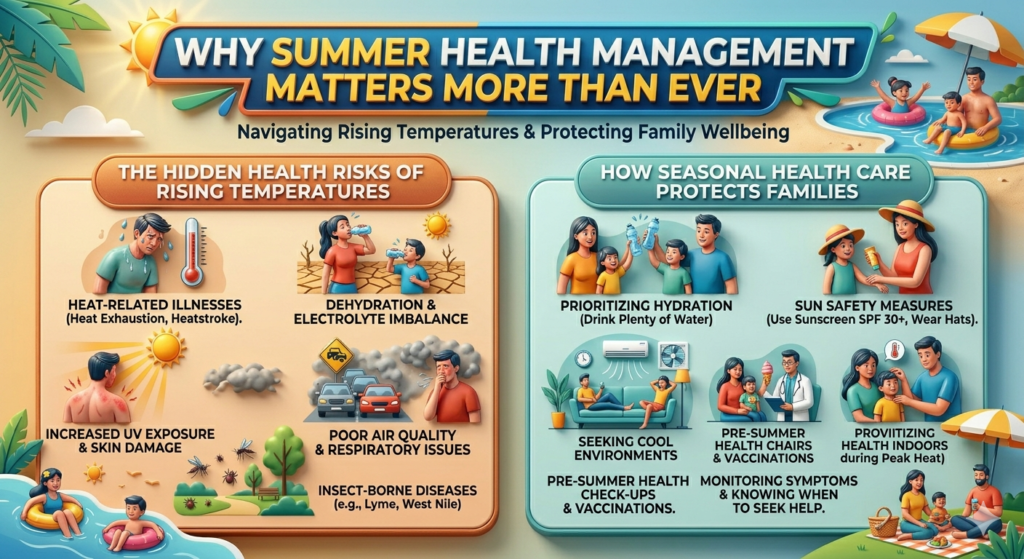
Summer may look cheerful on the outside, but internally, the body works harder to maintain balance during hot weather. High temperatures force the body to regulate internal cooling mechanisms through sweating and increased circulation. While this natural process protects the body, it also drains essential minerals and water rapidly. Without effective summer health management, people become vulnerable to exhaustion, dehydration, low blood pressure, and heat-related illnesses.
Modern lifestyles have made summer health risks even more serious. Many people spend hours outdoors, commute in traffic under scorching heat, or engage in intense workouts without understanding how quickly the body loses fluids. Air pollution and humidity further increase health complications, especially for children, elderly adults, and individuals with chronic conditions. This is where seasonal health care becomes extremely important. Instead of reacting to illness after symptoms worsen, preventive strategies help maintain stability and reduce medical emergencies.
The Hidden Health Risks of Rising Temperatures
Extreme heat affects more than comfort levels. It influences heart function, digestion, kidney performance, and even mental health. Heat stress can increase the risk of dizziness, headaches, confusion, muscle cramps, and severe dehydration. People with diabetes, cardiovascular disease, or respiratory conditions face greater risks because excessive heat places additional strain on the body.
A study published by the World Health Organization revealed that heatwaves are becoming more frequent globally, increasing the need for proactive summer wellness planning. Rising temperatures are also linked to sleep disturbances, irritability, and reduced productivity. When sleep quality declines, immunity weakens, creating a chain reaction that affects overall wellness.
How Seasonal Health Care Protects Families
Families benefit greatly from structured family preventive care during summer. Children lose fluids rapidly while playing outdoors, while seniors may not recognize dehydration symptoms quickly enough. Seasonal doctor visits help identify risks early, adjust medications if needed, and ensure everyone remains healthy throughout the season.
Preventive checkups also provide personalized recommendations regarding hydration levels, dietary adjustments, sun protection, and physical activity. This proactive approach reduces the chances of emergency health issues and supports long-term wellness.
Summer Diet Tips for Better Energy and Wellness
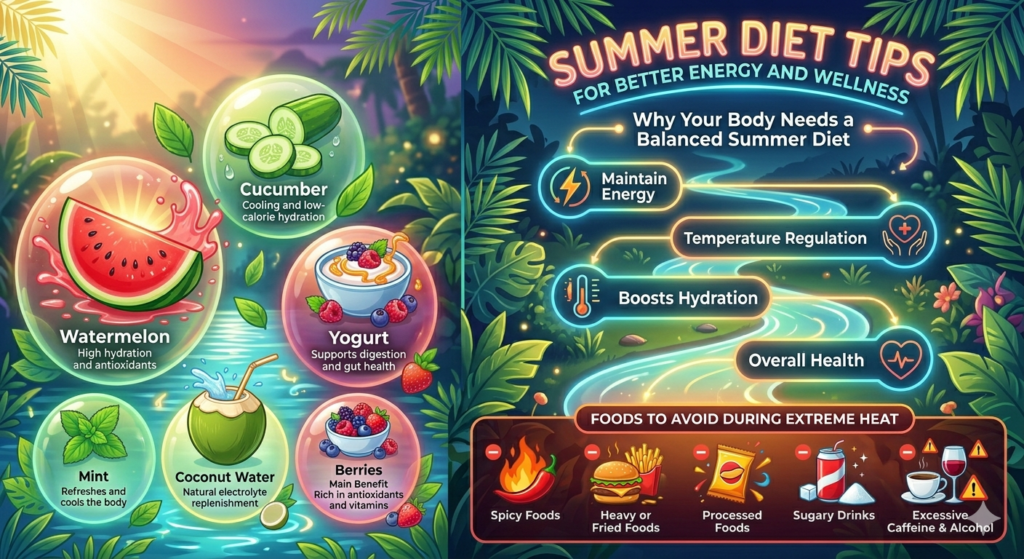
One of the most effective ways to stay healthy in hot weather is through mindful eating. Summer nutrition should focus on cooling, hydrating, and easy-to-digest foods rather than heavy meals loaded with oils, sugars, and processed ingredients. Following smart summer diet tips helps regulate body temperature and sustain energy throughout the day.
Your digestive system slows down slightly during intense heat because the body prioritizes cooling mechanisms. Heavy foods demand more energy for digestion, making you feel sluggish and uncomfortable. Eating lighter meals with natural ingredients helps reduce stress on the digestive system while improving hydration and nutrient absorption.
Why Your Body Needs a Balanced Summer Diet
A proper balanced summer diet includes fresh fruits, vegetables, whole grains, lean proteins, and healthy fluids. Seasonal foods naturally contain high water content and essential vitamins that support body cooling and hydration. Watermelon, cucumbers, yogurt, berries, and citrus fruits are excellent examples of summer-friendly foods.
The body also loses electrolytes such as sodium, potassium, and magnesium through sweat. Without replacing them, fatigue and muscle cramps become common. Including coconut water, bananas, leafy greens, and homemade smoothies can restore electrolyte balance naturally.
The following table highlights some ideal summer foods and their benefits:
| Healthy Summer Foods | Main Benefit |
| Watermelon | High hydration and antioxidants |
| Cucumber | Cooling and low-calorie hydration |
| Yogurt | Supports digestion and gut health |
| Mint | Refreshes and cools the body |
| Coconut Water | Natural electrolyte replenishment |
| Berries | Rich in antioxidants and vitamins |
Foods to Avoid During Extreme Heat
Not every food supports summer wellness. Fried snacks, sugary drinks, processed foods, and excessive caffeine increase dehydration and digestive discomfort. Spicy foods can also elevate body temperature in some individuals, especially when consumed excessively.
Alcohol deserves special attention because it accelerates dehydration while impairing the body’s cooling mechanisms. Many people enjoy chilled alcoholic beverages during summer gatherings, but overconsumption can lead to severe fluid imbalance. Moderation and hydration are essential.
Healthy Summer Foods That Naturally Cool the Body
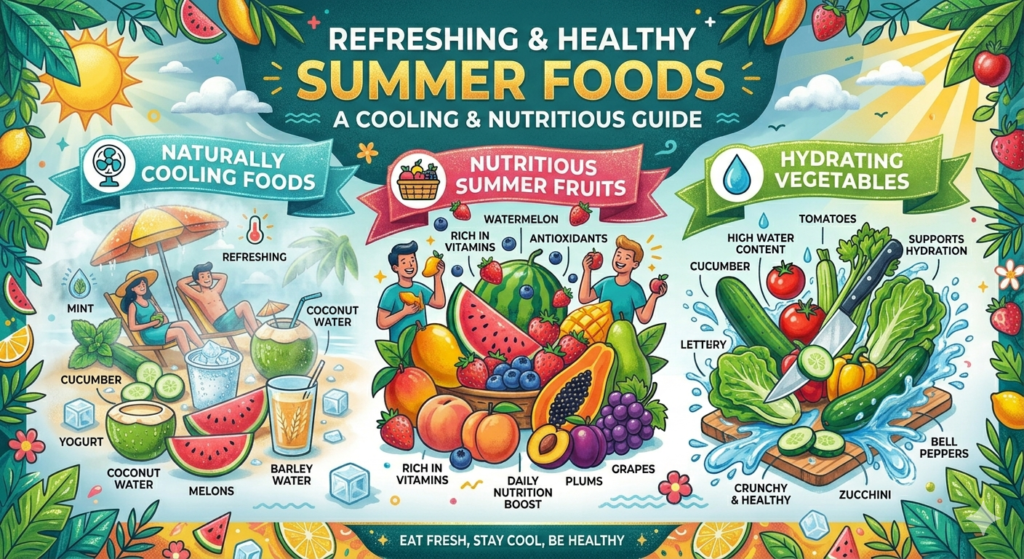
Nature provides seasonal foods for a reason. Many healthy summer foods contain water, antioxidants, and minerals specifically suited for hot climates. Eating seasonal produce not only supports hydration but also strengthens digestion and immunity.
Fresh foods are easier for the body to process than packaged meals loaded with preservatives. They provide natural enzymes and nutrients that support cellular function and energy production. Imagine fueling your body with fresh ingredients like giving premium fuel to a high-performance engine. The difference becomes noticeable quickly.
Nutritious Summer Fruits for Daily Nutrition
Including nutritious summer fruits in your daily meals is one of the easiest ways to stay refreshed. Fruits such as watermelon, mangoes, oranges, pineapples, papayas, and berries are rich in vitamins, fiber, and antioxidants.
Watermelon contains over 90% water, making it ideal for hydration. Citrus fruits supply vitamin C, which supports immunity and skin health. Mangoes provide vitamin A and antioxidants that help protect against oxidative stress caused by sun exposure.
Doctors often recommend consuming fruits as snacks instead of sugary desserts because natural sugars digest more efficiently and provide sustained energy. Fruit salads, smoothies, and frozen fruit bowls are enjoyable alternatives during hot afternoons.
Vegetables That Support Hydration in Summer
Vegetables like cucumber, lettuce, celery, zucchini, and tomatoes contain high water levels that contribute to hydration in summer. These vegetables are light, refreshing, and nutrient-rich. Salads made with seasonal vegetables help replenish fluids without overloading the digestive system.
Leafy greens also provide magnesium and iron, which support muscle function and circulation. Combining vegetables with healthy fats such as olive oil or avocado improves nutrient absorption and keeps meals satisfying without feeling heavy.
Hydration in Summer and Its Role in Preventive Health Care
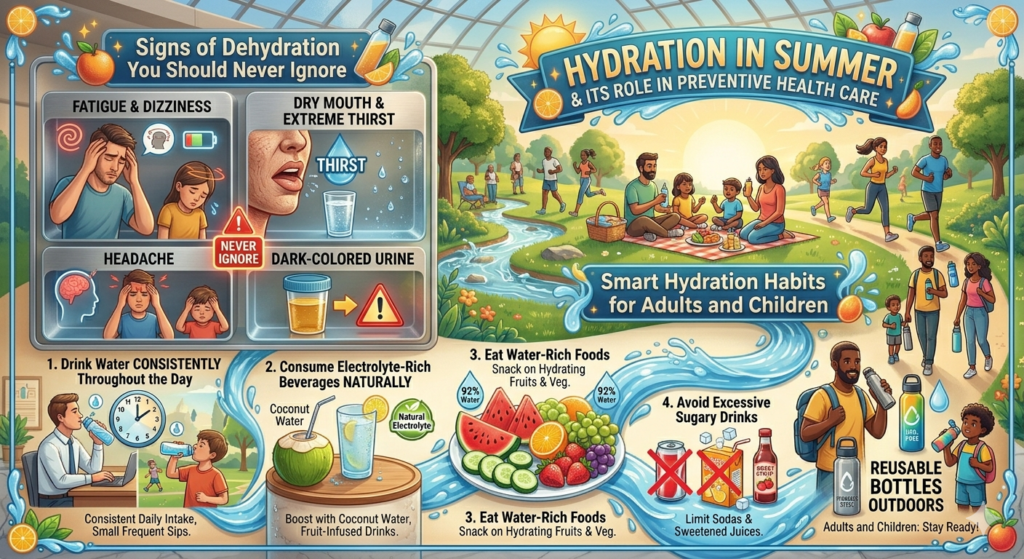
Water is the foundation of every biological function in the body. During summer, hydration becomes even more critical because sweating rapidly depletes body fluids. Proper hydration in summer supports brain function, digestion, circulation, and temperature regulation.
Many people wait until they feel thirsty before drinking water, but thirst is often a delayed sign of dehydration. Preventive hydration habits help maintain energy levels and reduce the risk of heat exhaustion.
Signs of Dehydration You Should Never Ignore
Common dehydration symptoms include dry mouth, dizziness, fatigue, dark urine, headaches, and muscle cramps. Severe dehydration may lead to confusion, fainting, and rapid heartbeat. Children and elderly adults are especially vulnerable because their bodies regulate fluids differently.
According to medical experts, adults generally require 2.5 to 3.5 liters of fluids daily during hot weather, depending on activity levels. Outdoor workers and athletes may need significantly more.
Smart Hydration Habits for Adults and Children
Hydration should go beyond simply drinking plain water occasionally. Smart hydration includes:
- Drinking water consistently throughout the day
- Consuming electrolyte-rich beverages naturally
- Eating water-rich foods
- Avoiding excessive sugary drinks
- Carrying reusable water bottles outdoors
Parents should encourage children to drink fluids before outdoor play instead of waiting until they feel exhausted. Seniors should also maintain regular fluid schedules because aging reduces thirst sensitivity.
Immunity Boosting Diet Strategies for Seasonal Health Care
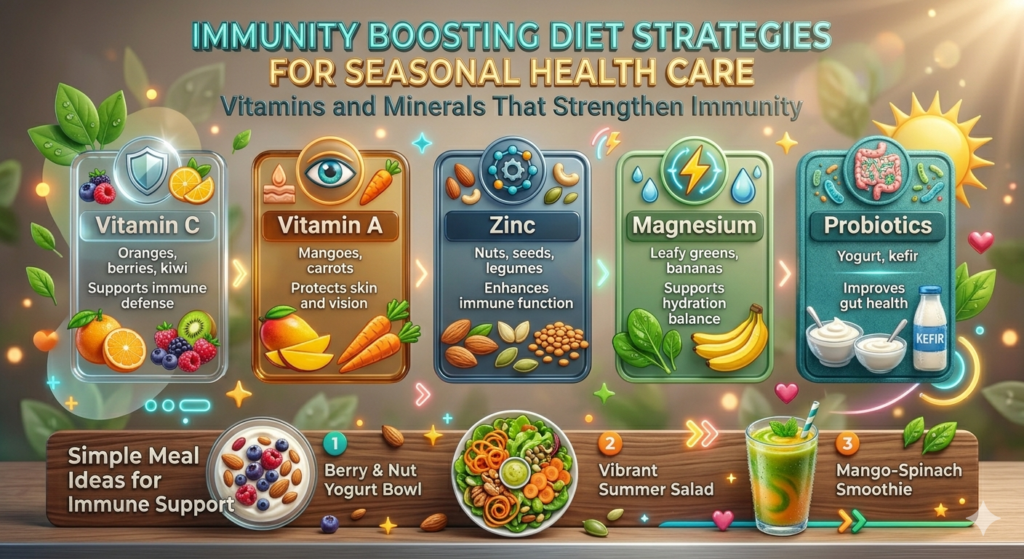
Summer may not seem like the typical season for infections, but fluctuating temperatures, poor eating habits, dehydration, and increased exposure to outdoor pollutants can weaken the immune system surprisingly fast. Air-conditioned indoor spaces combined with intense outdoor heat create sudden temperature changes that stress the body. This is why an immunity boosting diet becomes essential for maintaining strong defenses during the hottest months of the year. Your immune system behaves much like a home security system. When properly maintained, it detects and handles threats efficiently. When neglected, small issues can escalate into bigger problems.
A nutrient-rich summer diet helps the body fight infections, maintain energy, and recover faster from stress caused by heat exposure. Fresh fruits, vegetables, healthy proteins, and antioxidant-rich foods support immune cells and reduce inflammation. Doctors frequently emphasize that immunity is not built overnight. Instead, it develops gradually through consistent nutrition, quality sleep, hydration, and physical activity.
Heat and dehydration also impact gut health, which plays a major role in immune function. Around 70% of the immune system is connected to the gut microbiome. Foods like yogurt, kefir, fermented vegetables, and fiber-rich fruits support healthy gut bacteria, which strengthens the body’s natural defense system. People who consume processed foods excessively during summer often experience digestive discomfort, bloating, and lower immunity.
Vitamins and Minerals That Strengthen Immunity
Several nutrients become especially important during summer months. Vitamin C supports immune cells and helps protect against oxidative stress caused by UV exposure. Citrus fruits, strawberries, kiwi, and bell peppers are excellent sources. Vitamin A, found in mangoes, carrots, and leafy greens, supports skin health, which acts as the body’s first protective barrier.
Zinc is another essential mineral because it helps immune cells function efficiently. Pumpkin seeds, nuts, beans, and lean proteins provide natural zinc sources. Magnesium supports muscle recovery and hydration balance, especially important during hot weather when sweating increases mineral loss.
The table below highlights important immunity-supporting nutrients and their food sources:
| Nutrient | Summer Food Sources | Main Benefit |
| Vitamin C | Oranges, berries, kiwi | Supports immune defense |
| Vitamin A | Mangoes, carrots | Protects skin and vision |
| Zinc | Nuts, seeds, legumes | Enhances immune function |
| Magnesium | Leafy greens, bananas | Supports hydration balance |
| Probiotics | Yogurt, kefir | Improves gut health |
Experts from Harvard Medical School emphasize that colorful fruits and vegetables contain phytonutrients that reduce inflammation and support long-term immunity. Eating a rainbow of produce every day is not just a catchy phrase; it genuinely improves health resilience.
Simple Meal Ideas for Immune Support
Healthy summer eating does not need to feel restrictive or boring. In fact, summer offers some of the freshest and most flavorful ingredients of the year. A simple breakfast of yogurt, berries, chia seeds, and oats provides probiotics, antioxidants, and fiber. Lunch can include grilled vegetables, lean protein, and cucumber salad for hydration and nourishment.
Smoothies made with spinach, pineapple, banana, and coconut water are excellent post-workout or afternoon options because they replenish fluids and nutrients simultaneously. For dinner, grilled fish with roasted vegetables and brown rice offers protein and essential minerals without feeling overly heavy.
Snack choices matter too. Instead of chips or sugary treats, consider fresh fruit bowls, mixed nuts, or homemade frozen yogurt pops. Small daily changes gradually build stronger immunity and improve overall summer wellness.
Doctor Health Guidance for Safe Summer Living
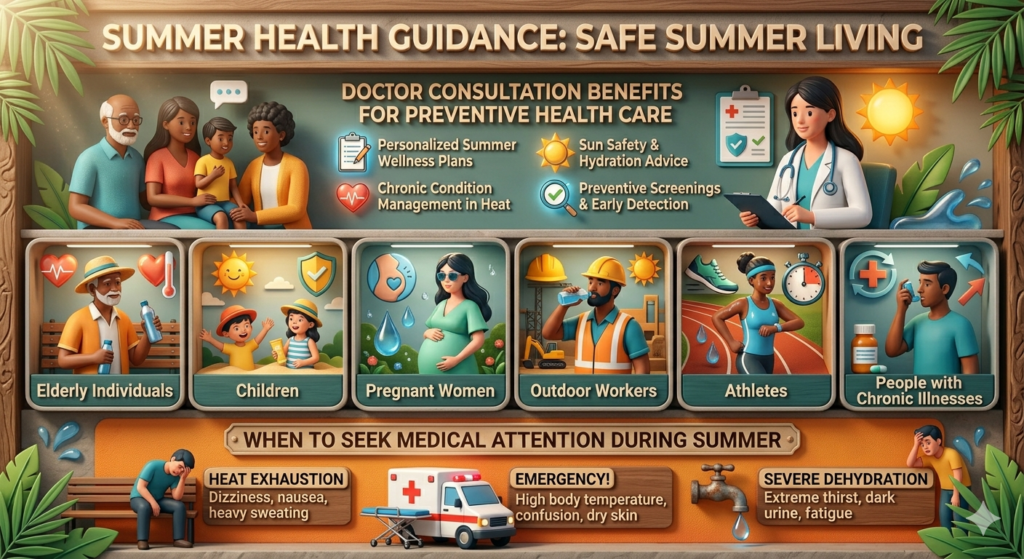
While healthy eating and hydration are critical, professional medical advice remains equally important. Reliable doctor health guidance helps individuals understand their specific health needs during summer, especially those managing chronic conditions or medications affected by heat. Preventive healthcare is similar to routine vehicle maintenance. Addressing small issues early prevents larger and more expensive problems later.
Doctors provide personalized recommendations based on age, medical history, lifestyle, and environmental exposure. This guidance becomes especially valuable during heatwaves or seasonal illness outbreaks. Summer conditions can worsen blood pressure issues, respiratory conditions, skin disorders, and dehydration-related complications. Individuals who take medications such as diuretics or blood pressure drugs may require adjusted hydration strategies because certain medications increase fluid loss.
Many people ignore mild symptoms during summer, assuming they are temporary effects of the heat. However, persistent fatigue, dizziness, headaches, digestive problems, or skin irritation may indicate deeper health concerns requiring medical evaluation. Regular checkups help identify these risks before they become emergencies.
Doctor Consultation Benefits for Preventive Health Care
The doctor consultation benefits associated with preventive care extend far beyond treating illness. Physicians can recommend dietary modifications, hydration plans, vaccination updates, sun protection strategies, and exercise guidelines suited to hot weather conditions.
Preventive consultations are especially important for:
- Elderly individuals
- Children
- Pregnant women
- Outdoor workers
- Athletes
- People with chronic illnesses
Doctors may also recommend blood pressure monitoring, vitamin assessments, or medication adjustments during extreme heat. Telemedicine services have made seasonal healthcare more accessible than ever, allowing patients to seek medical advice quickly without unnecessary travel in dangerous temperatures.
The American Medical Association consistently highlights the importance of preventive screenings and seasonal checkups because early intervention significantly reduces hospitalization risks. Small medical conversations today often prevent major complications tomorrow.
When to Seek Medical Attention During Summer
Certain symptoms should never be ignored during hot weather. Severe dehydration, chest pain, confusion, difficulty breathing, fainting, and prolonged vomiting require immediate medical attention. Heatstroke is a medical emergency that can become life-threatening without prompt treatment.
People should also contact healthcare providers if they experience persistent digestive problems, unexplained skin rashes, high fever, or signs of infection. Summer travel, outdoor events, and exposure to contaminated food or water can increase the risk of gastrointestinal illnesses.
Parents should monitor children carefully because kids may continue playing despite dangerous levels of dehydration or overheating. Seniors living alone also require regular wellness checks during heatwaves because they may not recognize warning symptoms quickly.
Heatstroke Prevention Tips Everyone Should Follow
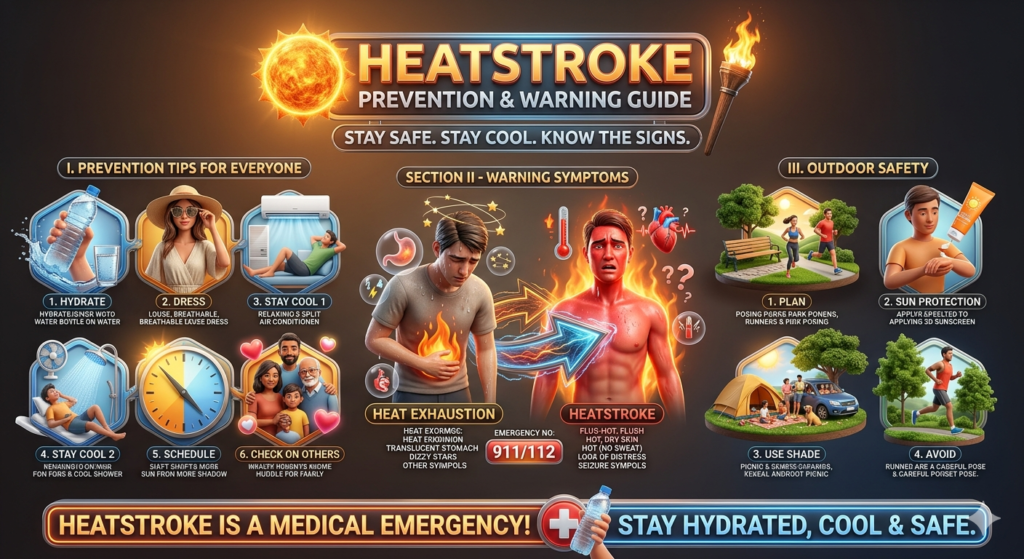
Among all summer health concerns, heatstroke remains one of the most dangerous and preventable conditions. Following effective heatstroke prevention tips can save lives, especially during extreme temperatures. Heatstroke occurs when the body loses the ability to regulate temperature, causing internal temperatures to rise rapidly. Without immediate treatment, organs can become damaged within minutes.
Imagine the body as an air-conditioning system. If cooling mechanisms fail under pressure, the entire system overheats dangerously fast. The body relies heavily on sweating and hydration to regulate temperature. When dehydration occurs, cooling efficiency drops dramatically.
According to the CDC, heat-related illnesses cause hundreds of deaths annually, particularly during prolonged heatwaves. Many of these cases are preventable through awareness, hydration, and proper protective measures.
Warning Symptoms of Heat Exhaustion and Heatstroke
Recognizing early symptoms can prevent medical emergencies. Heat exhaustion often develops before heatstroke and includes:
- Heavy sweating
- Muscle cramps
- Weakness
- Dizziness
- Nausea
- Cold, clammy skin
Heatstroke symptoms are more severe and may include:
- High body temperature above 104°F
- Rapid heartbeat
- Confusion
- Loss of consciousness
- Hot, dry skin
- Seizures
Immediate medical care is critical during heatstroke. Cooling the body quickly while waiting for emergency assistance can reduce complications.
Outdoor Safety and Healthy Lifestyle Habits
Developing strong healthy lifestyle habits significantly reduces heat-related risks. Outdoor activities should be scheduled during cooler hours such as early mornings or evenings. Lightweight clothing made from breathable fabrics helps improve airflow and body cooling.
People working outdoors should take regular breaks in shaded areas and drink fluids consistently, even without thirst. Sunscreen also plays a major role in summer wellness because sunburn damages the skin’s protective barrier and impairs temperature regulation.
Exercise routines may need adjustment during intense heat. Instead of high-intensity outdoor workouts at noon, consider swimming, indoor training, or lower-impact evening activities. Listening to your body becomes extremely important during summer months.
Family Preventive Care and Healthy Lifestyle Habits
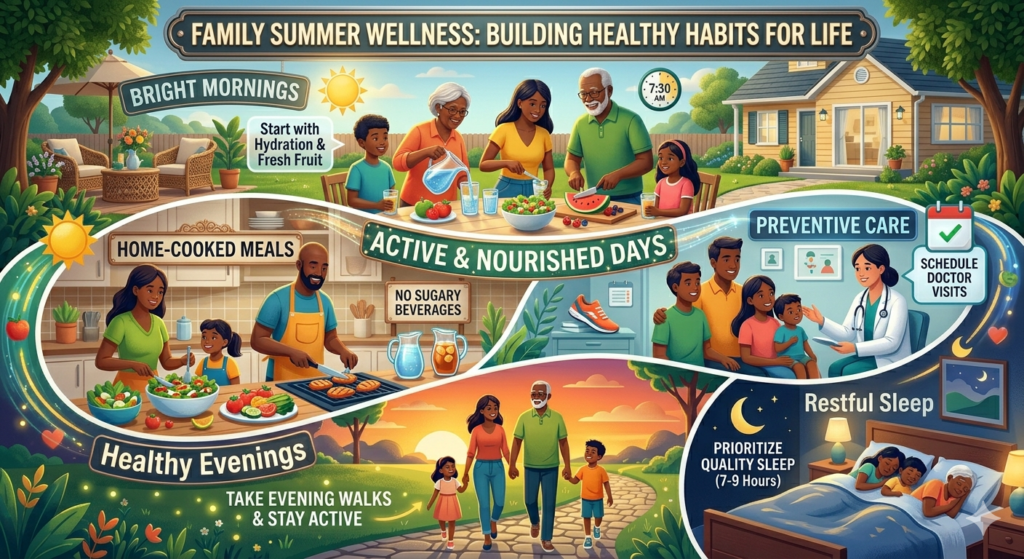
Summer wellness is not only an individual responsibility. Entire families benefit from proactive health routines and preventive strategies. Effective family preventive care creates healthier habits for children, adults, and seniors alike. Families that prioritize hydration, nutritious meals, regular checkups, and outdoor safety often experience fewer seasonal illnesses and emergencies.
Healthy habits developed during summer can also create long-term lifestyle improvements. Think of family wellness like planting a garden. Small daily actions eventually grow into strong, sustainable routines that support everyone’s health.
Modern families often become busy with vacations, social gatherings, camps, and outdoor events during summer. While these activities are enjoyable, they can also disrupt sleep schedules, eating patterns, and hydration routines. Maintaining structure helps prevent exhaustion and stress.
Protecting Children and Seniors During Summer
Children and seniors require extra attention because they are more vulnerable to heat-related complications. Children lose fluids rapidly during active play but may not recognize dehydration symptoms until exhaustion develops. Parents should encourage water breaks every 20 to 30 minutes during outdoor activities.
Seniors often face reduced thirst sensitivity and slower temperature regulation. Chronic conditions and medications may further increase heat sensitivity. Keeping homes cool, ensuring proper hydration, and scheduling regular wellness checks become extremely important.
Doctors also recommend reviewing medications during summer because certain prescriptions increase dehydration risk or sun sensitivity. Family awareness can prevent dangerous situations before they escalate.
Building Long-Term Summer Wellness Tips Into Daily Life
Sustainable summer wellness tips focus on consistency rather than perfection. Healthy living does not require strict diets or exhausting routines. Instead, simple habits practiced daily provide long-lasting results.
Examples include:
- Starting mornings with water and fresh fruit
- Preparing balanced home-cooked meals
- Limiting sugary beverages
- Taking evening walks
- Scheduling preventive doctor visits
- Prioritizing quality sleep
Sleep quality deserves special attention because hot weather often disrupts rest. Poor sleep weakens immunity, increases stress hormones, and affects energy levels. Keeping bedrooms cool and maintaining regular sleep schedules improves recovery and overall wellness.
Families can also create fun wellness traditions such as smoothie nights, outdoor yoga, swimming activities, or farmers market visits. Making healthy living enjoyable increases long-term consistency.
Conclusion
Staying healthy during summer requires more than avoiding the sun for a few hours each day. True wellness comes from combining smart nutrition, hydration, preventive medical care, and sustainable daily habits. Following practical summer diet tips, eating healthy summer foods, and prioritizing hydration in summer help the body remain energized, cool, and resilient against seasonal challenges.
Preventive healthcare and regular doctor health guidance add another critical layer of protection. Medical professionals can identify risks early, provide personalized recommendations, and help individuals manage heat-related stress safely. Whether it is adjusting medications, improving hydration strategies, or recognizing early symptoms of illness, professional support strengthens overall summer health management.
An immunity boosting diet, effective heatstroke prevention tips, and strong healthy lifestyle habits create a foundation for long-term wellness not just during summer, but throughout the entire year. Small daily decisions—choosing water over soda, eating fresh fruits instead of processed snacks, or scheduling preventive checkups—may seem minor individually, yet together they produce powerful results.
Summer should feel vibrant, active, and enjoyable. With the right balance of nutrition, hydration, preventive care, and awareness, individuals and families can fully embrace the season while protecting their health every step of the way.
FAQs
1. What are the best summer diet tips for staying healthy?
The best summer diet tips include eating water-rich fruits and vegetables, avoiding oily and processed foods, drinking plenty of fluids, and choosing lighter meals that are easier to digest during hot weather.
2. Why is hydration in summer so important?
Hydration in summer helps regulate body temperature, prevents dehydration, supports brain function, and reduces the risk of heat exhaustion and heatstroke caused by excessive sweating.
3. Which healthy summer foods improve immunity?
Foods like citrus fruits, berries, yogurt, leafy greens, nuts, seeds, and coconut water support immunity by providing vitamins, antioxidants, probiotics, and essential minerals.
4. What are the major doctor consultation benefits during summer?
Doctor consultations help identify dehydration risks, manage chronic conditions, adjust medications if necessary, and provide preventive healthcare advice tailored to hot weather conditions.
5. How can families practice effective summer health management?
Families can practice effective summer health management by encouraging hydration, preparing balanced meals, limiting outdoor exposure during peak heat, scheduling preventive checkups, and maintaining healthy lifestyle habits together.
Leave a Reply