
Why Summer Safety Tips Matter More Than Ever


Rising Temperatures and Health Risks
Summer used to be all about beach days, ice cream cones, and long evenings outdoors—but lately, it’s also becoming a season of serious health concerns. With global temperatures rising year after year, the risks tied to extreme heat are no longer rare events—they’re becoming part of everyday life. According to health experts, heatwaves are now among the leading weather-related causes of illness worldwide, and that makes understanding summer safety tips not just helpful, but essential.
Think about it this way: your body operates like a finely tuned machine, and heat acts like pressure building up inside it. When temperatures climb too high, your body struggles to cool itself down, especially if you’re not following proper summer health care practices. This can lead to dehydration, heat exhaustion, or even life-threatening heatstroke. Children, older adults, and those with chronic illnesses are especially vulnerable, but even healthy individuals can be affected if precautions aren’t taken seriously.
Another hidden danger? Many people underestimate how quickly dehydration can set in. You might feel “a little tired” or “slightly dizzy,” brushing it off as normal summer fatigue. In reality, those could be early warning signs your body is under stress. That’s why adopting hot weather safety tips isn’t just about comfort—it’s about survival.
Doctors consistently emphasize that prevention is far easier than treatment. A few small changes—like adjusting your daily routine or paying attention to hydration—can make a massive difference. And honestly, who wants their summer memories filled with hospital visits instead of happy moments?
Expert Doctor Insights on Summer Health Care
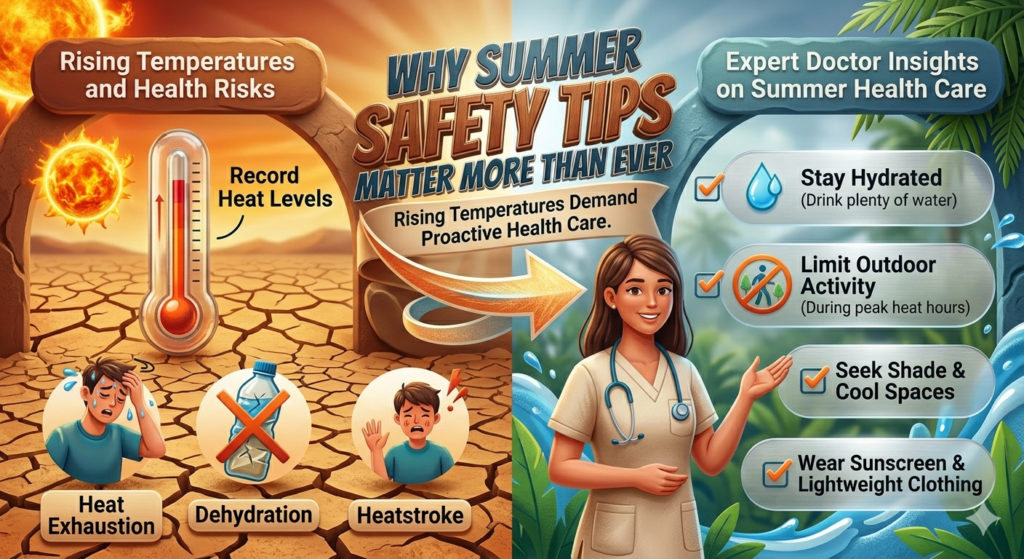
When you talk to healthcare professionals about summer health care, one message comes through loud and clear: preparation is everything. Doctors often see a surge in heat-related illnesses during peak summer months, and many of these cases could have been avoided with simple precautions. That’s why medical experts strongly advocate for proactive strategies rather than reactive treatments.
Dr. Anita Verma, a general physician, explains it simply: “Your body gives you signals long before a serious condition develops. Ignoring early symptoms like fatigue, excessive sweating, or headaches can lead to complications like heat exhaustion or heatstroke.” Her advice aligns with the broader medical consensus—listen to your body and act early.
One key recommendation from doctors is to build a healthy summer lifestyle that aligns with the season. This includes modifying your diet, hydration habits, sleep schedule, and outdoor activities. For example, consuming water-rich foods like watermelon, cucumber, and oranges can significantly boost dehydration prevention efforts. Similarly, avoiding outdoor exposure during peak heat hours can reduce your risk dramatically.
Doctors also stress the importance of personalized care. Not everyone responds to heat the same way. People with heart conditions, diabetes, or respiratory issues need tailored summer wellness tips to stay safe. That’s why consulting a healthcare professional before making major lifestyle changes is always a smart move.
What’s refreshing is that most of these expert recommendations are simple and practical. You don’t need expensive gadgets or complicated routines—just awareness, consistency, and a willingness to adjust your habits. When you combine common sense with medical guidance, you create a powerful shield against summer-related health risks.
Stay Hydrated in Summer: The Foundation of Summer Health Care
Signs of Dehydration and Dehydration Prevention
If there’s one rule you absolutely cannot ignore during summer, it’s this: stay hydrated in summer. It sounds basic, almost too obvious—but dehydration is one of the most common and dangerous issues people face in hot weather. And the tricky part? It often creeps up on you before you even realize what’s happening.
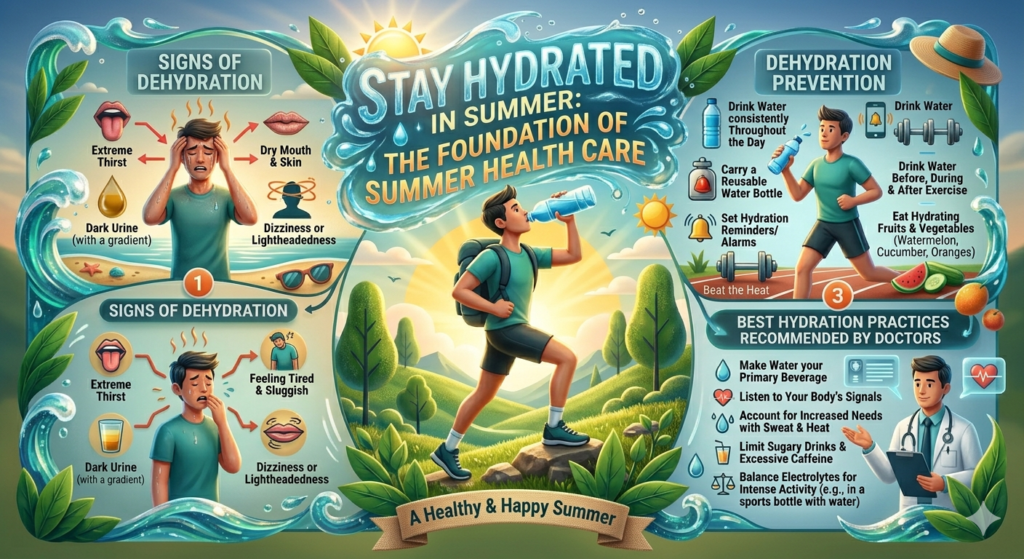
Your body relies heavily on water to regulate temperature, support organ function, and maintain energy levels. When you lose fluids through sweat and don’t replenish them, things start to go downhill quickly. Early signs of dehydration include dry mouth, fatigue, dizziness, and dark-colored urine. Ignore these signals, and you could be heading toward more serious complications like heat exhaustion.
Effective dehydration prevention isn’t just about drinking water when you’re thirsty. By the time you feel thirsty, your body is already slightly dehydrated. Instead, you need to build a habit of consistent hydration throughout the day. Carry a water bottle, set reminders if needed, and make hydration part of your routine—just like brushing your teeth.
Interestingly, hydration isn’t limited to water alone. Electrolytes—like sodium and potassium—play a crucial role in maintaining fluid balance. That’s why doctors often recommend drinks like coconut water or oral rehydration solutions during extreme heat. However, be cautious with sugary drinks and caffeinated beverages, as they can actually contribute to dehydration.
Another smart strategy? Pay attention to your environment and activity level. If you’re spending time outdoors or engaging in physical activity, your fluid needs increase significantly. Adjust your intake accordingly. Remember, hydration is not a one-size-fits-all approach—it’s dynamic and should match your daily lifestyle.
Best Hydration Practices Recommended by Doctors
Doctors agree that hydration is the cornerstone of effective summer health care, but they also emphasize that how you hydrate matters just as much as how much. It’s not about chugging a liter of water all at once—it’s about maintaining steady fluid levels throughout the day.
One commonly recommended approach is the “little and often” method. Instead of drinking large amounts infrequently, take small sips regularly. This allows your body to absorb fluids more efficiently and prevents unnecessary strain on your kidneys. It’s a simple shift, but it makes a noticeable difference in how you feel.
Another important tip is to start your day with hydration. After hours of sleep, your body wakes up slightly dehydrated. Drinking a glass of water first thing in the morning jumpstarts your metabolism and sets a healthy tone for the rest of the day. Pairing this habit with a balanced breakfast rich in fruits can further enhance your summer wellness tips routine.
Doctors also highlight the importance of recognizing individual needs. For example, athletes or people working outdoors may require significantly more fluids than someone staying indoors. In such cases, incorporating electrolyte-rich beverages can help maintain balance and prevent fatigue.
Temperature also plays a role. While ice-cold drinks may feel refreshing, room-temperature water is often better for absorption and digestion. Small details like this can subtly improve your hydration strategy.
Ultimately, staying hydrated isn’t just about avoiding illness—it’s about feeling your best. When your body is properly hydrated, everything works better: your energy levels, your focus, even your mood. It’s one of the easiest yet most powerful ways to support a healthy summer lifestyle.
Heatwave Safety Tips to Prevent Heatstroke
Early Warning Signs to Prevent Heatstroke
When temperatures spike during peak summer months, following heatwave safety tips becomes absolutely critical—not just for comfort, but for survival. Heatstroke is one of the most dangerous heat-related illnesses, and the alarming part is how quickly it can escalate. It often begins with subtle symptoms that people tend to ignore, assuming they’ll pass with time. But your body doesn’t quietly recover from extreme heat stress—it demands immediate attention.
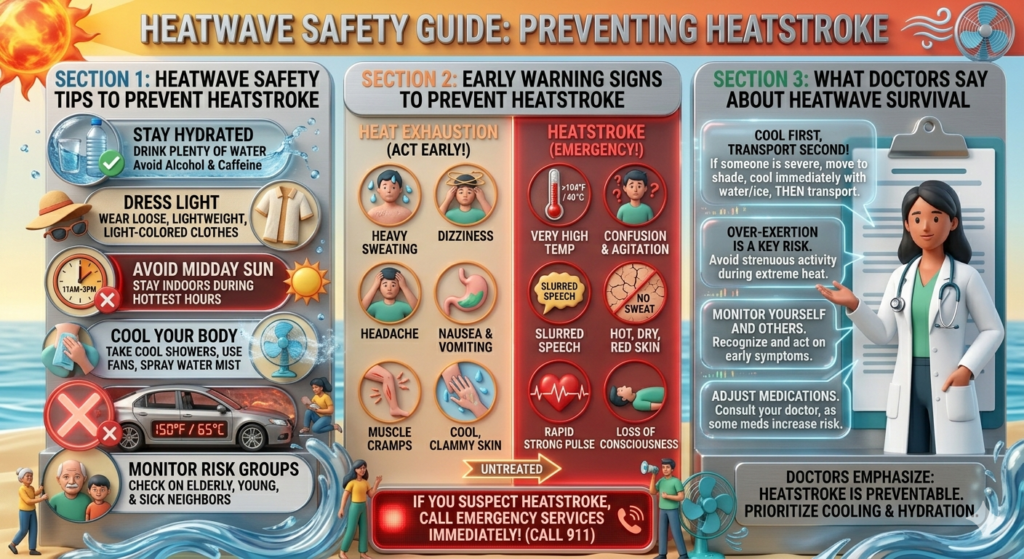
To effectively prevent heatstroke, you need to recognize the early warning signs. These include a throbbing headache, dizziness, nausea, confusion, rapid heartbeat, and unusually high body temperature. One particularly dangerous signal is when sweating suddenly stops despite extreme heat—this indicates your body’s cooling system is failing. At this stage, things can spiral quickly into a medical emergency.
Doctors emphasize that heatstroke doesn’t just affect people outdoors. It can happen indoors too, especially in poorly ventilated spaces without proper cooling. That’s why hot weather safety tips must be applied everywhere—not just when you’re under the sun. Even short exposure to high temperatures, combined with dehydration, can create the perfect storm for heat-related illnesses.
A useful way to think about this is like a car overheating. If you ignore the warning signs and keep driving, the engine eventually breaks down. Your body works the same way. Early intervention—like moving to a cooler place, drinking fluids, and resting—can prevent serious complications.
Children and older adults are particularly at risk because their bodies don’t regulate temperature as efficiently. If you’re caring for someone in these groups, staying alert to even minor changes in behavior or energy levels can make a life-saving difference.
What Doctors Say About Heatwave Survival
Medical professionals consistently stress that surviving a heatwave isn’t about reacting—it’s about preparing. According to Dr. Rahul Mehta, an emergency care specialist, “Most severe heatstroke cases we see could have been prevented with simple awareness and timely action.” His insight highlights a crucial truth: prevention is far easier than treatment when it comes to extreme heat.
Doctors recommend planning your day around the temperature. Avoid outdoor activities during peak heat hours, typically between 11 a.m. and 4 p.m. If you must go बाहर, wear light-colored, loose-fitting clothing and take frequent breaks in shaded or air-conditioned areas. These small adjustments align with practical summer safety tips that significantly reduce your risk.
Another key recommendation is to monitor weather forecasts closely. Heatwaves are often predicted days in advance, giving you time to prepare. Stock up on fluids, ensure your cooling systems are working, and adjust your schedule accordingly. Think of it as preparing for a storm—except this one is invisible but just as dangerous.
Doctors also caution against overexertion. Many people underestimate how physically draining heat can be. Activities that feel easy in cooler weather can become exhausting and risky in high temperatures. That’s why following summer fitness safety guidelines is essential during heatwaves.
Community awareness also plays a role. Checking on neighbors, especially elderly individuals living alone, can prevent tragedies. Heatwaves are not just personal challenges—they’re public health concerns. When communities look out for each other, the risks drop significantly.
Sun Protection Tips for a Healthy Summer Lifestyle
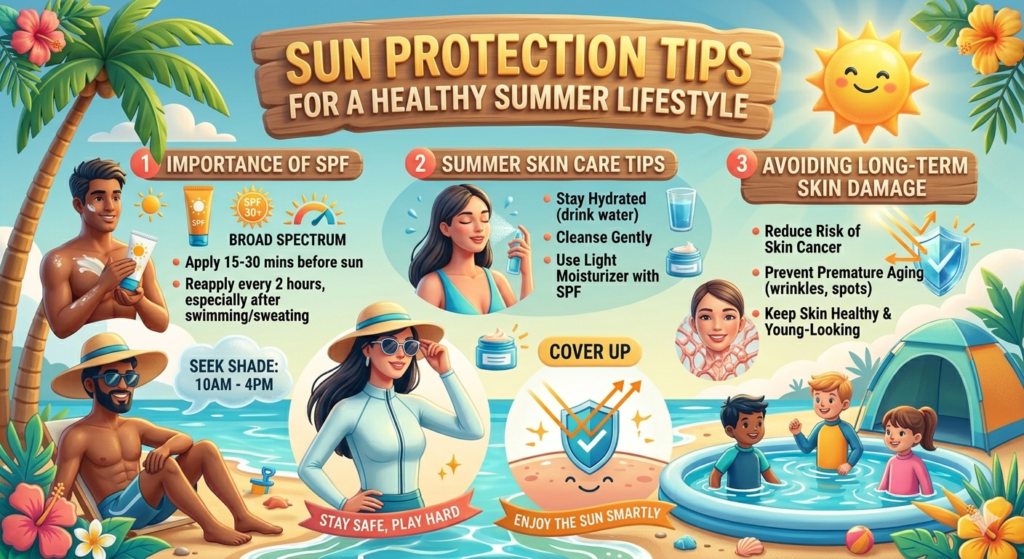
Importance of SPF and Summer Skin Care Tips
Spending time in the sun is one of the joys of summer, but without proper precautions, it can also become a serious health risk. That’s where effective sun protection tips come into play. Your skin is your body’s largest organ, and it acts as your first line of defense against environmental damage. Protecting it should be a top priority in your summer health care routine.
One of the most essential summer skin care tips is using sunscreen—and not just occasionally, but consistently. Dermatologists recommend a broad-spectrum sunscreen with at least SPF 30, applied generously 15–20 minutes before sun exposure. Reapplication every two hours is equally important, especially if you’re sweating or swimming. Skipping this step is like going into battle without armor.
Sun exposure doesn’t just cause sunburn—it accelerates skin aging and increases the risk of skin cancer. According to dermatological studies, prolonged UV exposure is responsible for up to 90% of visible skin aging. That includes wrinkles, fine lines, and pigmentation. So when you protect your skin, you’re not just avoiding immediate damage—you’re investing in long-term health.
Accessories also play a crucial role. Wide-brimmed hats, sunglasses with UV protection, and lightweight clothing can significantly reduce exposure. Think of these as layers of defense working together to keep you safe.
Hydration ties into skin health as well. Well-hydrated skin is more resilient and better equipped to handle environmental stress. That’s another reason why stay hydrated in summer is more than just a general tip—it directly supports your skin’s health.
Avoiding Long-Term Skin Damage
While a tan might seem appealing in the moment, the long-term effects of sun exposure tell a different story. Avoiding lasting damage requires a combination of awareness, consistency, and smart choices. Following summer wellness tips focused on skin care can help you maintain both appearance and health over time.
One important habit is limiting direct sun exposure during peak hours. Even with sunscreen, prolonged exposure can accumulate damage. Seeking shade whenever possible is a simple yet powerful strategy. It’s not about avoiding the sun completely—it’s about interacting with it wisely.
Regular skin checks are another doctor-recommended practice. Monitoring moles or unusual spots can help detect early signs of skin issues. Dermatologists often advise a monthly self-check and an annual professional evaluation. Early detection can make a significant difference in outcomes.
Your skincare routine should also adapt to the season. Lightweight, non-comedogenic products work better in summer, allowing your skin to breathe while staying protected. Incorporating antioxidants like vitamin C can further defend against environmental damage.
Ultimately, protecting your skin is about consistency rather than complexity. Small, daily actions add up over time. When you follow practical summer skin care tips, you’re not just avoiding sunburn—you’re building a foundation for long-term wellness and confidence.
Hot Weather Safety Tips to Avoid Heat Exhaustion
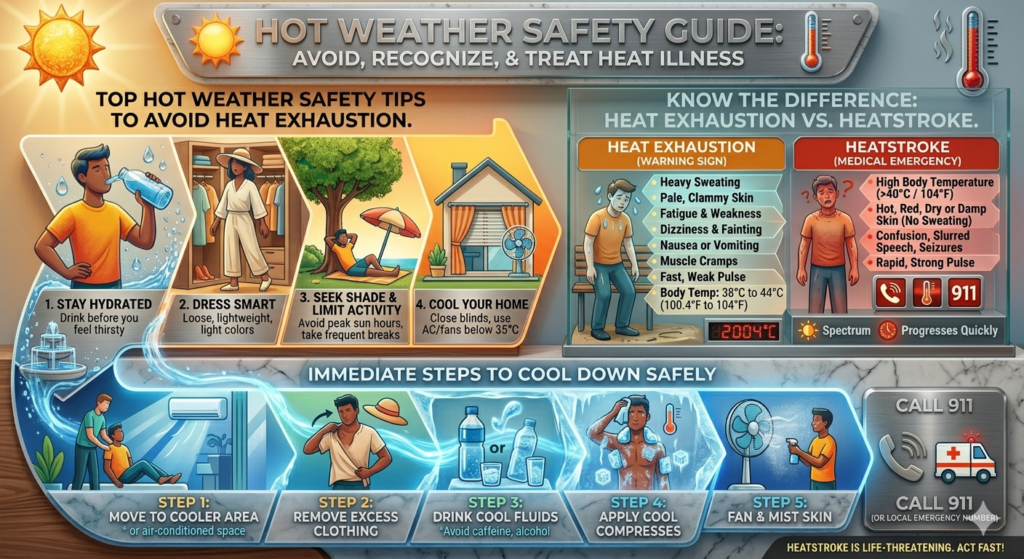
Difference Between Heat Exhaustion and Heatstroke
Understanding the difference between heat exhaustion and heatstroke is essential if you want to effectively avoid heat exhaustion and protect your health. While both conditions are caused by prolonged exposure to high temperatures, they differ significantly in severity—and knowing how to distinguish them can be life-saving.
Heat exhaustion is often the body’s warning signal. Symptoms include heavy sweating, कमजोरी (weakness), dizziness, nausea, and muscle cramps. Your body is struggling, but it’s still trying to cool itself. At this stage, immediate action—like resting in a cool place and rehydrating—can prevent escalation.
Heatstroke, on the other hand, is a medical emergency. It occurs when the body’s temperature regulation system fails completely. Symptoms include confusion, loss of consciousness, hot and dry skin, and a body temperature above 104°F (40°C). Unlike heat exhaustion, sweating may stop altogether, making it even more dangerous.
Doctors emphasize that heat exhaustion can quickly turn into heatstroke if ignored. That’s why following hot weather safety tips is critical. Recognizing early symptoms and acting quickly can make all the difference.
Think of heat exhaustion as a flashing warning light and heatstroke as the engine failure that follows if you ignore it. The goal is to respond before things reach a critical point.
Immediate Steps to Cool Down Safely
If you or someone around you shows signs of heat exhaustion, acting quickly is essential. The first step is to move to a cooler environment—preferably an air-conditioned space. If that’s not available, find shade and minimize exposure to heat sources.
Hydration is the next priority. Drinking cool water or electrolyte solutions helps restore fluid balance and supports recovery. Avoid extremely cold drinks, as they can shock your system. Instead, focus on steady, moderate intake.
Cooling the body externally can also be effective. Applying a damp cloth to the forehead, गर्दन (neck), and wrists helps lower body temperature. Taking a cool shower is another excellent option if available.
Rest is non-negotiable. Physical activity should be paused until the body fully recovers. Pushing through symptoms can worsen the condition and increase the risk of heatstroke.
Doctors also advise monitoring symptoms closely. If they persist for more than an hour or worsen, seeking medical attention is crucial. Heat-related illnesses can escalate quickly, and professional care may be necessary.
By consistently following these summer safety tips, you can significantly reduce your risk and enjoy the season without unnecessary health concerns.
Summer Fitness Safety for Active Living
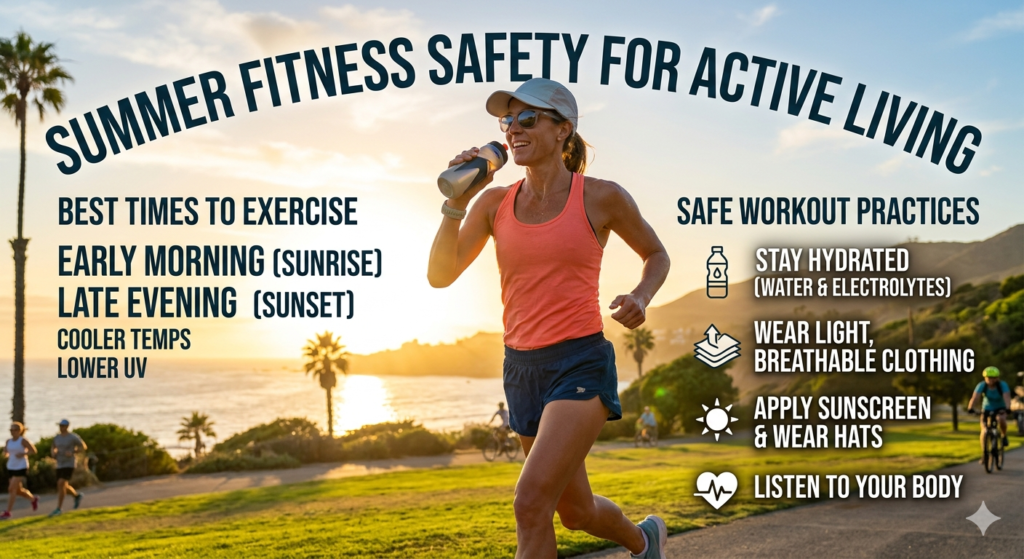
Best Time to Exercise in Summer
Staying active during the warmer months is a great way to maintain energy, boost mood, and support a healthy summer lifestyle, but timing is everything when it comes to summer fitness safety. Exercising at the wrong time of day can turn a beneficial routine into a risky activity, especially when temperatures soar. That’s why one of the most practical summer safety tips is simply adjusting your workout schedule.
Early mornings and late evenings are widely considered the safest times to exercise during summer. During these hours, temperatures are significantly lower, and the sun’s intensity is reduced. This minimizes the risk of overheating and allows your body to perform more efficiently. Think about it—your body is like an engine that runs best within a certain temperature range. When it gets too hot, performance drops, and the risk of breakdown increases.
Doctors often recommend avoiding outdoor workouts between 11 a.m. and 4 p.m., when heat and UV exposure peak. Even if you feel capable, your body may be under silent stress. Dr. Neha Kapoor, a sports medicine specialist, notes, “People often underestimate how much harder their body works in the heat. Even moderate exercise can feel intense because the body is simultaneously trying to cool itself.”
Another important factor is humidity. High humidity levels make it harder for sweat to evaporate, which reduces your body’s natural cooling ability. This increases the likelihood of dehydration and heat-related illnesses. So when planning your workout, don’t just check the temperature—consider humidity levels as well.
Adapting your routine doesn’t mean sacrificing your fitness goals. Indoor workouts, swimming, yoga, or even brisk walking in shaded areas can keep you active without exposing you to unnecessary risk. The key is flexibility and awareness—two essential components of effective summer wellness tips.
Safe Workout Practices in Hot Weather
Once you’ve chosen the right time to exercise, the next step is ensuring your routine aligns with hot weather safety tips. Safe workout practices are not about limiting your activity—they’re about making it sustainable and enjoyable throughout the season.
Hydration plays a central role here. Before, during, and after your workout, maintaining fluid levels is critical. This ties directly into the principle of stay hydrated in summer, which becomes even more important during physical activity. Drinking small amounts of water at regular intervals helps your body regulate temperature and maintain performance.
Clothing is another key factor. Lightweight, breathable fabrics allow sweat to evaporate more easily, keeping your body cool. Dark, heavy materials can trap heat and increase discomfort, so choosing the right attire can make a noticeable difference.
Listening to your body is perhaps the most underrated safety tip. If you feel dizzy, unusually fatigued, or experience a rapid heartbeat, it’s a signal to stop and rest. Ignoring these signs can lead to avoid heat exhaustion scenarios or even more serious conditions.
Gradual progression is also important. If you’re starting a new fitness routine, avoid jumping into high-intensity workouts immediately. Give your body time to adapt to the heat. This approach not only reduces risk but also improves long-term consistency.
Incorporating rest days and recovery strategies—like stretching, hydration, and proper nutrition—ensures your body stays resilient. When you combine smart planning with awareness, summer fitness safety becomes a natural part of your routine rather than a restriction.
Tips to Stay Cool in Summer Naturally
Home Cooling Techniques
When temperatures climb, staying cool indoors becomes just as important as protecting yourself outside. Fortunately, you don’t always need expensive air conditioning to follow effective tips to stay cool in summer. Simple, practical adjustments can transform your living space into a comfortable refuge from the heat.
One of the easiest methods is controlling sunlight exposure. Keeping curtains or blinds closed during peak hours prevents heat from entering your home. It’s a small step, but it can significantly reduce indoor temperatures. Think of it as blocking heat at the source rather than dealing with it later.
Ventilation also plays a crucial role. Opening windows during early mornings and late evenings allows cooler air to circulate. Cross-ventilation—where air flows from one side of the house to another—can enhance this effect. Pairing this with fans creates a natural cooling system that’s both efficient and cost-effective.
Another underrated strategy is using water creatively. Placing a bowl of ice in front of a fan can create a cooling breeze, mimicking air conditioning. Similarly, taking cool showers or using damp cloths can help regulate body temperature.
Switching to energy-efficient lighting and minimizing the use of heat-generating appliances during the day also contributes to a cooler environment. Even small changes, like cooking during cooler hours, can make a difference.
These methods align perfectly with summer wellness tips, emphasizing sustainability and simplicity. Staying cool doesn’t have to be complicated—it just requires a bit of creativity and awareness.
Clothing and Lifestyle Adjustments
Your clothing choices and daily habits can have a surprisingly large impact on how you experience summer heat. Making smart adjustments is one of the easiest ways to follow hot weather safety tips without disrupting your routine.
Loose-fitting, light-colored clothing is your best friend during summer. These fabrics reflect sunlight rather than absorbing it, helping your body stay cooler. Natural materials like cotton and linen are especially effective because they allow your skin to breathe.
Your daily routine also matters. Scheduling tasks during cooler parts of the day reduces exposure to extreme heat. Whether it’s running errands or doing household chores, timing can make a significant difference in your comfort and safety.
Diet plays a role too. Light, water-rich meals are easier to digest and help maintain hydration. Heavy, गर्म (hot) meals can increase body temperature and make you feel sluggish. Incorporating fruits, सलाद (salads), and hydrating snacks supports both dehydration prevention and overall well-being.
Sleep adjustments can also improve your resilience to heat. Using breathable bedding, keeping your room ventilated, and maintaining a consistent sleep schedule help your body recover and adapt.
These lifestyle tweaks may seem small individually, but together they create a powerful system for staying cool. When you align your habits with the season, following summer safety tips becomes effortless and intuitive.
Summer Disease Prevention and Hygiene Tips
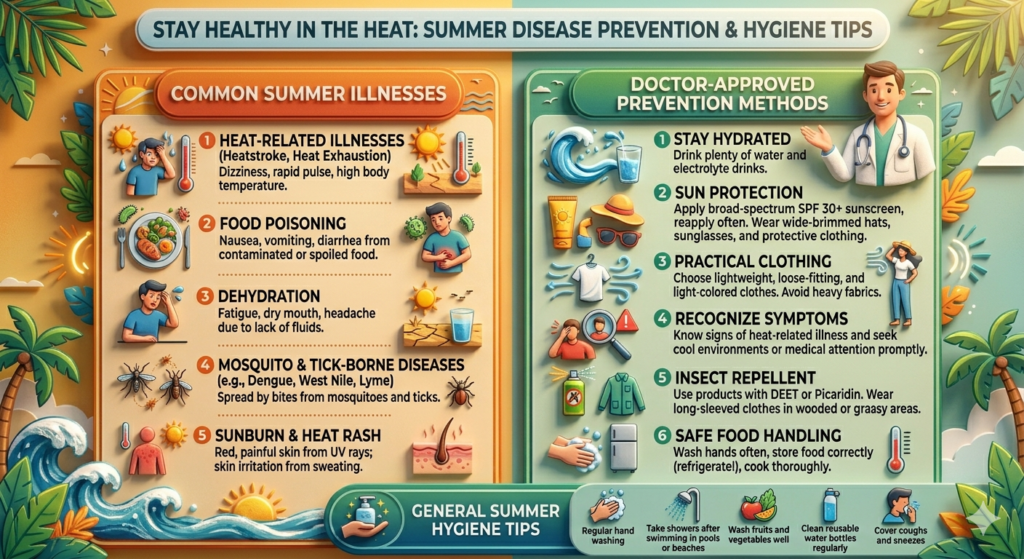
Common Summer Illnesses
Summer isn’t just about sunshine and vacations—it also brings a range of health challenges that make summer disease prevention a priority. Warmer temperatures create the perfect environment for bacteria and viruses to thrive, increasing the risk of infections and illnesses.
Some of the most common summer-related diseases include food poisoning, heat rashes, dehydration-related conditions, and waterborne infections. दूषित (contaminated) food and water are major contributors, especially when hygiene practices are overlooked. Even something as simple as improperly stored food can lead to serious स्वास्थ्य (health) issues.
Vector-borne diseases, such as those transmitted by mosquitoes, also tend to rise during summer. Stagnant water becomes a breeding ground for insects, increasing the risk of infections like dengue or malaria in certain regions.
Doctors often point out that many of these illnesses are preventable with basic hygiene and awareness. Washing hands regularly, consuming properly cooked food, and avoiding unsafe water sources are foundational practices.
Another important factor is immunity. Your body’s ability to fight infections depends on proper nutrition, hydration, and rest. This ties back to maintaining a healthy summer lifestyle, where prevention is built into your daily habits rather than treated as an afterthought.
Doctor-Approved Prevention Methods
Healthcare professionals emphasize that effective summer disease prevention doesn’t require complicated measures—just consistent, mindful habits. One of the most important doctor-approved strategies is maintaining proper hygiene. Regular handwashing, especially before meals, significantly reduces the risk of infections.
Food safety is another critical area. Doctors recommend consuming freshly prepared meals and avoiding street food or items that may have been exposed to heat for extended periods. Proper storage, refrigeration, and cooking practices can prevent foodborne illnesses.
Hydration, once again, plays a central role. Drinking clean, safe water supports digestion, regulates temperature, and helps flush out toxins. This reinforces the importance of stay hydrated in summer as a foundational health practice.
Protecting yourself from insects is equally important. Using repellents, wearing protective clothing, and eliminating stagnant water around your home can reduce exposure to disease-carrying insects.
Regular health check-ups and timely medical consultation are also part of effective summer health care. If you notice unusual symptoms—such as persistent fever, fatigue, or digestive issues—seeking professional advice early can prevent complications.
Doctors often stress that prevention is a continuous process. It’s not about one-time actions but about building habits that support long-term health. When you integrate these practices into your routine, staying healthy during summer becomes a natural outcome rather than a constant concern.
Building a Safe and Healthy Summer Routine
Creating a safe and enjoyable summer experience isn’t about following rigid rules—it’s about understanding your body, respecting the environment, and making informed choices. From following essential summer safety tips to prioritizing hydration, sun protection, and disease prevention, each step contributes to a balanced and resilient lifestyle.
Doctor consultation adds another layer of assurance, helping you tailor these strategies to your individual needs. Whether it’s adjusting your fitness routine, improving your diet, or managing pre-existing conditions, expert guidance ensures you’re not navigating summer health challenges alone.
Ultimately, summer should be a season of energy, exploration, and relaxation—not discomfort or risk. By embracing practical summer wellness tips, you can enjoy everything the season has to offer while staying safe, healthy, and confident.
FAQs
1. What are the most important summer safety tips to follow daily?
The most essential daily practices include staying hydrated, avoiding peak sun hours, wearing protective clothing, and maintaining proper hygiene. These simple habits form the foundation of effective summer health care.
2. How can I prevent heatstroke during extreme heatwaves?
To prevent heatstroke, avoid outdoor activities during peak heat, stay hydrated, wear light clothing, and take frequent breaks in cool environments. Recognizing early symptoms is also crucial.
3. What should I drink to stay hydrated in summer?
Water is the best option, but you can also include coconut water, electrolyte drinks, and fresh fruit juices. Avoid excessive caffeine and sugary beverages for better dehydration prevention.
4. How do I protect my skin during summer?
Follow sun protection tips such as using SPF 30+ sunscreen, wearing protective clothing, and limiting sun exposure during peak hours. Regular skincare also helps maintain healthy skin.
5. What are common summer illnesses and how can I avoid them?
Common illnesses include dehydration, food poisoning, and infections. Practicing hygiene, consuming safe food and water, and following summer disease prevention tips can significantly reduce risks.
Leave a Reply