
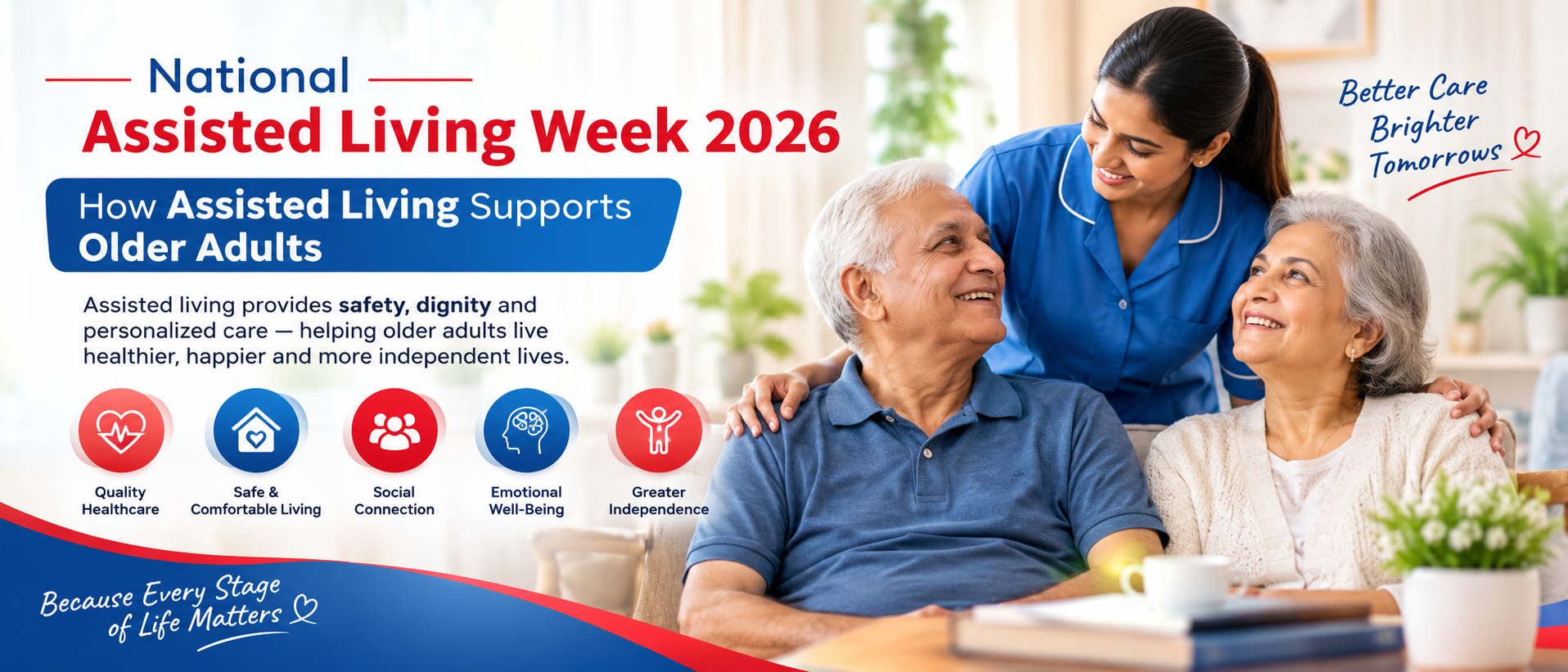
Understanding National Assisted Living Week 2026

National Assisted Living Week 2026 is an opportunity to recognize the role assisted living communities play in supporting older adults and their families. As people age, their needs can change in many ways. Some may need help with everyday activities, while others may primarily benefit from companionship, safer surroundings, nutritious meals, transportation, or access to healthcare support.
Assisted living is designed to provide support while allowing residents to maintain as much independence as possible. Rather than treating every older adult the same, modern communities increasingly focus on individual preferences, abilities, routines, and care requirements.
National Assisted Living Week also provides an opportunity for families, caregivers, healthcare professionals, and communities to learn more about senior living options and the importance of respectful, compassionate care.
What Is Assisted Living for Older Adults?

Assisted living for older adults generally refers to residential communities where seniors can receive assistance with daily activities while living in a supportive environment. The level of assistance varies according to the individual and the services offered by each community.
Older adults may receive help with activities such as:
- Personal hygiene and grooming
- Dressing and mobility
- Medication routines
- Meals and nutrition
- Housekeeping and laundry
- Transportation
- Social and recreational activities
- Healthcare coordination
Assisted living is different from completely independent living because support is available when needed. It can also differ from skilled nursing care, which generally provides a higher level of clinical care for people with more complex medical needs.
The appropriate setting depends on an individual’s health, mobility, preferences, finances, family circumstances, and care requirements.
Benefits of Assisted Living for Older Adults
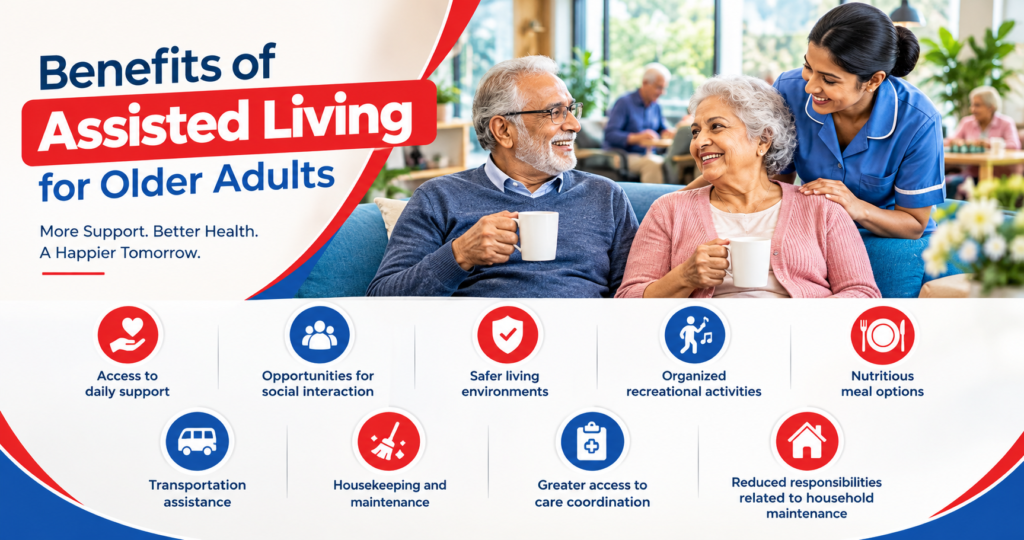
The benefits of assisted living extend beyond assistance with daily tasks. A supportive residential environment can help older adults maintain routines, participate in activities, develop friendships, and receive appropriate assistance.
Some potential benefits include:
- Access to daily support
- Opportunities for social interaction
- Safer living environments
- Organized recreational activities
- Nutritious meal options
- Transportation assistance
- Housekeeping and maintenance
- Greater access to care coordination
- Reduced responsibilities related to household maintenance
The goal is not simply to provide services but to create an environment where older adults can continue participating in activities that are meaningful to them.
Senior Living Communities and Community-Based Support
Senior living communities can provide a combination of accommodation, services, activities, and social opportunities. Depending on the community, residents may have private or shared living spaces along with common dining, recreation, fitness, and social areas.
Community living can be particularly valuable for older adults who may otherwise experience limited social interaction.
A well-designed senior living environment can encourage residents to participate according to their interests and abilities. Some may enjoy group meals, while others may prefer reading clubs, gardening, exercise sessions, arts and crafts, music, or outdoor activities.
Elderly Care Services That Support Daily Life
Elderly care services can make everyday life more manageable for seniors who need additional assistance. Importantly, care should be adapted to the individual’s needs rather than assuming that every resident requires the same type of help.
Services may include assistance with personal care, meals, mobility, medication reminders, housekeeping, transportation, and other everyday requirements.
The availability of specific services varies between communities, so families should carefully review what is included and whether additional services carry separate costs.
Senior Care and Support: Meeting Changing Needs
Senior care and support can become increasingly important as an individual’s circumstances change. Someone who initially needs only limited assistance may eventually require additional support with mobility, personal care, or healthcare coordination.
A major advantage of an established assisted living environment can be the ability to adjust support as needs change, depending on the community’s capabilities.
Families should regularly discuss care needs with appropriate professionals and the senior themselves. Including the older adult in these conversations helps preserve autonomy and ensures that personal preferences remain part of the decision-making process.
Assisted Living Benefits for Families and Caregivers
The assisted living benefits can also extend to families and informal caregivers. Caring for an older family member can involve significant responsibilities, including transportation, household management, appointments, meals, and personal care.
An assisted living community may provide structured support for many of these needs.
This does not mean family involvement becomes unnecessary. Family members can continue playing an important role through visits, communication, emotional support, participation in activities, and involvement in care discussions.
For many families, the objective is to create a partnership between the resident, family members, caregivers, and healthcare professionals.
Supporting Older Adult Independence
Older adult independence is an important consideration when evaluating assisted living. Receiving assistance does not necessarily mean giving up independence.
In fact, appropriate support can sometimes enable older adults to continue doing things they enjoy.
For example, assistance with housekeeping may allow a resident to spend more time reading, socializing, exercising, attending community events, or pursuing hobbies. Mobility support may make it easier to participate in activities outside the living space.
The focus should be on helping residents do as much as they safely can while providing assistance where it is genuinely needed.
Senior Wellness and Healthy Aging

Senior wellness involves much more than physical health. Emotional well-being, social relationships, mental stimulation, nutrition, mobility, sleep, and a sense of purpose can all contribute to an older person’s overall quality of life.
Assisted living communities may support wellness through:
- Exercise and movement programs
- Nutritious meals
- Social activities
- Recreational programs
- Outdoor spaces
- Educational sessions
- Creative activities
- Opportunities for social connection
Wellness programs should consider individual abilities and interests rather than using a one-size-fits-all approach.
Personalized Senior Care for Individual Needs

Personalized senior care recognizes that every older adult has different preferences, routines, abilities, and support requirements.
One resident may value independence and privacy, while another may prefer frequent social activities. Some residents may need extensive assistance with daily tasks, while others may need only occasional support.
Personalized care can involve understanding:
- Daily routines
- Dietary preferences
- Mobility requirements
- Communication preferences
- Personal interests
- Cultural considerations
- Social preferences
- Healthcare requirements
This individualized approach can help residents feel respected and understood.
Assisted Living Services That Make Everyday Life Easier
Assisted living services can cover a broad range of practical and supportive needs. Depending on the facility, services may include meals, housekeeping, laundry, transportation, personal care, wellness programs, recreational activities, and care coordination.
Before choosing a community, families should ask detailed questions about:
- Which services are included in the basic cost?
- Which services have additional fees?
- What happens if care needs increase?
- What healthcare support is available?
- How are emergencies handled?
- What activities are offered?
- How are meals planned?
- What transportation options are available?
Understanding these details can help families make informed decisions.
Aging With Dignity and Respect
Aging with dignity means recognizing older adults as individuals with their own experiences, preferences, identities, and choices.
Respectful care involves listening to residents, protecting their privacy, encouraging participation in decisions, and supporting their personal routines whenever possible.
Dignity can also be reflected in simple everyday interactions—how caregivers communicate, how personal choices are respected, and whether residents feel that their opinions matter.
Assisted living should provide support without unnecessarily taking away a person’s ability to make choices about everyday life.
Senior Healthcare Support in Assisted Living
Senior healthcare support is another important consideration for older adults and their families. Some residents may require regular appointments, medication management, therapy, monitoring, or coordination with external healthcare providers.
Assisted living communities may help coordinate certain healthcare-related needs, although the exact level of medical support varies.
Families should clearly understand the healthcare services provided by a community and identify situations where a resident may require a different level of care.
Healthcare decisions should always be made with qualified healthcare professionals based on the individual’s circumstances.
Assisted Living Community Life and Social Connection
Assisted living community life can provide opportunities for older adults to interact with peers and participate in shared experiences.
Community activities may include:
- Group meals
- Movie nights
- Music programs
- Games
- Book clubs
- Exercise classes
- Gardening
- Arts and crafts
- Cultural events
- Educational sessions
These opportunities can help create a sense of belonging while allowing residents to choose how actively they want to participate.
Elderly Social Engagement and Emotional Well-Being
Elderly social engagement can play an important role in maintaining emotional well-being. Moving into a senior living environment can introduce older adults to new neighbors, friends, caregivers, and activity groups.
Social interaction does not have to mean participating in large group events. A conversation over a meal, a shared hobby, a family visit, or spending time with another resident can also provide meaningful connection.
Communities can encourage social participation while respecting residents who prefer quieter or more private activities.
Senior Safety and Security in Assisted Living
Senior safety and security are important considerations, particularly for older adults who have mobility challenges or require assistance with daily activities.
Communities may incorporate features such as:
- Emergency response systems
- Accessible bathrooms
- Handrails
- Well-lit common areas
- Secure entrances
- Accessible pathways
- Staff support
- Emergency procedures
Families should ask specific questions about safety measures rather than assuming that every community provides the same features.
Safety should be balanced with independence so that residents can move around and participate in daily life as freely as their circumstances allow.
Activities for Older Adults: Keeping Residents Active
Activities for older adults can support physical, social, emotional, and cognitive engagement. The best activities are often those that reflect residents’ interests and abilities.
Examples include:
- Walking groups
- Chair exercises
- Dancing
- Painting
- Music
- Gardening
- Cooking activities
- Puzzles
- Reading
- Educational workshops
- Community outings
Activities should be accessible and adaptable. A resident with limited mobility should still have opportunities to participate meaningfully.
Person-Centered Senior Care: Putting the Resident First
Person-centered senior care places the individual at the center of care planning and daily support.
Instead of focusing only on what a person cannot do, person-centered care considers their strengths, preferences, goals, relationships, and interests.
This approach can involve asking residents about their preferred routines, meals, activities, communication styles, and personal priorities.
It also means treating residents as active participants in their care rather than simply recipients of services.
Quality of Life for Seniors in Assisted Living
Quality of life for seniors can be influenced by many factors, including physical comfort, independence, relationships, meaningful activities, safety, nutrition, healthcare access, and emotional well-being.
Assisted living can contribute to quality of life when services are appropriately matched to an individual’s needs.
However, quality of life is personal. What one resident considers fulfilling may be very different from another person’s priorities. Therefore, successful senior care should allow individuals to define what matters most to them.
Support for Aging Adults: A Shared Responsibility
Support for aging adults involves more than residential care. Families, healthcare professionals, caregivers, community organizations, and older adults themselves can all contribute to healthy and meaningful aging.
Families can support older relatives by staying connected, attending care meetings when appropriate, encouraging hobbies, and respecting their decisions.
Healthcare professionals can help identify changing health and care needs. Caregivers can provide daily assistance while respecting residents’ preferences and dignity.
The older adult should remain an important voice in decisions affecting their life whenever possible.
How Families Can Evaluate Assisted Living Options
Choosing an assisted living community is an important decision. Families can begin by identifying the older adult’s current and potential future needs.
Important factors to consider include:
1. Location
Consider proximity to family, healthcare providers, shopping, cultural activities, and other important locations.
2. Services
Review the services included in the monthly cost and identify additional charges.
3. Care Availability
Ask what types of assistance are available and how care changes are handled.
4. Safety
Review emergency procedures, accessibility features, security, and emergency response systems.
5. Activities
Ask for an activities calendar and determine whether residents have meaningful choices.
6. Meals and Nutrition
Learn about meal schedules, dietary accommodations, and menu options.
7. Staff
Ask about staffing, training, communication, and how residents’ concerns are addressed.
8. Resident Experience
If possible, visit the community and observe how staff communicate with residents and how residents interact with one another.
National Assisted Living Week 2026: Recognizing the People Behind Senior Care
National Assisted Living Week 2026 is not only about buildings and services. It is also an opportunity to recognize the people who make senior care communities function every day.
Caregivers, nurses, activity professionals, dining teams, housekeeping staff, administrators, therapists, transportation personnel, and other workers can all contribute to residents’ daily experiences.
Their work can involve both practical responsibilities and meaningful human connection.
Recognizing these professionals can help raise awareness of the importance of compassionate, respectful, and individualized senior care.
Building a Supportive Future for Older Adults
National Assisted Living Week 2026 offers an opportunity to learn more about how assisted living can support older adults while encouraging independence, dignity, safety, social connection, and wellness.
Assisted living for older adults is not simply about providing help with daily activities. When appropriately designed and delivered, it can create an environment where seniors receive the support they need while continuing to make choices, maintain relationships, enjoy hobbies, and participate in community life.
From personalized senior care and senior healthcare support to elderly social engagement, senior safety and security, and meaningful activities for older adults, assisted living can address many dimensions of healthy aging.
Ultimately, the most important consideration is the individual. Every older adult has different needs, preferences, abilities, and goals. A person-centered approach can help ensure that senior care remains focused on dignity, respect, independence, and a meaningful quality of life.
Leave a Reply