
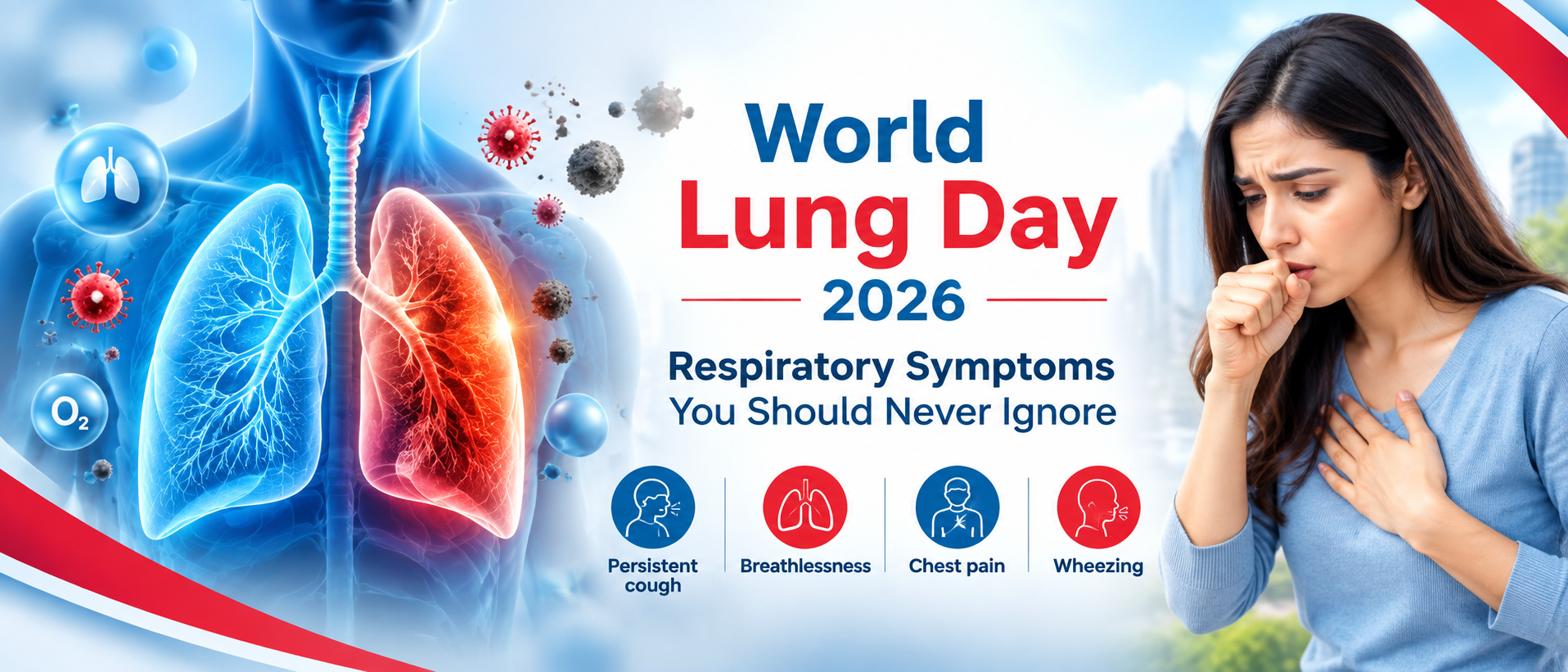
World Lung Day 2026: Why Lung Health Awareness Matters


World Lung Day 2026 will be observed on 25 September 2026, providing an opportunity to focus attention on lung health, respiratory diseases and the importance of prevention and timely care. The Forum of International Respiratory Societies (FIRS) describes World Lung Day as an annual campaign focused on improving awareness of lung health and reducing the burden of respiratory diseases. The 2026 campaign theme is “A Lifetime of Lung Health.”
The lungs work continuously to supply oxygen to the body and remove carbon dioxide. When the respiratory system is affected by infection, inflammation, pollution, smoking, allergies or chronic disease, changes in breathing can occur.
Some respiratory problems symptoms may be temporary and relatively mild, while others can indicate a condition requiring medical evaluation. Recognizing changes early can help people seek appropriate medical advice rather than ignoring symptoms.
This World Lung Day, understanding the common lung health symptoms and lung disease warning signs can be an important step toward better respiratory health.
Respiratory Problems Symptoms: What Should You Watch For?
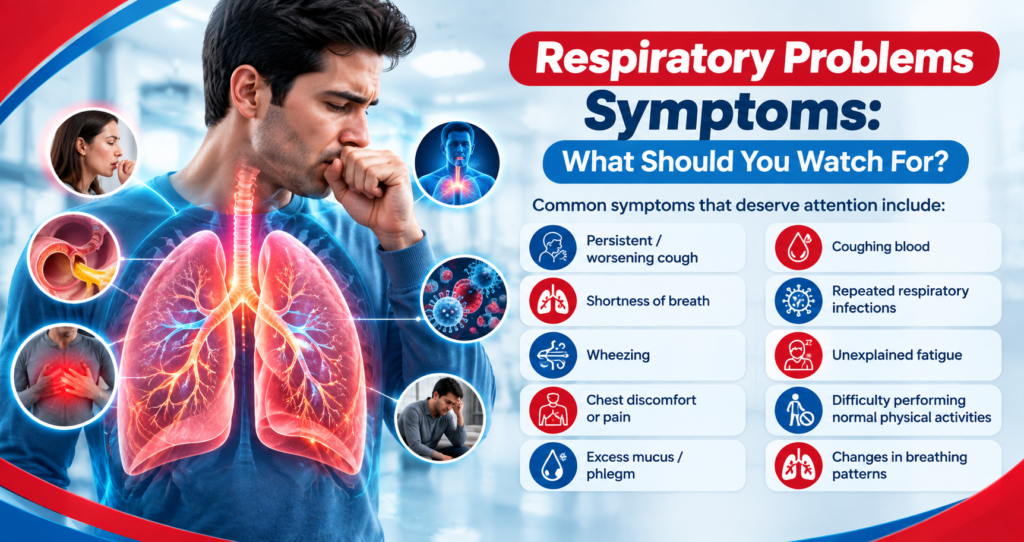
Respiratory symptoms can vary significantly depending on their underlying cause. They may develop suddenly during an infection or gradually over months or years.
Common symptoms that deserve attention include:
- Persistent or worsening cough
- Shortness of breath
- Wheezing or noisy breathing
- Chest discomfort or pain
- Excess mucus or phlegm
- Coughing blood
- Repeated respiratory infections
- Unexplained fatigue
- Difficulty performing normal physical activities
- Changes in breathing patterns
The American Lung Association identifies chronic cough, shortness of breath, chronic mucus production, wheezing, coughing up blood and unexplained chest pain among important warning signs of lung disease.
A single symptom does not necessarily mean someone has serious lung disease. However, symptoms that persist, repeatedly return, become worse or interfere with everyday activities should be discussed with a healthcare professional.
Lung Health Symptoms: 7 Changes You Should Not Ignore
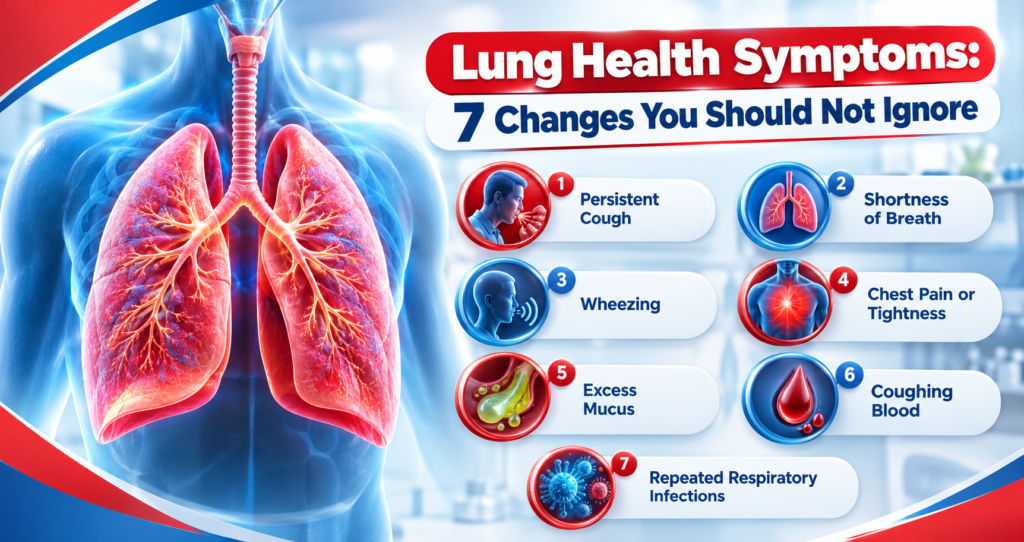
Understanding lung health symptoms can help people recognize when normal respiratory changes have become something that deserves medical attention.
1. Persistent Cough
An occasional cough is a normal protective reflex that helps clear irritants and mucus from the airways. However, a cough that does not go away deserves attention.
The American Lung Association defines a chronic cough as one lasting eight weeks or longer in adults. Persistent coughing can have many causes, including asthma, COPD, allergies, reflux, smoking and other conditions.
A persistent cough accompanied by breathing difficulty, chest pain, blood or significant mucus production should be evaluated by a healthcare professional.
2. Shortness of Breath
Shortness of breath means feeling unable to breathe normally or get enough air. It may occur during physical activity, while performing everyday tasks or sometimes even at rest.
Occasional breathlessness can occur after strenuous exercise or exposure to extreme conditions. However, unexplained or worsening breathlessness should not simply be attributed to age or lack of fitness.
3. Wheezing
Wheezing symptoms often sound like a high-pitched whistling noise when breathing. Wheezing can occur when airways become narrowed or obstructed.
Asthma and COPD are among the conditions that can cause wheezing, although other respiratory problems can also produce this symptom.
4. Chest Pain or Tightness
Chest discomfort can have many causes, and not all chest pain originates from the lungs. However, unexplained or persistent chest pain, particularly when associated with breathing difficulties or coughing, should not be ignored.
The American Lung Association lists unexplained chronic chest pain among warning signs that may warrant medical evaluation.
5. Excess Mucus
Mucus is part of the body’s normal defense system. However, persistent or increased mucus production can sometimes be associated with respiratory disease.
Pay attention to changes in the amount, color or consistency of mucus, particularly when accompanied by cough, fever or breathing difficulties.
6. Coughing Blood
Coughing blood also known as hemoptysis—should always be taken seriously. Blood may come from the lungs or upper respiratory tract and can have different causes.
Because coughing blood can sometimes indicate a significant health problem, medical assessment is important rather than attempting to determine the cause at home.
7. Repeated Respiratory Infections
Frequent episodes of bronchitis or pneumonia can sometimes be associated with underlying lung conditions. Recurrent infections are among the symptoms that may occur with conditions such as COPD and some other chronic lung diseases.
Respiratory Disease Symptoms: Common Signs of Lung Conditions
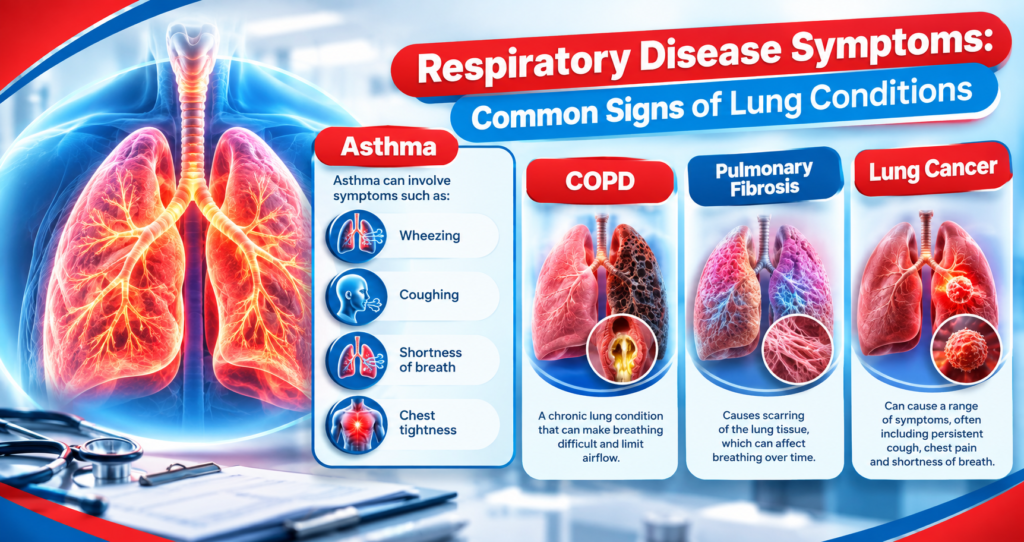
Different respiratory diseases can produce overlapping symptoms. This is one reason self-diagnosis can be difficult.
Asthma
Asthma can involve symptoms such as:
- Wheezing
- Coughing
- Shortness of breath
- Chest tightness
Symptoms may come and go and can be triggered by allergens, infections, exercise, smoke or other irritants.
COPD
Chronic obstructive pulmonary disease, or COPD, can develop gradually. Common symptoms include shortness of breath, chronic cough, mucus production, wheezing, chest tightness and fatigue. Repeated respiratory infections may also occur.
Pulmonary Fibrosis
Pulmonary fibrosis can cause progressive difficulty breathing. Common symptoms include shortness of breath, particularly during activity, and a persistent dry cough. Fatigue and other symptoms can also occur.
Lung Cancer
Possible respiratory disease symptoms associated with lung cancer include a cough that does not go away or worsens, hoarseness, persistent chest pain, shortness of breath, wheezing, recurrent lung infections and coughing blood. However, these symptoms can also occur with other conditions and do not by themselves establish a diagnosis.
Lung Disease Warning Signs: When Symptoms Need Medical Attention
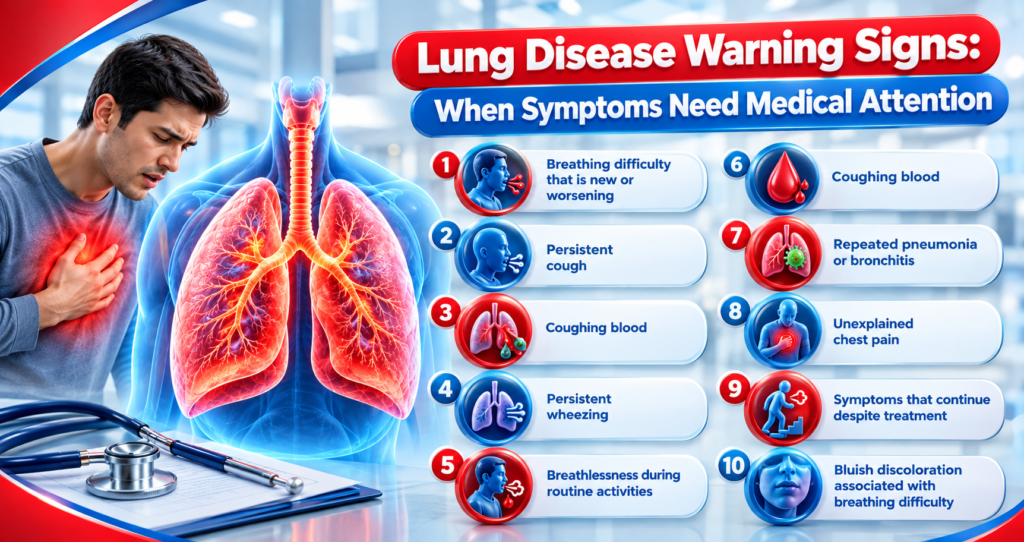
Some lung disease warning signs deserve particular attention because they may indicate a problem requiring timely assessment.
These include:
- Breathing difficulty that is new or worsening
- Persistent cough
- Coughing blood
- Repeated pneumonia or bronchitis
- Unexplained chest pain
- Persistent wheezing
- Breathlessness during routine activities
- Significant changes in exercise tolerance
- Symptoms that continue despite treatment
- Bluish discoloration associated with breathing difficulty
Early evaluation does not necessarily mean that a serious disease will be diagnosed. It simply provides an opportunity to identify the cause and determine whether treatment or monitoring is necessary.
Breathing Problems: Why You Should Not Ignore Changes
Breathing problems can have many causes. Respiratory infections, asthma, COPD, allergies, environmental exposures and other medical conditions can all affect breathing.
Shortness of breath may develop gradually or appear suddenly. According to the American Lung Association, sudden shortness of breath can have several possible causes, including asthma exacerbation, pneumonia, pulmonary embolism and heart-related conditions.
If breathing difficulty is severe, sudden or accompanied by symptoms such as chest pain, fainting, severe dizziness or bluish lips/skin, urgent medical attention is appropriate.
Shortness of Breath: A Symptom Worth Investigating
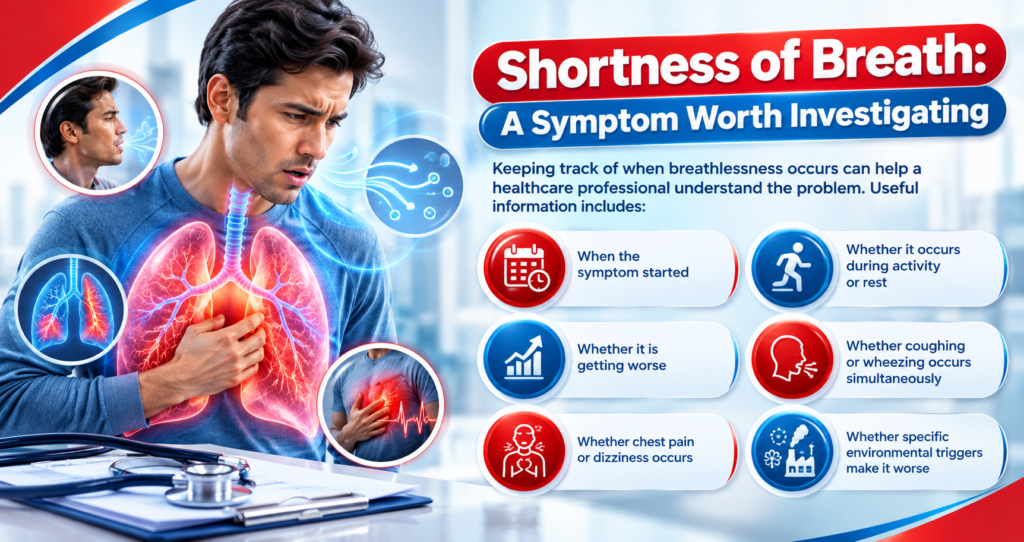
Shortness of breath should not automatically be considered a normal consequence of getting older.
It can occur during exercise, walking, climbing stairs or performing daily activities. In some situations, it may also occur while resting.
Keeping track of when breathlessness occurs can help a healthcare professional understand the problem. Useful information includes:
- When the symptom started
- Whether it occurs during activity or rest
- Whether it is getting worse
- Whether coughing or wheezing occurs simultaneously
- Whether chest pain or dizziness occurs
- Whether specific environmental triggers make it worse
Depending on the situation, healthcare professionals may assess oxygen levels, listen to the lungs and consider blood tests, imaging or lung function testing.
Persistent Cough: When Is It More Than a Simple Cough?
A persistent cough can result from many different conditions. Common causes include respiratory infections, asthma, COPD, allergies, postnasal drip, reflux and smoking.
A cough lasting longer than eight weeks in an adult is considered chronic.
However, you do not necessarily have to wait eight weeks before discussing a concerning cough with a doctor. A cough that is worsening, affecting sleep or daily activities, or accompanied by breathing difficulty, chest pain, fever or blood should receive appropriate medical attention.
Chest Pain and Wheezing Symptoms: What They May Indicate
Chest pain and wheezing symptoms can occur together with several respiratory conditions, but they can also have causes outside the lungs.
Wheezing may indicate narrowed airways, while chest discomfort can occur with respiratory infections or other conditions. Because chest symptoms can sometimes be serious, persistent or unexplained chest pain should be medically assessed.
If chest pain occurs with significant shortness of breath, fainting, severe weakness or other concerning symptoms, seek urgent medical care.
Coughing Blood: A Symptom You Should Never Ignore
Coughing blood is one of the symptoms that deserves prompt medical evaluation.
The amount and appearance of blood can vary, and the source may not always be the lungs. Possible causes range from infections and airway irritation to more serious respiratory conditions.
The important point is that blood in the cough should not simply be dismissed or treated with home remedies without determining the cause.
If coughing blood is accompanied by severe breathing difficulty, seek emergency medical attention.
Lung Infection Symptoms: Recognizing Possible Respiratory Infections
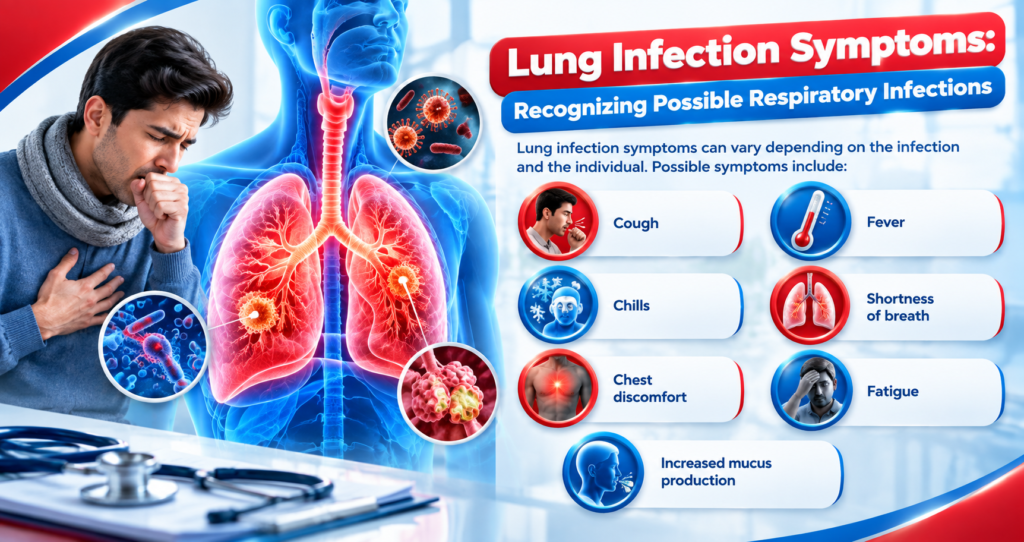
Lung infection symptoms can vary depending on the infection and the individual. Possible symptoms include:
- Cough
- Fever
- Chills
- Shortness of breath
- Chest discomfort
- Fatigue
- Increased mucus production
Pneumonia and other respiratory infections can sometimes cause significant breathing difficulties. People with existing lung conditions may also be more vulnerable to complications.
Repeated infections should be discussed with a healthcare professional, especially when symptoms do not resolve as expected.
Respiratory Health: Everyday Steps That Support Healthy Lungs
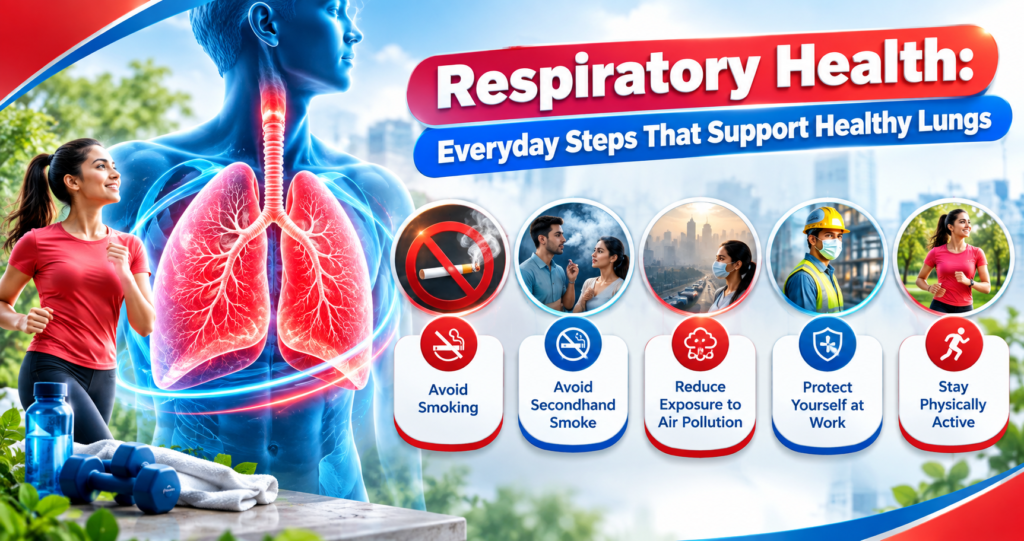
Protecting respiratory health involves reducing preventable exposures and maintaining healthy habits.
Some useful measures include:
Avoid Smoking
Tobacco smoke is a major risk factor for several lung diseases. Quitting smoking can benefit lung and overall health.
Avoid Secondhand Smoke
Even people who do not smoke can be exposed to tobacco smoke. Reducing exposure can help protect respiratory health.
Reduce Exposure to Air Pollution
Outdoor and indoor air pollution can affect respiratory health. When air quality is poor, reducing exposure where practical can be helpful.
Protect Yourself at Work
People working around dust, chemicals, fumes or other airborne irritants should follow workplace safety measures and use appropriate protective equipment.
Occupational exposures are among the factors associated with chronic lung disease.
Stay Physically Active
Appropriate physical activity supports overall health and can help maintain physical fitness. People with existing respiratory conditions should discuss suitable exercise levels with their healthcare professional.
Lung Disease Prevention: Protect Your Lungs Throughout Life
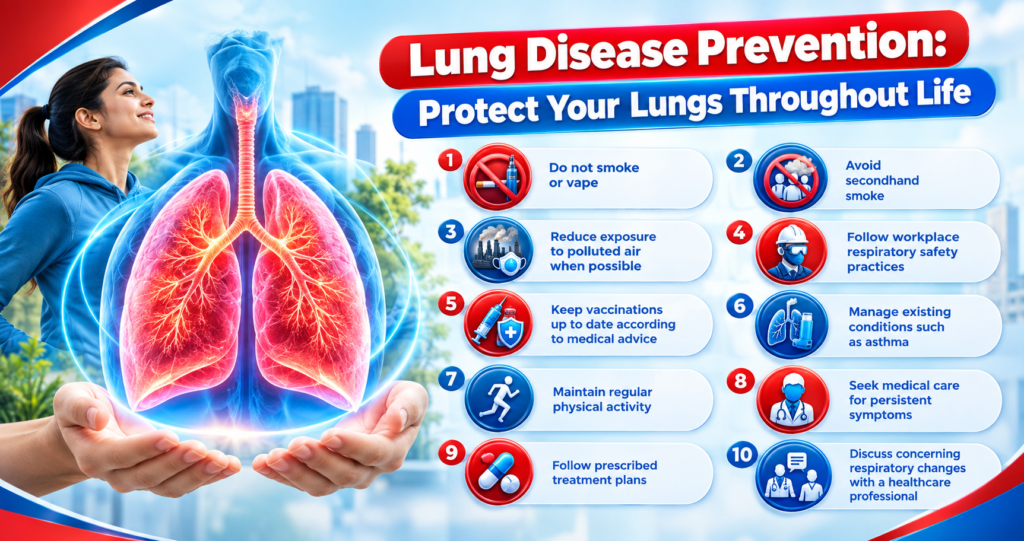
Lung disease prevention starts with understanding personal risk factors and reducing avoidable exposures.
Important preventive steps can include:
- Do not smoke or vape
- Avoid secondhand smoke
- Reduce exposure to polluted air when possible
- Follow workplace respiratory safety practices
- Keep vaccinations up to date according to medical advice
- Manage existing conditions such as asthma
- Maintain regular physical activity
- Seek medical care for persistent symptoms
- Follow prescribed treatment plans
- Discuss concerning respiratory changes with a healthcare professional
The 2026 World Lung Day campaign emphasizes lung health across the lifespan, from healthy lung development and growth to maintaining healthy lungs throughout life.
Healthy Lungs: Habits That Can Make a Difference
Maintaining healthy lungs is not about one single habit. It is a long-term approach that combines prevention, awareness and timely healthcare.
A healthy-lung lifestyle includes avoiding tobacco smoke, limiting exposure to harmful pollutants, staying active, maintaining good general health and taking respiratory symptoms seriously.
People with chronic respiratory conditions should also follow their healthcare professional’s recommendations and avoid stopping prescribed medication without medical guidance.
Pulmonary Health: Why Early Awareness Matters
Pulmonary health refers broadly to the health and function of the lungs and respiratory system.
Some lung conditions develop gradually. A person may initially notice that they cannot walk as far, climb stairs as easily or exercise for as long as before. These changes can be subtle and may be attributed to aging, weight or reduced fitness.
However, unexplained changes in breathing capacity deserve attention. The American Lung Association notes that chronic shortness of breath and cough should not simply be considered normal aging.
Recognizing changes early can encourage appropriate evaluation and, when necessary, earlier management.
Respiratory Illness: Who May Need Extra Attention?
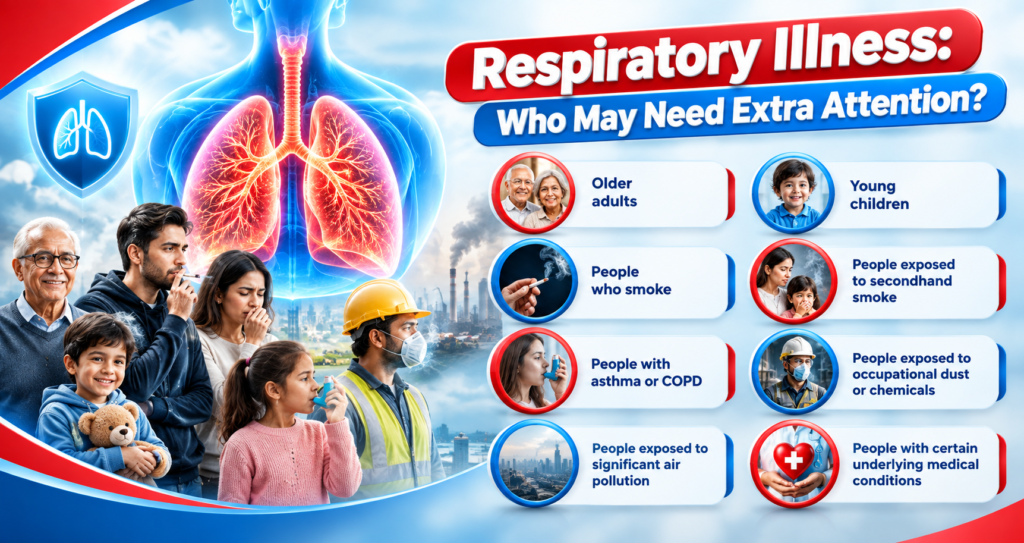
Anyone can experience a respiratory illness, but some people may have a greater risk of complications or chronic respiratory problems.
These may include:
- Older adults
- Young children
- People who smoke
- People exposed to secondhand smoke
- People with asthma or COPD
- People exposed to occupational dust or chemicals
- People exposed to significant air pollution
- People with certain underlying medical conditions
Risk varies between individuals, so preventive and medical recommendations should be personalized.
Lung Health Awareness: Small Symptoms Can Provide Important Clues
Lung health awareness means paying attention to changes rather than waiting until symptoms become severe.
A useful approach is to notice:
Duration: How long has the symptom lasted?
Frequency: Does it happen occasionally or repeatedly?
Progression: Is it getting worse?
Triggers: Does exercise, smoke, dust, cold air or another exposure make it worse?
Associated symptoms: Is there fever, chest pain, wheezing, mucus or blood?
Keeping a simple record of symptoms can help a healthcare professional understand the pattern and decide whether further evaluation is appropriate.
Early Signs of Lung Disease: Why Early Detection Matters
The early signs of lung disease are not always dramatic. A mild cough, occasional wheezing or gradual breathlessness may initially seem unimportant.
However, early symptoms can sometimes provide an opportunity to investigate a condition before it becomes more advanced. The American Lung Association emphasizes that recognizing warning signs and seeking evaluation can support earlier diagnosis and treatment.
Importantly, these symptoms do not automatically mean someone has lung disease. Many respiratory symptoms have relatively common and treatable causes. Professional assessment is needed to determine what is actually causing them.
When to See a Doctor for Breathing Problems
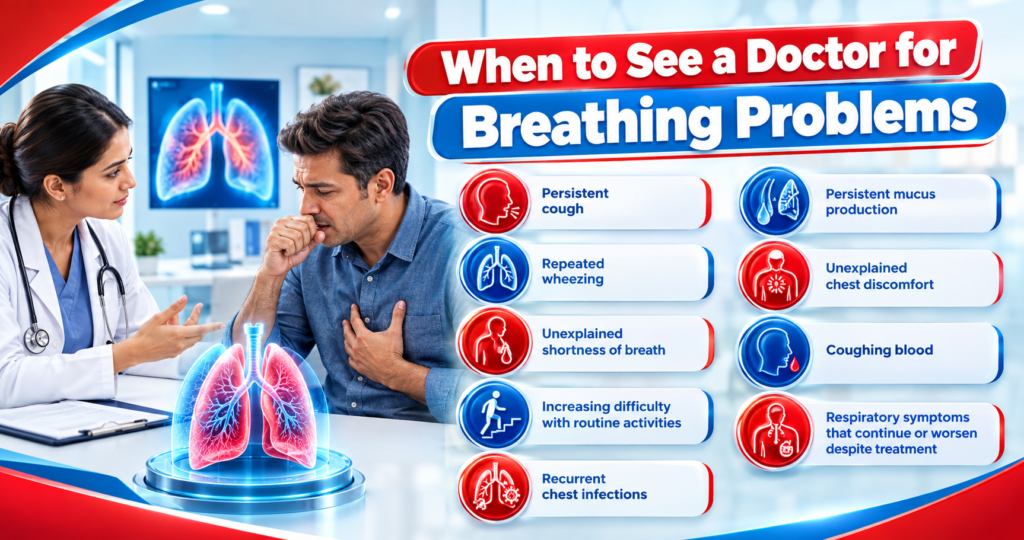
Knowing when to see a doctor for breathing problems is an important part of respiratory health.
Consider arranging a medical consultation if you experience:
- Persistent cough
- Repeated wheezing
- Unexplained shortness of breath
- Increasing difficulty with routine activities
- Recurrent chest infections
- Persistent mucus production
- Unexplained chest discomfort
- Coughing blood
- Respiratory symptoms that continue or worsen despite treatment
A healthcare professional may review your medical history, perform a physical examination and recommend appropriate tests based on your symptoms.
Possible investigations can include blood tests, chest X-ray or CT imaging, sputum testing and lung function tests such as spirometry, depending on the suspected cause.
What Tests May Be Used to Evaluate Lung Symptoms?
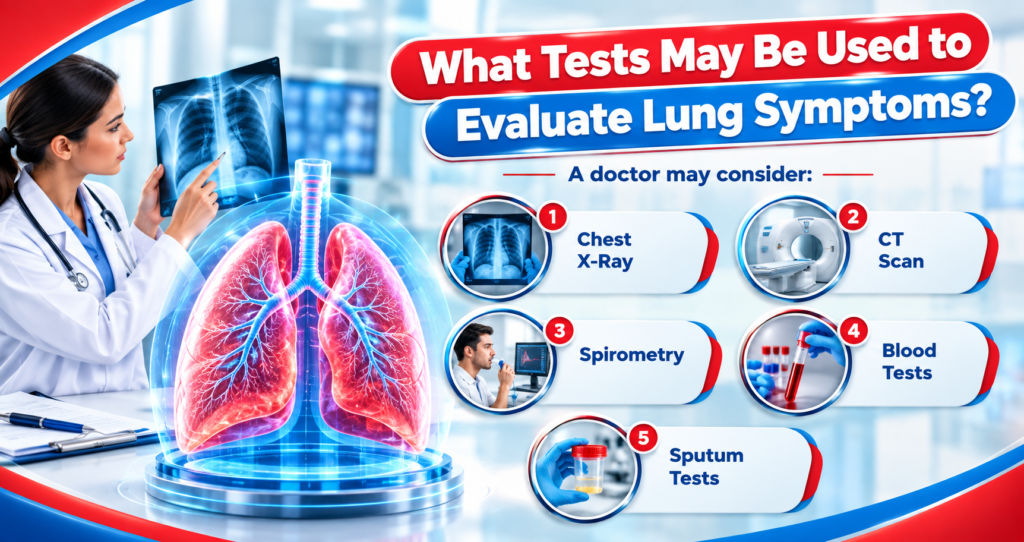
There is no single test for every respiratory problem. The appropriate investigation depends on symptoms, medical history and clinical findings.
A doctor may consider:
Chest X-Ray
A chest X-ray can help identify certain abnormalities involving the lungs and chest.
CT Scan
A CT scan can provide more detailed images of the lungs and may be recommended in specific situations.
Spirometry
Spirometry is a lung function test commonly used when conditions such as COPD or asthma are suspected.
Blood Tests
Blood tests may be used to look for signs of infection, inflammation or other conditions depending on the clinical situation.
Sputum Tests
When a person produces mucus, a sputum sample may sometimes be tested to investigate infection or other causes.
The exact tests should be determined by a healthcare professional rather than selected solely based on symptoms.
World Lung Day 2026: Make Lung Health a Lifelong Priority
World Lung Day 2026 is a reminder that lung health deserves attention throughout life. The 2026 campaign, “A Lifetime of Lung Health,” focuses on supporting healthy lungs from development and growth through lifelong maintenance.
This year’s awareness effort provides an opportunity to learn about respiratory problems symptoms, recognize lung disease warning signs, reduce preventable risk factors and understand the importance of timely medical care.
Do not ignore significant changes in your breathing. A persistent cough, unexplained shortness of breath, recurring respiratory infections, wheezing, chest discomfort or coughing blood may require professional evaluation.
Leave a Reply