
World Mitochondrial Disease Week 2026: Understanding the Importance of Awareness


World Mitochondrial Disease Week 2026 provides an opportunity to increase public understanding of mitochondrial diseases, recognize the experiences of affected individuals and families, and highlight the importance of research and specialized healthcare.
Mitochondrial diseases are a diverse group of disorders associated with problems involving mitochondria—the structures inside cells that produce energy needed for many essential biological processes. Because almost every organ requires energy to function, mitochondrial disorders can affect multiple parts of the body. The brain, muscles, heart, eyes, ears, liver, kidneys, and endocrine system may be involved, although the pattern differs considerably from one person to another.
Awareness is particularly important because mitochondrial diseases can be difficult to recognize. Symptoms may resemble those of many other conditions, and some people experience a combination of seemingly unrelated health problems.
World Mitochondrial Disease Week can therefore help encourage informed conversations among patients, families, healthcare professionals, researchers, and the wider community.
Mitochondrial Diseases: What Are They?
Mitochondrial diseases are a group of conditions in which mitochondria do not function normally. Mitochondria are often described as the “powerhouses” of cells because they generate much of the energy cells need in the form of adenosine triphosphate, or ATP.
However, mitochondria have roles beyond energy production. They participate in cellular signaling, metabolism, and processes involved in maintaining healthy cells. Consequently, mitochondrial dysfunction can have effects beyond simple energy deficiency.
There are many different mitochondrial diseases, and they can vary substantially in their genetic causes, symptoms, age of onset, severity, and progression. Some primarily affect one organ, while others involve several body systems. Great Ormond Street Hospital notes that mitochondrial diseases comprise more than 400 rare genetic conditions.
This diversity is one reason why mitochondrial disease awareness and medical education are important.
Cellular Energy Production and the Role of Mitochondria
Understanding cellular energy production helps explain why mitochondrial diseases can affect so many organs.
Cells need energy to perform essential functions. Mitochondria convert energy from nutrients into ATP through complex biochemical pathways, including oxidative phosphorylation. Tissues with particularly high energy requirements—such as the brain, skeletal muscles, heart, and other organs—can be especially vulnerable when mitochondrial energy production is impaired.
When mitochondria cannot produce sufficient energy efficiently, cells may struggle to perform their normal functions. The resulting effects depend on which tissues are affected and how significant the mitochondrial impairment is.
This helps explain why one person may primarily experience muscle fatigue while another may have neurological, visual, hearing, cardiac, gastrointestinal, or endocrine manifestations.
Mitochondrial Dysfunction and Its Effects on the Body
Mitochondrial dysfunction occurs when mitochondria are unable to perform their normal functions adequately. In primary mitochondrial disorders, this dysfunction can result from genetic changes affecting mitochondrial DNA or nuclear DNA.
The consequences can be complex because mitochondrial function is connected to numerous cellular processes. Some individuals may have symptoms involving a single body system, while others have multisystem disease.
The variability of mitochondrial dysfunction is also one reason patients can receive different diagnoses before a mitochondrial disorder is considered.
Healthcare professionals may need to examine the overall pattern of symptoms rather than focusing on only one complaint.
Mitochondrial Disease Symptoms: Recognizing Common Signs
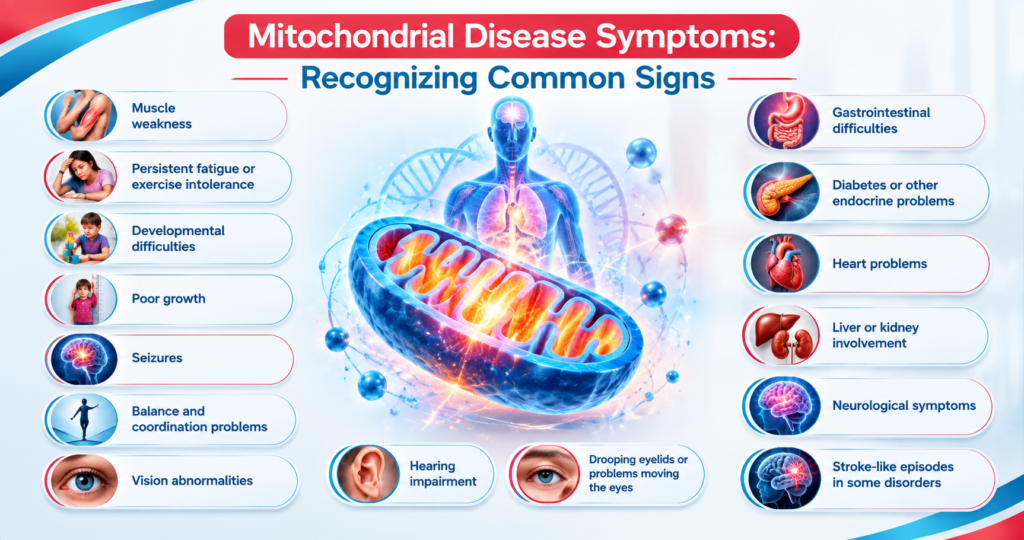
Mitochondrial disease symptoms can differ significantly according to the specific disorder, affected tissues, age, and severity.
Possible symptoms and clinical features include:
- Muscle weakness
- Persistent fatigue or exercise intolerance
- Developmental difficulties
- Poor growth
- Seizures
- Balance and coordination problems
- Vision abnormalities
- Hearing impairment
- Drooping eyelids or problems moving the eyes
- Gastrointestinal difficulties
- Diabetes or other endocrine problems
- Heart problems
- Liver or kidney involvement
- Neurological symptoms
- Stroke-like episodes in some disorders
Not every person with mitochondrial disease will experience these symptoms, and having one or more of them does not by itself mean someone has a mitochondrial disorder.
A key feature of mitochondrial disease is its variability. Two people with related genetic changes may have different symptoms or different levels of severity.
Mitochondrial Disease Causes: Why Do Mitochondrial Disorders Develop?
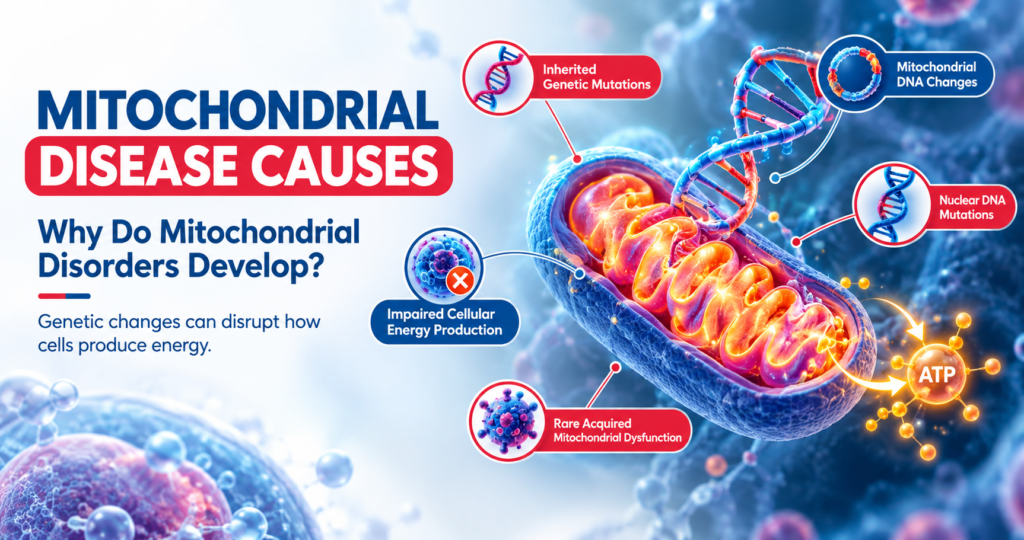
Understanding mitochondrial disease causes requires looking at genetics and mitochondrial biology.
Some mitochondrial diseases are caused by genetic variants in mitochondrial DNA (mtDNA), while others result from changes in nuclear DNA (nDNA)—the genetic material contained in the cell nucleus. Nuclear genes provide instructions for many proteins required for mitochondrial structure and function.
Genetic changes may be inherited or, in some circumstances, arise as new changes in an individual. Some mitochondrial disorders follow maternal inheritance patterns associated with mitochondrial DNA, while others can follow autosomal dominant, autosomal recessive, or X-linked inheritance.
Because mitochondrial genetics is complicated, determining the exact cause can require specialized genetic evaluation.
Mitochondrial Disease Genetics: Understanding the Genetic Connection
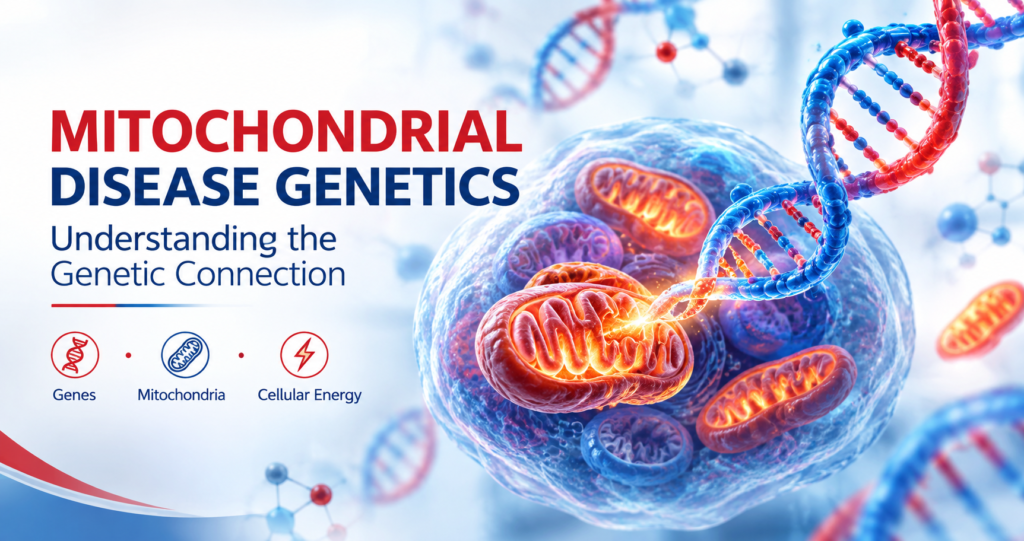
Mitochondrial disease genetics is an important area of medical research and clinical care.
Unlike most of the DNA in our cells, mitochondrial DNA is located inside mitochondria. Human mitochondrial DNA contains genes important for mitochondrial function, while many additional genes needed for mitochondrial activity are located in nuclear DNA.
Another important concept is heteroplasmy, in which cells can contain a mixture of normal and altered mitochondrial DNA. The proportion and distribution of mitochondrial DNA variants can contribute to differences in symptoms and disease severity.
Genetic counseling may be useful for individuals and families when a mitochondrial disorder has been diagnosed or is suspected. A molecular diagnosis can provide information that may help with family counseling and, depending on the condition, medical management.
Mitochondrial Disease Diagnosis: Why It Can Be Challenging
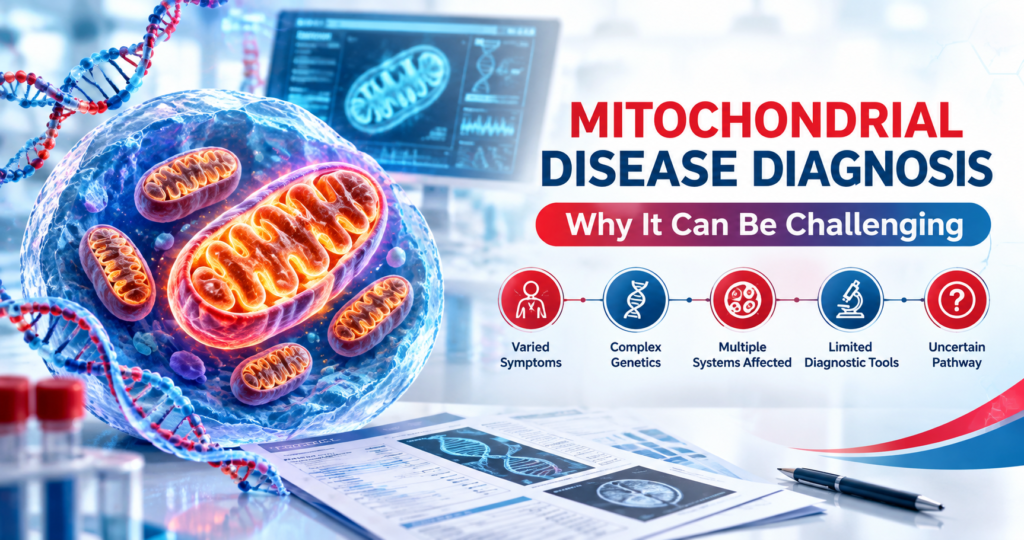
Mitochondrial disease diagnosis can be complex because mitochondrial disorders can resemble many other diseases.
Doctors generally consider the person’s medical history, symptoms, physical examination, family history, and results from appropriate investigations. Depending on the suspected condition, testing may include blood tests and urine tests, metabolic investigations, genetic testing, brain imaging, heart assessments, and other specialized evaluations. Muscle biopsy may be considered in selected cases.
Modern genetic testing has become increasingly important in mitochondrial medicine. Testing may include mitochondrial DNA analysis, targeted gene panels, whole-exome sequencing, or whole-genome sequencing, depending on the clinical situation.
Importantly, diagnosis should be guided by appropriately trained healthcare professionals. A single symptom or laboratory result should not be used to diagnose mitochondrial disease independently.
Mitochondrial Disease Treatment: Current Approaches to Care
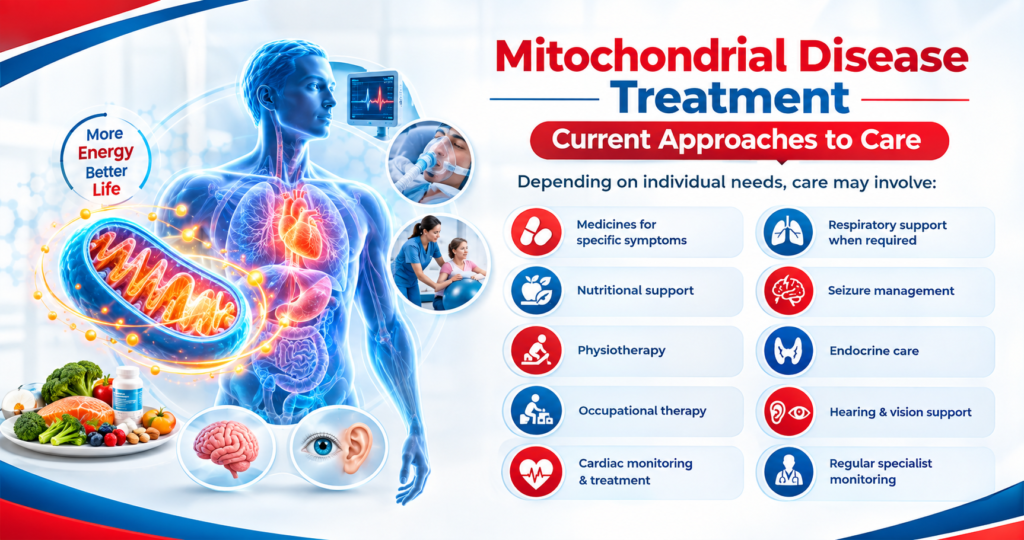
Mitochondrial disease treatment depends on the specific disorder and the organs affected.
There is currently no single curative treatment for most primary mitochondrial diseases. Instead, treatment commonly focuses on managing symptoms, supporting affected organs, preventing complications where possible, and helping patients maintain quality of life.
Depending on individual needs, care may involve:
- Medicines for specific symptoms
- Nutritional support
- Physiotherapy
- Occupational therapy
- Cardiac monitoring and treatment
- Respiratory support when required
- Management of seizures
- Endocrine care
- Hearing or vision support
- Regular specialist monitoring
Some patients may also receive specific vitamins, cofactors, or other supplements as part of their individualized care. However, treatment should be discussed with a qualified healthcare professional because evidence and recommendations vary between mitochondrial disorders.
Mitochondrial Disease Complications: Why Monitoring Matters
Mitochondrial disease complications depend on the particular disorder and organs involved.
Possible complications can include neurological problems, seizures, muscle weakness, cardiac abnormalities, hearing or vision impairment, endocrine disorders, gastrointestinal problems, and difficulties with growth or development.
Some individuals may experience changes in symptoms during periods of physiological stress, such as illness. For this reason, people with mitochondrial disease may require individualized emergency and care plans.
Regular monitoring can help healthcare professionals identify complications and provide appropriate support as early as possible.
Mitochondrial Disease Management: A Multidisciplinary Approach
Mitochondrial disease management often requires collaboration among several healthcare professionals.
Depending on the patient’s needs, the care team may include neurologists, geneticists, metabolic specialists, cardiologists, endocrinologists, ophthalmologists, audiologists, dietitians, physiotherapists, occupational therapists, and other specialists.
A multidisciplinary approach is useful because mitochondrial disorders can affect several systems at once. Management may involve regular assessments, symptom-specific treatments, nutritional planning, rehabilitation, genetic counseling, and monitoring for complications.
Individualized care is especially important because there is no single management plan that applies to every mitochondrial disease patient.
Mitochondrial Disease Healthcare: The Importance of Specialized Care
Effective mitochondrial disease healthcare requires awareness of the complex and variable nature of these conditions.
Healthcare professionals who understand mitochondrial disorders can help recognize patterns that might otherwise be overlooked. Earlier consideration of a mitochondrial disorder may lead to appropriate specialist referral and testing.
Because the disorders can involve several organ systems, communication between specialists is also important. Coordinated care can help reduce fragmented treatment and ensure that different aspects of a patient’s health are considered together.
Specialized mitochondrial medicine continues to evolve as researchers learn more about genetics, metabolism, disease mechanisms, and potential treatments.
Mitochondrial Disease Research: Exploring New Possibilities
Mitochondrial disease research is expanding knowledge about how mitochondrial dysfunction develops and how it might be treated.
Researchers are investigating genetic mechanisms, mitochondrial biology, energy metabolism, biomarkers, drug therapies, and approaches designed to improve mitochondrial function. Advances in genomic technologies have also helped scientists identify disease-associated genes and improve understanding of previously unexplained cases.
Research is particularly important because mitochondrial diseases are genetically and clinically diverse. A therapy that may be relevant to one mitochondrial disorder may not be appropriate for another.
Clinical research and trials are therefore essential for determining which potential therapies are safe and effective.
As research progresses, better diagnostic tools and more targeted approaches may become available.
Mitochondrial Disease Support: Helping Patients and Families
Mitochondrial disease support extends beyond medical treatment.
Living with a rare and complex condition can affect education, employment, family responsibilities, emotional well-being, finances, and everyday activities. Families may also need help understanding a diagnosis and navigating different healthcare services.
Patient organizations, support groups, genetic counseling services, specialist clinics, and reliable educational resources can provide valuable assistance.
Support should be tailored to the individual’s needs. Some people may require physical or occupational support, while others may primarily need assistance with education, accessibility, healthcare coordination, or family counseling.
World Mitochondrial Disease Week can help bring greater visibility to these experiences.
Mitochondrial Disease Patients: Understanding Individual Experiences
Mitochondrial disease patients do not all experience the condition in the same way.
One person may have relatively mild symptoms, while another may have significant multisystem involvement. Age at onset can also vary, and symptoms may change throughout a person’s life.
This variability is important when discussing mitochondrial diseases because broad assumptions can overlook individual experiences.
Patients and families should be encouraged to communicate openly with their healthcare teams about changes in symptoms, treatment concerns, daily challenges, and support needs.
Patient experiences can also contribute to research by helping researchers and clinicians understand how mitochondrial diseases affect everyday life—not only laboratory measurements.
Rare Diseases Awareness and the Need for Greater Understanding
Rare diseases awareness plays an important role in improving recognition and understanding of conditions that may be unfamiliar to the general public.
Mitochondrial diseases illustrate why awareness matters. Their symptoms can be diverse, diagnosis can be challenging, and patients may need care from multiple specialists.
Awareness campaigns can encourage people to learn about rare diseases while reducing misconceptions surrounding complex health conditions.
However, awareness should be accompanied by accurate medical information. Reliable education can help patients, caregivers, educators, and healthcare professionals understand what mitochondrial diseases are and why appropriate specialist care may be necessary.
Mitochondrial Disease Education: Building Knowledge for Better Care
Mitochondrial disease education is valuable for patients, families, healthcare professionals, schools, workplaces, and communities.
Education can cover the basics of mitochondrial function, common clinical features, genetic concepts, diagnosis, treatment, and available support.
For patients and families, understandable information can make complex medical terminology easier to navigate. For healthcare professionals, continuing education can support recognition of rare and multisystem presentations.
Educational initiatives should rely on evidence-based information and should not encourage people to self-diagnose or replace professional medical advice.
Why World Mitochondrial Disease Week 2026 Matters
World Mitochondrial Disease Week 2026 offers an opportunity to bring together awareness, education, patient experiences, healthcare, and research.
Mitochondrial diseases demonstrate how problems at the cellular level can have effects across the entire body. They also demonstrate the importance of genetics, specialized diagnosis, multidisciplinary care, and continued scientific investigation.
During this awareness week, individuals can learn more about mitochondrial health, share reliable information, support patient communities, and recognize the work of healthcare professionals and researchers.
Greater awareness does not provide an immediate solution to every challenge faced by people with mitochondrial disease, but it can contribute to better understanding and more informed conversations.
Supporting Awareness, Research and Mitochondrial Health
World Mitochondrial Disease Week 2026 is an important opportunity to increase understanding of mitochondrial diseases and the people living with them.
From mitochondrial disease symptoms and mitochondrial disease causes to mitochondrial disease diagnosis, mitochondrial disease treatment, genetics, research, and long-term management, every aspect of mitochondrial medicine highlights the complexity of these disorders.
Mitochondria are fundamental to cellular energy production, and their function influences tissues throughout the body. When mitochondrial function is disrupted, the resulting effects can be highly variable.
Continued mitochondrial disease research, improved mitochondrial disease healthcare, accessible mitochondrial disease education, and meaningful mitochondrial disease support remain important areas of focus.
World Mitochondrial Disease Week can help ensure that mitochondrial diseases receive greater recognition while encouraging accurate information, compassionate support, scientific collaboration, and continued efforts to improve the lives of patients and families.
This article is for general educational and awareness purposes and is not a substitute for individualized medical advice, diagnosis, or treatment from a qualified healthcare professional.
Leave a Reply