
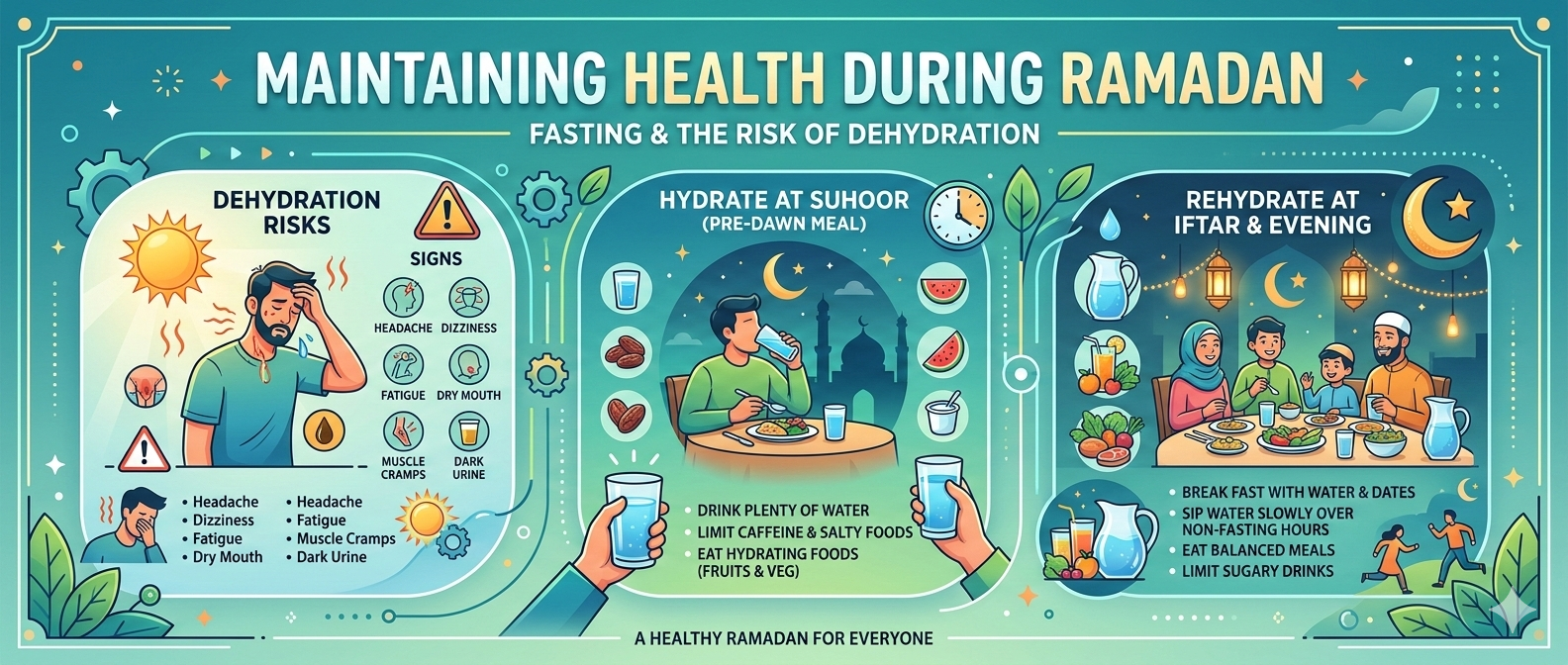
Understanding the Importance of Maintaining Health During Ramadan


Ramadan is a sacred month observed by millions of Muslims around the world, marked by fasting from dawn to sunset. While the spiritual and emotional benefits of fasting are widely recognized, maintaining health during Ramadan is equally important. Fasting is not only a religious practice but also a physical experience that significantly affects the body’s metabolism, hydration levels, and overall energy balance. When people refrain from food and water for long hours, especially in warmer climates or during longer daylight periods, the body must adapt quickly to maintain stability.
One of the biggest challenges during this holy month is managing hydration. Since water intake is restricted during daylight hours, individuals must rely on the limited window between Iftar (breaking the fast) and Suhoor (pre-dawn meal) to replenish lost fluids. Without proper planning, this restricted hydration schedule can lead to fatigue, headaches, dizziness, and reduced concentration. These symptoms may seem minor at first, but they can escalate if dehydration continues for several days.
Another important factor in maintaining health during Ramadan is nutrition. Many people unintentionally make dietary mistakes during the month. Heavy, salty, or sugary meals at Iftar may satisfy hunger temporarily but can worsen dehydration and leave the body feeling sluggish the next day. The goal should be to focus on balanced meals, adequate water intake, and healthy lifestyle choices that support the body throughout the fasting period.
Healthcare professionals often emphasize the importance of awareness during Ramadan. People with medical conditions, such as diabetes, kidney issues, or heart disease, must be especially careful when fasting. Monitoring hydration, maintaining proper nutrition, and paying attention to warning signs from the body are essential steps in avoiding complications.
Another useful option for those who feel uncertain about their health while fasting is to get free doctor consultation through community health programs, clinics, or online medical services available during Ramadan. Medical guidance can help individuals determine whether fasting is safe for them and provide personalized advice on staying hydrated and healthy throughout the month.
Ultimately, Ramadan should be a time of spiritual growth without compromising physical well-being. By understanding the body’s needs and making mindful lifestyle adjustments, people can fully observe the fast while protecting their health and preventing dehydration.
Why Fasting During Ramadan Affects Hydration Levels
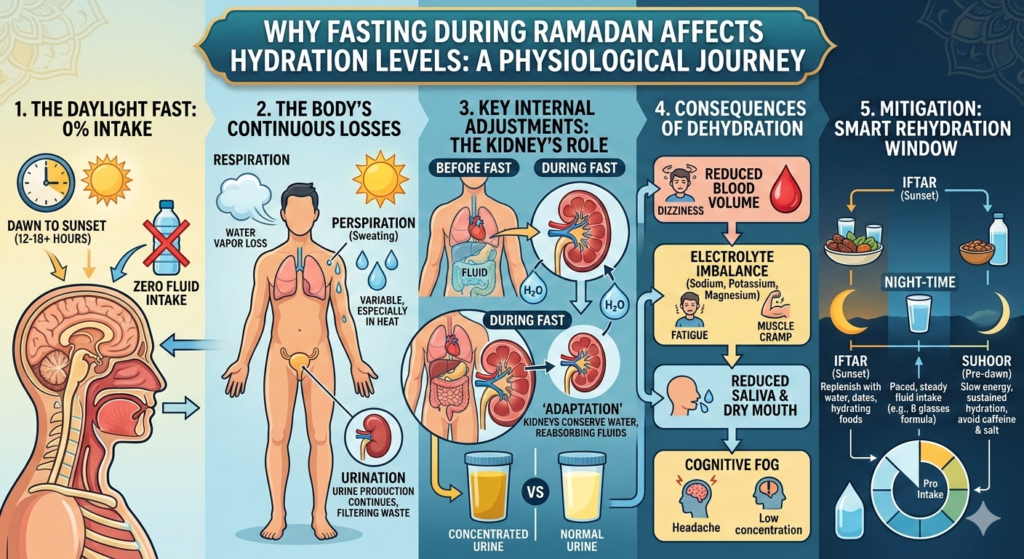
Fasting during Ramadan changes the body’s usual eating and drinking patterns dramatically. Under normal circumstances, most people consume fluids regularly throughout the day. During Ramadan, however, this pattern shifts entirely, as individuals avoid food and water from sunrise until sunset. This shift is why experts often discuss fasting and the risk of dehydration during Ramadan, especially in regions where daylight hours can extend beyond 14 to 16 hours.
The human body is composed of approximately 60% water, and nearly every biological process depends on adequate hydration. Water regulates body temperature, aids digestion, transports nutrients, and helps remove toxins. When water intake drops for extended periods, the body begins to conserve fluids, which can lead to noticeable physical symptoms such as dry mouth, fatigue, and headaches.
Another reason hydration becomes a challenge during Ramadan is the increased fluid loss through everyday activities. Even without drinking water, the body continuously loses fluids through sweat, breathing, and urination. In hot climates, this loss becomes even more significant. If those fluids are not replaced during the non-fasting hours, dehydration can gradually build up over several days.
Lifestyle habits also play a role in hydration levels. For example, consuming caffeinated beverages such as coffee, tea, or energy drinks at Iftar can increase urination and accelerate fluid loss. Similarly, foods high in sodium—like fried snacks or processed meals—can increase thirst and contribute to dehydration during the fasting period.
Sleep patterns during Ramadan also shift. Many people stay awake late into the night for prayers and social gatherings, which may reduce overall rest. Sleep deprivation can make dehydration symptoms feel worse, intensifying feelings of fatigue, irritability, and poor concentration during the day.
To address these challenges, experts recommend a structured hydration plan between Iftar and Suhoor. Drinking water consistently rather than all at once is far more effective for maintaining fluid balance. Eating hydrating foods such as fruits and vegetables can also help replenish lost fluids.
If someone experiences persistent symptoms like dizziness, rapid heartbeat, or confusion while fasting, it may be necessary to get free doctor consultation to evaluate whether dehydration or another health issue is present. Professional advice can help ensure that fasting remains safe and beneficial.
Understanding why fasting affects hydration levels is the first step toward preventing health problems during Ramadan. With mindful planning and healthy habits, individuals can maintain their well-being while observing the fast.
How the Body Responds to Long Hours Without Water
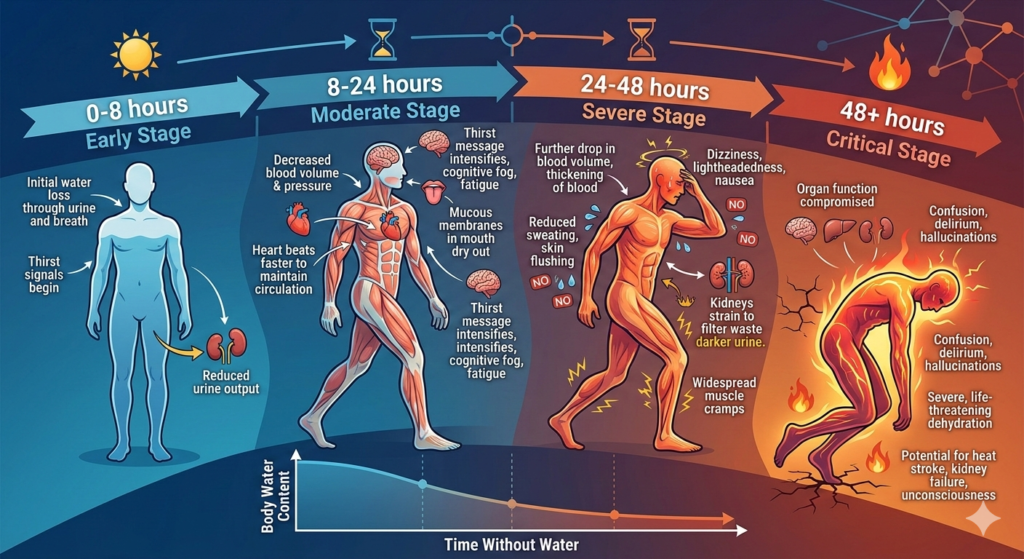
When the body goes several hours without water, it begins a complex process of adaptation designed to preserve essential functions. During Ramadan fasting, these physiological adjustments happen daily, often without people realizing how hard their bodies are working behind the scenes. Understanding this response is key to maintaining health during Ramadan and avoiding complications linked to dehydration.
The first response to reduced water intake is fluid conservation. The body attempts to minimize water loss by decreasing urine production. Hormones such as antidiuretic hormone (ADH) are released, signaling the kidneys to retain more water. While this mechanism helps preserve hydration temporarily, it is not a long-term solution if fluids are not replenished properly during non-fasting hours.
Another noticeable effect occurs in the digestive system. Saliva production may decrease, which can lead to a dry mouth and increased thirst. At the same time, the body slows certain metabolic processes to conserve energy and fluids. Many people notice they feel less energetic or mentally sharp during long fasting days, especially if hydration levels are already low.
Temperature regulation also becomes more challenging when water intake is limited. Sweating is one of the body’s primary cooling mechanisms. When hydration drops, sweating may decrease, which can cause body temperature to rise slightly. In hot climates or physically demanding environments, this can increase the risk of heat exhaustion or heat stress.
Blood circulation is another area affected by dehydration. When fluid levels decline, blood volume may decrease slightly. This can cause symptoms such as dizziness or lightheadedness, particularly when standing up quickly. Some individuals may also experience headaches or difficulty concentrating due to reduced blood flow to the brain.
Nutrition plays a significant role in how well the body manages these changes. Balanced meals at Suhoor and Iftar help maintain electrolyte levels, which are essential for hydration. Electrolytes such as sodium, potassium, and magnesium regulate fluid balance in cells and support normal muscle and nerve function.
If someone repeatedly feels severe weakness, confusion, or persistent dizziness while fasting, it is wise to get free doctor consultation to assess hydration levels and overall health. Medical professionals can determine whether fasting should be modified or temporarily paused to protect the individual’s well-being.
The body is remarkably resilient, and many people successfully fast throughout Ramadan every year. However, understanding how the body responds to long hours without water encourages smarter habits that reduce dehydration risks and help individuals maintain both physical and spiritual balance.
Climate, Lifestyle, and Their Impact on Hydration

Climate and daily lifestyle play a major role in fasting and the risk of dehydration during Ramadan. While fasting practices remain the same worldwide, environmental conditions and individual routines can drastically change how the body experiences the fast. For example, someone fasting in a cooler climate with shorter daylight hours will likely face fewer hydration challenges compared to someone living in a hot region where temperatures exceed 35°C (95°F) and daylight stretches for more than 15 hours.
Hot weather accelerates the body’s fluid loss through sweat. Even when people are not engaging in strenuous physical activity, the body naturally sweats to maintain its internal temperature. During Ramadan, when water intake is restricted during daylight hours, this loss cannot be immediately replaced. As a result, individuals may experience dry skin, headaches, fatigue, and dizziness by the late afternoon.
Lifestyle choices further influence hydration levels. Many people continue working full-time jobs, commuting, and managing family responsibilities during Ramadan. Those who work outdoors—such as construction workers, delivery drivers, or agricultural laborers—are especially vulnerable to dehydration because they are exposed to sunlight and heat for extended periods. In such situations, planning rest periods and limiting intense activity during peak heat hours becomes extremely important.
Sleep patterns during Ramadan also shift significantly. Late-night prayers, social gatherings, and early Suhoor meals can reduce total sleep time. When the body is sleep-deprived, dehydration symptoms often feel more intense. A tired body struggles to regulate temperature and energy levels effectively, making the fasting day feel longer and more exhausting.
Another lifestyle factor that affects hydration is diet. Salty foods, fried snacks, and caffeinated drinks can increase fluid loss. For instance, caffeine acts as a mild diuretic, meaning it encourages the body to produce more urine, which leads to additional fluid loss. People who drink large amounts of coffee or strong tea at Iftar may unknowingly worsen dehydration the next day.
To reduce these risks, health experts recommend building a routine focused on hydration-friendly habits. Drinking water gradually throughout the evening, eating fruits and vegetables rich in water content, and minimizing salty or fried foods can significantly improve hydration levels.
If someone feels persistent weakness, extreme thirst, or signs of dehydration despite following healthy practices, it may be beneficial to get free doctor consultation through local health services or community clinics during Ramadan. Professional guidance can help individuals adjust their fasting routine safely.
Climate and lifestyle differences mean there is no single hydration strategy that works for everyone. The key is awareness—understanding how personal routines and environmental conditions influence hydration, and making thoughtful adjustments to protect health during the fasting month.
Fasting and the Risk of Dehydration During Ramadan
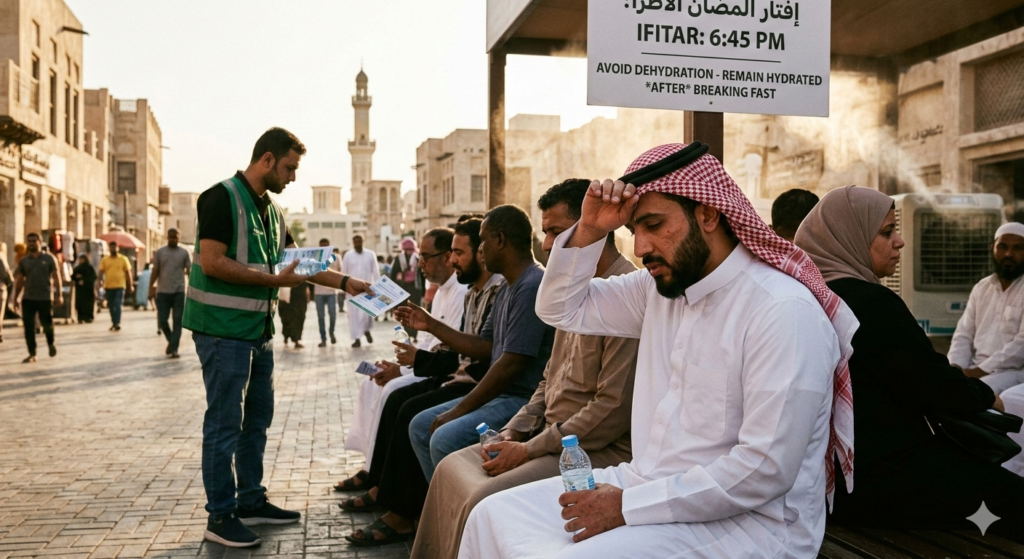
Fasting and the risk of dehydration during Ramadan is one of the most discussed health topics during the holy month. While fasting itself is generally safe for healthy individuals, dehydration becomes a real concern when fluid intake is insufficient during non-fasting hours or when environmental conditions increase fluid loss.
The body constantly loses water through breathing, sweating, and urination. Under normal circumstances, these fluids are replaced throughout the day. During Ramadan, however, the body must rely entirely on the fluids consumed between sunset and dawn. If a person fails to drink enough water during that window, dehydration can gradually develop over several days.
Research suggests that even a 1–2% loss of body water can begin to affect cognitive performance, mood, and physical energy. People may notice symptoms such as headaches, irritability, or reduced concentration. These effects are particularly noticeable during the late afternoon when the fasting period has lasted many hours.
Dehydration can also impact physical performance. Individuals who exercise intensely during Ramadan without proper hydration planning may experience muscle cramps, weakness, or dizziness. Athletes and physically active individuals often adjust their workout schedules to late evening or after Iftar when hydration is possible.
Dietary habits during Ramadan sometimes unintentionally increase dehydration risk. Heavy meals filled with fried foods, sugary desserts, or salty snacks can trigger thirst and lead to fluid imbalance. While these foods may feel satisfying after a long day of fasting, they do little to support the body’s hydration needs.
Hydration strategies are essential for minimizing risks. Health experts often recommend the “8–10 glass rule”, encouraging people to drink several glasses of water between Iftar and Suhoor. Instead of drinking a large amount at once, spreading water intake across the evening helps the body absorb fluids more effectively.
For individuals who experience severe symptoms—such as confusion, rapid heartbeat, fainting, or extremely dark urine—it is important to seek medical advice. Accessing free doctor consultation programs during Ramadan can provide quick evaluation and reassurance. Doctors can assess whether dehydration is present and advise on safe fasting practices.
Fasting is a meaningful spiritual practice, but protecting physical health remains equally important. By understanding dehydration risks and adopting smart hydration strategies, individuals can observe Ramadan while keeping their bodies well-supported and energized.
Common Causes of Dehydration While Fasting
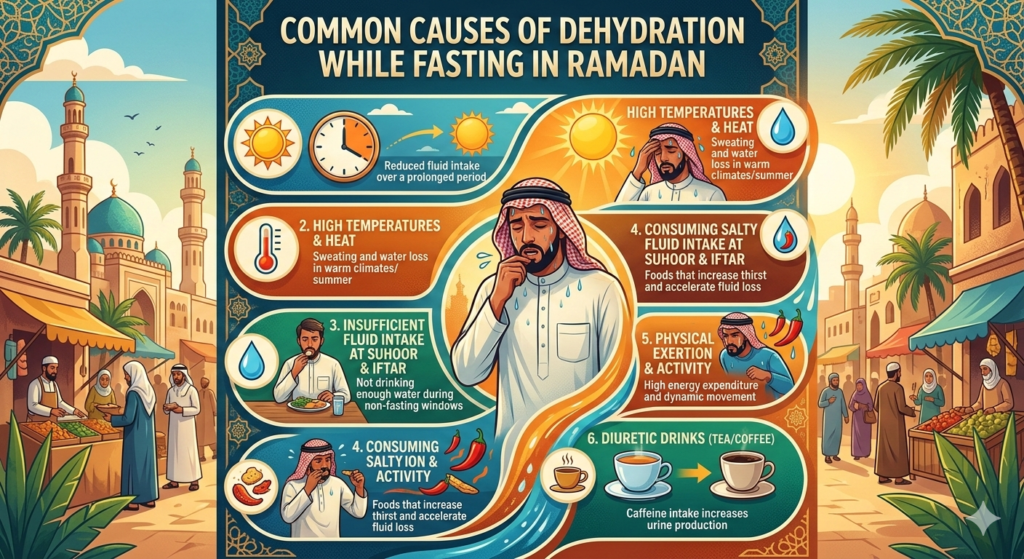
Dehydration during Ramadan rarely occurs from a single factor. Instead, it often develops due to a combination of dietary habits, environmental conditions, and lifestyle patterns. Recognizing these causes helps individuals take proactive steps toward maintaining health during Ramadan.
One of the most common causes is simply insufficient water intake between Iftar and Suhoor. After a long day of fasting, many people focus on food first and drink very little water. Others may drink most of their fluids immediately at Iftar but forget to hydrate later in the evening. The body cannot store large amounts of water all at once, so consistent intake throughout the night is essential.
Another major factor is consuming foods high in salt. Processed foods, pickles, fried snacks, and certain packaged meals contain large amounts of sodium. Sodium increases thirst and causes the body to retain fluids in ways that may disrupt proper hydration balance. The result can be increased thirst and fatigue the following day.
Caffeinated beverages are another hidden contributor to dehydration. Coffee, tea, and energy drinks act as mild diuretics, meaning they encourage the body to produce more urine. Drinking large amounts of caffeine during Ramadan evenings may lead to fluid loss overnight, leaving the body less hydrated the next morning.
Physical activity and heat exposure also contribute to dehydration. Individuals who work in hot environments or participate in physically demanding activities during the day lose more fluids through sweat. Without water intake during daylight hours, this fluid loss cannot be immediately replaced.
Certain health conditions may increase the risk as well. People with diabetes, kidney issues, or digestive disorders may experience faster fluid loss or require higher hydration levels to maintain normal body functions. In these cases, medical guidance becomes especially important.
Sleep deprivation can also play a role. During Ramadan, people often stay awake late for prayers or social gatherings and wake up early for Suhoor. Reduced sleep can worsen fatigue and make dehydration symptoms feel more severe.
Anyone experiencing persistent dehydration symptoms should consider seeking professional advice. Many healthcare programs offer free doctor consultation during Ramadan to help individuals understand whether their symptoms are related to fasting or another health condition.
Awareness of these causes allows people to make smarter choices about hydration, diet, and daily routines. Small adjustments—like drinking water regularly, reducing salt intake, and managing caffeine consumption—can significantly reduce the risk of dehydration while fasting.
Early Warning Signs of Dehydration During Ramadan

Recognizing the early signs of dehydration is essential for anyone observing the fast. The body usually sends clear signals when it needs more fluids, but these signals can sometimes be ignored or mistaken for normal fasting fatigue. Understanding these warning signs helps protect overall health and ensures that fasting remains safe.
One of the earliest and most noticeable signs is persistent thirst. While mild thirst is expected during fasting, extreme thirst accompanied by dry lips, a sticky mouth, or difficulty swallowing may indicate dehydration. These symptoms occur when the body begins conserving fluids and reducing saliva production.
Another common symptom is dark-colored urine. Normally, urine should be pale yellow. When the body lacks sufficient water, urine becomes darker and more concentrated. This is one of the clearest indicators that fluid intake needs to increase during the next non-fasting period.
Headaches are also frequently associated with dehydration. When fluid levels drop, blood volume may decrease slightly, which can reduce oxygen flow to the brain. This often results in throbbing or persistent headaches that become more noticeable in the afternoon.
Fatigue and dizziness are additional warning signs. Dehydration can lower blood pressure and affect circulation, leading to lightheadedness or difficulty concentrating. Some individuals may even feel faint when standing up quickly.
Muscle cramps can occur as well. When the body loses fluids, electrolyte levels may become imbalanced. Electrolytes such as potassium and sodium are essential for muscle function. Without them, muscles may contract involuntarily, causing painful cramps.
If these symptoms become severe—such as confusion, rapid heartbeat, fainting, or extreme weakness—it may be necessary to break the fast and seek medical advice. Many healthcare centers provide free doctor consultation services during Ramadan to ensure people can access guidance quickly.
Listening to the body’s signals is one of the most effective ways to prevent dehydration from becoming dangerous. By paying attention to early warning signs and adjusting hydration habits accordingly, individuals can maintain their well-being while continuing their spiritual journey during Ramadan.
Health Risks Linked to Severe Dehydration During Ramadan
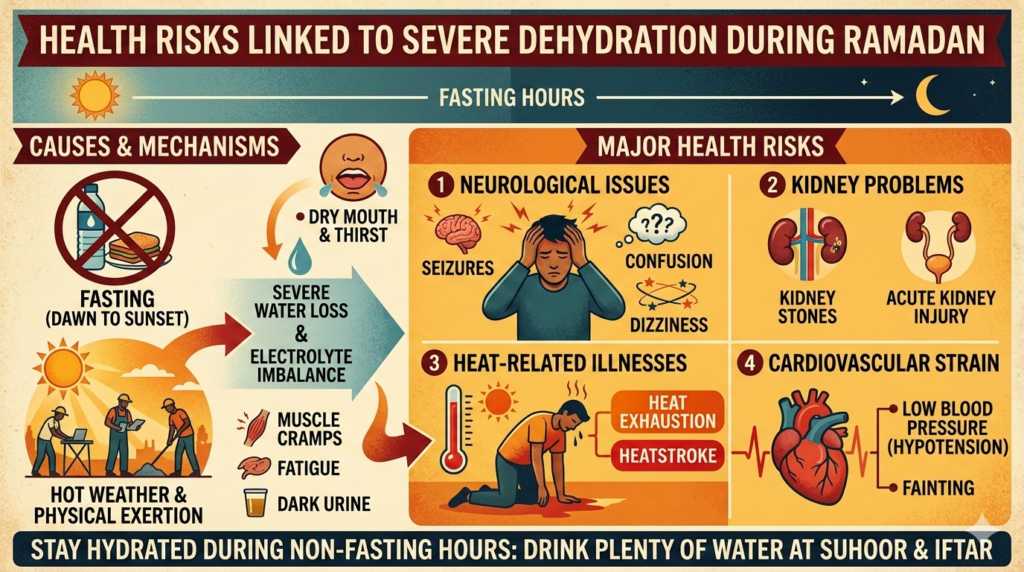
While mild dehydration can cause discomfort, severe dehydration during Ramadan can lead to serious health complications if ignored. The human body depends heavily on water to regulate temperature, maintain blood circulation, support organ function, and remove toxins. When fluid levels drop significantly, these essential processes begin to slow down, potentially affecting several vital systems.
One of the most immediate effects of severe dehydration is a drop in blood pressure. When the body loses too much fluid, blood volume decreases. This can lead to dizziness, fainting, and difficulty concentrating. For individuals who already have low blood pressure or heart conditions, dehydration may increase the risk of more serious cardiovascular issues.
Another concern is the impact on the kidneys. The kidneys play a crucial role in filtering waste products from the blood and regulating fluid balance. When dehydration occurs, the kidneys must work harder to conserve water. Over time, repeated dehydration may increase the risk of kidney stones or urinary tract issues. In extreme cases, severe dehydration can even lead to kidney damage if left untreated.
Heat-related illnesses are another potential risk, especially for individuals fasting in hot climates. When the body lacks sufficient water, it struggles to regulate internal temperature effectively. This can lead to heat exhaustion, which includes symptoms such as excessive sweating, weakness, nausea, and rapid heartbeat. Without proper intervention, heat exhaustion may progress to heat stroke, a medical emergency requiring immediate attention.
Mental performance may also decline when dehydration becomes severe. Studies have shown that losing even 3–4% of body water can significantly affect memory, attention, and decision-making abilities. People may feel confused, irritable, or mentally exhausted during the fasting day if hydration levels are not maintained properly.
Individuals experiencing severe symptoms such as persistent vomiting, confusion, fainting, or inability to urinate should immediately seek medical help. Many communities offer free doctor consultation during Ramadan, allowing people to receive medical advice without financial barriers. Doctors can evaluate symptoms and recommend whether fasting should continue or be temporarily paused for health reasons.
Fasting during Ramadan can be safe and spiritually rewarding when done responsibly. However, understanding the potential health risks associated with severe dehydration encourages individuals to prioritize hydration, nutrition, and rest. Protecting the body ensures that the spiritual benefits of Ramadan are experienced without unnecessary health complications.
Effects on Kidneys, Blood Pressure, and Energy Levels
Among the various complications associated with fasting and the risk of dehydration during Ramadan, the effects on kidneys, blood pressure, and overall energy levels are particularly significant. These three areas are closely connected because the body relies on proper hydration to maintain stable circulation and efficient organ function.
The kidneys are especially sensitive to hydration levels. Their primary role is to filter waste products from the bloodstream and regulate electrolyte balance. When the body becomes dehydrated, the kidneys reduce urine output to conserve water. While this mechanism helps protect the body temporarily, prolonged dehydration can place stress on kidney function. Over time, this may increase the likelihood of kidney stones or urinary tract infections, particularly in individuals who already have a history of kidney issues.
Blood pressure is another factor affected by dehydration. When the body loses fluids, the volume of blood circulating through the vessels decreases slightly. This can cause blood pressure to drop, leading to dizziness, lightheadedness, or fainting. Many people notice these symptoms when standing up quickly after sitting or lying down for a long period. For individuals who already have cardiovascular conditions, maintaining proper hydration becomes even more important during Ramadan.
Energy levels are also heavily influenced by hydration status. Water plays a key role in transporting nutrients and oxygen to cells. When the body lacks sufficient fluids, this transport system becomes less efficient. As a result, individuals may feel unusually tired, sluggish, or mentally foggy during the fasting day. Tasks that normally feel simple—such as focusing at work or completing household responsibilities—may become more challenging.
Another factor influencing energy is electrolyte balance. Electrolytes like potassium, sodium, and magnesium regulate nerve signals and muscle function. When dehydration occurs, these electrolytes may become imbalanced, leading to symptoms such as muscle cramps, fatigue, or headaches.
Maintaining proper hydration between Iftar and Suhoor helps support kidney health, stabilize blood pressure, and maintain steady energy levels throughout the fasting day. Drinking water gradually, consuming fruits and vegetables with high water content, and avoiding excessive salt can significantly reduce the risk of dehydration-related complications.
If someone experiences persistent fatigue, reduced urine output, or symptoms related to blood pressure changes, it may be helpful to get free doctor consultation during Ramadan. Medical professionals can evaluate symptoms and provide personalized recommendations based on an individual’s health history.
Understanding these physiological effects highlights why hydration is not simply about quenching thirst—it is about supporting the body’s most vital systems while observing the fast.
Smart Hydration Strategies for Maintaining Health During Ramadan

Adopting effective hydration strategies is one of the most practical ways of maintaining health during Ramadan. Since drinking water during daylight hours is not possible, the hours between Iftar and Suhoor become crucial for restoring the body’s fluid balance. A thoughtful approach to hydration can significantly reduce fatigue, headaches, and other symptoms associated with dehydration.
One of the most effective strategies is spreading water intake evenly throughout the evening. Instead of drinking a large amount of water all at once during Iftar, it is better to consume smaller portions over several hours. This approach allows the body to absorb fluids more efficiently and maintain stable hydration levels.
Nutrition also plays a key role in hydration. Certain foods naturally contain high levels of water and can support the body’s fluid balance. Fruits such as watermelon, oranges, strawberries, and cucumbers contain significant water content and provide essential vitamins and minerals at the same time. Including these foods in Iftar or Suhoor meals can help the body stay hydrated longer.
Limiting foods that promote dehydration is equally important. Salty snacks, fried foods, and heavily processed meals may increase thirst and make it more difficult to maintain hydration during the fasting day. Similarly, reducing caffeine intake during Ramadan can help minimize fluid loss.
Timing physical activity is another important strategy. Many people prefer to exercise after Iftar because they can drink water immediately afterward. Exercising while fasting during the day, especially in hot conditions, may increase the risk of dehydration and exhaustion.
Another helpful habit is monitoring urine color as a simple hydration indicator. Pale yellow urine usually indicates adequate hydration, while darker shades suggest that more fluids are needed during the next non-fasting period.
If someone struggles with persistent dehydration symptoms despite following these strategies, they should consider seeking professional medical advice. Many community programs offer free doctor consultation services during Ramadan to help individuals manage fasting safely.
Hydration during Ramadan is about balance and planning. By combining consistent water intake, hydrating foods, and mindful lifestyle choices, individuals can support their bodies effectively while honoring the spiritual practices of the month.
Best Times to Drink Water Between Iftar and Suhoor

One of the most common questions people ask during Ramadan is when they should drink water to avoid dehydration. Since fasting restricts fluid intake during the day, understanding the best times to drink water between Iftar and Suhoor becomes essential for maintaining hydration.
The first opportunity to hydrate occurs at Iftar, when the fast is broken at sunset. Many people begin with a glass of water along with dates, which helps gently rehydrate the body after long hours without fluids. Drinking water slowly rather than rapidly allows the stomach to adjust and prevents discomfort.
After the initial Iftar meal, it is beneficial to continue drinking water gradually throughout the evening. Instead of consuming large amounts in one sitting, spacing water intake across several hours helps the body absorb fluids more effectively. For example, drinking one glass every hour can provide consistent hydration without overwhelming the digestive system.
Another ideal time to drink water is after evening prayers or light physical activity. By this point, the body has already begun digesting the Iftar meal, making it easier to absorb additional fluids. People who exercise after Iftar should prioritize drinking water afterward to replace fluids lost through sweat.
Suhoor, the pre-dawn meal, is the final opportunity to hydrate before the fasting day begins. Drinking two to three glasses of water during Suhoor helps prepare the body for the long fasting hours ahead. Pairing water with hydrating foods such as yogurt, fruits, and vegetables can further support hydration.
Avoiding excessive sugary drinks or caffeinated beverages during these hours is also important. While they may taste refreshing, they often lead to increased urination and faster fluid loss.
If someone continues to experience dehydration symptoms despite following these hydration timing strategies, it may be wise to get free doctor consultation to ensure there are no underlying health concerns.
By carefully planning when and how much water to drink between Iftar and Suhoor, individuals can maintain hydration and feel more energized throughout the fasting day.
Hydrating Foods That Support Fasting

While drinking water is the most direct way to maintain hydration, the foods eaten during Ramadan also play a powerful role in supporting the body’s fluid balance. In fact, many nutrition experts emphasize that hydrating foods can significantly reduce the risk of dehydration during Ramadan, especially when fasting hours are long or temperatures are high. These foods not only contain water but also provide essential vitamins, minerals, and electrolytes that help the body retain fluids more efficiently.
Fruits are among the best natural sources of hydration. Watermelon, for example, contains more than 90% water, making it one of the most refreshing foods to include during Iftar or Suhoor. Similarly, oranges, strawberries, and grapefruit provide both hydration and vitamin C, which supports the immune system during the physically demanding fasting month. These fruits are easy to digest and help restore energy levels without placing excessive stress on the digestive system.
Vegetables also contribute significantly to hydration. Cucumbers, lettuce, tomatoes, and zucchini are rich in water and electrolytes. Cucumbers, in particular, are widely recommended during Ramadan because they contain both water and potassium, which helps regulate fluid balance within the body. Adding a simple vegetable salad to Iftar meals can provide hydration while also improving digestion.
Yogurt and dairy-based foods can also support hydration. Yogurt contains water, protein, and probiotics that benefit gut health. Many cultures traditionally include yogurt-based dishes during Suhoor because they help maintain hydration for longer periods during the fasting day.
Soups and broths are another effective hydration source. A warm bowl of vegetable soup or lentil soup at Iftar helps replenish fluids lost throughout the day while also providing nutrients and protein. Unlike heavy fried foods, soups are gentle on the stomach and help the body transition from fasting to digestion more comfortably.
It is equally important to avoid foods that counteract hydration. Extremely salty snacks, fried items, and processed foods may increase thirst the following day. When the body consumes excess sodium, it requires more water to maintain balance, which can worsen dehydration during fasting hours.
For individuals who experience persistent dehydration despite consuming hydrating foods and drinking adequate water, it may be beneficial to get free doctor consultation to evaluate dietary habits and hydration needs. A healthcare professional can provide personalized advice tailored to age, lifestyle, and medical history.
Including hydrating foods in Ramadan meals is a simple yet powerful strategy. By choosing fruits, vegetables, soups, and yogurt-based dishes, individuals can strengthen their hydration levels and support overall maintaining health during Ramadan.
Suhoor Nutrition Tips to Prevent Dehydration
Suhoor, the pre-dawn meal eaten before the fasting period begins, plays a crucial role in preparing the body for the long day ahead. Many people underestimate its importance, sometimes skipping it due to fatigue or eating foods that do not support hydration. However, making thoughtful food choices at Suhoor can greatly reduce fasting and the risk of dehydration during Ramadan.
One of the most important principles of a healthy Suhoor is including foods that release energy slowly. Complex carbohydrates such as oats, whole-grain bread, brown rice, and quinoa digest gradually and provide steady energy throughout the day. These foods also help maintain stable blood sugar levels, reducing fatigue and hunger during fasting hours.
Protein is another essential component of Suhoor. Eggs, yogurt, beans, lentils, and nuts provide sustained energy and help maintain muscle health. Protein slows digestion, allowing the body to use nutrients gradually during the fasting period. Combining protein with complex carbohydrates creates a balanced meal that supports both energy and hydration.
Hydration-focused foods should also be included in the Suhoor meal. Fruits such as bananas, apples, berries, and oranges provide natural sugars, fiber, and water content. Vegetables like cucumbers and tomatoes add extra hydration while delivering important vitamins and minerals.
Avoiding certain foods at Suhoor is just as important as choosing the right ones. Extremely salty foods such as pickles, processed meats, and packaged snacks can increase thirst throughout the day. Similarly, excessive caffeine from coffee or strong tea may cause fluid loss through increased urination.
Another helpful strategy is drinking water gradually before the fasting period begins. Instead of drinking several glasses quickly right before dawn, spreading water intake across the Suhoor meal helps the body absorb fluids more efficiently.
Sleep and timing also matter. Waking up early enough to eat calmly and hydrate properly allows the digestive system to function better compared to rushing through the meal. A relaxed Suhoor routine can make a noticeable difference in energy levels throughout the day.
Individuals who feel unusually weak, dizzy, or dehydrated despite eating balanced Suhoor meals should consider seeking medical guidance. Many communities provide free doctor consultation during Ramadan, allowing people to receive expert advice on safe fasting and nutrition practices.
A well-planned Suhoor meal acts as the body’s fuel for the entire day. With the right combination of nutrients and hydration, individuals can begin their fasting day feeling energized, balanced, and prepared.
Iftar Eating Habits That Support Maintaining Health During Ramadan
Iftar is one of the most anticipated moments of the fasting day. After hours without food or water, the body naturally craves nourishment. However, the way people break their fast can significantly affect maintaining health during Ramadan and managing hydration levels.
Traditionally, many people begin Iftar with dates and water. This practice is beneficial because dates provide natural sugars that quickly restore energy levels while water begins rehydrating the body. Dates also contain potassium, an electrolyte that helps regulate fluid balance and muscle function.
After breaking the fast, it is wise to allow the body a few minutes before consuming a full meal. This short pause gives the digestive system time to awaken after the fasting period. Eating too quickly or consuming large portions immediately may cause digestive discomfort such as bloating or indigestion.
Balanced meals are key to healthy Iftar habits. A nutritious meal typically includes a combination of lean protein, complex carbohydrates, healthy fats, and vegetables. For example, grilled chicken or fish with brown rice and a vegetable salad provides both nourishment and hydration-supporting nutrients.
Soup is often an excellent starter during Iftar. Lentil soup, vegetable broth, or light chicken soup replenishes fluids and provides warmth and comfort after the fasting day. These foods are easier on the stomach compared to fried or heavily processed dishes.
Many Ramadan gatherings feature fried snacks and sugary desserts, which can be enjoyable in moderation but should not dominate the meal. Excess sugar may lead to sudden spikes and crashes in blood sugar levels, leaving individuals feeling tired later in the evening.
Hydration should continue throughout the evening as well. Drinking water gradually after Iftar helps the body recover from the day’s fluid loss. Including fruits such as watermelon or oranges after dinner can also support hydration naturally.
If someone experiences symptoms such as persistent dizziness, severe fatigue, or nausea even after eating and hydrating at Iftar, it may be helpful to get free doctor consultation. Medical professionals can determine whether dehydration or another health condition is responsible.
Healthy Iftar habits do more than satisfy hunger—they help restore balance to the body and prepare individuals for another day of fasting with strength and well-being.
Who Is Most Vulnerable to Dehydration While Fasting
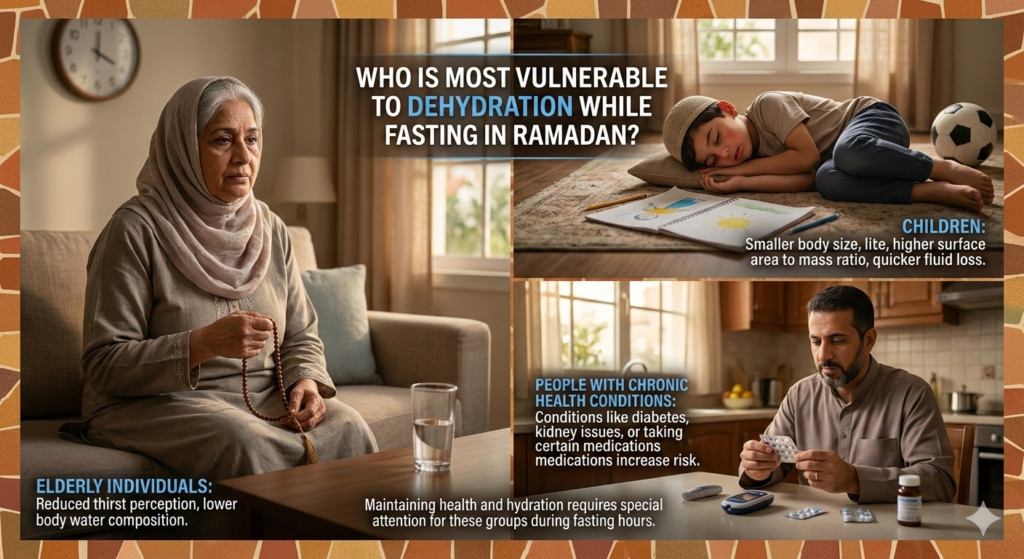
Although many healthy adults can fast safely during Ramadan, certain groups face a higher risk of dehydration while fasting. Understanding who is more vulnerable allows families and communities to provide proper care and ensure that fasting remains safe and responsible.
Elderly Individuals and Children
Older adults often have a reduced sense of thirst, which means they may not realize when their bodies need more fluids. As people age, kidney function and the body’s ability to regulate fluids may also decline slightly. These factors make dehydration more likely if hydration is not carefully managed during non-fasting hours.
Children who fast for the first time may also struggle with hydration. Younger bodies lose fluids more quickly and may become tired or dizzy during long fasting periods. Parents should closely monitor children’s energy levels, encourage hydration during non-fasting hours, and ensure balanced meals at Suhoor and Iftar.
People With Chronic Health Conditions
Individuals with chronic health conditions must approach fasting with extra caution. Conditions such as diabetes, kidney disease, heart disease, and gastrointestinal disorders may increase the body’s sensitivity to dehydration. For example, people with diabetes may experience fluctuations in blood sugar levels that become more challenging to manage during fasting.
Those taking medications that affect fluid balance such as diuretics—also face increased dehydration risk. These medications may cause the body to lose fluids more rapidly.
Before fasting, individuals with chronic health conditions are often encouraged to consult a healthcare professional. Many healthcare services offer free doctor consultation during Ramadan, making it easier for people to receive medical advice about whether fasting is safe for them and how to manage hydration properly.
Recognizing vulnerable groups ensures that the spiritual practice of fasting does not compromise physical well-being. Islam itself emphasizes that health should never be placed at risk, and individuals who are unable to fast safely are often granted exemptions or alternative forms of worship.
When to Get Free Doctor Consultation During Ramadan
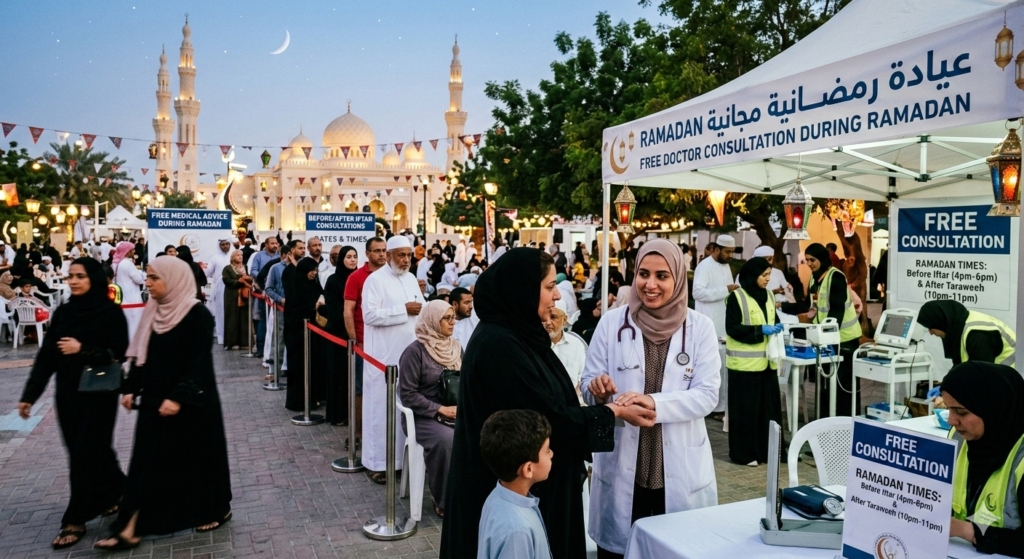
Fasting during Ramadan is generally safe for most healthy adults, but there are situations where professional medical advice becomes necessary. Understanding when to get free doctor consultation during Ramadan can help individuals protect their health while still observing the spiritual aspects of the fast. Many communities, clinics, and health organizations provide accessible medical support during the holy month to ensure that people receive guidance without financial barriers.
One of the most common reasons to seek medical consultation during Ramadan is persistent dehydration symptoms. Occasional thirst or mild fatigue may be expected during fasting, but severe or ongoing symptoms should not be ignored. For example, individuals who experience continuous dizziness, confusion, fainting, or extreme weakness may be dealing with more serious dehydration. These symptoms can indicate that the body is struggling to maintain proper fluid balance.
Another important reason to seek medical advice is if someone has an existing health condition. People living with diabetes, kidney disease, heart conditions, or digestive disorders often require personalized fasting plans. A doctor can evaluate whether fasting is safe and provide recommendations on meal timing, hydration strategies, and medication adjustments. Without proper guidance, fasting could unintentionally worsen certain health conditions.
Sudden changes in physical health during Ramadan should also prompt medical attention. For instance, persistent headaches, irregular heartbeat, severe muscle cramps, or unusually dark urine may indicate dehydration or electrolyte imbalance. These symptoms suggest that the body needs immediate evaluation to prevent complications.
Pregnant or breastfeeding women may also benefit from medical consultation before or during Ramadan. Hydration is extremely important during pregnancy and breastfeeding because the body must support both the mother and the baby. Doctors can assess nutritional needs and determine whether fasting is advisable.
Another situation where consultation is helpful is when individuals feel unsure about continuing the fast due to physical discomfort. Religious teachings emphasize that health should not be compromised. If fasting causes significant harm or illness, individuals are often allowed to postpone or modify their fast.
Accessing free doctor consultation during Ramadan allows people to receive professional advice without hesitation. Medical experts can guide individuals on proper hydration, balanced nutrition, and safe fasting practices tailored to their personal health status.
Seeking medical advice should never be seen as a weakness in faith. Instead, it reflects a responsible approach to health and well-being. By listening to their bodies and consulting healthcare professionals when necessary, individuals can observe Ramadan in a way that honors both spiritual devotion and physical care.
Symptoms That Require Medical Advice
While mild discomfort during fasting may be manageable, certain symptoms signal that the body may be experiencing more serious dehydration or health issues. Recognizing these warning signs is essential for maintaining health during Ramadan and preventing complications related to fasting and dehydration.
One of the most critical symptoms requiring medical attention is persistent dizziness or fainting. When the body loses too much fluid, blood pressure can drop, leading to reduced blood flow to the brain. This may cause individuals to feel lightheaded or even lose consciousness. If this occurs repeatedly, it is important to seek medical advice as soon as possible.
Another warning sign is extreme fatigue that does not improve after rest or hydration during non-fasting hours. While some tiredness during fasting is normal, severe exhaustion may indicate dehydration, electrolyte imbalance, or low blood sugar levels. These conditions require proper medical evaluation to prevent worsening symptoms.
Severe headaches are also a common sign that the body is struggling with hydration. Dehydration headaches often feel intense and persistent, sometimes accompanied by nausea or sensitivity to light. If headaches become frequent or severe during Ramadan, medical guidance may be necessary.
Changes in urination patterns can also indicate dehydration. Very dark urine, infrequent urination, or a strong odor may signal that the body is conserving water due to low fluid levels. These symptoms should not be ignored, especially if they continue for several days.
Rapid heartbeat or palpitations can occur when the body’s electrolyte balance becomes disrupted. Electrolytes such as sodium and potassium regulate heart function. If these minerals become imbalanced due to dehydration, the heart may beat irregularly or faster than normal.
Another serious symptom is confusion or difficulty concentrating. When dehydration becomes severe, the brain may not receive enough oxygen and nutrients, affecting mental clarity and decision-making abilities. This condition requires immediate medical attention.
Individuals experiencing any of these symptoms should consider seeking free doctor consultation during Ramadan. Healthcare professionals can evaluate the severity of dehydration and recommend appropriate treatment or adjustments to fasting practices.
Ignoring warning signs can lead to more serious complications. Listening to the body’s signals and acting promptly ensures that fasting remains safe, sustainable, and spiritually meaningful throughout Ramadan.
Simple Daily Habits That Help Prevent Dehydration While Fasting
Preventing dehydration during Ramadan does not require complicated routines. Often, small and consistent lifestyle habits can make a significant difference in maintaining hydration and overall well-being. Developing simple daily practices can support fasting and reduce the risk of dehydration during Ramadan.
One of the most effective habits is maintaining a regular hydration schedule between Iftar and Suhoor. Instead of drinking large amounts of water all at once, spreading water intake across the evening allows the body to absorb fluids more efficiently. A common strategy is to drink one or two glasses of water at Iftar, several glasses during the evening, and additional water during Suhoor.
Another helpful habit is including hydrating foods in both major meals. Fruits such as watermelon, oranges, and berries contain high water content and provide natural vitamins and antioxidants. Vegetables like cucumbers, lettuce, and tomatoes also support hydration while improving digestion.
Reducing salt intake during Ramadan meals is another important step. Salty foods increase thirst and make it harder for the body to retain fluids effectively during the fasting day. Choosing fresh, home-cooked meals instead of heavily processed foods can help maintain better hydration balance.
Managing physical activity wisely is also essential. Engaging in intense exercise during fasting hours may increase fluid loss through sweat. Many people prefer to schedule workouts after Iftar when they can hydrate immediately afterward.
Proper sleep is another factor that influences hydration and energy levels. Getting adequate rest helps the body regulate hormones that control thirst and fluid balance. Even short daytime naps can help reduce fatigue and support the body’s recovery.
Monitoring the body’s signals is also important. Paying attention to urine color, thirst levels, and energy patterns can provide useful clues about hydration status. If signs of dehydration appear consistently, adjustments in diet and water intake may be necessary.
If these habits do not relieve symptoms such as dizziness, weakness, or headaches, it may be beneficial to get free doctor consultation for personalized medical advice. Doctors can evaluate hydration levels and recommend specific dietary or lifestyle changes.
These daily habits are simple yet powerful tools for protecting health during Ramadan. By combining mindful hydration, balanced nutrition, and healthy routines, individuals can fast comfortably while keeping their bodies well-supported.
Conclusion
Ramadan is a time of spiritual reflection, discipline, and community connection. While fasting holds deep religious significance, protecting physical health is equally important. Understanding maintaining health during Ramadan requires awareness of how fasting affects the body, particularly when it comes to hydration.
Throughout the fasting period, the body must adapt to long hours without water. This makes fasting and the risk of dehydration during Ramadan an important concern, especially in hot climates or for individuals with demanding daily routines. Dehydration can affect energy levels, blood pressure, kidney function, and mental clarity if proper precautions are not taken.
Fortunately, simple strategies can greatly reduce these risks. Drinking water gradually between Iftar and Suhoor, consuming hydrating foods such as fruits and vegetables, and avoiding excessive salt and caffeine can help maintain fluid balance. Balanced Suhoor and Iftar meals provide the nutrients and energy needed to support the body during fasting hours.
Certain individuals—including older adults, children, and people with chronic health conditions—should take extra precautions when fasting. Monitoring symptoms and adjusting routines when necessary helps ensure safety throughout the month.
Recognizing warning signs of dehydration is also essential. Symptoms such as severe dizziness, persistent headaches, dark urine, or confusion should never be ignored. When these issues arise, seeking free doctor consultation during Ramadan can provide valuable medical guidance and reassurance.
Ramadan encourages mindfulness, patience, and care for both spiritual and physical well-being. By making informed choices about hydration, nutrition, and daily habits, individuals can observe the fast in a way that supports both faith and health. When the body is properly cared for, the experience of Ramadan becomes more balanced, fulfilling, and sustainable.
FAQs About Maintaining Health During Ramadan and Dehydration
Can fasting cause severe dehydration?
Yes, fasting can lead to severe dehydration if the body does not receive enough fluids between Iftar and Suhoor. Factors such as hot weather, physical activity, and salty foods can increase fluid loss. Drinking adequate water and consuming hydrating foods helps reduce this risk.
How much water should be consumed between Iftar and Suhoor?
Most health experts recommend drinking 8–10 glasses of water between Iftar and Suhoor. Instead of drinking all the water at once, spreading intake throughout the evening allows the body to absorb fluids more effectively.
What foods help prevent dehydration during Ramadan?
Foods with high water content are particularly helpful. These include watermelon, oranges, cucumbers, tomatoes, yogurt, soups, and leafy vegetables. These foods provide hydration along with essential vitamins and minerals.
When should someone break their fast due to dehydration?
If someone experiences severe symptoms such as fainting, confusion, rapid heartbeat, or extreme dizziness, breaking the fast may be necessary to protect health. Medical advice should be sought to determine whether continuing the fast is safe.
Where can people get free doctor consultation during Ramadan?
Many community health programs, clinics, and online medical services offer free doctor consultation during Ramadan. These services help individuals receive professional guidance on fasting safely and managing hydration during the holy month.
Leave a Reply