

Understanding Hemoglobin and Its Importance


What Is Hemoglobin and How Does It Work?
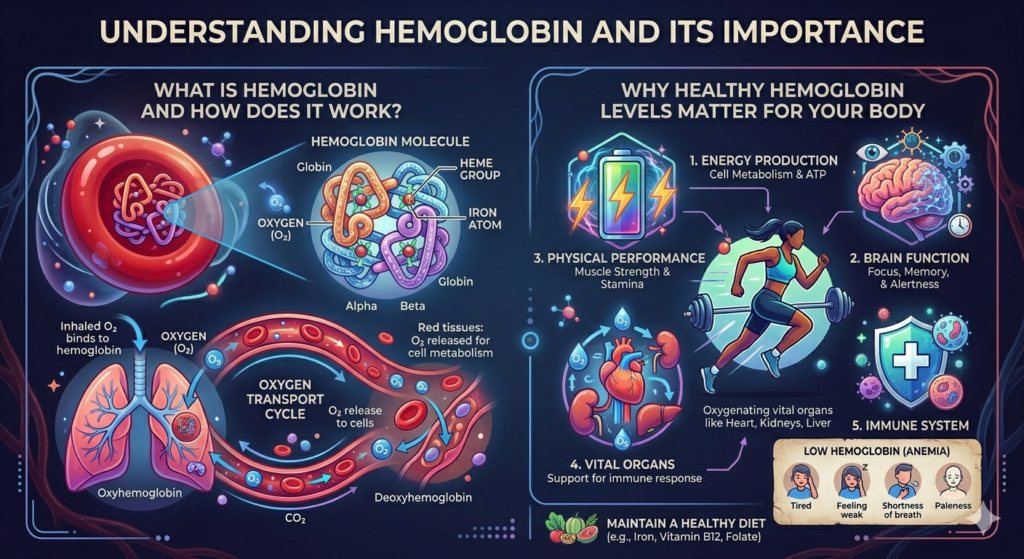
Hemoglobin might sound like one of those complicated biology terms you left behind in school, but in reality, it plays a starring role in your everyday health. Think of hemoglobin as a tiny delivery system inside your red blood cells. Its main job is to carry oxygen from your lungs to every single part of your body—your brain, muscles, skin, and even your nails. Without enough hemoglobin, your body simply can’t perform at its best, no matter how healthy your lifestyle might seem on the surface.
This protein contains iron, which is the key ingredient that allows it to bind with oxygen. When you inhale, oxygen enters your bloodstream through the lungs, and hemoglobin grabs onto it like a magnet. It then travels through your blood vessels, delivering oxygen where it’s needed and picking up carbon dioxide to carry back to the lungs for removal. It’s a constant cycle, happening every second of your life.
Now, imagine what happens if your hemoglobin levels drop. Your body starts struggling to get enough oxygen. This is when you might feel tired all the time, dizzy, or even short of breath after doing simple tasks. It’s not just about feeling weak—it’s your body signaling that something essential is missing. That’s why understanding how to boost your hemoglobin naturally with everyday foods becomes so important. Instead of jumping straight to supplements, many people can significantly improve their levels just by making smarter food choices.
Why Healthy Hemoglobin Levels Matter for Your Body
Healthy hemoglobin levels aren’t just about avoiding fatigue—they’re about keeping your entire body functioning smoothly. When your hemoglobin is at an optimal level, your organs receive enough oxygen to perform efficiently. Your brain stays sharp, your muscles recover faster, and even your immune system becomes more resilient.
Low hemoglobin, often linked to anemia, can lead to a range of symptoms that quietly affect your daily life. You might notice pale skin, cold hands and feet, headaches, or difficulty concentrating. Over time, if ignored, it can lead to more serious complications, especially for pregnant women, children, and individuals with chronic illnesses. According to global health data, anemia affects nearly 1.6 billion people worldwide, making it one of the most common nutritional deficiencies.
On the flip side, maintaining healthy hemoglobin levels gives you energy that feels natural—not forced through caffeine or sugar. It supports better endurance, improves mood stability, and helps your body repair itself more effectively. It’s like upgrading your internal engine so everything runs smoother without extra effort.
The good news? You don’t always need complicated treatments to fix low hemoglobin. By focusing on everyday foods that boost hemoglobin naturally, you can gradually restore balance. Simple additions like leafy greens, iron-rich proteins, and vitamin C-packed fruits can make a noticeable difference over time. It’s not about drastic changes—it’s about consistent, smart eating habits that work with your body rather than against it.
Common Causes of Low Hemoglobin Levels
Nutritional Deficiencies and Poor Diet
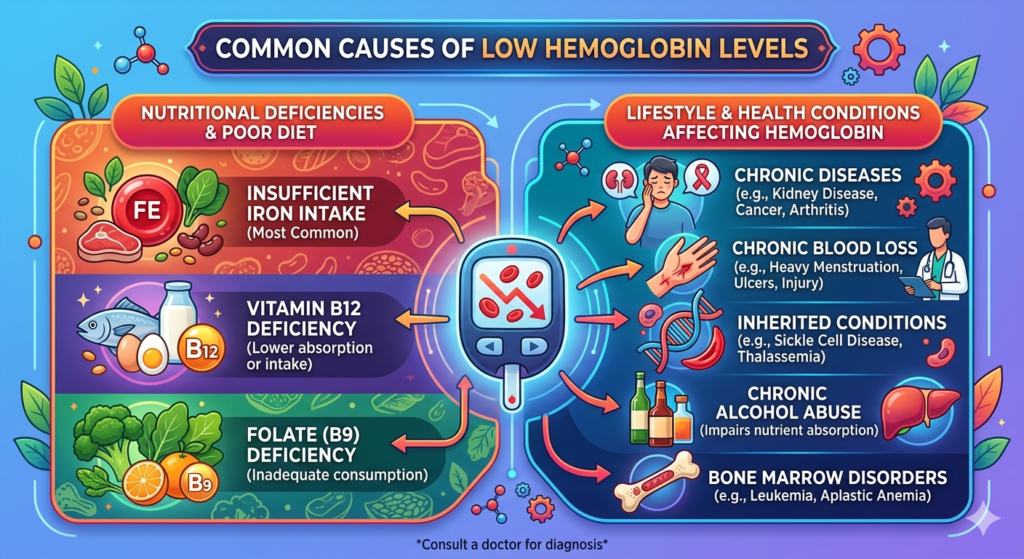
One of the most common reasons people struggle with low hemoglobin is surprisingly simple: their diet isn’t providing the nutrients their body needs. Iron deficiency sits at the top of the list, and it’s more widespread than most people realize. If your meals lack iron-rich foods, your body doesn’t have the raw materials required to produce enough hemoglobin.
But iron isn’t the only nutrient involved. Vitamin B12 and folate are equally important for red blood cell production. Without them, your body may produce fewer or improperly formed red blood cells, which directly impacts hemoglobin levels. This often happens in people following restrictive diets, such as vegan or highly processed food-based diets, without proper planning.
Another hidden issue is poor absorption. You might be eating iron-rich foods, but if your body can’t absorb them effectively, it’s almost like they’re not there. This can happen due to digestive issues, excessive consumption of tea or coffee, or a lack of vitamin C in your meals. It’s not just about what you eat—it’s about how your body uses it.
Highly processed foods also play a role. These foods are often stripped of essential nutrients and loaded with additives that don’t support your body’s natural processes. Over time, relying heavily on such foods can quietly deplete your nutrient stores, leading to deficiencies that affect hemoglobin production.
The takeaway here is clear: if you want to boost your hemoglobin naturally with everyday foods, you need to focus on nutrient-dense options. It’s not about eating more—it’s about eating smarter. Small changes, like adding a handful of spinach to your meals or choosing whole foods over processed ones, can have a significant impact over time.
Lifestyle and Health Conditions Affecting Hemoglobin
While diet plays a major role, it’s not the only factor influencing your hemoglobin levels. Your lifestyle habits and overall health condition can also make a big difference. For instance, chronic stress can indirectly affect your body’s ability to produce healthy red blood cells. When your body is constantly in a stressed state, it prioritizes survival functions over long-term health processes like blood production.
Lack of physical activity is another overlooked factor. Regular exercise helps improve blood circulation and stimulates the production of red blood cells. Without it, your body may not operate as efficiently as it should. On the flip side, excessive exercise without proper nutrition can also lower hemoglobin levels, especially in endurance athletes.
Certain medical conditions can interfere with hemoglobin production as well. Conditions like kidney disease, gastrointestinal disorders, or hormonal imbalances can disrupt how your body produces or maintains red blood cells. In women, heavy menstrual cycles are a common cause of iron loss, which directly impacts hemoglobin levels.
Even sleep plays a role. Poor sleep quality can affect hormone regulation, including those involved in red blood cell production. Over time, this can contribute to lower hemoglobin levels without you even realizing it.
Understanding these factors is crucial because it shows that improving hemoglobin isn’t just about adding specific foods—it’s about creating a balanced lifestyle. When you combine proper nutrition with healthy habits, your body is better equipped to restore and maintain optimal hemoglobin levels naturally.
How Can You Boost Your Hemoglobin Naturally with Everyday Foods?
The Role of Iron-Rich Foods
When people ask, how can you boost your hemoglobin naturally with everyday foods, the answer almost always begins with iron—and for good reason. Iron is the backbone of hemoglobin production. Without enough of it, your body simply cannot produce sufficient red blood cells to carry oxygen efficiently. It’s like trying to build a house without bricks; no matter how strong your plan is, the structure won’t stand.
Iron-rich foods are the most direct and effective way to increase hemoglobin levels naturally. These include options you likely already have in your kitchen—spinach, lentils, beans, seeds, nuts, eggs, and certain meats. The beauty of using everyday foods is that you don’t need to rely on artificial supplements unless your deficiency is severe. Your body responds well to nutrients that come from whole, natural sources because they are easier to digest and absorb when paired correctly.
However, simply adding iron-rich foods isn’t enough. Timing and combination matter more than most people think. For example, eating iron-rich foods alongside calcium-heavy meals can reduce absorption. Similarly, drinking tea or coffee right after meals can interfere with how much iron your body actually takes in. That means your food choices need to be intentional, not random.
Interestingly, studies suggest that nearly 30% of the global population suffers from iron deficiency, making it one of the most widespread nutritional concerns. Yet, many cases can be improved with consistent dietary changes rather than medical intervention. That’s the power of food when used strategically.
So, if you’re serious about learning how to boost your hemoglobin naturally with everyday foods, start by making iron-rich ingredients a regular part of your meals. Think of it as building a strong foundation—once that’s in place, everything else becomes easier and more effective.
Heme vs Non-Heme Iron Sources Explained
Not all iron is created equal, and this is where things get interesting. There are two main types of iron found in foods: heme iron and non-heme iron. Understanding the difference between them can dramatically improve how effectively you increase your hemoglobin levels.
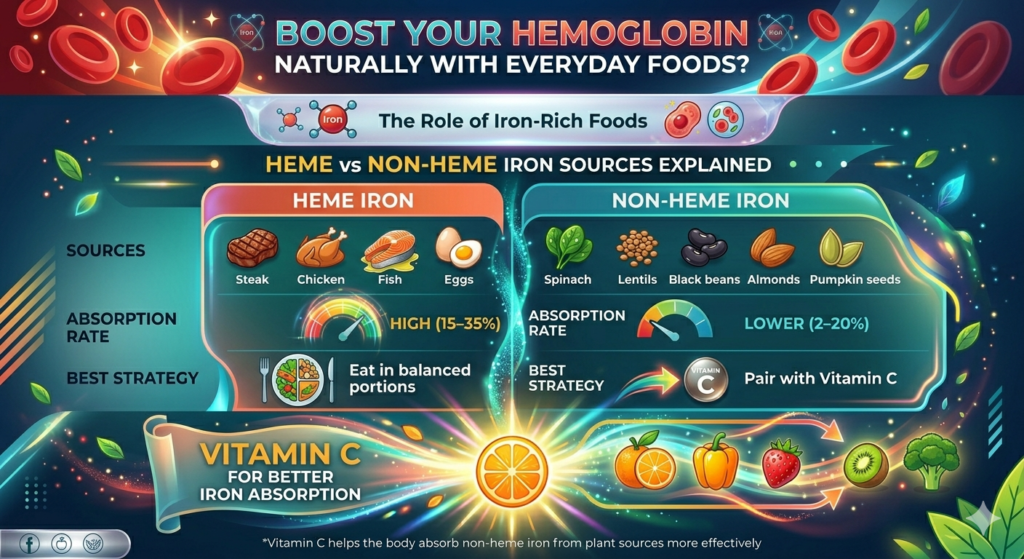
Heme iron is found in animal-based foods like meat, poultry, and fish. This type of iron is absorbed much more efficiently by your body—usually at a rate of about 15–35%. That means if you consume 10 mg of heme iron, your body might absorb up to 3.5 mg of it. It’s straightforward, efficient, and highly effective.
On the other hand, non-heme iron comes from plant-based foods like lentils, beans, spinach, and fortified grains. While these foods are incredibly healthy, the iron they provide is absorbed at a lower rate—typically between 2–20%. This doesn’t mean plant-based sources are ineffective; it simply means they require a bit more strategy.
Here’s where smart eating comes into play. Pairing non-heme iron foods with vitamin C-rich foods—like oranges, tomatoes, or bell peppers—can significantly enhance absorption. It’s like giving your body a key to unlock the nutrients more efficiently.
Here’s a simple comparison:
| Iron Type | Sources | Absorption Rate | Best Strategy |
| Heme Iron | Meat, poultry, fish | High (15–35%) | Eat in balanced portions |
| Non-Heme Iron | Spinach, beans, nuts | Lower (2–20%) | Pair with vitamin C |
If you follow a vegetarian or vegan diet, don’t worry—you can still boost your hemoglobin naturally with everyday foods. You just need to be a bit more mindful about combinations and consistency. Over time, these small adjustments can lead to noticeable improvements in your energy levels and overall health.
Vitamin C for Better Iron Absorption
You might be eating all the right foods, yet still struggle with low hemoglobin. Ever wondered why? The missing piece is often vitamin C. This powerful nutrient doesn’t directly increase hemoglobin, but it plays a crucial supporting role by helping your body absorb iron more effectively.
Think of vitamin C as a helper that transforms iron into a form your body can easily use. Without it, a significant portion of the iron you consume simply passes through your system unused. That’s why combining iron-rich foods with vitamin C-rich options is one of the smartest strategies you can adopt.
Common vitamin C-rich foods include citrus fruits like oranges and lemons, strawberries, kiwi, bell peppers, tomatoes, and broccoli. The good news is that these are everyday foods you can easily incorporate into your meals without making drastic changes. A squeeze of lemon over your spinach salad or a side of fresh fruit with your breakfast can make a noticeable difference.
Research shows that vitamin C can increase non-heme iron absorption by up to 67%, which is a game-changer, especially for those relying on plant-based diets. It’s a simple tweak with powerful results.
However, balance is key. While vitamin C boosts iron absorption, certain foods and drinks can block it. Tea, coffee, and calcium-rich foods can interfere if consumed at the same time as iron-rich meals. So, spacing them out can significantly improve results.
If you’re trying to figure out how to boost your hemoglobin naturally with everyday foods, don’t overlook this step. It’s not just about what you eat—it’s about how you combine it. When you start pairing nutrients intelligently, your body becomes far more efficient at using what you give it.
Best Everyday Foods to Increase Hemoglobin Naturally
Leafy Green Vegetables for Iron Boost
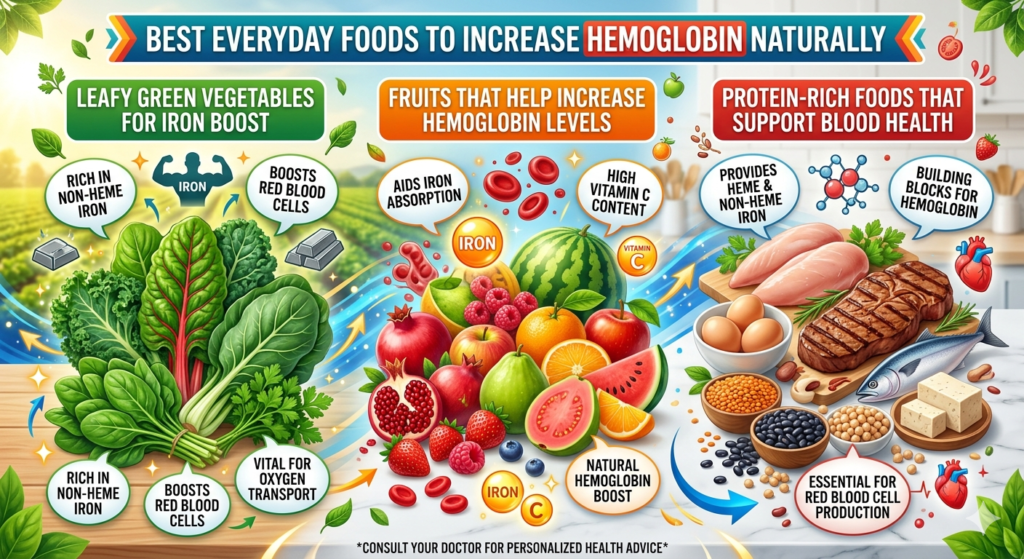
Leafy greens are often underestimated, but they are among the most powerful foods you can include when trying to boost hemoglobin naturally. Vegetables like spinach, kale, Swiss chard, and beet greens are packed with non-heme iron, along with folate and other essential nutrients that support red blood cell production.
Spinach, in particular, is a standout. It’s rich in iron and also contains vitamin C, making it a double win for absorption. However, there’s a small catch—spinach also contains oxalates, which can inhibit iron absorption. That might sound discouraging, but cooking spinach can reduce these compounds, making the iron more accessible to your body.
The beauty of leafy greens is their versatility. You can add them to smoothies, soups, salads, or even stir-fries. They blend seamlessly into your meals without requiring major changes to your eating habits. Over time, consistent consumption can significantly contribute to improving your hemoglobin levels.
Another advantage is that leafy greens are low in calories but high in nutrients, making them ideal for overall health. They don’t just support your blood—they benefit your skin, digestion, and immune system as well.
If you’re serious about learning how to boost your hemoglobin naturally with everyday foods, leafy greens should become a staple in your diet. They’re simple, accessible, and incredibly effective when consumed regularly and combined with the right nutrients.
Fruits That Help Increase Hemoglobin Levels
Fruits might not be the first thing that comes to mind when thinking about iron, but they play a surprisingly important role in boosting hemoglobin. While most fruits aren’t high in iron themselves, they are rich in vitamin C and antioxidants, which enhance iron absorption and support overall blood health.
Fruits like apples, pomegranates, bananas, and berries are often recommended for people with low hemoglobin. Pomegranates, in particular, have long been associated with improving blood quality. They contain iron, vitamin C, and antioxidants that work together to support healthy blood flow and red blood cell production.
Bananas are another interesting addition. While they don’t contain a significant amount of iron, they are rich in vitamin B6, which is essential for hemoglobin production. Similarly, apples provide small amounts of iron along with compounds that help maintain healthy blood levels.
Citrus fruits like oranges and lemons are especially valuable because of their high vitamin C content. Pairing these with iron-rich meals can significantly improve how much iron your body absorbs. It’s a simple habit—like drinking a glass of fresh orange juice with your meal—that can lead to noticeable improvements over time.
The key here is consistency. Eating fruits occasionally won’t make a big difference, but incorporating them into your daily routine can. Whether it’s a morning smoothie, an afternoon snack, or a dessert alternative, fruits offer an easy and natural way to support your hemoglobin levels.
Protein-Rich Foods That Support Blood Health
Protein is often associated with muscle building, but it also plays a crucial role in maintaining healthy hemoglobin levels. Your body needs protein to produce hemoglobin and red blood cells, making it an essential part of any diet aimed at improving blood health.
Foods like eggs, dairy, legumes, nuts, seeds, and lean meats are excellent sources of protein. Many of these also contain iron and other nutrients that support hemoglobin production. For example, eggs provide both protein and small amounts of iron, while lentils offer a powerful combination of protein, iron, and fiber.
Legumes like chickpeas, beans, and lentils are particularly beneficial for those following plant-based diets. They are rich in non-heme iron and can be easily incorporated into a variety of dishes. Pairing them with vitamin C-rich foods can further enhance their effectiveness.
Nuts and seeds, such as almonds, pumpkin seeds, and sesame seeds, are also worth mentioning. They are nutrient-dense and provide a steady supply of energy along with essential minerals. Including a handful of these in your daily diet can contribute to better overall health and improved hemoglobin levels.
If you’ve been wondering how to boost your hemoglobin naturally with everyday foods, don’t overlook protein. It’s not just about iron—your body needs a complete set of nutrients to function properly. When you combine protein with iron-rich and vitamin C-rich foods, you create a balanced approach that supports long-term health.
Foods to Avoid When Trying to Boost Hemoglobin
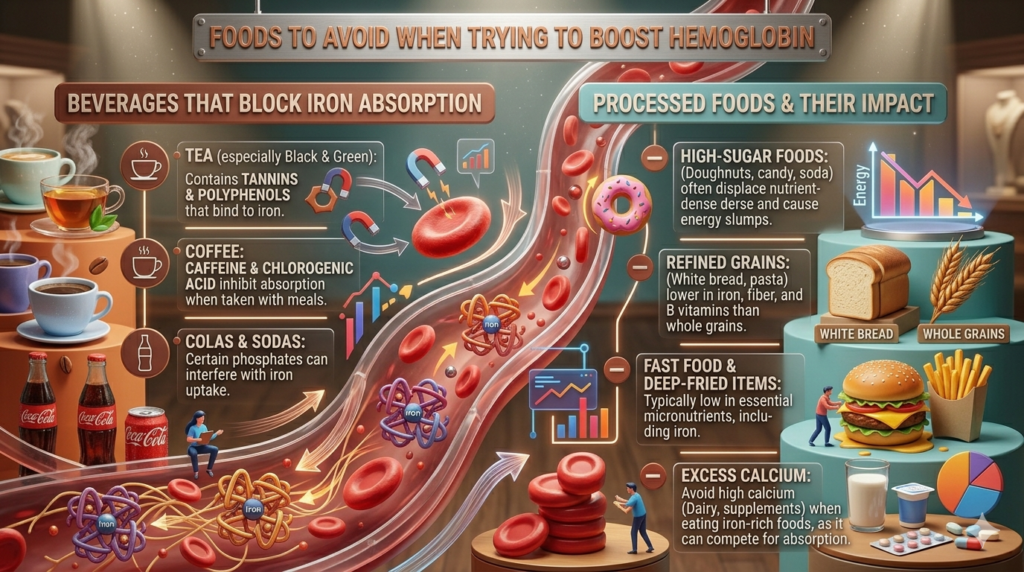
Beverages That Block Iron Absorption
It might surprise you, but sometimes the biggest obstacles to improving your hemoglobin levels aren’t the foods you’re missing—they’re the ones you’re consuming daily without a second thought. Certain beverages, especially those considered harmless or even healthy, can significantly interfere with your body’s ability to absorb iron. If you’re actively trying to boost your hemoglobin naturally with everyday foods, ignoring this factor can slow your progress more than you realize.
Tea and coffee are the most common culprits. They contain compounds called tannins and polyphenols, which bind to iron and make it harder for your body to absorb. Even if you’re eating iron-rich meals, drinking tea or coffee immediately afterward can reduce iron absorption by up to 60%, according to nutritional studies. That’s a massive reduction for something as routine as your morning or post-meal beverage.
This doesn’t mean you have to give up your favorite drinks entirely. The key is timing. Try to consume tea or coffee at least one to two hours before or after your meals. This simple adjustment allows your body to absorb the iron from your food without interference.
Another beverage to be mindful of is milk. While it’s rich in calcium and beneficial in many ways, calcium can compete with iron for absorption. Drinking milk alongside iron-rich meals can limit how much iron your body actually utilizes. Similarly, certain packaged fruit juices with added sugars and preservatives may not provide the vitamin C benefits you expect, making them less effective for supporting iron absorption.
If your goal is to improve your hemoglobin levels, think of your meals as a coordinated system. What you drink is just as important as what you eat. By making small changes—like swapping tea for water during meals or adding a squeeze of lemon to your dishes—you can significantly improve your results without feeling deprived.
Processed Foods and Their Impact
Processed foods are everywhere—quick, convenient, and often tempting. But when it comes to improving your hemoglobin levels, they can quietly work against you. These foods are typically low in essential nutrients like iron, vitamin B12, and folate, all of which are crucial for healthy red blood cell production.
Highly processed items such as packaged snacks, instant meals, sugary cereals, and fast food are often stripped of their natural nutritional value. What’s left is a mix of refined carbohydrates, unhealthy fats, and additives that do little to support your body’s needs. Over time, relying heavily on these foods can lead to deficiencies that directly affect your hemoglobin levels.
Another issue is that processed foods can disrupt your body’s natural balance. They may contribute to inflammation, digestive issues, and poor nutrient absorption. Even if you occasionally include iron-rich foods in your diet, a high intake of processed foods can prevent your body from fully benefiting from them.
There’s also the hidden sugar factor. Excess sugar can interfere with how your body metabolizes nutrients and may lead to energy crashes, making symptoms of low hemoglobin feel even worse. It creates a cycle where you feel tired, reach for quick energy foods, and unintentionally worsen the underlying issue.
Switching to whole, minimally processed foods doesn’t have to be overwhelming. Start small—replace one processed snack with a handful of nuts, swap sugary drinks for fresh fruit, or cook simple meals at home a few times a week. These changes might seem minor, but they add up over time.
If you’re serious about learning how to boost your hemoglobin naturally with everyday foods, reducing processed food intake is just as important as adding nutrient-rich options. It’s about creating an environment where your body can thrive, not just survive.
Lifestyle Tips to Naturally Improve Hemoglobin
Importance of Regular Exercise
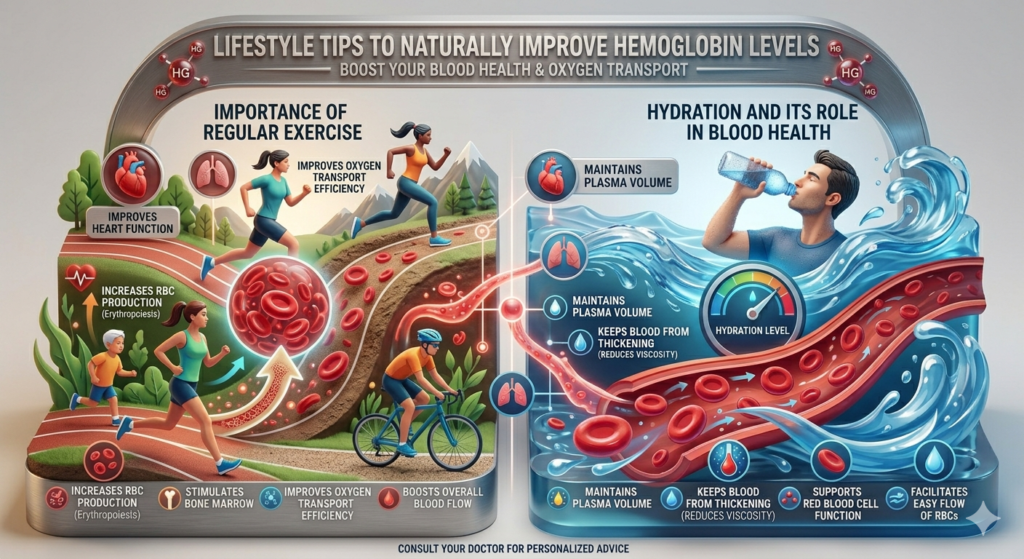
When people think about increasing hemoglobin levels, exercise isn’t usually the first thing that comes to mind. But it should be. Regular physical activity plays a surprisingly important role in improving your blood health and overall circulation. It’s not just about staying fit—it’s about helping your body function more efficiently from the inside out.
Exercise stimulates the production of red blood cells, which directly impacts hemoglobin levels. When you engage in physical activity, your body demands more oxygen. To meet this demand, it naturally increases red blood cell production, enhancing your ability to transport oxygen more effectively. Over time, this can lead to improved energy levels and reduced symptoms of fatigue.
You don’t need an intense workout routine to see benefits. Even moderate activities like brisk walking, cycling, yoga, or light jogging can make a difference. The key is consistency. Think of it like watering a plant—you don’t need to flood it; you just need to show up regularly.
There’s also a mental health component. Exercise reduces stress, improves mood, and supports better sleep—all of which indirectly contribute to healthier hemoglobin levels. Chronic stress, as mentioned earlier, can interfere with your body’s natural processes, so managing it through movement can be incredibly beneficial.
However, balance is crucial. Over-exercising without proper nutrition can have the opposite effect, potentially lowering hemoglobin levels. Listen to your body and ensure you’re fueling it with the nutrients it needs.
Incorporating exercise into your daily routine doesn’t have to be complicated. Start with 20–30 minutes a day and gradually build from there. When combined with the right diet, it becomes a powerful tool in your journey to boost hemoglobin naturally.
Hydration and Its Role in Blood Health
Hydration is often overlooked when discussing hemoglobin, but it plays a vital role in maintaining healthy blood function. Your blood is made up of about 50% plasma, which is primarily water. Without adequate hydration, your blood can become thicker, making it harder for oxygen and nutrients to circulate efficiently throughout your body.
Drinking enough water helps maintain proper blood volume and supports the smooth transport of hemoglobin. While hydration doesn’t directly increase hemoglobin levels, it ensures that your circulatory system operates at its best, allowing your body to make the most of the nutrients you consume.
Dehydration can also mimic or worsen symptoms of low hemoglobin, such as fatigue, dizziness, and headaches. That’s why it’s important to stay consistently hydrated, especially if you’re already experiencing these symptoms.
A good rule of thumb is to drink at least 8–10 glasses of water per day, but your needs may vary depending on your activity level, climate, and overall health. You can also include hydrating foods like cucumbers, watermelon, and oranges to support your intake.
It’s not just about quantity—it’s about consistency. Sipping water throughout the day is more effective than drinking large amounts all at once. Herbal teas and natural drinks can also contribute to your hydration, as long as they don’t interfere with iron absorption.
If you’re focusing on how to boost your hemoglobin naturally with everyday foods, don’t forget that water is part of that equation. It’s the medium that allows everything else to work efficiently.
Natural Remedies and Traditional Approaches
Herbal Ingredients That May Support Hemoglobin
Across different cultures, traditional remedies have long been used to support blood health and improve hemoglobin levels. While modern nutrition science emphasizes vitamins and minerals, many herbal ingredients have gained attention for their potential benefits.
Ingredients like beetroot, moringa, fenugreek, and nettle leaves are commonly associated with improved blood health. Beetroot, for example, is rich in iron, folate, and antioxidants. It’s often consumed as juice or added to meals for a natural boost. Moringa leaves are another powerhouse, packed with iron and essential nutrients that support red blood cell production.
Fenugreek seeds have been traditionally used to improve digestion and nutrient absorption, indirectly supporting hemoglobin levels. Nettle leaves, though less commonly used, are rich in iron and vitamin C, making them a strong natural option.
While these remedies can be helpful, they work best when combined with a balanced diet. Think of them as supportive tools rather than standalone solutions. It’s also important to use them in moderation and consult a healthcare professional if you have underlying health conditions.
Incorporating these ingredients into your daily routine can be simple—add beetroot to your salad, drink herbal teas, or include moringa powder in smoothies. Over time, these small additions can complement your efforts to boost hemoglobin naturally.
Combining Foods for Maximum Nutrient Absorption
If there’s one strategy that can truly transform your results, it’s learning how to combine foods effectively. It’s not just about eating the right ingredients—it’s about pairing them in a way that maximizes their benefits.
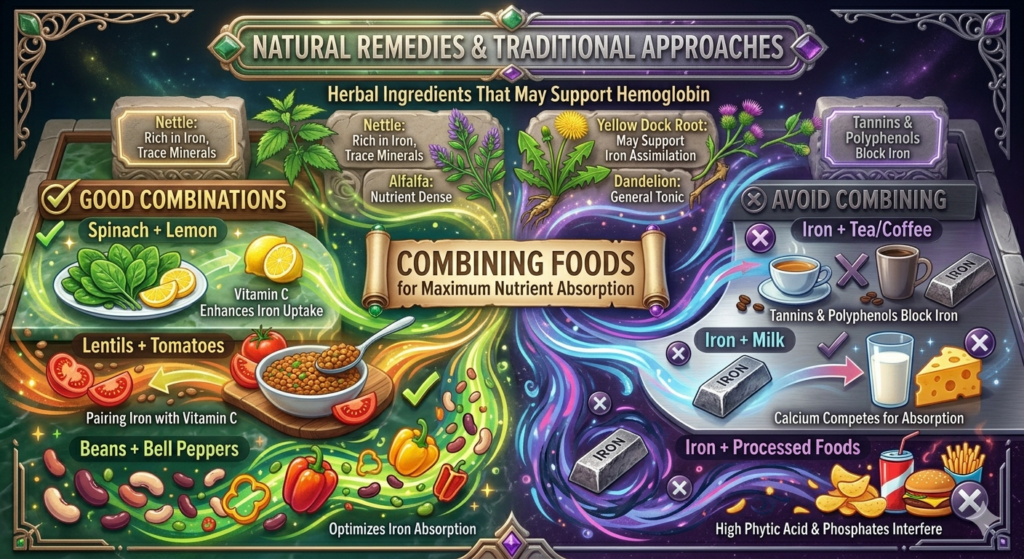
For example, combining iron-rich foods with vitamin C-rich foods significantly improves absorption. A spinach salad with lemon dressing, lentils with tomatoes, or iron-fortified grains with citrus fruits are simple yet powerful combinations.
At the same time, avoiding certain pairings is equally important. As discussed earlier, combining iron-rich meals with calcium-heavy foods or beverages like tea and coffee can reduce absorption. Being mindful of these interactions can make a noticeable difference.
Here’s a quick reference table:
| Good Combinations | Avoid Combining |
| Spinach + Lemon | Iron + Tea/Coffee |
| Lentils + Tomatoes | Iron + Milk |
| Beans + Bell Peppers | Iron + Processed Foods |
This approach turns your meals into a well-coordinated system rather than a random mix of ingredients. Over time, these habits become second nature, making it easier to maintain healthy hemoglobin levels.
When to See a Doctor About Low Hemoglobin
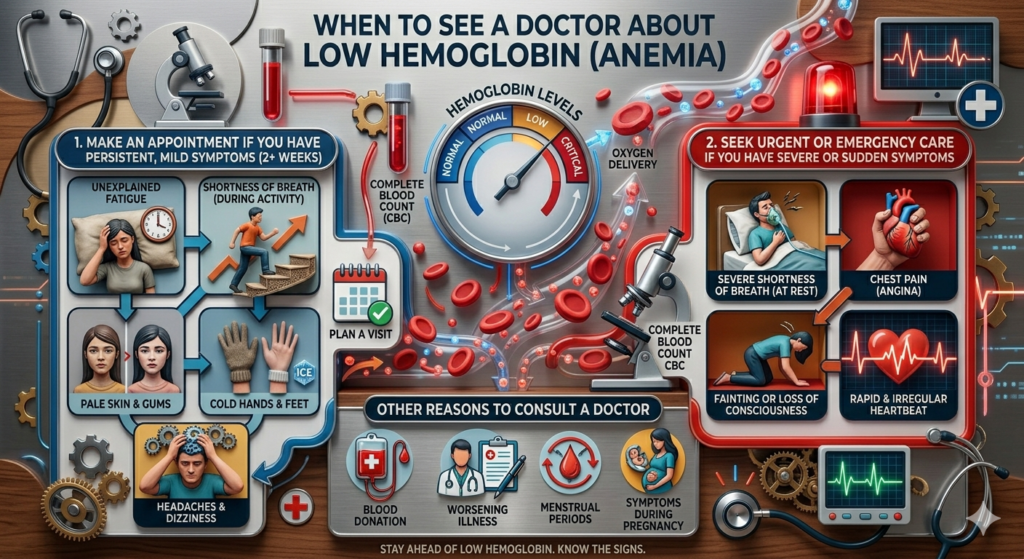
While natural methods are highly effective, there are times when professional medical advice is necessary. If you experience persistent symptoms like extreme fatigue, shortness of breath, chest pain, or unusually pale skin, it’s important to seek medical attention.
Severely low hemoglobin levels may indicate underlying conditions that require more than dietary changes. Blood tests can help identify the exact cause, whether it’s iron deficiency, vitamin deficiency, or another health issue.
Natural approaches work best for mild to moderate cases and as preventive measures. For more serious conditions, they should complement—not replace—medical treatment.
Conclusion
Boosting your hemoglobin doesn’t have to involve complicated routines or expensive supplements. By focusing on everyday foods, smart combinations, and simple lifestyle changes, you can support your body in a natural and sustainable way. From iron-rich meals to proper hydration and mindful eating habits, every small step contributes to better blood health.
Consistency is the real secret. It’s not about quick fixes—it’s about building habits that your body can rely on every day.
FAQs
1. How long does it take to increase hemoglobin naturally?
It typically takes a few weeks to a couple of months, depending on your diet, lifestyle, and severity of deficiency.
2. Can I boost hemoglobin without supplements?
Yes, many people can improve their levels through diet and lifestyle changes alone, especially in mild cases.
3. Which fruit is best for increasing hemoglobin?
Pomegranates, apples, and citrus fruits are excellent choices due to their nutrient content.
4. Is drinking beetroot juice effective?
Yes, beetroot juice can support hemoglobin levels due to its iron and folate content.
5. Can low hemoglobin cause weight gain?
Not directly, but it can lead to fatigue and reduced activity, which may contribute to weight changes.
Leave a Reply