
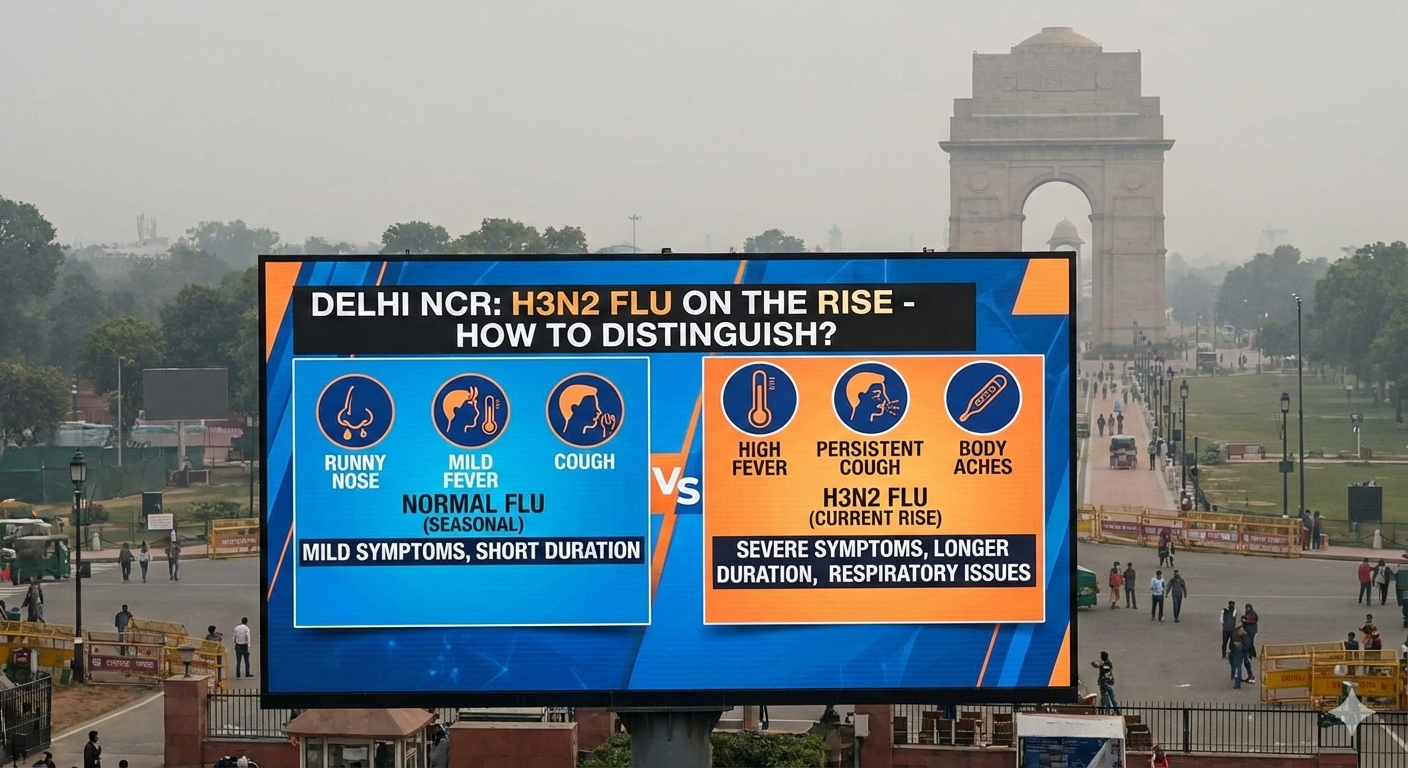
If you live in Delhi NCR, chances are you’ve heard people around you coughing endlessly, complaining of high fever, or saying, “This flu just won’t go away.” You might even be experiencing it yourself. The H3N2 flu on rise in Delhi NCR has become a serious health concern, leaving many confused about whether they’re dealing with a normal flu or something more severe. That confusion is risky because H3N2 influenza behaves differently, lasts longer, and often hits harder.
Here’s the tricky part: at first glance, H3N2 flu and normal flu look almost the same. Fever? Check. Cough? Check. Body aches? Absolutely. But beneath those shared symptoms, H3N2 flu has a pattern that sets it apart—and ignoring those signs can delay recovery.
This article breaks everything down in simple, human language. No medical jargon overload. No panic. Just clarity. By the end, you’ll know how to distinguish H3N2 flu from normal flu, when to take symptoms seriously, and why it’s smart to Book Free Doctor Consultation instead of waiting it out.
Think of this as your flu survival guide for Delhi NCR—practical, reassuring, and straight to the point.
Understanding the H3N2 Flu Outbreak in Delhi NCR
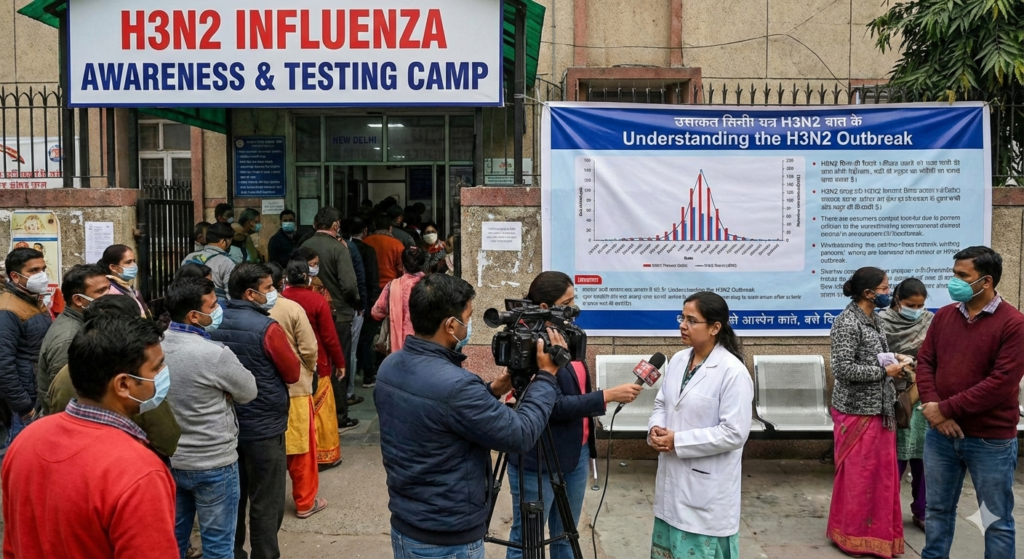
The sudden spike in flu cases across Delhi NCR hasn’t happened overnight. It’s the result of weather changes, pollution levels, crowded public spaces, and weakened immunity after years of altered lifestyles. Among these cases, H3N2 influenza has emerged as a dominant strain, affecting people across all age groups.
What Is H3N2 Influenza?

H3N2 is a subtype of Influenza A virus, known globally for causing more intense symptoms compared to regular seasonal flu. Unlike the common cold that fades in a few days, H3N2 flu tends to linger, often dragging on for weeks with persistent cough and fatigue.
What makes it concerning is its ability to mutate quickly, which means your body may not recognize it immediately. This leads to stronger immune reactions—high fever, severe body pain, and respiratory discomfort.
Why Delhi NCR Is Seeing a Surge

Delhi NCR offers the perfect storm for flu spread:
- High population density
- Frequent use of public transport
- Poor air quality irritating airways
- Sudden temperature fluctuations
All these factors weaken respiratory defenses, making people more susceptible. The result? H3N2 flu on rise in Delhi NCR, spreading faster than people expect.
Difference Between H3N2 Flu and Normal Flu

At the surface level, both flus feel similar. But if you pay attention to intensity, duration, and progression, the differences become clear.
Overview of Normal Seasonal Flu
Normal flu is unpleasant but predictable. Symptoms usually peak within 2–3 days and start improving by day five. Most people recover fully within a week with rest, fluids, and basic care.
How H3N2 Flu Is Different
H3N2 flu doesn’t follow that neat timeline. Fever often stays high for several days. Cough becomes dry, deep, and exhausting. Fatigue lingers like a shadow, even after other symptoms fade.
If normal flu is a short sprint, H3N2 flu is a marathon—and running it without medical guidance can leave you drained.
Key Symptoms of H3N2 Flu
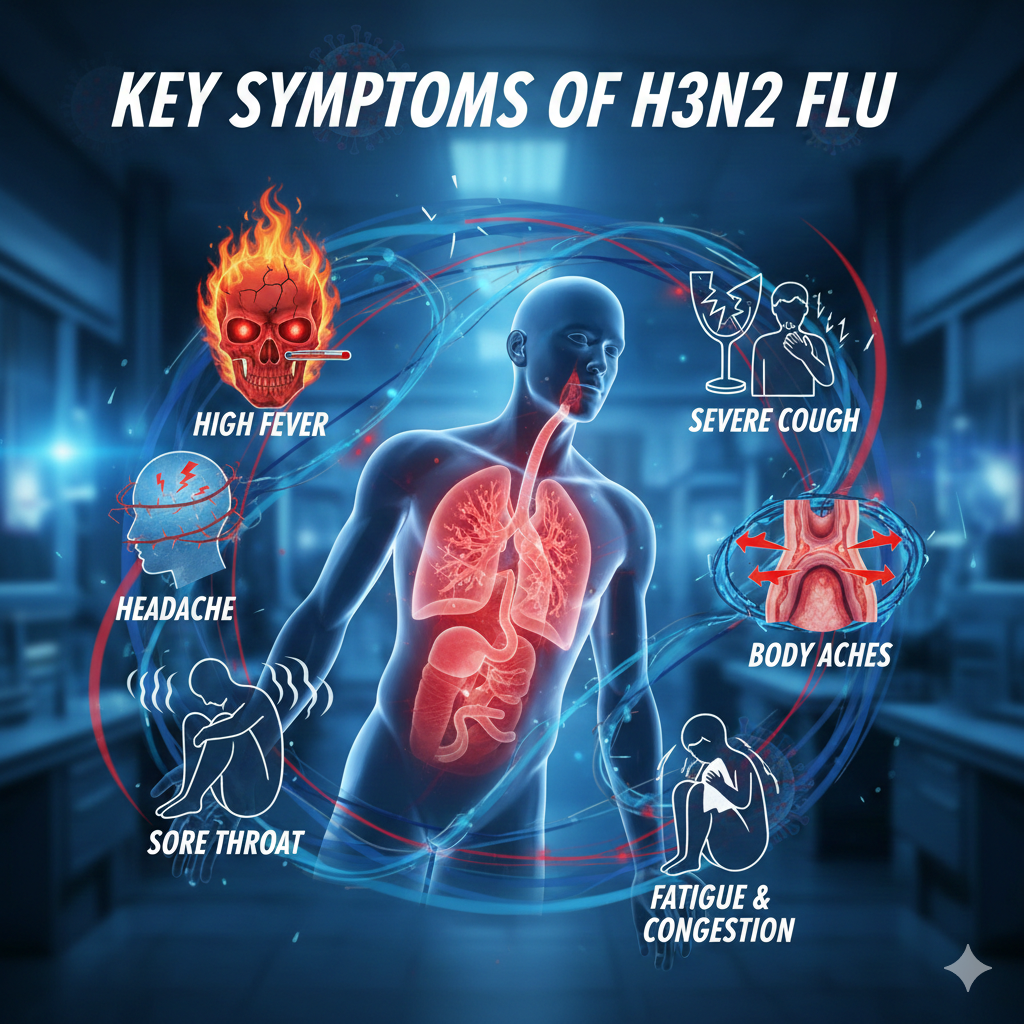
Understanding symptoms is your first defense. The body sends signals—you just need to read them right.
Early Symptoms to Watch Out For

H3N2 flu often begins suddenly, not gradually. You might feel fine in the morning and completely knocked out by evening. Common early signs include:
- High-grade fever that spikes quickly
- Severe headache
- Extreme tiredness
- Chills and shivering
This sudden onset is one of the biggest clues.
Severe Symptoms That Need Attention

As days pass, symptoms may intensify rather than improve:
- Persistent cough lasting weeks
- Chest discomfort or heaviness
- Breathlessness during simple tasks
- Muscle pain that doesn’t ease
If this sounds familiar, it’s time to Book Free Doctor Consultation Now instead of assuming it’s a normal flu.
Common Symptoms of Normal Flu
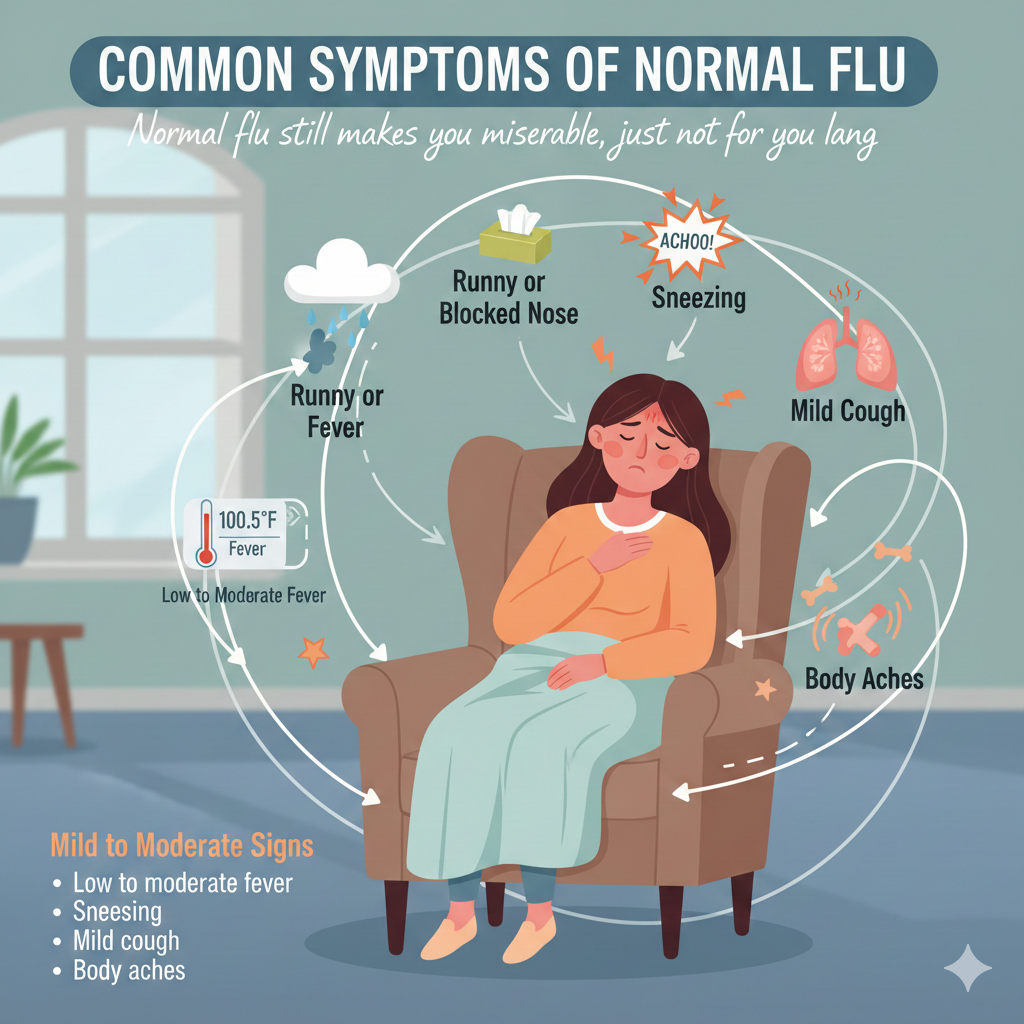
Normal flu still makes you miserable, just not for as long.
Mild to Moderate Signs
- Low to moderate fever
- Runny or blocked nose
- Sneezing
- Mild cough
- Body aches
These symptoms often respond well to rest and hydration.
Recovery Timeline
Most people feel noticeably better within 4–6 days. Energy returns gradually, and cough subsides without lingering too long. That predictable recovery is what sets normal flu apart.
H3N2 Flu vs Normal Flu: Symptom Comparison Table

| Feature | H3N2 Flu | Normal Flu |
| Fever | High and persistent | Mild to moderate |
| Cough | Dry, severe, long-lasting | Mild, short-term |
| Fatigue | Extreme, prolonged | Temporary |
| Recovery Time | 2–3 weeks or more | 5–7 days |
| Medical Attention | Often required | Rarely required |
This table alone explains why H3N2 flu on rise in Delhi NCR deserves attention.
Why H3N2 Flu Is Considered More Severe
Severity isn’t just about pain—it’s about how deeply a virus affects daily life.
Impact on Lungs and Respiratory System
H3N2 targets the lower respiratory tract more aggressively. That’s why cough feels deeper, breathing feels heavier, and chest congestion takes longer to clear.
Longer Recovery Period
Even after fever subsides, exhaustion lingers. People often say, “I feel fine, but I have no energy.” That post-viral fatigue is a hallmark of H3N2 flu.
High-Risk Groups in Delhi NCR
While anyone can get infected, some groups face higher risks.
Children and Elderly
Weaker or developing immune systems make it harder to fight H3N2 flu, increasing the chances of complications.
People With Existing Health Conditions
Those with asthma, heart issues, or weakened immunity must be extra cautious. For them, early consultation is not optional.
How H3N2 Flu Spreads Rapidly in Urban Areas

Cities accelerate infections.
Airborne Transmission
A single cough in a crowded metro or office can infect multiple people.
Crowded Living and Workspaces
Close contact means the virus spreads before symptoms even appear.
When to Suspect H3N2 Flu Instead of Normal Flu
Timing matters.
Duration of Fever
If fever lasts more than three days, rethink your diagnosis.
Worsening Symptoms
Normal flu improves daily. H3N2 flu often does the opposite.
Importance of Early Medical Consultation
Waiting it out can backfire.
Why You Should Not Self-Medicate
Random medicines may mask symptoms without treating the root cause.
Book Free Doctor Consultation Now
Early advice helps shorten illness duration and prevents complications.
Diagnosis Without Delay
No need for panic—just timely evaluation.
Clinical Evaluation
Doctors assess symptom patterns and severity.
Symptom-Based Assessment
Often, symptoms tell the whole story.
Treatment Options for H3N2 Flu
Treatment focuses on relief and recovery.
Supportive Care
- Adequate rest
- Fluids
- Symptom management
Role of Medical Supervision
Guidance ensures recovery stays on track.
Home Care Tips for Flu Recovery
Healing starts at home.
Rest, Hydration, and Nutrition
Think of recovery like recharging a drained battery.
Monitoring Symptoms
Track fever, breathing, and energy levels daily.
Prevention Tips to Stay Safe in Delhi NCR
Prevention is easier than cure.
Hygiene Practices
Handwashing and cough etiquette matter.
Masking and Social Responsibility
Protect yourself and others.
Myths and Facts About H3N2 Flu
- Myth: It’s just a bad cold
- Fact: It’s more intense and longer-lasting
What to Do If a Family Member Has H3N2 Flu
Isolate gently, support emotionally, and monitor symptoms closely.
Managing Flu Anxiety During Rising Cases
Fear spreads faster than viruses. Stay informed, not alarmed.
Why Booking a Free Doctor Consultation Matters

It offers reassurance, clarity, and direction—without delay or guesswork.
Conclusion
The H3N2 flu is not something to brush aside as “just another seasonal flu.” While symptoms may overlap with normal flu, the severity, duration, and impact on daily life make H3N2 a different beast altogether. Listening to your body, recognizing warning signs, and choosing early medical guidance can make all the difference between prolonged illness and smoother recovery. When in doubt, don’t wait—Book Free Doctor Consultation Now and take control of your health.
FAQs
- How long does H3N2 flu last compared to normal flu?
H3N2 flu can last two to three weeks, while normal flu usually resolves within a week. - Can H3N2 flu start like a normal flu?
Yes, initial symptoms are similar, which is why monitoring progression is crucial. - Is H3N2 flu contagious?
Very much so, especially in crowded urban settings like Delhi NCR. - When should I consult a doctor for flu symptoms?
If fever persists beyond three days or symptoms worsen, consult immediately. - Can early consultation reduce recovery time?
Yes, timely guidance helps manage symptoms effectively and prevents complications.
Leave a Reply