
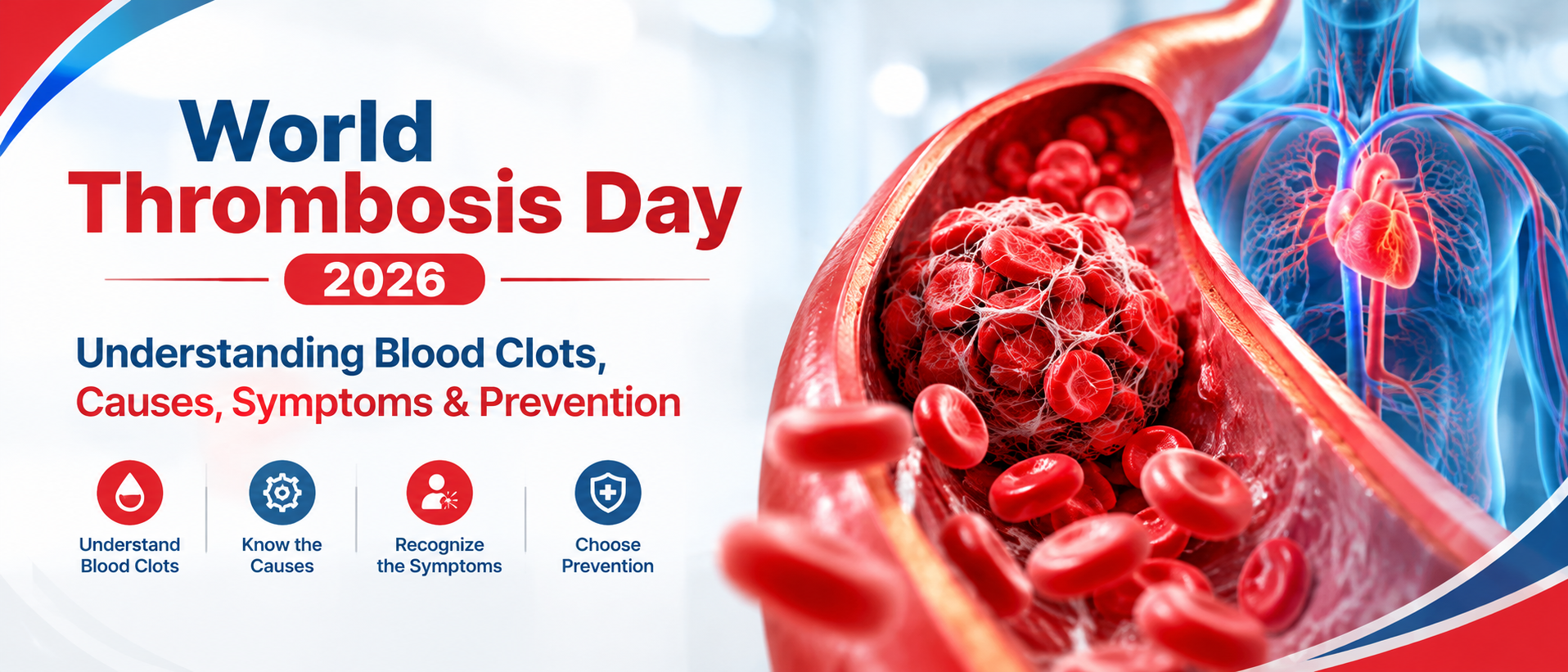
Why World Thrombosis Day 2026 Matters


World Thrombosis Day 2026 is an important opportunity to raise awareness about thrombosis, a potentially serious medical condition that occurs when blood clots form inside blood vessels and interfere with normal blood flow. Although blood clotting is a natural process that helps stop bleeding after an injury, clots that develop unnecessarily inside veins or arteries can lead to life-threatening complications.
Understanding blood clots is essential because some clots develop with few noticeable symptoms, while others can cause sudden medical emergencies. Deep vein thrombosis (DVT) and pulmonary embolism (PE) are important examples of conditions associated with venous thromboembolism (VTE).
Observed annually on October 13, World Thrombosis Day encourages individuals, healthcare professionals, and organizations to recognize warning signs, understand risk factors, and take practical steps to reduce preventable harm. Through thrombosis awareness 2026, people can learn when to seek medical attention and why early diagnosis matters.
What Is Thrombosis? Understanding Blood Clots and Their Types
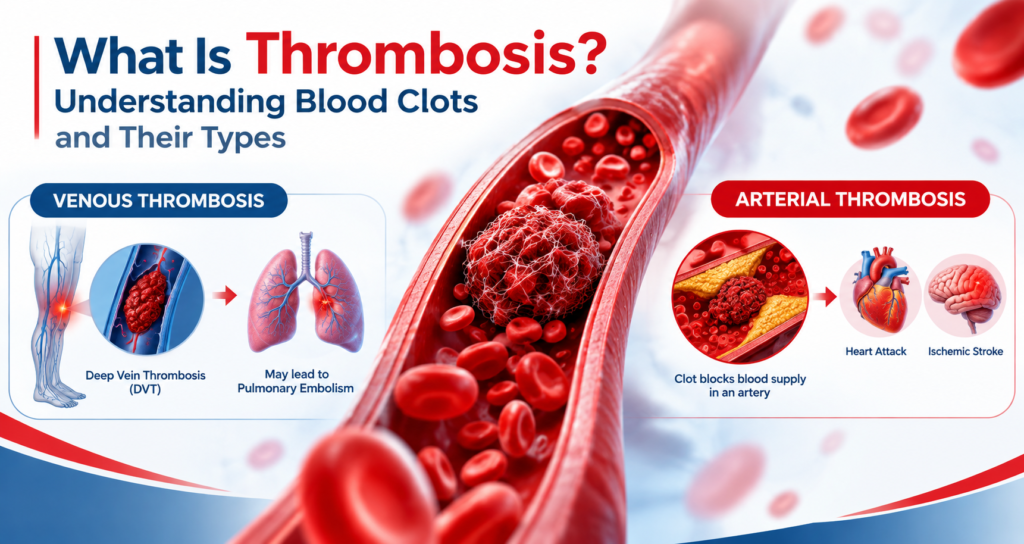
Thrombosis refers to the formation of a blood clot, also known as a thrombus, inside a blood vessel. A clot can partially or completely block blood flow, preventing oxygen and nutrients from reaching tissues and organs.
Blood clots generally fall into two broad categories:
- Venous thrombosis: A clot develops in a vein, often in the deep veins of the leg. It may cause deep vein thrombosis and can potentially lead to a pulmonary embolism if part of the clot travels to the lungs.
- Arterial thrombosis: A clot develops in an artery and may block blood supply to vital organs. Depending on its location, it can cause a heart attack or an ischemic stroke.
Understanding these blood circulation and clotting disorders helps explain why thrombosis can affect different parts of the body and why symptoms vary from person to person.
Blood Clot Causes and Symptoms: What You Need to Know
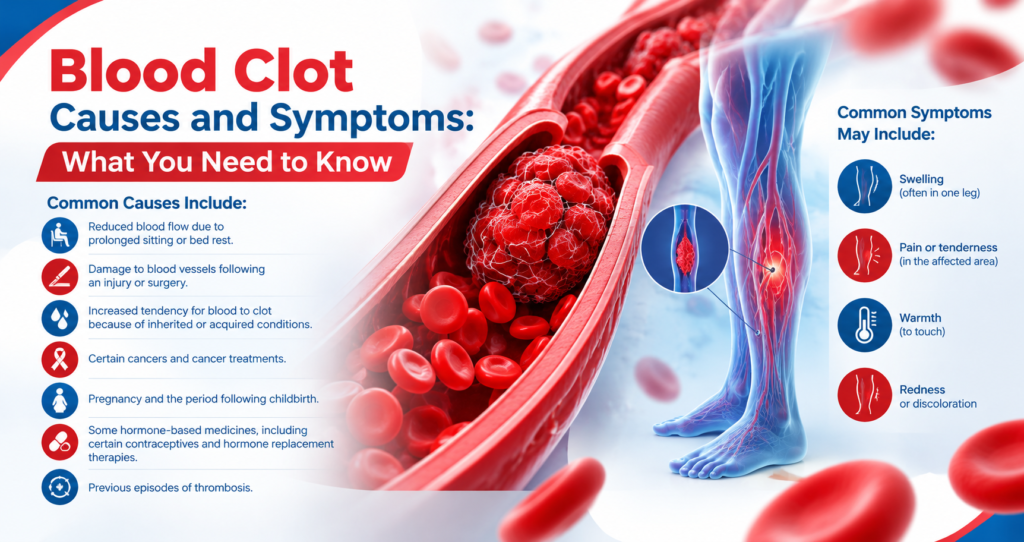
Blood clot causes and symptoms depend on the location of the clot, its size, and the person’s overall health. Several biological and lifestyle factors can increase the likelihood of clot formation.
Common causes include:
- Reduced blood flow due to prolonged sitting or bed rest.
- Damage to blood vessels following an injury or surgery.
- Increased tendency for blood to clot because of inherited or acquired conditions.
- Certain cancers and cancer treatments.
- Pregnancy and the period following childbirth.
- Some hormone-based medicines, including certain contraceptives and hormone replacement therapies.
- Previous episodes of thrombosis.
Symptoms may include swelling, pain, tenderness, warmth, or changes in skin colour in an affected limb. However, some blood clots produce no obvious symptoms until a serious complication develops.
Recognizing these warning signs and discussing personal risk factors with a healthcare professional can help support timely diagnosis and treatment.
Early Signs of Blood Clots You Should Never Ignore
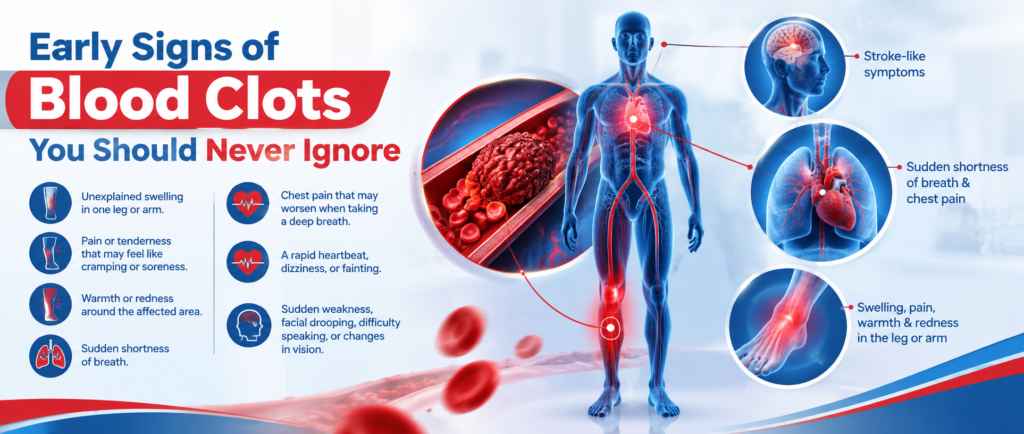
The early signs of blood clots vary according to where the clot forms. Some symptoms develop gradually, while others appear suddenly and require emergency care.
Possible warning signs include:
- Unexplained swelling in one leg or arm.
- Pain or tenderness that may feel like cramping or soreness.
- Warmth or redness around the affected area.
- Sudden shortness of breath.
- Chest pain that may worsen when taking a deep breath.
- A rapid heartbeat, dizziness, or fainting.
- Sudden weakness, facial drooping, difficulty speaking, or changes in vision.
The last group of symptoms can indicate a stroke or another serious emergency. Sudden chest pain, breathing difficulty, or fainting may indicate a pulmonary embolism or another urgent condition.
Seek emergency medical care immediately if you experience symptoms suggestive of a pulmonary embolism, stroke, or heart attack. Do not wait for symptoms to disappear or attempt to diagnose a blood clot yourself.
Deep Vein Thrombosis Symptoms: Recognizing DVT Early
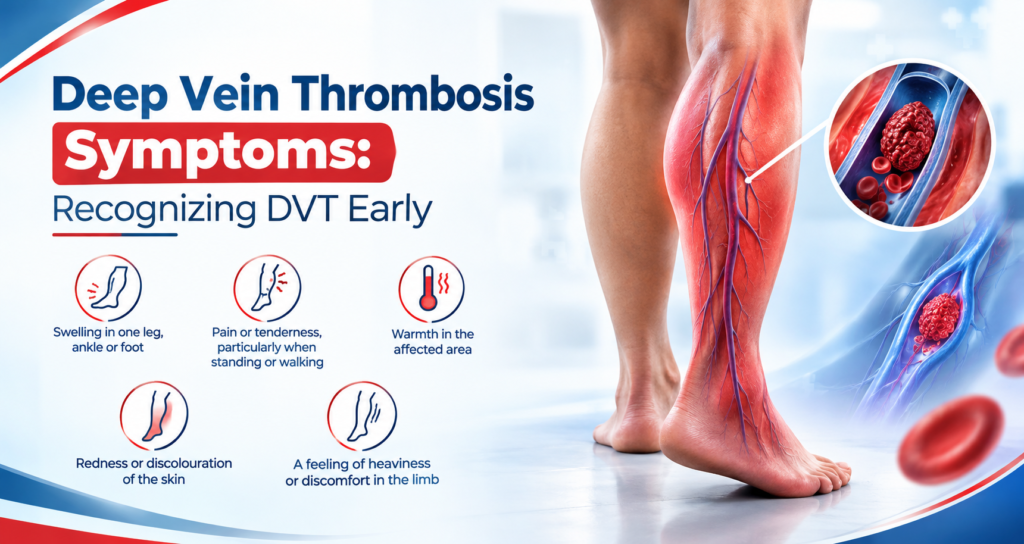
Deep vein thrombosis occurs when a blood clot forms in a deep vein, most commonly in the lower leg or thigh, although it can occur in other areas.
Common deep vein thrombosis symptoms include:
- Swelling in one leg, ankle, or foot.
- Pain or tenderness, particularly when standing or walking.
- Warmth in the affected area.
- Redness or discolouration of the skin.
- A feeling of heaviness or discomfort in the limb.
Not everyone with DVT experiences noticeable symptoms. Furthermore, leg pain and swelling can have several other causes, so clinical evaluation is necessary to determine whether a clot is present.
Early recognition is important because a clot may grow or break away and travel through the bloodstream to the lungs. If you suspect DVT, seek prompt medical assessment rather than relying on home remedies or massage.
Pulmonary Embolism Symptoms: When a Blood Clot Becomes an Emergency
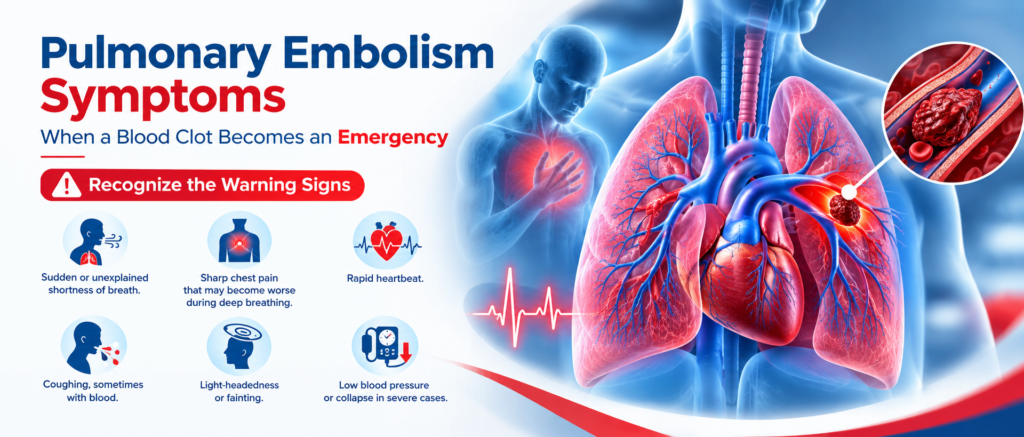
A pulmonary embolism occurs when a blood clot blocks an artery in the lungs. Many pulmonary embolisms develop when a clot from a deep vein travels through the bloodstream to the lungs.
Pulmonary embolism symptoms may include:
- Sudden or unexplained shortness of breath.
- Sharp chest pain that may become worse during deep breathing.
- Rapid heartbeat.
- Coughing, sometimes with blood.
- Light-headedness or fainting.
- Low blood pressure or collapse in severe cases.
A pulmonary embolism can be life-threatening and requires immediate medical attention. Call your local emergency number if these symptoms occur, especially when they develop suddenly.
Prompt medical evaluation and appropriate treatment can reduce the risk of serious complications.
Venous Thromboembolism (VTE): Understanding the Connection Between DVT and PE
Venous thromboembolism (VTE) is the collective term for deep vein thrombosis and pulmonary embolism. These conditions are closely related because a clot that forms in a deep vein can travel to the lungs.
VTE may occur in people who are hospitalized, recovering from surgery, living with certain medical conditions, or experiencing prolonged immobility. However, it can also affect people who appear otherwise healthy.
Awareness of VTE is especially important because prevention strategies are often available for people at increased risk. Depending on the situation, these may include early movement after surgery, prescribed compression devices, or preventive anticoagulant medication.
Recognizing risk factors and seeking medical advice when warning signs appear are essential steps in reducing VTE-related complications.
Blood Clot Risk Factors: Who Is More Likely to Develop Thrombosis?
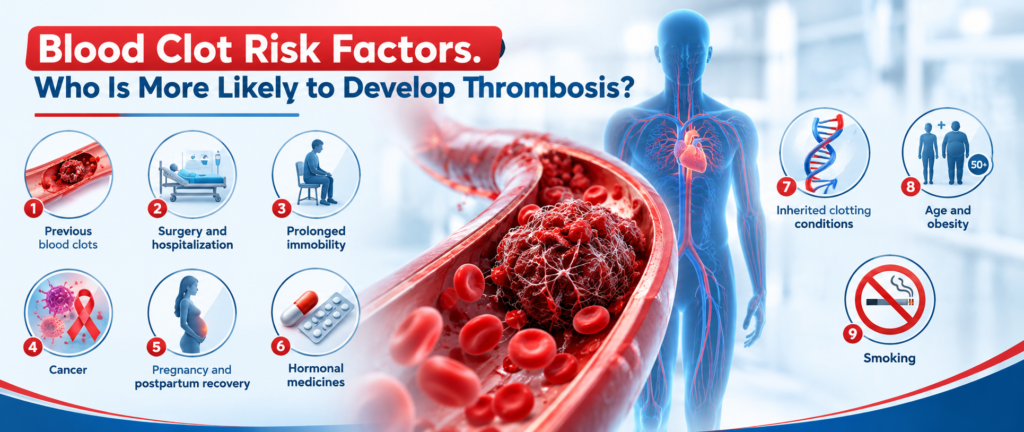
Several factors can increase the risk of developing thrombosis. Some are temporary, while others are associated with long-term health conditions.
Important blood clot risk factors include:
- Previous blood clots: A history of DVT or pulmonary embolism can increase the risk of recurrence.
- Surgery and hospitalization: Reduced movement and blood vessel injury can contribute to clot formation.
- Prolonged immobility: Long periods of sitting, bed rest, or limited movement may slow blood flow.
- Cancer: Certain cancers and their treatments can increase clotting risk.
- Pregnancy and postpartum recovery: Hormonal changes and pressure on veins increase the risk.
- Hormonal medicines: Certain estrogen-containing contraceptives and hormone therapies can increase risk.
- Inherited clotting conditions: Some genetic disorders make blood more likely to clot.
- Age and obesity: Risk generally increases with age, and obesity is an additional risk factor.
- Smoking: Smoking can damage blood vessels and contribute to cardiovascular risks.
Having one or more risk factors does not mean a person will necessarily develop thrombosis. A healthcare professional can assess individual risk and recommend suitable preventive measures.
DVT Causes and Treatment: How Is Deep Vein Thrombosis Managed?
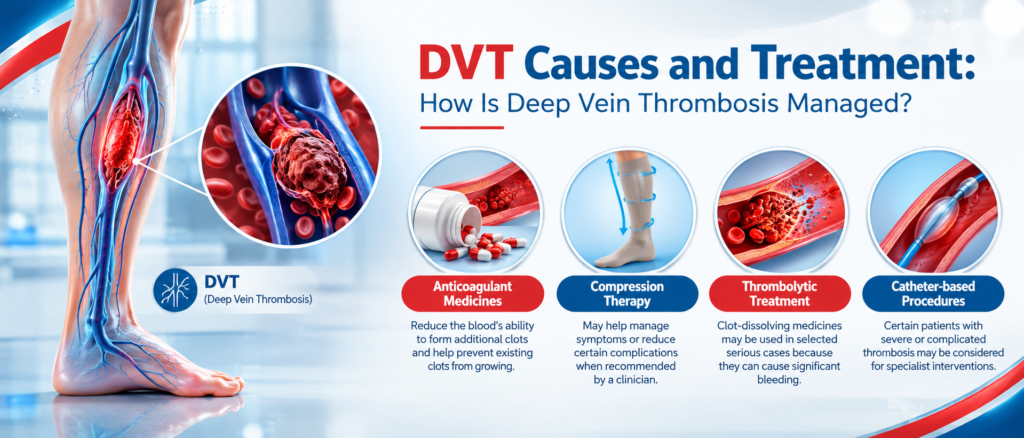
DVT causes and treatment are closely connected to three major mechanisms: slower blood flow, damage to the inner lining of blood vessels, and an increased tendency for blood to clot.
Treatment depends on the location and severity of the clot, the patient’s medical history, and the risk of bleeding.
Common treatment approaches include:
- Anticoagulant medicines: These medications reduce the blood’s ability to form additional clots and help prevent existing clots from growing. They do not directly dissolve a clot.
- Compression therapy: In selected patients, compression stockings may help manage symptoms or reduce certain complications when recommended by a clinician.
- Thrombolytic treatment: Clot-dissolving medicines may be used in selected serious cases because they can cause significant bleeding.
- Catheter-based procedures: Certain patients with severe or complicated thrombosis may be considered for specialist interventions.
The appropriate treatment plan must be determined by a qualified healthcare professional. Patients should not start, stop, or change anticoagulant medicines without medical advice.
Blood Clot Diagnosis and Treatment: Tests Doctors May Recommend
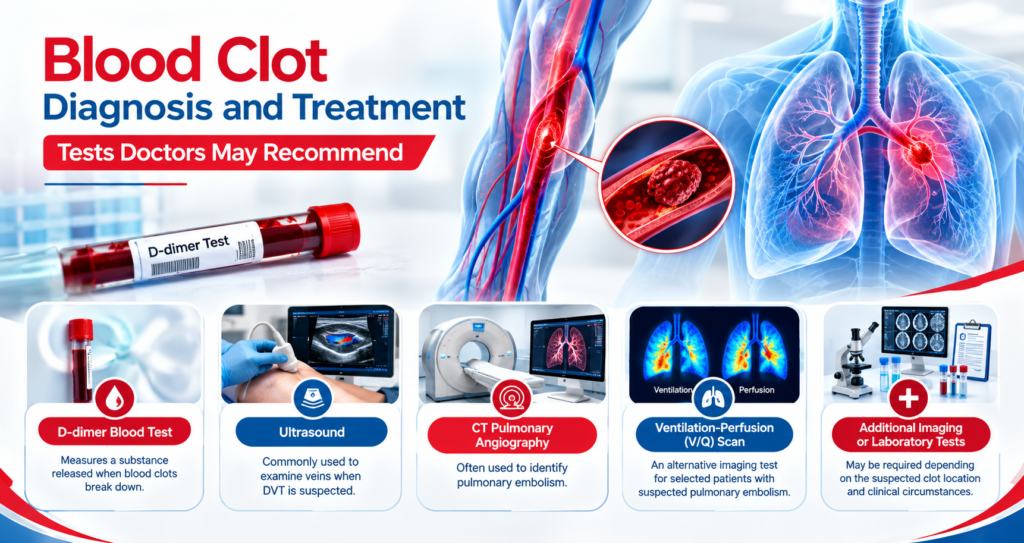
Blood clot diagnosis and treatment depend on the suspected location of the clot and the patient’s symptoms.
Doctors may use a combination of medical history, physical examination, blood tests, and imaging.
Common diagnostic methods include:
- D-dimer blood test: Measures a substance released when blood clots break down. It can help rule out a clot in appropriately selected patients, but an elevated result does not confirm thrombosis.
- Ultrasound: Commonly used to examine veins when DVT is suspected.
- CT pulmonary angiography: Often used to identify pulmonary embolism.
- Ventilation-perfusion (V/Q) scan: An alternative imaging test for selected patients with suspected pulmonary embolism.
- Additional imaging or laboratory tests: May be required depending on the suspected clot location and clinical circumstances.
Early diagnosis helps healthcare professionals determine whether anticoagulants, specialist procedures, or other treatments are appropriate.
Thrombosis Prevention Tips: Practical Ways to Reduce Blood Clot Risk
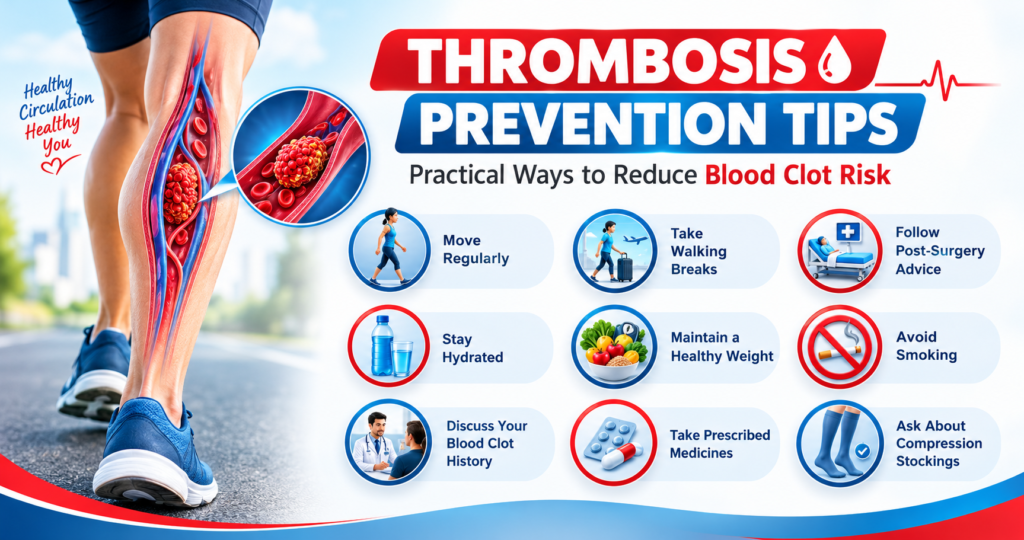
Thrombosis prevention tips focus on maintaining blood flow, identifying individual risk factors, and taking appropriate precautions during periods of increased risk.
Useful measures include:
- Move regularly throughout the day instead of sitting for extended periods.
- Take walking breaks during long journeys when possible.
- Follow medical advice about movement after surgery or hospitalization.
- Stay hydrated during travel and daily activities, unless your clinician has advised fluid restriction.
- Maintain a healthy weight through balanced nutrition and regular physical activity.
- Avoid smoking and seek support to quit if needed.
- Discuss personal and family history of blood clots with a healthcare professional.
- Take prescribed preventive medicines exactly as directed.
- Ask your doctor whether compression devices or stockings are appropriate for your circumstances.
No single strategy eliminates all risk. People with a history of thrombosis or other significant risk factors may need an individualized prevention plan.
Blood Clot Prevention Methods After Surgery and Hospitalization
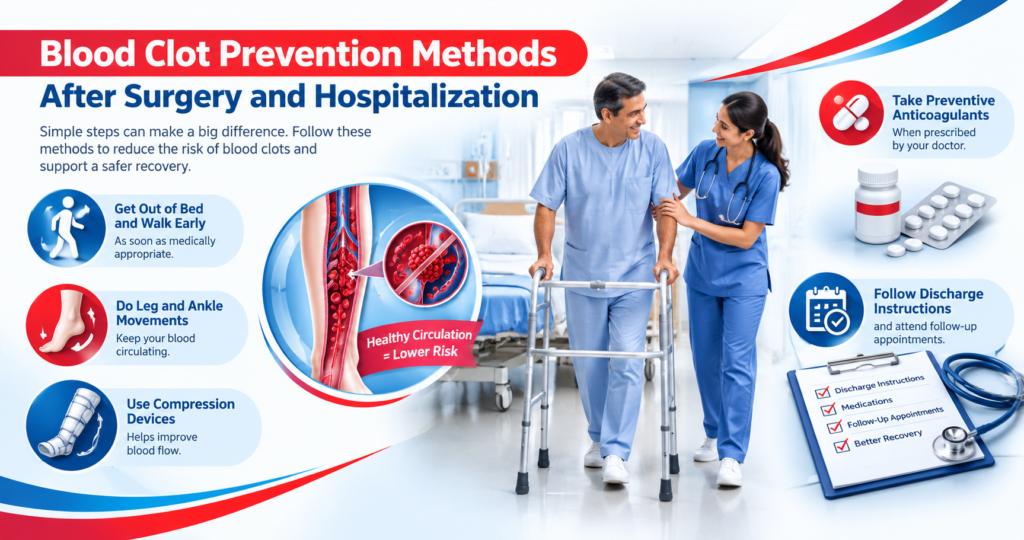
Blood clots after surgery are an important concern because procedures may affect blood vessels, while recovery can limit physical activity. Hospitalization, serious illness, and prolonged bed rest can also increase the risk.
Healthcare teams assess factors such as the type of surgery, age, medical history, mobility, and bleeding risk before recommending preventive measures.
Depending on the patient’s condition, blood clot prevention methods may include:
- Getting out of bed and walking as soon as medically appropriate.
- Performing prescribed leg and ankle movements.
- Using intermittent pneumatic compression devices.
- Taking preventive anticoagulants when prescribed.
- Following discharge instructions and attending follow-up appointments.
Patients should report new leg swelling, unexplained pain, chest pain, or breathing difficulties promptly. After discharge, sudden breathing difficulty or chest pain requires emergency assessment.
Blood Clot Prevention During Travel: Staying Safe on Long Journeys
Long-distance travel can increase the risk of blood clots, particularly when a person remains seated and relatively immobile for several hours. The overall risk for most travellers is low, but it may be higher in people with additional risk factors.
Practical blood clot prevention during travel includes:
- Stand up and walk periodically when it is safe to do so.
- Perform ankle circles and calf movements while seated.
- Avoid remaining in the same position for the entire journey.
- Choose an aisle seat when practical to make movement easier.
- Drink fluids regularly, taking account of any medical restrictions.
- Ask a healthcare professional about additional precautions if you have previously experienced DVT or PE, recently undergone surgery, or have other significant risk factors.
Preventive medication is not necessary for every traveller and should only be used following appropriate medical advice.
Blood Clot Risks During Pregnancy and After Delivery
Blood clot risks during pregnancy increase because pregnancy changes the body’s clotting system and can reduce blood flow through the veins. The risk remains elevated during the postpartum period, making awareness important both before and after delivery.
Additional risk factors may include a previous blood clot, inherited clotting disorders, obesity, prolonged immobility, and certain pregnancy-related complications.
Pregnant and postpartum individuals should seek medical advice if they develop unexplained swelling or pain in one leg. Sudden shortness of breath, chest pain, or collapse requires emergency care.
Healthcare professionals can assess individual risk and recommend preventive measures when necessary. These may include movement, monitoring, and prescribed anticoagulant medication for selected high-risk patients.
Thrombosis Treatment Options: Why Professional Medical Advice Matters
Thrombosis treatment options vary according to whether the clot is venous or arterial, its location, the severity of the condition, and the patient’s overall health.
Anticoagulants are commonly used for many cases of DVT and pulmonary embolism. Selected patients with severe complications may require clot-dissolving medicines or specialist procedures.
Arterial clots require urgent, condition-specific treatment. For example, a heart attack or ischemic stroke may require emergency interventions to restore blood flow and protect affected organs.
Treatment duration also varies. Some people need anticoagulants for a limited period, while others may require longer treatment because of persistent risk factors or recurrent thrombosis.
Patients should discuss the benefits, risks, possible side effects, and follow-up requirements of treatment with their healthcare team.
Healthy Lifestyle for Blood Clot Prevention: Everyday Habits That Help
A healthy lifestyle for blood clot prevention can support circulation and improve overall cardiovascular health. Although healthy habits cannot prevent every clot, they can help reduce certain modifiable risk factors.
Consider building these habits into your routine:
- Regular physical activity: Walking, cycling, swimming, and other suitable activities support general health.
- Balanced nutrition: Eat a varied diet containing vegetables, fruit, whole grains, and appropriate sources of protein.
- Weight management: Work towards a weight that supports your overall health.
- Smoking cessation: Avoid tobacco and seek professional help if quitting is difficult.
- Movement breaks: Break up long periods of sitting at work or at home.
- Preventive healthcare: Discuss medication use, family history, and personal risk factors with your doctor.
People taking warfarin may need guidance about maintaining a consistent vitamin K intake. They should not make major dietary changes without discussing them with their healthcare team.
Thrombosis Awareness 2026: How Individuals and Communities Can Help
Thrombosis awareness 2026 can help people understand that blood clots are not always easy to recognize and that timely medical attention can make a difference.
Individuals can contribute by learning common symptoms, sharing information from reliable medical sources, and encouraging family members to discuss personal risk factors with healthcare professionals.
Employers can support awareness by encouraging movement breaks, promoting general health education, and helping employees understand workplace health resources.
Healthcare organizations can provide educational materials explaining DVT, pulmonary embolism, risk assessment, diagnosis, and prevention. Clear communication is especially valuable for patients recovering from surgery or living with conditions that increase clotting risk.
World Thrombosis Day Awareness Campaign: Spreading Life-Saving Knowledge
A World Thrombosis Day awareness campaign can bring attention to the warning signs, risk factors, and prevention of thrombosis through educational articles, social media posts, community events, and healthcare initiatives.
Effective awareness activities can include:
- Publishing educational content about blood clot symptoms and prevention.
- Sharing medically reviewed infographics about DVT and pulmonary embolism.
- Encouraging people to seek prompt care for concerning symptoms.
- Providing patients with clear information about preventive medicines and post-surgery mobility.
- Promoting discussions between patients and healthcare professionals about personal risk.
Awareness messages should avoid creating unnecessary fear. Their purpose is to help people recognize emergencies, understand their individual risk, and make informed decisions with qualified medical guidance.
Take Action on World Thrombosis Day 2026
World Thrombosis Day 2026 is a reminder that understanding blood clots can help individuals recognize warning signs and take appropriate preventive action. From identifying deep vein thrombosis symptoms to understanding pulmonary embolism symptoms, accurate information can encourage people to seek medical care at the right time.
Although thrombosis can affect people of different ages and health backgrounds, many risk factors can be assessed, and preventive measures are available for those who need them.
Make movement a regular part of your routine, follow medical advice during recovery and travel, understand your personal risk factors, and never ignore symptoms that could indicate a serious clot.
Remember: Sudden shortness of breath, chest pain, fainting, or symptoms of a stroke require emergency medical attention. Early recognition and appropriate treatment can help prevent serious complications.
Medical disclaimer: This article is intended for general educational purposes and does not replace professional medical advice, diagnosis, or treatment. Consult a qualified healthcare professional about your individual risk and preventive care.
Leave a Reply