
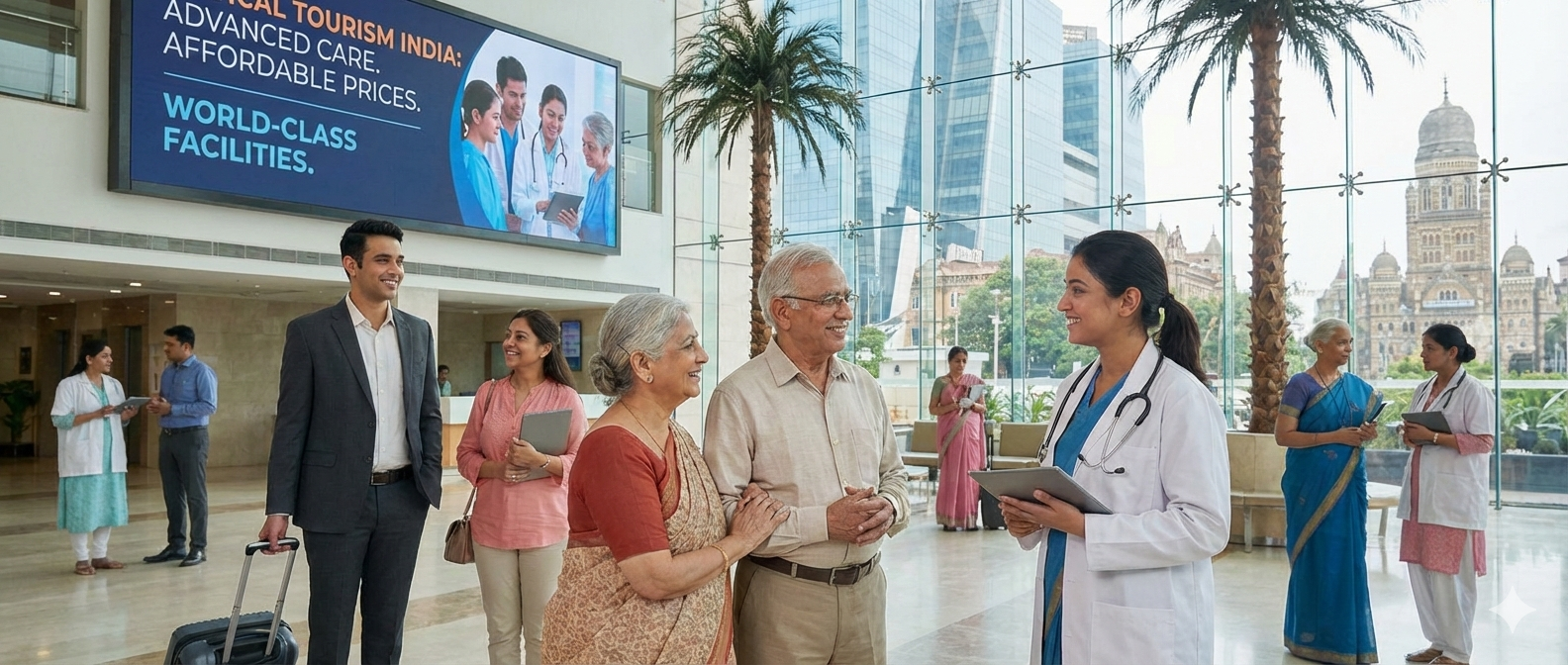

Medical tourism isn’t just a buzzword anymore—it’s a global movement. And right at the center of this movement stands India, quietly but confidently redefining what affordable, high-quality healthcare looks like. Medical Tourism in India: Advanced Care Without the High Price Tag isn’t just a catchy phrase; it’s a lived reality for millions of international patients every year.
Imagine getting a life-saving surgery, world-class medical expertise, and compassionate care—without draining your life savings. Sounds too good to be true? That’s exactly why people are hopping on planes and heading to India for treatment. From advanced cardiac procedures to complex orthopedic surgeries and holistic wellness therapies, India delivers premium healthcare at a fraction of the cost seen in many developed nations.
What makes this even more compelling is the human side of the experience. Patients aren’t just treated as medical cases; they’re welcomed as guests. Doctors take time to explain, nurses show genuine empathy, and recovery often feels more personal than clinical. Add to that India’s cultural warmth, diverse cuisine, and centuries-old healing traditions, and you begin to see why medical tourism here feels less like a transaction and more like a journey to healing.
In this in-depth guide, we’ll unpack every layer of Medical Tourism in India, exploring why it’s booming, how it maintains advanced standards, and why affordability doesn’t mean compromise. If you’ve ever wondered how India delivers advanced care without the high price tag, you’re in the right place.
Understanding Medical Tourism in India
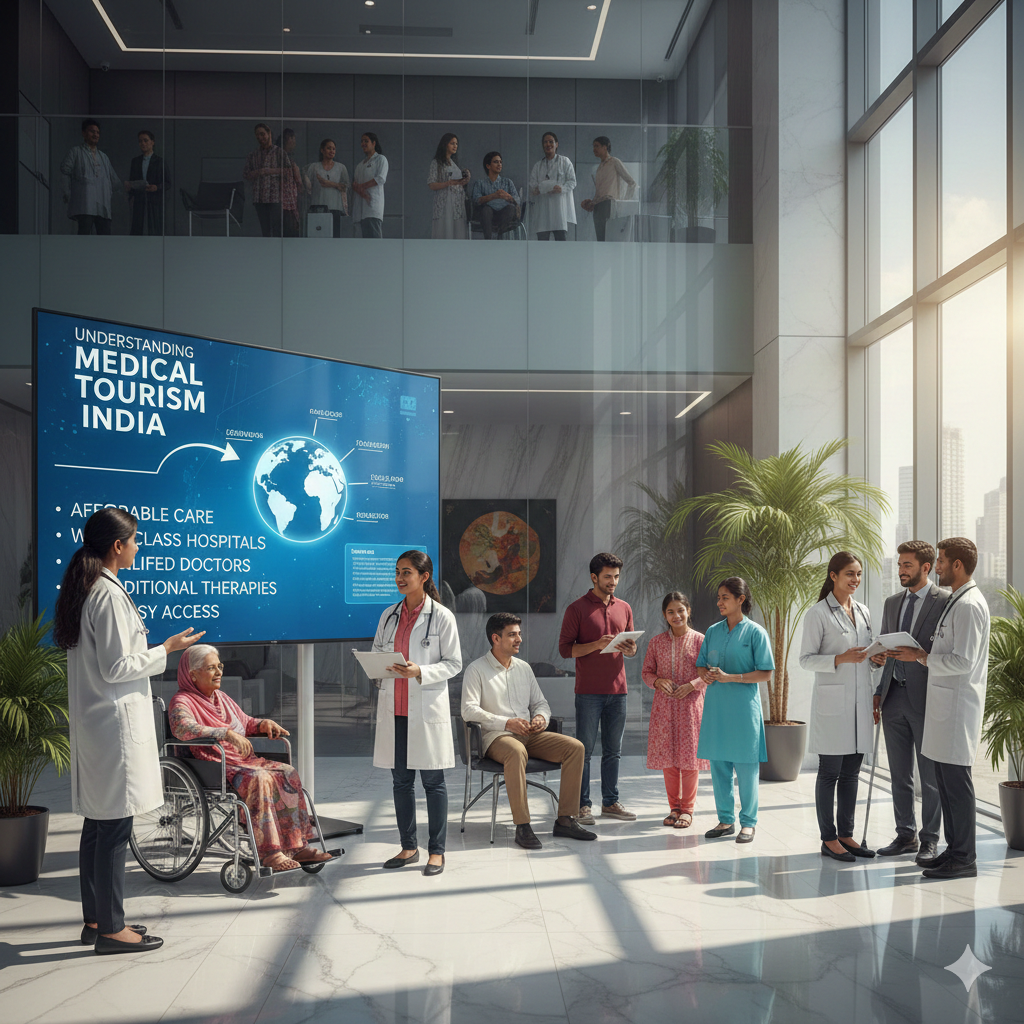
At its core, medical tourism is simple: traveling to another country for medical treatment. But when we talk about Medical Tourism in India, the concept goes much deeper than affordability alone. It’s about accessibility, trust, expertise, and outcomes.
India’s medical tourism ecosystem has evolved over decades. Initially driven by neighboring countries seeking affordable care, it has now expanded to attract patients from North America, Europe, the Middle East, Africa, and Southeast Asia. These patients come not only for cost savings but also for procedures that may have long waiting lists or limited availability in their home countries.
One major reason India stands out is its balance between modern medicine and traditional healing. While cutting-edge technology handles complex surgeries, ancient wellness systems like Ayurveda and Yoga support holistic recovery. This blend appeals to patients who want both clinical precision and overall well-being.
Another defining factor is transparency. Treatment plans, costs, recovery timelines—everything is discussed upfront. Patients know exactly what to expect, which builds trust and reduces anxiety. Unlike some healthcare systems where billing feels like a mystery novel, medical tourism in India prioritizes clarity.
Language is another advantage. English is widely spoken among medical professionals, making communication smooth and effective. For patients traveling long distances, being understood—and understanding their care plan—makes all the difference.
In essence, Medical Tourism in India isn’t just about traveling for treatment. It’s about choosing a healthcare experience that values quality, affordability, and humanity in equal measure.
Why Medical Tourism in India Is Growing Rapidly
The rapid rise of medical tourism in India didn’t happen overnight. It’s the result of global healthcare challenges colliding with India’s readiness to meet them. One of the biggest drivers? Cost. Healthcare expenses in many developed countries have skyrocketed, making even basic procedures financially overwhelming. In contrast, India offers the same treatments at significantly lower prices—often 60–80% less—without cutting corners.
Another major factor is waiting time. In several countries, patients wait months, sometimes even years, for elective or specialized procedures. For someone in pain or dealing with a progressive condition, waiting isn’t an option. India’s healthcare system, with its large pool of specialists and hospitals, drastically reduces waiting periods. Many patients can schedule surgeries within days of arrival.
Globalization has also played a role. Information is more accessible than ever. Patients can research doctors, treatment outcomes, and recovery stories online. As positive experiences circulate, trust grows. Word-of-mouth referrals, especially within expatriate and immigrant communities, have fueled further growth.
Let’s not overlook travel accessibility. India is well-connected by international flights, and medical visas are relatively straightforward. Combined with affordable accommodation and transport, the entire journey becomes manageable—even for long-term treatments.
Finally, the emotional aspect matters. Patients often report feeling more cared for in India. Doctors spend more time, families are involved, and the environment feels less rushed. This human connection, paired with clinical excellence, explains why Medical Tourism in India continues to grow at such a remarkable pace.
Advanced Healthcare Infrastructure Supporting Medical Tourism in India

One common misconception is that affordable healthcare must mean outdated facilities or limited technology. Medical tourism in India shatters that myth completely. Across the country, healthcare infrastructure has been built with international patients in mind, combining modern design, advanced equipment, and efficient systems.
Indian hospitals are equipped with state-of-the-art operation theaters, advanced imaging systems, and high-end diagnostic labs. Many facilities follow globally recognized safety protocols, infection control standards, and patient care guidelines. From robotic-assisted surgeries to minimally invasive procedures, the technological depth rivals that of leading healthcare destinations worldwide.
What truly sets India apart is scalability. Large hospitals can handle thousands of patients without compromising quality. Emergency services, intensive care units, and rehabilitation centers operate seamlessly together, ensuring continuity of care from diagnosis to recovery.
Digital healthcare also plays a significant role. Electronic medical records, telemedicine follow-ups, and virtual doctor consultations allow international patients to stay connected with their doctors even after returning home. This continuity builds long-term trust and improves outcomes.
Importantly, infrastructure isn’t limited to hospitals alone. Nearby hotels, serviced apartments, and recovery centers cater specifically to medical tourists. These spaces are designed for comfort, accessibility, and healing, making recovery smoother and less stressful.
In short, Medical Tourism in India thrives because the infrastructure supports not just treatment, but the entire patient journey—efficiently, safely, and compassionately.
World-Class Medical Technology in India
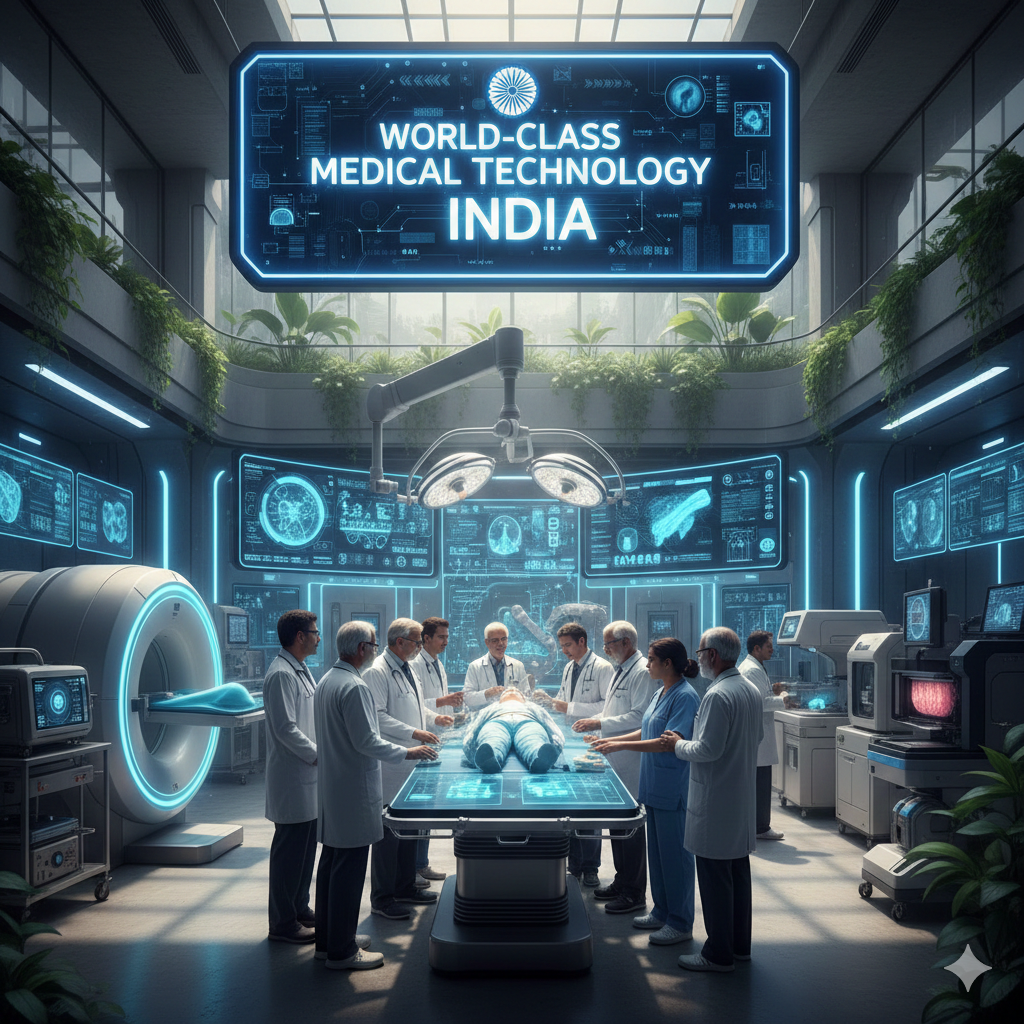
Advanced medical technology is one of the strongest pillars supporting medical tourism in India. Over the years, the country has made significant investments in cutting-edge healthcare tools, ensuring that patients receive precise diagnoses and effective treatments.
From robotic surgery systems that enhance surgical accuracy to advanced imaging technologies like high-resolution MRI and CT scanners, Indian healthcare facilities are well-equipped to handle complex medical conditions. These technologies reduce recovery time, minimize complications, and improve overall success rates—key concerns for international patients.
Artificial intelligence is also making its mark. AI-assisted diagnostics help doctors detect diseases earlier and plan treatments more effectively. Digital monitoring systems track patient vitals in real time, ensuring quick intervention if needed. For medical tourists, this means peace of mind—knowing that their care is supported by the latest innovations.
What’s remarkable is how seamlessly technology integrates with human expertise. Tools enhance decision-making, but doctors remain at the center of care. This balance ensures that treatment feels personal, not mechanical.
Another advantage is accessibility. Advanced technology in India doesn’t come with an inflated price tag. Patients benefit from innovation without the financial burden often associated with high-tech healthcare elsewhere.
This commitment to modern medicine reinforces why Medical Tourism in India: Advanced Care Without the High Price Tag is more than a promise—it’s a proven reality.
Highly Skilled Medical Professionals in India

Technology alone doesn’t heal people—doctors do. And one of the most compelling reasons behind the success of medical tourism in India is its highly skilled medical workforce. Indian doctors, surgeons, and healthcare professionals are globally respected for their expertise, training, and dedication.
Many medical professionals in India receive rigorous education and hands-on experience, often training or practicing internationally before returning home. This global exposure allows them to understand diverse medical protocols and patient expectations. For international patients, this familiarity builds confidence and comfort.
Experience is another major factor. Due to India’s large population, doctors handle a high volume of cases across a wide range of conditions. This exposure sharpens skills and improves outcomes, particularly for complex procedures.
Equally important is the doctor-patient relationship. Indian medical culture emphasizes communication, empathy, and involvement. Doctors take time to explain diagnoses, discuss options, and answer questions—something many patients feel is missing in their home countries.
Nurses, technicians, and support staff further enhance the experience. Their attentiveness and compassion often leave a lasting impression, making recovery feel supported rather than isolated.
In the world of Medical Tourism in India, expertise isn’t just measured in degrees or technology—it’s reflected in trust, outcomes, and genuine care.
Cost Comparison: Medical Tourism in India vs Other Countries
One of the strongest attractions of medical tourism in India is affordability. But affordability here doesn’t mean “cheap” in the negative sense—it means value. Patients receive advanced care at a fraction of the cost they would pay elsewhere, without compromising safety or quality.
Here’s a simple comparison to put things into perspective:
| Treatment Type | Average Cost in Developed Countries | Average Cost in India |
| Heart Surgery | Very High | Significantly Lower |
| Joint Replacement | High | Much More Affordable |
| Cosmetic Surgery | Expensive | Budget-Friendly |
| Cancer Treatment | Extremely Costly | Accessible Pricing |
The difference often comes down to operational costs, not quality. Lower administrative expenses, affordable living costs, and efficient resource management allow Indian healthcare providers to offer competitive pricing.
For many patients, this cost difference is life-changing. It makes treatments possible that would otherwise be delayed or abandoned altogether. Families can focus on healing instead of financial stress.
This clear financial advantage is why Medical Tourism in India: Advanced Care Without the High Price Tag continues to resonate with patients around the world.
Affordable Surgeries Through Medical Tourism in India
Surgical procedures are among the biggest drivers of medical tourism in India. From life-saving operations to elective enhancements, patients find that affordability opens doors to timely and effective treatment.
Cardiac surgeries, orthopedic procedures, and complex general surgeries are performed with high success rates. Minimally invasive techniques reduce hospital stays and speed up recovery, making the overall experience more manageable for international patients.
What’s important is that affordability doesn’t come at the cost of safety. Strict protocols, experienced surgeons, and modern operation theaters ensure that procedures meet international expectations.
Patients often report that the savings allow them to invest more in post-operative care, rehabilitation, and follow-up—elements that are just as critical as the surgery itself.
This balance of cost and quality makes surgical care a cornerstone of Medical Tourism in India, reinforcing its reputation as a smart and safe choice.
Cardiac Care and Medical Tourism in India
When it comes to heart health, timing, precision, and expertise can mean everything. This is exactly why cardiac care and medical tourism in India have become so closely linked over the years. Patients from across the globe travel to India for heart-related treatments not only because of affordability, but because of the consistently strong outcomes and advanced approaches used in cardiac medicine.
India has developed a robust ecosystem for cardiac care, covering everything from preventive cardiology to complex open-heart surgeries. Procedures such as bypass surgery, valve replacement, angioplasty, and minimally invasive cardiac interventions are routinely performed with high success rates. What surprises many international patients is how quickly treatment plans are initiated. In countries with overburdened healthcare systems, waiting months for a heart procedure is common. In India, those timelines are drastically reduced, which can be life-saving.
Another defining feature is the holistic approach to recovery. Cardiac rehabilitation programs focus not just on physical healing but also on lifestyle modification, diet, stress management, and long-term heart health. Patients are educated, not rushed, and that sense of involvement often leads to better adherence and outcomes.
Equally important is emotional reassurance. Heart surgery can be frightening, especially far from home. Medical tourism in India emphasizes family involvement, clear communication, and compassionate care, helping patients feel supported throughout their journey.
All of these elements together explain why Medical Tourism in India: Advanced Care Without the High Price Tag is especially powerful in the field of cardiac treatment.
Orthopedic Procedures and Medical Tourism in India
Mobility is freedom. When joint pain or injury takes that away, quality of life suffers deeply. This is why orthopedic procedures and medical tourism in India attract a large number of international patients each year. From joint replacements to spine surgeries, India offers comprehensive orthopedic solutions that combine precision, durability, and affordability.
One of the biggest draws is joint replacement surgery. Knee and hip replacements are performed using advanced materials and techniques designed to improve longevity and mobility. Minimally invasive methods reduce tissue damage, pain, and recovery time—an important factor for patients traveling from abroad.
Sports injuries and spinal disorders are also major contributors to orthopedic medical tourism in India. Whether it’s a slipped disc, ligament tear, or complex spinal alignment issue, patients benefit from experienced specialists who handle high volumes of similar cases every year.
Rehabilitation plays a critical role here. Physical therapy programs are personalized and closely monitored, ensuring patients regain strength and function safely. Many international patients appreciate that rehabilitation is integrated into the treatment plan rather than treated as an afterthought.
Cost savings are significant, but what truly builds trust is consistency. Outcomes, follow-ups, and patient education remain strong across orthopedic specialties, reinforcing India’s position as a reliable destination for musculoskeletal care.
Cosmetic and Reconstructive Surgery in India
Cosmetic and reconstructive procedures are no longer considered luxuries—they’re often deeply connected to confidence, mental health, and social well-being. Cosmetic and reconstructive surgery in India has grown rapidly as part of medical tourism, offering global standards at accessible costs.
Patients seek cosmetic procedures such as facial enhancements, body contouring, and corrective surgeries with the expectation of natural-looking results. India delivers this through a blend of artistic skill, medical precision, and patient-centered planning. Surgeons emphasize realistic expectations and long-term satisfaction rather than quick fixes.
Reconstructive surgery, on the other hand, often carries emotional weight. Procedures following trauma, burns, or medical conditions require sensitivity as much as technical skill. Medical tourism in India addresses both aspects, providing compassionate care alongside advanced surgical techniques.
Privacy and discretion are also prioritized. Many patients appreciate being able to recover away from their everyday environment, which adds to the appeal of traveling for such procedures.
Once again, affordability plays a role—but it’s the combination of trust, expertise, and individualized care that keeps cosmetic and reconstructive surgery firmly embedded in Medical Tourism in India: Advanced Care Without the High Price Tag.
Traditional Healing and Medical Tourism in India
One of the most unique aspects of medical tourism in India is the seamless integration of traditional healing systems with modern medicine. India is the birthplace of ancient wellness practices that focus on balance, prevention, and long-term health—and international patients are increasingly drawn to this holistic approach.
Ayurveda, Yoga, meditation, and natural therapies complement clinical treatments by addressing stress, immunity, digestion, and mental well-being. For patients recovering from surgery or managing chronic conditions, these practices enhance healing from the inside out.
What makes this integration effective is structure. Traditional therapies are not applied randomly; they are personalized based on individual needs and often supervised alongside medical professionals. This ensures safety while maximizing benefits.
Many patients report that this holistic focus changes how they view health altogether. Instead of chasing symptoms, they learn to maintain balance—physically and emotionally. This deeper transformation is something conventional healthcare systems often overlook.
By offering both advanced medical care and time-tested wellness traditions, Medical Tourism in India becomes more than treatment—it becomes a path toward sustainable health.
Role of Government Support in Medical Tourism in India
The growth of medical tourism in India hasn’t happened in isolation. Strategic government support has played a crucial role in shaping India into a trusted global healthcare destination. Policies, infrastructure development, and streamlined processes have all contributed to smoother patient experiences.
Medical visas are one example. Simplified visa procedures for patients and their companions reduce travel stress and administrative delays. This ease of access is particularly important for patients seeking urgent or long-term treatment.
Infrastructure investment has also been key. Improved airports, transportation systems, and digital connectivity ensure that international patients can move comfortably and stay connected throughout their journey.
Additionally, quality benchmarks and regulatory oversight help maintain high standards across healthcare services. This builds international confidence and reinforces India’s reputation for reliability.
By aligning healthcare growth with tourism and infrastructure planning, the country continues to strengthen its position in Medical Tourism in India: Advanced Care Without the High Price Tag.
Patient Experience in Medical Tourism in India
Beyond treatment outcomes, patient experience defines the success of medical tourism. In India, this experience is shaped by attention, empathy, and personalization. From the moment patients arrive, support systems guide them through consultations, procedures, and recovery.
Care coordinators often assist with scheduling, language support, accommodation, and follow-ups. This reduces uncertainty and allows patients to focus on healing rather than logistics.
What stands out most is time. Doctors and caregivers often spend more time with patients, listening to concerns and explaining options. This human connection builds trust and reduces anxiety, especially for those far from home.
Recovery environments are another highlight. Many patients recuperate in calm, comfortable settings that feel less clinical and more nurturing. This environment positively influences mental well-being and healing speed.
Ultimately, Medical Tourism in India succeeds because it treats patients as people first—not just cases.
Cultural Comfort and Hospitality in Medical Tourism in India
Healthcare can feel intimidating, especially in a foreign country. India’s cultural warmth plays a powerful role in easing that fear. Hospitality is deeply ingrained in Indian society, and this naturally extends into healthcare.
Patients often remark on the friendliness of staff, the willingness to accommodate dietary preferences, and the respect shown toward cultural and religious needs. These small but meaningful gestures make a big difference during recovery.
Language support further enhances comfort. English communication is widespread, and interpreters are available for other languages when needed. This ensures patients feel understood, not isolated.
Family involvement is another cultural strength. Loved ones are encouraged to participate in care and recovery, creating a supportive environment that mirrors home.
This sense of belonging transforms medical travel into a positive experience, reinforcing the appeal of Medical Tourism in India: Advanced Care Without the High Price Tag.
Challenges in Medical Tourism in India
While medical tourism in India offers remarkable advantages, it’s important to acknowledge existing challenges. Awareness and transparency vary, and patients must conduct thorough research before making decisions.
Coordination across borders, time zones, and healthcare systems can sometimes be complex. Follow-up care after returning home requires planning and communication to ensure continuity.
There is also a need for consistent information and standardized patient education to help international patients navigate choices confidently.
However, these challenges are actively being addressed through digital health tools, patient support systems, and improved communication practices. As the ecosystem matures, these gaps continue to narrow.
Recognizing and improving these areas ensures that Medical Tourism in India remains trustworthy and sustainable in the long run.
Future of Medical Tourism in India
The future of medical tourism in India looks exceptionally promising. Advancements in technology, increased global trust, and a growing emphasis on patient-centered care are shaping the next phase of growth.
Telemedicine will play a larger role, allowing patients to consult doctors before and after travel seamlessly. Personalized medicine and data-driven treatment plans will further enhance outcomes.
Sustainability and ethical healthcare practices are also gaining importance, ensuring that growth benefits both patients and the healthcare system itself.
As global healthcare challenges continue, India’s ability to deliver advanced care without the high price tag positions it as a long-term leader in medical tourism.
Conclusion
Medical Tourism in India: Advanced Care Without the High Price Tag is not just a concept—it’s a global healthcare solution. By combining affordability, advanced medical technology, skilled professionals, holistic healing, and genuine hospitality, India has created a healthcare model that resonates with patients worldwide.
For those seeking quality treatment without financial strain, India offers more than medicine—it offers hope, dignity, and healing with heart.
FAQs
- Why is medical tourism in India so affordable?
Lower operational costs and efficient healthcare systems allow India to offer high-quality care at reduced prices. - Is the quality of care reliable for international patients?
Yes, advanced infrastructure, experienced professionals, and global standards ensure consistent quality. - What types of treatments attract medical tourists to India?
Cardiac care, orthopedic surgery, cosmetic procedures, cancer treatment, and wellness therapies are highly sought after. - How long do patients typically stay in India for treatment?
Duration varies depending on the procedure, ranging from a few days to several weeks including recovery. - Can follow-up care be managed after returning home?
Yes, telemedicine and digital communication make post-treatment follow-ups convenient and effective.
Leave a Reply