
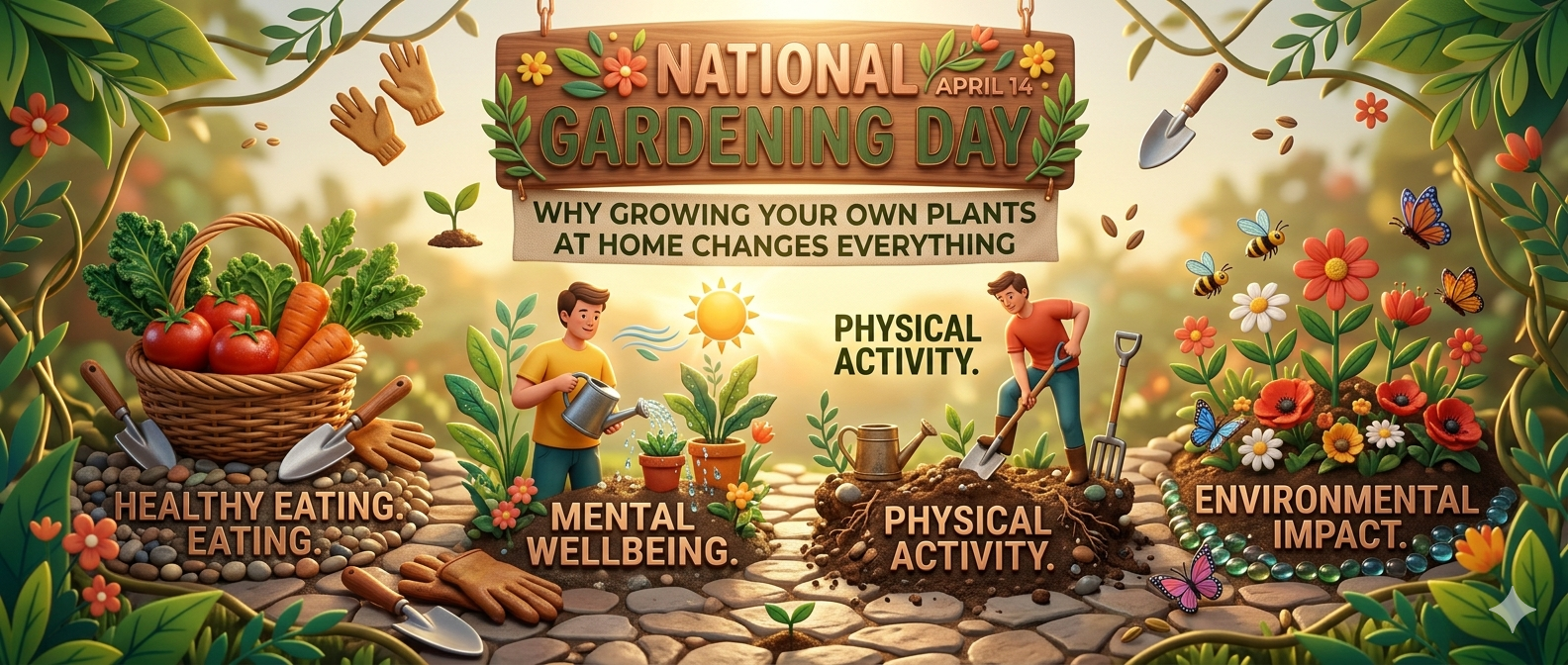
Understanding National Gardening Day Benefits and Its Growing Popularity
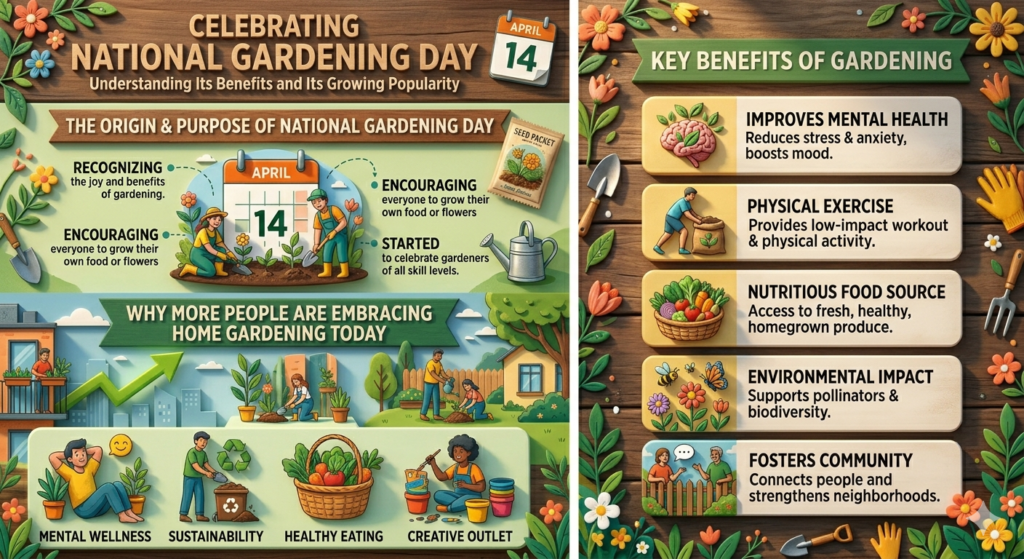
The Origin and Purpose of National Gardening Day
National Gardening Day benefits go far beyond simply celebrating plants—it’s a reminder of how deeply connected humans are to nature. Observed annually on April 14th, this day encourages individuals to reconnect with the soil, whether that means planting herbs on a windowsill or cultivating a full backyard garden. The movement began as a way to inspire people to embrace greenery in their everyday lives, but over time, it has evolved into something much bigger—a lifestyle shift toward sustainability, health, and mindfulness.
Think about it: in a world dominated by screens, deadlines, and artificial environments, gardening offers something refreshingly real. It brings you back to basics. The purpose behind this day isn’t just symbolic—it’s practical. It promotes awareness about the importance of growing your own plants at home and highlights how even small efforts can lead to meaningful change. From reducing grocery bills to improving mental well-being, the ripple effects are powerful.
Interestingly, recent trends show a surge in gardening interest, especially post-pandemic. People started realizing the value of self-sufficiency and fresh food sources. National Gardening Day became more than a celebration—it became a movement encouraging resilience and independence. It’s no longer just about flowers; it’s about food security, environmental care, and personal well-being.
So when you hear about National Gardening Day benefits, don’t just think of it as another date on the calendar. It’s an invitation—a chance to dig your hands into the soil and rediscover something deeply human.
Why More People Are Embracing Home Gardening Today
If you’ve noticed more neighbors tending to plants or social media feeds filled with lush green corners, you’re not imagining things. Growing your own plants at home has exploded in popularity, and for good reason. People are increasingly seeking control over what they consume, how they live, and how they impact the environment. Gardening ticks all those boxes.
One major driver is the rising awareness of food quality. Store-bought vegetables often travel long distances and may contain pesticides. When you grow your own food, you know exactly what goes into it. That sense of control is empowering. It’s like shifting from being a passive consumer to an active creator.
Another reason is the therapeutic aspect. Life today moves fast—almost too fast. Gardening slows things down. It teaches patience in a way few activities can. You plant a seed, water it, wait, and nurture it. There’s no shortcut. And in that waiting, something magical happens—you begin to unwind.
Urbanization has also played a role. Even in small apartments, people are finding creative ways to garden—balcony plants, vertical gardens, and indoor setups. The urban gardening benefits are undeniable: fresh air, improved aesthetics, and a sense of calm in otherwise chaotic environments.
What’s fascinating is that gardening appeals to all age groups. Kids learn responsibility, adults find stress relief, and seniors enjoy gentle physical activity. It’s one of those rare hobbies that bridges generations effortlessly.
The rise of home gardening isn’t just a trend—it’s a quiet revolution. And once you start, it’s hard to stop.
Growing Your Own Plants at Home: A Lifestyle Transformation
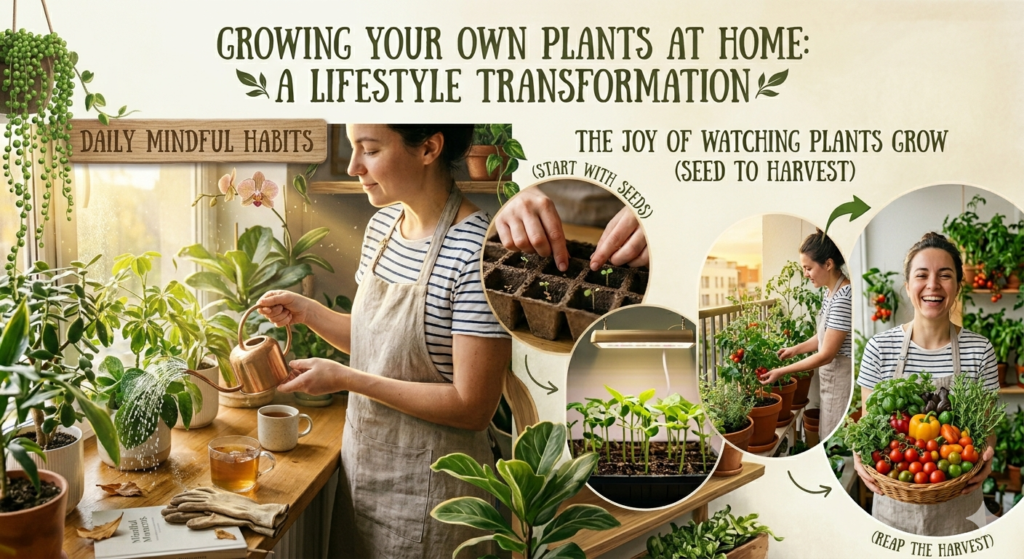
How Home Gardening Creates Daily Mindful Habits
Growing your own plants at home isn’t just a hobby—it subtly reshapes your daily routine in ways you might not expect. At first, it feels like a simple task: watering plants, checking soil, maybe trimming a few leaves. But over time, these small actions evolve into mindful rituals that anchor your day.
Imagine starting your morning not by scrolling through your phone, but by stepping outside or walking over to your plants. You check the leaves, notice new growth, maybe spot a tiny bud forming. These moments force you to slow down and pay attention. And in a world that constantly demands your attention, that pause is incredibly valuable.
Gardening teaches consistency. Plants rely on you—not occasionally, but regularly. You can’t neglect them for weeks and expect them to thrive. This builds a sense of responsibility and discipline, but in a gentle, non-overwhelming way. It’s not like hitting the gym or meeting deadlines—it feels natural, almost instinctive.
There’s also something deeply grounding about touching soil. It’s tactile, real, and calming. Studies have shown that interacting with soil can actually boost serotonin levels due to beneficial microbes. So while you think you’re just tending to plants, your brain is quietly benefiting.
Over time, gardening shifts your mindset. You become more observant, more patient, and more connected to natural cycles. You start noticing seasons, weather patterns, and subtle environmental changes. It’s like tuning into a frequency that was always there but often ignored.
These daily habits might seem small, but they accumulate into something powerful—a calmer, more intentional way of living.
The Joy of Watching Plants Grow from Seed to Harvest
There’s a unique kind of satisfaction that comes from growing something from scratch. Watching a tiny seed transform into a thriving plant feels almost magical. It’s one of the most rewarding aspects of growing your own plants at home, and it never really gets old.
At the beginning, it’s just potential—a small seed buried in soil. You water it, give it sunlight, and wait. Then one day, a tiny green shoot appears. That moment? It’s surprisingly emotional. It’s proof that your effort is working, that life is unfolding right in front of you.
As the plant grows, you become invested in its journey. You notice every new leaf, every inch of growth. It’s like watching a story unfold in slow motion. And unlike many aspects of modern life, this process can’t be rushed. It teaches patience in the most organic way possible.
Harvest time is the ultimate reward. Whether it’s plucking fresh tomatoes, cutting herbs, or picking leafy greens, the experience is deeply satisfying. Food tastes better when you’ve grown it yourself—it’s not just psychological, it’s real. Freshly harvested produce retains more nutrients and flavor compared to store-bought alternatives.
There’s also a sense of pride involved. You’re not just consuming—you’re creating. That shift in perspective is powerful. It builds confidence and encourages you to try growing more, experimenting with different plants and techniques.
In a way, gardening mirrors life. It has its ups and downs, successes and failures. Not every plant will thrive, and that’s okay. Each experience teaches you something new.
And once you’ve experienced that joy—the full cycle from seed to harvest—it’s hard to go back.
Home Gardening Advantages That Go Beyond the Backyard
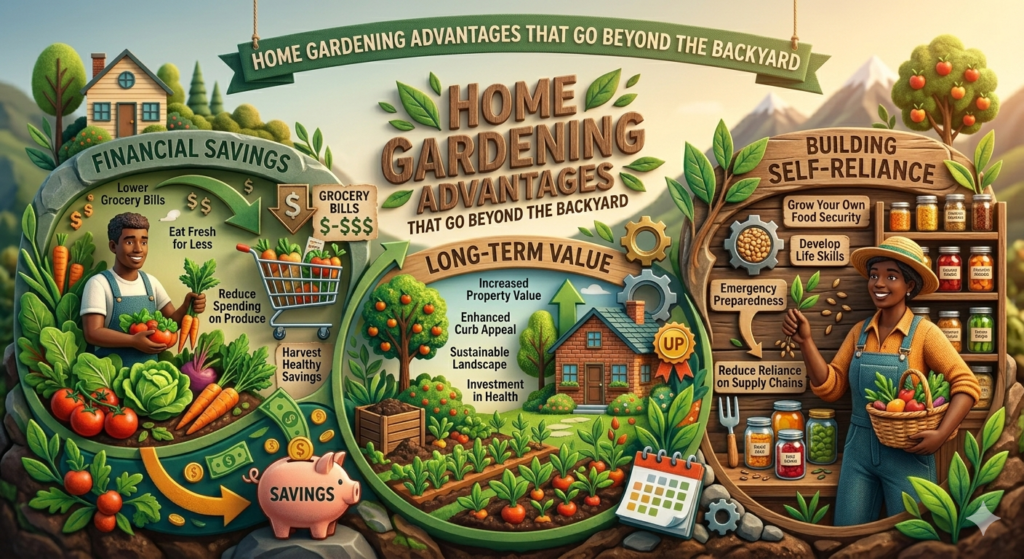
Financial Savings and Long-Term Value
When people first think about gardening, they often picture lush greenery or fresh vegetables, but one of the most overlooked home gardening advantages is the financial impact. At first glance, setting up a garden might seem like an expense—buying seeds, soil, tools, and containers—but over time, it quietly turns into one of the smartest investments you can make at home.
Consider how much you spend weekly on fresh produce. Herbs, leafy greens, tomatoes, and even simple vegetables can add up quickly, especially if you prefer organic options. Now imagine stepping into your backyard or balcony and picking those same ingredients for free. Over months and years, the savings become significant. A small herb garden alone can save hundreds of dollars annually, especially when you consider how expensive fresh herbs are in stores.
But the value goes beyond direct savings. Gardening reduces dependency on fluctuating market prices. During times of inflation or supply chain disruptions, having your own food source provides stability. You’re no longer entirely reliant on grocery stores—you’ve created a small ecosystem of your own.
There’s also a long-term value in learning. Once you understand how to grow plants, that knowledge stays with you. You can expand your garden, experiment with new crops, and even share produce with neighbors. Some people even turn it into a side income by selling excess harvest.
Think of gardening as planting money into the soil—not in a literal sense, but in the form of savings, skills, and independence. Over time, those seeds grow into something much bigger than just plants—they grow into financial resilience.
Building Self-Reliance Through Gardening
There’s something quietly empowering about knowing you can grow your own food. In a world where most things are outsourced—food production, supply chains, even daily essentials—growing your own plants at home brings back a sense of control that many people didn’t realize they were missing.
Self-reliance doesn’t mean becoming completely independent overnight. It starts small. Maybe you grow a few herbs, then expand to vegetables, and eventually, you realize you’re producing a portion of your own meals. That shift changes how you think about food. It’s no longer just something you buy—it’s something you create.
This sense of independence becomes especially valuable during uncertain times. Whether it’s economic instability, natural disruptions, or simply rising food costs, having a home garden acts as a safety net. You’re less vulnerable to external changes because you’ve built something sustainable within your own space.
Gardening also teaches practical skills that are often overlooked in modern life. You learn about soil health, water management, seasonal cycles, and plant care. These aren’t just gardening skills—they’re life skills. They reconnect you with natural processes that humans have relied on for centuries.
There’s also a psychological boost that comes with self-reliance. Knowing you can provide for yourself—even in a small way—builds confidence. It shifts your mindset from dependency to capability.
In many ways, gardening is like reclaiming a forgotten skill. It reminds you that you’re not just a consumer—you’re a creator, a nurturer, and someone capable of sustaining life.
Health Benefits of Gardening You Shouldn’t Ignore
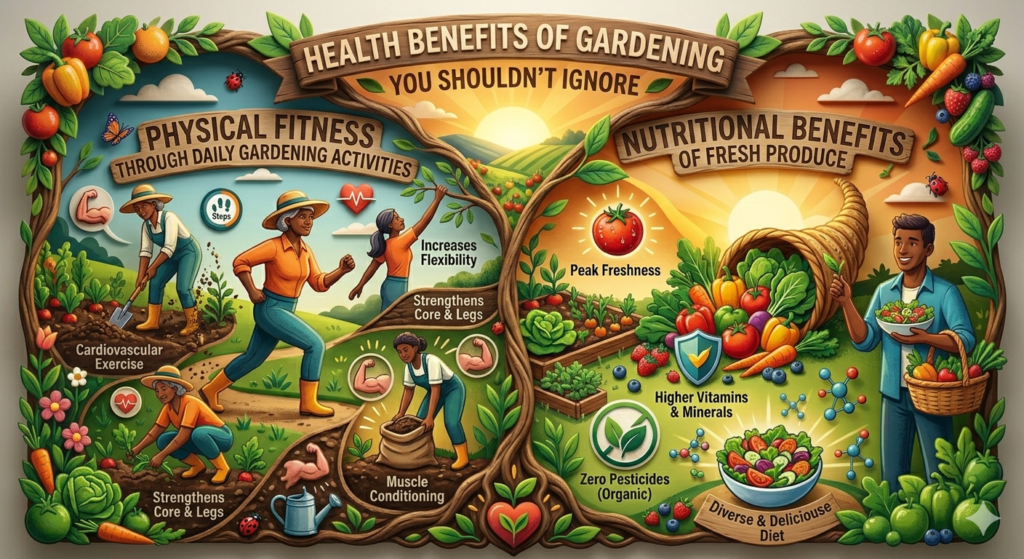
Physical Fitness Through Daily Gardening Activities
You might not think of gardening as exercise, but it’s surprisingly effective. The health benefits of gardening extend well beyond mental relaxation—it’s a full-body workout disguised as a peaceful hobby. And the best part? It doesn’t feel like exercise in the traditional sense.
Think about the movements involved: digging, planting, watering, weeding, lifting pots, bending, stretching. These actions engage multiple muscle groups and improve flexibility, strength, and endurance. It’s a natural form of low-impact exercise that suits people of all ages.
According to health experts, just 30–45 minutes of gardening can burn up to 300 calories, depending on the intensity. That’s comparable to activities like brisk walking or light cycling. But unlike structured workouts, gardening feels purposeful. You’re not just exercising—you’re creating something tangible.
Another advantage is consistency. Because plants need regular care, gardening encourages daily activity. Instead of forcing yourself to work out, you naturally incorporate movement into your routine. Over time, this consistency contributes to better cardiovascular health, improved mobility, and even weight management.
Sun exposure is another benefit—when done safely. Spending time outdoors allows your body to absorb vitamin D, which is essential for bone health and immune function. Combined with fresh air, it creates a refreshing alternative to indoor, sedentary lifestyles.
Gardening doesn’t require a gym membership or expensive equipment. All it asks is your time and effort. And in return, it gives you a healthier body—without the monotony of traditional exercise routines.
Nutritional Benefits of Fresh Produce
One of the most compelling reasons to start organic gardening at home is the direct impact it has on your diet. When you grow your own fruits and vegetables, you’re not just eating fresher food—you’re consuming more nutritious food.
Store-bought produce often travels long distances before reaching your plate. During this time, it can lose essential nutrients. In contrast, homegrown vegetables are harvested at peak ripeness, preserving their full nutritional value. This means higher levels of vitamins, minerals, and antioxidants.
There’s also a noticeable difference in taste. Freshly picked tomatoes, for example, are richer and more flavorful compared to their store-bought counterparts. That enhanced taste naturally encourages healthier eating habits. When food tastes better, you’re more likely to include it in your meals.
Another key benefit is control. When you grow your own food, you decide what goes into it. You can avoid harmful pesticides and chemicals, ensuring that your produce is clean and safe. This is especially important for families with children or individuals focused on clean eating.
Gardening also promotes dietary diversity. Instead of sticking to common supermarket options, you can experiment with unique vegetables and herbs. This expands your nutritional intake and introduces new flavors into your diet.
In a way, your garden becomes your personal grocery store—one that prioritizes quality over convenience. And once you experience the difference, it’s hard to settle for anything less.
Organic Gardening at Home for a Healthier Life
Avoiding Harmful Chemicals in Homegrown Food
One of the strongest motivations behind organic gardening at home is the desire to avoid harmful chemicals. Modern agriculture often relies on synthetic pesticides and fertilizers to maximize yield, but these substances can leave residues on the food we consume daily.
When you grow your own plants, you eliminate that uncertainty. You know exactly what’s going into your soil and onto your crops. This transparency is incredibly valuable, especially in a time when food safety concerns are rising.
Chemical exposure, even in small amounts, can accumulate over time. By choosing organic methods, you reduce that risk significantly. Instead of synthetic solutions, organic gardening relies on natural alternatives like compost, neem oil, and companion planting to manage pests and enrich soil.
There’s also an environmental angle. Chemical runoff from large-scale farming can contaminate water sources and harm wildlife. By practicing organic gardening at home, you’re contributing to a cleaner, safer ecosystem—even on a small scale.
Another benefit is soil health. Organic practices focus on building rich, living soil filled with beneficial microorganisms. Healthy soil produces healthier plants, which in turn produce better food. It’s a cycle that sustains itself naturally.
Switching to organic gardening doesn’t have to be complicated. Start small, experiment, and gradually replace chemical inputs with natural alternatives. Over time, you’ll notice the difference—not just in your plants, but in your overall well-being.
Simple Steps to Start Organic Gardening
Getting started with organic gardening at home might seem intimidating, but it’s simpler than most people think. You don’t need a large backyard or years of experience—just a willingness to learn and a bit of patience.
The first step is choosing the right location. Most plants need at least 5–6 hours of sunlight daily, so pick a spot that receives adequate light. If space is limited, containers or vertical gardening can work just as well.
Next comes soil preparation. Think of soil as the foundation of your garden. Instead of relying on chemical fertilizers, enrich your soil with compost, kitchen scraps, or organic matter. This creates a nutrient-rich environment for plants to thrive.
Choosing the right plants is equally important. Start with easy-to-grow options like herbs, lettuce, tomatoes, or spinach. These are beginner-friendly and offer quick results, which can be incredibly motivating.
Watering is another key aspect. Organic gardening emphasizes balance—too much or too little water can harm plants. A simple rule is to keep the soil moist but not waterlogged.
Pest control doesn’t have to involve chemicals. Natural solutions like neem oil, garlic sprays, or introducing beneficial insects can keep pests in check without harming your plants or the environment.
The beauty of organic gardening lies in its simplicity. It’s not about perfection—it’s about progress. Each step you take brings you closer to a healthier lifestyle and a more sustainable way of living.
Mental Health Benefits of Plants in Everyday Life
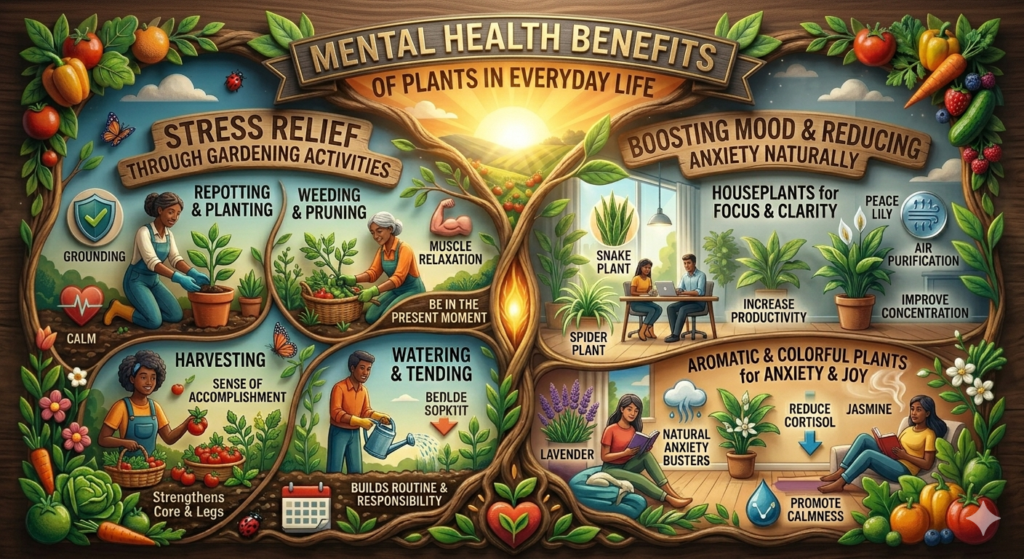
Stress Relief Through Gardening Activities
There’s a reason people instinctively turn to nature when life feels overwhelming. The mental health benefits of plants are not just poetic ideas—they’re backed by real psychological effects. One of the most powerful among them is stress relief through gardening, which works in subtle yet deeply effective ways.
When you engage in gardening, your mind shifts focus. Instead of worrying about deadlines, responsibilities, or endless notifications, you become absorbed in simple, repetitive tasks—watering, pruning, planting. These actions may seem small, but they create a calming rhythm, almost like meditation in motion. Your breathing slows, your thoughts settle, and your body begins to relax.
There’s also a sensory element involved. The smell of soil, the texture of leaves, the sound of water—these natural sensations ground you in the present moment. It’s a break from artificial stimuli and digital overload. In fact, studies have shown that spending time with plants can lower cortisol levels, the hormone responsible for stress.
Gardening also provides a sense of control, which is incredibly important for mental well-being. In a world where many things feel unpredictable, your garden becomes a space where your actions have visible results. You plant, you nurture, and you see growth. That cause-and-effect relationship is reassuring.
Even short periods spent in the garden can make a difference. You don’t need hours—just 20–30 minutes a day can significantly improve your mood. Over time, it becomes a form of therapy, one that doesn’t require appointments or prescriptions.
So if stress has been weighing you down, gardening offers a simple yet powerful escape—one that heals quietly, without demanding anything in return.
Boosting Mood and Reducing Anxiety Naturally
Beyond stress relief, plants have an incredible ability to lift your mood and reduce anxiety. The mental health benefits of plants extend into emotional well-being, helping you feel more balanced, positive, and connected.
Have you ever noticed how being around greenery instantly makes a space feel calmer? That’s not a coincidence. Plants influence our brain chemistry in subtle ways. Exposure to green environments has been linked to increased levels of serotonin and dopamine—neurotransmitters associated with happiness and relaxation.
Indoor plants, in particular, can transform your living space. A simple addition like a peace lily or snake plant can make a room feel more alive. It’s like bringing a piece of nature inside, creating a peaceful sanctuary within your home. This is especially valuable in urban settings, where access to natural environments can be limited.
Gardening also combats feelings of loneliness. Caring for plants creates a sense of companionship. While they may not speak, they respond to your care, and that interaction fosters a sense of connection. For many people, especially those living alone, this can be incredibly comforting.
Another key aspect is achievement. Watching your plants thrive gives you a sense of accomplishment. It’s a reminder that your efforts matter, that you’re capable of nurturing life. This can be particularly helpful during periods of self-doubt or low motivation.
Over time, these small emotional boosts add up. Gardening doesn’t just improve your environment—it improves how you feel within it. And in today’s fast-paced world, that kind of natural emotional support is more valuable than ever.
Sustainable Home Gardening for a Better Planet
Reducing Carbon Footprint with Local Food Production
One of the most impactful home gardening advantages is its contribution to environmental sustainability. Sustainable home gardening isn’t just about growing plants—it’s about reducing your ecological footprint in meaningful ways.
Think about the journey most food takes before reaching your plate. It’s grown in one location, processed in another, packaged, transported across long distances, and finally stocked in stores. Each step involves energy consumption, fuel use, and carbon emissions. By growing your own plants at home, you cut out most of that process entirely.
Even a small garden can make a difference. When you harvest vegetables from your backyard or balcony, there’s no need for transportation or packaging. It’s fresh, local, and environmentally friendly. Over time, this reduces your reliance on industrial food systems, which are major contributors to greenhouse gas emissions.
Another benefit is waste reduction. Home gardening encourages composting, which turns kitchen scraps into nutrient-rich soil. Instead of throwing away food waste, you recycle it back into your garden. This not only reduces landfill waste but also enriches your soil naturally.
Water conservation is another aspect of sustainable gardening. Techniques like drip irrigation, mulching, and rainwater harvesting help minimize water usage while keeping plants healthy. These practices make gardening more efficient and eco-friendly.
The beauty of sustainable home gardening is that it empowers individuals to make a difference. You don’t need to change the entire world—just your small corner of it. And when many people do the same, the collective impact becomes significant.
Eco-Friendly Gardening Practices Anyone Can Follow
Adopting eco-friendly gardening practices doesn’t require expertise or expensive tools. In fact, some of the most effective methods are simple, accessible, and easy to integrate into your routine.
One of the foundational practices is composting. By turning organic waste like fruit peels, vegetable scraps, and coffee grounds into compost, you create a natural fertilizer that improves soil health. It’s a closed-loop system—nothing goes to waste.
Another important approach is using natural pest control methods. Instead of chemical pesticides, you can rely on solutions like neem oil, soap sprays, or introducing beneficial insects like ladybugs. These methods protect your plants without harming the environment.
Plant diversity is also key. Growing a variety of plants encourages a balanced ecosystem, reducing the risk of pests and diseases. Companion planting—where certain plants are grown together for mutual benefit—is a great example of this.
Water management plays a crucial role as well. Watering plants early in the morning or late in the evening reduces evaporation. Mulching helps retain moisture in the soil, keeping plants hydrated for longer periods.
Here’s a quick comparison of traditional vs. eco-friendly practices:
| Aspect | Traditional Gardening | Eco-Friendly Gardening Practices |
| Fertilizers | Chemical-based | Organic compost |
| Pest Control | Synthetic pesticides | Natural solutions |
| Water Usage | High, often wasteful | Efficient and conserved |
| Waste Management | Discarded | Recycled through compost |
These small changes add up. Over time, your garden becomes not just a source of food, but a model of sustainability. It’s proof that eco-conscious living doesn’t have to be complicated—it just has to be intentional.
Kitchen Gardening Benefits for Fresh and Flavorful Meals
Easy Herbs and Vegetables to Grow in Your Kitchen Garden
If you’re looking for a practical entry point into gardening, a kitchen garden is one of the easiest ways to start. The kitchen gardening benefits are immediate and incredibly rewarding—you get fresh ingredients right at your fingertips.
You don’t need a large space. A small balcony, windowsill, or even a countertop can work perfectly. Herbs are especially beginner-friendly. Basil, mint, cilantro, and parsley grow quickly and require minimal care. They’re also used frequently in cooking, making them highly practical.
Vegetables like cherry tomatoes, spinach, lettuce, and green onions are also great choices. These plants don’t demand extensive space and can thrive in containers. Plus, they have relatively short growth cycles, so you’ll see results sooner rather than later.
What makes kitchen gardening so appealing is its convenience. Imagine cooking a meal and simply reaching over to pick fresh herbs. It’s not just efficient—it enhances the entire cooking experience. Food becomes more vibrant, flavorful, and aromatic.
Another advantage is freshness. Store-bought produce often loses flavor over time, but homegrown ingredients are used immediately after harvesting. This preserves their taste and nutritional value.
Kitchen gardening also encourages healthier eating habits. When fresh vegetables are easily accessible, you’re more likely to include them in your meals. It’s a simple change that can have a big impact on your diet.
In many ways, a kitchen garden turns your home into a mini farm—one that supports your daily meals in the freshest way possible.
Improving Taste and Nutrition with Homegrown Ingredients
There’s a noticeable difference between store-bought produce and homegrown food—and it’s not just in your head. One of the most satisfying kitchen gardening benefits is the superior taste and enhanced nutrition of what you grow yourself.
When fruits and vegetables are harvested at peak ripeness, they retain their full flavor profile. This is rarely the case with commercial produce, which is often picked early to survive transportation. As a result, it may look fresh but lack the same depth of taste.
Homegrown ingredients, on the other hand, are vibrant and rich. Tomatoes are sweeter, herbs are more aromatic, and leafy greens have a crispness that’s hard to replicate. This naturally elevates your cooking, making even simple dishes feel gourmet.
Nutritionally, the difference is just as significant. Freshly harvested produce contains higher levels of vitamins and antioxidants. Since there’s no delay between harvesting and consumption, nutrient loss is minimized.
Another benefit is customization. You can choose plant varieties based on your preferences—whether it’s flavor, color, or nutritional value. This level of control allows you to tailor your garden to your dietary needs.
There’s also a deeper appreciation for food that comes from growing it yourself. You become more mindful of what you eat, how it’s grown, and the effort involved. This awareness often leads to healthier choices and reduced food waste.
In essence, homegrown food doesn’t just nourish your body—it enhances your entire relationship with food.
Improve Air Quality with Plants Inside and Outside Your Home
Best Plants for Cleaner Indoor Air
If you’ve ever walked into a room filled with plants and instantly felt a sense of freshness, that’s not just your imagination at work. One of the most underrated reasons to improve air quality with plants is their natural ability to filter toxins and refresh indoor environments. In today’s world, where we spend a significant portion of our time indoors, this benefit becomes incredibly valuable.
Certain plants are particularly effective at purifying the air. Popular choices include snake plants, spider plants, peace lilies, and aloe vera. These plants are known for their ability to absorb pollutants such as formaldehyde, benzene, and carbon monoxide—common toxins found in household items like paints, cleaning products, and furniture.
What makes these plants even more appealing is how low-maintenance they are. For instance, snake plants thrive in low light and require minimal watering, making them perfect for beginners. Spider plants, on the other hand, grow quickly and are excellent at removing airborne toxins. It’s like having a natural air filter that not only works efficiently but also adds beauty to your space.
There’s also a psychological aspect to consider. Cleaner air contributes to better sleep, improved focus, and overall well-being. When your environment feels fresh, your mind tends to follow suit. It’s a subtle but powerful shift that can enhance your daily life.
Indoor plants also help regulate humidity levels. By releasing moisture into the air through a process called transpiration, they create a more comfortable indoor climate. This can be particularly beneficial in dry environments or during winter months.
Adding plants to your home isn’t just a decorative choice—it’s a functional one. It’s about creating a healthier, more breathable space where you can truly relax and recharge.
How Plants Naturally Purify the Environment
The science behind how plants purify air is fascinating, yet beautifully simple. Through photosynthesis, plants absorb carbon dioxide and release oxygen, making the air more breathable. But their role goes beyond just oxygen production—they act as natural detoxifiers for the environment.
Plants absorb pollutants through their leaves and roots. Microorganisms in the soil then break down these toxins, converting them into nutrients that the plant can use. It’s a self-sustaining system that continuously cleans the air around you. This is one of the most compelling reasons why sustainable home gardening is gaining momentum.
Outdoor plants also play a crucial role. Trees, shrubs, and garden plants help reduce dust, noise, and heat in the surrounding area. They act as natural barriers, improving not just air quality but also overall environmental comfort.
Urban areas, in particular, benefit from this. With increasing pollution levels, incorporating greenery into homes and neighborhoods can significantly improve living conditions. This is where urban gardening benefits truly shine—transforming small spaces into green sanctuaries that contribute to cleaner air.
Another interesting aspect is how plants interact with sunlight. They absorb harmful UV rays and reduce heat, creating a cooler and more comfortable environment. This is especially beneficial in warmer climates or densely built areas.
In essence, plants work quietly in the background, constantly improving the air you breathe. They don’t require electricity, they don’t produce noise—they simply exist and contribute. And that’s what makes them so powerful.
Gardening for Beginners Guide: Start Your Journey Today
Essential Tools and Tips for First-Time Gardeners
Starting something new can feel overwhelming, and gardening is no exception. But the truth is, you don’t need to be an expert to begin. This gardening for beginners guide is all about simplifying the process so you can start with confidence.
First, let’s talk about tools. You don’t need a shed full of equipment—just a few basics will do. A hand trowel, watering can, pruning scissors, and a pair of gloves are enough to get started. As your garden grows, you can gradually expand your toolkit, but these essentials will cover most tasks.
Choosing the right plants is equally important. Beginners should start with low-maintenance options like herbs, lettuce, or succulents. These plants are forgiving and provide quick results, which helps build confidence. It’s always better to start small and scale up rather than taking on too much at once.
Understanding your environment is key. Pay attention to sunlight, soil type, and climate. Different plants have different needs, and matching them to your conditions increases your chances of success. For example, if your space gets limited sunlight, opt for shade-tolerant plants.
Consistency is another crucial factor. Plants thrive on routine care—regular watering, occasional pruning, and monitoring for pests. It doesn’t have to be time-consuming; even a few minutes a day can make a big difference.
One helpful tip is to keep a gardening journal. Note what you plant, when you water, and how your plants respond. This helps you learn from experience and improve over time.
Gardening isn’t about perfection. It’s about learning, experimenting, and enjoying the process. Every gardener starts as a beginner, and every mistake is simply a step toward growth.
Common Mistakes and How to Avoid Them
Even experienced gardeners make mistakes, so it’s perfectly normal if things don’t go as planned in the beginning. The key is to learn from these experiences and adjust your approach. This part of the gardening for beginners guide focuses on common pitfalls and how to avoid them.
One of the most frequent mistakes is overwatering. It’s easy to assume that more water equals healthier plants, but that’s not always true. Excess water can lead to root rot and other issues. A simple rule is to check the soil—if it feels moist, you can wait before watering again.
Another common issue is choosing the wrong plants for your environment. Not all plants thrive in all conditions. Before planting, take a moment to research what works best in your climate and space. This small step can save a lot of frustration later.
Neglecting soil quality is another mistake. Healthy soil is the foundation of a thriving garden. Using nutrient-rich soil or adding compost can make a significant difference in plant growth.
Pest management is often overlooked until it becomes a problem. Regularly inspecting your plants can help you catch issues early. Natural remedies, such as neem oil or homemade sprays, can effectively manage pests without harming your garden.
Impatience is perhaps the biggest challenge. Gardening takes time, and results don’t appear overnight. It’s important to trust the process and give your plants the care they need.
Here’s a quick overview:
| Common Mistake | Solution |
| Overwatering | Check soil moisture before watering |
| Poor plant selection | Choose plants suited to your environment |
| Ignoring soil health | Use compost and quality soil |
| Late pest control | Inspect plants regularly |
| Impatience | Allow time for natural growth |
Gardening is a journey filled with learning moments. The more you engage with it, the more intuitive it becomes.
Embracing the True Importance of Homegrown Vegetables and Self-Sufficient Gardening at Home
Celebrating National Gardening Day benefits goes far beyond planting a few seeds—it’s about embracing a lifestyle that nurtures your health, your environment, and your sense of independence. From the health benefits of gardening to the emotional balance gained through greenery, every aspect of home gardening contributes to a richer, more fulfilling life.
The importance of homegrown vegetables becomes clear when you experience the taste, nutrition, and quality firsthand. You’re not just eating food—you’re consuming something you’ve nurtured from the very beginning. That connection changes how you view meals, making them more meaningful and intentional.
At the same time, self-sufficient gardening at home offers a sense of empowerment that’s hard to replicate elsewhere. It reminds you that even in a fast-paced, technology-driven world, you still have the ability to create, sustain, and grow something real. That realization is both grounding and inspiring.
From urban gardening benefits to eco-friendly gardening practices, every small effort contributes to a larger impact. Whether you’re improving air quality, reducing waste, or simply finding peace in your daily routine, gardening proves that small actions can lead to significant change.
So as National Gardening Day comes around, consider it more than just a celebration. See it as an opportunity—a starting point for a journey that brings you closer to nature, better health, and a more sustainable way of living.
FAQs
1. What are the main National Gardening Day benefits?
National Gardening Day benefits include promoting healthy living, encouraging sustainable practices, improving mental well-being, and inspiring people to grow their own food at home.
2. Is growing your own plants at home difficult for beginners?
Not at all. With the right guidance and simple plants like herbs or leafy greens, beginners can easily start and gradually expand their gardening skills.
3. How does gardening improve mental health?
Gardening reduces stress, lowers anxiety, and boosts mood by connecting you with nature and creating a calming, mindful routine.
4. What are the best plants to improve air quality indoors?
Snake plants, spider plants, peace lilies, and aloe vera are excellent choices for improving indoor air quality naturally.
5. Why is organic gardening at home important?
Organic gardening avoids harmful chemicals, ensures healthier food, protects the environment, and promotes sustainable living practices.
Leave a Reply