
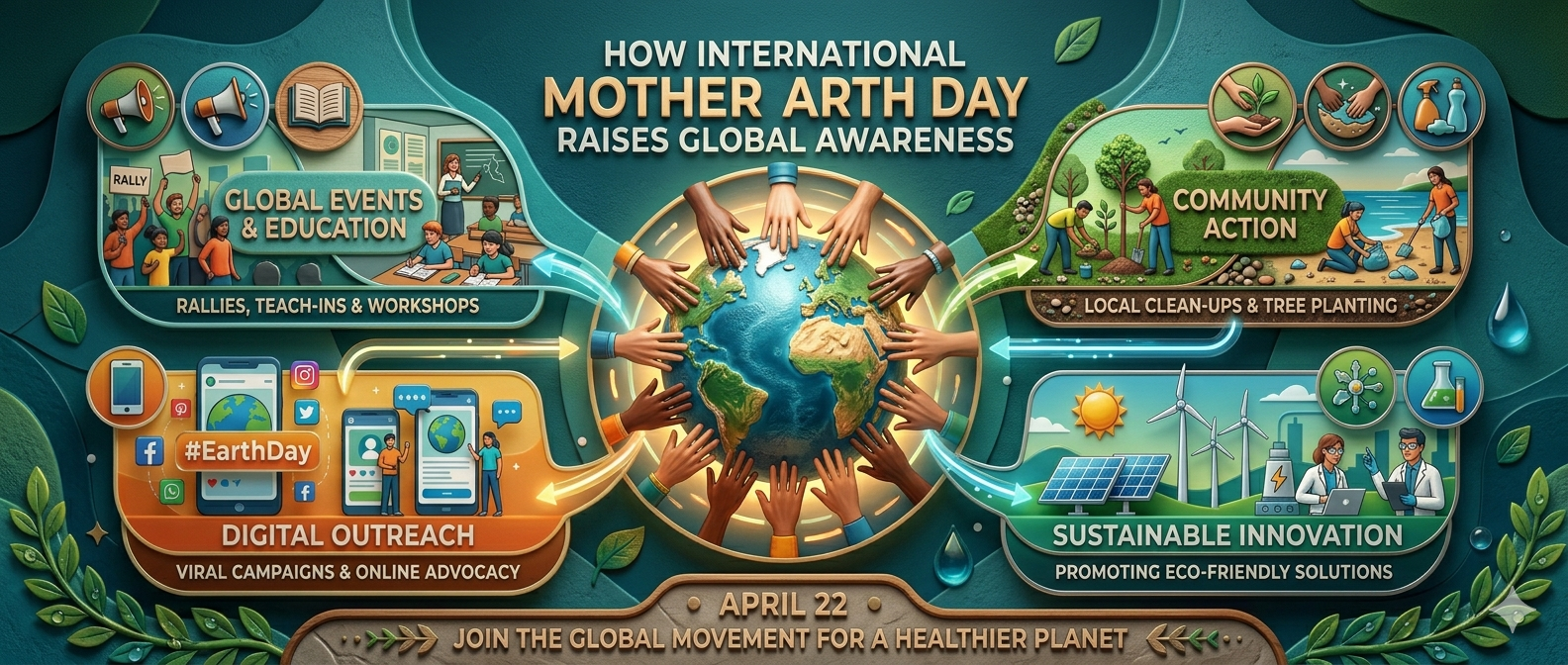
International Mother Earth Day Awareness and Its Growing Global Impact
International Mother Earth Day awareness has evolved into something far greater than a symbolic celebration—it’s become a global movement that connects millions of people through a shared responsibility toward the planet. Celebrated every year on April 22, this day acts like a global alarm clock, reminding humanity that Earth isn’t just where we live—it’s what sustains us. From massive climate marches in major cities to small community cleanups in rural villages, the reach of this day continues to expand in both scale and influence.
What makes International Mother Earth Day awareness particularly powerful is its ability to unify people across borders, cultures, and political systems. Think about it—how often do we see nearly every country on Earth rallying around a single cause? This global synchronization fuels global environmental awareness, encouraging individuals and governments alike to rethink their relationship with nature. Schools run special programs, companies launch sustainability initiatives, and activists use the moment to amplify urgent environmental issues.
Another compelling aspect is how digital platforms have amplified this awareness. Social media campaigns, live-streamed environmental talks, and viral hashtags allow people from different corners of the world to participate in real time. This digital expansion has made environmental conversations more accessible than ever before, breaking down barriers that once limited participation.
The impact is not just emotional—it’s practical. According to global environmental reports, awareness campaigns linked to Earth Day have contributed to increased recycling rates, higher adoption of renewable energy solutions, and stronger environmental policies in several countries. When awareness transforms into action, that’s when real change begins.
In essence, International Mother Earth Day awareness serves as both a mirror and a catalyst. It reflects the current state of our planet while pushing us toward meaningful action. And in a world facing escalating environmental challenges, that combination couldn’t be more crucial.
The Origin and History of International Mother Earth Day
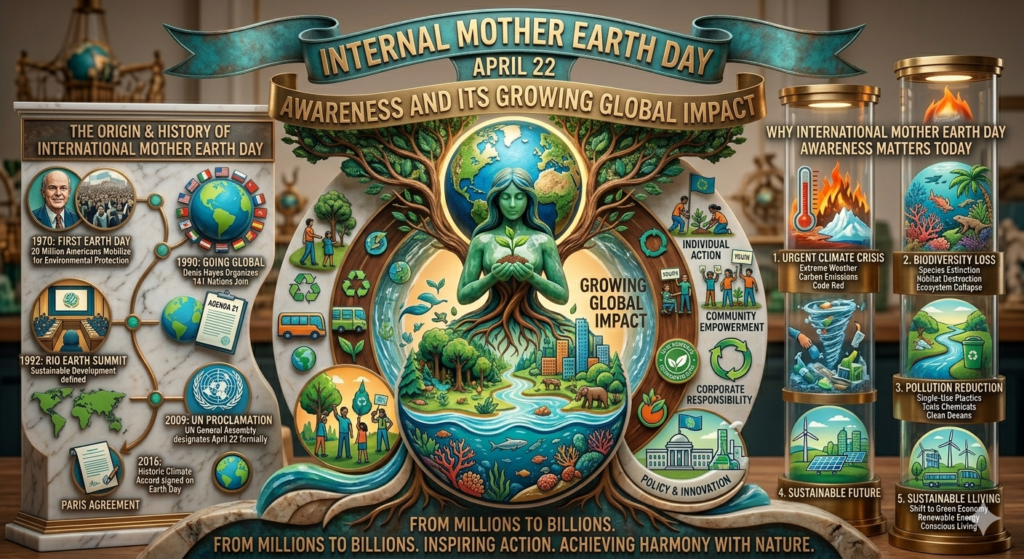
The story behind International Mother Earth Day awareness is rooted in a period of growing environmental concern during the late 20th century. Back in 1970, when the first Earth Day was celebrated in the United States, environmental issues were often overlooked or dismissed as secondary concerns. Industrial pollution was rampant, wildlife populations were declining, and there was little public discourse about sustainability. That first Earth Day changed everything.
Senator Gaylord Nelson, often credited as the founder of Earth Day, envisioned a nationwide teach-in to raise awareness about environmental issues. What started as a grassroots movement quickly turned into a massive demonstration, with over 20 million Americans participating. This unprecedented turnout sent a clear message—people cared deeply about the planet, and they wanted action.
Fast forward to 2009, when the United Nations officially recognized April 22 as International Mother Earth Day. This formal recognition elevated the movement from a national event to a global phenomenon. The term “Mother Earth” itself carries symbolic weight, emphasizing the interconnected relationship between humans and nature. It’s not just about protecting resources; it’s about respecting a living system that supports all life.
Over the decades, the focus of International Mother Earth Day awareness has evolved. Early efforts centered around pollution control and conservation, while modern campaigns tackle complex challenges like climate change awareness, biodiversity loss, and sustainable development. The movement has also become more inclusive, incorporating indigenous perspectives that highlight traditional ecological knowledge.
What’s fascinating is how the day has adapted to the times. In the digital age, virtual events and online activism have become key components, allowing broader participation even during global disruptions like pandemics. This adaptability ensures that the message continues to resonate with new generations.
Ultimately, the history of International Mother Earth Day awareness is a testament to the power of collective action. It shows how a single idea can grow into a global movement capable of influencing policies, shaping attitudes, and inspiring millions to care for the planet.
Why International Mother Earth Day Awareness Matters Today
Today, International Mother Earth Day awareness feels more urgent than ever. The environmental challenges we face aren’t distant threats—they’re happening right now, affecting ecosystems, economies, and everyday lives. Rising global temperatures, extreme weather events, and declining biodiversity are no longer abstract concepts; they’re realities that demand immediate attention.
One of the key reasons this awareness matters is its role in bridging the gap between knowledge and action. Many people understand environmental issues in theory, but awareness campaigns help translate that understanding into practical steps. Whether it’s reducing plastic use, conserving water, or supporting renewable energy, these small actions collectively create a significant impact.
Another critical factor is the role of awareness in shaping policy. Governments are more likely to implement environmental regulations when there is strong public support. International Mother Earth Day acts as a focal point for advocacy, encouraging citizens to demand accountability from leaders. This has led to tangible outcomes, such as stricter emissions standards and increased investment in global sustainability efforts.
The day also serves as a platform for amplifying marginalized voices, particularly those from communities most affected by environmental degradation. Indigenous groups, for example, often lead conservation efforts and provide valuable insights into sustainable living. Their inclusion enriches the global conversation and promotes more holistic solutions.
There’s also a psychological element at play. Awareness fosters a sense of shared responsibility, making people feel like they’re part of something bigger. When individuals see millions of others taking action, it creates momentum and reduces the feeling of helplessness that often accompanies environmental issues.
In a rapidly changing world, International Mother Earth Day awareness acts as both a reminder and a motivator. It reminds us of what’s at stake and motivates us to protect it. And in doing so, it helps transform concern into commitment—a shift that’s essential for building a sustainable future.
Earth Day Importance in Building Global Environmental Awareness
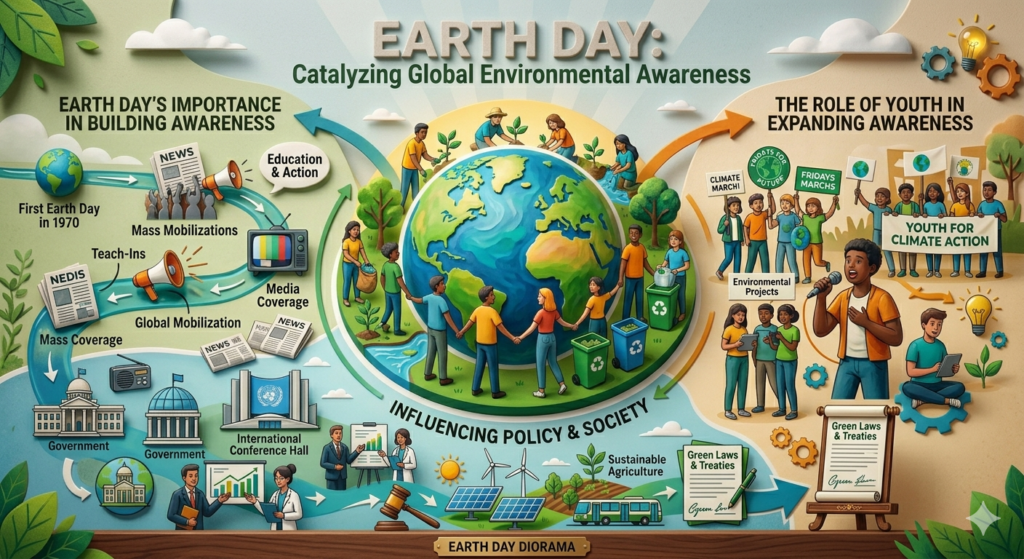
Earth Day importance goes far beyond symbolic gestures—it acts as a powerful engine driving global environmental awareness at every level of society. When April 22 rolls around each year, it’s not just another date on the calendar; it becomes a global checkpoint where individuals, organizations, and governments pause and evaluate their environmental impact. That collective reflection creates a ripple effect, influencing how people think, act, and even vote on environmental issues.
What makes Earth Day importance truly stand out is its accessibility. You don’t need to be a scientist, policymaker, or activist to participate. Whether someone plants a tree, reduces plastic usage, or simply learns more about environmental challenges, each action contributes to a broader cultural shift. It’s like adding drops to an ocean—individually small, but collectively transformative. This inclusivity is a major reason why Earth Day continues to expand its reach, engaging over 1 billion people annually across more than 190 countries, according to environmental organizations.
Another layer of Earth Day importance lies in its educational value. Schools, universities, and community groups organize workshops, seminars, and campaigns that simplify complex environmental issues. Topics like climate change awareness, pollution, and biodiversity are broken down into digestible, relatable ideas. This makes environmental knowledge less intimidating and more actionable, especially for younger audiences who are just beginning to understand their role in shaping the future.
Beyond individuals, businesses also recognize the significance of Earth Day importance. Many companies use this occasion to launch sustainability reports, introduce eco-friendly products, or commit to greener operations. While some critics argue that certain efforts may lean toward “greenwashing,” there’s no denying that the pressure to appear environmentally responsible pushes industries toward better practices.
Ultimately, Earth Day importance acts as a bridge—connecting awareness with action, knowledge with responsibility, and local efforts with global outcomes. It transforms environmental concern from a niche interest into a mainstream priority, ensuring that global environmental awareness continues to grow stronger with each passing year.
How Earth Day Importance Influences Policy and Society
When discussing Earth Day importance, one of its most profound effects lies in its ability to shape policy and societal norms. Public awareness isn’t just about individual choices; it’s a powerful force that influences political decisions and drives systemic change. Governments often respond to public demand, and Earth Day serves as a catalyst that amplifies that demand on a global scale.
Historically, Earth Day has been linked to significant environmental legislation. In the United States, for example, the momentum from the first Earth Day in 1970 contributed to the creation of the Environmental Protection Agency (EPA) and the passage of landmark laws like the Clean Air Act and Clean Water Act. This demonstrates how awareness can evolve into tangible policy changes that protect ecosystems and human health.
On a global level, Earth Day importance encourages international cooperation. Environmental issues don’t respect borders—air pollution, ocean plastic, and climate change affect multiple countries simultaneously. Earth Day creates a shared platform where nations can align their goals, leading to agreements such as the Paris Climate Accord. These collaborations are essential for tackling challenges that no single country can solve alone.
Society itself also undergoes subtle but meaningful transformations. Social norms begin to shift as sustainable behaviors become more widely accepted and expected. Recycling, reducing waste, and supporting eco-friendly practices are no longer niche activities—they’re becoming part of everyday life. This cultural evolution is crucial because lasting environmental change depends not just on laws, but on collective behavior.
Media coverage during Earth Day further amplifies its impact. News outlets, influencers, and thought leaders use the occasion to highlight pressing environmental issues, ensuring they remain at the forefront of public discourse. This sustained attention keeps pressure on decision-makers while educating the broader population.
In many ways, Earth Day importance acts like a spotlight, illuminating environmental challenges and compelling society to address them. It transforms awareness into accountability, ensuring that both individuals and institutions play their part in protecting the planet.
The Role of Youth in Expanding Global Environmental Awareness
Young people are no longer just participants in environmental movements—they’re leading them. The role of youth in expanding global environmental awareness has become one of the most defining features of modern Earth Day importance. From school strikes to social media activism, the younger generation is reshaping how environmental issues are discussed and addressed.
What makes youth involvement so impactful is their ability to combine passion with innovation. Growing up in a digital age, they use platforms like Instagram, TikTok, and YouTube to spread messages quickly and creatively. A single viral post can reach millions, turning local concerns into global conversations. This digital fluency has made environmental activism more dynamic and far-reaching than ever before.
Education also plays a key role. Many schools now incorporate environmental education campaigns into their curricula, teaching students about sustainability, conservation, and climate science from an early age. This foundational knowledge empowers young people to take informed action, whether it’s organizing community cleanups or advocating for policy changes.
Another important aspect is the moral clarity that youth bring to the conversation. They often frame environmental issues not just as scientific or economic challenges, but as ethical ones. Questions like “What kind of planet are we leaving behind?” resonate deeply, cutting through political and cultural divides. This perspective has helped galvanize broader support for save the planet awareness initiatives.
Youth-led movements have already achieved tangible results. Increased public pressure has led to stronger climate commitments from governments and corporations. In some cases, young activists have even taken legal action, holding institutions accountable for environmental harm.
The energy and determination of young people ensure that global environmental awareness continues to evolve. They’re not just inheriting the planet—they’re actively shaping its future. And through their efforts, Earth Day importance gains a renewed sense of urgency and hope.
Climate Change Awareness Through International Mother Earth Day
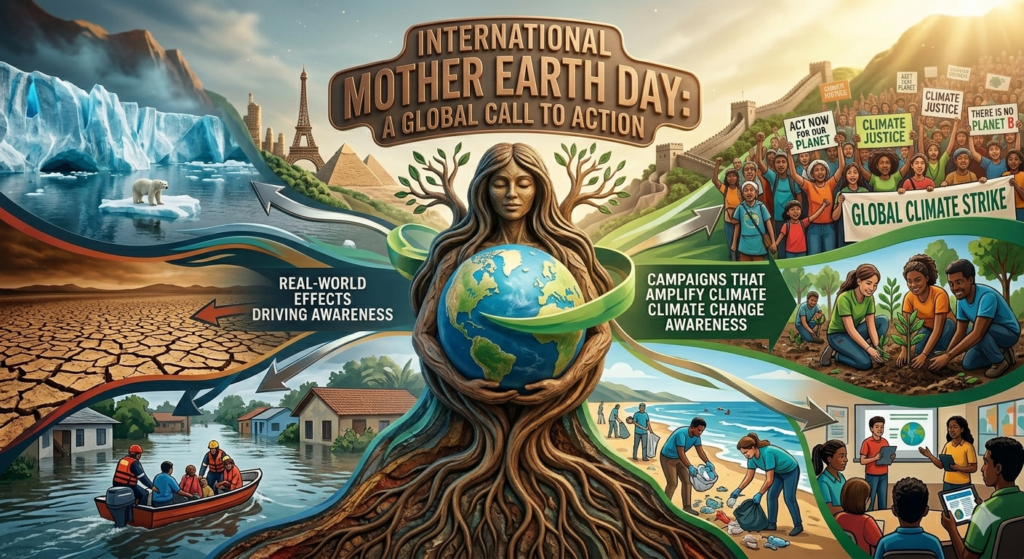
Climate change awareness has become one of the central themes of International Mother Earth Day, and for good reason. The effects of climate change are no longer distant projections—they’re unfolding in real time, affecting ecosystems, economies, and communities around the world. Earth Day provides a critical platform to highlight these changes and mobilize global action.
Rising global temperatures, melting ice caps, and increasing frequency of extreme weather events are just a few indicators of the crisis. According to recent environmental data, the planet has already warmed by approximately 1.1°C above pre-industrial levels, a shift that has significant consequences for weather patterns and sea levels. These statistics aren’t just numbers—they represent real-world challenges that millions of people face daily.
International Mother Earth Day awareness plays a crucial role in translating these complex scientific findings into relatable narratives. Campaigns often use storytelling, visuals, and real-life examples to illustrate the human impact of climate change. This approach makes the issue more tangible, encouraging individuals to take it seriously.
Another important aspect is the emphasis on solutions. While the problem can feel overwhelming, Earth Day initiatives focus on actionable steps such as reducing carbon footprints, supporting renewable energy, and advocating for sustainable policies. This solution-oriented approach helps counter feelings of helplessness, replacing them with a sense of empowerment.
Collaboration is also a key theme. Governments, businesses, and communities come together during Earth Day to share ideas and strategies for addressing climate change. This collective effort reinforces the idea that while the challenge is global, the solutions can start at the local level.
Climate change awareness through International Mother Earth Day isn’t just about understanding the problem—it’s about inspiring action. It transforms concern into commitment, ensuring that the fight against climate change remains a top priority for individuals and institutions alike.
Real-World Effects Driving Climate Change Awareness
The urgency of climate change awareness becomes clear when you look at its real-world effects. Across the globe, communities are experiencing firsthand the consequences of a warming planet. From devastating wildfires in Australia and California to severe flooding in parts of Asia and Europe, these events serve as stark reminders of what’s at stake.
One of the most visible impacts is the increase in extreme weather events. Hurricanes are becoming more intense, heatwaves more frequent, and droughts more prolonged. These changes disrupt livelihoods, damage infrastructure, and strain resources. For many people, climate change is no longer an abstract concept—it’s a daily reality that affects their safety and well-being.
Another significant effect is the loss of biodiversity. As temperatures rise and habitats change, many species struggle to survive. This has a cascading impact on ecosystems, affecting everything from food chains to agricultural productivity. Biodiversity conservation awareness becomes essential in addressing these challenges, as protecting ecosystems helps maintain the balance necessary for life on Earth.
Sea-level rise is another pressing issue. Coastal communities face the threat of displacement as oceans encroach on land. This not only affects homes and businesses but also cultural heritage and identity. The human dimension of climate change adds a layer of urgency that statistics alone cannot convey.
International Mother Earth Day awareness amplifies these realities, bringing them to a global audience. By highlighting real-world impacts, it fosters empathy and understanding, motivating people to take action. It’s one thing to hear about climate change in theory; it’s another to see its effects on real people and places.
These lived experiences drive home the importance of climate change awareness. They remind us that the environment isn’t separate from our lives—it’s deeply interconnected with our health, economy, and future.
Campaigns That Amplify Climate Change Awareness
Campaigns play a pivotal role in amplifying climate change awareness, especially during International Mother Earth Day. These initiatives transform complex scientific concepts into engaging, accessible messages that resonate with a broad audience. Whether through social media, public events, or educational programs, campaigns help bridge the gap between knowledge and action.
One of the most effective strategies is storytelling. By sharing personal experiences and real-life examples, campaigns make climate change more relatable. For instance, farmers discussing the impact of drought or coastal residents describing rising sea levels provide powerful narratives that statistics alone cannot capture. These stories humanize the issue, making it easier for people to connect emotionally.
Digital campaigns have also revolutionized how awareness is spread. Hashtags, viral videos, and interactive content allow messages to reach millions within hours. This rapid dissemination ensures that climate change awareness remains a prominent topic during Earth Day and beyond. It also encourages participation, as individuals can share their own stories and actions.
Educational campaigns are equally important. Schools, universities, and organizations use Earth Day as an opportunity to teach about climate science and sustainability. Workshops, webinars, and community events provide practical knowledge, empowering people to make informed decisions. This aligns closely with broader environmental education campaigns aimed at long-term behavioral change.
Corporate campaigns also contribute to the effort. Many companies use Earth Day to highlight their sustainability initiatives, from reducing emissions to adopting renewable energy awareness practices. While skepticism around corporate motives exists, these efforts still play a role in normalizing environmentally responsible behavior.
Campaigns are the engines that drive climate change awareness forward. They transform information into inspiration, ensuring that the message reaches as many people as possible. And when awareness spreads, action often follows.
Environmental Protection Awareness and Global Sustainability Efforts
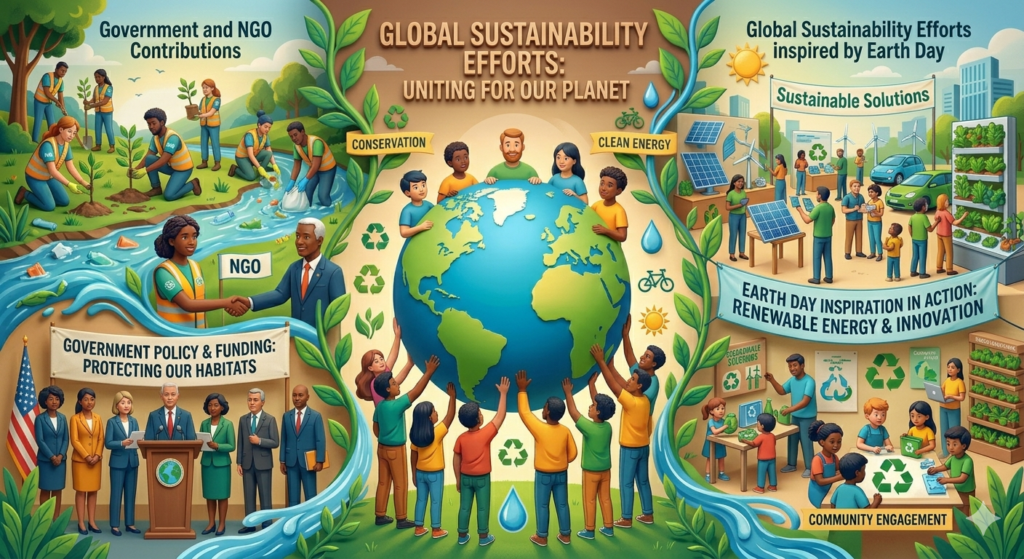
Environmental protection awareness has become one of the most defining pillars of International Mother Earth Day, acting as a bridge between understanding environmental issues and actively working toward solutions. It’s one thing to recognize that the planet is under stress, but it’s another to feel personally responsible for protecting it. That’s exactly where awareness steps in—it transforms passive concern into meaningful action. Through Earth Day campaigns, people begin to see how their everyday choices, from energy consumption to waste management, directly affect the health of the planet.
What makes environmental protection awareness so impactful is its ability to connect global issues with local realities. For instance, deforestation in the Amazon might seem distant, but when people understand its role in regulating global oxygen levels and climate patterns, it suddenly feels relevant. This interconnected perspective is central to global sustainability efforts, where the focus shifts from isolated actions to coordinated global change. According to environmental reports, more than 70% of countries now include sustainability goals in their national policies, showing how awareness has translated into tangible commitments.
Another key element is accountability. Awareness encourages individuals to question practices that harm the environment, whether it’s excessive plastic use, unsustainable farming, or industrial pollution. This collective scrutiny pushes businesses and governments to adopt more responsible practices. It’s like shining a spotlight on environmental issues—once exposed, they can no longer be ignored.
Technology also plays a crucial role in enhancing environmental protection awareness. Apps that track carbon footprints, platforms that promote sustainable products, and online campaigns make it easier for people to engage with environmental causes. These tools simplify complex concepts, making sustainability more approachable and actionable.
Environmental protection awareness isn’t just about avoiding harm—it’s about actively contributing to the planet’s well-being. It encourages reforestation, conservation, and innovation in sustainable technologies. In essence, it turns the idea of “saving the planet” into a shared mission, where every individual has a role to play.
Government and NGO Contributions to Environmental Protection Awareness
Governments and non-governmental organizations (NGOs) are at the forefront of driving environmental protection awareness, especially during International Mother Earth Day. Their role goes beyond spreading information—they create frameworks, policies, and programs that enable large-scale environmental action. Without their involvement, many awareness efforts would lack the structure and resources needed to create lasting change.
Governments often use Earth Day as an opportunity to announce new environmental policies or reinforce existing ones. These can include regulations on emissions, incentives for renewable energy adoption, and initiatives for pollution control awareness. For example, several countries have introduced carbon pricing systems and plastic bans, directly influenced by growing public awareness and demand for change. These policies not only address environmental issues but also signal a commitment to sustainability at a national level.
NGOs, on the other hand, focus heavily on grassroots engagement. They organize community events, educational programs, and advocacy campaigns that bring environmental issues closer to people. Organizations like WWF and Greenpeace have played a significant role in raising biodiversity conservation awareness and highlighting the importance of protecting endangered species and ecosystems. Their campaigns often use compelling visuals and data to communicate urgency, making complex issues easier to understand.
Collaboration between governments and NGOs amplifies their impact. Joint initiatives combine policy support with community engagement, creating a more comprehensive approach to environmental protection. For instance, reforestation projects often involve government funding and NGO-led implementation, ensuring both scale and effectiveness.
Funding is another critical aspect. Governments and NGOs invest billions annually in environmental programs, from conservation projects to research on sustainable technologies. These investments not only address current challenges but also pave the way for future innovations.
Their combined efforts ensure that environmental protection awareness is not just a temporary trend but a sustained movement. By providing resources, education, and policy support, governments and NGOs turn awareness into action, driving meaningful progress in global sustainability efforts.
Global Sustainability Efforts Inspired by Earth Day
Global sustainability efforts have gained remarkable momentum, and International Mother Earth Day has played a significant role in inspiring this progress. The day acts as a global checkpoint, encouraging countries, organizations, and individuals to evaluate their environmental impact and commit to more sustainable practices. It’s not just about awareness—it’s about measurable change that contributes to a healthier planet.
One of the most notable developments is the adoption of the United Nations’ Sustainable Development Goals (SDGs). These 17 goals provide a comprehensive framework for addressing environmental, social, and economic challenges. Earth Day campaigns often align with these goals, particularly those related to climate action, clean energy, and responsible consumption. This alignment ensures that local initiatives contribute to a broader global vision.
Corporate sustainability has also seen significant growth. Many companies now integrate environmental considerations into their business models, from reducing carbon emissions to adopting circular economy practices. Earth Day often serves as a launchpad for these initiatives, with businesses announcing new commitments and progress reports. While skepticism around corporate motives exists, the overall trend indicates a shift toward more responsible operations.
Another important aspect is international collaboration. Environmental challenges like climate change and ocean pollution require collective action, and Earth Day provides a platform for countries to share knowledge and strategies. Agreements such as the Paris Climate Accord highlight the importance of renewable energy awareness and reducing greenhouse gas emissions on a global scale.
Community-level initiatives also contribute to global sustainability efforts. Local projects, such as tree planting drives and waste reduction campaigns, may seem small individually, but their collective impact is substantial. These efforts demonstrate that sustainability is not just a top-down approach—it’s a shared responsibility.
Global sustainability efforts inspired by Earth Day show that change is possible when awareness leads to action. They highlight the power of collective commitment, যেখানে millions of people working together can create a meaningful impact on the planet’s future.
Sustainable Living Awareness and Eco-Friendly Practices
Sustainable living awareness is one of the most practical outcomes of International Mother Earth Day, as it directly influences how people live their daily lives. Unlike abstract environmental concepts, sustainable living focuses on tangible actions—what we eat, how we travel, and the products we use. It brings the idea of environmental responsibility into our homes, making it a personal and ongoing commitment rather than a once-a-year consideration.
At its core, sustainable living awareness is about balance. It encourages people to meet their needs without compromising the ability of future generations to do the same. This often involves rethinking consumption habits. Do we really need that single-use plastic item? Can we switch to reusable alternatives? These small questions lead to significant changes over time.
Eco-friendly practices play a crucial role in this transformation. From using energy-efficient appliances to reducing water waste, these practices help minimize environmental impact. For example, switching to LED lighting can reduce energy consumption by up to 75%, according to energy studies. Similarly, adopting plant-based diets, even partially, can significantly lower carbon footprints.
Another important aspect is the role of awareness in overcoming barriers. Many people want to live sustainably but feel overwhelmed by the perceived complexity or cost. Earth Day campaigns address this by providing simple, actionable tips that make sustainability more accessible. This approach demystifies eco-friendly practices, showing that they don’t require drastic lifestyle changes.
The influence of sustainable living awareness extends beyond individuals. As more people adopt eco-friendly habits, demand for sustainable products increases, encouraging businesses to adapt. This creates a positive feedback loop where consumer behavior drives market trends, leading to more sustainable options.
Sustainable living awareness transforms environmental responsibility from an abstract idea into a daily practice. It empowers individuals to make choices that align with the goal of protecting the planet, proving that even small actions can contribute to a larger impact.
Everyday Habits That Promote Sustainable Living Awareness
Building sustainable living awareness often starts with simple, everyday habits that gradually become second nature. These habits may seem small on their own, but collectively, they create a powerful shift toward more environmentally responsible living. International Mother Earth Day plays a key role in promoting these behaviors, offering practical guidance that people can easily incorporate into their routines.
One of the most effective habits is reducing waste. This can be as simple as carrying reusable bags, bottles, and containers. Single-use plastics are a major contributor to pollution, and small changes in consumption can significantly reduce their impact. Composting is another habit that not only reduces waste but also enriches soil, creating a cycle of sustainability.
Energy conservation is equally important. Turning off lights when not in use, unplugging devices, and using energy-efficient appliances can lower both energy bills and environmental impact. These actions contribute to broader renewable energy awareness, as reduced demand supports the transition to cleaner energy sources.
Transportation choices also play a role. Walking, cycling, or using public transport reduces carbon emissions and promotes healthier lifestyles. For longer distances, carpooling or choosing fuel-efficient vehicles can make a difference.
Water conservation is another critical habit. Fixing leaks, using water-saving fixtures, and being mindful of usage can significantly reduce water waste. This is especially important in regions facing water scarcity.
What makes these habits effective is their simplicity. They don’t require major sacrifices, yet their cumulative impact is substantial. Over time, they become part of a lifestyle that prioritizes sustainability.
By adopting these everyday habits, individuals contribute to a larger movement of sustainable living awareness. It’s a reminder that protecting the planet doesn’t always require grand gestures—sometimes, it’s the small, consistent actions that make the biggest difference.
Businesses Leading Eco-Friendly Practices Worldwide
Businesses have become some of the most influential players in advancing eco-friendly practices, and International Mother Earth Day often acts as a catalyst that pushes them into the spotlight. While individuals can make meaningful lifestyle changes, companies operate at a scale where even small adjustments can lead to massive environmental impact. From manufacturing processes to packaging decisions, businesses shape how resources are used—and how waste is generated—across the globe.
One of the most noticeable shifts in recent years is the growing adoption of sustainable production methods. Companies are increasingly investing in cleaner technologies, reducing emissions, and minimizing waste in their operations. For example, major global brands have committed to achieving net-zero emissions by 2050, aligning with international climate goals. This isn’t just about public image; it’s becoming a competitive advantage as consumers grow more environmentally conscious. People are no longer just buying products—they’re buying values.
Packaging innovation is another area where eco-friendly practices are making a difference. Businesses are moving away from single-use plastics and exploring biodegradable or reusable alternatives. This shift is critical, considering that global plastic production exceeds 400 million tons annually, with a significant portion ending up in oceans and landfills. By rethinking packaging, companies directly contribute to pollution control awareness and waste reduction.
Supply chain transparency has also gained importance. Consumers want to know where products come from and how they’re made. This demand has led to more ethical sourcing practices, including sustainable agriculture and fair trade initiatives. Businesses that embrace transparency not only build trust but also encourage industry-wide improvements.
Technology plays a major role in enabling these changes. From AI-driven energy optimization to blockchain for supply chain tracking, innovation is helping companies reduce their environmental footprint. These advancements show that sustainability and profitability don’t have to be at odds—they can complement each other.
Ultimately, businesses leading eco-friendly practices demonstrate that large-scale change is possible. Their actions influence markets, inspire competitors, and make sustainable options more accessible to consumers. When corporations align their goals with environmental responsibility, the impact extends far beyond their operations, contributing significantly to global sustainability.
Biodiversity Conservation Awareness and Renewable Energy Awareness
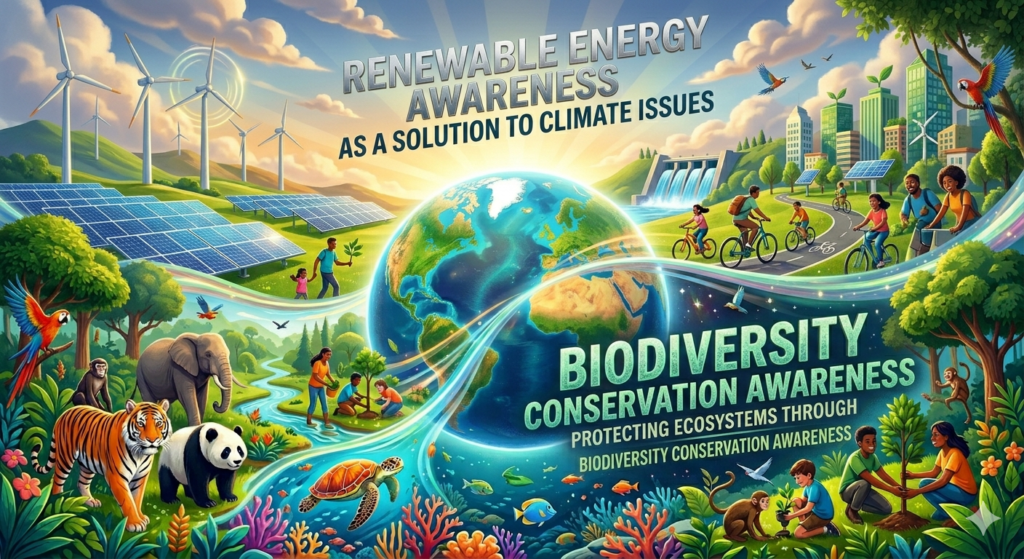
Biodiversity conservation awareness and renewable energy awareness are two critical pillars of International Mother Earth Day, each addressing different but interconnected aspects of environmental sustainability. While biodiversity focuses on protecting the variety of life on Earth, renewable energy targets the reduction of harmful emissions that threaten ecosystems. Together, they form a comprehensive approach to preserving the planet’s health.
Biodiversity conservation awareness highlights the importance of protecting ecosystems, from dense rainforests to delicate coral reefs. These ecosystems are not just beautiful—they’re essential for life. They regulate climate, purify water, and provide food and medicine. However, human activities such as deforestation, pollution, and urbanization are putting immense pressure on these natural systems. Earth Day campaigns bring attention to these issues, encouraging conservation efforts at both local and global levels.
On the other hand, renewable energy awareness focuses on transitioning from fossil fuels to cleaner energy sources like solar, wind, and hydroelectric power. Fossil fuels are one of the largest contributors to greenhouse gas emissions, driving climate change and environmental degradation. By promoting renewable energy, Earth Day initiatives address the root cause of many environmental problems.
What makes these two areas particularly powerful is their synergy. Protecting biodiversity helps maintain ecosystems that can naturally absorb carbon, while renewable energy reduces the emissions that threaten those ecosystems. It’s like addressing both the symptoms and the cause of a problem simultaneously.
Public awareness plays a crucial role in advancing both areas. When people understand the value of biodiversity and the benefits of renewable energy, they’re more likely to support policies and practices that promote sustainability. This includes everything from supporting conservation projects to investing in green energy solutions.
International Mother Earth Day serves as a platform to connect these ideas, showing that environmental challenges are interconnected and require holistic solutions. By raising awareness in both biodiversity conservation and renewable energy, it helps build a more comprehensive approach to protecting the planet.
Protecting Ecosystems Through Biodiversity Conservation Awareness
Protecting ecosystems through biodiversity conservation awareness is like safeguarding the foundation of life itself. Every species, no matter how small, plays a role in maintaining ecological balance. When one element is removed, it can trigger a chain reaction that affects entire ecosystems. International Mother Earth Day emphasizes this interconnectedness, helping people understand why biodiversity matters.
One of the biggest threats to biodiversity is habitat loss. Forests are cleared for agriculture, wetlands are drained for development, and oceans are polluted by human activity. These changes disrupt natural habitats, forcing species to adapt or face extinction. According to global estimates, nearly 1 million species are at risk of extinction, a statistic that underscores the urgency of conservation efforts.
Earth Day campaigns often focus on practical solutions, such as reforestation, wildlife protection, and sustainable land use. These initiatives not only protect species but also restore ecosystems, improving their ability to provide essential services like carbon storage and water filtration. For example, planting trees doesn’t just absorb carbon dioxide—it also creates habitats for countless species.
Community involvement is another key aspect. Local communities often have deep knowledge of their ecosystems and play a crucial role in conservation efforts. By involving them in decision-making and providing resources, conservation projects become more effective and sustainable.
Education is equally important. When people understand how biodiversity affects their daily lives—through food, medicine, and climate regulation—they’re more likely to support conservation efforts. This aligns closely with broader environmental education campaigns, which aim to build long-term awareness and engagement.
Biodiversity conservation awareness transforms abstract environmental concerns into tangible actions. It reminds us that protecting nature isn’t just about saving animals—it’s about preserving the systems that sustain human life.
Renewable Energy Awareness as a Solution to Climate Issues
Renewable energy awareness has become one of the most promising solutions to climate issues, offering a path toward reducing emissions while meeting global energy demands. International Mother Earth Day plays a significant role in promoting this awareness, highlighting the benefits of transitioning to cleaner energy sources.
Fossil fuels have long been the backbone of industrial development, but their environmental cost is becoming increasingly evident. Burning coal, oil, and gas releases large amounts of carbon dioxide, contributing to global warming and air pollution. Renewable energy sources, such as solar and wind, provide a cleaner alternative that significantly reduces these emissions.
The growth of renewable energy has been remarkable. According to recent data, renewable sources now account for nearly 30% of global electricity generation, and this number continues to rise. Advances in technology have made renewable energy more efficient and affordable, making it a viable option for both developed and developing countries.
Earth Day campaigns often highlight success stories, such as cities powered entirely by renewable energy or communities that have reduced their carbon footprint through sustainable practices. These examples serve as inspiration, showing that change is not only possible but already happening.
Government policies and incentives also play a crucial role. Subsidies for renewable energy, tax credits, and investment in green infrastructure encourage adoption at a larger scale. Public support, driven by awareness, ensures that these policies remain a priority.
Renewable energy awareness isn’t just about technology—it’s about mindset. It encourages people to think differently about energy consumption and sustainability. By embracing renewable solutions, society can move toward a future where economic growth and environmental protection go hand in hand.
Pollution Control Awareness and Green Initiatives Worldwide
Pollution control awareness is one of the most urgent aspects of International Mother Earth Day, as pollution affects every corner of the planet—from the air we breathe to the water we drink. Unlike some environmental issues that feel distant, pollution is immediate and visible, making it a powerful entry point for raising awareness and driving action.
Air pollution, for instance, is responsible for an estimated 7 million premature deaths annually, according to global health organizations. This stark statistic highlights the direct impact of environmental issues on human health. Earth Day campaigns use such data to emphasize the importance of reducing emissions and adopting cleaner technologies.
Water pollution is another critical concern. Industrial waste, plastic debris, and chemical runoff contaminate rivers, lakes, and oceans, threatening both wildlife and human populations. Awareness campaigns encourage practices such as proper waste disposal, recycling, and reducing plastic use to address these challenges.
Green initiatives worldwide complement pollution control awareness by providing practical solutions. These initiatives range from large-scale projects, like renewable energy installations, to community-level efforts, such as urban gardening and tree planting. Together, they create a multi-layered approach to environmental protection.
What makes these efforts effective is their adaptability. Different regions face different environmental challenges, and green initiatives can be tailored to address local needs. This flexibility ensures that solutions are both relevant and impactful.
International Mother Earth Day acts as a unifying force, bringing together diverse efforts under a common goal. By combining awareness with action, it helps create a cleaner, healthier planet for future generations.
Pollution Control Awareness in Urban and Rural Areas
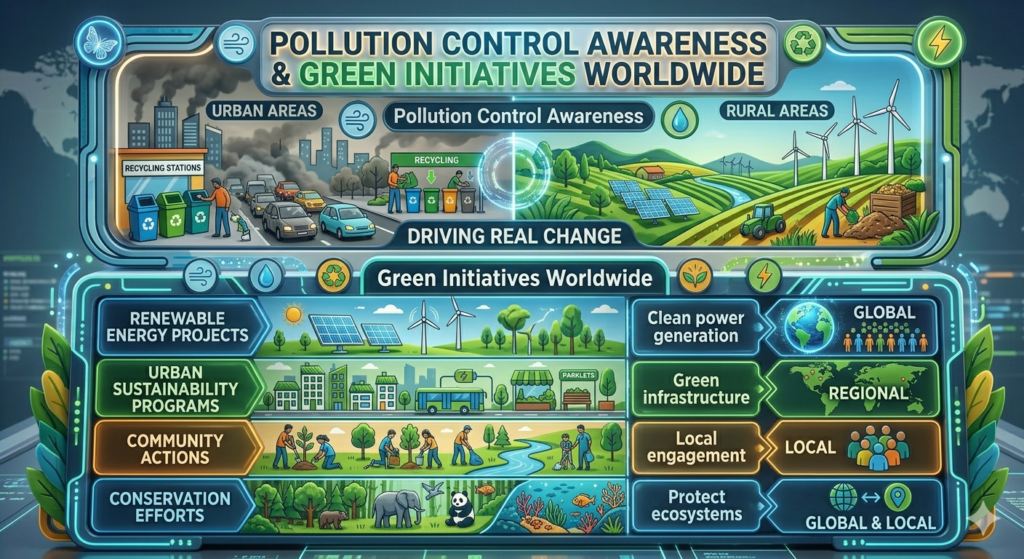
Pollution control awareness takes on different shapes depending on whether you’re looking at urban centers or rural landscapes, but the urgency remains equally intense in both settings. International Mother Earth Day helps connect these two worlds, showing that environmental challenges don’t exist in isolation—they ripple across regions, ecosystems, and communities. In cities, pollution is often visible and immediate. Smog-filled skies, traffic congestion, industrial emissions, and plastic waste piling up in landfills create a daily reminder of environmental strain. In contrast, rural areas may appear cleaner at first glance, but they face equally serious issues like pesticide runoff, deforestation, and water contamination.
Urban pollution control awareness focuses heavily on reducing emissions and managing waste efficiently. Public transportation systems, electric vehicles, and stricter industrial regulations are some of the key strategies promoted during Earth Day campaigns. Cities like Copenhagen and Amsterdam, for example, have become global models by prioritizing cycling infrastructure and renewable energy, significantly reducing their carbon footprints. These examples demonstrate how awareness can translate into long-term planning and infrastructure changes that benefit both the environment and public health.
In rural areas, the focus often shifts toward sustainable agriculture and resource management. Farmers are encouraged to adopt eco-friendly techniques such as organic farming, crop rotation, and reduced chemical use. These practices not only protect soil health but also prevent harmful substances from entering water systems. Awareness campaigns also highlight the importance of preserving natural habitats, which play a crucial role in maintaining ecological balance.
Education bridges the gap between urban and rural pollution control efforts. When people understand how their actions—whether it’s disposing of waste improperly or overusing chemicals—affect the environment, they’re more likely to adopt responsible behaviors. This shared understanding fosters collaboration between communities, creating a more unified approach to environmental protection.
Pollution control awareness in both urban and rural areas underscores a simple truth: no matter where you live, your actions matter. By addressing the unique challenges of each setting, International Mother Earth Day ensures that solutions are inclusive, practical, and impactful.
Green Initiatives Worldwide Driving Real Change
Green initiatives worldwide are the action-driven side of environmental awareness—the point where ideas turn into measurable progress. International Mother Earth Day acts as a launchpad and amplifier for these initiatives, encouraging governments, businesses, and communities to implement solutions that address environmental challenges head-on. These initiatives are as diverse as the planet itself, ranging from renewable energy projects to conservation programs and sustainable urban development.
One of the most impactful green initiatives is the global shift toward renewable energy. Countries like Germany and Denmark have invested heavily in wind and solar power, reducing their reliance on fossil fuels. Meanwhile, nations in Africa and Asia are adopting decentralized solar systems to bring clean energy to remote communities. These efforts not only reduce emissions but also improve access to electricity, demonstrating how environmental and social benefits can go hand in hand.
Urban green initiatives are also gaining momentum. Cities around the world are introducing green roofs, urban forests, and sustainable transportation systems to reduce pollution and improve quality of life. For instance, Singapore’s “City in a Garden” approach integrates greenery into urban design, creating a balance between development and nature. These projects show that sustainability doesn’t mean sacrificing progress—it means redefining it.
Community-driven initiatives are equally important. Local clean-up drives, tree planting campaigns, and recycling programs may seem small, but their collective impact is enormous. They also foster a sense of ownership and responsibility, encouraging people to stay engaged beyond Earth Day. This aligns closely with community environmental action, where individuals come together to create change at the grassroots level.
Here’s a quick comparison of different types of green initiatives and their impact:
| Initiative Type | Key Focus | Impact Level |
| Renewable Energy Projects | Clean power generation | Global |
| Urban Sustainability Programs | Green infrastructure | Regional |
| Community Actions | Local engagement | Local |
| Conservation Efforts | Protect ecosystems | Global & Local |
Green initiatives worldwide prove that environmental protection isn’t just an idea—it’s a movement backed by action. They show that when awareness is paired with commitment, real change becomes not only possible but inevitable.
Environmental Education Campaigns and Community Environmental Action
Environmental education campaigns and community environmental action are the heartbeat of International Mother Earth Day, transforming awareness into sustained, long-term impact. While global movements and government policies are essential, real change often begins at the local level—within schools, neighborhoods, and communities. Education provides the knowledge, and community action provides the momentum.
Environmental education campaigns aim to simplify complex ecological issues and make them relatable. Topics like climate change awareness, pollution control awareness, and sustainable living awareness are broken down into practical lessons that people can apply in their daily lives. Schools play a major role here, integrating environmental topics into their curricula and encouraging students to think critically about their relationship with the planet. This early exposure creates a generation that is more informed and more willing to act.
Digital platforms have expanded the reach of these campaigns significantly. Online courses, webinars, and social media content make environmental education accessible to a global audience. This democratization of knowledge ensures that anyone, anywhere, can learn about sustainability and contribute to save the planet awareness. It’s like turning the entire world into a classroom, where learning never stops.
Community environmental action takes this knowledge and turns it into tangible results. When people come together to plant trees, clean up neighborhoods, or advocate for policy changes, they create visible, immediate impact. These actions also build a sense of community, reinforcing the idea that environmental protection is a shared responsibility.
What makes this combination so powerful is its sustainability. Education ensures that awareness continues to grow, while community action ensures that it leads to real-world change. Together, they create a cycle of learning and doing, where each reinforces the other.
International Mother Earth Day highlights the importance of both elements, reminding us that protecting the planet isn’t a one-time effort—it’s an ongoing journey that requires knowledge, collaboration, and commitment.
The Power of Environmental Education Campaigns
Environmental education campaigns are like seeds planted in the minds of individuals—over time, they grow into awareness, responsibility, and action. International Mother Earth Day provides the perfect platform to nurture these seeds, bringing environmental issues into focus and making them accessible to people of all ages and backgrounds.
One of the greatest strengths of these campaigns is their ability to simplify complexity. Environmental issues can often feel overwhelming, filled with scientific jargon and alarming statistics. Education campaigns break these topics down into clear, understandable concepts, helping people see not just the problems but also the solutions. For example, explaining how reducing plastic use can directly impact ocean health makes the issue more tangible and actionable.
Storytelling plays a crucial role in this process. Real-life examples, case studies, and personal experiences make environmental issues more relatable. When people hear about communities affected by pollution or ecosystems restored through conservation efforts, they’re more likely to feel connected and motivated to act.
Another important aspect is accessibility. Modern campaigns leverage technology to reach wider audiences. From interactive apps to virtual workshops, these tools make learning engaging and convenient. This approach ensures that environmental education isn’t limited to classrooms—it becomes part of everyday life.
The long-term impact of environmental education campaigns is profound. They shape attitudes, influence behaviors, and create a culture of sustainability. Over time, this cultural shift leads to broader changes in society, from consumer choices to policy decisions.
Environmental education campaigns are the foundation of lasting environmental change. They ensure that awareness isn’t fleeting but continues to grow, empowering individuals to make informed decisions that benefit the planet.
Community Environmental Action for Save the Planet Awareness
Community environmental action is where the idea of save the planet awareness truly comes to life. It’s one thing to understand environmental issues, but it’s another to roll up your sleeves and do something about them. International Mother Earth Day inspires communities around the world to take that step, turning awareness into collective action.
What makes community action so effective is its immediacy. Unlike large-scale policies that may take years to implement, local initiatives can produce visible results quickly. A neighborhood clean-up can transform a polluted area in a single day, while a tree-planting drive can create long-term environmental benefits. These tangible outcomes reinforce the value of action, encouraging continued participation.
Community efforts also foster collaboration. People from different backgrounds come together with a shared goal, creating a sense of unity and purpose. This social aspect is crucial because environmental challenges require collective solutions. When individuals see their neighbors and peers taking action, it creates a ripple effect, inspiring others to join.
Another important element is empowerment. Community action shows people that they have the ability to make a difference, regardless of their resources or expertise. This sense of agency is essential for sustaining long-term engagement with environmental issues.
Local initiatives often connect to broader green initiatives worldwide, creating a network of actions that contribute to global sustainability. For example, a local recycling program may seem small, but when replicated across thousands of communities, its impact becomes significant.
Community environmental action transforms awareness into reality. It proves that saving the planet isn’t just a global challenge—it’s a local responsibility that starts with each of us.
Conclusion
International Mother Earth Day stands as a powerful reminder that environmental awareness is not a luxury—it’s a necessity. From International Mother Earth Day awareness to global environmental awareness, the movement has grown into a unifying force that connects individuals, communities, businesses, and governments. It highlights the Earth Day importance in shaping policies, inspiring action, and fostering a culture of sustainability.
Through themes like climate change awareness, environmental protection awareness, and sustainable living awareness, the day brings attention to the most pressing challenges of our time. It also promotes practical solutions, including eco-friendly practices, renewable energy awareness, and pollution control awareness, ensuring that awareness leads to action.
The role of biodiversity conservation awareness, green initiatives worldwide, and environmental education campaigns further strengthens this movement, creating a comprehensive approach to sustainability. Combined with community environmental action and save the planet awareness, these efforts demonstrate that meaningful change is possible when people come together.
International Mother Earth Day is more than a date—it’s a global movement that continues to evolve, adapt, and inspire. It reminds us that the health of our planet is directly linked to our own well-being, and that every action, no matter how small, contributes to a larger impact.
FAQs
1. What is International Mother Earth Day and why is it important?
International Mother Earth Day, celebrated on April 22, is a global event dedicated to raising awareness about environmental issues and promoting sustainability. Its importance lies in uniting people worldwide to take action for the planet.
2. How does International Mother Earth Day raise global environmental awareness?
It uses campaigns, educational programs, and community activities to highlight environmental challenges and encourage individuals and organizations to adopt sustainable practices.
3. What are some examples of eco-friendly practices promoted on Earth Day?
Examples include reducing plastic use, conserving energy, recycling, using public transport, and supporting renewable energy sources.
4. How can individuals contribute to environmental protection awareness?
Individuals can adopt sustainable habits, participate in community initiatives, support environmental policies, and educate others about environmental issues.
5. Why is renewable energy awareness important for the future?
Renewable energy reduces reliance on fossil fuels, lowers greenhouse gas emissions, and helps combat climate change, making it essential for a sustainable future.
Leave a Reply