
World Malaria Day Awareness and Its Role in Combating Global Health Threats


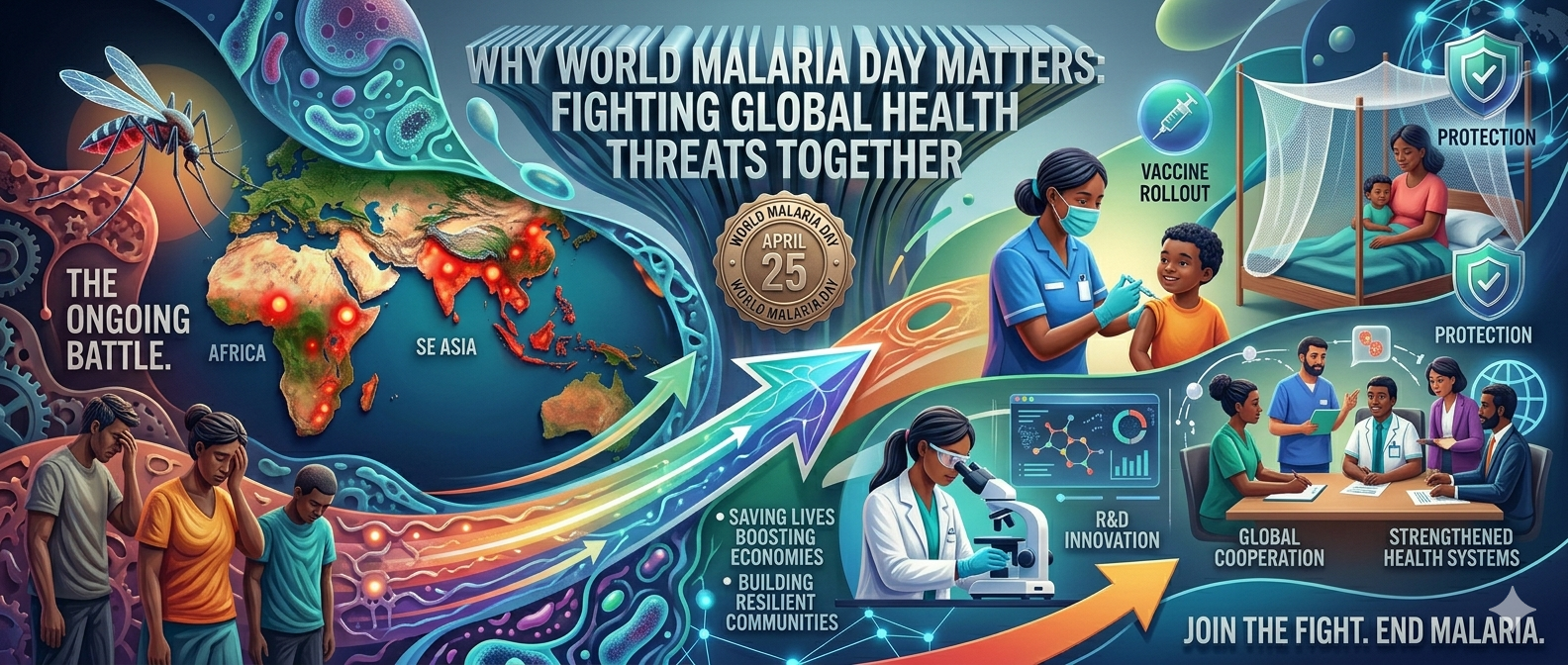
World Malaria Day awareness isn’t just another date on the global health calendar—it’s a powerful reminder of how interconnected our world truly is when it comes to global health threats. Every year on April 25th, governments, health organizations, and communities come together to shine a spotlight on malaria, a disease that still claims hundreds of thousands of lives annually. According to the World Health Organization (WHO), there were approximately 249 million malaria cases globally in 2022, with over 600,000 deaths, most of them among children under five. Those numbers aren’t just statistics—they represent families, futures, and entire communities disrupted.
So why does World Malaria Day awareness matter so much? Think of it as a global alarm clock. It wakes people up to the urgency of infectious disease prevention, pushing malaria back into public conversation in a world often distracted by newer health crises. Without consistent awareness, funding dries up, innovation slows down, and prevention efforts weaken. Awareness campaigns ensure malaria remains a priority—not just in high-risk countries but also among international policymakers and donors.
Another key reason this day matters is its ability to unify efforts. Malaria doesn’t respect borders, and neither should the response. By highlighting malaria elimination efforts and sharing success stories, World Malaria Day creates momentum. Countries that have reduced malaria cases become blueprints for others, showing that progress is possible with the right mix of malaria prevention strategies, vector control measures, and healthcare investment.
At a deeper level, this awareness also fuels accountability. Governments are reminded of their commitments, organizations are pushed to deliver measurable outcomes, and communities are empowered to demand better healthcare access. Without this collective push, malaria could easily slip back into being a neglected disease, quietly continuing its deadly toll.
The History Behind World Malaria Day Awareness
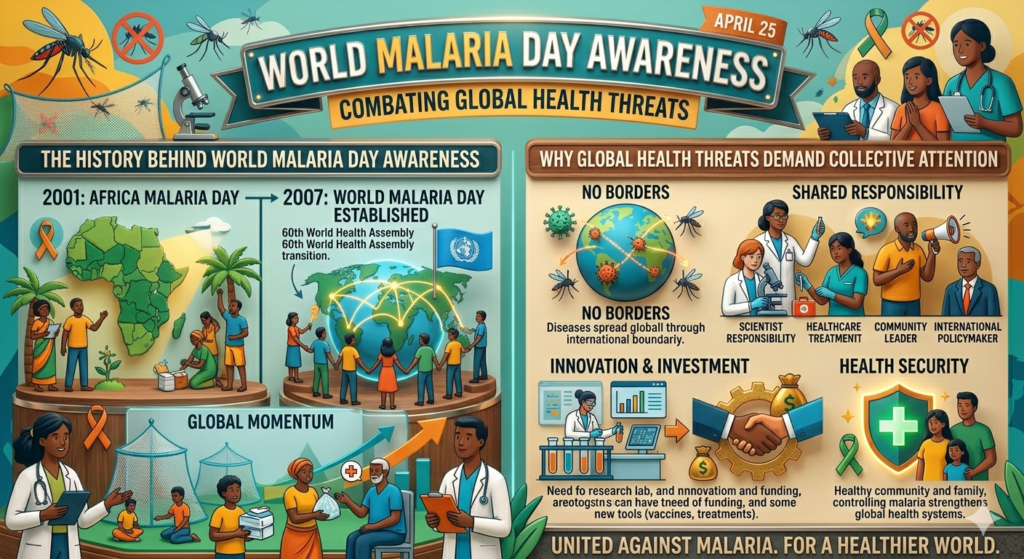
World Malaria Day awareness didn’t emerge overnight—it evolved from decades of global health advocacy and hard-earned lessons in disease control. Originally established by the WHO in 2007, it replaced Africa Malaria Day, expanding the focus from a regional issue to a global health threat that demands worldwide action. This shift was crucial because malaria, while most prevalent in sub-Saharan Africa, also affects parts of Asia, Latin America, and even sporadically appears in regions previously considered low-risk.
The creation of this day marked a turning point in public health awareness campaigns. Before its establishment, malaria efforts were often fragmented, with countries working in isolation. World Malaria Day provided a unified platform to align strategies, share data, and coordinate malaria control programs. It’s like moving from individual players practicing alone to a full team working toward the same goal.
Over the years, the theme of World Malaria Day has evolved to reflect changing priorities—from scaling up prevention tools to focusing on healthcare system strengthening. These themes aren’t just slogans; they guide funding decisions, research directions, and policy frameworks. For instance, recent themes have emphasized innovation and resilience, especially in the face of disruptions like the COVID-19 pandemic, which significantly impacted malaria treatment access and prevention efforts.
The history of this day also highlights progress. Since 2000, global malaria mortality rates have dropped significantly due to expanded use of insecticide-treated nets, improved diagnostics, and better treatments. But the journey is far from over. Resistance to drugs and insecticides, funding gaps, and climate change threaten to reverse gains.
World Malaria Day awareness serves as both a celebration of progress and a reality check. It reminds us that while we’ve come a long way, the fight against malaria—and broader mosquito-borne diseases awareness—requires sustained effort, innovation, and global solidarity.
Why Global Health Threats Demand Collective Attention
When people hear the phrase global health threats, they often think of pandemics like COVID-19. But diseases like malaria have been silently shaping global health outcomes for decades, often with less media attention but equally devastating consequences. The truth is, no country is completely isolated from these threats. In an era of global travel, climate change, and urbanization, infectious diseases can spread faster and farther than ever before.
Malaria is a prime example of why collective attention is critical. While it primarily affects low- and middle-income countries, its impact ripples across the globe. Economies suffer due to lost productivity, healthcare systems become overwhelmed, and international aid budgets are stretched thin. Addressing malaria isn’t just a humanitarian effort—it’s an economic and security imperative.
One of the biggest challenges in tackling infectious disease prevention is the imbalance in resources. Countries most affected by malaria often have the least capacity to respond effectively. This is where global cooperation becomes essential. Through initiatives like WHO malaria initiatives, wealthier nations, international organizations, and private sectors can support malaria control programs in high-burden regions.
Another reason collective attention matters is innovation. Breakthroughs in vaccines, diagnostics, and vector control measures often come from collaborative research efforts spanning multiple countries. The recently developed malaria vaccines, for instance, are the result of years of international cooperation and funding.
Public engagement also plays a huge role. When people worldwide understand the importance of public health awareness campaigns, they’re more likely to support funding initiatives, participate in prevention efforts, and advocate for policy changes. It’s like building a global safety net—each contribution strengthens the whole system.
Ignoring malaria because it seems distant is a risky mindset. Global health threats don’t stay confined for long. Addressing them requires a shared sense of responsibility, and World Malaria Day awareness is one of the key drivers of that collective mindset.
Understanding the Global Malaria Burden and Its Impact on Communities
The global malaria burden is far more than a health statistic—it’s a daily reality for millions of people. Imagine living in a place where a single mosquito bite could mean days of fever, missed work, or even death. For many communities, especially in sub-Saharan Africa, this isn’t hypothetical—it’s life. According to WHO data, Africa accounts for about 95% of malaria cases and deaths worldwide, making it the epicenter of this ongoing crisis.
What makes the global malaria burden particularly challenging is its uneven distribution. Rural and low-income communities are disproportionately affected, often lacking access to basic healthcare services. This creates a vicious cycle: illness leads to lost income, which in turn limits access to treatment, further worsening health outcomes. It’s not just about treating a disease—it’s about breaking a cycle of poverty and vulnerability.
Children under five and pregnant women are especially at risk. Malaria can cause severe anemia, low birth weight, and even death in these groups. This makes malaria treatment access and prevention not just a health priority but a moral imperative. When a child dies from a preventable disease, it highlights systemic failures in healthcare system strengthening and resource allocation.
Another layer to this burden is the strain on healthcare systems. Hospitals and clinics in high-burden areas are often overwhelmed during peak malaria seasons. Limited resources are stretched thin, affecting the quality of care for all patients. This underscores the importance of sustainable disease prevention—it’s far more efficient to prevent cases than to treat them after the fact.
The global malaria burden also impacts education. Children frequently miss school due to illness, affecting their long-term opportunities. Over time, this contributes to broader societal challenges, including reduced economic growth and increased inequality.
Understanding this burden is crucial for designing effective malaria elimination efforts. It’s not just about distributing bed nets or medications—it’s about addressing the underlying social, economic, and environmental factors that allow malaria to persist.
Malaria Prevention Strategies That Are Saving Millions of Lives
When people think about fighting malaria, they often picture hospitals and medicines. But the real battlefield starts long before someone gets sick. Malaria prevention strategies are the quiet heroes in this story, working behind the scenes to stop infections before they even begin. And here’s the surprising part—these strategies have already saved millions of lives over the past two decades, proving that prevention isn’t just effective; it’s transformative.
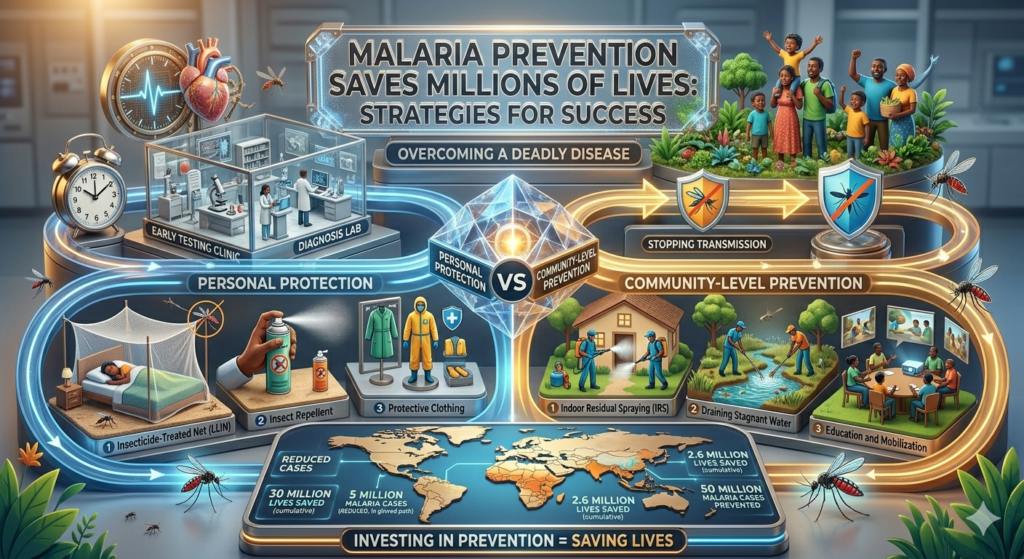
At the heart of these strategies is a simple idea: stop mosquitoes from biting humans. Tools like insecticide-treated bed nets (ITNs) and indoor residual spraying (IRS) have become staples in high-risk regions. According to WHO estimates, insecticide-treated nets alone have been responsible for preventing the majority of malaria cases since 2000. Imagine a thin layer of mesh acting like an invisible shield while families sleep—that’s the power of a well-implemented prevention tool.
But prevention doesn’t stop there. Environmental management plays a huge role too. Standing water, whether it’s in puddles, containers, or poorly drained areas, becomes a breeding ground for mosquitoes. Community-driven efforts to eliminate these habitats are essential. It’s a bit like cutting off the enemy’s supply lines—no breeding sites, fewer mosquitoes, fewer infections.
Another major advancement is preventive medication for vulnerable groups. Pregnant women in high-transmission areas often receive intermittent preventive treatment (IPTp), which significantly reduces complications. Similarly, seasonal malaria chemoprevention (SMC) is used in parts of Africa to protect children during peak transmission periods. These approaches show how infectious disease prevention can be tailored to specific populations for maximum impact.
What makes these strategies even more powerful is their scalability. When governments and organizations invest in widespread distribution and education, the results multiply. Entire regions have seen dramatic declines in malaria cases thanks to coordinated efforts.
Still, challenges remain. Mosquitoes are evolving resistance to insecticides, and funding gaps can disrupt supply chains. That’s why continuous innovation and sustained investment are critical. Prevention isn’t a one-time fix—it’s an ongoing commitment.
The Importance of Early Prevention in Infectious Disease Prevention
Catching malaria early is important, but stopping it before it starts is even better. That’s the philosophy behind early prevention in infectious disease prevention, and it’s especially relevant for malaria. The earlier you intervene, the less damage the disease can do—not just to individuals, but to entire communities.
Think of early prevention like maintaining a car. Regular check-ups and small fixes prevent major breakdowns later. In the context of malaria, early prevention includes distributing bed nets before peak seasons, conducting awareness campaigns ahead of outbreaks, and ensuring that medications are available before demand spikes. Timing isn’t just important—it’s everything.
One of the biggest advantages of early prevention is cost-effectiveness. Treating severe malaria cases requires hospitalization, advanced medication, and significant healthcare resources. In contrast, preventive measures like nets and sprays are relatively inexpensive and can protect multiple people at once. This makes them a cornerstone of sustainable disease prevention strategies.
Early prevention also reduces the burden on healthcare systems. When fewer people get sick, hospitals can focus on other critical needs. This is particularly important in regions where healthcare infrastructure is already stretched thin. By reducing malaria cases, early prevention indirectly improves overall healthcare quality.
Another key aspect is data-driven planning. Health organizations use surveillance data to predict outbreaks and deploy resources proactively. This kind of foresight transforms malaria control from reactive to strategic. It’s like playing chess instead of checkers—thinking several moves ahead rather than responding to immediate threats.
Community involvement is also crucial. When people understand the importance of early prevention, they’re more likely to adopt protective behaviors. This is where community health education intersects with prevention strategies, creating a powerful combination that drives long-term change.
Personal Protection vs Community-Level Prevention
When it comes to malaria, protection operates on two levels: personal and community-wide. Both are essential, but they function differently—and understanding that difference can make all the impact in designing effective malaria prevention strategies.
Personal protection is exactly what it sounds like—actions individuals take to reduce their own risk. This includes sleeping under bed nets, using mosquito repellents, wearing protective clothing, and ensuring windows and doors are screened. These measures are straightforward and immediately effective. It’s like carrying an umbrella in the rain—you might not stop the storm, but you stay dry.
However, relying solely on personal protection has its limits. Not everyone has equal access to these tools, and even when they do, consistent usage can be a challenge. That’s where community-level prevention steps in. This approach focuses on reducing the overall mosquito population and interrupting transmission cycles. Strategies include large-scale spraying programs, environmental management, and coordinated vector control measures.
The real magic happens when these two levels work together. Imagine a community where everyone uses bed nets and local authorities actively eliminate breeding sites. The risk of infection drops dramatically because both the source and the exposure are being addressed simultaneously.
Community-level prevention also fosters a sense of shared responsibility. When people see their neighbors participating in prevention efforts, it creates a ripple effect. Behavioral change spreads, and protective practices become the norm rather than the exception.
There’s also an equity aspect to consider. Community-level interventions ensure that even the most vulnerable populations—those who might not afford personal protective tools—are still protected. This aligns with broader goals of healthcare system strengthening and inclusive public health strategies.
Balancing personal and community approaches isn’t just smart—it’s აუცილებელი. Malaria is a collective problem, and it requires a collective solution.
Mosquito-Borne Diseases Awareness and Why It Matters More Than Ever
Raising mosquito-borne diseases awareness might sound like a routine public health task, but in today’s rapidly changing world, it’s more urgent than ever. Diseases like malaria, dengue, Zika, and chikungunya are expanding their reach, driven by factors like climate change, urbanization, and increased global travel. What was once considered a regional issue is now a global concern.
Awareness acts as the first line of defense. When people understand how these diseases spread and how to protect themselves, they’re far less likely to become infected. It’s a simple equation: informed communities make safer choices. But achieving that level of awareness isn’t always easy, especially in areas with limited access to education and healthcare resources.
Public perception also plays a huge role. In many places, mosquito-borne diseases are so common that they’re normalized. People might see malaria as an inevitable part of life rather than a preventable illness. This mindset can be dangerous because it reduces the urgency to adopt preventive measures. Changing this perception is a key goal of public health awareness campaigns.
Technology is helping bridge the gap. Social media, mobile apps, and SMS-based alerts are being used to spread information quickly and effectively. Imagine receiving a text message warning you about a malaria outbreak in your area and reminding you to use your bed net—that’s awareness in action.
Another critical aspect is targeting misinformation. Myths about malaria transmission and treatment can hinder prevention efforts. For example, some people mistakenly believe malaria is caused by bad air or contaminated food. Addressing these misconceptions through clear, accurate messaging is essential.
Ultimately, awareness isn’t just about knowledge—it’s about empowerment. When people know what to do and why it matters, they’re more likely to take action. And in the fight against malaria and other global health threats, that action can mean the difference between life and death.
How Climate Change Expands Mosquito-Borne Diseases
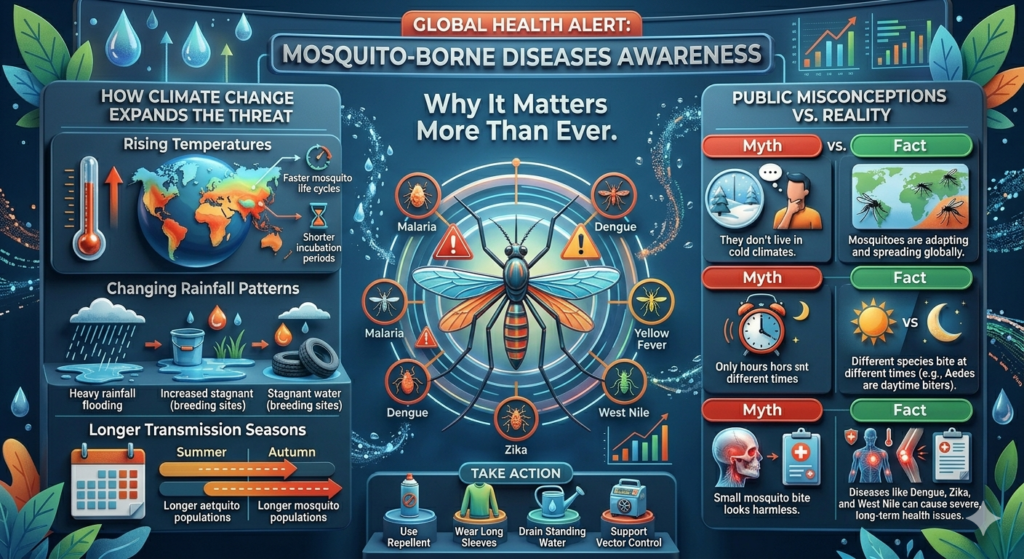
Climate change is quietly reshaping the landscape of mosquito-borne diseases awareness, and not in a good way. Rising temperatures, changing rainfall patterns, and increased humidity are creating ideal conditions for mosquitoes to thrive in regions that were previously unaffected. It’s like expanding the playground for disease-carrying insects.
Warmer climates accelerate the mosquito life cycle, allowing them to reproduce faster and in greater numbers. At the same time, the malaria parasite develops more quickly inside the mosquito, increasing the chances of transmission. This double effect means higher infection rates in shorter periods.
Regions at higher altitudes or latitudes, once considered safe, are now experiencing outbreaks. Communities that have never dealt with malaria before often lack the infrastructure and knowledge to respond effectively. This makes community health education and proactive planning even more critical.
Extreme weather events, such as floods and droughts, also play a role. Flooding can create new breeding sites, while droughts can force people to store water in ways that inadvertently support mosquito reproduction. These environmental changes complicate vector control measures and require adaptive strategies.
The link between climate change and malaria highlights the need for integrated approaches. Addressing the disease isn’t just about healthcare—it’s also about environmental policy, urban planning, and global cooperation. Recognizing this connection is essential for long-term malaria elimination efforts.
Public Misconceptions About Mosquito-Borne Illnesses
Misconceptions can be as dangerous as the diseases themselves. When it comes to mosquito-borne diseases awareness, misinformation often spreads faster than facts, creating barriers to effective prevention and treatment.
One common myth is that malaria only affects rural or गरीब communities. While it’s true that these areas are more vulnerable, urban regions are not immune. Rapid urbanization without proper infrastructure can create breeding grounds for mosquitoes, bringing the risk closer to densely populated cities.
Another misconception is that malaria is no longer a serious threat because treatments exist. While malaria treatment access has improved, the disease can still be fatal if not treated promptly. Drug resistance is also an emerging concern, making prevention even more critical.
Some people believe that using bed nets or repellents is unnecessary or uncomfortable. This perception often stems from a lack of understanding about how effective these tools are. In reality, consistent use of preventive measures can reduce infection risk significantly.
There’s also confusion about how malaria spreads. It’s not transmitted through casual contact, food, or water—it requires a mosquito vector. Clarifying this helps reduce stigma and encourages more targeted prevention efforts.
Addressing these misconceptions requires consistent, culturally sensitive communication. Public health awareness campaigns must go beyond simply providing information—they need to engage communities, answer questions, and build trust.
Malaria Control Programs Driving Real Change Worldwide
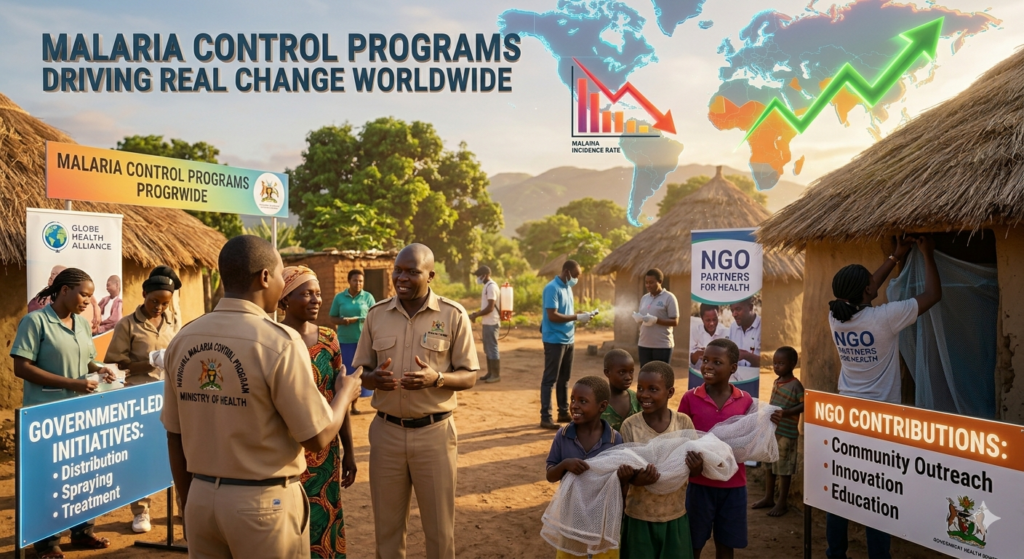
If you zoom out and look at the global fight against malaria, one thing becomes clear: progress doesn’t happen by accident. It’s the result of carefully designed and consistently executed malaria control programs that operate at local, national, and international levels. These programs are the backbone of malaria elimination efforts, translating policies into real-world impact.
At their core, malaria control programs focus on a combination of prevention, diagnosis, and treatment. It’s not enough to tackle just one piece of the puzzle. Successful programs integrate vector control measures, ensure malaria treatment access, and invest in community health education. Think of it like building a three-legged stool—remove one leg, and the entire system becomes unstable.
Over the past two decades, these programs have delivered measurable results. According to WHO reports, countries that have implemented comprehensive malaria control strategies have seen significant declines in both cases and deaths. Nations like Rwanda and Ethiopia, for example, have made remarkable progress by scaling up interventions and strengthening healthcare delivery systems.
Funding plays a critical role here. Organizations such as the Global Fund and partnerships with governments have injected billions of dollars into malaria programs. This financial support enables large-scale distribution of insecticide-treated nets, expansion of diagnostic services, and training of healthcare workers. Without sustained funding, even the most well-designed programs can falter.
Another key factor is adaptability. Malaria is not a static enemy—it evolves. Mosquitoes develop resistance, parasites mutate, and environmental conditions shift. Effective malaria control programs continuously adapt to these changes, incorporating new technologies and strategies as they emerge.
What’s particularly inspiring is how these programs often extend beyond malaria. By strengthening healthcare infrastructure and improving surveillance systems, they contribute to broader healthcare system strengthening and overall infectious disease prevention. In that sense, investing in malaria control is like upgrading an entire defense system rather than fixing a single weak point.
Government-Led Malaria Control Programs
Governments are the driving force behind large-scale malaria control programs, and their role cannot be overstated. When national policies align with global health goals, the impact can be transformative. Governments have the authority to allocate budgets, implement nationwide campaigns, and integrate malaria services into public healthcare systems.
One of the most effective government-led strategies is the mass distribution of insecticide-treated nets. In many countries, these campaigns are conducted periodically to ensure that every household in high-risk areas has access to protection. It’s a massive logistical effort, often involving partnerships with NGOs and community organizations, but the payoff is enormous.
Governments also play a crucial role in ensuring malaria treatment access. By subsidizing or providing free diagnostic tests and medications, they remove financial barriers that might otherwise prevent people from seeking care. Early diagnosis and prompt treatment are essential for reducing mortality and preventing the spread of the disease.
Policy-making is another critical area. Governments set guidelines for vector control measures, regulate the use of insecticides, and establish surveillance systems to monitor malaria trends. These policies create a structured framework within which all other interventions operate.
However, challenges remain. Limited budgets, political instability, and competing health priorities can hinder progress. This is where international collaboration becomes essential, complementing national efforts and providing additional resources.
Ultimately, government-led programs are the foundation upon which all other malaria interventions are built. Without strong political will and effective governance, achieving long-term sustainable disease prevention becomes बेहद difficult.
NGO Contributions to Malaria Control
While governments set the stage, non-governmental organizations (NGOs) often bring the energy and innovation needed to drive malaria control programs forward. These organizations operate on the ground, working directly with communities to implement interventions and fill gaps that larger systems might miss.
NGOs are particularly effective in reaching underserved populations. In remote or conflict-affected areas where government services may be limited, NGOs step in to provide essential healthcare, distribute preventive tools, and conduct community health education. Their flexibility allows them to adapt quickly to changing परिस्थितियाँ, making them invaluable partners in the fight against malaria.
One of the key strengths of NGOs is their focus on community engagement. They don’t just deliver services—they build relationships. By working closely with local leaders and residents, NGOs foster trust and encourage behavioral changes that support malaria prevention strategies. This grassroots approach often leads to more sustainable outcomes.
Innovation is another area where NGOs excel. From piloting new technologies to experimenting with creative awareness campaigns, they often act as testing grounds for ideas that can later be scaled up. For example, some NGOs have used mobile health platforms to track malaria cases in real time, improving response times and resource allocation.
Funding for NGOs comes from a mix of sources, including international donors, private foundations, and public contributions. While this diversity can be a strength, it also means that funding can be unpredictable. Sustained support is essential to maintain and expand their efforts.
The collaboration between governments and NGOs creates a powerful synergy. Together, they form a comprehensive network that addresses malaria from multiple angles, reinforcing the global push toward elimination.
WHO Malaria Initiatives and Their Global Influence
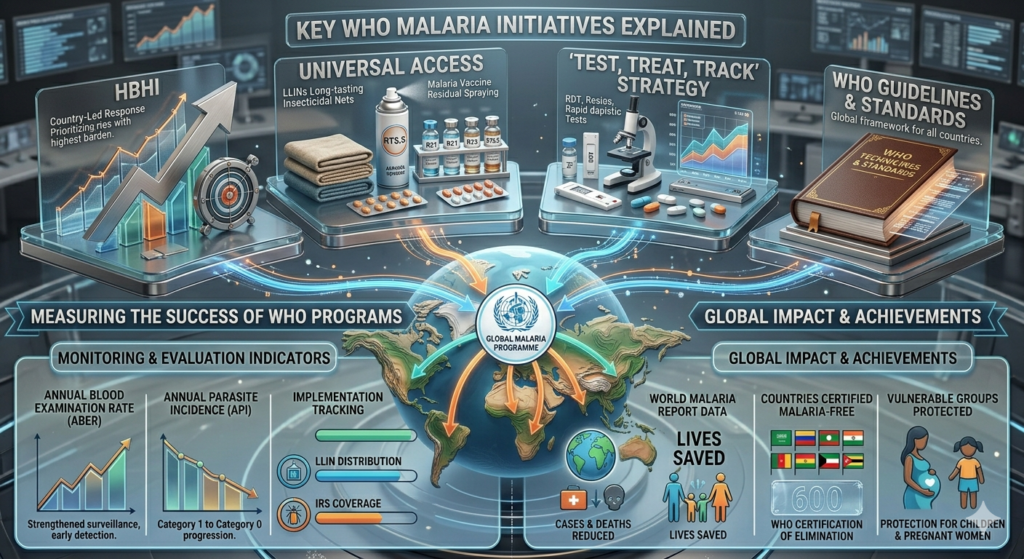
When discussing the global fight against malaria, it’s impossible to ignore the role of WHO malaria initiatives. The World Health Organization acts as a central coordinating body, setting standards, providing guidance, and supporting countries in implementing effective strategies. Its influence extends across continents, shaping policies and driving progress.
One of the most significant contributions of WHO is the Global Technical Strategy for Malaria. This framework outlines clear targets for reducing malaria cases and deaths, as well as achieving elimination in multiple countries. It provides a roadmap that countries can adapt to their specific contexts, ensuring a unified yet flexible approach.
WHO also plays a critical role in data collection and analysis. Through its annual World Malaria Report, it provides comprehensive insights into the global malaria burden, tracking progress and identifying challenges. This data-driven approach helps policymakers make informed decisions and allocate resources effectively.
Another key initiative is the promotion of new tools and technologies. From supporting the rollout of malaria vaccines to endorsing innovative vector control measures, WHO ensures that the latest advancements reach the people who need them most. This accelerates the pace of malaria elimination efforts and keeps strategies aligned with evolving challenges.
Capacity building is another area of focus. WHO works with countries to strengthen healthcare systems, train professionals, and improve surveillance mechanisms. This emphasis on healthcare system strengthening ensures that malaria interventions are not just effective but also sustainable.
The global influence of WHO malaria initiatives lies in their ability to bring everyone onto the same page. By providing a shared vision and practical tools, they turn a complex global challenge into a coordinated effort.
Key WHO Malaria Initiatives Explained
To truly understand the impact of WHO malaria initiatives, it helps to break down some of the key programs that are driving change. These initiatives are not abstract concepts—they are actionable strategies with measurable outcomes.
One of the most notable is the “High Burden to High Impact” (HBHI) approach. This initiative focuses on the countries that carry the highest share of the global malaria burden, providing targeted support to accelerate progress. It emphasizes political commitment, data-driven decision-making, and coordinated action.
Another important program is the E-2025 initiative, which aims to support countries on the path to malaria elimination. By providing technical assistance and monitoring progress, WHO helps these nations stay on track and overcome challenges.
The rollout of malaria vaccines is also a game-changer. WHO’s endorsement and guidance have been crucial in introducing these vaccines in high-risk regions, offering an additional layer of protection alongside existing malaria prevention strategies.
WHO also sets standards for treatment protocols, ensuring that patients receive effective and consistent care worldwide. This directly impacts malaria treatment access, improving outcomes and reducing mortality rates.
Each of these initiatives contributes to a larger goal: reducing malaria to the point where it is no longer a major public health threat. It’s a long journey, but these programs provide a clear path forward.
Measuring the Success of WHO Programs
Success in global health isn’t just about good intentions—it’s about measurable results. When evaluating WHO malaria initiatives, several key indicators come into play, offering a clear picture of progress and areas that need improvement.
One of the primary metrics is the reduction in malaria cases and deaths. Over the past two decades, significant declines have been recorded, demonstrating the effectiveness of coordinated efforts. However, progress has slowed in recent years, highlighting the need for renewed focus and innovation.
Another important measure is the expansion of malaria treatment access. Increased availability of diagnostic tools and medications means more people can receive timely care. This not only saves lives but also reduces transmission rates.
The adoption of preventive measures is also a critical indicator. The widespread use of insecticide-treated nets and other vector control measures reflects the success of public health awareness campaigns and distribution programs.
Equity is another factor. Ensuring that vulnerable populations, such as children and pregnant women, have access to prevention and treatment is essential for achieving sustainable disease prevention. WHO programs often prioritize these groups, aiming to close gaps in healthcare access.
Finally, the number of countries achieving malaria elimination serves as a powerful benchmark. Each success story proves that with the right strategies and commitment, malaria can be defeated.
Community Health Education as a Tool for Malaria Elimination Efforts
If there’s one element that quietly determines whether malaria elimination efforts succeed or fail, it’s community health education. You can distribute millions of bed nets and invest heavily in treatments, but if people don’t understand how or why to use these tools, the impact weakens dramatically. Education turns passive recipients into active participants, and that shift is where real, lasting change begins.
Think about it this way: knowledge acts like a vaccine for behavior. When individuals understand how malaria spreads, they naturally adopt habits that reduce risk—sleeping under nets, eliminating standing water, and seeking treatment early. These small, consistent actions add up, creating a powerful shield at the community level. This is why public health awareness campaigns are not just supportive measures; they are foundational pillars of infectious disease prevention.
One of the most effective aspects of community health education is its adaptability. Messaging can be tailored to cultural contexts, languages, and local beliefs. In some regions, storytelling and radio broadcasts work best; in others, visual demonstrations or mobile apps are more effective. The goal isn’t just to inform—it’s to connect. When people see how malaria directly impacts their families and livelihoods, the message sticks.
Education also plays a critical role in combating misinformation. As discussed earlier, myths about malaria can hinder prevention and treatment efforts. Clear, consistent communication helps replace fear and confusion with understanding and confidence. This directly improves malaria treatment access, as people are more likely to seek care when they recognize symptoms early.
Another benefit is sustainability. Unlike one-time interventions, education creates long-term behavioral change. A well-informed community continues to practice prevention even when external support fluctuates. This aligns perfectly with the goal of sustainable disease prevention, ensuring that progress doesn’t disappear once funding cycles end.
In essence, community health education is the bridge between strategy and impact. It transforms policies into everyday practices, making malaria elimination not just a goal set by organizations, but a shared mission embraced by entire communities.
Grassroots Campaigns That Work
Zooming in further, grassroots initiatives are where community health education truly comes alive. These campaigns operate at the local level, often led by community members themselves, making them uniquely effective in driving malaria elimination efforts.
What makes grassroots campaigns so powerful is their authenticity. Instead of top-down messaging, they rely on trusted voices—local health workers, volunteers, and community leaders—who understand the cultural nuances and daily realities of the people they serve. This trust is invaluable. When advice comes from someone familiar, it’s far more likely to be accepted and acted upon.
For example, in many high-burden regions, community health workers go door-to-door, demonstrating how to properly use bed nets or identify early symptoms of malaria. These face-to-face interactions create opportunities for dialogue, allowing people to ask questions and address concerns in real time. It’s not just education—it’s engagement.
Grassroots campaigns also excel at integrating malaria awareness into everyday life. Community events, school programs, and local gatherings become platforms for spreading information. This consistent exposure reinforces key messages, making them part of the community’s collective mindset.
Another strength is their ability to adapt quickly. If a particular approach isn’t working, grassroots organizers can pivot without the bureaucratic delays often seen in larger programs. This flexibility ensures that malaria prevention strategies remain relevant and effective.
The impact of these campaigns is often ملموس and immediate. Increased bed net usage, earlier treatment-seeking behavior, and improved environmental practices are all signs of success. Over time, these changes contribute to a significant reduction in the global malaria burden, proving that small, local actions can drive global progress.
The Role of Schools and Local Leaders
Schools and local leadership structures play a surprisingly influential role in advancing community health education and supporting malaria elimination efforts. These institutions act as hubs of knowledge and influence, shaping behaviors and attitudes across generations.
Schools, in particular, are powerful platforms for mosquito-borne diseases awareness. Children are naturally curious and quick to learn, making them ideal ambassadors for health education. When students understand how malaria spreads and how to prevent it, they often carry that knowledge home, influencing their families and communities. It’s like planting seeds of awareness that grow far beyond the classroom.
Educational programs can include interactive lessons, visual aids, and even games that teach prevention strategies. This makes learning engaging and memorable, increasing the likelihood that these behaviors will stick. Over time, this contributes to a culture of infectious disease prevention that becomes second nature.
Local leaders, on the other hand, bring authority and credibility. Whether they are village chiefs, religious figures, or community organizers, their endorsement can significantly boost the effectiveness of public health awareness campaigns. When leaders actively promote malaria prevention practices, it signals to the community that these actions are important and worth adopting.
Collaboration between schools, local leaders, and health organizations creates a strong network of influence. This network ensures that messages are consistent, culturally appropriate, and widely disseminated. It also helps address barriers, such as resistance to change or skepticism about interventions.
Ultimately, leveraging these community pillars strengthens the overall impact of malaria control programs. It ensures that education isn’t confined to pamphlets or campaigns but becomes embedded in the social fabric, driving long-term, sustainable change.
Vector Control Measures and Their Role in Sustainable Disease Prevention
At the heart of every successful malaria strategy lies one critical component: vector control measures. Since malaria is transmitted by mosquitoes, controlling the vector—the carrier—is one of the most direct and effective ways to reduce transmission. It’s like stopping a fire at its source rather than constantly trying to extinguish flames.
Vector control measures include a range of interventions, from insecticide-treated nets and indoor spraying to environmental management and biological controls. Each method targets a different stage of the mosquito lifecycle, creating a multi-layered defense system. When combined, these measures significantly reduce mosquito populations and limit their ability to spread disease.
One of the key advantages of vector control is its broad impact. These measures don’t just prevent malaria—they also help reduce other mosquito-borne diseases awareness challenges, such as dengue and Zika. This makes them a cost-effective solution within broader global health threats management strategies.
Sustainability is a major focus here. Short-term interventions can produce quick results, but without long-term planning, those gains can quickly fade. This is why modern approaches emphasize environmentally friendly and adaptable solutions. For instance, integrating vector control with urban planning—such as improving drainage systems—helps eliminate breeding sites permanently.
Another critical aspect is community involvement. Vector control is most effective when communities actively participate, whether by maintaining clean environments or properly using protective tools. This ties back to community health education, reinforcing the idea that prevention is a shared responsibility.
Challenges do exist, particularly with insecticide resistance and logistical constraints. However, ongoing research and innovation continue to address these issues, ensuring that vector control remains a cornerstone of malaria prevention strategies.
Modern Innovations in Vector Control Measures
Innovation is reshaping how we approach vector control measures, bringing new hope to the fight against malaria. Traditional methods are being enhanced with cutting-edge technologies, making interventions more precise, efficient, and sustainable.
One exciting development is the use of genetically modified mosquitoes. These mosquitoes are engineered to either reduce population numbers or prevent the transmission of the malaria parasite. While still being carefully evaluated, this approach has the potential to revolutionize malaria elimination efforts.
Another advancement is the use of data analytics and geographic information systems (GIS). These tools allow health organizations to map mosquito populations, predict outbreak hotspots, and deploy resources strategically. It’s like having a GPS for disease prevention—guiding efforts exactly where they’re needed most.
Improved insecticides and treated materials are also making a difference. New formulations are designed to last longer and remain effective even in the face of resistance. This ensures that tools like bed nets continue to provide reliable protection.
Drones and remote sensing technologies are being used to identify and treat breeding sites in hard-to-reach areas. This not only increases efficiency but also reduces the time and labor required for large-scale interventions.
These innovations highlight the importance of continuous investment in research and development. As global health threats evolve, so must our strategies. By embracing new technologies, we can stay one step ahead in the fight against malaria.
Challenges in Implementing Vector Control
Despite their effectiveness, implementing vector control measures is far from straightforward. A range of challenges—technical, financial, and social—can limit their impact and complicate malaria prevention strategies.
One of the biggest issues is insecticide resistance. Over time, mosquitoes can develop resistance to commonly used chemicals, reducing the effectiveness of interventions like indoor spraying and treated nets. This requires constant monitoring and the development of new solutions, adding complexity and cost to control programs.
Logistical challenges also play a role. Distributing bed nets, conducting spraying campaigns, and maintaining surveillance systems require significant coordination and resources. In remote or conflict-affected areas, these tasks become even more difficult, limiting coverage and effectiveness.
Community acceptance is another critical factor. Some people may be hesitant to use certain interventions due to concerns about safety or cultural beliefs. This is where public health awareness campaigns and community health education become essential, helping to build trust and encourage participation.
Funding constraints can further hinder progress. While international support has been substantial, gaps still exist, particularly in sustaining long-term efforts. Without consistent funding, even the most effective programs can lose momentum.
Finally, environmental considerations must be balanced. While controlling mosquito populations is crucial, it’s important to ensure that interventions do not negatively impact ecosystems. This requires careful planning and the adoption of environmentally responsible practices.
Overcoming these challenges requires a coordinated, multi-sectoral approach. By combining innovation, education, and strong governance, it’s possible to maximize the impact of vector control and move closer to a malaria-free world.
Why World Malaria Day Remains a Critical Global Priority
World Malaria Day awareness is far more than a symbolic observance—it’s a strategic force that keeps malaria at the forefront of global health discussions. In a world filled with competing priorities, this day ensures that the fight against one of the deadliest mosquito-borne diseases doesn’t lose momentum. It connects policymakers, healthcare workers, researchers, and communities under a shared mission: to reduce and ultimately eliminate the global malaria burden.
The importance of this day lies in its ability to amplify every aspect of malaria control. It strengthens public health awareness campaigns, encourages investment in healthcare system strengthening, and promotes the adoption of effective malaria prevention strategies. It also highlights the progress made through WHO malaria initiatives and inspires continued innovation in vector control measures and treatment approaches.
At the same time, World Malaria Day serves as a reminder of the work still ahead. Challenges like climate change, funding gaps, and resistance threaten to reverse gains. Addressing these issues requires sustained commitment, global cooperation, and a focus on sustainable disease prevention.
The fight against malaria is not just about eliminating a disease—it’s about building resilient health systems, empowering communities through community health education, and creating a safer, healthier world for future generations. World Malaria Day keeps that vision alive, reminding us that progress is possible when awareness turns into action.
FAQs
1. What is the main purpose of World Malaria Day awareness?
World Malaria Day awareness aims to highlight the ongoing impact of malaria, promote malaria prevention strategies, and encourage global action to reduce the global malaria burden. It brings attention to both progress and challenges in combating this disease.
2. How do malaria prevention strategies help reduce global health threats?
These strategies, including bed nets and vector control measures, prevent infections before they occur. This reduces transmission rates, eases pressure on healthcare systems, and contributes to broader infectious disease prevention efforts.
3. Why is community health education important in malaria elimination efforts?
Community health education empowers individuals with knowledge about prevention and treatment, leading to behavioral changes that support malaria elimination efforts and improve overall public health outcomes.
4. What role do WHO malaria initiatives play globally?
WHO malaria initiatives provide guidelines, funding support, and strategic direction for countries, helping coordinate global efforts to reduce malaria cases and deaths.
5. What challenges affect malaria control programs today?
Key challenges include insecticide resistance, funding gaps, climate change, and limited malaria treatment access in certain regions, all of which impact the effectiveness of malaria control programs.
Leave a Reply