
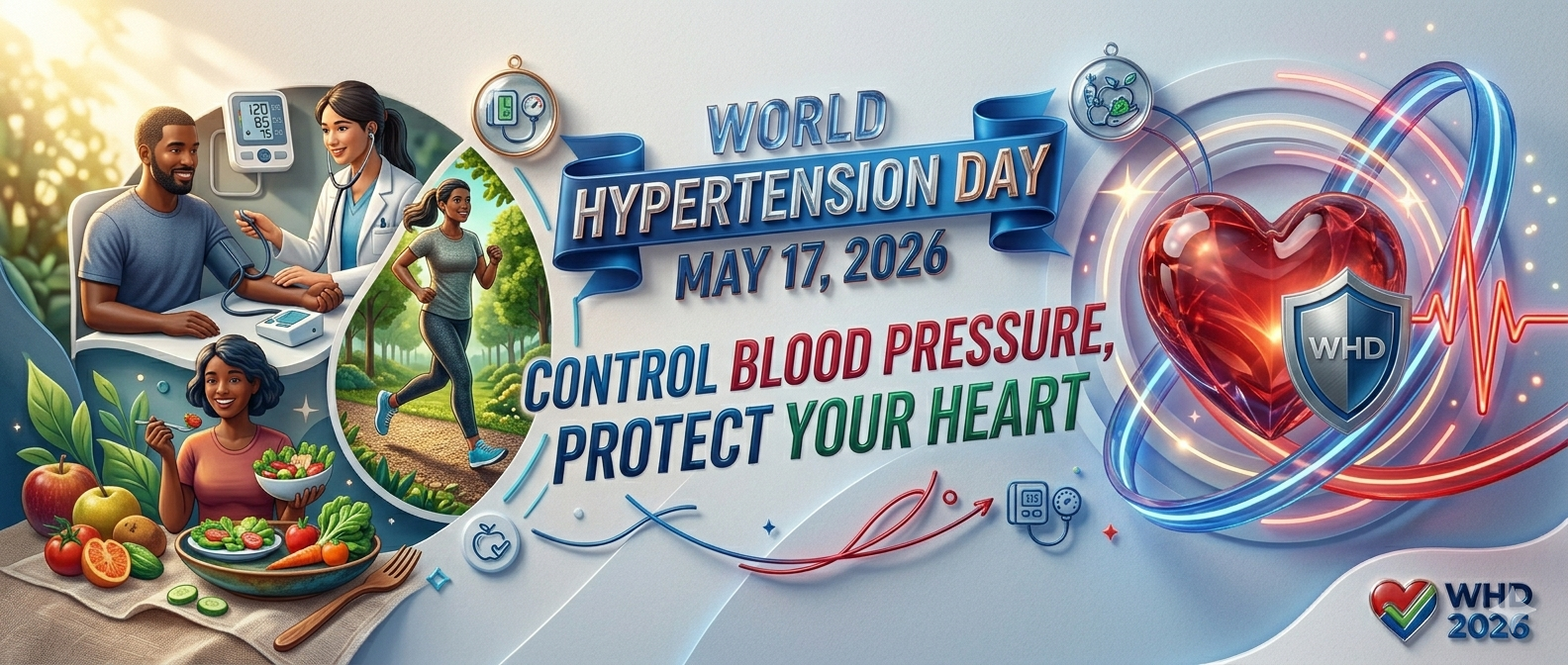


Every year, millions of people across the globe come together to recognize World Hypertension Day 2026, a health awareness event focused on educating people about the dangers of high blood pressure and the importance of protecting heart health. Hypertension, commonly known as high blood pressure, affects more than 1.28 billion adults worldwide according to the World Health Organization. What makes this condition especially dangerous is that many individuals live with it for years without even realizing it. That is why this annual event plays such a crucial role in promoting hypertension awareness, encouraging regular health screenings, and inspiring people to make healthier lifestyle choices.
The 2026 campaign emphasizes a simple but powerful message: Control Blood Pressure, Protect Your Heart. This message highlights the direct connection between unmanaged blood pressure and severe cardiovascular complications such as stroke, heart attacks, kidney disease, and heart failure. The modern lifestyle filled with processed food, stress, physical inactivity, and poor sleep habits has contributed significantly to the rise of hypertension worldwide. Many young adults are now being diagnosed with elevated blood pressure levels much earlier than previous generations, making awareness campaigns more urgent than ever before.
People often underestimate the impact of daily habits on long-term health. Something as simple as walking regularly, reducing salt intake, staying hydrated, or monitoring blood pressure at home can make a major difference. The goal of World Hypertension Day 2026 is not only to spread medical knowledge but also to empower individuals to take control of their health before serious complications arise. In many ways, managing blood pressure is like maintaining a car engine. Small maintenance steps taken consistently can prevent major breakdowns later. Protecting your heart begins with understanding your numbers and making informed choices every single day.
Understanding World Hypertension Day 2026
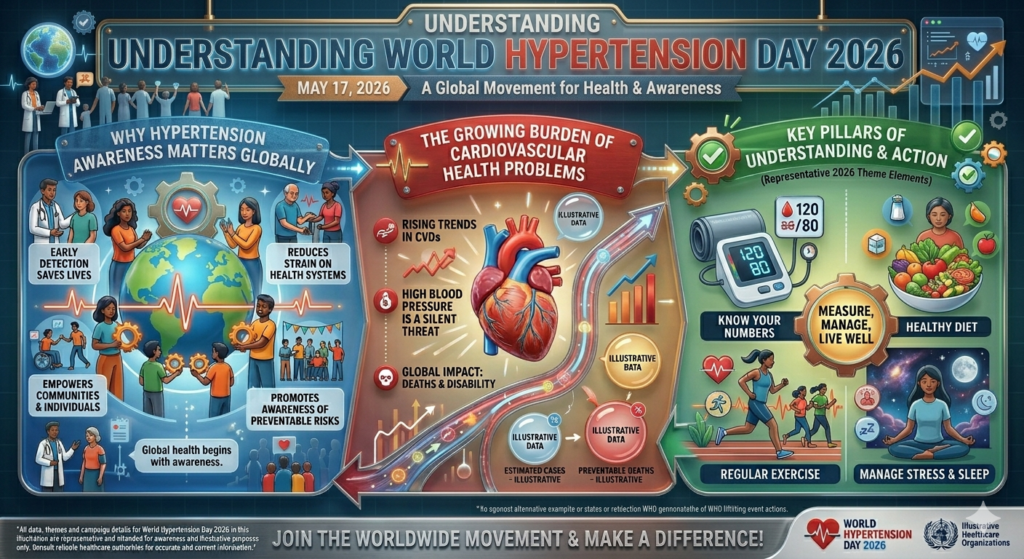
World Hypertension Day 2026 serves as a global reminder that high blood pressure remains one of the leading causes of premature death worldwide. Organized by health organizations and medical communities, the campaign aims to increase public understanding of hypertension and promote better prevention strategies. Despite medical advancements, millions of people still remain unaware that they have elevated blood pressure because symptoms often remain hidden until serious damage has already occurred.
The significance of this awareness day continues to grow as hypertension rates increase across both developed and developing nations. Urban lifestyles, unhealthy diets, smoking, obesity, and stress are contributing heavily to rising blood pressure cases. According to health experts, nearly half of adults with hypertension are unaware they have the condition. This lack of awareness creates a dangerous situation because untreated hypertension can silently damage arteries, weaken the heart, and increase the risk of life-threatening events.
The campaign also focuses on making healthcare information more accessible to communities. Free blood pressure screening camps, online awareness drives, educational workshops, and social media campaigns are common activities conducted during the event. Healthcare professionals use this opportunity to encourage people to adopt healthier routines and prioritize preventive care. Public engagement is critical because hypertension prevention is far easier and less costly than treating advanced cardiovascular disease later.
Another important aspect of the campaign is reducing fear around diagnosis. Many individuals avoid medical checkups because they worry about discovering health problems. However, early detection gives patients more control and significantly improves treatment outcomes. A simple blood pressure reading can provide valuable insight into a person’s overall cardiovascular health and help prevent severe complications in the future.
Why Hypertension Awareness Matters Globally
The need for stronger hypertension awareness has never been greater. High blood pressure contributes to approximately 10 million deaths annually worldwide. It affects people of all ages, backgrounds, and income levels. What once seemed like a condition mostly affecting older adults is now increasingly diagnosed among younger populations due to sedentary lifestyles and unhealthy eating habits.
Raising awareness helps people understand that hypertension is often preventable and manageable. Many individuals wrongly believe that medication alone can solve the problem while ignoring lifestyle factors that play a huge role in blood pressure control. Education campaigns teach communities how daily habits directly influence heart health. Even small changes like cooking meals at home, exercising regularly, and reducing stress can lower blood pressure naturally.
Public awareness campaigns also reduce misinformation surrounding hypertension treatment. Some people stop taking medication once they feel better, unaware that uncontrolled blood pressure can still silently damage internal organs. Awareness programs help reinforce the importance of consistent monitoring and long-term management. Healthcare professionals emphasize that hypertension is a chronic condition requiring ongoing attention rather than a temporary illness.
Global awareness efforts are especially important in low-income regions where access to healthcare may be limited. Community screenings and educational outreach can help identify undiagnosed cases early and encourage timely treatment. When people understand the risks associated with uncontrolled hypertension, they are more likely to seek medical advice and make healthier choices that support long-term cardiovascular health.
The Growing Burden of Cardiovascular Health Problems
The increasing prevalence of hypertension has created a serious challenge for global healthcare systems. High blood pressure is strongly linked to heart attacks, strokes, kidney disease, and heart failure. These conditions not only affect individual lives but also place enormous pressure on hospitals, families, and national economies. The burden continues to rise as unhealthy lifestyles become more common around the world.
Poor dietary habits are one of the leading contributors to cardiovascular problems. Fast food, sugary beverages, excessive sodium intake, and processed snacks have become routine in many households. Combined with low physical activity and chronic stress, these habits create the perfect environment for hypertension to develop. Many people spend hours sitting at desks or using digital devices while neglecting physical exercise and healthy sleep routines.
Mental health also plays a growing role in hypertension risk. Chronic stress triggers hormonal responses that can elevate blood pressure over time. Financial pressures, work stress, social isolation, and anxiety have become increasingly common, especially in urban environments. Healthcare experts now recognize that emotional well-being is deeply connected to heart health and blood pressure management.
Addressing cardiovascular health problems requires a collective effort involving governments, healthcare providers, schools, workplaces, and communities. Public policies encouraging healthier food options, smoke-free environments, and active lifestyles can significantly improve outcomes. World Hypertension Day 2026 reminds society that preventing heart disease begins with education, awareness, and consistent action.
Hypertension Awareness and the Reality of the Silent Killer
Hypertension is often referred to as the silent killer awareness campaign because it can quietly damage the body for years without causing noticeable symptoms. Many people feel completely healthy while their blood pressure steadily rises to dangerous levels. This hidden nature makes hypertension especially dangerous because serious complications often appear suddenly and without warning.
One of the most alarming aspects of hypertension is its ability to damage blood vessels and organs gradually over time. Elevated pressure forces the heart to work harder, weakening it and increasing the risk of heart attacks and strokes. The kidneys, brain, and eyes can also suffer long-term damage due to uncontrolled blood pressure. By the time symptoms become noticeable, significant harm may have already occurred.
Common warning signs may include headaches, dizziness, shortness of breath, blurred vision, chest pain, or fatigue. However, many individuals experience none of these symptoms at all. This is why regular screening is essential even for people who feel healthy. Blood pressure checks are quick, painless, and potentially lifesaving.
Awareness campaigns continue emphasizing the importance of routine monitoring because prevention is always more effective than emergency treatment. Understanding the silent nature of hypertension encourages individuals to take proactive steps instead of waiting for visible warning signs. Protecting heart health requires attention long before symptoms appear.
High Blood Pressure Control Starts With Early Detection
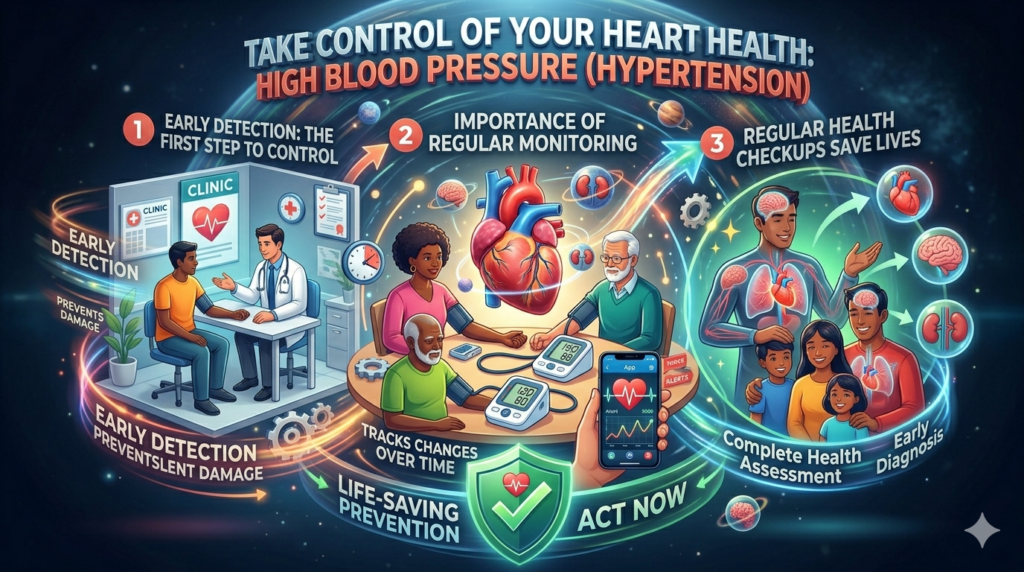
Effective high blood pressure control begins with awareness and early diagnosis. Many cases of hypertension can be managed successfully when detected early through regular screenings. Unfortunately, people often delay doctor visits until they experience severe symptoms, which may indicate advanced complications already affecting the heart or blood vessels.
Importance of Regular Blood Pressure Monitoring
Consistent blood pressure monitoring helps individuals understand how their lifestyle choices affect their health. Home blood pressure monitors have become more affordable and widely available, making it easier for families to track readings regularly. Monitoring provides valuable information that can help doctors adjust treatments and identify potential risks early.
Health experts recommend checking blood pressure regularly, especially for adults over 40 or those with risk factors such as obesity, diabetes, smoking, or a family history of hypertension. Even younger adults benefit from occasional screening because modern lifestyle habits increase risk at earlier ages. Knowing your numbers creates awareness and motivates healthier choices.
How Regular Health Checkup Saves Lives
A regular health checkup acts like an early warning system for the body. Doctors can identify elevated blood pressure before serious complications develop. Routine examinations also help detect related conditions such as diabetes, high cholesterol, or kidney disease that may worsen cardiovascular risk.
Preventive healthcare saves lives because it allows timely intervention. Instead of treating heart attacks or strokes after they happen, healthcare providers can guide patients toward safer habits and effective treatment plans earlier. These checkups create opportunities for education, lifestyle counseling, and personalized care strategies that improve long-term health outcomes.
Blood Pressure Management Through Healthy Heart Lifestyle
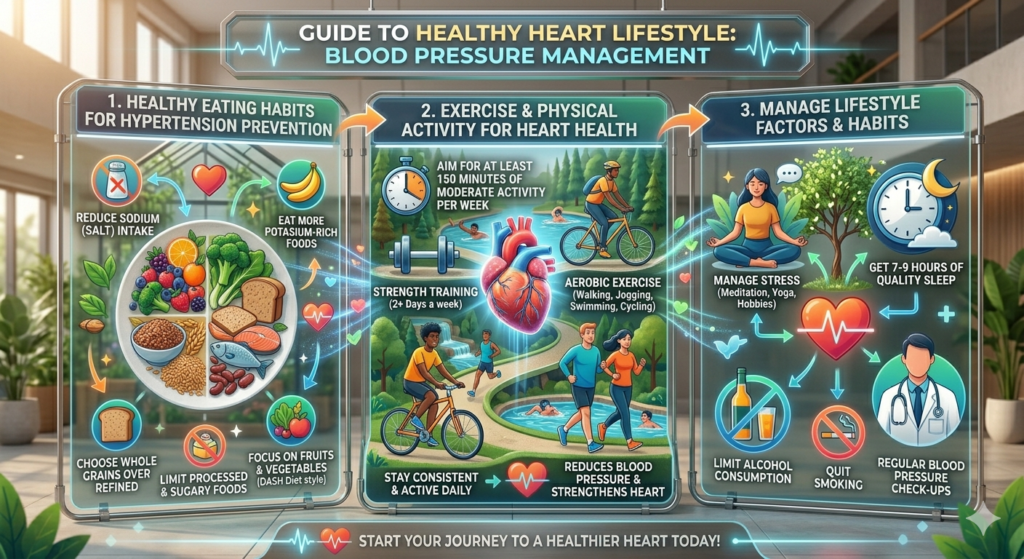
Successful blood pressure management depends heavily on maintaining a healthy heart lifestyle. Medication may help control hypertension, but lasting improvement often comes from daily habits that support overall cardiovascular health. Lifestyle changes can lower blood pressure naturally and reduce dependence on medication in some cases.
Healthy Eating Habits for Hypertension Prevention
Nutrition plays a central role in hypertension prevention. Diets rich in fruits, vegetables, whole grains, lean proteins, and healthy fats support better heart function and improve circulation. Potassium-rich foods like bananas, spinach, sweet potatoes, and avocados help balance sodium levels and regulate blood pressure naturally.
Reducing processed foods is equally important because many packaged products contain excessive salt and unhealthy fats. Reading nutrition labels and preparing meals at home can significantly reduce sodium intake. Drinking enough water and limiting sugary beverages also support healthier blood pressure levels.
Exercise and Physical Activity for Heart Disease Prevention
Regular exercise strengthens the heart and improves circulation. Activities like walking, swimming, cycling, dancing, or yoga help reduce blood pressure while supporting overall fitness. Experts recommend at least 150 minutes of moderate exercise weekly for optimal heart health.
Physical activity also helps manage stress, maintain healthy weight, and improve sleep quality. Even small changes like taking stairs instead of elevators or walking after meals contribute to better cardiovascular function. Consistency matters more than intensity when building long-term habits.
Stress Reduction and Better Sleep for Cardiovascular Health
Stress and poor sleep are often overlooked contributors to hypertension. Chronic stress keeps the body in a constant state of tension, increasing heart rate and blood pressure levels over time. Relaxation techniques such as meditation, deep breathing, mindfulness, and spending time outdoors can help calm the nervous system.
Quality sleep allows the body to recover and regulate important hormones affecting cardiovascular health. Adults should aim for seven to nine hours of sleep each night. Creating a relaxing bedtime routine and reducing screen time before sleep can improve rest and support healthier blood pressure levels.
Conclusion
World Hypertension Day 2026 serves as a powerful reminder that protecting heart health starts with awareness, prevention, and consistent action. High blood pressure may be silent, but its impact can be devastating when left unmanaged. Millions of lives can be improved through education, routine screenings, healthier lifestyles, and better access to medical care.
The message behind this year’s campaign — Control Blood Pressure, Protect Your Heart — encourages people to take responsibility for their long-term health before serious complications arise. Small daily choices such as eating healthier foods, staying active, managing stress, and attending regular health checkups can create lasting improvements in cardiovascular well-being.
Heart health is not built overnight. It grows through consistent habits, informed decisions, and proactive care. By supporting hypertension awareness efforts and encouraging others to prioritize their health, communities around the world can reduce the burden of cardiovascular disease and build healthier futures for generations to come.
FAQs
1. What is the theme of World Hypertension Day 2026?
The theme focuses on controlling blood pressure to protect heart health and reduce the global burden of cardiovascular disease.
2. Why is hypertension called the silent killer?
Hypertension often develops without noticeable symptoms while silently damaging the heart, blood vessels, kidneys, and brain over time.
3. How often should blood pressure be checked?
Adults should check blood pressure regularly, especially if they have risk factors like obesity, diabetes, smoking, or family history of hypertension.
4. Can lifestyle changes reduce high blood pressure naturally?
Yes, healthy eating, regular exercise, stress management, weight control, and reducing salt intake can significantly improve blood pressure levels.
5. What foods help support a healthy heart lifestyle?
Fruits, vegetables, whole grains, lean proteins, nuts, seeds, and potassium-rich foods help support heart health and better blood pressure management.
Leave a Reply