



Pregnancy changes almost every system in the body, including the way your body handles sugar. For many women, this leads to gestational diabetes during pregnancy, a condition where blood sugar levels become higher than normal. Hearing the word “diabetes” while expecting a baby can feel overwhelming, but the good news is that many women successfully control it with healthy lifestyle changes, balanced nutrition, and proper monitoring. Understanding the condition early can make a major difference in protecting both mother and baby.
The rise in high blood sugar in pregnancy usually happens because pregnancy hormones interfere with insulin function. Insulin is responsible for moving sugar from the bloodstream into the cells for energy. When the body cannot use insulin effectively, glucose starts building up in the blood. This condition commonly develops during the second or third trimester, even in women who have never had diabetes before.
What makes gestational diabetes tricky is that symptoms are often mild or completely unnoticed. Some women only discover it during a routine pregnancy health checkup. That is why learning the early signs of gestational diabetes is essential. Early action can help prevent complications such as premature birth, high birth weight, or delivery complications.
The encouraging part is that many women can manage gestational diabetes naturally through smart food choices, regular movement, stress reduction, and careful blood sugar monitoring during pregnancy. This guide explores everything from symptoms and causes to diet plans and natural remedies that support healthier pregnancies.
Understanding Gestational Diabetes During Pregnancy
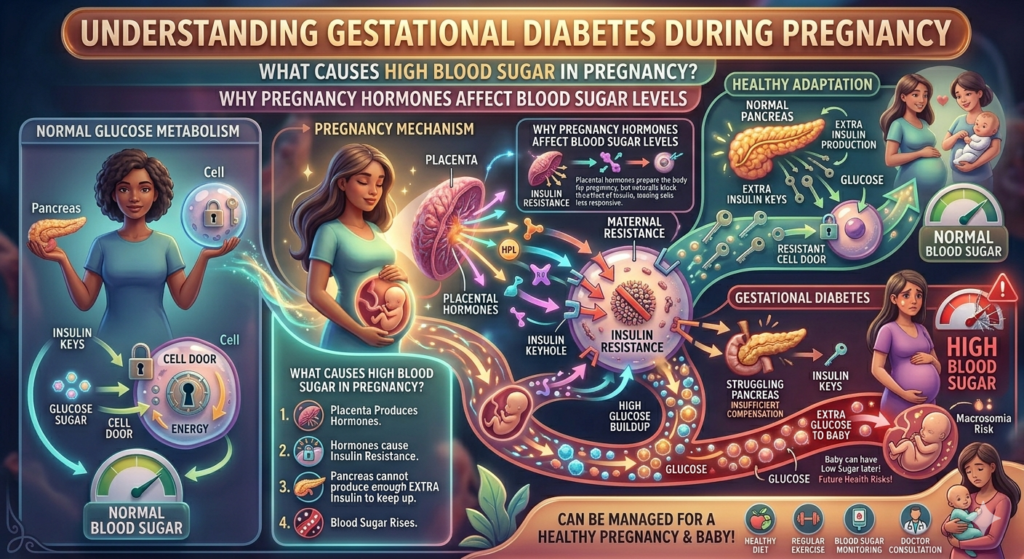
Gestational diabetes during pregnancy occurs when the body struggles to maintain normal blood sugar levels while expecting. During pregnancy, the placenta produces hormones that help the baby grow. While these hormones are essential, they can also make the mother’s body resistant to insulin. Imagine insulin as a key that unlocks cells so sugar can enter and provide energy. Pregnancy hormones partially block that key, causing sugar to stay in the bloodstream longer than it should.
This condition usually develops between weeks 24 and 28 of pregnancy. Doctors often perform glucose screening during this period to detect abnormal sugar levels. According to the Centers for Disease Control and Prevention (CDC), gestational diabetes affects roughly 2% to 10% of pregnancies each year in the United States. The increasing rates are closely linked to sedentary lifestyles, obesity, stress, and poor eating habits.
Certain women face a higher risk than others. Risk factors include being overweight before pregnancy, having a family history of diabetes, carrying twins, or previously giving birth to a large baby. Women older than 25 may also have a greater chance of developing the condition. However, even healthy and active women can experience it, which is why regular testing matters.
What Causes High Blood Sugar in Pregnancy?
The primary trigger behind high blood sugar in pregnancy is insulin resistance. During pregnancy, hormones like human placental lactogen, cortisol, and estrogen increase steadily. These hormones help support fetal growth but also reduce insulin efficiency. As a result, the pancreas must work harder to produce extra insulin.
For some women, the pancreas cannot keep up with this increased demand. Blood sugar begins rising after meals and eventually remains elevated throughout the day. Diet also plays a role. Eating excessive refined carbohydrates, sugary drinks, and processed snacks may worsen glucose spikes.
Lack of physical activity contributes as well. Muscles help absorb glucose from the bloodstream, so inactivity can increase insulin resistance. Stress and poor sleep are additional hidden factors that influence hormone balance and blood sugar regulation during pregnancy.
Why Pregnancy Hormones Affect Blood Sugar Levels
Pregnancy hormones are like temporary managers taking over your body’s metabolic system. Their goal is to ensure the baby receives enough nutrients, especially glucose. To do that, they intentionally make the mother slightly insulin resistant so more sugar remains available in the blood for the baby.
In healthy pregnancies, the pancreas responds by producing enough insulin to compensate. In gestational diabetes, the body cannot meet that demand. The result is unstable blood sugar levels that require attention.
Hormonal shifts become stronger as pregnancy progresses. That explains why many women develop symptoms later in pregnancy even if earlier blood sugar readings were normal. Understanding this natural hormonal process helps remove guilt or confusion around the diagnosis. Gestational diabetes is not caused by one mistake or one unhealthy meal. It is a complex interaction between hormones, genetics, and lifestyle factors.
Early Signs of Gestational Diabetes Every Pregnant Woman Should Know
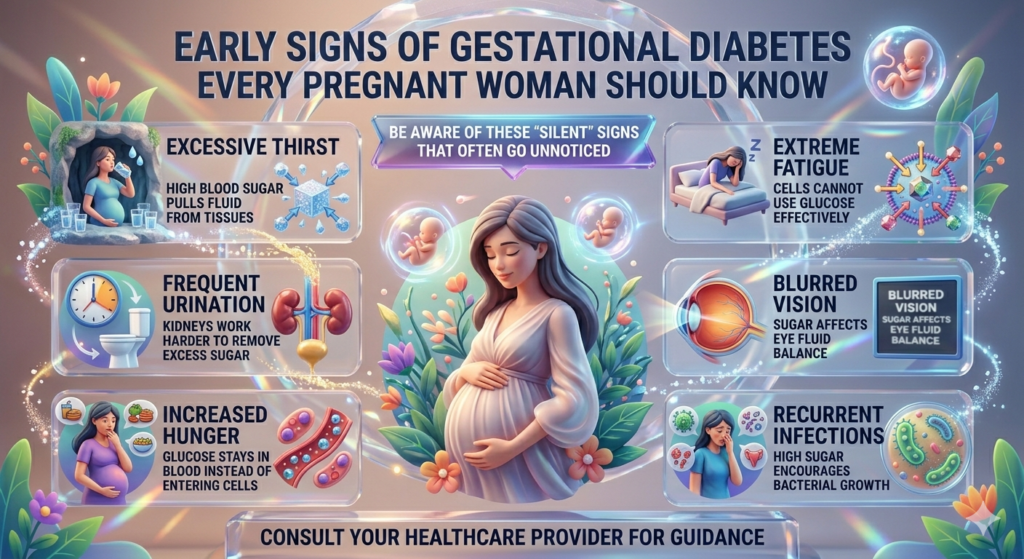
The early signs of gestational diabetes can be subtle, making the condition difficult to identify without testing. Some symptoms overlap with normal pregnancy changes, which is why many women overlook them. Paying attention to unusual patterns can help catch the condition sooner.
One common sign is excessive thirst. If you constantly feel dehydrated despite drinking water, elevated blood sugar may be the reason. Frequent urination is another symptom. While urination naturally increases during pregnancy, gestational diabetes can make it significantly more frequent.
Fatigue beyond normal pregnancy tiredness may also indicate unstable blood sugar. Some women experience blurry vision, headaches, or increased hunger even after eating meals. Recurrent infections, especially urinary tract infections or yeast infections, may signal high glucose levels because excess sugar creates an environment where bacteria and yeast thrive.
Common Gestational Diabetes Symptoms
The most reported gestational diabetes symptoms include:
| Symptom | Why It Happens |
| Excessive thirst | High blood sugar pulls fluid from tissues |
| Frequent urination | Kidneys work harder to remove excess sugar |
| Extreme fatigue | Cells cannot use glucose effectively |
| Blurred vision | Sugar affects eye fluid balance |
| Increased hunger | Glucose stays in blood instead of entering cells |
| Recurrent infections | High sugar encourages bacterial growth |
These symptoms can appear gradually. Some women dismiss them as ordinary pregnancy discomforts. That is why routine glucose testing remains essential even if symptoms seem mild.
Silent Signs of Diabetes in Pregnancy That Often Go Unnoticed
Many signs of diabetes in pregnancy remain hidden until a screening test reveals elevated glucose levels. Silent symptoms may include sudden weight gain unrelated to diet, sugar cravings, difficulty concentrating, or feeling shaky after eating sugary foods.
Another overlooked indicator is persistent exhaustion after meals. Normally, eating provides energy. In gestational diabetes, the body struggles to process carbohydrates properly, leading to sluggishness and energy crashes.
Some women notice increased snoring or sleep disturbances linked to unstable blood sugar and inflammation. Others experience numbness or tingling in the hands and feet. Though less common, these subtle clues deserve attention during prenatal appointments.
Doctors emphasize that regular pregnancy health checkup visits are critical because gestational diabetes often develops quietly. Early diagnosis gives mothers more opportunities to stabilize blood sugar naturally and avoid complications.
Why Pregnancy Blood Sugar Control Matters for Mother and Baby
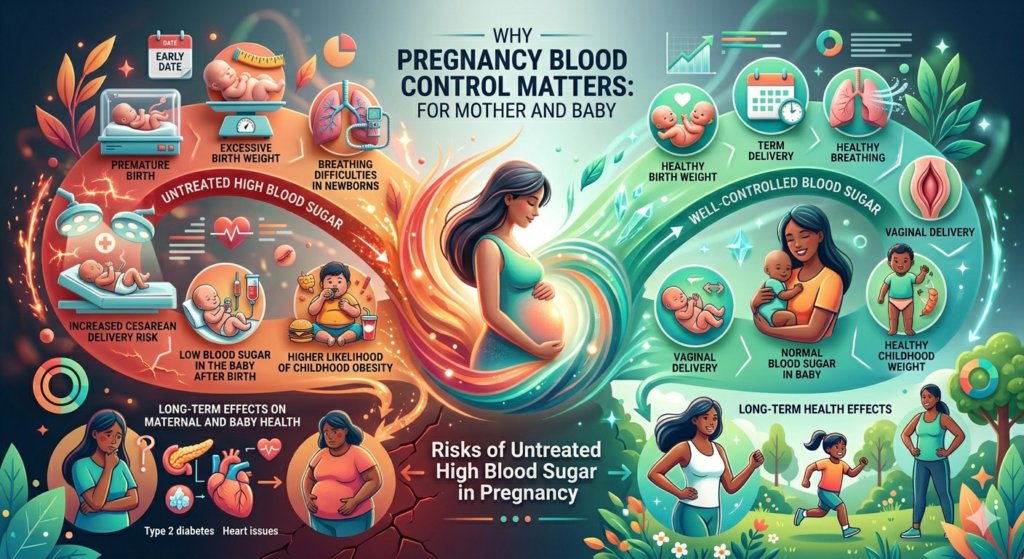
Maintaining proper pregnancy blood sugar control protects both maternal and fetal health. Elevated blood sugar affects the placenta, fetal growth, and even delivery outcomes. When glucose levels stay consistently high, the baby receives excess sugar through the placenta. In response, the baby produces more insulin, which can lead to excessive growth known as macrosomia.
Large babies increase the risk of difficult labor, cesarean delivery, and birth injuries. Mothers may also experience high blood pressure or preeclampsia. Blood sugar management helps reduce these risks dramatically.
Risks of Untreated High Blood Sugar in Pregnancy
Untreated high blood sugar in pregnancy can lead to several serious complications:
- Premature birth
- Excessive birth weight
- Breathing difficulties in newborns
- Increased cesarean delivery risk
- Low blood sugar in the baby after birth
- Higher likelihood of childhood obesity
Research published by the American Diabetes Association shows that controlling blood sugar significantly lowers these risks. Even small lifestyle adjustments can improve outcomes.
Long-Term Effects on Maternal and Baby Health
Gestational diabetes does not always disappear without consequences after delivery. Women who experience it have a higher risk of developing type 2 diabetes later in life. Babies born from pregnancies affected by uncontrolled glucose may also face increased risks of obesity and metabolic disorders.
This is why pregnancy diabetes care extends beyond childbirth. Healthy habits developed during pregnancy often become long-term wellness practices that benefit the whole family.
How to Manage Gestational Diabetes Naturally During Pregnancy
Many women successfully manage gestational diabetes naturally without medication by combining dietary improvements, movement, stress management, and consistent monitoring. Natural management focuses on stabilizing blood sugar rather than allowing dramatic spikes and crashes.
One of the most effective approaches is balancing carbohydrates with protein and healthy fats. Instead of eating large carb-heavy meals, smaller balanced meals throughout the day help maintain steady glucose levels. Walking after meals also improves insulin sensitivity by helping muscles absorb glucose.
Natural Remedies for Gestational Diabetes That Support Healthy Blood Sugar
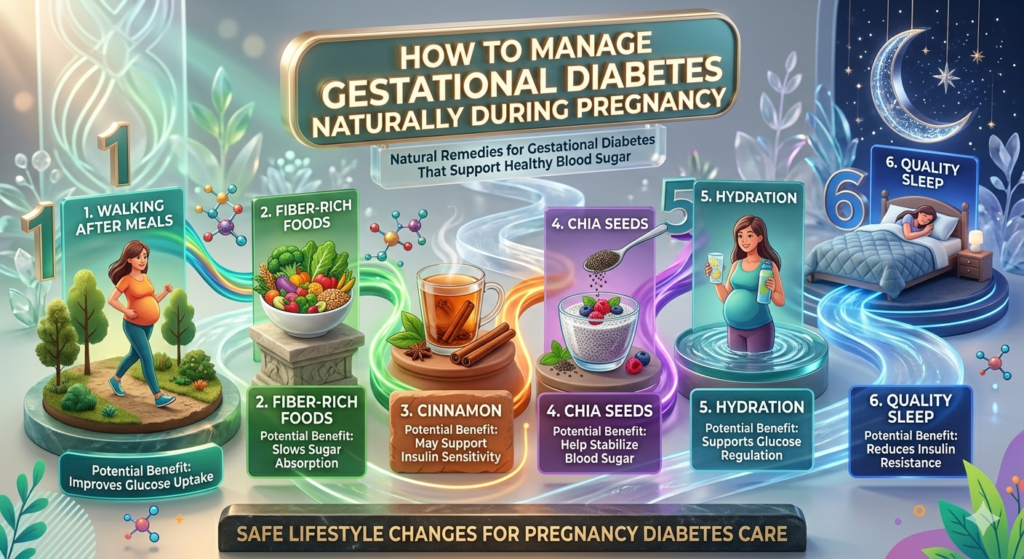
Several natural remedies for gestational diabetes may support better glucose control when combined with medical guidance:
| Natural Approach | Potential Benefit |
| Walking after meals | Improves glucose uptake |
| Fiber-rich foods | Slows sugar absorption |
| Cinnamon | May support insulin sensitivity |
| Chia seeds | Help stabilize blood sugar |
| Hydration | Supports glucose regulation |
| Quality sleep | Reduces insulin resistance |
Experts recommend avoiding unproven herbal supplements during pregnancy unless approved by a healthcare provider. Natural remedies should complement—not replace—professional care.
Safe Lifestyle Changes for Pregnancy Diabetes Care
Simple lifestyle habits can transform pregnancy diabetes care. Moderate exercise such as prenatal yoga, swimming, and walking supports healthy glucose levels without overstraining the body. Even 20 to 30 minutes of movement daily can make a measurable difference.
Stress management matters too. Stress hormones like cortisol raise blood sugar levels. Deep breathing, meditation, journaling, or listening to calming music may support healthier glucose control.
Adequate sleep is another overlooked factor. Poor sleep disrupts insulin sensitivity and increases cravings for sugary foods. Prioritizing consistent sleep routines can improve energy and stabilize appetite.
Best Gestational Diabetes Diet Plan for Stable Blood Sugar
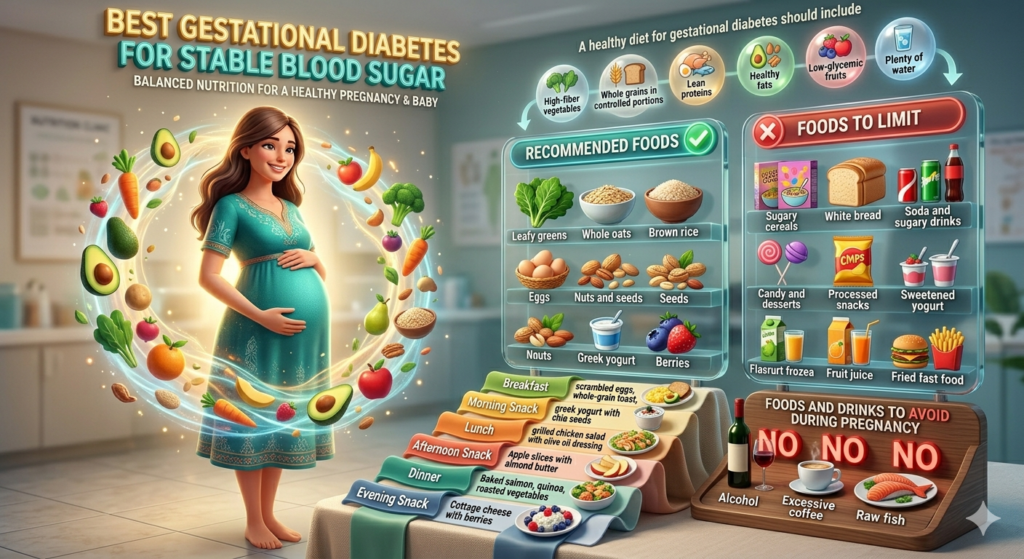
A carefully structured gestational diabetes diet plan can become one of the most powerful tools for maintaining stable blood sugar throughout pregnancy. Food directly influences glucose levels, which means every meal creates either balance or instability in the body. The goal is not starvation, extreme dieting, or eliminating all carbohydrates. Instead, the focus is on choosing nutrient-dense foods that digest slowly and provide consistent energy for both mother and baby.
Think of your body like a fireplace during winter. Tossing sugary snacks into the system is like throwing paper into the flames—it burns fast and disappears quickly, creating sudden spikes and crashes. Complex carbohydrates, lean proteins, healthy fats, and fiber act more like steady-burning firewood, providing long-lasting warmth and stability. That steady burn is exactly what helps with pregnancy blood sugar control.
One of the biggest mistakes women make after diagnosis is skipping meals. Skipping meals can cause blood sugar swings that leave you exhausted, shaky, and excessively hungry later in the day. Eating smaller meals every two to three hours usually works better than consuming three large meals. Pairing carbohydrates with protein also slows digestion and reduces glucose spikes.
Hydration matters just as much as food. Water helps the kidneys flush excess glucose from the bloodstream and supports circulation during pregnancy. Sugary beverages, fruit juices, sweet coffee drinks, and sodas often create rapid glucose increases, even when marketed as “natural” or “healthy.” Replacing them with water infused with lemon, cucumber, or berries can help maintain hydration without unnecessary sugar intake.
A healthy diet for gestational diabetes should include:
- High-fiber vegetables
- Whole grains in controlled portions
- Lean proteins
- Healthy fats
- Low-glycemic fruits
- Plenty of water
Women who follow balanced nutrition plans often notice improved energy, fewer cravings, and more stable moods within just a few weeks. Healthy eating during pregnancy is not about perfection. It is about creating sustainable daily habits that nourish both mother and baby while supporting healthier glucose levels.
Foods for Gestational Diabetes That Help Balance Glucose
Choosing the right foods for gestational diabetes can dramatically improve glucose stability. Foods rich in fiber and protein digest more slowly, helping prevent sharp blood sugar increases after meals. Fiber acts almost like a traffic controller for sugar absorption, slowing the rate at which glucose enters the bloodstream.
Vegetables should become the foundation of most meals. Non-starchy vegetables such as spinach, broccoli, cucumbers, zucchini, cauliflower, peppers, and leafy greens provide nutrients without causing large glucose spikes. Protein-rich foods like eggs, fish, chicken, turkey, tofu, Greek yogurt, and beans help maintain fullness and stabilize blood sugar between meals.
Healthy fats are equally important. Avocados, nuts, seeds, olive oil, and nut butters support hormone balance and slow carbohydrate digestion. Carbohydrates are still necessary during pregnancy because they provide energy for fetal growth, but choosing complex carbs makes a huge difference. Brown rice, quinoa, oats, sweet potatoes, and whole-grain bread are usually better choices than white bread, pastries, or sugary cereals.
Low-glycemic fruits such as berries, apples, pears, and oranges can often fit safely into a gestational diabetes meal plan when eaten in moderate portions. Pairing fruit with protein—like apple slices with peanut butter—helps prevent rapid sugar spikes.
Here’s a helpful comparison table:
| Recommended Foods | Foods to Limit |
| Leafy greens | Sugary cereals |
| Whole oats | White bread |
| Brown rice | Soda and sugary drinks |
| Eggs | Candy and desserts |
| Nuts and seeds | Processed snacks |
| Greek yogurt | Sweetened yogurt |
| Berries | Fruit juice |
| Lean chicken | Fried fast food |
Experts from the Academy of Nutrition and Dietetics often recommend focusing on “balanced plates” rather than restrictive dieting. Half the plate should contain vegetables, one-quarter protein, and one-quarter healthy carbohydrates. This method naturally supports healthier blood sugar patterns without making meals feel overly complicated.
Foods and Drinks to Avoid During Pregnancy
Managing high blood sugar in pregnancy becomes much easier when certain foods are reduced or avoided. Highly processed foods tend to digest quickly, causing blood sugar to rise sharply. These rapid spikes place extra stress on the body’s insulin response and make glucose management harder.
Sugary beverages are among the worst offenders. Even seemingly healthy smoothies and fruit juices can contain large amounts of concentrated sugar. Liquid sugar enters the bloodstream rapidly because there is little fiber to slow digestion. Replacing sugary drinks with water, herbal teas, or unsweetened beverages can significantly improve glucose control.
Refined carbohydrates also contribute to unstable blood sugar. White bread, white rice, pastries, donuts, cakes, cookies, and sugary breakfast cereals often provide calories without meaningful nutrients. Fast food meals high in unhealthy fats and refined carbs can trigger inflammation and insulin resistance.
Some women also notice blood sugar spikes after eating certain “healthy” foods like large portions of tropical fruits, granola bars, or flavored yogurts. Reading food labels becomes extremely valuable during pregnancy. Hidden sugars often appear under names like corn syrup, maltose, cane juice, dextrose, or fructose.
Highly caffeinated energy drinks should also be avoided during pregnancy because they may increase stress hormones and affect sleep quality. Since poor sleep influences insulin sensitivity, reducing caffeine overload can support overall pregnancy diabetes care.
The goal is not fear around food. Occasional treats can usually fit into a balanced lifestyle when portion sizes are controlled and paired with healthier choices. Consistency matters far more than perfection.
Sample One-Day Meal Plan for Pregnancy Blood Sugar Control
This simple meal plan supports healthier blood sugar monitoring during pregnancy while providing balanced nutrition:
| Meal | Food Example |
| Breakfast | Scrambled eggs, whole-grain toast, avocado |
| Morning Snack | Greek yogurt with chia seeds |
| Lunch | Grilled chicken salad with olive oil dressing |
| Afternoon Snack | Apple slices with almond butter |
| Dinner | Baked salmon, quinoa, roasted vegetables |
| Evening Snack | Cottage cheese with berries |
This type of meal structure helps reduce major blood sugar fluctuations while supplying nutrients needed for fetal development.
Blood Sugar Monitoring During Pregnancy Made Simple
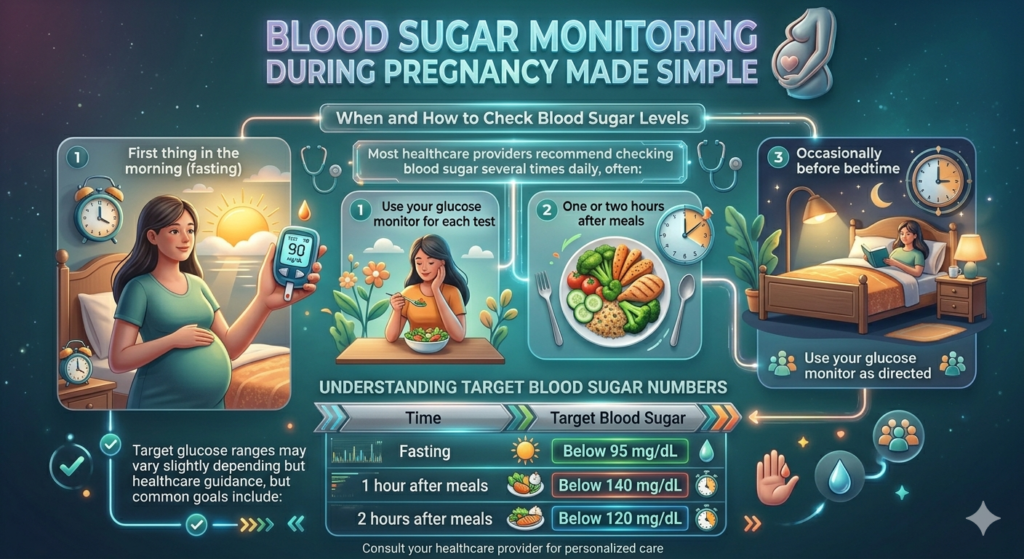
For many women, blood sugar monitoring during pregnancy initially feels intimidating. Finger pricks, tracking numbers, and meal timing may seem overwhelming at first. After a few days, however, monitoring usually becomes part of a manageable routine that provides valuable insight into how the body responds to food, stress, and activity.
Monitoring blood sugar is similar to checking the weather before leaving the house. It gives you information that helps guide better decisions throughout the day. Instead of guessing how your meals affect glucose, you receive direct feedback from your body.
Most healthcare providers recommend checking blood sugar several times daily, often:
- First thing in the morning (fasting)
- One or two hours after meals
- Occasionally before bedtime
These readings help identify patterns. Some women discover that certain foods trigger sharp glucose increases while others keep levels stable. Tracking allows adjustments before blood sugar remains elevated for long periods.
When and How to Check Blood Sugar Levels
A glucose meter is typically used for testing. A small drop of blood from the fingertip is placed onto a testing strip inserted into the device. While finger pricks may sound unpleasant, many women find the discomfort minor and manageable.
Timing matters significantly. Blood sugar naturally rises after eating, but excessively high readings may indicate the need for meal adjustments. Keeping a food journal alongside glucose readings can help identify patterns between meals and blood sugar responses.
Exercise also influences glucose numbers. Even a short 15-minute walk after eating may improve post-meal readings. Stress, poor sleep, illness, and dehydration can affect blood sugar too, which is why overall lifestyle balance remains important.
Healthcare providers may also recommend continuous glucose monitors (CGMs) for some pregnancies. These devices track glucose throughout the day and provide more detailed trends.
Understanding Target Blood Sugar Numbers
Target glucose ranges may vary slightly depending on healthcare guidance, but common goals include:
| Time | Target Blood Sugar |
| Fasting | Below 95 mg/dL |
| 1 hour after meals | Below 140 mg/dL |
| 2 hours after meals | Below 120 mg/dL |
Consistently high readings should never be ignored. They may indicate the need for dietary changes or additional medical support. Monitoring is not about judgment or failure—it is simply information that helps improve maternal and fetal health.
Many women feel empowered once they understand their glucose patterns. Instead of feeling controlled by the diagnosis, they begin recognizing how food, movement, hydration, and stress affect their body in real time.
Healthy Pregnancy Tips to Prevent Gestational Diabetes
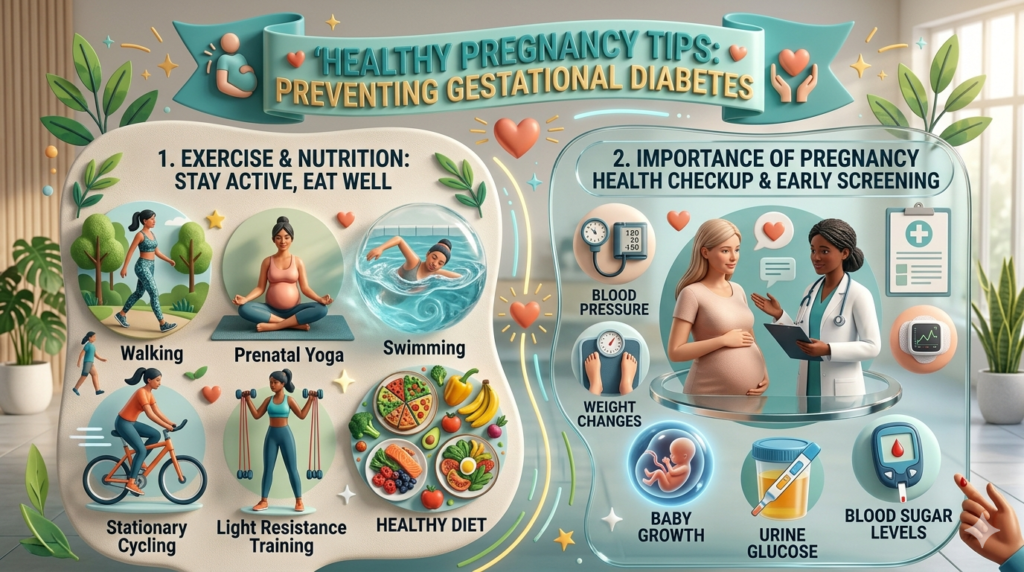
While not every case can be prevented, many women can lower their risk through proactive lifestyle habits. Gestational diabetes prevention begins long before the diagnosis. Healthy habits during early pregnancy—and even before conception—can improve insulin sensitivity and support metabolic health.
Weight management before pregnancy is one important factor. Excess body fat increases insulin resistance, making glucose regulation more difficult. Women who enter pregnancy at a healthy weight often have lower risk, although gestational diabetes can still occur in women of all sizes.
Regular physical activity acts almost like a natural insulin booster. Muscles use glucose for energy, helping reduce excess sugar in the bloodstream. Even moderate exercise such as walking, swimming, or prenatal stretching can improve insulin function.
Gestational Diabetes Prevention Through Exercise and Nutrition
Combining nutrition and movement creates one of the strongest strategies for gestational diabetes prevention. Exercise does not need to be extreme to be effective. Consistency matters more than intensity.
Recommended pregnancy-safe activities include:
- Walking
- Prenatal yoga
- Swimming
- Stationary cycling
- Light resistance training
Pairing exercise with balanced meals rich in protein, fiber, and healthy fats creates more stable glucose patterns throughout pregnancy.
A 2023 study published in Diabetes Care found that women who engaged in moderate physical activity at least 150 minutes weekly reduced gestational diabetes risk significantly compared to sedentary participants.
Stress reduction also plays a major role. Chronic stress increases cortisol levels, which may raise blood sugar. Meditation, deep breathing, and adequate rest support both emotional wellness and glucose regulation.
Importance of Pregnancy Health Checkup and Early Screening
Routine pregnancy health checkup visits are essential because gestational diabetes often develops silently. Doctors advice typically screen between weeks 24 and 28, but high-risk women may require earlier testing.
Prenatal appointments allow healthcare providers to monitor:
- Blood pressure
- Weight changes
- Baby growth
- Urine glucose
- Blood sugar levels
Early detection provides more opportunities to control glucose naturally before complications arise. Delaying testing or skipping appointments can increase risks for both mother and baby.
Pregnancy is not the time to ignore unusual symptoms. Increased thirst, exhaustion, blurred vision, or rapid weight changes deserve medical attention. Early intervention often leads to smoother pregnancies and healthier outcomes.
Emotional Wellness and Stress Management During Pregnancy
A diagnosis of gestational diabetes can create fear, guilt, anxiety, or frustration. Many women immediately worry they have harmed their baby or failed somehow. Emotional stress itself can influence blood sugar, making mental wellness an important part of pregnancy diabetes care.
Pregnancy already brings hormonal shifts, physical discomfort, and emotional changes. Adding dietary restrictions and glucose monitoring may feel exhausting. That is why support systems matter. Talking openly with healthcare providers, partners, friends, or support groups can reduce feelings of isolation.
Stress hormones like cortisol and adrenaline directly impact glucose regulation. When the body remains in a constant stress response, blood sugar levels often rise. Relaxation techniques may genuinely help support healthier glucose patterns.
Helpful stress-management strategies include:
- Deep breathing exercises
- Prenatal meditation
- Gentle stretching
- Journaling
- Listening to calming music
- Spending time outdoors
- Practicing gratitude
Sleep also affects emotional resilience and insulin sensitivity. Poor sleep increases cravings for sugary foods and makes stress harder to manage. Creating calming nighttime routines can improve both rest and glucose stability.
Women should remember that gestational diabetes is manageable. Countless mothers go on to deliver healthy babies while maintaining excellent blood sugar control through nutrition, monitoring, and self-care.
Conclusion
Managing gestational diabetes during pregnancy naturally is absolutely possible with the right combination of education, nutrition, movement, and medical support. Understanding the early signs of gestational diabetes allows women to seek help sooner and reduce potential complications for both mother and baby.
Balanced meals rich in fiber, protein, healthy fats, and complex carbohydrates form the foundation of effective pregnancy blood sugar control. Regular movement, hydration, stress reduction, and quality sleep all work together to support insulin function and healthier glucose levels. Consistent blood sugar monitoring during pregnancy provides valuable feedback that helps women make informed daily choices.
Most importantly, gestational diabetes does not define pregnancy or motherhood. With proactive care and healthy routines, many women experience safe pregnancies and healthy deliveries. Every balanced meal, every walk, and every monitored reading becomes an investment in long-term wellness for both mother and child.
FAQs
1. What are the earliest signs of gestational diabetes during pregnancy?
The earliest signs may include excessive thirst, frequent urination, unusual fatigue, blurry vision, and increased hunger. Some women experience no symptoms at all, which is why routine screening is important.
2. Can you manage gestational diabetes naturally without medication?
Many women successfully manage gestational diabetes naturally through healthy eating, exercise, hydration, stress management, and regular blood sugar monitoring. Some cases may still require medication depending on glucose levels.
3. Which foods are best for gestational diabetes?
The best foods for gestational diabetes include leafy greens, lean proteins, whole grains, berries, nuts, seeds, Greek yogurt, eggs, and high-fiber vegetables.
4. How often should blood sugar be checked during pregnancy?
Most healthcare providers recommend checking blood sugar four times daily: fasting in the morning and after meals. Individual recommendations may vary.
5. Does gestational diabetes go away after pregnancy?
In many cases, blood sugar returns to normal after delivery. However, women who experience gestational diabetes have a higher risk of developing type 2 diabetes later in life, making long-term healthy habits important.
Leave a Reply