
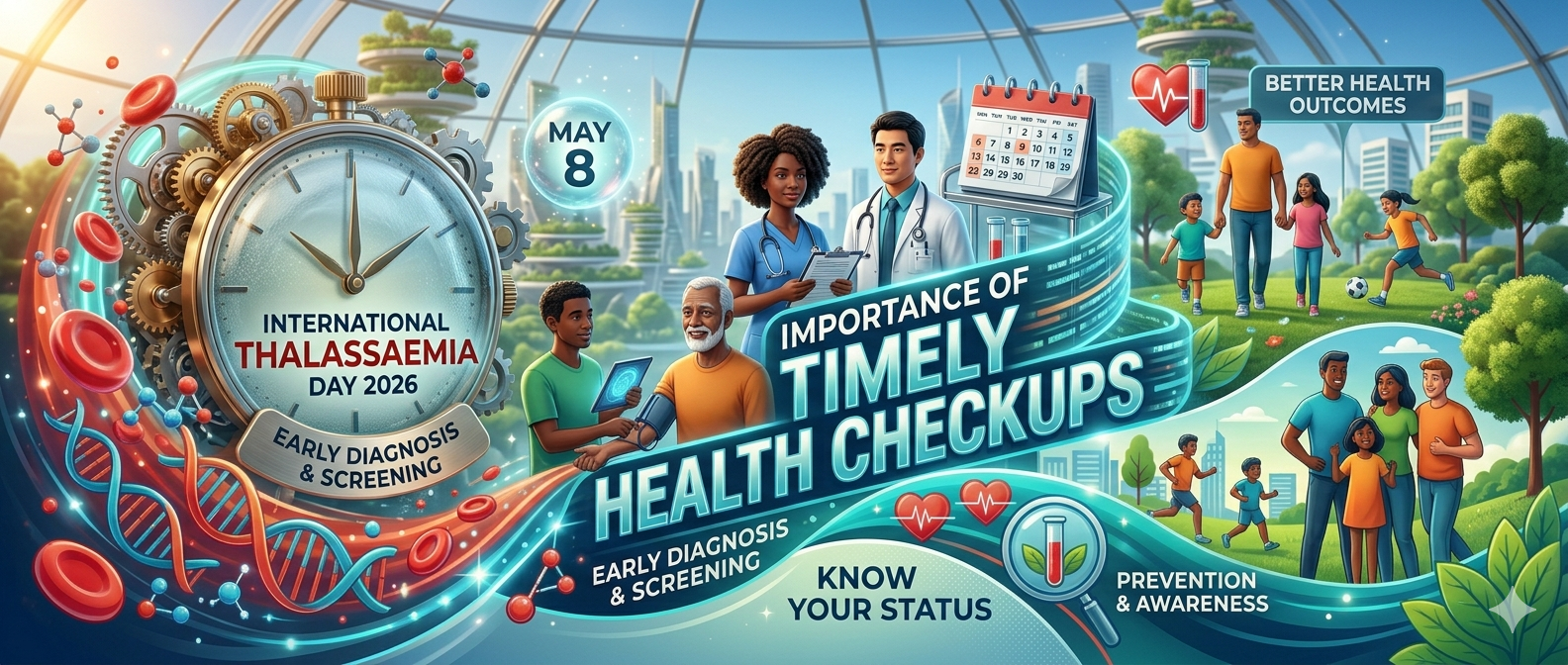

Every year, International Thalassaemia Day 2026 shines a spotlight on one of the world’s most common inherited blood disorders. The observance is more than a symbolic date on the calendar—it is a global reminder that millions of individuals and families continue to battle the challenges of thalassaemia every single day. Across hospitals, healthcare organizations, schools, and communities, awareness campaigns encourage people to understand the disease, recognize symptoms early, and prioritize preventive healthcare. In 2026, the conversation surrounding thalassaemia is expected to become even stronger as healthcare experts push for improved screening systems and greater public participation in preventive health programs.
Thalassaemia affects the body’s ability to produce healthy hemoglobin, which is responsible for carrying oxygen throughout the body. When hemoglobin production becomes abnormal, patients often suffer from severe anemia, fatigue, weakness, and organ complications. While the condition can be managed effectively with proper medical care, delayed diagnosis can increase health risks significantly. This is why doctors worldwide emphasize the importance of timely health checkups, especially in families with a history of inherited blood disorders. Early detection acts like a warning light on a car dashboard—it gives people the chance to fix a problem before it turns into a medical emergency.
Health experts also stress that awareness alone is not enough. Communities need access to regular blood tests, affordable screening facilities, and educational campaigns that explain how genetic conditions are passed from one generation to another. The growing focus on thalassaemia awareness has encouraged governments and healthcare institutions to invest in better screening systems, improved treatment methods, and counseling programs for affected families. Through proactive healthcare and informed decision-making, the impact of thalassaemia can be reduced significantly, offering hope to millions around the world.
Understanding International Thalassaemia Day 2026
Why Global Thalassaemia Awareness Matters
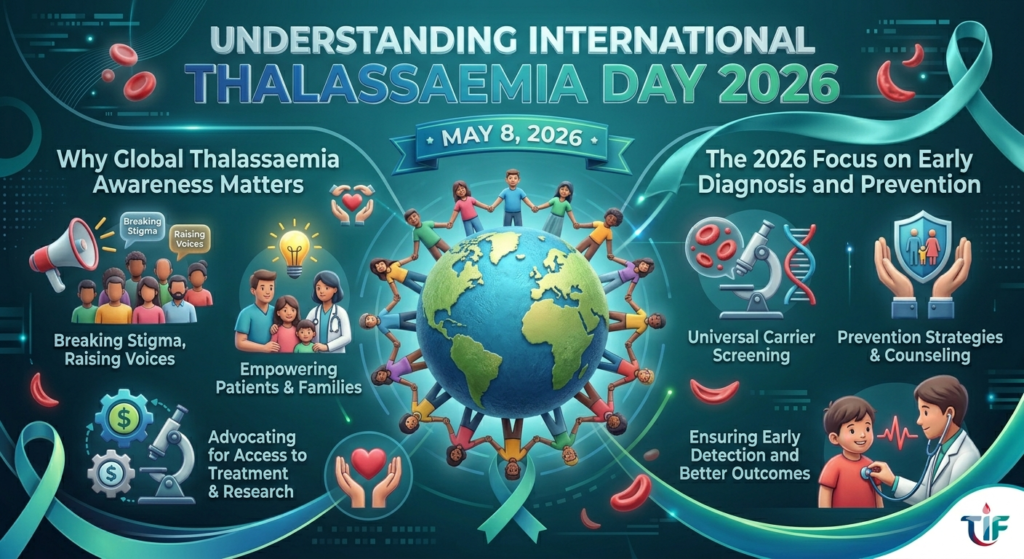
The purpose of International Thalassaemia Day 2026 goes far beyond medical discussions. It aims to build compassion, spread education, and encourage social responsibility. Thalassaemia is especially common in regions such as South Asia, the Middle East, the Mediterranean, and parts of Africa. Despite its prevalence, many individuals still remain unaware of the condition until serious symptoms appear. This lack of awareness often leads to delayed diagnosis and limited treatment opportunities, particularly in low-resource communities.
Global awareness campaigns help remove fear and misinformation surrounding inherited blood disorders. Imagine trying to fight an invisible enemy without understanding how it spreads or behaves. That is exactly what happens when people are not educated about thalassaemia. Public health organizations use this international day to encourage screenings, educational seminars, blood donation drives, and social media campaigns that explain the importance of prevention and early diagnosis.
Medical professionals also use this occasion to highlight the importance of blood disorder awareness among younger generations. Schools and universities increasingly participate in educational programs because young adults are often at the stage where future family planning decisions begin. By understanding the role of carrier screening and genetic testing, couples can make informed healthcare choices before starting a family. Awareness campaigns create a ripple effect—one informed person can educate an entire household or community.
The 2026 Focus on Early Diagnosis and Prevention
Healthcare experts believe that prevention remains one of the strongest weapons against severe thalassaemia complications. The theme surrounding International Thalassaemia Day 2026 strongly emphasizes early diagnosis and preventive care. Doctors consistently point out that many complications associated with thalassaemia can be minimized through regular monitoring and timely treatment interventions.
Early diagnosis often begins with a simple blood test. Many people overlook routine medical screenings because they feel healthy, but inherited disorders can remain hidden for years. A preventive health checkup acts like a safety inspection for the body. It identifies potential warning signs before symptoms become severe. In the case of thalassaemia, early testing allows doctors to monitor hemoglobin levels, assess organ function, and recommend suitable treatments at the right time.
The growing focus on prevention also reflects changing healthcare priorities worldwide. Instead of treating diseases only after symptoms worsen, modern healthcare systems now emphasize proactive wellness. This shift benefits both patients and healthcare providers by reducing hospitalizations, improving quality of life, and lowering long-term treatment costs. Early diagnosis can transform a patient’s future from one filled with repeated medical crises to one managed with stability and confidence.
Thalassaemia Awareness and the Growing Need for Health Education
Understanding This Inherited Blood Disorder
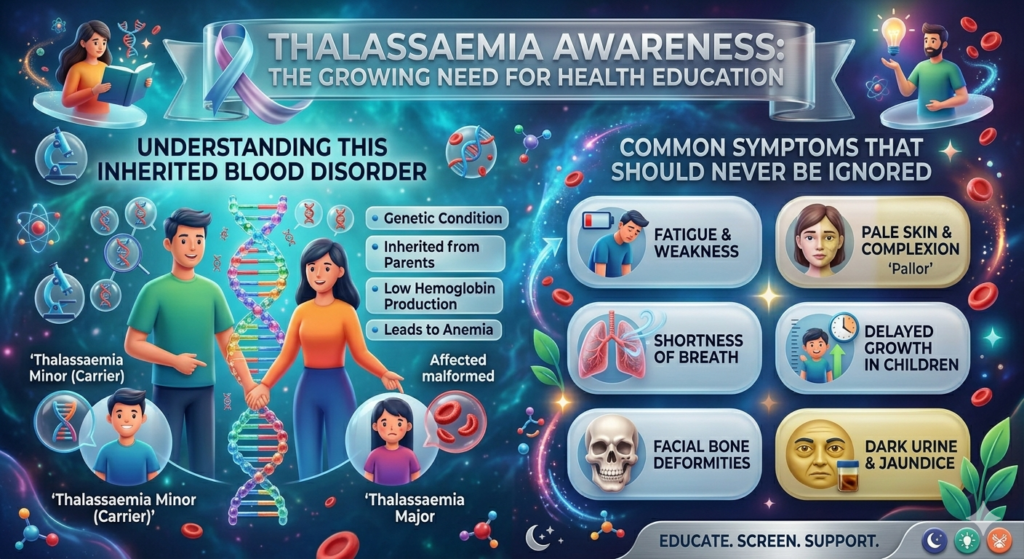
Building strong thalassaemia awareness begins with understanding how the condition develops. Thalassaemia is an inherited blood disorder caused by mutations in genes responsible for hemoglobin production. When both parents carry the defective gene, their child may inherit severe thalassaemia. This genetic nature makes public education extremely important because many carriers show no symptoms at all.
The disorder affects oxygen transportation in the body, leading to chronic fatigue, pale skin, delayed growth in children, and frequent weakness. Severe forms may also cause bone deformities and enlargement of organs such as the liver and spleen. Without proper management, complications can become life-threatening. Understanding these symptoms allows individuals to seek medical attention before irreversible damage occurs.
Healthcare organizations continue to stress the importance of educational campaigns because misinformation remains widespread. Some communities still consider inherited disorders a social stigma, which discourages families from discussing medical histories openly. Breaking these barriers requires compassionate conversations and accessible healthcare education. Knowledge empowers people to seek help rather than hide medical concerns.
Common Symptoms That Should Never Be Ignored
One of the biggest challenges with thalassaemia is that early symptoms can resemble ordinary fatigue or nutritional deficiencies. Persistent tiredness, dizziness, pale complexion, shortness of breath, and weakness are often ignored until the condition worsens. This is where anemia awareness becomes critically important.
Parents should pay close attention to children who appear unusually weak, experience delayed growth, or struggle with concentration due to low oxygen levels in the blood. Adults should also monitor unexplained fatigue and recurring health issues that interfere with daily life. Ignoring symptoms is like ignoring smoke coming from a machine—you may not see the full damage immediately, but the problem continues growing underneath.
Doctors recommend seeking medical evaluation whenever symptoms persist beyond normal exhaustion. A simple blood test can reveal significant information about hemoglobin levels and overall blood health. Timely medical attention increases the chances of effective disease management and reduces the risk of severe complications later in life.
Timely Health Checkups Can Save Lives
The Role of Preventive Health Checkup Programs
The importance of timely health checkups cannot be overstated when discussing inherited blood disorders. Preventive healthcare programs help identify risks early, allowing doctors to intervene before conditions become severe. In many countries, public hospitals now encourage routine screenings as part of broader healthcare initiatives focused on prevention rather than emergency treatment.
A preventive health checkup usually includes blood analysis, nutritional assessments, and medical consultations. For individuals at risk of thalassaemia, these screenings can identify abnormal blood patterns even before symptoms become noticeable. Early intervention often means fewer complications, improved treatment outcomes, and better long-term health management.
Regular checkups also help healthcare professionals monitor ongoing treatment effectiveness. Patients receiving blood transfusions or iron chelation therapy require consistent monitoring to avoid complications such as iron overload. Without regular evaluations, treatment itself can sometimes create additional health risks. Preventive healthcare therefore becomes a continuous process rather than a one-time medical event.
Why Families Should Prioritize Regular Blood Tests
Families with a history of inherited blood disorders should consider regular blood tests an essential part of healthcare planning. Blood tests provide critical insights into hemoglobin levels, iron balance, and overall blood cell health. These tests function like a map, helping doctors understand what is happening inside the body before visible symptoms appear.
Routine blood testing also supports early disease detection, which can dramatically improve patient outcomes. Detecting abnormalities early allows doctors to recommend lifestyle changes, nutritional support, or medical treatments before complications escalate. In pediatric cases, early diagnosis can improve growth, cognitive development, and overall quality of life.
Healthcare professionals frequently compare preventive testing to routine maintenance for a vehicle. Just as ignoring engine problems can lead to expensive breakdowns, neglecting blood health monitoring can result in severe medical emergencies. Families who prioritize routine screening often experience greater peace of mind because they stay informed about potential risks before they become overwhelming.
Blood Disorder Awareness and Early Disease Detection
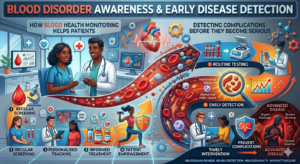
How Blood Health Monitoring Helps Patients
Consistent blood health monitoring is one of the most effective ways to manage thalassaemia and related disorders. Monitoring allows doctors to track changes in hemoglobin levels, iron accumulation, and organ function over time. These regular evaluations provide a clearer understanding of how the disease is progressing and whether treatments are working effectively.
Patients with thalassaemia often require lifelong medical supervision. Blood transfusions, while life-saving, can lead to excess iron buildup in organs such as the heart and liver. Routine monitoring helps healthcare providers detect these complications early and adjust treatments accordingly. Without monitoring, complications may remain hidden until they become severe.
Monitoring also empowers patients to become active participants in their own healthcare journey. Individuals who understand their blood reports and treatment goals are more likely to follow medical advice consistently. This partnership between patients and healthcare providers creates stronger treatment outcomes and encourages long-term wellness habits.
Detecting Complications Before They Become Serious
The value of early disease detection lies in its ability to prevent small health concerns from evolving into major medical crises. Thalassaemia can affect multiple organs over time, especially if treatment is delayed or inconsistent. Early screening and monitoring allow doctors to identify warning signs before irreversible damage occurs.
Complications such as heart disease, liver dysfunction, hormonal imbalances, and bone weakness are common among untreated or poorly managed patients. Detecting these issues early gives healthcare providers the opportunity to introduce therapies that slow disease progression. Timely intervention can significantly extend life expectancy and improve quality of life.
Healthcare experts often describe preventive medicine as a shield rather than a cure. Instead of waiting for illness to cause visible damage, proactive healthcare creates layers of protection that preserve long-term health. This philosophy is becoming increasingly important as healthcare systems around the world shift toward preventive care models.
Thalassaemia Prevention Through Genetic Screening Test
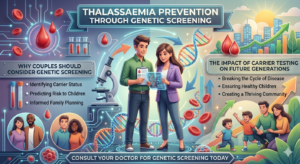
Why Couples Should Consider Genetic Screening
One of the most powerful tools for thalassaemia prevention is the genetic screening test. Since thalassaemia is inherited, carrier testing before marriage or pregnancy can help couples understand the likelihood of passing the condition to their children. This information allows families to make informed reproductive decisions and seek medical counseling if necessary.
Many carriers live completely healthy lives and may never realize they carry the gene mutation. This silent nature makes genetic screening especially important in regions where thalassaemia prevalence is high. Screening programs have already reduced severe thalassaemia births significantly in several countries through education and preventive healthcare initiatives.
Genetic counseling also provides emotional support and practical guidance for families navigating difficult decisions. Rather than creating fear, these programs promote informed planning and responsible healthcare choices. Knowledge becomes a tool for empowerment rather than anxiety.
The Impact of Carrier Testing on Future Generations
Carrier testing has the potential to reshape public health outcomes for future generations. By identifying carriers early, healthcare systems can reduce the number of children born with severe thalassaemia while ensuring families receive proper support and counseling.
Countries with strong screening programs have demonstrated remarkable success in reducing disease burden. Public awareness campaigns combined with accessible testing services encourage individuals to take preventive action before starting families. This proactive approach reduces emotional, financial, and medical strain on both families and healthcare systems.
Preventive healthcare is often compared to planting seeds for the future. The decisions made today can influence the health and well-being of generations to come. Through widespread screening and education, communities can create healthier futures built on awareness and informed decision-making.
Conclusion
International Thalassaemia Day 2026 serves as a powerful reminder that awareness, prevention, and proactive healthcare can change lives. Thalassaemia may be an inherited blood disorder, but its impact can be significantly reduced through education, timely diagnosis, and proper treatment. The importance of timely health checkups, regular blood tests, and genetic screening tests cannot be ignored in today’s healthcare landscape.
As healthcare systems increasingly prioritize prevention over emergency intervention, individuals and families must also embrace the value of routine screenings and informed medical decisions. From improving blood disorder awareness to encouraging early disease detection, every preventive step contributes to healthier communities and stronger healthcare outcomes.
The future of thalassaemia care depends not only on medical advancements but also on collective awareness and community action. By supporting awareness campaigns, encouraging blood donation, and prioritizing preventive healthcare, society can create a world where individuals affected by thalassaemia receive the care, respect, and opportunities they deserve.
FAQs
1. What is the purpose of International Thalassaemia Day 2026?
The day aims to raise awareness about thalassaemia, encourage early diagnosis, promote preventive healthcare, and support patients living with inherited blood disorders.
2. Why are timely health checkups important for thalassaemia?
Timely health checkups help detect abnormalities early, allowing doctors to begin treatment before complications become severe.
3. What tests are used to diagnose thalassaemia?
Doctors commonly use blood tests, hemoglobin analysis, and genetic screening tests to diagnose thalassaemia and identify carriers.
4. Can thalassaemia be prevented?
While the disorder itself cannot always be prevented, genetic screening and carrier testing can reduce the risk of severe thalassaemia in future generations.
5. How does regular blood health monitoring help patients?
Blood health monitoring tracks hemoglobin levels, iron balance, and organ function, helping doctors manage treatment effectively and detect complications early.
Leave a Reply