


Spring in Delhi is a beautiful contradiction. The trees bloom, flowers burst into color, and the mornings feel fresh—yet, for many people, it’s also the season of tissues, cough syrups, and restless nights. Have you noticed yourself sneezing more often lately? Or perhaps that mild cough just doesn’t seem to go away? You’re not alone. As temperatures shift and pollen fills the air, respiratory discomfort becomes incredibly common.
But here’s the real question: Is it just a seasonal allergy, or could it be something more serious like a viral or bacterial infection? Ignoring symptoms may seem harmless at first, but small signs can quickly escalate if left unchecked. That’s where timely diagnosis plays a powerful role.
Sneezing, cough, or infection this spring? Diagnostic centres in Delhi are just a call away at H.R. Diagnostic, offering reliable, fast, and accurate testing solutions. Instead of guessing what’s wrong, why not know for sure? A simple test can clear doubts and guide proper treatment.
Think of your body like a car dashboard. When a warning light flashes, you don’t ignore it—you investigate. Similarly, symptoms are your body’s way of signaling that something needs attention. This article will walk you through why spring illnesses are so common, how to differentiate between allergies and infections, and how trusted diagnostic services in Delhi can help you breathe easy again.
Let’s dig deeper.
Why Spring in Delhi Triggers Sneezing, Cough, or Infection
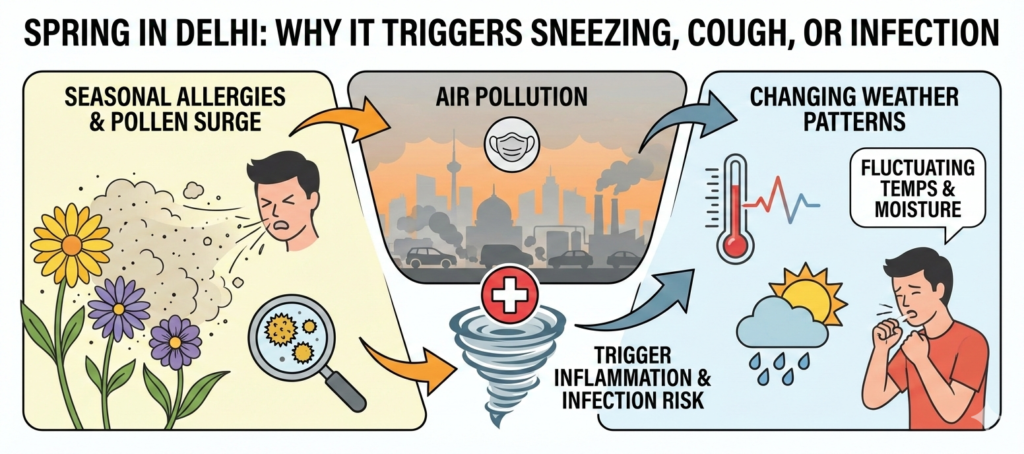
Spring might feel refreshing, but for your immune system, it can be quite a challenge. Delhi’s climate during this season creates the perfect storm for respiratory problems. Rising temperatures, fluctuating humidity, increased pollen levels, and lingering air pollution combine to irritate the airways.
Seasonal Allergies and Pollen Surge
During spring, trees and plants release pollen into the air for reproduction. While that’s great for nature, it’s not so pleasant for people prone to allergies. Pollen particles are tiny—almost invisible—but once inhaled, they can trigger an immune response. Your body mistakenly treats pollen like a harmful invader, releasing histamines that cause sneezing, itchy eyes, congestion, and a runny nose.
What makes Delhi particularly challenging is the dense urban vegetation mixed with pollution particles. These pollutants can bind with pollen, making allergic reactions even more intense. If you’ve ever felt your symptoms worsen after stepping outdoors, pollen could be the culprit.
Air Pollution and Changing Weather Patterns
Even though winter smog reduces slightly in spring, pollution doesn’t disappear. Dust particles and vehicular emissions remain present in the air. Add sudden temperature swings—warm afternoons and cool evenings—and your respiratory system struggles to adapt.
Cold evenings can constrict airways, triggering cough, especially in individuals with asthma or bronchitis. Meanwhile, warmer days allow viruses and bacteria to circulate more easily. It’s like giving germs a green signal to spread.
This combination explains why many Delhi residents experience repeated bouts of sneezing and coughing every spring. But how do you know if it’s just an allergy—or something more serious?
Common Symptoms You Should Never Ignore This Spring
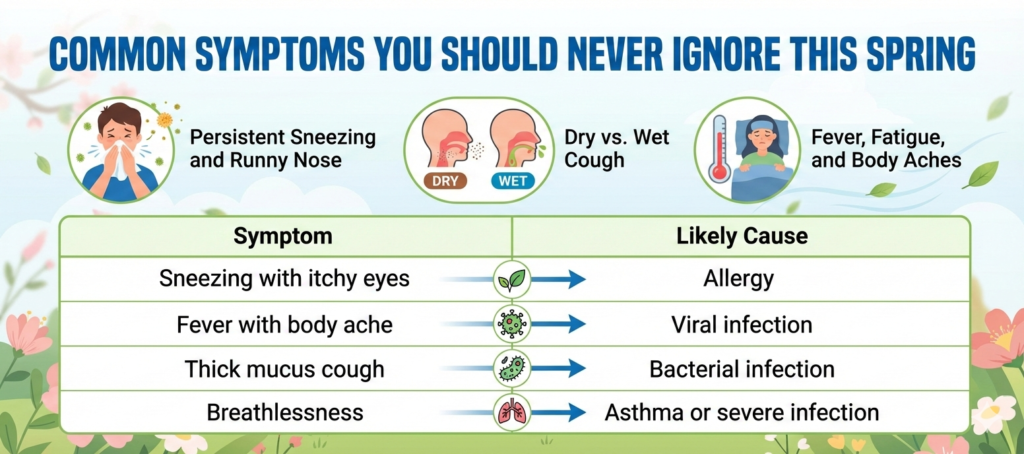
We often brush off minor discomforts, assuming they’ll resolve on their own. But spring-related symptoms can be misleading. What starts as a simple sneeze can evolve into a persistent respiratory issue if not properly diagnosed.
Persistent Sneezing and Runny Nose
Sneezing occasionally is normal. But if you find yourself reaching for tissues multiple times a day, that’s a pattern worth noting. Allergic sneezing usually comes in rapid bursts and may be accompanied by itchy eyes or throat irritation.
However, if your runny nose turns thick, yellow, or green, it could indicate a sinus infection. Ignoring this can lead to blocked sinuses, headaches, and facial pain.
Dry vs. Wet Cough
A dry cough often points toward allergies or viral infections. It feels scratchy and unproductive. On the other hand, a wet cough produces mucus and might signal bronchitis or bacterial infection.
Here’s a simple comparison:
| Symptom | Likely Cause |
| Sneezing with itchy eyes | Allergy |
| Fever with body ache | Viral infection |
| Thick mucus cough | Bacterial infection |
| Breathlessness | Asthma or severe infection |
Fever, Fatigue, and Body Aches
Allergies typically don’t cause fever. So if you’re experiencing elevated temperature along with fatigue, your body might be fighting an infection. Spring viruses spread quickly in crowded spaces, especially offices and schools.
The key takeaway? Don’t self-diagnose. Symptoms overlap, and guessing can delay proper treatment.
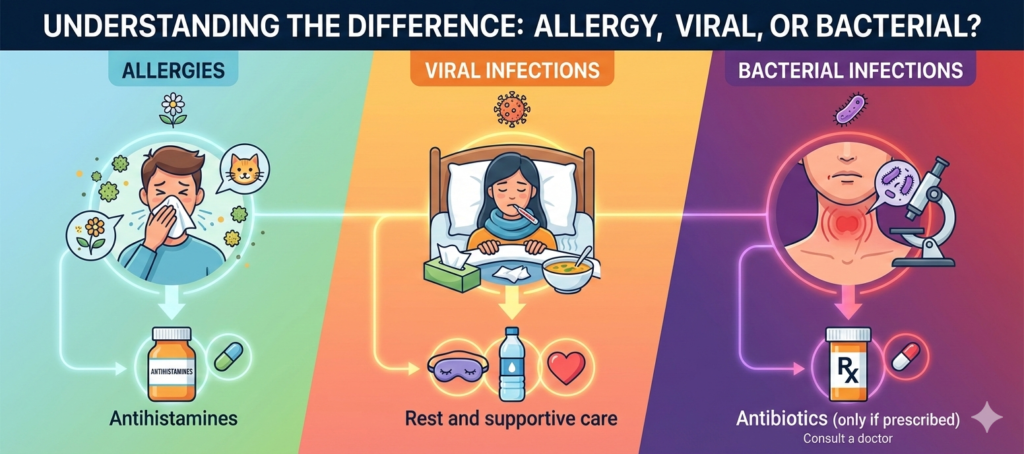
Allergy, Viral Infection, or Bacterial Infection? Understanding the Difference
At first glance, allergies and infections can feel identical. Sneezing? Check. Cough? Check. Congestion? Absolutely. So how do you tell them apart?
Let’s break it down in simple terms.
Allergies occur when your immune system overreacts to harmless substances like pollen or dust. They are not contagious and usually persist as long as you’re exposed to the trigger. No fever, but lots of irritation.
Viral infections, like the common cold or flu, are contagious. They spread through droplets and usually resolve within 7–10 days. Fever, fatigue, and body aches are common companions.
Bacterial infections are a bit more serious. They may develop after a viral infection weakens your immunity. Symptoms tend to worsen instead of improving, and medical intervention becomes necessary.
Why does this matter? Because treatment differs dramatically:
- Allergies → Antihistamines
- Viral infections → Rest and supportive care
- Bacterial infections → Antibiotics (only if prescribed)
Without proper testing, you’re simply guessing. And guesswork in health rarely ends well.
That’s why sneezing, cough, or infection this spring? Diagnostic centres in Delhi are just a call away at H.R. Diagnostic, offering precise tests to identify the root cause.
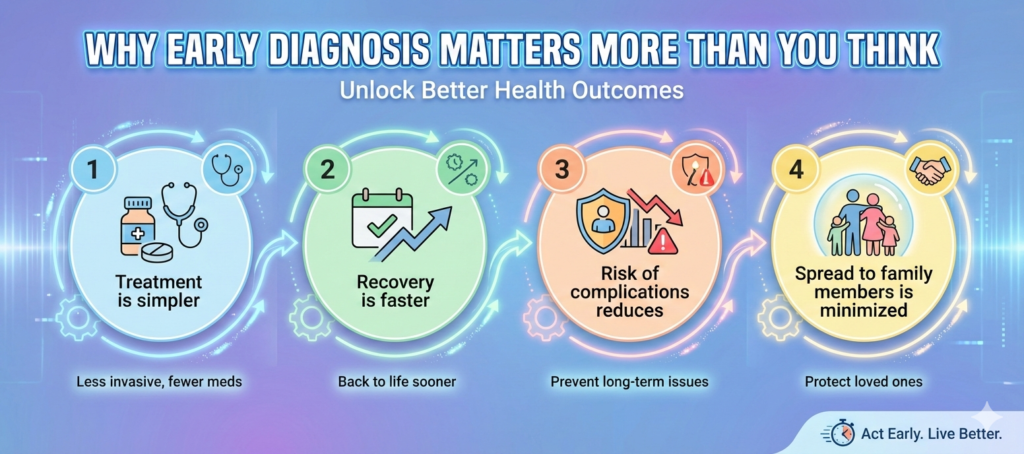
Why Early Diagnosis Matters More Than You Think
Imagine ignoring a small crack in a wall. Over time, it widens and becomes a structural issue. Health works the same way. Early detection prevents complications.
When respiratory infections are caught early:
- Treatment is simpler
- Recovery is faster
- Risk of complications reduces
- Spread to family members is minimized
For example, untreated sinus infections can lead to chronic sinusitis. Persistent cough may signal pneumonia if neglected. Even mild viral infections can weaken immunity, opening the door to secondary bacterial infections.
Delhi’s fast-paced lifestyle often pushes people to delay check-ups. “It’s just a cough,” we say. But what if it’s not?
Early diagnostic testing whether blood tests, allergy panels, or imaging—provides clarity. It eliminates uncertainty and helps doctors prescribe targeted treatment.
Think of diagnostics as a compass. Without it, you’re wandering blindly. With it, you know exactly where to go.
Sneezing, Cough, or Infection This Spring? Diagnostic Centres in Delhi Are Just a Call Away at H.R. Diagnostic for Accurate Testing
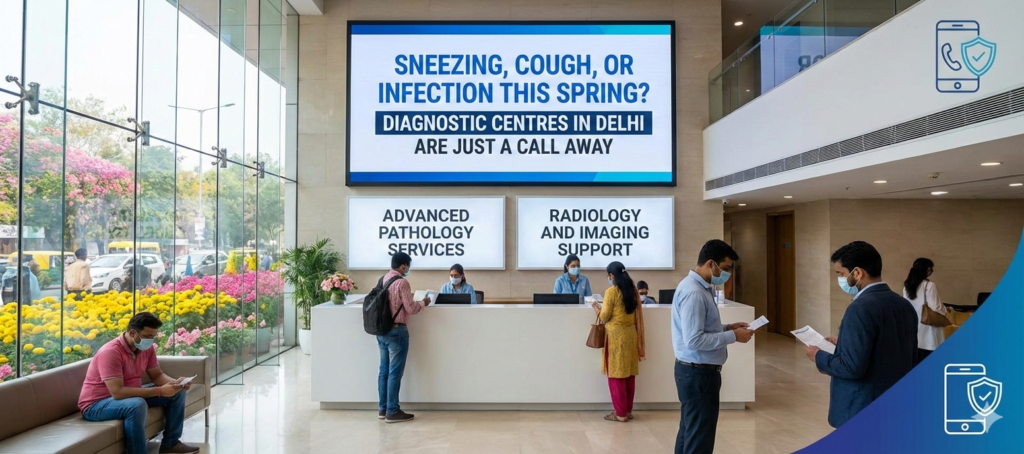
When symptoms refuse to settle, guessing games only add to stress. You try home remedies, switch between hot water and kadha, maybe pop an over-the-counter tablet—and still, that cough lingers. That’s usually the point when you realize you need clarity, not assumptions. Sneezing, cough, or infection this spring? Diagnostic centres in Delhi are just a call away at H.R. Diagnostic for accurate testing that gives you real answers.
Accurate diagnosis is the backbone of effective treatment. Without proper testing, even the most experienced doctor works with limited information. It’s like trying to solve a puzzle with missing pieces. H.R. Diagnostic bridges that gap with advanced laboratory facilities and modern diagnostic tools designed to detect seasonal infections, allergies, and respiratory concerns quickly and precisely.
Advanced Pathology Services
Spring illnesses often require detailed blood investigations to identify infections or immune responses. Complete Blood Count (CBC), C-Reactive Protein (CRP), ESR, and Procalcitonin tests can indicate inflammation or bacterial involvement. These are not just technical terms—they’re powerful indicators that tell doctors what’s happening inside your body.
At H.R. Diagnostic, samples are processed using automated analyzers to ensure high accuracy and minimal error. Quality control protocols are strictly maintained. This means you’re not just getting a report; you’re getting dependable data that your physician can trust.
Radiology and Imaging Support
Persistent cough, breathlessness, or chest discomfort may require imaging. Chest X-rays, HRCT scans, and sinus imaging help detect pneumonia, bronchitis, sinusitis, or lung infections. Imaging provides a visual confirmation—something no symptom checklist can replace.
Having pathology and imaging services under one roof simplifies the process. Instead of running between multiple centers, you get comprehensive care efficiently. In a busy city like Delhi, that convenience matters more than we realize.
Comprehensive Blood Tests to Detect Spring Infections
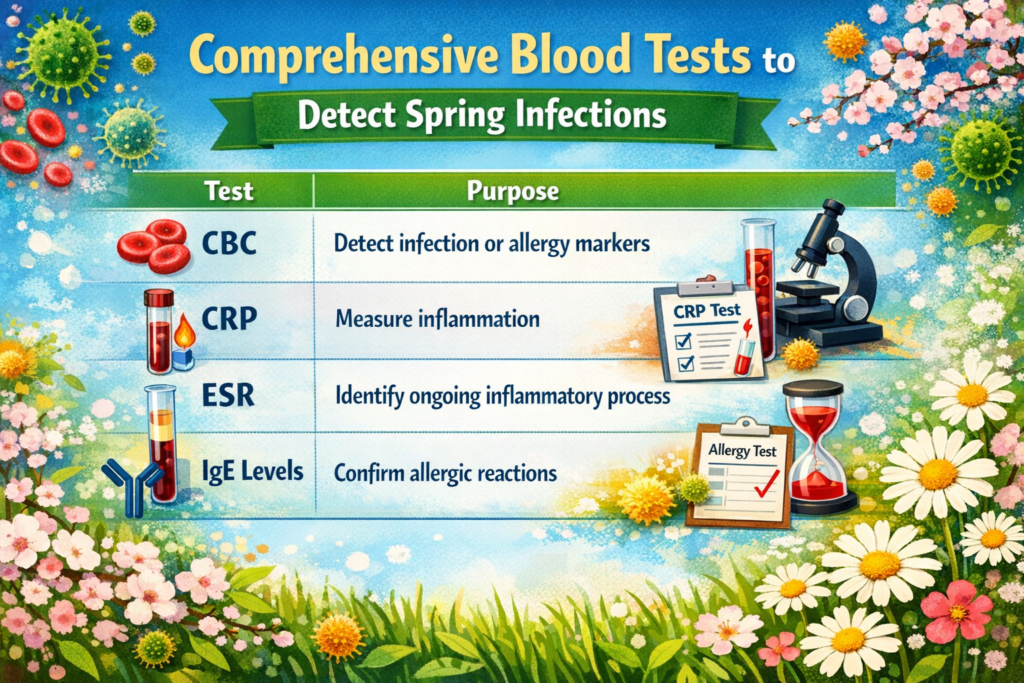
Blood tests are like reading your body’s internal diary. They reveal hidden inflammation, infection markers, and immune responses that aren’t visible externally. During spring, when respiratory illnesses spike, certain blood investigations become especially important.
A Complete Blood Count (CBC) helps determine whether your body is fighting an infection. Elevated white blood cells may suggest bacterial involvement, while specific patterns can hint at viral infections or allergic reactions. Eosinophil counts, for instance, often rise during allergic responses.
CRP (C-Reactive Protein) measures inflammation levels. If your CRP is high, your body is actively combating something—possibly a bacterial infection. ESR (Erythrocyte Sedimentation Rate) also reflects inflammatory activity.
For prolonged fever, additional tests such as viral panels or culture tests may be recommended. These ensure precise identification of pathogens.
Here’s a simplified overview:
| Test | Purpose |
| CBC | Detect infection or allergy markers |
| CRP | Measure inflammation |
| ESR | Identify ongoing inflammatory process |
| IgE Levels | Confirm allergic reactions |
Why does this matter? Because treatment without proper diagnosis can do more harm than good. Taking antibiotics unnecessarily can disrupt gut health and lead to resistance. Accurate testing protects you from that risk.
Spring may bring uncertainty, but your diagnosis doesn’t have to.
Allergy Testing Services in Delhi During Spring

Have you ever wondered why your symptoms return at the same time every year? That pattern is a strong hint toward allergies. Identifying specific triggers is crucial for long-term relief.
Allergy testing typically includes serum IgE testing and specific allergen panels. These tests determine whether your immune system reacts to pollen, dust mites, mold spores, or other environmental triggers common in Delhi during spring.
Knowing your allergen is empowering. Instead of blindly avoiding everything, you can take targeted precautions. If pollen is your trigger, minimizing outdoor exposure during peak hours helps. If dust mites are responsible, improving indoor hygiene becomes essential.
Allergy tests are simple blood tests—no complicated procedures involved. Results guide doctors in recommending antihistamines, nasal sprays, or immunotherapy if needed.
Imagine living spring without constant sneezing. That’s possible when you know exactly what you’re up against.
Role of Chest X-rays and Imaging in Persistent Cough
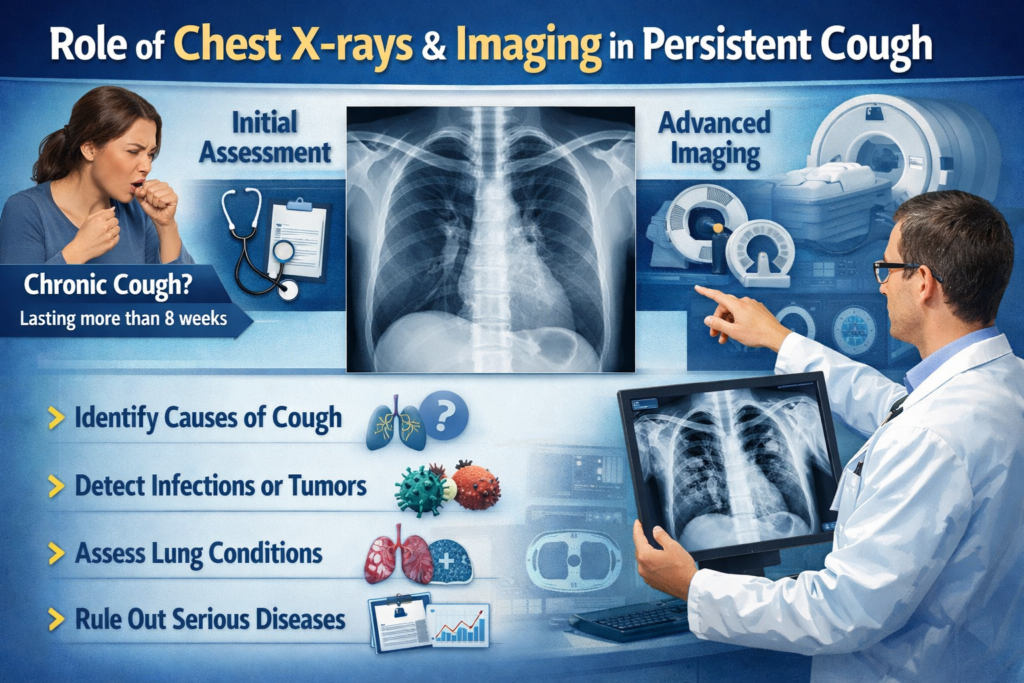
Coughing for more than two weeks isn’t something to ignore. It could indicate bronchitis, pneumonia, or even early signs of asthma. While blood tests reveal internal inflammation, imaging shows structural conditions.
A chest X-ray can detect fluid accumulation, lung infections, or abnormalities. If symptoms are severe, doctors may recommend HRCT scans for a more detailed view. Imaging also helps rule out complications, ensuring timely intervention.
For sinus-related symptoms, X-rays at home or CT scans detect blockages or infections causing facial pain and headaches.
Think of imaging as turning on the lights in a dark room. Suddenly, everything becomes visible.
How H.R. Diagnostic Ensures Fast and Reliable Reports
Waiting anxiously for test results can be stressful. That’s why efficiency matters. H.R. Diagnostic emphasizes rapid turnaround times without compromising accuracy.
Advanced automation minimizes manual handling, reducing the chance of errors. Reports are reviewed by qualified pathologists before release. Digital reporting systems allow patients to access results online, saving time and travel.
Timely diagnosis leads to timely treatment. In respiratory infections, early intervention can prevent complications. Speed and precision together create peace of mind.
Home Sample Collection: Convenience at Your Doorstep

Delhi’s traffic alone can discourage anyone from stepping out for a test. Add fever or weakness, and visiting a diagnostic centre feels overwhelming. That’s where home sample collection becomes invaluable.
A trained phlebotomist visits your home at a scheduled time, follows strict hygiene protocols, and collects samples safely. The process is quick, professional, and comfortable.
This service is especially helpful for:
- Elderly patients
- Children
- Individuals with high fever
- Working professionals with tight schedules
Healthcare should adapt to your life—not disrupt it.
Affordable Diagnostic Packages for Seasonal Illness

Cost concerns often delay medical testing. However, many diagnostic centres now offer affordable seasonal packages covering essential blood tests and imaging.
These packages typically include CBC, CRP, ESR, and sometimes chest X-rays—providing comprehensive evaluation at reasonable pricing.
Preventive testing is far less expensive than treating advanced complications. Investing in early diagnosis saves both money and stress.
How to Prepare for Your Diagnostic Test
Preparation ensures accurate results. While most infection-related blood tests don’t require fasting, some additional panels might. Always confirm instructions beforehand.
General tips:
- Stay hydrated
- Inform staff about medications
- Avoid heavy exercise before testing
- Follow fasting instructions if advised
Proper preparation eliminates false readings and ensures reliable outcomes.
Preventive Tips to Stay Safe This Spring

Prevention remains better than cure. While diagnostic services are readily available, minimizing exposure reduces the need for them.
- Wear masks during high pollen days
- Keep windows closed during peak pollen hours
- Use air purifiers indoors
- Maintain hand hygiene
- Stay hydrated
Strengthening immunity through balanced nutrition and adequate sleep also makes a significant difference.
When Should You Call a Diagnostic Centre Immediately?
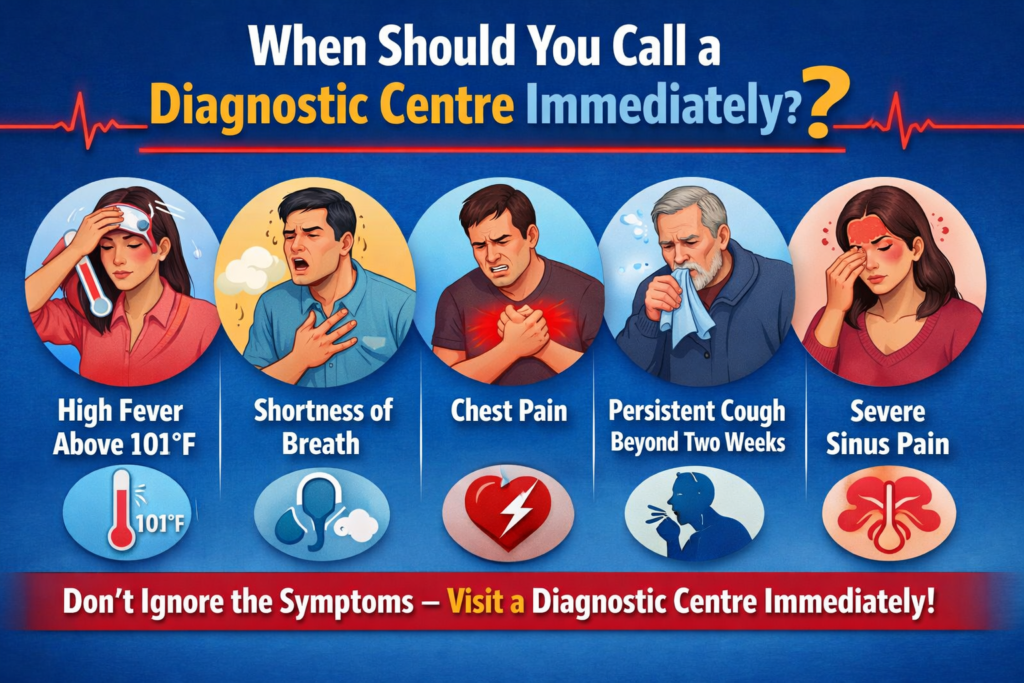
Some symptoms demand urgent attention:
- High fever above 101°F
- Shortness of breath
- Chest pain
- Persistent cough beyond two weeks
- Severe sinus pain
Delaying diagnosis in such cases can worsen outcomes. Quick testing enables quick action.
Why Residents Trust H.R. Diagnostic in Delhi

Trust isn’t built overnight. It grows through consistent service, accuracy, and patient satisfaction. Residents choose H.R. Diagnostic because of:
- Experienced professionals
- Modern equipment
- Transparent pricing
- Quick report delivery
- Convenient home collection
Sneezing, cough, or infection this spring? Diagnostic centres in Delhi are just a call away at H.R. Diagnostic—ready to provide clarity and care when you need it most.
Conclusion
Spring in Delhi brings beauty, but it also brings health challenges. Sneezing, coughing, and infections can disrupt daily life and leave you feeling drained. The key lies in timely diagnosis and informed treatment. Instead of guessing whether it’s an allergy or infection, rely on accurate testing.
With comprehensive pathology services, imaging support, home sample collection, and affordable packages, H.R. Diagnostic stands prepared to help residents breathe easier. Your health deserves attention—not assumptions.
FAQs
- How do I know if my spring cough is serious?
If it lasts more than two weeks, produces thick mucus, or comes with fever and breathlessness, testing is recommended. - Are allergy tests painful?
No, most allergy tests involve a simple blood sample and are minimally uncomfortable. - Can I book home sample collection in Delhi?
Yes, home collection services are available for convenient testing. - Do I need fasting for infection blood tests?
Most infection-related tests don’t require fasting, but confirm with the diagnostic centre. - How quickly can I receive my reports?
Many routine test reports are available within 24 hours, depending on the investigation.
Leave a Reply