
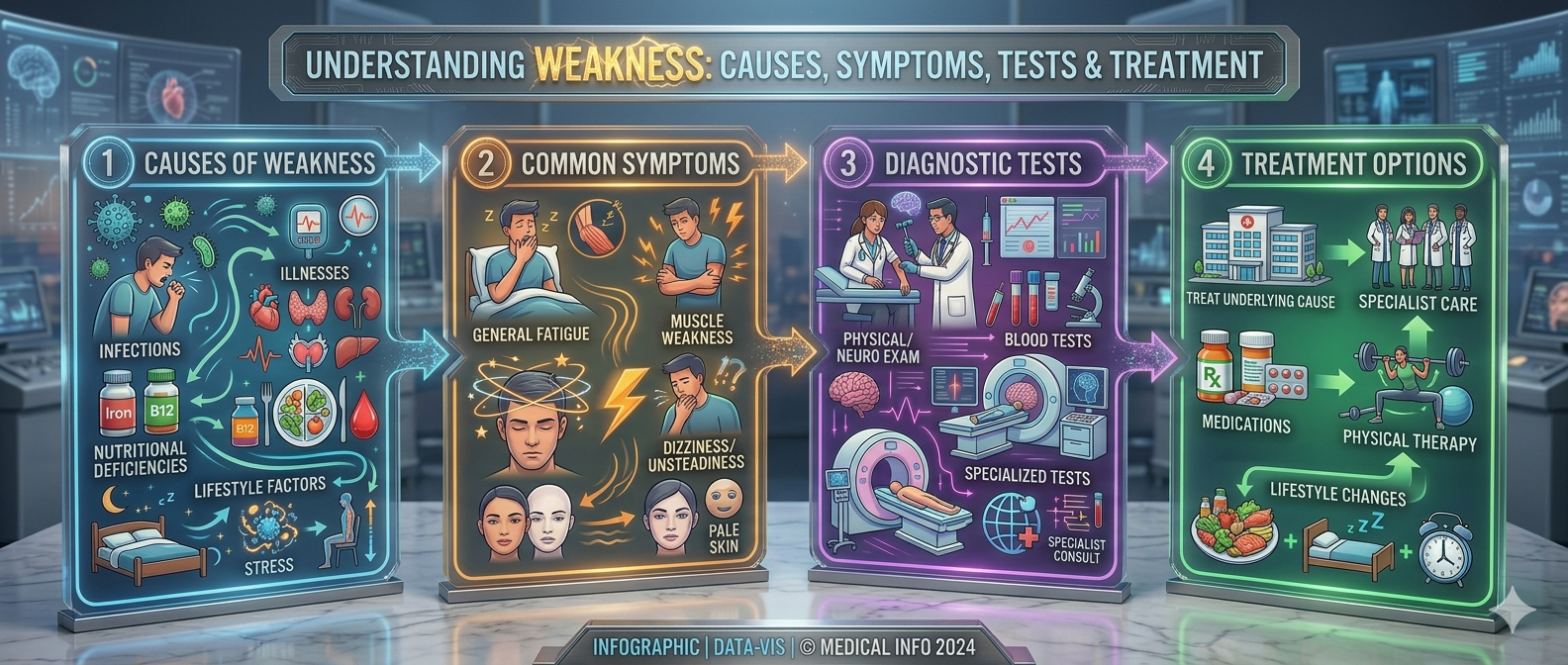
Feeling weak once in a while is normal. Everyone experiences low energy after a stressful week, illness, or lack of sleep. But when weakness becomes frequent, persistent, or severe, it often signals that the body is trying to communicate something deeper. Weakness can affect your muscles, mental clarity, physical stamina, and emotional health. Some people describe it as feeling drained even after resting, while others experience difficulty lifting objects, climbing stairs, or completing simple tasks.
The causes of weakness can range from temporary lifestyle factors to serious medical conditions. In many cases, weakness appears alongside fatigue, dizziness, headaches, body pain, or concentration issues. Identifying the root cause early is important because untreated weakness may worsen and affect overall quality of life. Modern healthcare offers advanced diagnostic tests for weakness, helping doctors pinpoint nutritional deficiencies, hormonal problems, infections, neurological disorders, or chronic diseases.
Understanding the warning signs, available diagnostic tools, and proper treatment methods can help people regain strength and improve long-term health. This article explores the major symptoms of weakness, the medical tests doctors use to investigate it, and the most effective treatment for body weakness available today.
Understanding the Real Causes of Weakness
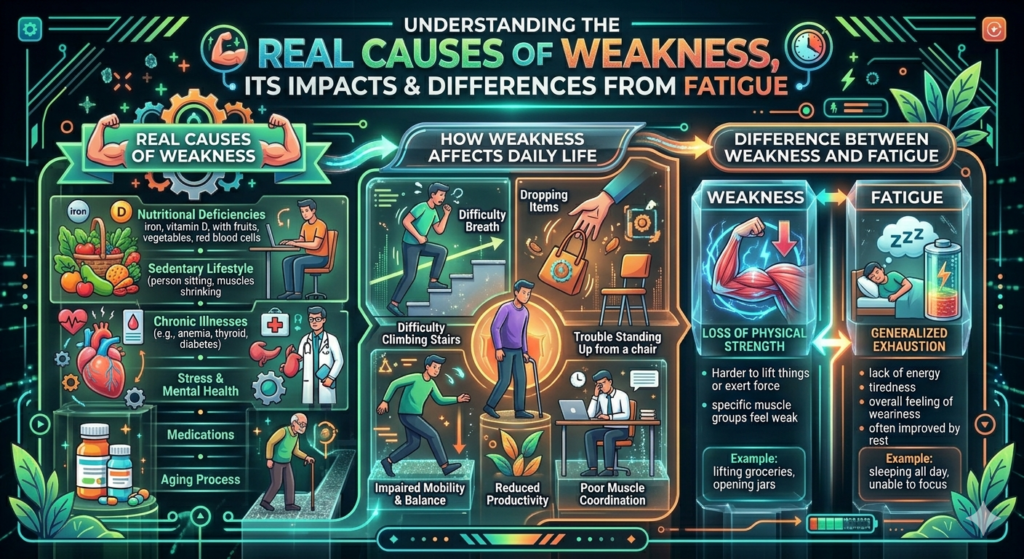
Weakness is not a disease itself. It is a symptom that may develop because of physical exhaustion, emotional stress, poor nutrition, infections, or chronic illnesses. Sometimes weakness appears suddenly after viral infections like influenza or COVID-19. In other cases, it develops gradually due to deficiencies or underlying medical disorders.
Many people ignore weakness because they assume it is caused by age, workload, or stress. That assumption can be risky. Persistent weakness may indicate anemia, diabetes, thyroid disease, heart problems, or neurological conditions. The body relies on oxygen, nutrients, hormones, and healthy nerves to maintain strength. If any of these systems stop functioning properly, weakness can occur.
Doctors often categorize weakness into two types: generalized weakness and muscle weakness. Generalized weakness refers to overall tiredness and lack of energy, while muscle weakness specifically affects muscle performance. Someone with muscle weakness may struggle to grip objects or stand for long periods. Proper evaluation is essential because the treatment depends entirely on identifying the root issue.
How Weakness Affects Daily Life
Weakness can slowly interfere with almost every aspect of life. Tasks that once felt easy become frustrating and exhausting. Some people experience difficulty waking up in the morning, while others feel mentally foggy throughout the day. Even social relationships and work productivity may suffer because chronic weakness reduces motivation and emotional balance.
Physical weakness also increases the risk of falls and injuries, especially in older adults. Athletes and active individuals may notice reduced endurance and poor muscle recovery. In children and teenagers, weakness may affect concentration, academic performance, and physical growth. These impacts highlight why weakness should never be dismissed as “just tiredness.”
Difference Between Weakness and Fatigue
Although people use these terms interchangeably, weakness and fatigue are different medical experiences. Fatigue is a feeling of exhaustion or low energy that often improves with rest. Weakness involves actual reduction in physical strength or muscle power. Someone with fatigue may feel sleepy but still physically capable, while a person with weakness may struggle to move normally.
Doctors often investigate both together because weakness and fatigue causes overlap significantly. Conditions like anemia, diabetes, thyroid disorders, and infections commonly produce both symptoms simultaneously.
Common Symptoms of Weakness You Should Never Ignore
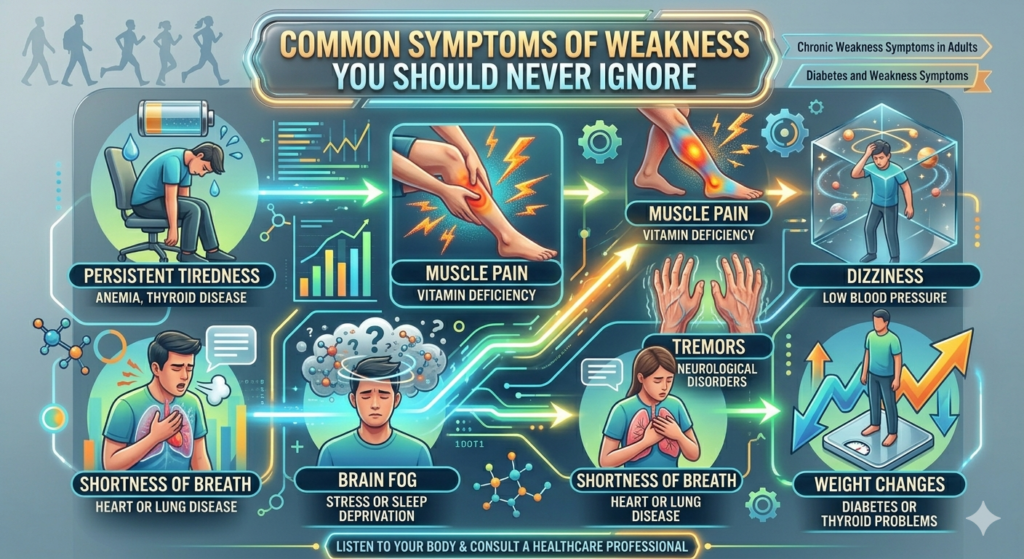
The symptoms of weakness vary depending on the underlying cause. Some people experience mild tiredness, while others develop severe muscle dysfunction. Recognizing these symptoms early can help prevent complications and improve treatment outcomes.
Common symptoms associated with weakness include:
| Symptom | Possible Cause |
| Persistent tiredness | Anemia, thyroid disease |
| Muscle pain | Vitamin deficiency |
| Dizziness | Low blood pressure |
| Shortness of breath | Heart or lung disease |
| Brain fog | Stress or sleep deprivation |
| Tremors | Neurological disorders |
| Weight changes | Diabetes or thyroid problems |
Many individuals also report headaches, low motivation, irritability, and poor concentration. In some cases, weakness appears after physical activity and lasts for hours or days. That pattern may suggest chronic fatigue syndrome or autoimmune disease.
Chronic Weakness Symptoms in Adults
Chronic weakness symptoms lasting longer than a few weeks require medical evaluation. Long-term weakness can indicate hidden diseases affecting metabolism, hormones, or the immune system. Adults with chronic weakness often experience declining work performance, reduced exercise tolerance, and emotional stress.
Symptoms may worsen gradually, making them difficult to notice at first. People frequently adapt to reduced energy without realizing how much their health has changed. Sleep disturbances, unexplained aches, and recurring infections are common warning signs that should not be ignored.
Diabetes and Weakness Symptoms
One of the most overlooked connections is between diabetes and weakness symptoms. High blood sugar levels interfere with the body’s ability to convert glucose into usable energy. As a result, people with diabetes often feel tired and physically weak.
Other symptoms include excessive thirst, frequent urination, blurred vision, slow wound healing, and unexplained weight changes. Nerve damage caused by diabetes may also contribute to muscle weakness and numbness. Early diagnosis through blood glucose testing is essential to prevent long-term complications.
Weakness and Fatigue Causes Linked to Lifestyle
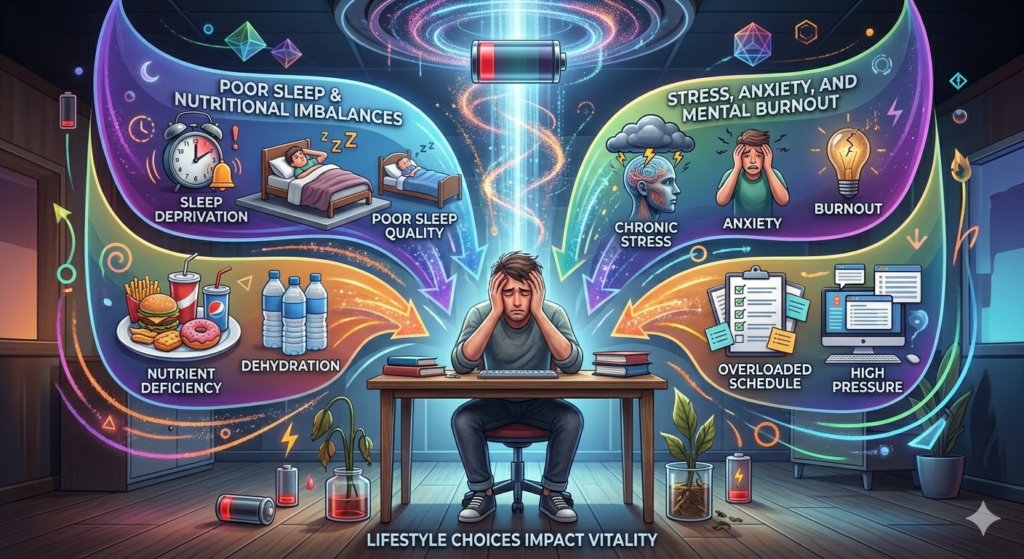
Lifestyle habits strongly influence energy levels and muscle function. Many cases of weakness develop because of poor routines rather than serious disease. Lack of sleep, unhealthy eating, dehydration, and chronic stress can gradually drain the body’s energy reserves.
Modern lifestyles often involve long working hours, excessive screen time, and minimal physical activity. These habits reduce circulation, weaken muscles, and disrupt hormone balance. Over time, the body struggles to maintain normal energy production.
Poor Sleep and Nutritional Imbalances
Sleep is the body’s natural repair system. During deep sleep, muscles recover, hormones regulate, and brain function resets. Poor sleep quality directly contributes to weakness and fatigue. Adults who sleep less than six hours regularly are significantly more likely to experience daytime weakness.
Nutrition is equally important. Skipping meals or relying on processed foods deprives the body of essential vitamins and minerals. Iron deficiency, low protein intake, and inadequate hydration are common causes of weakness in busy adults.
Stress, Anxiety, and Mental Burnout
Emotional stress affects physical health more than many people realize. Chronic anxiety increases cortisol levels, which can disrupt sleep, digestion, and immune function. Over time, the body enters a constant state of exhaustion.
Mental burnout also causes concentration problems, headaches, and muscle tension. Many individuals experiencing emotional stress mistakenly believe they have a purely physical illness. In reality, psychological and physical health are deeply connected.
Vitamin Deficiency Weakness and Nutritional Disorders
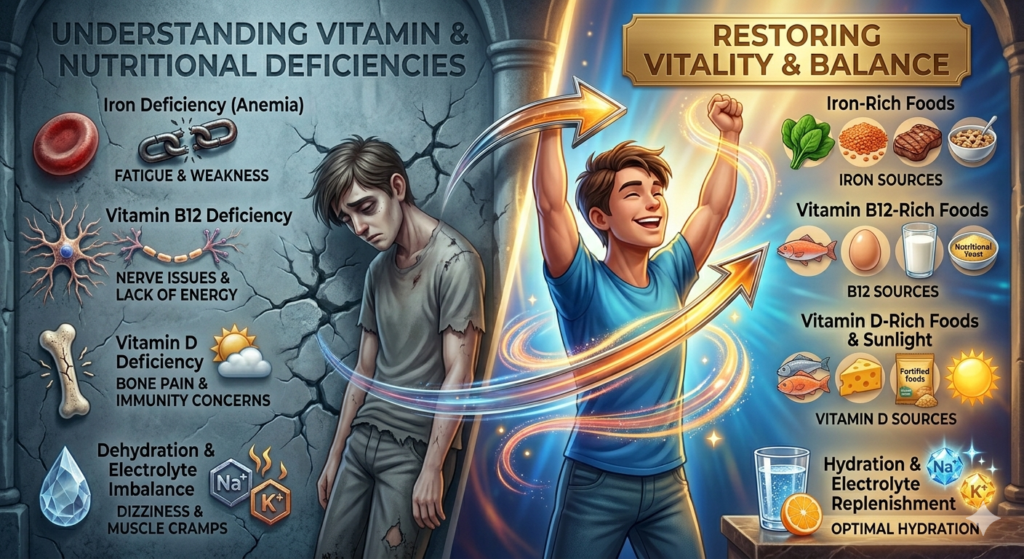
One of the most common explanations for unexplained weakness is nutrient deficiency. Vitamin deficiency weakness develops when the body lacks the nutrients necessary for energy production and muscle function.
Iron deficiency anemia remains one of the leading global causes of fatigue and weakness. According to the World Health Organization, anemia affects over 1.6 billion people worldwide. Low iron levels reduce oxygen delivery to muscles and organs, causing exhaustion and dizziness.
Iron, Vitamin B12, and Vitamin D Deficiencies
Vitamin B12 supports nerve health and red blood cell production. Deficiency can cause tingling sensations, memory issues, and muscle weakness. Vegetarians, older adults, and individuals with digestive disorders face higher risk.
Vitamin D deficiency has also become increasingly common because of indoor lifestyles and limited sun exposure. Low vitamin D levels contribute to muscle pain, bone weakness, and fatigue. Doctors often include vitamin testing during blood tests for weakness.
Dehydration and Electrolyte Imbalance
Even mild dehydration can cause weakness, dizziness, and poor concentration. Electrolytes such as sodium, potassium, and magnesium regulate muscle contractions and nerve signals. Imbalances may lead to cramps, irregular heartbeat, and severe fatigue.
Athletes, older adults, and people with chronic illness are especially vulnerable. Rehydration and proper nutrition often improve symptoms quickly when dehydration is the primary issue.
Medical Conditions Behind Muscle Weakness Diagnosis
A proper muscle weakness diagnosis requires careful medical evaluation. Muscle weakness may originate from the muscles themselves, the nerves controlling them, or diseases affecting the brain and spinal cord.
Neurological disorders like multiple sclerosis, Parkinson’s disease, and muscular dystrophy can all cause progressive weakness. Autoimmune diseases such as lupus and myasthenia gravis may also attack healthy tissues, leading to fatigue and muscle dysfunction.
Neurological and Autoimmune Disorders
Neurological conditions often produce symptoms beyond weakness. Patients may experience numbness, coordination issues, tremors, or speech difficulties. Because symptoms overlap with many illnesses, doctors rely on imaging scans and nerve conduction studies for accurate diagnosis.
Autoimmune diseases can be unpredictable. Some individuals experience flare-ups followed by periods of recovery. Early diagnosis improves treatment success and reduces long-term damage.
Hormonal Conditions and Thyroid Problems
Hormones regulate metabolism, energy production, and muscle function. Thyroid disorders are particularly linked to weakness and fatigue. An underactive thyroid slows metabolism, causing tiredness, weight gain, dry skin, and muscle weakness.
Doctors commonly order a thyroid test for weakness when patients report chronic fatigue or unexplained body changes. Hormonal imbalances involving cortisol or testosterone may also contribute to low energy and reduced muscle strength.
Diagnostic Tests for Weakness Doctors Commonly Recommend
Identifying the root cause of weakness often requires multiple examinations. Doctors begin with medical history, physical examination, and symptom analysis before ordering specialized tests.
Blood Tests for Weakness
Blood tests for weakness are among the most important diagnostic tools. These tests evaluate red blood cells, blood sugar levels, inflammation markers, vitamin levels, and organ function.
Common blood tests include:
| Test | Purpose |
| Complete Blood Count (CBC) | Detects anemia and infections |
| Blood Glucose Test | Checks for diabetes |
| Vitamin B12 Test | Identifies deficiency |
| Iron Studies | Detects iron deficiency |
| Electrolyte Panel | Evaluates hydration and mineral balance |
These tests provide critical information about how the body is functioning internally.
Thyroid Test for Weakness
A thyroid test for weakness measures thyroid hormone levels. Both hypothyroidism and hyperthyroidism can produce fatigue and muscle issues. Thyroid dysfunction is especially common in women and older adults.
Doctors usually test TSH, T3, and T4 hormone levels. Abnormal results may require medication or additional endocrine evaluation.
Medical Tests for Fatigue and Muscle Health
Additional medical tests for fatigue may include imaging scans, electromyography (EMG), MRI scans, or nerve conduction studies. These tests help diagnose nerve disorders and muscular diseases.
In some cases, sleep studies are recommended if sleep apnea is suspected. Cardiac tests may also be necessary when weakness accompanies chest pain or shortness of breath.
Importance of a Complete Health Checkup for Weakness
A thorough health checkup for weakness helps detect hidden conditions before they become severe. Many illnesses causing weakness progress silently for years. Regular checkups improve early detection and treatment outcomes.
Doctors evaluate blood pressure, heart function, nutritional status, and hormone balance during comprehensive health assessments. These evaluations are especially important for individuals with family history of diabetes, thyroid disease, or heart conditions.
When to Visit the Best Diagnostic Center for Weakness
Choosing the best diagnostic center for weakness ensures accurate testing and professional interpretation. Advanced diagnostic centers offer modern imaging technology, pathology services, and specialist consultations under one roof.
People should seek medical attention immediately if weakness develops suddenly, affects one side of the body, or occurs alongside chest pain, breathing difficulty, or confusion. These symptoms may indicate medical emergencies such as stroke or cardiac issues.
Treatment for Body Weakness and Recovery Strategies
The best treatment for body weakness depends entirely on identifying the root cause. Some individuals improve with lifestyle changes, while others require medication or long-term therapy.
Weakness Treatment Options Through Lifestyle Changes
Healthy habits remain one of the most effective weakness treatment options. Balanced nutrition, proper hydration, regular exercise, and quality sleep significantly improve energy levels.
Doctors often recommend:
- Iron-rich foods like spinach and lean meat
- Vitamin B12 supplements when deficient
- Daily physical activity
- Stress management techniques
- Reduced alcohol and caffeine intake
Exercise may sound counterintuitive when feeling weak, but gentle movement improves circulation and muscle strength over time.
Medical and Therapeutic Treatments
Medical treatment depends on diagnosis. Thyroid disorders require hormone medication, diabetes needs blood sugar control, and infections may require antibiotics. Neurological conditions often benefit from physical therapy and rehabilitation.
Patients with chronic fatigue or autoimmune disease may need multidisciplinary care involving nutritionists, neurologists, physiotherapists, and mental health professionals. Personalized treatment plans produce the best long-term results.
Conclusion
Weakness is more than simple tiredness. Persistent or unexplained weakness can signal nutritional deficiencies, hormonal imbalances, chronic illness, or neurological disease. Paying attention to the symptoms of weakness and seeking early medical evaluation can prevent complications and improve quality of life.
Modern healthcare provides advanced diagnostic tests for weakness, including blood analysis, hormone evaluation, nerve testing, and imaging scans. These investigations help doctors identify the exact cause and create targeted treatment plans.
From lifestyle improvements to specialized medical therapy, many effective weakness treatment options are available today. Anyone experiencing ongoing weakness, severe fatigue, or muscle dysfunction should prioritize a complete health checkup for weakness and seek professional medical guidance promptly.
FAQs
1. What are the most common causes of weakness?
The most common causes include anemia, poor sleep, stress, vitamin deficiencies, thyroid disorders, diabetes, dehydration, and infections. Chronic illnesses and neurological conditions may also contribute.
2. Which blood tests are recommended for weakness?
Doctors commonly order CBC, blood glucose tests, vitamin B12 levels, iron studies, thyroid hormone tests, and electrolyte panels during evaluation.
3. Can vitamin deficiency cause severe weakness?
Yes. Iron, vitamin B12, and vitamin D deficiencies frequently cause fatigue, dizziness, and muscle weakness if left untreated.
4. When should I see a doctor for weakness?
Medical attention is necessary if weakness lasts more than a few weeks, worsens over time, or occurs with chest pain, shortness of breath, numbness, or confusion.
5. What is the best treatment for body weakness?
Treatment depends on the underlying cause. Lifestyle changes, nutritional support, medications, physical therapy, and disease-specific treatments may all help improve strength and energy.
Leave a Reply