
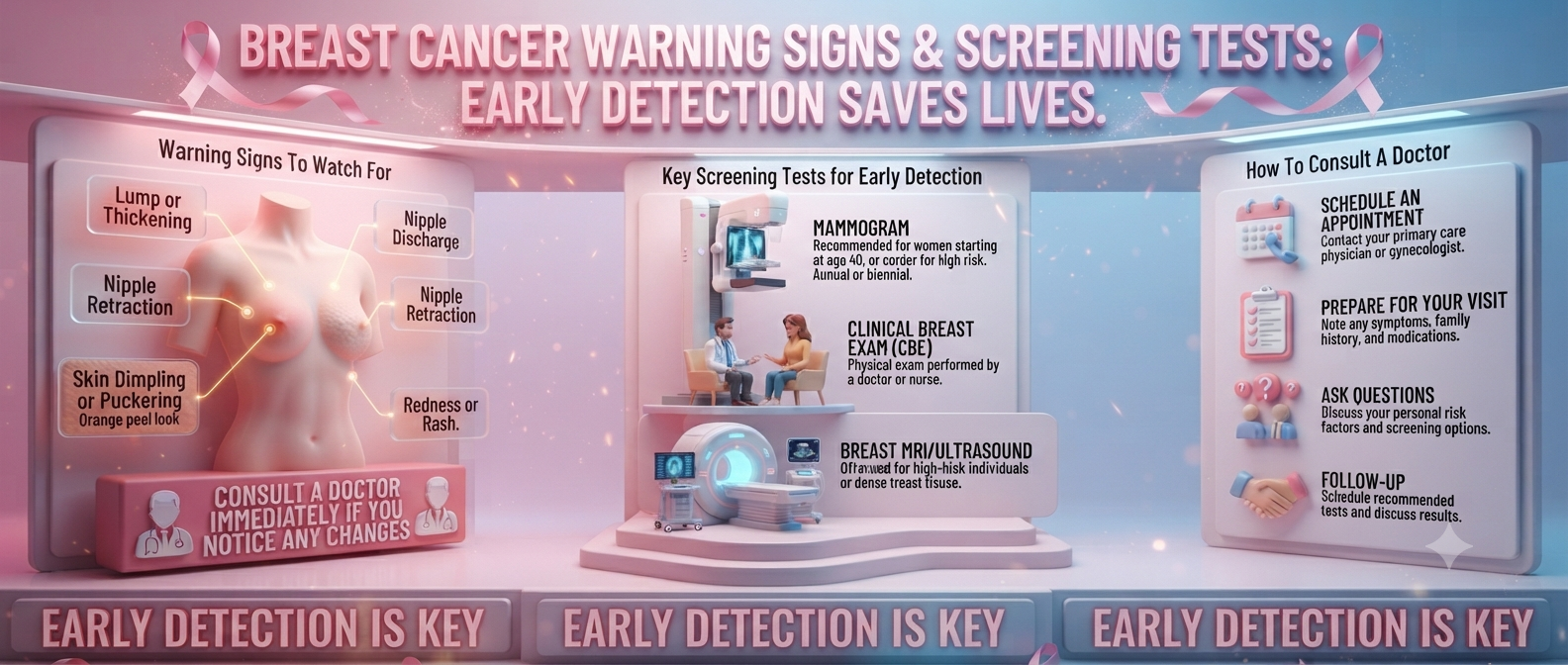
Understanding Why Early Breast Cancer Detection Matters


Breast cancer remains one of the most commonly diagnosed cancers among women worldwide. The encouraging news is that early detection significantly improves treatment outcomes and survival rates. Many women assume that breast cancer always causes pain or obvious symptoms, but that is not true. In its earliest stages, breast cancer can develop silently without causing discomfort. This is exactly why regular screening plays such a critical role in protecting women’s health.
Health organizations around the world continue to emphasize the importance of routine mammography and risk-based screening programs. Recent data shows that millions of mammography procedures are performed annually, helping doctors identify suspicious changes before symptoms become severe. According to recent breast cancer screening reports, over 43 million mammography procedures are performed annually in certified facilities, demonstrating the widespread adoption of early detection programs. Screening mammography has become one of the most effective tools for reducing breast cancer mortality through timely diagnosis and treatment.
Think of breast cancer screening like a smoke detector in your home. You do not wait until the fire becomes visible before taking action. Instead, you rely on early warning systems to alert you before the situation becomes dangerous. Breast cancer screening works in much the same way by identifying abnormalities before they progress into advanced disease.
Breast Cancer Screening Near Me: When Should You Get Tested?
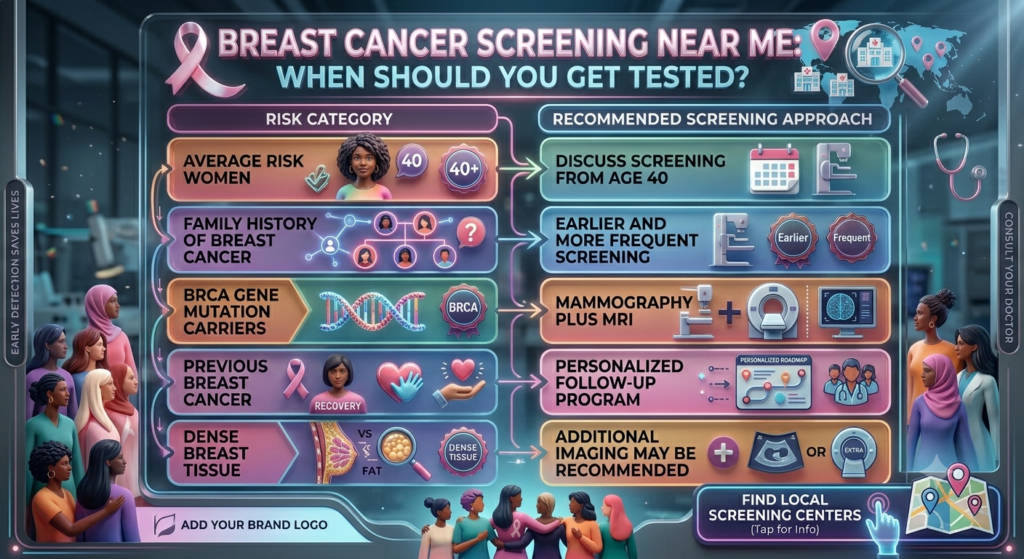
Searching for breast cancer screening near me is often the first step women take when they become concerned about their breast health. However, knowing when to begin screening is equally important. Medical guidelines increasingly recommend that average-risk women start discussing mammograms around age 40, while women with higher risk factors may need earlier evaluations.
Several factors influence the timing and frequency of screening, including family history, genetic mutations, personal medical history, breast density, and lifestyle factors. Women with a strong family history of breast cancer may require specialized screening plans involving MRI scans and more frequent monitoring. Age remains one of the most significant risk factors, but it is not the only one.
If you notice any unusual breast changes, you should not wait for your next routine screening appointment. Immediate evaluation is recommended when symptoms appear. Many modern healthcare facilities now allow online scheduling, making it easier than ever to arrange a breast health examination without delay.
Recommended Screening Ages and Risk Factors
| Risk Category | Recommended Screening Approach |
| Average Risk Women | Discuss screening from age 40 |
| Family History of Breast Cancer | Earlier and more frequent screening |
| BRCA Gene Mutation Carriers | Mammography plus MRI |
| Previous Breast Cancer | Personalized follow-up program |
| Dense Breast Tissue | Additional imaging may be recommended |
Breast Cancer Test Booking: How to Schedule the Right Screening
The process of breast cancer test booking has become significantly easier with digital healthcare services. Most hospitals, diagnostic centers, and breast health clinics now offer online appointment systems that allow patients to schedule tests conveniently from home.
Before booking your screening, gather important information about your medical history. Doctors may ask about previous mammograms, family history of breast cancer, hormone therapy usage, and any current symptoms. This information helps healthcare providers determine the most appropriate screening method for your situation.
Many women delay booking because they feel nervous about the results. While these concerns are understandable, postponing screening can increase the risk of late diagnosis. Early detection often means less aggressive treatment, better recovery outcomes, and improved long-term survival. Taking action today can make a significant difference in your future health journey.
Mammogram Test Appointment: What to Expect During the Procedure
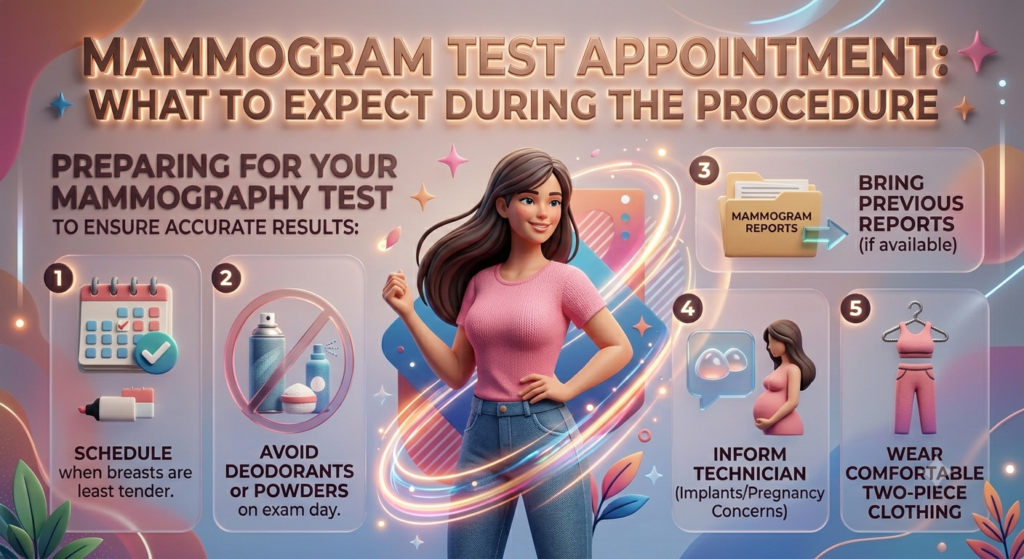
A mammogram test appointment is one of the most common and effective breast cancer screening procedures available today. Mammography uses low-dose X-rays to capture detailed images of breast tissue, helping radiologists identify abnormalities that may not be detectable during a physical examination.
During the procedure, each breast is gently compressed between imaging plates for a few seconds. Some women experience mild discomfort, but the process is generally quick and tolerable. The entire appointment usually takes less than 30 minutes. Radiologists then analyze the images for signs such as masses, calcifications, or structural changes.
Research consistently demonstrates that mammography contributes to earlier cancer detection and reduced mortality rates. Screening allows healthcare providers to identify tumors before symptoms become noticeable, increasing treatment options and improving outcomes.
Preparing for Your Mammography Test
To ensure accurate results:
- Schedule the test when your breasts are least tender.
- Avoid deodorants or powders on the day of the exam.
- Bring previous mammogram reports if available.
- Inform the technician about implants or pregnancy concerns.
- Wear comfortable two-piece clothing.
Breast Cancer Consultation Doctor: When Should You Seek Medical Advice?
A breast cancer consultation doctor should be contacted whenever you notice unusual breast changes. Waiting for symptoms to disappear on their own can delay diagnosis and treatment. Healthcare professionals encourage patients to seek evaluation promptly if they experience concerning signs.
Common warning signs include breast lumps, nipple discharge, skin dimpling, redness, swelling, persistent pain, or changes in breast shape. While many of these symptoms are caused by non-cancerous conditions, only a medical evaluation can determine the underlying cause.
Doctors perform a thorough assessment that includes medical history review, physical examination, and recommendations for appropriate imaging tests. The consultation also provides an opportunity to discuss risk factors, screening schedules, and preventive strategies tailored to your specific needs.
Breast Cancer Screening Clinic: Services Offered for Women’s Health
A dedicated breast cancer screening clinic offers comprehensive services designed to support early detection and ongoing breast health management. These clinics typically provide mammography, ultrasound imaging, clinical breast examinations, risk assessments, and specialist consultations.
Many modern clinics emphasize patient-centered care. They understand that screening appointments can cause anxiety, so they create supportive environments where women feel comfortable asking questions and discussing concerns. Educational resources are often available to help patients understand screening results and recommended follow-up actions.
Some clinics also offer genetic counseling and advanced imaging technologies for women with elevated risk profiles. These specialized services help create individualized screening plans that maximize detection while minimizing unnecessary procedures.
Early Breast Cancer Detection Test Options Available Today
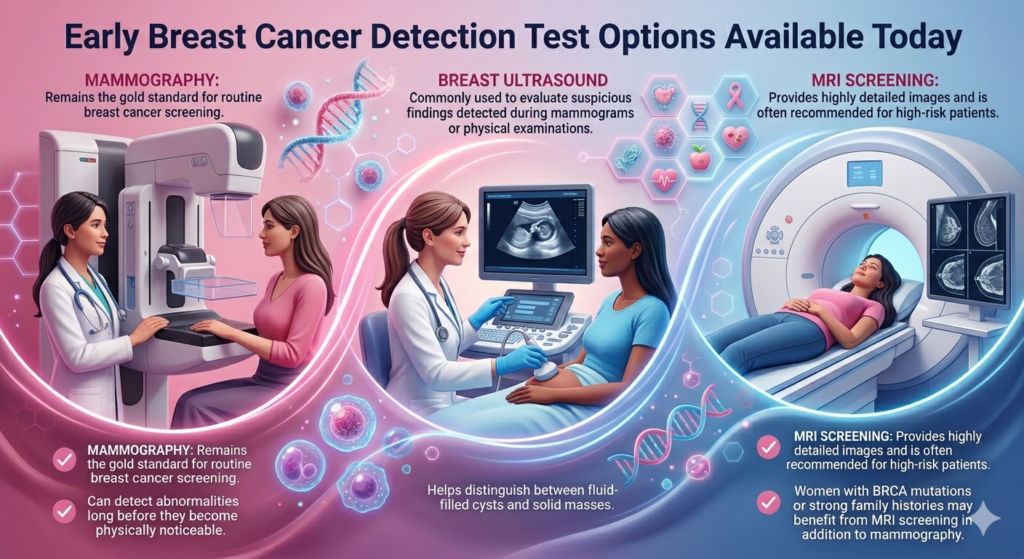
Choosing the right early breast cancer detection test depends on age, symptoms, risk factors, and physician recommendations.
Mammography
Mammography remains the gold standard for routine breast cancer screening. It can detect abnormalities long before they become physically noticeable.
Breast Ultrasound
Ultrasound is commonly used to evaluate suspicious findings detected during mammograms or physical examinations. It helps distinguish between fluid-filled cysts and solid masses.
MRI Screening
Magnetic Resonance Imaging provides highly detailed images and is often recommended for high-risk patients. Women with BRCA mutations or strong family histories may benefit from MRI screening in addition to mammography.
These imaging methods work together to provide comprehensive breast health evaluation and improve diagnostic accuracy.
Breast Lump Examination Specialist: Signs You Should Never Ignore
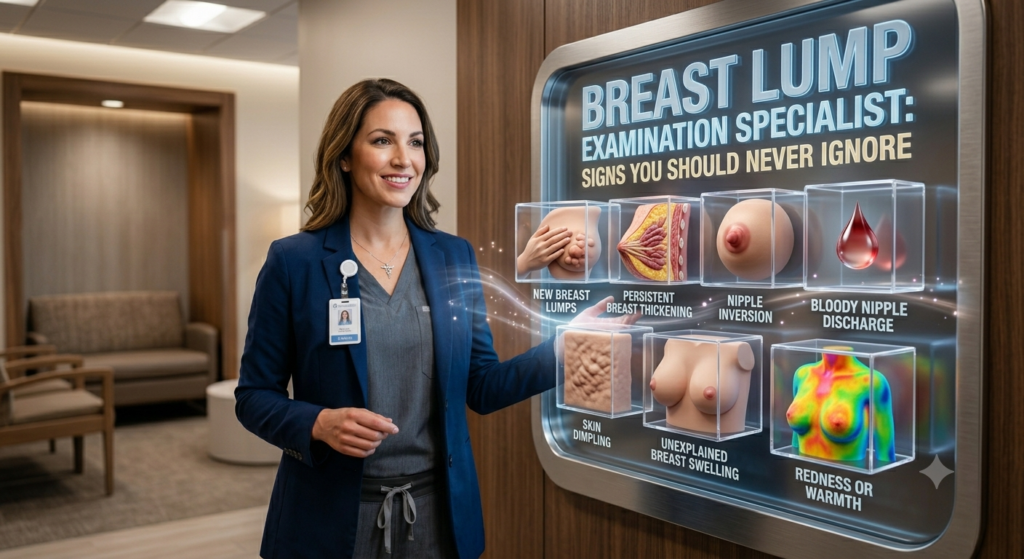
A breast lump examination specialist is trained to assess suspicious breast changes and determine whether further testing is necessary. Not every breast lump indicates cancer, but every new lump deserves professional evaluation.
Warning signs that require immediate attention include:
- New breast lumps
- Persistent breast thickening
- Nipple inversion
- Bloody nipple discharge
- Skin dimpling
- Unexplained breast swelling
- Redness or warmth
Many women mistakenly believe that painful lumps are more dangerous than painless ones. In reality, some breast cancers develop without causing pain at all. Professional examination remains the safest approach for determining whether additional testing is required.
Breast Cancer Diagnosis Center: Tests Used After Abnormal Screening Results
When a screening test identifies suspicious findings, a breast cancer diagnosis center performs additional evaluations to confirm or rule out cancer. Follow-up testing often includes diagnostic mammography, ultrasound, MRI, and biopsy procedures.
A biopsy is considered the definitive diagnostic test because it involves analyzing tissue samples under a microscope. Although the possibility of a biopsy may sound intimidating, it provides essential information that guides treatment decisions. Modern diagnostic centers use advanced technology to ensure accurate results while minimizing patient discomfort.
Multidisciplinary teams often work together during the diagnostic process, including radiologists, pathologists, surgeons, and oncologists. This collaborative approach helps ensure patients receive comprehensive and coordinated care.
Mammography Test Near Me: How to Choose the Right Facility
Searching for a mammography test near me often produces many options, making it important to choose a reputable facility. Look for accredited imaging centers with experienced radiologists who specialize in breast imaging.
Important factors to consider include:
- Accreditation status
- Availability of digital mammography
- Experienced breast imaging specialists
- Patient reviews
- Convenient scheduling
- Insurance acceptance
Facilities that offer advanced technologies such as Digital Breast Tomosynthesis (3D mammography) may provide enhanced detection capabilities, particularly for women with dense breast tissue. Recent advancements in imaging and AI-assisted analysis continue improving screening effectiveness.
Breast Cancer Checkup Package: What Is Included?
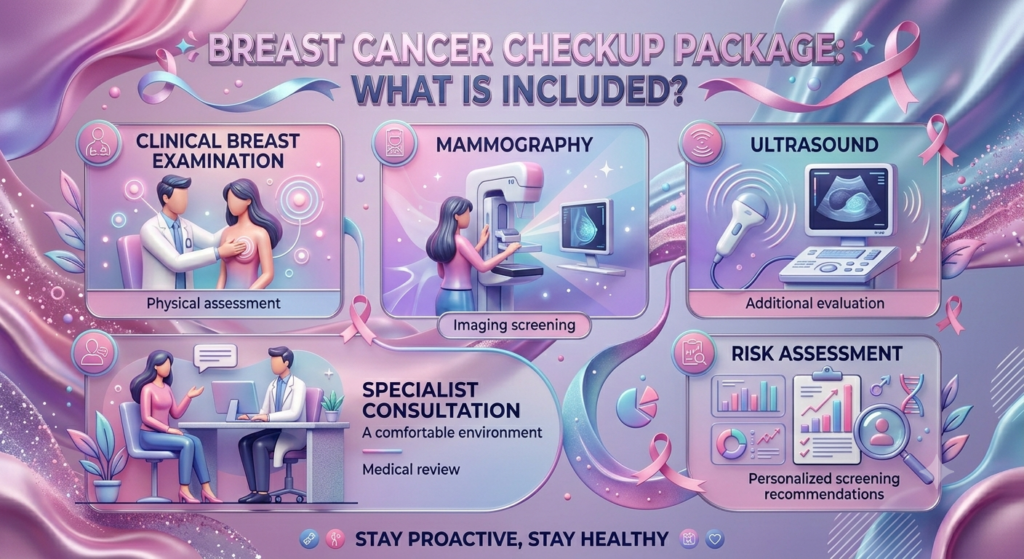
A breast cancer checkup package typically combines several screening and assessment services into a single healthcare offering. These packages are designed to provide comprehensive evaluation while simplifying appointment scheduling.
Common components include:
| Service | Purpose |
| Clinical Breast Examination | Physical assessment |
| Mammography | Imaging screening |
| Ultrasound | Additional evaluation |
| Specialist Consultation | Medical review |
| Risk Assessment | Personalized screening recommendations |
Packages vary depending on age, risk profile, and healthcare provider policies. Women should discuss package contents with healthcare professionals to ensure appropriate screening coverage.
Breast Cancer Specialist Consultation: Questions to Ask Your Doctor
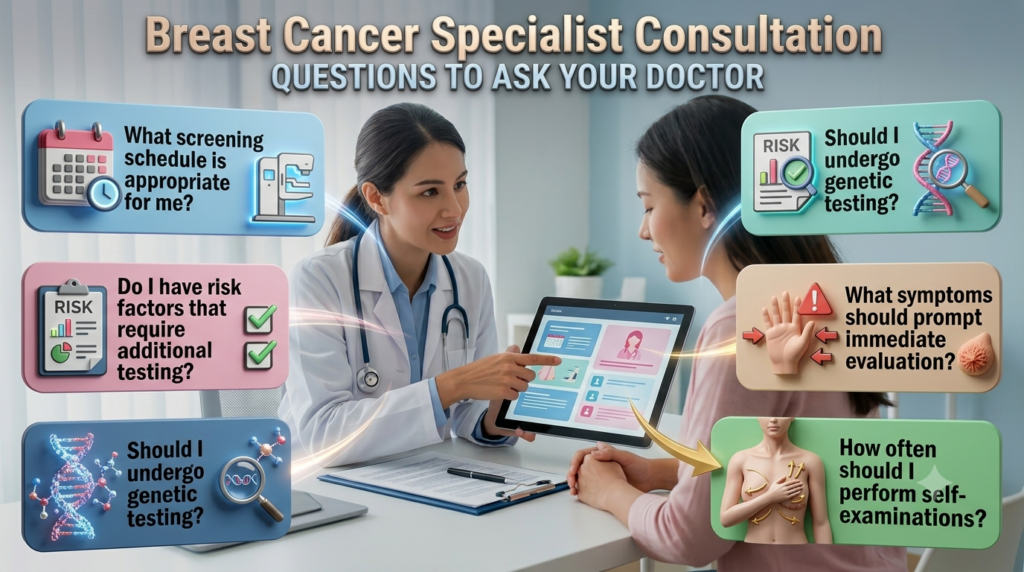
A breast cancer specialist consultation offers an opportunity to gain personalized guidance regarding breast health. Preparing questions in advance can help maximize the value of your appointment.
Important questions include:
- What screening schedule is appropriate for me?
- Do I have risk factors that require additional testing?
- Should I undergo genetic testing?
- What symptoms should prompt immediate evaluation?
- How often should I perform self-examinations?
Open communication helps patients make informed healthcare decisions and participate actively in their preventive care plans.
Book Breast Cancer Screening Test Online: Step-by-Step Process
Today, many women prefer to book breast cancer screening test appointments online because of convenience and accessibility. Most healthcare providers offer user-friendly portals that simplify scheduling.
The process usually includes selecting a location, choosing an appointment date, completing medical history forms, and receiving confirmation details. Online systems often allow patients to upload previous reports and communicate directly with healthcare teams before their visit.
Digital healthcare services have improved access to screening, helping more women prioritize preventive care and avoid delays in diagnosis.
Breast Cancer Risk Assessment Test: Understanding Your Personal Risk
A breast cancer risk assessment test evaluates factors that influence an individual’s likelihood of developing breast cancer. These assessments consider family history, genetics, reproductive history, breast density, and lifestyle factors.
Risk assessment is becoming increasingly important as healthcare moves toward personalized screening strategies. Rather than applying the same screening schedule to every woman, doctors can tailor recommendations based on individual risk profiles. This approach helps optimize early detection while reducing unnecessary interventions.
Women identified as high-risk may require earlier screening, more frequent monitoring, or supplemental imaging techniques. Understanding personal risk empowers individuals to make proactive decisions regarding their health.
Women’s Breast Health Screening: Creating a Lifelong Prevention Plan
Women’s breast health screening should not be viewed as a one-time event. It is an ongoing commitment to preventive healthcare that evolves throughout different stages of life. Regular screenings, healthy lifestyle choices, and awareness of warning signs all contribute to improved outcomes.
Breast health plans should include routine clinical evaluations, scheduled imaging studies, self-awareness practices, and discussions with healthcare providers about changing risk factors. Advances in screening technology, artificial intelligence, and personalized risk assessment continue enhancing the effectiveness of early detection programs. Recent studies suggest AI-assisted screening may improve cancer detection while supporting healthcare professionals in identifying abnormalities earlier.
By staying informed and proactive, women can take meaningful steps toward protecting their long-term health and well-being.
Conclusion
Breast cancer remains a significant health concern, but early detection dramatically improves treatment outcomes and survival rates. Understanding warning signs, scheduling routine screenings, and consulting healthcare professionals promptly can make a life-saving difference. Whether you are searching for breast cancer screening near me, arranging a mammogram test appointment, seeking a breast cancer consultation doctor, or exploring a breast cancer checkup package, timely action is the most important step.
Regular screening, personalized risk assessment, and open communication with healthcare providers create a strong foundation for lifelong breast health. Early detection is not simply about finding cancer sooner—it is about creating better opportunities for successful treatment and long-term wellness.
FAQs
1. What is the best screening test for early breast cancer detection?
Mammography is considered the most effective routine screening tool for detecting breast cancer at an early stage.
2. How often should women undergo breast cancer screening?
Screening frequency depends on age, risk factors, and physician recommendations. Many guidelines support regular mammograms beginning around age 40.
3. Can a breast lump be non-cancerous?
Yes. Many breast lumps are benign cysts or fibrous tissue changes, but every new lump should be evaluated by a healthcare professional.
4. Is mammography painful?
Most women experience mild discomfort during compression, but the procedure is brief and generally well tolerated.
5. When should I consult a breast cancer specialist?
Consult a specialist immediately if you notice breast lumps, nipple changes, skin dimpling, persistent pain, discharge, or other unusual breast symptoms.
Leave a Reply