
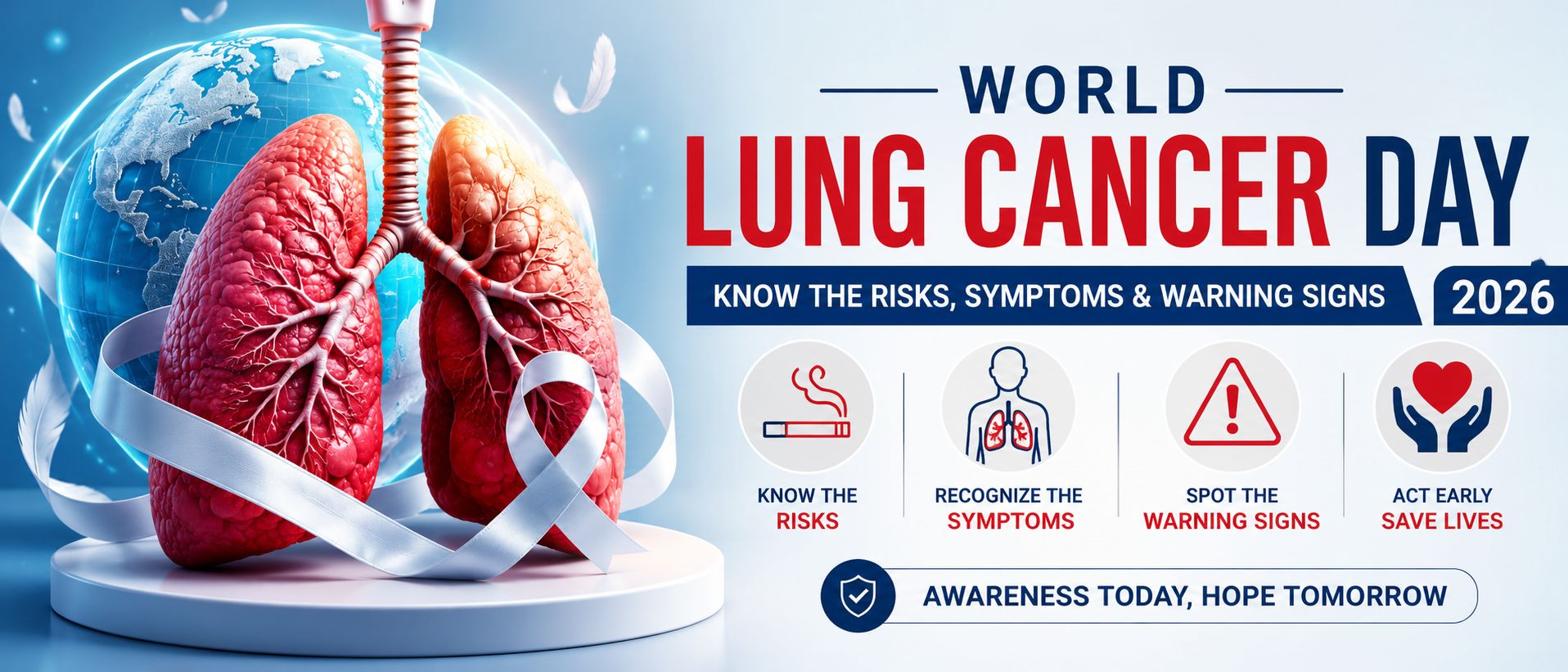

Every year on August 1, World Lung Cancer Day 2026 serves as a global reminder that lung cancer continues to be one of the world’s deadliest diseases. Despite remarkable advances in medical science, millions of people are still diagnosed at an advanced stage because the disease often develops silently. The purpose of this awareness day is not only to honor patients, survivors, caregivers, and healthcare professionals but also to encourage people to recognize warning signs early and seek timely medical advice.
According to the latest figures from the International Agency for Research on Cancer (IARC), lung cancer remains the most commonly diagnosed cancer worldwide and the leading cause of cancer-related deaths. The latest GLOBOCAN estimates report approximately 2.6 million new lung cancer cases and nearly 1.9 million deaths globally, highlighting the enormous burden this disease places on healthcare systems and families.
The encouraging news is that many lung cancer cases are preventable. Public awareness, avoiding tobacco, reducing exposure to harmful pollutants, and participating in recommended screening programs can dramatically improve outcomes. Throughout this guide, you’ll learn about Lung Cancer Awareness, Lung Cancer Symptoms, Early Signs of Lung Cancer, Lung Cancer Risk Factors, and practical ways to protect your health in 2026 and beyond.
Lung Cancer Awareness – The Global Impact
Lung Cancer Awareness has become more important than ever because the disease affects people across every age group, gender, and country. While smoking remains the leading cause, doctors are increasingly diagnosing lung cancer in individuals who have never smoked. This changing pattern highlights the need for awareness that goes beyond tobacco use alone. Environmental pollution, occupational exposure to hazardous substances, family history, and genetic mutations are also contributing factors that deserve greater public attention. Recent reports have also noted a growing number of lung cancer diagnoses among younger adults and non-smokers, emphasizing that no one should ignore persistent respiratory symptoms.
Global health organizations continue to emphasize prevention because the majority of cases are linked to modifiable risk factors. The World Health Organization and IARC estimate that nearly 40% of cancer cases worldwide could be prevented through healthier lifestyles, tobacco control, reduced exposure to environmental hazards, vaccination where applicable, and better public health policies. Tobacco remains the single largest preventable cause of cancer globally, making smoking cessation one of the most effective ways to reduce lung cancer risk.
The economic and emotional burden of lung cancer is equally significant. Treatment often involves surgery, chemotherapy, radiation therapy, immunotherapy, or targeted therapies, depending on the stage and type of cancer. These treatments can be physically demanding and financially challenging for patients and families. That is why awareness campaigns focus not only on prevention but also on encouraging early diagnosis, which often results in simpler treatment options, lower healthcare costs, and significantly improved survival rates.
Communities, governments, healthcare organizations, and educational institutions all have a role to play in promoting awareness. Public campaigns, smoking cessation programs, workplace safety regulations, and clean air initiatives can collectively reduce future cases of lung cancer. Awareness is no longer just about knowing the disease—it is about taking meaningful action before symptoms become severe.
Lung Cancer Symptoms Everyone Should Know
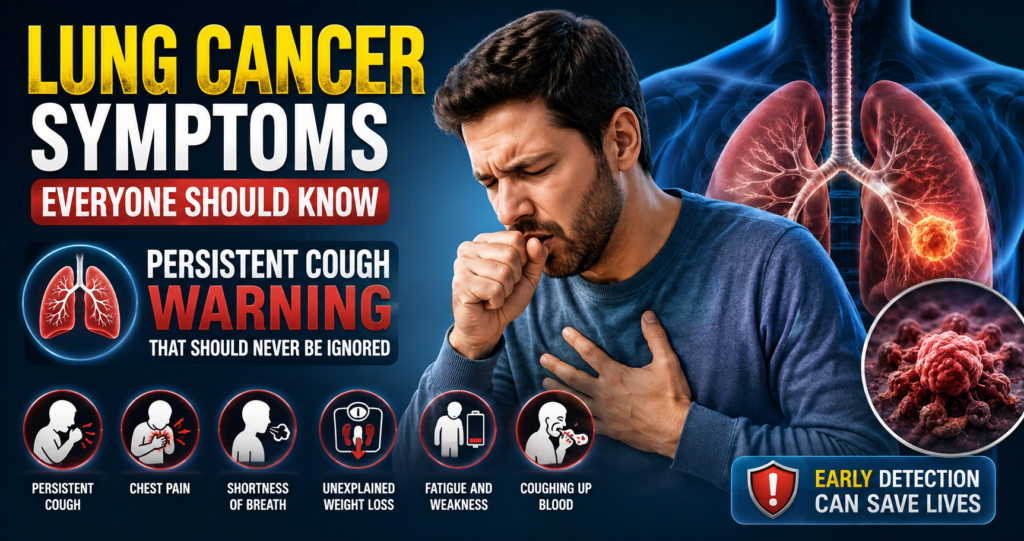
Recognizing Lung Cancer Symptoms early can be lifesaving. One of the greatest challenges with lung cancer is that many people experience few or no symptoms during the early stages. As the tumor grows, symptoms gradually become more noticeable, but they are often mistaken for common respiratory infections, seasonal allergies, or the effects of aging. This misunderstanding frequently delays diagnosis until the disease has already progressed.
The most common symptom is a cough that refuses to go away. Many individuals assume it is a lingering cold or smoker’s cough, but any cough lasting several weeks deserves medical evaluation. Other symptoms include coughing up blood, unexplained chest pain, wheezing, hoarseness, recurring chest infections, fatigue, unexplained weight loss, loss of appetite, and shortness of breath. While these symptoms do not always indicate cancer, persistent or worsening symptoms should never be ignored.
Another important point is that symptoms vary depending on where the tumor develops. Tumors near the airways often produce coughing and breathing difficulties, whereas tumors located deeper in the lungs may remain silent until they become larger. Some patients also experience shoulder pain, bone pain, headaches, or neurological symptoms if the disease spreads beyond the lungs.
Healthcare professionals recommend seeking medical advice whenever respiratory symptoms persist for more than three weeks or worsen over time. Early medical assessment allows physicians to perform imaging studies and additional investigations before the disease advances. Remember that prompt diagnosis does not necessarily mean a cancer diagnosis, but delaying evaluation can reduce treatment options if cancer is present.
Persistent Cough Warning That Should Never Be Ignored
A Persistent Cough Warning is one of the strongest messages promoted during World Lung Cancer Day 2026. While many coughs result from infections or allergies, a cough that continues for several weeks without improvement deserves immediate attention. This is especially true if the cough changes in character, becomes more painful, or starts producing blood-stained mucus.
People who smoke often dismiss chronic coughing as a normal consequence of tobacco use. Unfortunately, this assumption has contributed to delayed lung cancer diagnoses in countless patients. Doctors advise paying attention to any significant change in a long-standing smoker’s cough, as this may signal an underlying disease requiring prompt evaluation.
Persistent coughing may also be accompanied by chest discomfort, wheezing, difficulty breathing, or repeated episodes of bronchitis and pneumonia. These recurring infections sometimes occur because a growing tumor partially blocks an airway, allowing bacteria to multiply more easily. Treating the infection alone does not resolve the underlying cause if cancer is present.
Although a persistent cough does not automatically mean lung cancer, it should never be ignored. Consulting a healthcare provider allows appropriate diagnostic tests such as chest imaging, pulmonary evaluation, or additional investigations when necessary. Early recognition of this simple symptom has saved countless lives by identifying cancer before it spreads.
Early Signs of Lung Cancer You Should Never Ignore
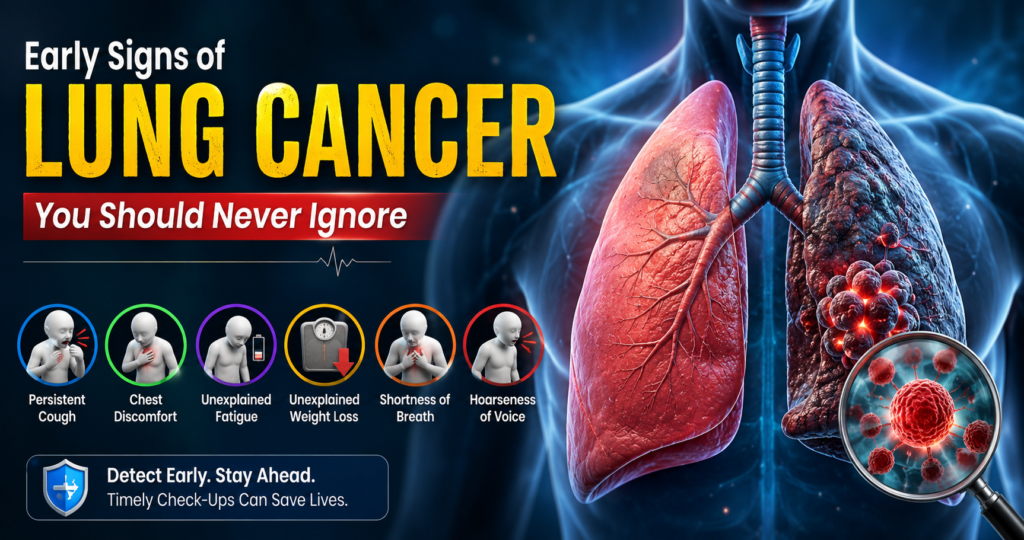
The Early Signs of Lung Cancer are often subtle and easily overlooked. Unlike many illnesses that produce dramatic symptoms from the beginning, lung cancer can quietly develop over months or even years. By the time severe symptoms appear, the disease may already be at an advanced stage. This is why understanding these early warning signals is one of the most important aspects of Lung Health Awareness.
Early warning signs may include unexplained tiredness, reduced exercise tolerance, frequent chest infections, mild shortness of breath during routine activities, persistent shoulder pain, hoarseness, or unexplained weight loss. Some individuals notice that climbing stairs suddenly becomes more difficult despite no obvious change in physical fitness. Others experience recurring respiratory infections that repeatedly return after antibiotic treatment.
Many of these symptoms overlap with common illnesses such as asthma, chronic bronchitis, allergies, or seasonal viral infections. Because they appear harmless, people often postpone medical evaluation until symptoms worsen significantly. This delay reduces the likelihood of detecting cancer when it is still localized and easier to treat.
Medical experts consistently emphasize that awareness is the first step toward prevention. Understanding your body’s normal patterns makes it easier to recognize unusual changes. If symptoms persist, worsen, or occur together, seeking timely medical attention is always the safest choice. Advances in imaging technology and screening programs have made early diagnosis more achievable than ever, giving patients a far better chance of successful treatment and long-term survival.
Lung Cancer Risk Factors Beyond Smoking
Many people automatically associate lung cancer with cigarette smoking, but modern research shows that the disease has numerous causes. Understanding Lung Cancer Risk Factors is essential because not everyone who develops lung cancer has a history of smoking. While tobacco remains the leading cause, healthcare professionals increasingly diagnose lung cancer in people exposed to environmental pollution, occupational hazards, genetic mutations, and other lifestyle-related factors. Raising awareness about these lesser-known risks can help individuals recognize their vulnerability and seek appropriate screening when necessary.
Age is one of the most significant risk factors, with the majority of cases occurring in adults over the age of 50. Family history also plays an important role. Individuals with close relatives who have had lung cancer may have an increased genetic susceptibility, particularly when combined with smoking or environmental exposures. Long-term exposure to air pollution, especially fine particulate matter (PM2.5), has also been linked to higher lung cancer rates in many urban areas worldwide. According to the World Health Organization (WHO), outdoor air pollution is a major environmental health risk that contributes to respiratory diseases, including lung cancer. Continuous exposure to polluted air can damage lung tissue over time, increasing the likelihood of abnormal cell growth.
Occupational exposure is another often-overlooked contributor. Workers in industries involving asbestos, silica dust, diesel exhaust, arsenic, chromium, nickel, and certain chemical fumes face a greater risk of developing lung cancer after years of exposure. Employers are encouraged to provide proper protective equipment and maintain safe working environments, while employees should follow occupational safety guidelines diligently.
Lifestyle factors also influence lung health. Poor nutrition, lack of physical activity, excessive alcohol consumption, and chronic respiratory diseases may indirectly contribute to overall cancer risk. While these factors alone may not cause lung cancer, maintaining a healthy lifestyle strengthens the body’s natural defense mechanisms and supports long-term lung function. Understanding the complete range of Lung Cancer Risk Factors empowers individuals to make informed decisions that protect their health.
Smoking and Lung Cancer – Understanding the Connection
The relationship between Smoking and Lung Cancer has been scientifically established for decades. Cigarette smoke contains more than 7,000 chemicals, including at least 70 known carcinogens, which damage the DNA of lung cells. Over time, repeated exposure causes genetic mutations that may eventually develop into cancer. Although smoking rates have declined in many countries, tobacco use remains the leading cause of lung cancer globally, accounting for approximately 85% of cases. Smoking cessation remains one of the most effective ways to reduce lung cancer risk.
The danger increases with both the number of cigarettes smoked and the duration of smoking. Heavy smokers face significantly higher risks than occasional smokers, but there is no completely safe level of tobacco use. Cigars, pipes, bidis, hookahs, and smokeless tobacco products also carry health risks, although their patterns of risk may differ. Even individuals who quit smoking after many years continue to benefit because the lungs begin repairing some of the damage almost immediately. Within a few years of quitting, the risk of lung cancer gradually declines compared with those who continue smoking.
Smoking also weakens the immune system and damages the tiny hair-like structures called cilia that help remove toxins from the lungs. As these natural defense mechanisms deteriorate, harmful chemicals remain in the lungs for longer periods, increasing the chance of cellular damage. Smokers are also more susceptible to chronic bronchitis, emphysema, and other respiratory illnesses that further compromise lung health.
The encouraging message is that it is never too late to quit. Smoking cessation programs, nicotine replacement therapies, counseling, prescription medications, and community support groups have helped millions of people successfully stop smoking. Every smoke-free day reduces future health risks and improves overall well-being. During World Lung Cancer Day 2026, healthcare experts continue emphasizing that quitting smoking remains the single most effective step toward preventing lung cancer.
Secondhand Smoke Risks and Environmental Exposure
Many people believe that only smokers develop lung cancer, but Secondhand Smoke Risks are equally important to understand. Secondhand smoke is the combination of smoke exhaled by smokers and smoke released from burning tobacco products. This invisible mixture contains thousands of harmful chemicals, many of which are carcinogenic. Children, pregnant women, elderly individuals, and people with chronic respiratory illnesses are especially vulnerable because their lungs are more sensitive to toxic exposure.
Research has consistently shown that living or working with smokers significantly increases the likelihood of developing lung cancer, even for people who have never smoked themselves. Regular exposure in homes, offices, restaurants, or public spaces allows harmful particles to accumulate in the lungs over many years. According to public health authorities, there is no safe level of exposure to secondhand smoke, making smoke-free environments essential for protecting community health.
Environmental pollution presents another growing concern. Rapid urbanization, industrial emissions, vehicle exhaust, wildfire smoke, and indoor air pollution from solid fuels all contribute to declining air quality. Long-term exposure to polluted air has been associated with increased rates of lung cancer, particularly among non-smokers. Fine particulate matter can penetrate deep into the lungs, causing chronic inflammation and cellular damage that may eventually lead to cancer.
Reducing exposure requires both personal and community action. Choosing smoke-free environments, improving indoor ventilation, using clean cooking fuels, wearing protective equipment in hazardous workplaces, and supporting policies that improve air quality all contribute to healthier lungs. Public awareness campaigns continue to highlight that lung cancer prevention involves protecting not only smokers but everyone exposed to harmful environmental pollutants.
Non-Smoker Lung Cancer: Why It Happens
One of the most surprising developments in modern oncology is the increasing recognition of Non-Smoker Lung Cancer. Thousands of individuals diagnosed each year have never smoked a single cigarette. This has challenged long-standing assumptions about who is at risk and reinforced the importance of awareness for everyone, regardless of smoking history.
Scientists believe that multiple factors contribute to lung cancer in non-smokers. Genetic mutations play a significant role, especially mutations involving genes such as EGFR, ALK, ROS1, and others that drive abnormal cell growth. These mutations are often found in younger patients and women who have never smoked. Advances in precision medicine now allow physicians to identify these mutations and prescribe targeted therapies that improve treatment outcomes.
Environmental exposures remain another major contributor. Long-term exposure to radon gas, air pollution, secondhand smoke, asbestos, and industrial chemicals may all increase risk. Certain chronic lung diseases, including pulmonary fibrosis and chronic inflammation, have also been associated with higher lung cancer incidence. Family history further increases susceptibility in some individuals.
Perhaps the most important lesson is that anyone experiencing persistent respiratory symptoms should seek medical advice, regardless of smoking status. Many non-smokers delay evaluation because they assume lung cancer only affects smokers. Public health experts hope that increased Lung Health Awareness will eliminate this misconception and encourage earlier diagnosis among all populations. As awareness improves, more people may benefit from early detection, personalized treatments, and better survival outcomes.
Lung Cancer Prevention – Practical Steps to Lower Your Risk
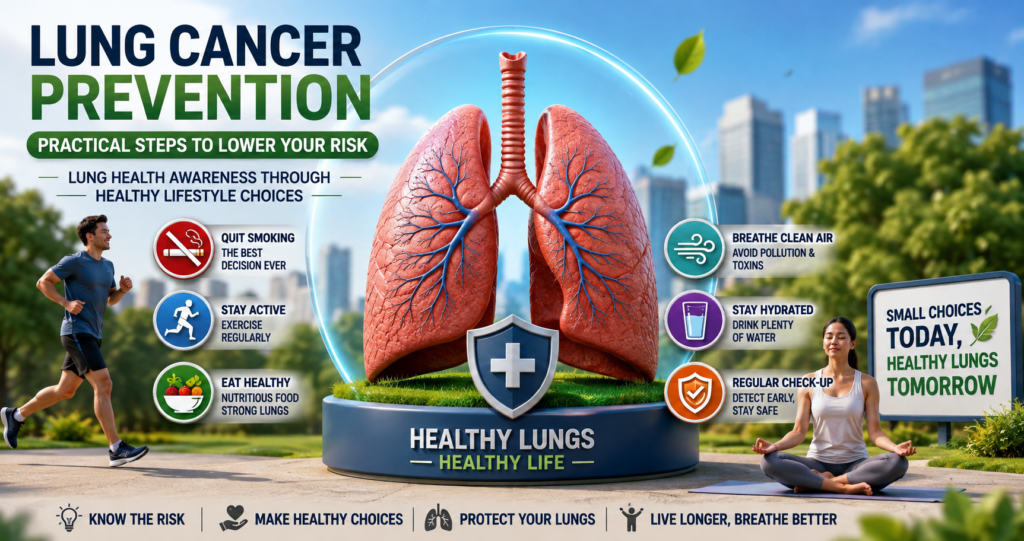
The good news about lung cancer is that many cases can be prevented. Lung Cancer Prevention begins with understanding controllable risk factors and making healthy choices throughout life. While genetics cannot be changed, lifestyle and environmental exposures often can. Every positive step contributes to stronger lungs and improved overall health.
The most effective preventive measure remains avoiding tobacco in all forms. Individuals who smoke should consider quitting as early as possible, while non-smokers should avoid starting altogether. Protecting yourself from secondhand smoke is equally important, especially in homes and workplaces. Maintaining smoke-free environments benefits entire families and communities.
Regular physical activity supports healthy lung function and improves cardiovascular fitness. A balanced diet rich in fruits, vegetables, whole grains, and antioxidant-containing foods provides essential nutrients that help protect cells from damage. Maintaining a healthy body weight and limiting alcohol consumption further reduce overall cancer risk. Individuals working in hazardous industries should consistently use protective equipment and follow occupational safety regulations to minimize exposure to carcinogens.
Vaccinations, prompt treatment of respiratory infections, and routine health check-ups also contribute to lung health. While no strategy completely eliminates risk, combining these preventive measures substantially lowers the likelihood of developing lung cancer. Prevention is a lifelong commitment rather than a single action, making daily healthy choices incredibly valuable.
Lung Health Awareness Through Healthy Lifestyle Choices
Promoting Lung Health Awareness extends beyond avoiding smoking. Healthy lungs require ongoing care through proper nutrition, exercise, clean air, and preventive healthcare. Regular aerobic activities such as walking, swimming, cycling, and jogging improve lung capacity while strengthening respiratory muscles. Deep breathing exercises may also enhance lung efficiency and overall well-being.
Nutrition plays an important supporting role. Diets rich in colorful fruits and vegetables provide vitamins, minerals, antioxidants, and phytochemicals that protect cells from oxidative stress. Although no specific food prevents lung cancer, balanced nutrition supports immune function and overall health. Staying hydrated also helps maintain healthy mucus production within the respiratory system.
People should also pay attention to indoor air quality. Proper ventilation, reducing exposure to household chemicals, avoiding indoor smoking, controlling mold, and using air purification systems where appropriate all contribute to healthier breathing environments. During periods of poor outdoor air quality, limiting prolonged outdoor activities can reduce exposure to harmful pollutants.
Finally, regular medical check-ups encourage early identification of respiratory problems before they become serious. Healthcare providers can offer smoking cessation support, assess individual risk factors, recommend vaccinations, and discuss whether lung cancer screening is appropriate. Awareness, prevention, and routine healthcare together provide the strongest defense against lung disease.
Lung Cancer Screening – Why Early Testing Can Save Lives
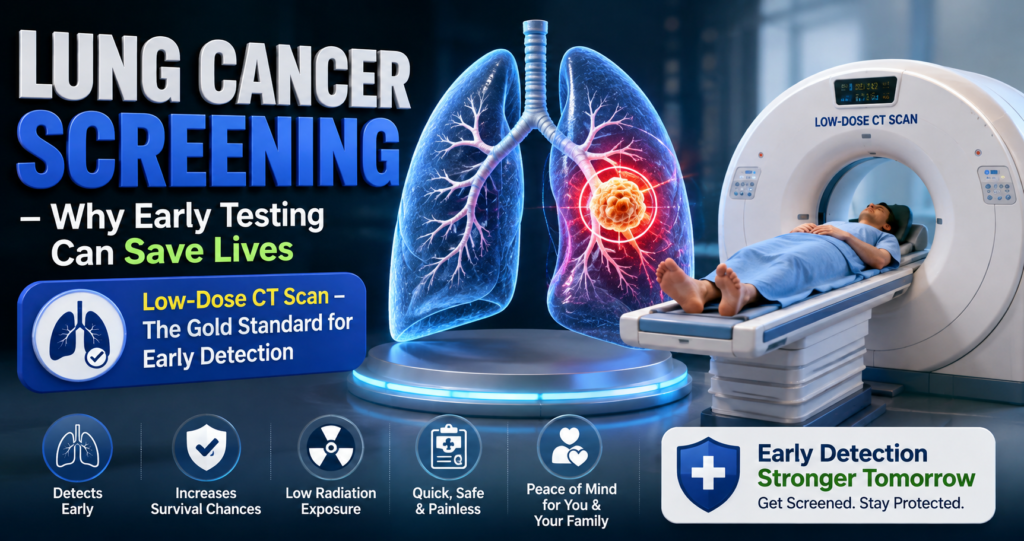
One of the most significant advances in the fight against lung cancer is the increased availability of Lung Cancer Screening. Unlike many cancers that only become noticeable after symptoms develop, lung cancer can often be detected before it causes serious health problems through appropriate screening programs. Early diagnosis allows doctors to identify small tumors that may still be localized and highly treatable. This dramatically improves survival rates compared with cancers detected after they have spread to other organs.
Medical experts recommend screening only for people who meet specific high-risk criteria because routine screening is not appropriate for everyone. Individuals with a long history of cigarette smoking, especially adults between the recommended screening ages, are generally considered the highest-risk group. Healthcare providers evaluate smoking history, overall health, age, and other Lung Cancer Risk Factors before recommending screening. Discussing personal risk with a physician helps determine whether screening is beneficial.
Screening is not a replacement for quitting smoking. People who continue smoking remain at significantly higher risk even if they undergo regular scans. The greatest health benefit comes from combining smoking cessation with appropriate screening when recommended. Screening also requires follow-up because some abnormal findings may need additional imaging or further investigation to determine whether they are cancerous.
During World Lung Cancer Day 2026, healthcare organizations continue encouraging high-risk individuals to speak with their doctors about screening options. Increasing participation in evidence-based screening programs has the potential to reduce lung cancer deaths by detecting cancers at an earlier and more curable stage.
Low-Dose CT Scan – The Gold Standard for Early Detection
A Low-Dose CT Scan has become the preferred method for Lung Cancer Screening among eligible high-risk adults. Unlike a standard chest X-ray, a low-dose CT scan produces detailed cross-sectional images of the lungs while using significantly less radiation than a conventional CT scan. These detailed images enable doctors to identify very small lung nodules that may not produce symptoms or appear on routine X-rays.
Large clinical studies have demonstrated that annual screening with low-dose CT scans can reduce lung cancer mortality among high-risk individuals by detecting cancers before they become advanced. Early-stage lung cancers are often small enough to be removed surgically or treated effectively with less extensive therapy. This is why early screening has become a cornerstone of modern lung cancer prevention strategies.
Not every nodule identified during screening is cancer. Many are caused by previous infections, inflammation, or benign conditions. Additional imaging or follow-up scans are sometimes recommended to monitor suspicious findings over time. Healthcare professionals carefully evaluate these results to avoid unnecessary procedures while ensuring that genuine cancers receive prompt treatment.
Patients should always discuss the benefits and limitations of screening with their healthcare provider. Factors such as age, smoking history, medical conditions, and overall life expectancy all influence whether a Low-Dose CT Scan is appropriate. Personalized medical advice ensures that screening provides the greatest benefit with the least risk.
Cancer Early Detection – Why Acting Quickly Makes All the Difference
Cancer Early Detection remains one of the most powerful weapons against lung cancer. The earlier cancer is diagnosed, the more treatment options are available and the greater the chance of successful recovery. Many early-stage lung cancers can be treated with surgery alone or in combination with targeted therapies, often leading to significantly better long-term outcomes than cancers diagnosed after they have spread.
Modern medicine has transformed lung cancer treatment through remarkable advances in precision medicine, immunotherapy, molecular testing, minimally invasive surgery, and targeted therapies. These innovations have improved survival and quality of life for many patients. However, their success depends heavily on timely diagnosis. Delaying medical evaluation because symptoms seem minor can allow cancer to progress beyond its earliest and most treatable stage.
Individuals should seek medical attention if they experience persistent respiratory symptoms such as an ongoing cough, coughing up blood, unexplained weight loss, chest pain, prolonged hoarseness, recurring chest infections, or increasing shortness of breath. Even when these symptoms are caused by non-cancerous conditions, early medical evaluation provides reassurance and appropriate treatment.
Public awareness campaigns emphasize that recognizing warning signs is everyone’s responsibility. Families, workplaces, schools, and communities all play a role in encouraging prompt medical care rather than ignoring persistent symptoms. Early action truly saves lives.
Myths and Facts About Lung Cancer
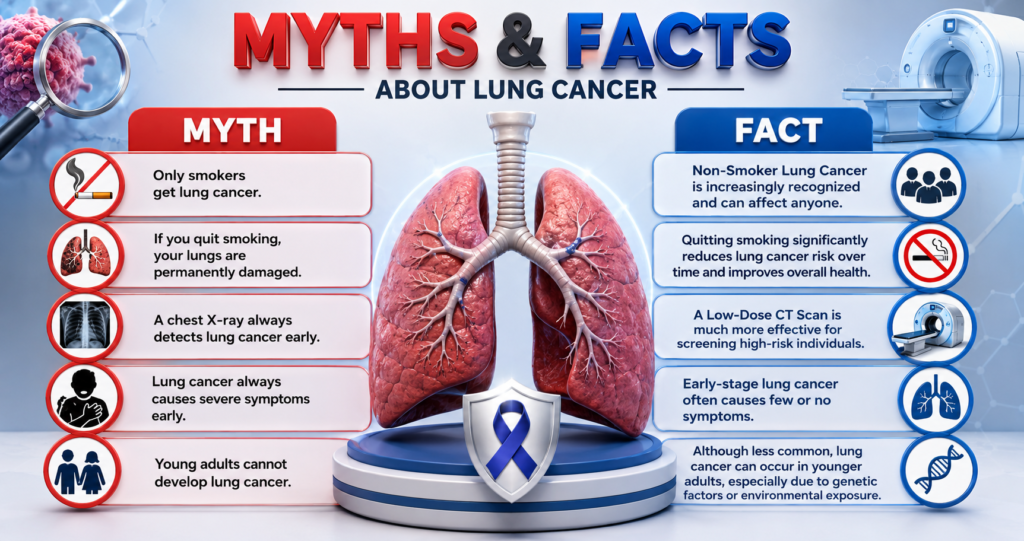
Despite growing awareness, many misconceptions still surround lung cancer. These myths often prevent people from seeking timely medical care or participating in screening programs. Understanding the facts helps individuals make informed healthcare decisions.
| Myth | Fact |
| Only smokers get lung cancer. | Non-Smoker Lung Cancer is increasingly recognized and can affect anyone. |
| If you quit smoking, your lungs are permanently damaged. | Quitting smoking significantly reduces lung cancer risk over time and improves overall health. |
| A chest X-ray always detects lung cancer early. | A Low-Dose CT Scan is much more effective for screening high-risk individuals. |
| Lung cancer always causes severe symptoms early. | Early-stage lung cancer often causes few or no symptoms. |
| Young adults cannot develop lung cancer. | Although less common, lung cancer can occur in younger adults, especially due to genetic factors or environmental exposure. |
Separating myths from facts empowers people to take preventive action instead of relying on outdated assumptions. Education remains one of the strongest tools in reducing lung cancer mortality worldwide.
Conclusion
World Lung Cancer Day 2026 reminds us that awareness has the power to save lives. Lung cancer continues to affect millions of people across the globe, yet many cases can be prevented through healthier lifestyles, tobacco control, cleaner environments, and timely medical care. Understanding Lung Cancer Symptoms, recognizing the Early Signs of Lung Cancer, learning about Lung Cancer Risk Factors, and participating in appropriate Lung Cancer Screening programs can make an enormous difference.
The message is simple: never ignore a Persistent Cough Warning, unexplained weight loss, chest pain, or ongoing breathing difficulties. Whether you are a smoker, former smoker, or have never smoked, staying informed about Secondhand Smoke Risks, Non-Smoker Lung Cancer, and Lung Cancer Prevention helps protect both yourself and your loved ones.
This World Lung Cancer Awareness Day, take a moment to encourage someone to quit smoking, schedule a health check-up, support cleaner air initiatives, or simply share accurate information. Every conversation about lung health has the potential to save a life. Awareness begins with knowledge, but lasting change happens when knowledge leads to action.
Frequently Asked Questions (FAQs)
1. What is World Lung Cancer Day 2026?
World Lung Cancer Day 2026 is observed on August 1 to raise global awareness about lung cancer prevention, early diagnosis, treatment, patient support, and ongoing research.
2. What are the earliest Lung Cancer Symptoms?
The earliest Lung Cancer Symptoms may include a persistent cough, chest discomfort, unexplained fatigue, shortness of breath, hoarseness, coughing up blood, and unexplained weight loss.
3. Who should get a Low-Dose CT Scan?
A Low-Dose CT Scan is generally recommended for adults at high risk of lung cancer, particularly those with a significant smoking history. A healthcare provider can determine individual eligibility.
4. Can Non-Smoker Lung Cancer occur?
Yes. Non-Smoker Lung Cancer is becoming increasingly recognized and may result from genetic mutations, radon exposure, air pollution, secondhand smoke, occupational hazards, or other environmental factors.
5. How can I reduce my Lung Cancer Risk?
You can lower your risk by avoiding tobacco, protecting yourself from Secondhand Smoke Risks, maintaining a healthy lifestyle, improving indoor air quality, following workplace safety measures, and discussing Lung Cancer Screening with your healthcare provider if you are at high risk.
Leave a Reply