
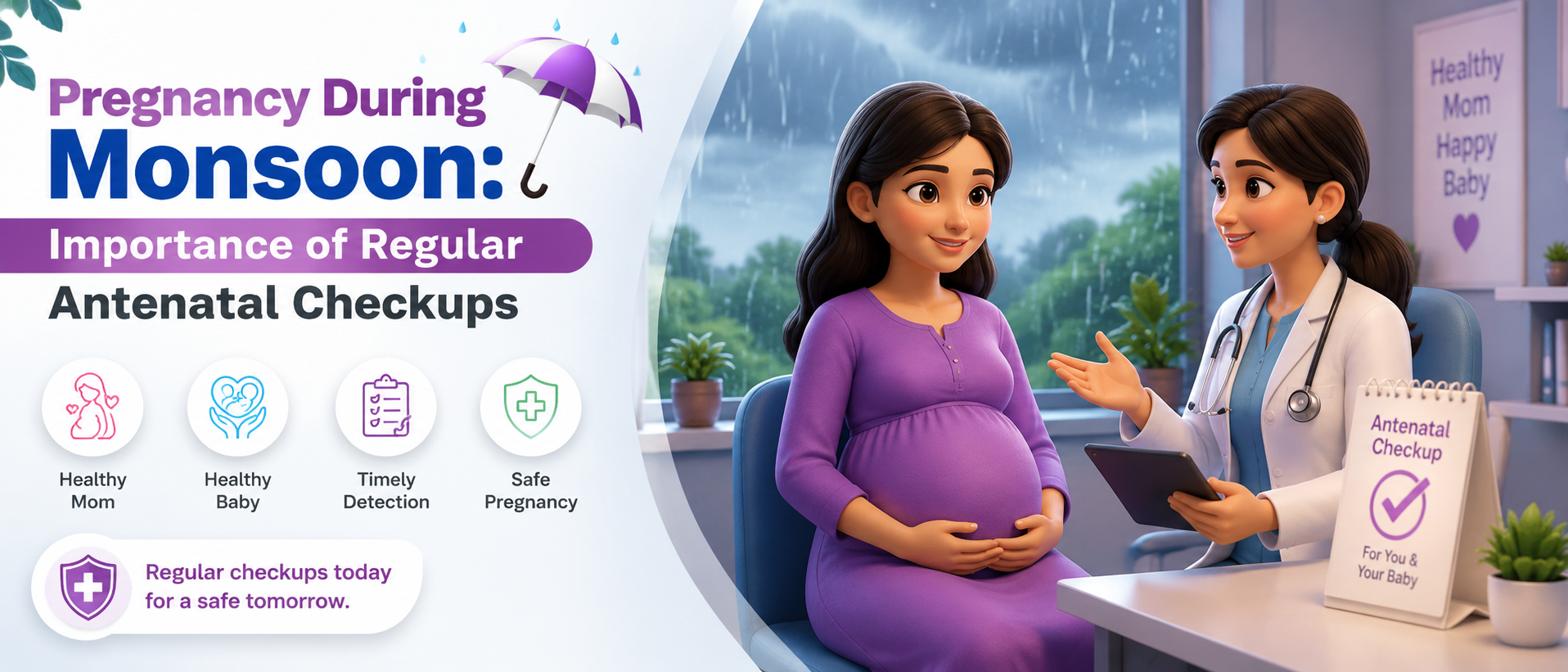

Pregnancy is a special journey, but it also requires consistent attention to the health of both mother and baby. When the monsoon season arrives, changes in temperature, humidity, water quality, food hygiene, mosquito activity and seasonal infections can create additional health concerns. This does not mean that every pregnant woman will experience complications during the rainy season. It simply means that pregnancy care should remain consistent and that symptoms should not be ignored. Regular antenatal checkup in pregnancy gives healthcare professionals an opportunity to monitor maternal health, assess fetal growth, review nutrition, identify possible complications and provide timely advice. The World Health Organization (WHO) describes antenatal care as regular contact with skilled health personnel and recommends eight contacts during pregnancy to improve opportunities for screening, prevention and management of potential complications. For women searching online for pregnancy antenatal checkup near me, the priority should therefore be finding accessible, qualified maternity care rather than simply choosing the nearest facility. A planned approach to prenatal care is like having a reliable map during a long journey: it helps you know where you are, what needs to happen next and when professional guidance is needed.
Why Monsoon Pregnancy Needs Extra Attention
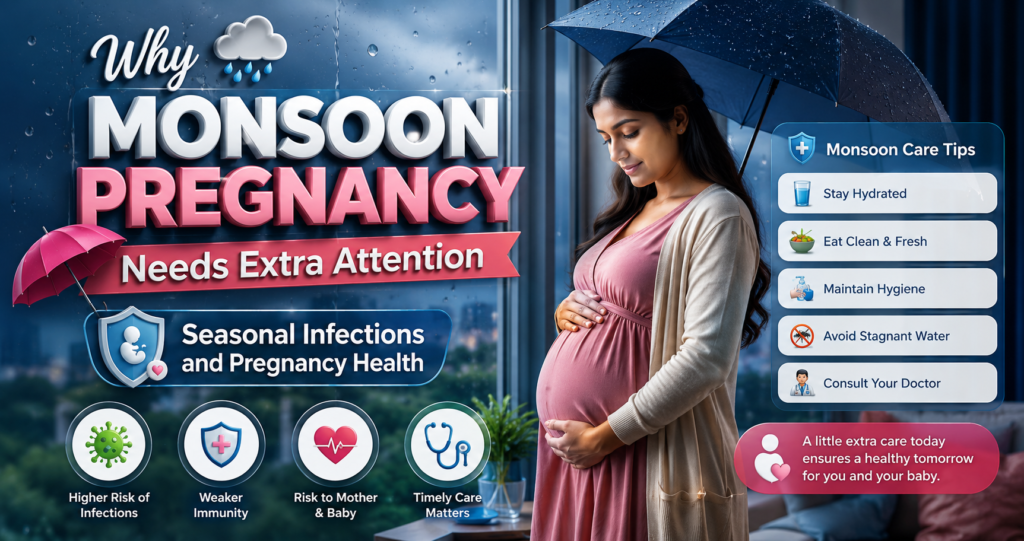
The monsoon season can change everyday health conditions considerably. Standing water can encourage mosquito breeding, heavy rainfall can affect sanitation, and humid weather may make food spoilage and contamination more likely if food is not stored properly. Pregnant women should therefore pay particular attention to safe drinking water, thoroughly cooked food, hand hygiene, mosquito-bite prevention and timely medical assessment when illness develops. Pregnancy itself involves physiological and immune changes, so an infection or fever should not automatically be treated as an ordinary seasonal illness without professional advice. WHO notes that pregnancy can increase susceptibility to malaria and that malaria during pregnancy can contribute to maternal anaemia and serious pregnancy outcomes, particularly in areas where malaria transmission occurs. This is one reason seasonal awareness matters, especially for women living in or travelling to areas where mosquito-borne infections are common. Rather than becoming anxious about every monsoon-related illness, pregnant women can focus on practical prevention and maintain scheduled medical appointments. Regular monitoring provides reassurance while also creating opportunities to identify problems early.
Seasonal Infections and Pregnancy Health
Rainy weather itself does not cause pregnancy complications, but the environmental conditions associated with monsoon can increase exposure to certain infections and health risks. Mosquitoes, for example, can transmit diseases such as malaria and dengue, while contaminated food or water can contribute to gastrointestinal illness. WHO India identifies Aedes mosquitoes as vectors for diseases including dengue and chikungunya, and recommends mosquito-bite prevention measures such as using appropriate repellents, wearing clothing that covers the body and eliminating containers that can hold stagnant water. During pregnancy, the correct response to fever, chills, persistent vomiting, diarrhoea, severe weakness, rash or unusual body pain is not to self-diagnose. A doctor can decide whether examination or testing is necessary based on symptoms, pregnancy stage and local disease patterns. This is particularly important because some medicines commonly used for fever or infection may not be appropriate during pregnancy without medical guidance. Keeping your antenatal appointments also gives you a chance to discuss any recent illness, mosquito exposure, travel or dietary problems with your healthcare provider.
Importance of Regular Antenatal Checkup in Pregnancy
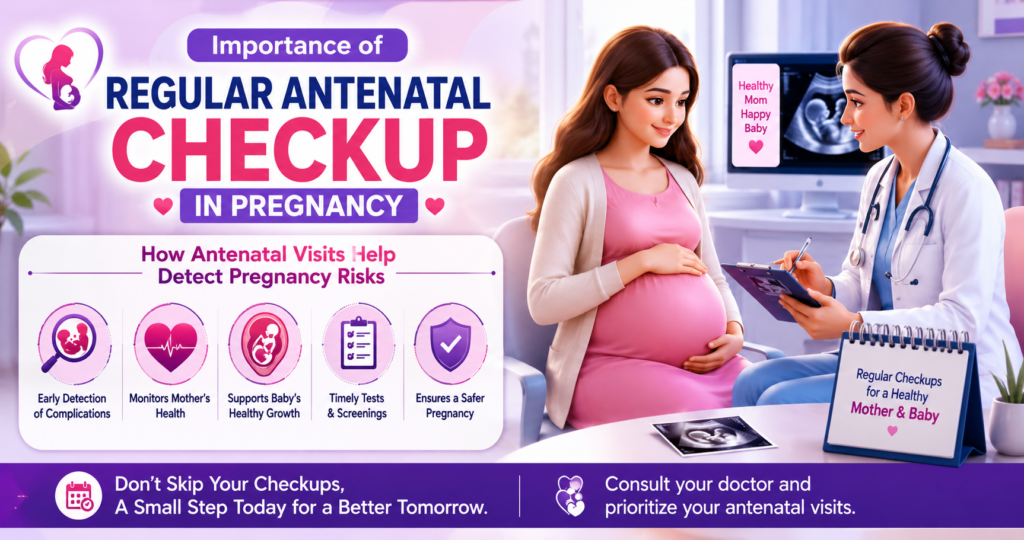
A regular antenatal checkup in pregnancy is much more than a routine appointment where weight is recorded and a prescription is renewed. It is a structured opportunity to assess the mother and developing baby, identify risk factors and provide preventive care. WHO recommendations include monitoring measures such as blood pressure, weight and BMI throughout pregnancy, while the first contact can include confirmation of pregnancy and routine blood tests, with ultrasound used at an appropriate stage to estimate gestational age. Regular appointments can help healthcare professionals recognize concerns such as anaemia, high blood pressure, abnormal fetal growth or symptoms that require further investigation. They also allow the pregnant woman to ask questions about nutrition, physical activity, medicines, vaccinations, sleep, travel and common pregnancy discomforts. Skipping appointments because the pregnancy feels normal can be risky because some pregnancy complications may initially produce few or no obvious symptoms. Consistent care creates a baseline against which changes can be assessed. In practical terms, antenatal care works like regular maintenance for a vehicle: you do not wait for a warning light to become a breakdown before checking what is happening.
How Antenatal Visits Help Detect Pregnancy Risks
One of the strongest reasons to maintain scheduled antenatal contacts is early identification of potential problems. A woman may feel perfectly well while developing high blood pressure, anaemia or another condition that requires monitoring. Blood pressure measurement, physical assessment, laboratory investigations and fetal assessment can provide information that cannot always be obtained from symptoms alone. WHO states that increasing antenatal contacts provides more opportunities to detect and manage potential complications and reports that its recommended model increased contacts from four to eight. These appointments also create opportunities for healthcare providers to discuss preventive measures and provide individualized advice. The exact tests and timing should be determined by the obstetrician or maternity-care provider because pregnancy is not identical for every woman. A low-risk pregnancy and a high-risk pregnancy may require different levels of monitoring. Previous pregnancy complications, multiple pregnancy, existing medical conditions, abnormal test results or new symptoms can all influence the care plan. The important message is simple: antenatal care is preventive as well as diagnostic, so waiting until something feels wrong is not a substitute for scheduled pregnancy care.
When to Book Antenatal Checkup During Pregnancy
Women should generally begin antenatal care early rather than waiting until the pregnancy is advanced. WHO recommends the first antenatal contact within the first 12 weeks of pregnancy, followed by additional contacts during the second and third trimesters. Its eight-contact model includes contacts around 12 weeks or earlier, 20 weeks, 26 weeks, 30 weeks, 34 weeks, 36 weeks, 38 weeks and 40 weeks, with adjustments according to individual circumstances and local clinical practice. Therefore, if you are searching for book antenatal checkup during pregnancy, the best time is not a particular monsoon month but as early as possible after pregnancy is confirmed. Your doctor can then establish the appropriate schedule for examinations, laboratory tests, ultrasound and follow-up. Women who have missed an appointment should not simply abandon the schedule; they should contact their healthcare provider and ask when the next assessment should take place. Pregnancy care should also continue during holidays, travel or periods of heavy rainfall unless a healthcare professional advises otherwise. If transportation becomes difficult during monsoon, planning appointments ahead of time can reduce last-minute stress.
Understanding the Recommended Antenatal Schedule
Antenatal schedules are designed to increase monitoring as pregnancy progresses, while allowing care to be adapted to individual needs. Early pregnancy appointments commonly focus on confirming the pregnancy, assessing medical history and identifying risk factors, while subsequent appointments monitor maternal and fetal development. Blood tests, urine assessments, ultrasound examinations and other investigations may be recommended depending on pregnancy stage and clinical circumstances. WHO’s current antenatal-care materials identify routine blood testing at the first contact, ultrasound for gestational-age assessment in early pregnancy, screening for HIV, syphilis and hepatitis B as early as possible, and blood-pressure and weight assessment throughout pregnancy. These recommendations should not be interpreted as a universal checklist for every individual because local protocols and personal health circumstances can affect the exact care plan. A qualified obstetrician can explain which investigations are appropriate and when they should be performed. Keeping a written or digital record of appointments and results can also help you understand your pregnancy journey. During monsoon, this organized approach is particularly useful because seasonal illness may occur between scheduled visits and should be communicated to the maternity-care team.
Pregnancy Blood Tests and Antenatal Checkup
Pregnancy blood tests and antenatal checkup often work together because laboratory results can reveal conditions that cannot be identified through a physical examination alone. Depending on the stage of pregnancy and clinical circumstances, healthcare professionals may recommend tests related to blood group, haemoglobin, infections, glucose, thyroid function or other parameters. The exact panel should always be decided by the treating doctor rather than selected solely from an online list or commercial package. WHO recommends routine blood testing at the first antenatal contact and early screening for infections such as HIV, syphilis and hepatitis B. During monsoon, women should also tell their doctor if they develop fever, chills, rash, unusual weakness, persistent vomiting or other symptoms because the doctor may decide that additional testing is necessary. It is important not to assume that every fever during the rainy season requires the same diagnostic test. Medical evaluation should be based on symptoms, exposure, pregnancy stage and local disease prevalence. A properly interpreted blood report can be valuable, but a report by itself is not a diagnosis. The safest approach is to combine laboratory testing with clinical examination and professional interpretation.
Pregnancy Ultrasound and Antenatal Care
Pregnancy ultrasound and antenatal care are closely connected because ultrasound can provide important information about gestational age, fetal development and pregnancy characteristics when clinically indicated. WHO recommends an ultrasound before 24 weeks where available, with the purpose of estimating gestational age and improving detection of fetal anomalies and multiple pregnancies. The timing and number of ultrasound examinations, however, should be determined by the healthcare provider based on the pregnancy and clinical indications. An ultrasound should not be treated as a replacement for antenatal consultations because it is only one component of comprehensive maternity care. Blood pressure, weight, symptoms, medical history, laboratory results and fetal assessment all contribute to the overall picture. During the monsoon, an ultrasound does not become necessary simply because it is rainy season; rather, it remains part of the pregnancy-care schedule recommended for the individual woman. If you are looking for pregnancy ultrasound and antenatal care, consider a facility where diagnostic services and qualified maternity professionals can work together and where reports are appropriately reviewed by the treating doctor.
Prenatal Diagnostic Tests for Pregnancy
Prenatal diagnostic tests for pregnancy should be selected according to medical need, pregnancy stage, risk factors and the advice of a qualified healthcare professional. The term can cover a wide range of investigations, from routine laboratory tests to ultrasound-based assessments and specialized screening or diagnostic procedures. Not every pregnant woman needs every available test, and more testing does not automatically mean better care. A responsible prenatal-care plan balances necessary screening with the individual’s medical history and current findings. WHO’s antenatal-care guidance emphasizes screening, diagnosis, prevention and maternal and fetal assessment as important functions of antenatal care. If an initial test produces an unexpected result, the doctor may recommend repeat testing, additional investigations or specialist consultation rather than making an immediate conclusion. This stepwise approach helps avoid unnecessary worry. Women should also tell their provider about previous pregnancy history, family medical history, medications and any symptoms that have developed. During monsoon, the key principle remains unchanged: do not select diagnostic tests based solely on seasonal fear. Choose them based on professional assessment and the actual needs of the pregnancy.
Choosing an Antenatal Clinic for Pregnant Women
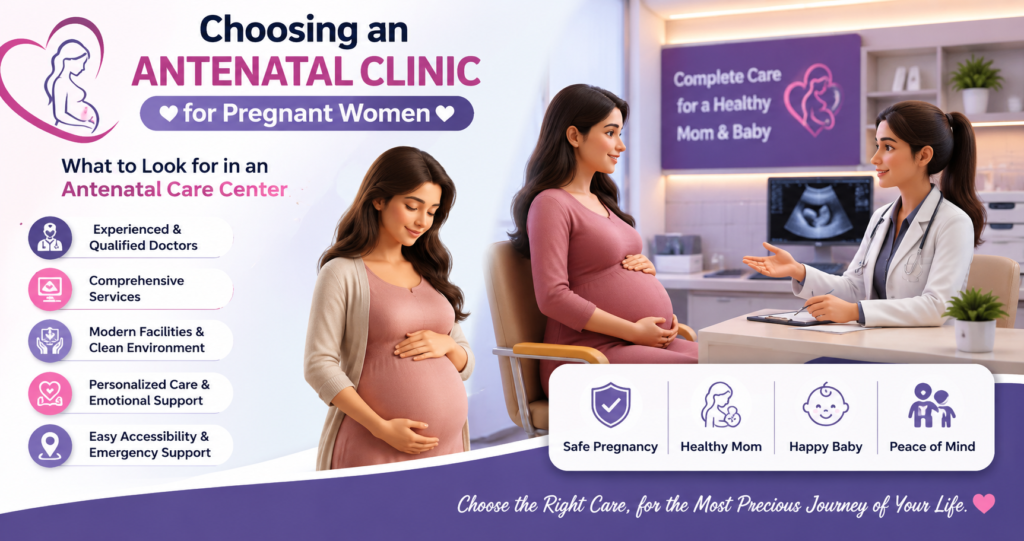
Choosing an antenatal clinic for pregnant women is an important practical decision because pregnancy care works best when appointments, investigations and medical advice can be coordinated. A convenient location may make it easier to attend scheduled visits, particularly when heavy rainfall or traffic can make travel challenging. However, convenience should be balanced with the qualifications of the healthcare professionals, availability of appropriate diagnostic services, emergency referral arrangements and clarity about appointment procedures. A good maternity-care facility should make it easy for a pregnant woman to understand what happens during each visit and whom to contact if symptoms occur between appointments. Women should also ask whether laboratory and ultrasound services are available on-site or through an established referral network. Accessibility matters because regular care depends on actually being able to attend appointments. WHO India has highlighted antenatal clinics where pregnant women receive screenings, blood tests and ultrasounds and where high-risk pregnancies are monitored under senior medical supervision. The best facility is therefore not necessarily the one with the most advertisements; it is the one that can provide appropriate, coordinated and qualified care.
What to Look for in an Antenatal Care Center
When comparing an antenatal facility, look beyond the phrase best antenatal care center near me and investigate what care is actually available. Ask whether qualified obstetricians or appropriate maternity-care professionals are available, whether routine laboratory investigations can be arranged, whether ultrasound services are accessible and how urgent symptoms are handled. It is also useful to understand appointment availability because missed or delayed consultations can interrupt the monitoring schedule. If the pregnancy becomes high risk, ask whether the facility has an established pathway for specialist evaluation and hospital referral. During monsoon, practical factors such as accessibility, operating hours and the ability to contact the clinic during severe weather can also be valuable. A trustworthy center should communicate clearly about prices and what is included in any package rather than presenting a package as a substitute for personalized medical care. Remember that no package can guarantee a complication-free pregnancy. The purpose of a good antenatal center is to provide appropriate monitoring, testing, counselling and timely medical intervention when necessary.
Antenatal Checkup Package for Pregnant Women
An antenatal checkup package for pregnant women can make routine maternity services easier to organize, especially when it combines selected consultations and investigations. However, package contents can vary significantly between healthcare providers. One package might include consultation and routine blood tests, while another may include ultrasound or additional investigations. Before booking, read the inclusions carefully and ask whether doctor consultation, laboratory interpretation, ultrasound reporting and follow-up visits are included. It is equally important to ask about exclusions because an inexpensive package can become more expensive if essential services are billed separately. Medical requirements should always come before package selection. A doctor may recommend an additional test that is not part of a standard package, or may advise against a test that is included but not clinically necessary at that stage. The most useful package is therefore one that supports the recommended care plan rather than one selected purely because it contains a large number of tests. Think of a package as an administrative convenience, not as a complete substitute for medical judgment.
Maternity Health Checkup Package: What Can It Include?
A maternity health checkup package may be designed to organize multiple components of pregnancy care, but there is no single universal package that applies to every pregnant woman. Depending on the healthcare provider, it may include consultations, routine laboratory tests, urine testing, blood pressure monitoring, selected ultrasound examinations and follow-up services. Some packages may be structured by trimester, while others may cover particular stages or groups of investigations. Before choosing one, compare the actual services rather than the package name. Ask which tests are performed, when they are scheduled, whether fasting is required for any investigation and whether a doctor reviews the results. You should also ask whether emergency or additional consultations are included. During pregnancy, new symptoms can change the recommended care plan, so a package should never prevent you from seeking an individual consultation when necessary. The safest approach is to use a package as a framework while allowing your obstetrician to customize care according to your pregnancy. A comprehensive package can be useful, but personalized clinical assessment remains the foundation.
Prenatal Care Consultation for Pregnancy
A prenatal care consultation for pregnancy provides an opportunity to discuss concerns that may not be captured by laboratory reports or ultrasound images. Pregnant women can ask about diet, supplements, physical activity, sleep, nausea, swelling, travel, vaccination, medicines and symptoms that have appeared since the previous appointment. During monsoon, it is particularly useful to discuss mosquito protection, food and water safety, fever and any recent exposure to seasonal infections. Healthcare providers can also assess whether symptoms are normal pregnancy changes or signs that require investigation. WHO describes antenatal care as including health promotion, screening, diagnosis and disease prevention, rather than simply conducting tests. This makes consultation a central part of pregnancy care. Women should be encouraged to bring previous reports and a list of medications or supplements to appointments. Asking questions is not a sign of being overly concerned; it is a practical way to understand what is happening. Clear communication between the pregnant woman and healthcare team can make the pregnancy journey more informed and less stressful.
Obstetrician Consultation During Pregnancy
An obstetrician consultation during pregnancy becomes especially important when there are symptoms, abnormal test results or factors that may increase pregnancy risk. An obstetrician can evaluate the mother’s health, assess fetal wellbeing and determine whether additional monitoring or investigations are needed. Even women with uncomplicated pregnancies benefit from appropriate professional follow-up because pregnancy changes continuously from one trimester to the next. During a consultation, the doctor may review blood pressure, weight, symptoms, laboratory findings and ultrasound reports and then determine the next steps. If a woman develops fever or another illness during monsoon, she should tell the obstetrician rather than taking medicines independently. The provider can decide whether examination or diagnostic testing is required. Women with previous pregnancy complications, multiple pregnancy or other risk factors may need a more individualized monitoring schedule. WHO emphasizes person-centred antenatal care and appropriate maternal and fetal assessment throughout pregnancy. Regular obstetric care therefore provides both medical supervision and a structured opportunity to make decisions before small concerns become bigger ones.
Pregnancy Health Checkup Near Me: How to Choose
Searching for pregnancy health checkup near me can be a convenient first step, but distance should not be the only selection criterion. Consider whether the facility provides qualified maternity consultations, appropriate diagnostic testing and reliable follow-up. During monsoon, a facility that is reasonably accessible can help reduce the likelihood of postponing appointments because of rain or transport difficulties. It is also useful to check whether appointment booking is straightforward and whether reports can be discussed with the treating doctor. If you are comparing multiple facilities, make a simple checklist covering consultation availability, diagnostic services, ultrasound access, package transparency and emergency referral arrangements. Avoid choosing a center solely because it advertises the largest number of tests. Pregnancy care is not a competition to collect reports; the goal is to obtain the right assessment at the right time. A smaller but well-coordinated maternity service may be more useful than a facility offering numerous unrelated investigations. Most importantly, confirm that the professionals responsible for your care are appropriately qualified and that your pregnancy history is reviewed before recommendations are made.
Complete Pregnancy Checkup Package and Follow-Up Care
A complete pregnancy checkup package may sound comprehensive, but the word “complete” should always be interpreted carefully. No package can cover every possible pregnancy situation, and a normal test result today does not eliminate the need for future monitoring. Pregnancy is dynamic, which means the appropriate tests can change as gestation progresses. A package can simplify scheduling and budgeting, but follow-up should remain individualized. If a woman has an abnormal blood result, elevated blood pressure, unusual symptoms or an ultrasound finding requiring monitoring, her doctor may recommend care outside the standard package. WHO’s antenatal-care framework emphasizes repeated contacts throughout pregnancy precisely because ongoing assessment creates opportunities to detect and manage changing risks. Therefore, women should avoid thinking of one comprehensive appointment as the finish line. The real value of antenatal care comes from continuity. Keep copies of your reports, attend the recommended follow-ups and inform your provider about any significant changes between appointments.
Monsoon Nutrition and Hydration During Pregnancy
Good nutrition and hydration remain important throughout pregnancy, regardless of season, but monsoon conditions make food and water hygiene particularly relevant. Pregnant women should prioritize safe drinking water, properly washed produce, freshly prepared foods and appropriate storage practices. Meals should provide a balanced range of nutrients according to individual medical advice, and supplements should be taken only as recommended by the healthcare provider. WHO antenatal-care recommendations include counselling on healthy eating and physical activity, as well as iron and folic acid supplementation according to pregnancy-care guidance. During humid weather, food may spoil more quickly, so questionable leftovers or improperly stored foods should not be consumed. If vomiting or diarrhoea occurs, dehydration can become a concern, particularly when symptoms are persistent. Instead of trying to manage significant symptoms at home for too long, contact your healthcare provider for advice. Nutrition during pregnancy should also be personalized because conditions such as diabetes, anaemia or other medical concerns may require specific dietary guidance. A healthy monsoon pregnancy is not about following a fashionable seasonal diet; it is about consistent, safe and nutritionally adequate eating.
Mosquito-Borne Illness Prevention During Pregnancy
Mosquito protection deserves special attention during monsoon because standing water can create breeding conditions. Pregnant women should reduce exposure by using appropriate physical barriers, wearing suitable clothing and following healthcare guidance about mosquito repellents. WHO recommends mosquito-bite prevention as an important measure in areas where mosquito-borne infections such as malaria are a concern, and insecticide-treated bed nets are considered safe as a personal protection method during pregnancy. The exact disease risks vary by location, so local public-health advice matters. If a pregnant woman develops fever, chills, severe weakness, headache, rash or other concerning symptoms after mosquito exposure, she should seek medical advice promptly rather than assuming it is an ordinary seasonal fever. Malaria can be particularly serious during pregnancy, and WHO notes that infection can increase risks including maternal illness, anaemia, premature delivery and low birth weight. Prevention is therefore not about fear; it is about reducing avoidable exposure and seeking timely medical assessment when symptoms appear.
Warning Signs That Need Prompt Medical Attention
Regular appointments are essential, but pregnant women should not wait for their next scheduled antenatal visit when concerning symptoms appear. Severe abdominal pain, heavy vaginal bleeding, fluid leakage, severe headache, vision changes, difficulty breathing, chest pain, fainting, persistent high fever, severe vomiting, significant swelling or noticeably reduced fetal movement later in pregnancy can require prompt medical assessment. The urgency can vary depending on the symptom and stage of pregnancy, so professional advice should be sought rather than relying on online symptom checkers. Monsoon can sometimes make it tempting to blame fever, weakness or gastrointestinal symptoms on the weather, but pregnancy changes the context. A healthcare provider may determine that an examination, blood test, urine test, ultrasound or other investigation is needed. WHO emphasizes that antenatal care provides opportunities to screen for complications and treat problems as they arise. Keep your maternity provider’s contact information accessible and know where to go if urgent assessment is needed. Early communication can be much safer than waiting for a scheduled appointment.
Book Pregnancy Doctor Consultation Without Delaying Care
If you have recently confirmed your pregnancy, developing a care plan should be one of the first priorities. Book pregnancy doctor consultation early so that your medical history, pregnancy stage and initial investigations can be reviewed. If you are already pregnant and have missed an appointment, contact your healthcare provider instead of assuming that you should simply wait until the next month. This is particularly relevant during monsoon when travel problems, flooding or heavy rain may interfere with routine schedules. Many clinics allow appointments to be planned in advance, which can make pregnancy care easier to manage. Bring previous medical records, prescriptions, test reports and details of any symptoms or medicines taken since the last consultation. If you have fever or another acute illness, mention it when booking so that the healthcare facility can provide appropriate instructions. Antenatal care should be continuous rather than occasional. WHO recommends at least eight antenatal contacts as part of its model, beginning early in pregnancy and continuing through the third trimester.
Best Antenatal Care Center Near Me: Questions to Ask
When searching for the best antenatal care center near me, ask practical questions before making a decision. Does the center provide qualified obstetrician consultations? Can routine pregnancy blood tests be arranged? Is ultrasound available when recommended? Are reports explained by a healthcare professional? What happens if an investigation shows an abnormal result? Is there a referral pathway for high-risk pregnancy or emergency care? These questions can tell you more about the quality and coordination of care than promotional claims. It is also useful to ask what is included in an antenatal or maternity package and what costs are separate. A good center should be transparent about its services and should not encourage unnecessary testing simply to make a package appear more comprehensive. WHO’s approach to antenatal care emphasizes respectful, individualized and person-centred care alongside clinical interventions. During monsoon, accessibility should also be considered because repeated appointments are easier to maintain when travel is manageable. Ultimately, the best antenatal center is one where you can receive appropriate medical supervision, understand your reports and get timely help when your pregnancy needs additional attention.
Conclusion
Pregnancy during monsoon requires the same foundation of quality maternity care as pregnancy during any other season, with additional attention to seasonal health risks. Safe food and water, mosquito-bite prevention, good nutrition and awareness of infection symptoms can support maternal wellbeing, but these measures should complement—not replace—regular antenatal care. A regular antenatal checkup in pregnancy allows healthcare professionals to monitor the mother and baby, recommend appropriate blood tests and ultrasound examinations, identify risk factors and provide personalized guidance. WHO recommends eight antenatal contacts during pregnancy in its model, emphasizing repeated opportunities for screening, prevention and management of potential complications. Women looking for pregnancy antenatal checkup near me, pregnancy health checkup near me or an antenatal clinic for pregnant women should focus on qualified professionals, appropriate diagnostic facilities, transparent services and continuity of care. A package can make appointments and investigations easier to organize, but no package replaces an individualized medical assessment. If pregnancy has just been confirmed, or if a scheduled appointment has been missed, arrange professional care rather than delaying it. The monsoon should be a season of preparation—not anxiety—and regular antenatal care is one of the most practical ways to support a healthier pregnancy journey.
FAQs
1. Why is regular antenatal checkup important during monsoon pregnancy?
Regular antenatal checkups help monitor maternal and fetal health and provide opportunities to identify pregnancy complications early. During monsoon, they also provide an opportunity to discuss fever, mosquito exposure, food- and water-related illness and other seasonal concerns with a healthcare professional. WHO recommends eight antenatal contacts during pregnancy in its model to increase opportunities for screening and management of potential complications.
2. When should I book antenatal checkup during pregnancy?
Antenatal care should begin early after pregnancy is confirmed. WHO recommends the first contact within the first 12 weeks and subsequent contacts throughout pregnancy. Your obstetrician can create a schedule based on your pregnancy stage, health history and individual risk factors.
3. Are pregnancy blood tests necessary during antenatal care?
Blood tests are commonly an important part of early antenatal assessment, but the exact tests depend on the individual’s circumstances and local clinical protocols. WHO recommends routine blood tests at the first antenatal contact and early screening for certain infections. A doctor should determine which tests are appropriate for you.
4. Is ultrasound part of pregnancy antenatal care?
Ultrasound can be an important component of antenatal care. WHO recommends an ultrasound before 24 weeks where available to help estimate gestational age and improve detection of fetal anomalies and multiple pregnancies. The timing and frequency should be determined by your healthcare provider.
5. How can I find the best antenatal care center near me?
Look for a center with qualified maternity professionals, appropriate pregnancy diagnostic services, ultrasound access, transparent package information and a clear pathway for managing or referring high-risk pregnancies. Convenience is useful, particularly during monsoon, but quality and continuity of care should remain the primary considerations.
Leave a Reply