
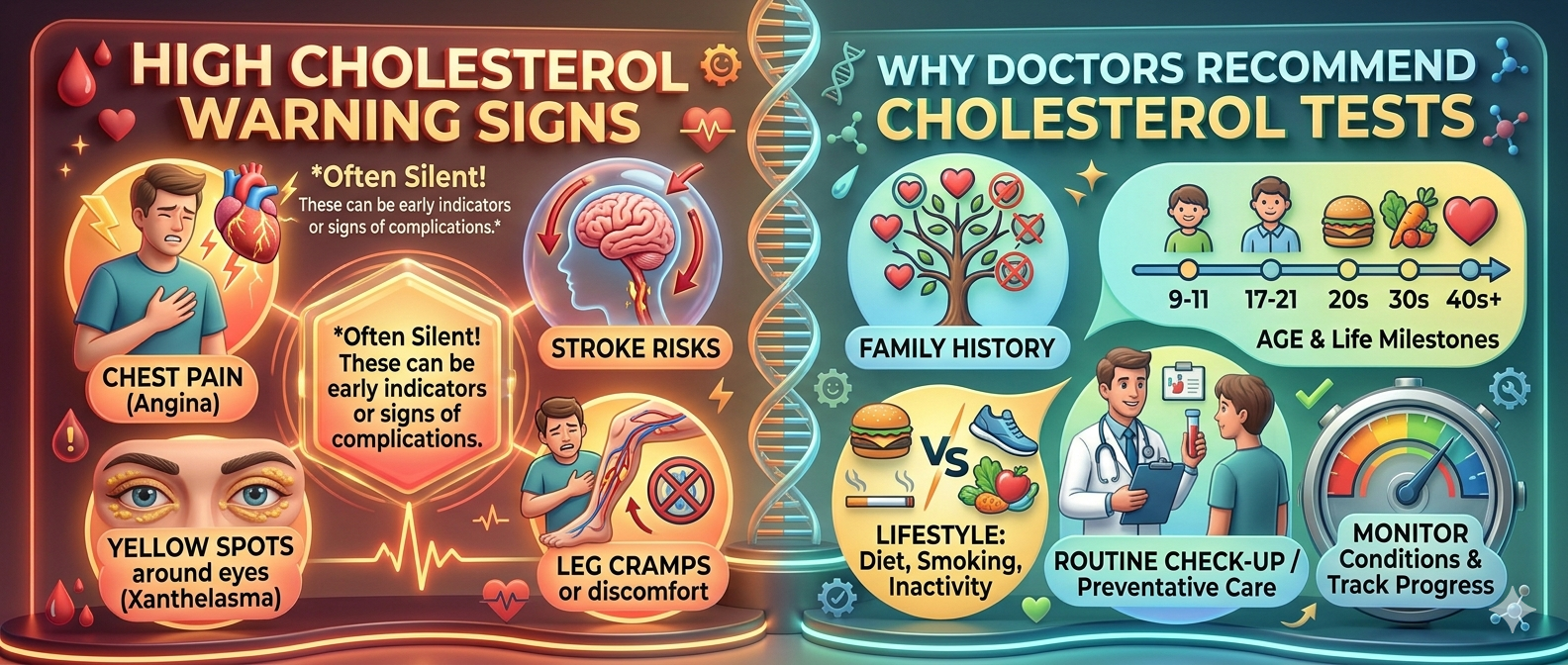
Understanding High Cholesterol and Its Impact

High cholesterol has become one of the most common health concerns worldwide, yet millions of people remain unaware that they have it. The biggest challenge is that high cholesterol symptoms are often absent until significant damage has already occurred. Cholesterol itself is a waxy substance produced by the liver and used by the body to build cells, hormones, and vitamin D. Problems begin when cholesterol levels become too high, especially low-density lipoprotein (LDL), commonly known as “bad cholesterol.”
According to the CDC, more than 86 million adults have high or borderline-high cholesterol levels, highlighting the widespread nature of this health concern. The organization also emphasizes that many people remain undiagnosed because cholesterol rarely causes obvious symptoms in its early stages.
When excess cholesterol circulates in the bloodstream, it can accumulate inside artery walls. Over time, these fatty deposits form plaque, narrowing blood vessels and restricting blood flow. Think of your arteries as highways. When cholesterol builds up, traffic slows down, creating congestion that increases the risk of heart attacks, strokes, and other cardiovascular complications.
High Cholesterol Symptoms Everyone Should Know
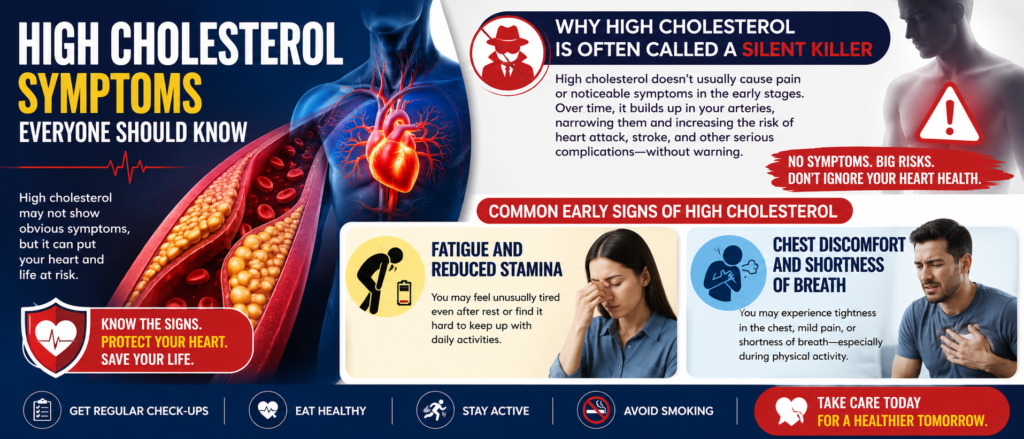
Why High Cholesterol Is Often Called a Silent Killer
One of the most dangerous aspects of high cholesterol is its ability to remain hidden. Unlike infections or injuries that produce immediate warning signs, cholesterol silently damages blood vessels over many years. Health authorities consistently note that high cholesterol typically has no noticeable symptoms, making testing the only reliable method of detection.
This silent progression is exactly why doctors strongly encourage routine cholesterol screening tests. Many individuals feel completely healthy while plaque steadily accumulates within their arteries. By the time symptoms appear, cardiovascular disease may already be developing.
Common Early Signs of High Cholesterol
Although cholesterol itself often causes no symptoms, complications resulting from narrowed arteries can create warning signs. These early signs of high cholesterol may include unexplained fatigue, reduced exercise tolerance, chest discomfort, and shortness of breath during physical activity. Recent medical discussions have highlighted these subtle symptoms as indicators that circulation may already be affected.
Fatigue and Reduced Stamina
Have you ever wondered why climbing stairs suddenly feels more exhausting than before? Reduced blood flow caused by plaque buildup may limit oxygen delivery throughout the body. While fatigue has many possible causes, persistent tiredness without a clear explanation deserves medical attention.
Chest Discomfort and Shortness of Breath
Chest pain, pressure, or breathlessness during physical activity may signal coronary artery disease linked to elevated cholesterol levels. These symptoms should never be ignored because they may indicate reduced blood flow to the heart muscle.
Early Signs of High Cholesterol You Should Never Ignore
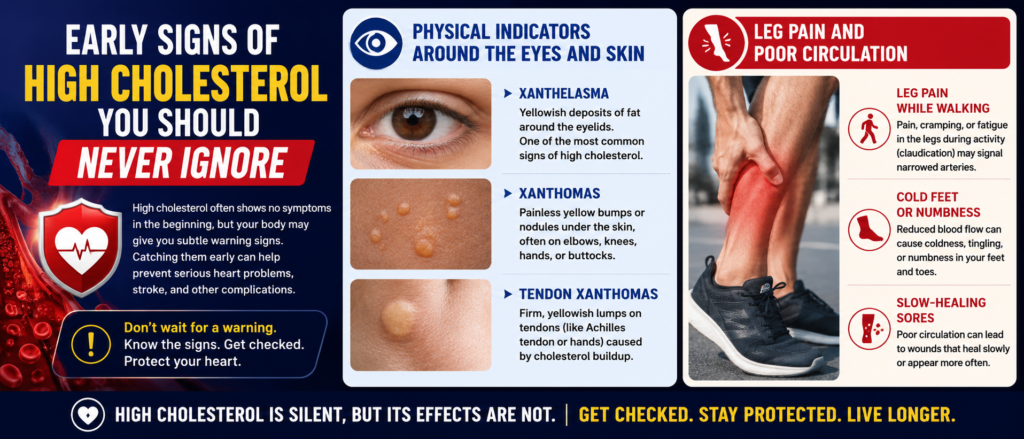
Physical Indicators Around the Eyes and Skin
Certain physical changes can occasionally signal abnormal cholesterol levels. Yellowish deposits around the eyes, known as xanthelasma, may indicate cholesterol accumulation beneath the skin. Some people also develop a gray or white ring around the cornea called corneal arcus, particularly when high cholesterol occurs at a younger age.
These visible signs act like warning lights on a vehicle dashboard. They do not always confirm high cholesterol, but they should encourage further evaluation through a blood test.
Leg Pain and Poor Circulation
Another overlooked warning sign involves leg discomfort during walking or exercise. Peripheral artery disease occurs when cholesterol plaques narrow arteries supplying blood to the legs. People may experience cramping, pain, numbness, or weakness that improves with rest.
Poor circulation can also contribute to cold feet, slow-healing wounds, and reduced mobility. Recognizing these symptoms early allows healthcare providers to investigate potential cardiovascular risks before serious complications develop.
Why a Cholesterol Screening Test Is Essential
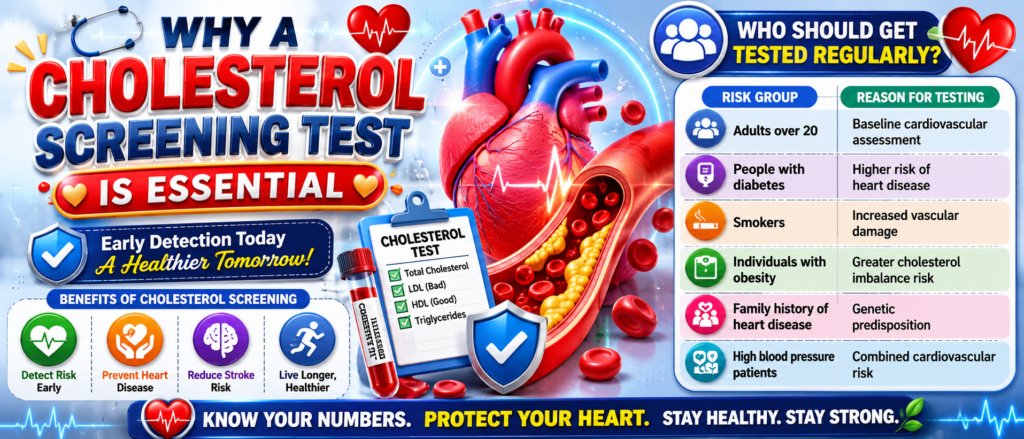
The Importance of Preventive Cholesterol Testing
Doctors consistently recommend preventive cholesterol testing because symptoms alone cannot reliably identify high cholesterol. According to the CDC, the only way to determine cholesterol levels is through laboratory testing. Most healthy adults should undergo testing every four to six years, while individuals with diabetes, heart disease, or family history may require more frequent screening.
Preventive testing provides a valuable opportunity to detect problems before symptoms appear. Early detection enables lifestyle changes and treatment strategies that can significantly reduce long-term cardiovascular risk.
Who Should Get Tested Regularly?
Certain groups benefit greatly from regular cholesterol health checkups, including:
| Risk Group | Reason for Testing |
| Adults over 20 | Baseline cardiovascular assessment |
| People with diabetes | Higher risk of heart disease |
| Smokers | Increased vascular damage |
| Individuals with obesity | Greater cholesterol imbalance risk |
| Family history of heart disease | Genetic predisposition |
| High blood pressure patients | Combined cardiovascular risk |
Healthcare providers increasingly emphasize personalized heart disease risk assessment rather than relying solely on cholesterol numbers. Risk factors such as age, blood pressure, smoking status, and family history all contribute to treatment decisions.
Cholesterol Blood Test and Lipid Profile Test Explained
What a Lipid Profile Test Measures
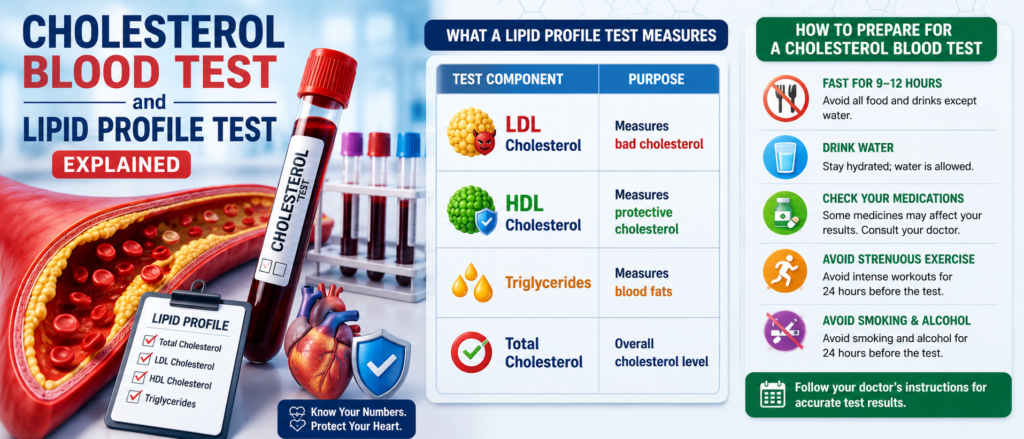
A lipid profile test is one of the most important tools for evaluating cardiovascular health. This laboratory examination measures several key components of blood fats:
| Test Component | Purpose |
| LDL Cholesterol | Measures bad cholesterol |
| HDL Cholesterol | Measures protective cholesterol |
| Triglycerides | Measures blood fats |
| Total Cholesterol | Overall cholesterol level |
The NHLBI explains that a lipid panel remains the standard method for high cholesterol diagnosis and provides a comprehensive overview of cardiovascular risk factors.
How to Prepare for a Cholesterol Blood Test
Preparation requirements vary depending on the specific test ordered. Some providers may recommend fasting for eight to twelve hours beforehand, while others allow non-fasting measurements. Following your healthcare provider’s instructions ensures the most accurate results.
The procedure itself is simple and typically involves a quick blood draw from a vein in the arm. Most people experience minimal discomfort, and the process usually takes only a few minutes.
High Cholesterol Diagnosis and Heart Disease Risk Assessment
Understanding Your Test Results
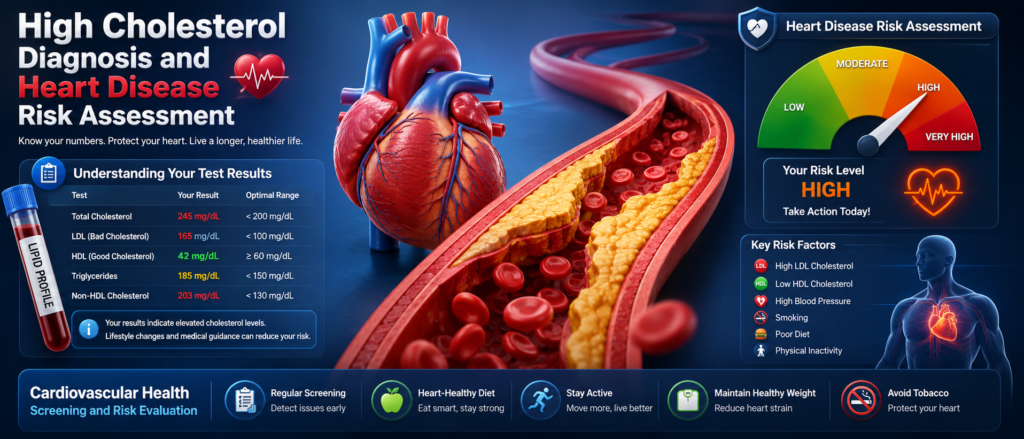
Receiving a high cholesterol diagnosis can feel overwhelming, but understanding the numbers helps put results into perspective. According to Mayo Clinic guidelines, total cholesterol below 200 mg/dL is generally considered desirable, while LDL cholesterol below 100 mg/dL is often viewed as optimal for healthy individuals.
Healthcare providers do not evaluate cholesterol numbers in isolation. They consider overall cardiovascular health, lifestyle habits, family history, and other medical conditions. This comprehensive approach ensures that treatment recommendations are tailored to individual needs.
Cardiovascular Health Screening and Risk Evaluation
Modern cardiovascular health screening extends beyond traditional cholesterol measurements. Updated recommendations increasingly include additional markers such as Apolipoprotein B, Lipoprotein(a), and coronary artery calcium scoring for selected patients. These advanced assessments can identify hidden risks that standard cholesterol measurements may miss.
Doctors use these tools to perform a more accurate heart disease risk assessment, helping patients understand both their short-term and long-term cardiovascular outlook.
Cholesterol Treatment Options After Diagnosis
Lifestyle Changes That Lower Cholesterol
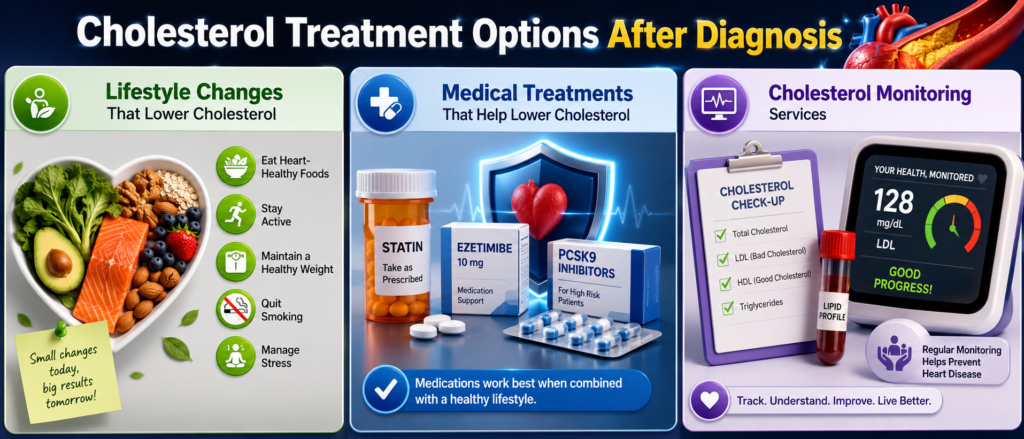
Many people can significantly improve cholesterol levels through lifestyle modifications. Dietary improvements remain one of the most effective interventions. Heart-healthy eating patterns emphasize fruits, vegetables, whole grains, lean proteins, and healthy fats while reducing saturated and trans fats.
Regular physical activity also plays a crucial role. Exercise helps increase HDL cholesterol while supporting weight management and cardiovascular fitness. Smoking cessation and limiting alcohol consumption further enhance overall heart health.
Medical Treatments and Cholesterol Monitoring Services
When lifestyle changes are insufficient, healthcare providers may recommend medication. Statins remain among the most commonly prescribed treatments because they effectively reduce LDL cholesterol and lower cardiovascular risk. Newer therapies may also be considered depending on individual circumstances and risk profiles.
Ongoing cholesterol monitoring services help track progress and ensure treatment effectiveness. Regular follow-up testing allows healthcare providers to adjust treatment plans as needed and maintain optimal cholesterol control.
Finding an Affordable Cholesterol Test Near You
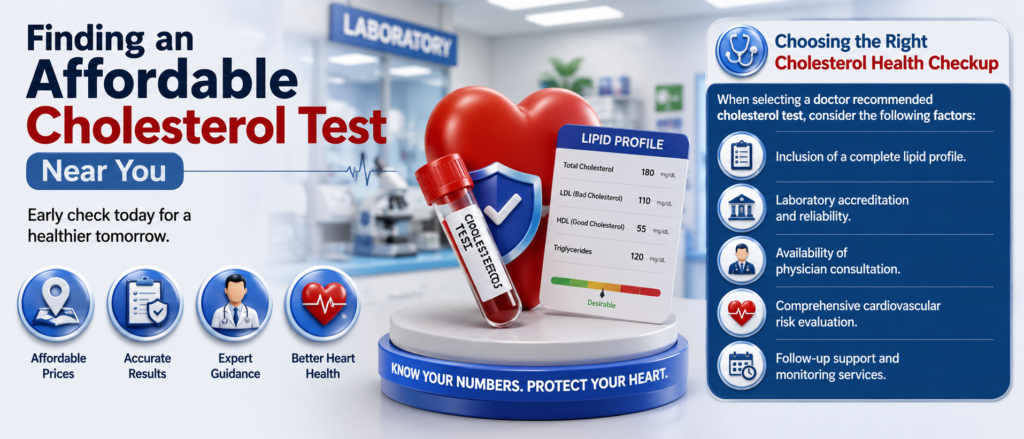
Many individuals search online for a cholesterol test near me because they want convenient and accessible screening options. Today, cholesterol testing is widely available through hospitals, diagnostic laboratories, preventive health packages, community screening programs, and physician clinics.
An affordable cholesterol test can provide life-saving information at a relatively low cost compared to the expenses associated with treating advanced cardiovascular disease. Investing in routine testing is often one of the smartest preventive healthcare decisions a person can make.
Choosing the Right Cholesterol Health Checkup
When selecting a doctor recommended cholesterol test, consider the following factors:
- Inclusion of a complete lipid profile.
- Laboratory accreditation and reliability.
- Availability of physician consultation.
- Comprehensive cardiovascular risk evaluation.
- Follow-up support and monitoring services.
A well-structured cholesterol health checkup offers more than just numbers. It provides actionable insights that help individuals make informed decisions about their long-term health.
Conclusion
High cholesterol remains one of the most significant yet preventable risk factors for heart disease and stroke. The challenge lies in its silent nature. Most people experience no obvious high cholesterol symptoms until serious complications begin to develop. This reality explains why doctors strongly advocate routine cholesterol screening tests, lipid profile tests, and comprehensive cardiovascular health screening.
Early detection through a cholesterol blood test empowers individuals to take control of their health before irreversible damage occurs. Whether through lifestyle improvements, medication, or ongoing cholesterol monitoring services, managing cholesterol effectively can dramatically reduce the risk of cardiovascular disease. If it has been several years since your last test, scheduling a cholesterol health checkup may be one of the most important steps you take for your future well-being.
Frequently Asked Questions
1. What are the earliest signs of high cholesterol?
Most people experience no symptoms. Subtle signs may include fatigue, chest discomfort, shortness of breath, leg pain during walking, or visible cholesterol deposits around the eyes.
2. How often should I get a cholesterol screening test?
Healthy adults should generally be tested every four to six years. People with diabetes, heart disease, or family history may require more frequent testing.
3. What is included in a lipid profile test?
A lipid profile measures total cholesterol, LDL cholesterol, HDL cholesterol, and triglycerides to assess cardiovascular risk.
4. Can high cholesterol be treated without medication?
Many individuals improve cholesterol levels through healthy eating, exercise, weight management, and smoking cessation. Some patients may still require medication based on risk level.
5. Why do doctors recommend preventive cholesterol testing?
Because high cholesterol often has no symptoms, testing is the only reliable way to identify elevated levels and prevent future cardiovascular complications.
Leave a Reply