

The Growing Importance of Heart Health Awareness for Women


Heart disease is often considered a condition that primarily affects men, but the reality is very different. Cardiovascular disease remains one of the leading causes of death among women worldwide. Despite this alarming fact, many women overlook the warning signs of heart problems or delay routine health screenings until symptoms become severe.
This is why Heart Health Awareness is more important than ever. Medical experts emphasize that early diagnosis and preventive care can significantly reduce the risk of serious complications such as heart attacks, strokes, and heart failure. Regular heart screenings help identify hidden cardiovascular issues before symptoms appear, allowing women to take proactive steps toward better health.
Doctors strongly recommend routine heart tests because early detection saves lives. By understanding your heart health status, monitoring key risk factors, and making informed lifestyle choices, you can protect your future and enjoy a healthier life.
Women Heart Health Screening: Why Every Woman Should Prioritize Cardiac Checkups
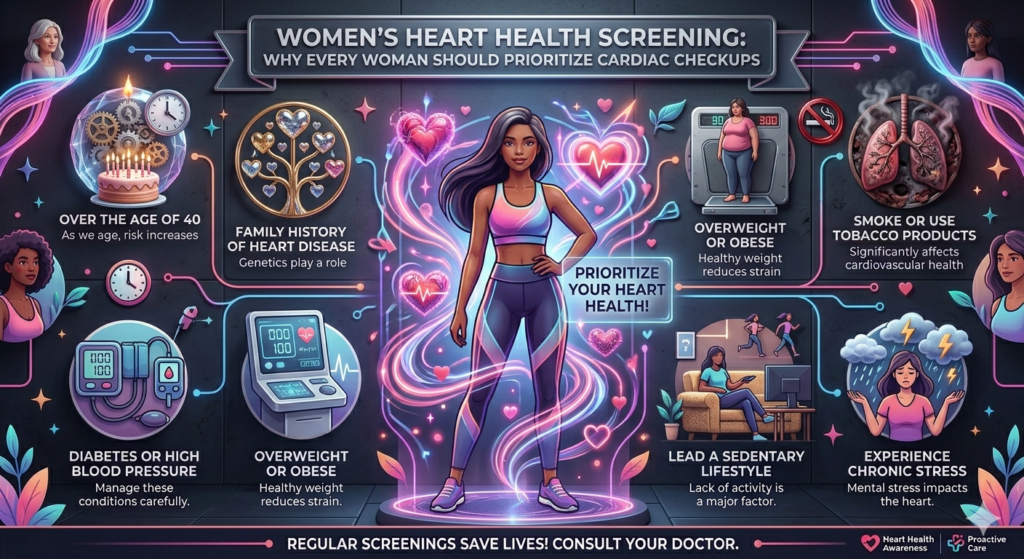
A Women Heart Health Screening is a comprehensive assessment designed to evaluate the overall condition of a woman’s cardiovascular system. These screenings help healthcare professionals detect risk factors and identify underlying heart conditions before they become life-threatening.
Women often experience heart disease differently than men. Symptoms may be subtle and easily mistaken for stress, fatigue, or digestive problems. As a result, many women remain undiagnosed until a serious cardiac event occurs.
Regular heart screenings are especially important for women who:
- Are over the age of 40
- Have a family history of heart disease
- Have diabetes or high blood pressure
- Are overweight or obese
- Smoke or use tobacco products
- Lead a sedentary lifestyle
- Experience chronic stress
Routine screening empowers women to take control of their cardiovascular health and make preventive decisions before symptoms develop.
Heart Tests for Women: Understanding the Essential Diagnostic Procedures
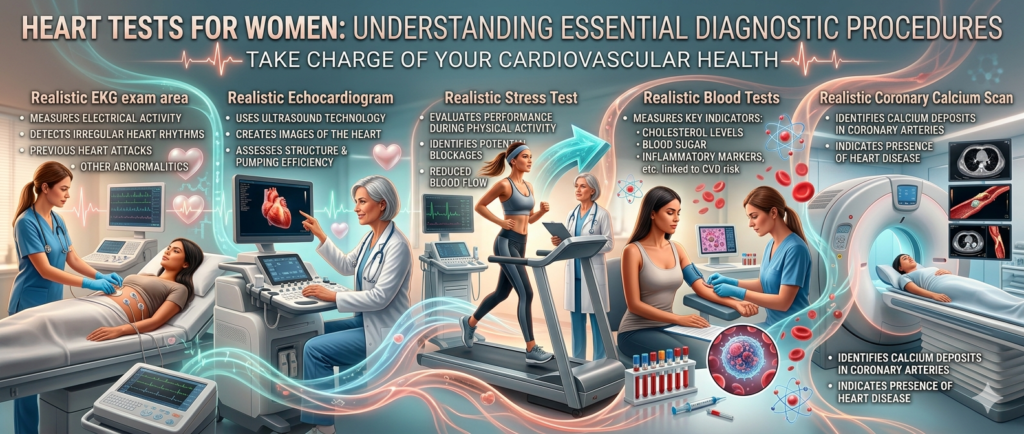
Heart Tests for Women play a crucial role in identifying cardiovascular issues at an early stage. These tests provide valuable insights into heart function, blood circulation, cholesterol levels, and overall cardiac health.
Common heart tests include:
Electrocardiogram (ECG/EKG)
Measures the electrical activity of the heart and helps detect irregular heart rhythms, previous heart attacks, and other abnormalities.
Echocardiogram
Uses ultrasound technology to create images of the heart, allowing doctors to assess heart structure and pumping efficiency.
Stress Test
Evaluates how the heart performs during physical activity and identifies potential blockages or reduced blood flow.
Blood Tests
Measure cholesterol levels, blood sugar, inflammatory markers, and other indicators linked to cardiovascular disease.
Coronary Calcium Scan
Helps identify calcium deposits in coronary arteries, which may indicate the presence of heart disease.
Each of these tests contributes to a comprehensive understanding of a woman’s cardiovascular health.
Early Detection of Heart Disease: Why Timely Screening Saves Lives

The Early Detection of Heart Disease is one of the most effective ways to prevent severe cardiac complications. Heart disease often develops silently over many years without obvious symptoms.
Many women may not experience warning signs until significant damage has already occurred. Regular heart screenings can uncover hidden conditions such as:
- Coronary artery disease
- Heart valve disorders
- Arrhythmias
- Congenital heart abnormalities
- High cholesterol
- Elevated blood pressure
Detecting these issues early allows doctors to recommend lifestyle changes, medications, or treatments that can slow disease progression and improve outcomes.
Early intervention often means fewer complications, lower healthcare costs, and a significantly improved quality of life.
Preventive Heart Checkup: A Smart Investment in Long-Term Health
A Preventive Heart Checkup is designed to identify potential risk factors before they develop into serious health problems. Prevention remains the most effective strategy for maintaining cardiovascular health.
During a preventive heart examination, healthcare providers typically assess:
- Blood pressure levels
- Cholesterol levels
- Blood sugar levels
- Body mass index (BMI)
- Family medical history
- Lifestyle habits
Preventive screenings help women understand their individual risk profile and create personalized health plans that support long-term wellness.
Investing in preventive care today can prevent costly and life-threatening health complications tomorrow.
Female Cardiovascular Health: Understanding Unique Risk Factors

Female Cardiovascular Health is influenced by several biological and hormonal factors that differ from those affecting men.
Women face unique cardiovascular risks including:
Hormonal Changes
Menopause significantly impacts heart health due to declining estrogen levels, which can increase cholesterol and blood pressure.
Pregnancy-Related Conditions
Complications such as gestational diabetes and preeclampsia can increase future cardiovascular risk.
Autoimmune Diseases
Women are more likely to develop autoimmune disorders that may contribute to heart disease.
Stress and Mental Health
Chronic stress, anxiety, and depression have been linked to increased cardiovascular risk among women.
Understanding these unique factors helps healthcare providers develop more targeted prevention and treatment strategies.
Blood Pressure Monitoring: A Critical Step in Heart Disease Prevention
Blood Pressure Monitoring is one of the simplest yet most effective ways to protect heart health.
High blood pressure, often called the “silent killer,” typically causes no symptoms while damaging arteries, the heart, kidneys, and brain over time.
Regular monitoring helps:
- Detect hypertension early
- Evaluate treatment effectiveness
- Reduce cardiovascular risk
- Prevent organ damage
- Support healthy lifestyle adjustments
Women should check their blood pressure regularly, especially if they have a family history of hypertension or other cardiovascular conditions.
Maintaining healthy blood pressure levels can significantly reduce the risk of heart attacks and strokes.
Cholesterol Testing for Women: Why Healthy Cholesterol Levels Matter
Cholesterol Testing for Women is essential for evaluating cardiovascular risk and preventing artery blockage.
There are two primary types of cholesterol:
LDL (Bad Cholesterol)
High levels can lead to plaque buildup in arteries, increasing the risk of heart disease.
HDL (Good Cholesterol)
Helps remove excess cholesterol from the bloodstream and protects against cardiovascular disease.
Regular cholesterol testing helps women:
- Understand their cardiovascular risk
- Monitor treatment progress
- Make dietary improvements
- Prevent artery blockage
Women should undergo cholesterol screening according to their doctor’s recommendations, particularly if they have additional risk factors.
Heart Disease Risk Assessment: Identifying Personal Risk Factors
A comprehensive Heart Disease Risk Assessment helps healthcare providers estimate an individual’s likelihood of developing cardiovascular disease.
Several factors influence risk, including:
- Age
- Family history
- Smoking habits
- Blood pressure
- Cholesterol levels
- Diabetes
- Weight
- Physical activity levels
Risk assessments enable healthcare professionals to create personalized prevention plans that address specific concerns and health goals.
Understanding your risk is the first step toward protecting your heart.
Heart Function Evaluation: Measuring How Well Your Heart Performs
A Heart Function Evaluation provides detailed information about the heart’s ability to pump blood effectively throughout the body.
Doctors may use several diagnostic tools to assess heart performance, including:
- Echocardiograms
- Cardiac MRI scans
- Stress tests
- Nuclear imaging studies
These evaluations help detect:
- Heart muscle weakness
- Valve disorders
- Congenital abnormalities
- Heart failure
- Reduced pumping efficiency
Regular evaluations ensure that any functional issues are identified and treated before they progress.
Blood Flow Assessment: Detecting Circulation Problems Before Symptoms Appear
A Blood Flow Assessment examines how efficiently blood moves through the heart and blood vessels.
Poor circulation can indicate underlying cardiovascular conditions such as:
- Blocked arteries
- Coronary artery disease
- Peripheral artery disease
- Blood vessel abnormalities
Advanced imaging and stress tests allow doctors to identify circulation issues before they become symptomatic.
Early detection of blood flow problems enables timely treatment and reduces the likelihood of serious complications.
Heart Attack Prevention: Taking Proactive Steps for Better Heart Health
Heart Attack Prevention begins with awareness, screening, and healthy lifestyle choices.
Several proven strategies help lower heart attack risk:
Maintain a Healthy Diet
Focus on fruits, vegetables, whole grains, lean proteins, and healthy fats.
Stay Physically Active
Regular exercise strengthens the heart and improves circulation.
Avoid Smoking
Tobacco use significantly increases cardiovascular risk.
Manage Stress
Chronic stress can contribute to high blood pressure and inflammation.
Follow Medical Advice
Take prescribed medications and attend routine health checkups.
Combining preventive screenings with healthy habits offers powerful protection against heart attacks.
Stroke Risk Reduction: Protecting Both Heart and Brain Health
Stroke Risk Reduction is closely linked to maintaining good cardiovascular health.
Many risk factors for heart disease also increase stroke risk, including:
- High blood pressure
- High cholesterol
- Diabetes
- Smoking
- Obesity
Routine heart tests help identify these risk factors early and support effective treatment plans.
Reducing stroke risk involves:
- Monitoring blood pressure
- Managing cholesterol
- Maintaining healthy body weight
- Exercising regularly
- Following prescribed treatments
Preventive care protects both heart and brain function for years to come.
Importance of Regular Heart Tests: Why Consistent Monitoring Matters
The Importance of Regular Heart Tests cannot be overstated. Many heart conditions develop gradually and remain undetected until significant damage has occurred.
Routine testing provides several benefits:
- Early disease detection
- Better treatment outcomes
- Reduced healthcare costs
- Improved quality of life
- Greater peace of mind
Regular screenings allow healthcare providers to monitor changes over time and adjust treatment plans as needed.
Consistency is key to maintaining optimal cardiovascular health.
Women’s Heart Health Checkup Benefits: The Advantages of Early Screening
The Women’s Heart Health Checkup Benefits extend far beyond detecting disease.
Key benefits include:
Early Diagnosis
Identify hidden heart conditions before symptoms appear.
Personalized Health Planning
Receive customized recommendations based on individual risk factors.
Improved Treatment Outcomes
Early intervention often leads to more successful treatment.
Enhanced Quality of Life
Maintaining heart health supports energy, mobility, and overall well-being.
Reduced Risk of Serious Complications
Prevent heart attacks, strokes, and long-term cardiovascular damage.
Routine heart screenings empower women to make informed health decisions and take proactive control of their future.
Take Charge of Your Heart Health Today
Heart disease remains a major health concern for women, but it is often preventable with proper awareness, routine screening, and healthy lifestyle choices. Through regular heart tests, women can identify hidden cardiovascular conditions before symptoms develop and receive timely treatment that may save their lives.
From Blood Pressure Monitoring and Cholesterol Testing for Women to comprehensive Heart Disease Risk Assessment, every screening plays a vital role in protecting long-term cardiovascular health. Understanding the value of Early Detection of Heart Disease, prioritizing a Preventive Heart Checkup, and embracing regular evaluations can significantly reduce the risk of heart attacks and strokes.
Take charge of your heart health today. A simple test can make a life-changing difference. Prioritizing your heart now is one of the most important investments you can make for a healthier, longer, and more active future.
Leave a Reply