
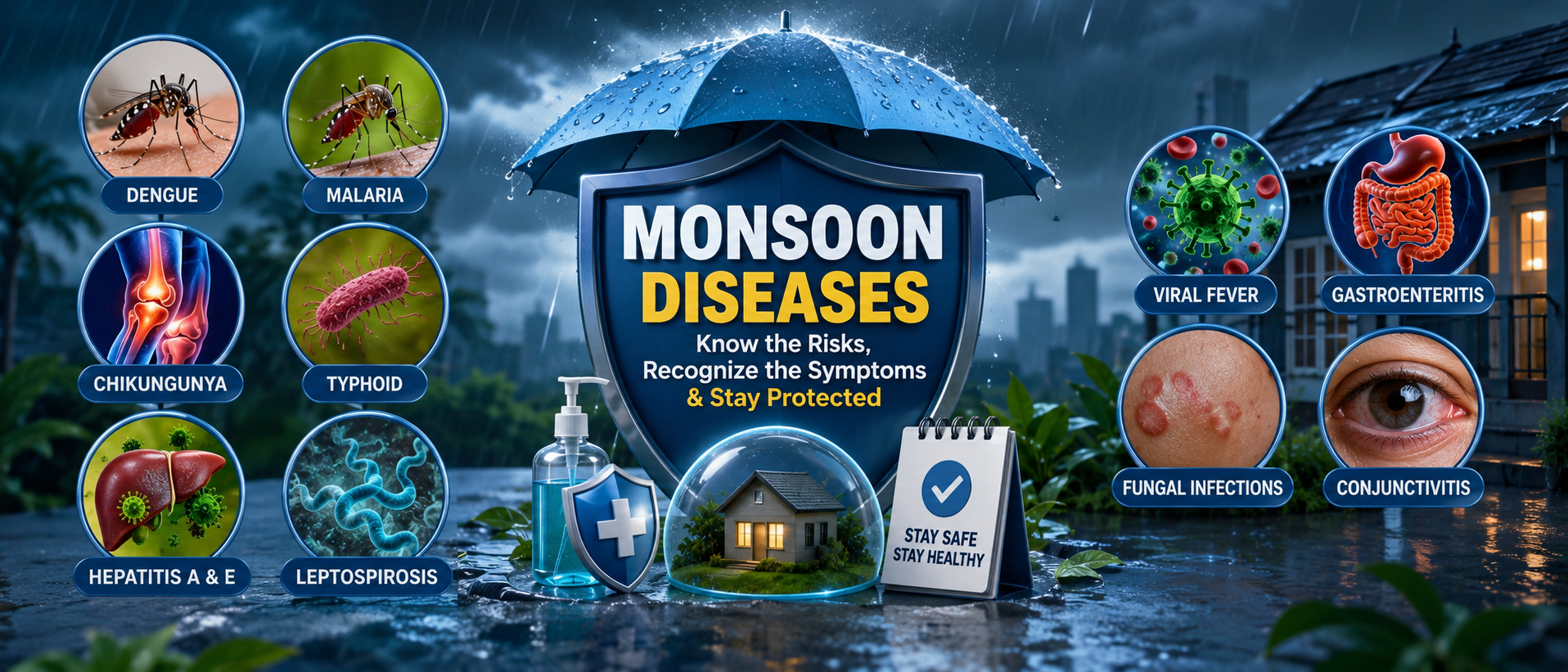

The monsoon brings welcome relief from scorching summer temperatures, but the rainy season can also create a perfect environment for infections to spread. Standing water, increased humidity, overflowing drains, contaminated food and water, mosquitoes, and damp surroundings can collectively increase several monsoon diseases. In India and other tropical regions, health concerns during this period can range from mosquito-borne infections such as dengue, malaria and chikungunya to water- and food-borne illnesses such as typhoid, hepatitis A and E, and gastroenteritis. Skin and eye infections can also become more common when people spend more time in wet or humid conditions. The World Health Organization identifies vector-borne diseases as a significant global health concern, while its dengue guidance highlights the role of rainfall, humidity and mosquito habitats in increasing transmission risk.
Understanding these monsoon health risks does not mean becoming fearful of every fever, stomach upset or skin rash. It means knowing what to watch for, understanding how infections spread and taking practical precautions before a minor illness becomes a serious problem. Dengue and chikungunya can initially resemble other febrile illnesses, while malaria, typhoid and leptospirosis can also present with fever and body aches. This overlap is one reason self-diagnosis can be unreliable. WHO clinical guidance notes that several tropical infections can have overlapping symptoms, making appropriate medical evaluation and testing important when symptoms persist or become severe.
Understanding Monsoon Diseases and Monsoon Health Risks
The term monsoon diseases covers several infections whose transmission can become more likely during or after periods of heavy rainfall. Not every illness is caused directly by rain. Instead, rain can change the environment in ways that favour disease transmission: mosquitoes find more breeding sites, floodwater can mix with sewage, food may become contaminated, dampness supports fungal growth, and crowded indoor spaces may encourage the spread of respiratory viruses. That is why monsoon health risks involve multiple transmission routes rather than one single cause. WHO describes dengue, malaria and chikungunya among major vector-borne diseases, while hepatitis A, hepatitis E and diarrhoeal diseases are associated with food and water safety concerns.
Why Rainy Season Diseases Increase
During the rainy season, small pools of stagnant water can collect in containers, rooftops, construction areas, discarded tyres, plant pots and drains. These locations may become mosquito breeding habitats. At the same time, heavy rainfall and flooding can disrupt sanitation systems and increase exposure to contaminated water. Humidity also keeps clothing, footwear, walls and skin damp for longer periods, creating favourable conditions for certain fungal infections. The result is a seasonal combination of environmental and behavioural factors that can increase exposure to different rainy season diseases.
Dengue Symptoms and Prevention During Monsoon
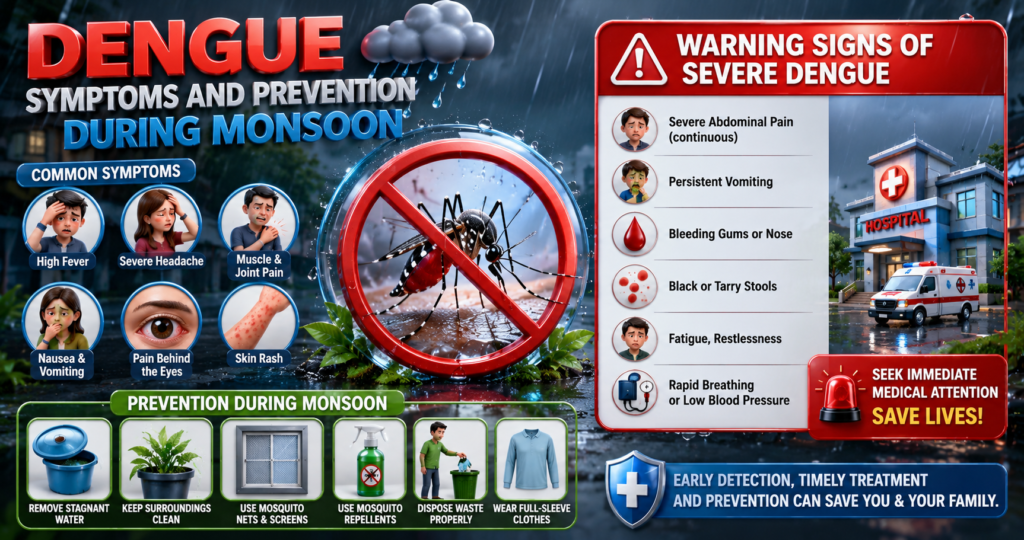
Dengue is one of the most important mosquito-borne monsoon diseases, particularly in tropical and subtropical regions. It is caused by the dengue virus and transmitted mainly through infected Aedes mosquitoes, which can bite during daylight hours. WHO estimates that hundreds of millions of dengue infections occur globally each year, with many infections causing mild or no symptoms. When symptoms develop, they can include high fever, severe headache, pain behind the eyes, muscle and joint pain, nausea, vomiting and rash.
Recognizing dengue symptoms is important because the illness can change as the fever improves. A person may initially appear to be recovering, but warning signs of severe dengue can emerge around the time the fever comes down. Severe abdominal pain, persistent vomiting, bleeding from the nose or gums, blood in vomit or stool, unusual weakness, restlessness, rapid breathing or pale, cold skin require urgent medical assessment. WHO advises early detection and access to appropriate medical care because timely management can significantly reduce the risk of death from severe dengue.
Warning Signs of Severe Dengue
A high fever during monsoon should not automatically be labelled dengue. Dengue can overlap clinically with malaria, chikungunya, typhoid, leptospirosis and other infections, so medical evaluation may be necessary. People should also avoid casually taking medicines without professional advice when dengue is suspected; WHO specifically advises avoiding aspirin and non-steroidal anti-inflammatory medicines such as ibuprofen in dengue because of bleeding concerns.
Malaria Symptoms and Mosquito-Borne Risks
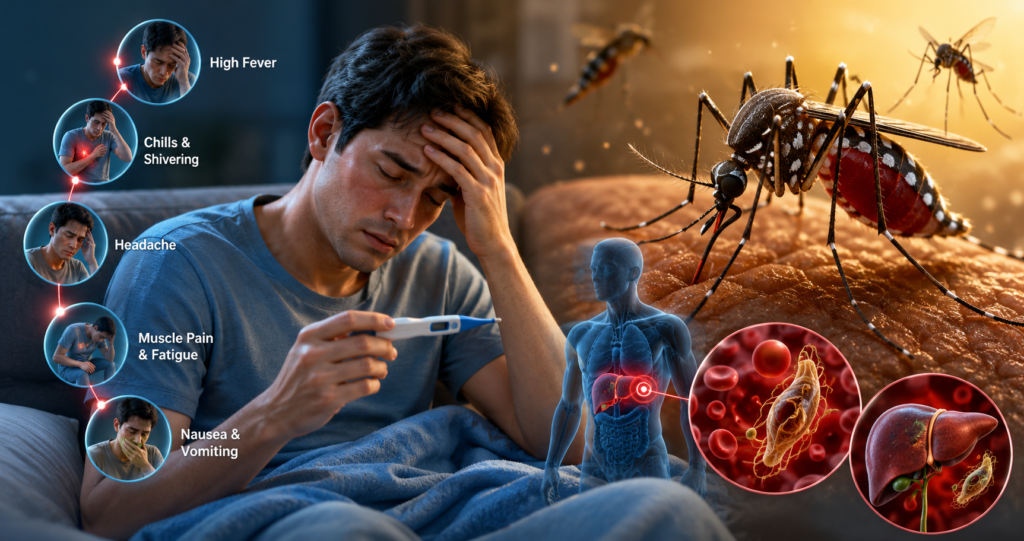
Malaria is another major mosquito-borne infection that can become a concern during rainy periods when mosquito breeding conditions improve. It is caused by Plasmodium parasites and transmitted through infected mosquitoes. Malaria symptoms commonly involve fever and may be accompanied by chills, sweating, weakness, headache, nausea, vomiting, abdominal discomfort or muscle aches. Because these symptoms can resemble dengue and other infections, fever alone cannot reliably tell you which disease is responsible.
Testing is important when malaria is suspected because malaria requires specific treatment. WHO clinical material describes fever, malaise, nausea, vomiting, abdominal pain, diarrhoea, muscle pain and anaemia among possible malaria manifestations and notes that diagnosis involves identifying parasites through appropriate testing. If fever repeatedly returns, is accompanied by chills or becomes progressively worse after mosquito exposure, seeking medical advice promptly is a sensible step.
Chikungunya Symptoms and Joint Pain

Chikungunya is transmitted by Aedes mosquitoes, the same broad mosquito group involved in dengue transmission. Its most recognizable feature is often significant joint pain associated with fever. Chikungunya symptoms may include sudden fever, intense joint pain, headache, muscle pain, joint swelling, rash and fatigue. WHO notes that severe disease and death are uncommon overall, although older adults, newborns and people with certain underlying conditions may face greater risk.
Dengue and chikungunya can be difficult to distinguish based only on early symptoms. WHO clinical guidance indicates that joint pain and swelling can be particularly prominent in chikungunya, while bleeding manifestations and low platelet counts are more characteristic of dengue. If fever is accompanied by intense joint pain, especially during a local outbreak, medical assessment can help determine the appropriate diagnosis and care.
Typhoid Fever Symptoms and Contaminated Food
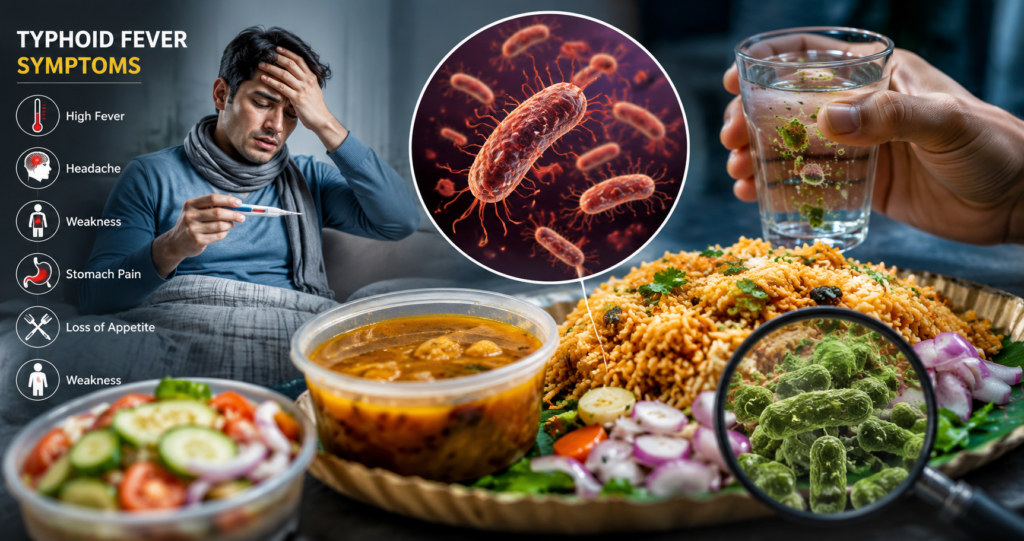
Typhoid fever is a bacterial infection associated with contaminated food and water and can become a significant concern when sanitation and water quality are compromised. Heavy rainfall, flooding and sewage contamination can increase the risk of exposure in vulnerable communities. Typhoid fever symptoms can include prolonged fever, weakness, headache, abdominal pain and gastrointestinal symptoms, while some patients may develop other manifestations such as rash. The symptoms may develop gradually, which can make early recognition difficult.
Because typhoid can overlap with other causes of prolonged fever, appropriate laboratory testing is important. Indian dengue clinical guidance specifically notes that enteric fever and gastroenteritis can occur during monsoon alongside dengue, making differential diagnosis important when a patient develops fever. Safe drinking water, good hand hygiene and properly cooked food are therefore central components of monsoon disease prevention.
Hepatitis A and E: Water-Borne Monsoon Risks
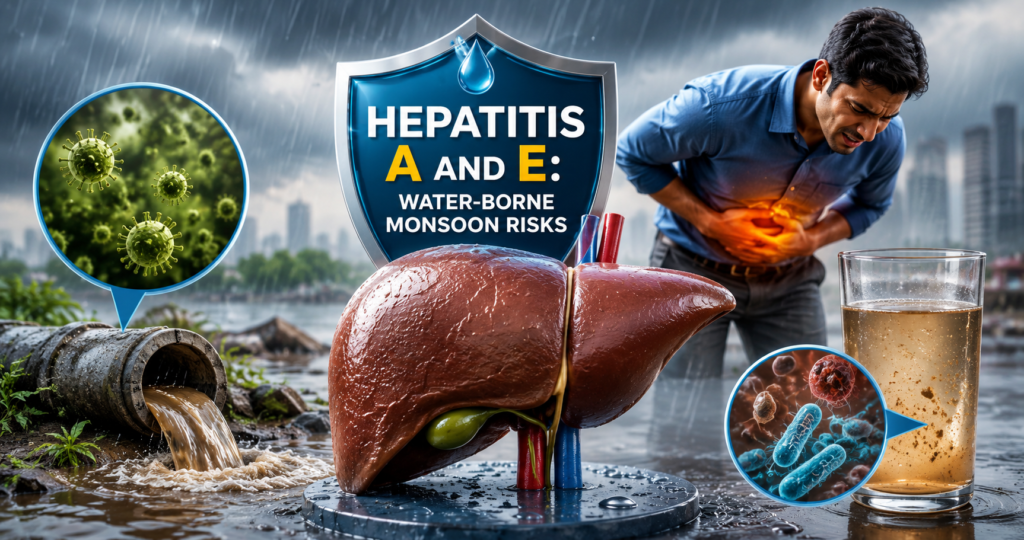
Hepatitis A and E deserve special attention during the rainy season because contaminated food and water can contribute to transmission. Both are viral infections that primarily affect the liver. Depending on the infection and individual circumstances, symptoms can include fatigue, loss of appetite, nausea, abdominal discomfort, fever and jaundice, in which the skin or whites of the eyes become yellow. Some infected people may have mild or no symptoms, while others can become significantly ill.
The connection between rainfall and hepatitis risk is largely related to sanitation and water contamination rather than rain itself. Flooding and damaged sanitation infrastructure can make safe water harder to obtain. WHO recognizes hepatitis A and hepatitis E as distinct infectious diseases and also identifies drinking-water and food safety as important public health areas. During monsoon, drinking treated or reliably safe water, washing hands and eating properly prepared food can reduce exposure.
Leptospirosis Symptoms After Floodwater Exposure
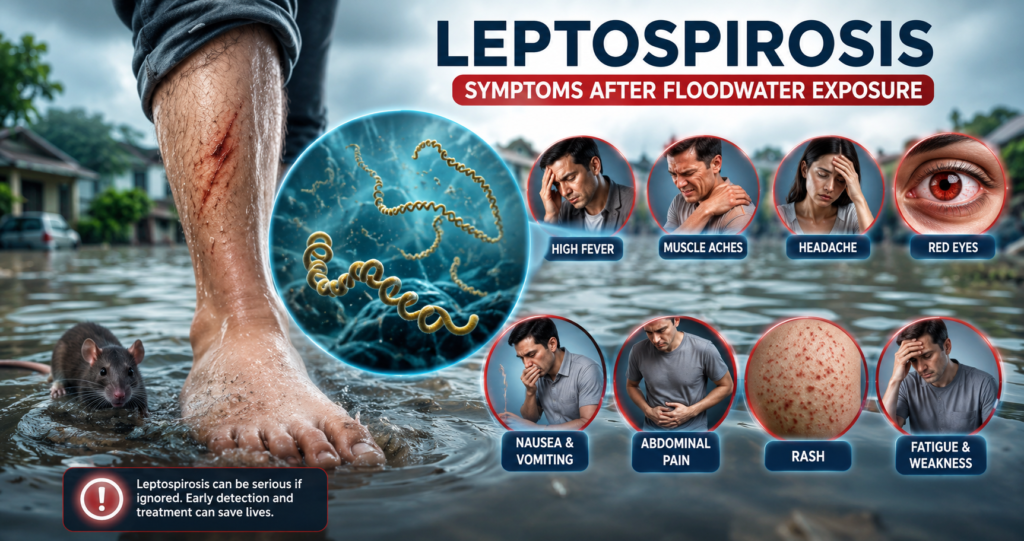
Leptospirosis is a bacterial infection that deserves particular attention after flooding or exposure to water or soil contaminated with infected animal urine. People may become exposed when contaminated water enters through cuts or abrasions or comes into contact with mucous membranes. Leptospirosis symptoms can include fever, chills, headache, muscle pain, nausea, vomiting, diarrhoea and abdominal pain. Redness of the eyes or conjunctival suffusion can also occur.
The key practical message is simple: avoid unnecessary contact with potentially contaminated floodwater, especially if you have cuts or broken skin. If floodwater exposure is followed by fever, severe muscle aches, headache or other concerning symptoms, tell your healthcare professional about the exposure. That detail may help guide the diagnostic process because leptospirosis can resemble several other acute febrile illnesses.
Viral Fever During Monsoon: Common Symptoms
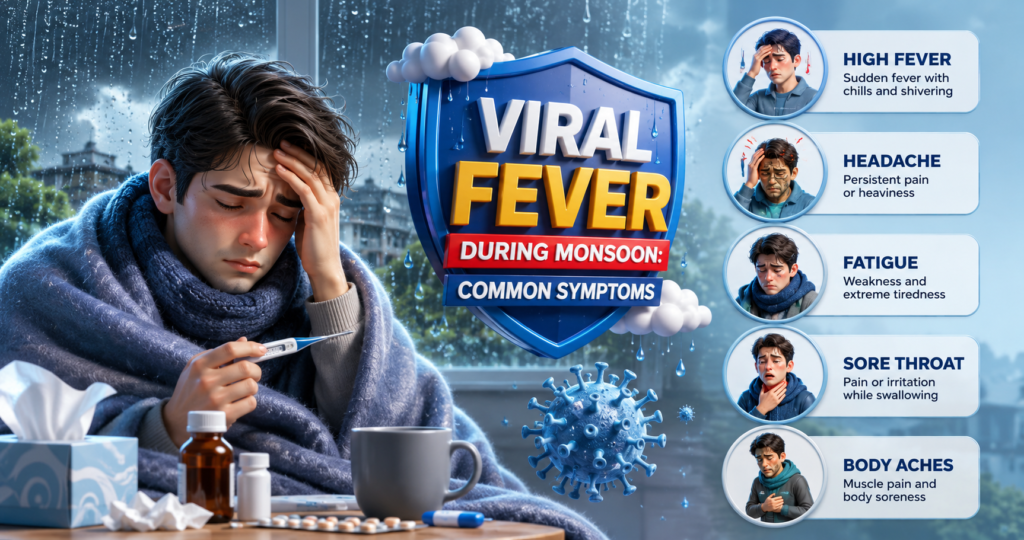
The phrase viral fever during monsoon is often used casually to describe a fever caused by a viral infection, but it does not identify one specific disease. Many viruses can produce fever, fatigue, headache, body aches, sore throat, cough, runny nose or gastrointestinal symptoms. Some viral illnesses are self-limiting, while others may require testing and medical care. This distinction matters because dengue, chikungunya and other infections can initially look like an ordinary viral fever.
Rather than assuming every monsoon fever is harmless, pay attention to its intensity, duration and associated symptoms. Persistent high fever, breathing difficulty, repeated vomiting, dehydration, unusual bleeding, confusion, severe weakness or worsening symptoms should prompt medical evaluation. Since several monsoon diseases can have overlapping presentations, appropriate testing can be more useful than guessing based on symptoms alone.
Gastroenteritis Symptoms and Food Safety
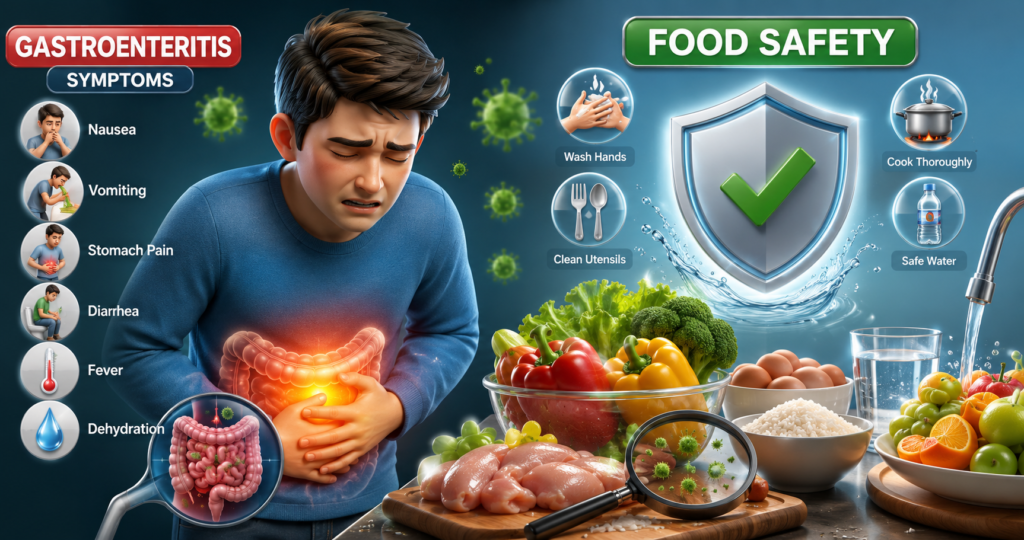
Gastroenteritis involves inflammation of the stomach and intestines and may be caused by viruses, bacteria, parasites or contaminated food and water. Gastroenteritis symptoms can include diarrhoea, vomiting, abdominal cramps, nausea and sometimes fever. During the rainy season, contaminated water, improperly stored food, poor hand hygiene and unhygienic food preparation can increase the risk of gastrointestinal infections.
Dehydration is one of the biggest practical concerns, especially for young children, older adults and people who are already unwell. Frequent loose stools and vomiting can lead to significant fluid and electrolyte loss. Drinking safe fluids and following medical advice about oral rehydration can help manage dehydration risk, while severe dehydration, blood in stool, persistent vomiting, very high fever or worsening weakness should be assessed by a healthcare professional.
Fungal Infections in Monsoon and Skin Protection

Humidity and prolonged dampness make the rainy season particularly uncomfortable for people prone to fungal skin problems. Fungal infections in monsoon may affect areas such as the feet, groin, skin folds and other warm, moist parts of the body. Common signs can include itching, redness, scaling, irritation or a spreading rash. Wearing damp socks or clothes for long periods can keep the skin moist and make the environment more favourable for fungal growth.
Simple hygiene habits can make a substantial difference. Keep skin folds dry, change wet clothing quickly, allow footwear to dry completely and avoid sharing towels, socks or personal clothing. If a rash spreads, becomes painful, develops discharge or does not improve, professional evaluation is preferable to repeatedly trying random creams, especially because some skin conditions can look similar but require different treatments.
Conjunctivitis During Monsoon and Eye Hygiene
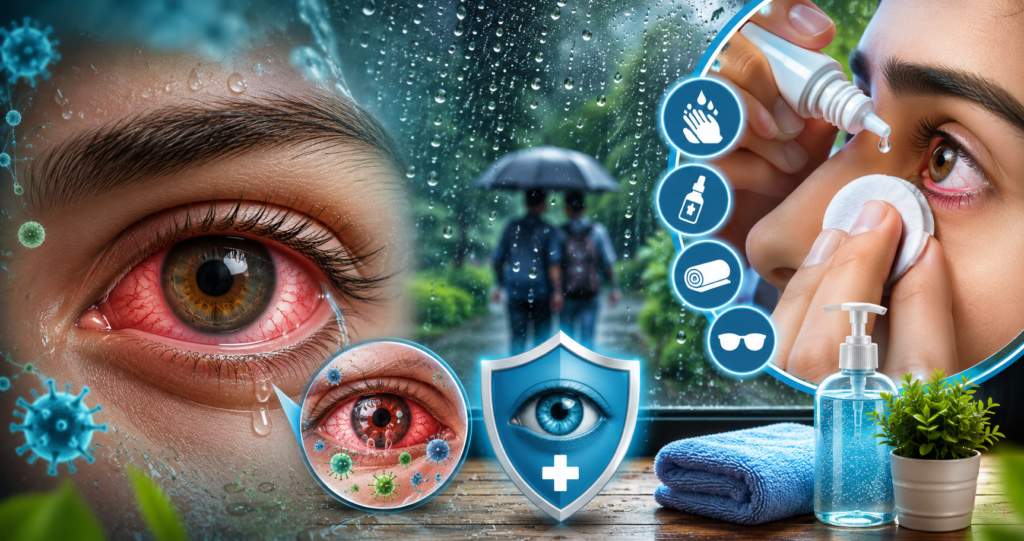
Conjunctivitis during monsoon can occur when viral or bacterial eye infections spread through close contact and contaminated hands or surfaces. Typical symptoms can include redness, watering, irritation, itching and discharge. Because people frequently touch their eyes without realizing it, hand hygiene plays a major role in reducing transmission.
Avoid sharing towels, pillowcases, cosmetics and other personal items when someone has an eye infection. Frequent handwashing and avoiding unnecessary touching or rubbing of the eyes are practical precautions. Anyone experiencing significant eye pain, vision changes, light sensitivity, serious swelling or symptoms that rapidly worsen should seek medical attention rather than assuming it is routine conjunctivitis.
Rainy Season Diseases: Who Is Most Vulnerable?
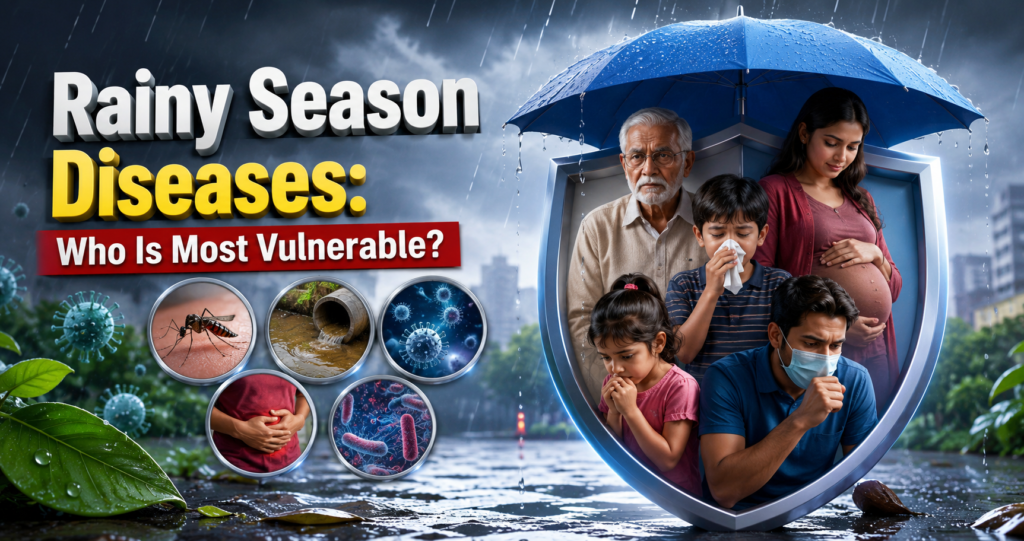
Anyone can develop a monsoon-related infection, but some people may be more vulnerable to complications. Young children, older adults, pregnant individuals and people with certain chronic illnesses may need greater attention when symptoms develop. People who work outdoors, frequently travel through flooded areas, live in places with poor drainage or have regular exposure to mosquitoes may also experience greater environmental exposure.
This does not mean vulnerable groups should avoid normal activities throughout the rainy season. Instead, it means that monsoon health precautions should become part of everyday routines. Early attention to persistent fever, dehydration, breathing problems, severe weakness or unusual symptoms can help prevent a manageable infection from progressing to a more serious condition.
Monsoon Disease Prevention at Home
Effective monsoon disease prevention begins with the surroundings. Do not allow water to remain stagnant in buckets, plant pots, discarded containers, tyres, coolers or other objects. Empty and clean water-holding containers regularly, keep storage containers covered and dispose of waste properly. WHO recommends removing artificial habitats that can hold water and cleaning or emptying domestic water storage containers regularly as part of dengue prevention.
Inside the home, keep bathrooms, kitchens and other damp spaces clean and ventilated. Dry wet clothes promptly and avoid leaving shoes or towels damp for extended periods. Mosquito screens, appropriate repellents and clothing that covers exposed skin can provide additional protection. These are simple measures, but they work like layers of a shield: each one reduces exposure a little, and together they can substantially lower risk.
Monsoon Health Precautions for Food and Water
Food and water safety should become a daily habit during the rainy season. Drink water from a safe and reliable source, wash hands before eating and preparing food, and make sure meals are cooked and stored properly. Be cautious with food that has been left uncovered or stored at inappropriate temperatures, particularly in environments where hygiene is uncertain.
Fresh produce should be washed appropriately, and raw and cooked foods should be kept separate to reduce cross-contamination. If you are travelling, choose food and beverages from sources with reliable hygiene standards. These monsoon health precautions are especially important because illnesses such as typhoid, hepatitis A and E and gastroenteritis can be associated with contaminated food or water.
Monsoon Health Precautions Against Mosquitoes
Mosquito control is one of the most practical ways to reduce exposure to several monsoon diseases. Remember that different mosquitoes may have different habits; the mosquitoes responsible for dengue and chikungunya are active during the daytime, so protection should not be limited to nighttime. WHO recommends measures such as repellents, protective clothing, window screens and eliminating mosquito breeding sites.
A weekly household inspection can be surprisingly effective. Check balconies, terraces, gardens, coolers, drains and storage areas for standing water. Community-level action matters too because mosquitoes do not respect property boundaries. One neglected container next door can become part of a neighbourhood-wide problem, which is why collective mosquito control is more effective than isolated household efforts.
When Monsoon Symptoms Need Medical Attention
Knowing when to seek professional care is just as important as knowing how to prevent illness. A mild fever that improves quickly may not require the same response as persistent high fever accompanied by severe weakness or other warning signs. Urgent medical evaluation is particularly important when someone experiences difficulty breathing, confusion, fainting, severe abdominal pain, persistent vomiting, significant dehydration, unusual bleeding, seizures or rapidly worsening symptoms.
Dengue deserves particular caution because severe warning signs may appear around the time the fever decreases. WHO identifies severe abdominal pain, persistent vomiting, bleeding, rapid breathing, lethargy or restlessness and other signs as reasons for immediate medical attention. When in doubt, especially in children, older adults or other higher-risk individuals, contacting a healthcare professional is safer than relying on internet symptom comparisons.
Diagnosis and Testing for Monsoon Infections
Because several rainy season diseases share symptoms, testing can be essential. A person with fever, for example, may have dengue, malaria, chikungunya, typhoid, leptospirosis or another infection, and treatment can differ substantially. Indian clinical guidance emphasizes that malaria, chikungunya and enteric fever can occur alongside dengue and recommends appropriate investigation when these conditions are suspected.
Depending on the clinical picture, healthcare professionals may recommend blood tests, parasite testing, cultures, antigen or antibody testing, molecular tests or other investigations. The exact test and timing depend on the suspected disease and stage of illness. Instead of ordering multiple tests randomly, it is better to discuss symptoms, travel, mosquito exposure, food and water exposure, floodwater contact and the duration of fever with a healthcare professional so testing can be selected appropriately.
Stay Alert, Stay Healthy This Monsoon
The monsoon does not have to become a season of constant illness. Understanding monsoon diseases, recognizing early warning signs and maintaining sensible hygiene can significantly reduce avoidable exposure. Dengue, malaria and chikungunya highlight the importance of mosquito control, while typhoid, hepatitis A and E and gastroenteritis demonstrate why safe food and water matter. Leptospirosis reminds us to be careful around potentially contaminated floodwater, while fungal infections in monsoon and conjunctivitis during monsoon show why personal hygiene and keeping the body dry and clean remain important.
The smartest approach is not to panic at every symptom but to respond intelligently. Eliminate stagnant water, use mosquito protection, drink safe water, practise careful food hygiene, keep damp areas dry and seek medical advice when symptoms are persistent, severe or unusual. With consistent monsoon disease prevention and sensible monsoon health precautions, families and communities can enjoy the rainy season while reducing the health risks that often come with it.
FAQs About Monsoon Diseases
1. What are the most common monsoon diseases?
Common monsoon diseases can include dengue, malaria, chikungunya, typhoid, hepatitis A and E, leptospirosis, viral infections, gastroenteritis, fungal skin infections and conjunctivitis. The exact illnesses seen in a community depend on local climate, sanitation, mosquito populations and other environmental conditions.
2. What are the most important dengue symptoms to watch for?
Common dengue symptoms include high fever, headache, pain behind the eyes, muscle and joint pain, nausea, vomiting and rash. Severe abdominal pain, persistent vomiting, bleeding, rapid breathing, unusual weakness or restlessness can indicate severe disease and require urgent medical assessment.
3. How can I prevent monsoon diseases at home?
Effective monsoon disease prevention includes eliminating stagnant water, using mosquito repellents and protective clothing, keeping food and drinking water safe, washing hands regularly, drying damp clothes and maintaining clean surroundings. These measures address several different routes of infection rather than focusing on only one disease.
4. Are dengue and chikungunya symptoms similar?
Yes. Dengue and chikungunya can both cause fever, headache, muscle pain and other flu-like symptoms because both are transmitted by Aedes mosquitoes. However, pronounced joint pain and swelling can be particularly associated with chikungunya, while bleeding manifestations are more characteristic of dengue. Laboratory evaluation may be needed to distinguish them accurately.
Leave a Reply