
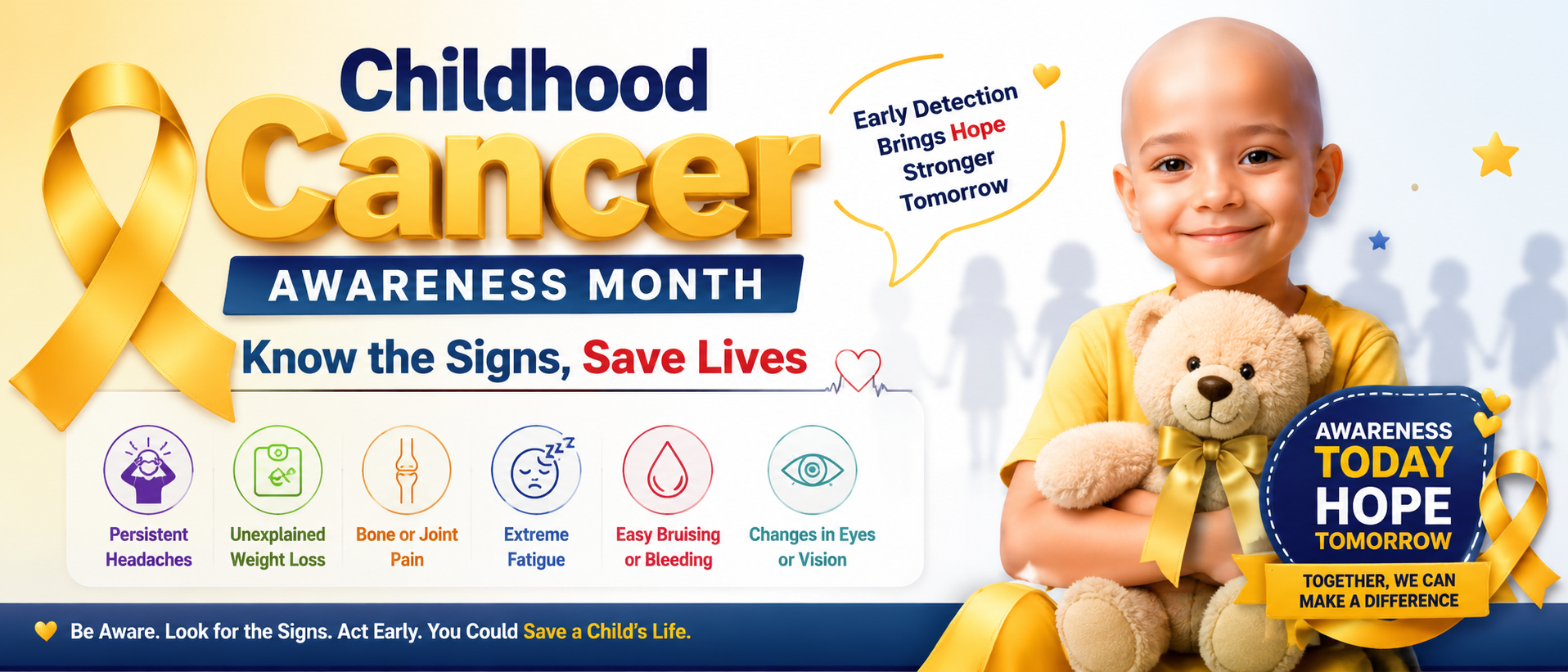
Childhood Cancer Awareness: Why It Matters More Than Ever

Childhood Cancer Awareness Month is a powerful reminder that cancer is not just an adult disease—it affects thousands of children worldwide every year. Raising childhood cancer awareness is essential to ensure early diagnosis, better treatment outcomes, and increased survival rates. Unlike adult cancers, pediatric cancers often develop rapidly and can be difficult to detect in their early stages.
By spreading knowledge, supporting families, and encouraging timely medical intervention, communities can play a vital role in improving outcomes. Awareness campaigns also help reduce stigma, promote funding for research, and strengthen healthcare systems focused on pediatric care.
Early Detection Symptoms: The Key to Saving Young Lives
Recognizing early detection symptoms can make the difference between life and death. Many childhood cancers show subtle warning signs that may initially seem like common illnesses.
Some general early symptoms include:
- Persistent fever without infection
- Unexplained weight loss
- Fatigue or unusual weakness
- Frequent infections
- Swelling or lumps in the body
- Bone or joint pain
Parents and caregivers should trust their instincts. If symptoms persist or worsen, seeking medical advice promptly can lead to early diagnosis childhood cancer, which significantly improves survival rates.
Pediatric Cancer Signs Every Parent Should Watch For
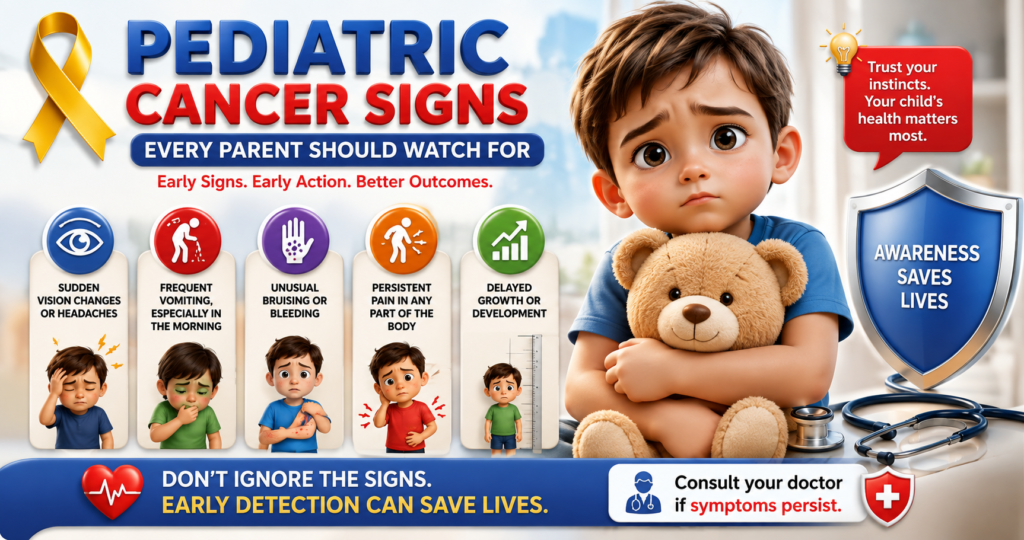
Understanding pediatric cancer signs is crucial for timely intervention. Children may not always be able to express their discomfort clearly, making observation even more important.
Key signs include:
- Sudden vision changes or headaches
- Frequent vomiting, especially in the morning
- Unusual bruising or bleeding
- Persistent pain in any part of the body
- Delayed growth or development
Early recognition of these symptoms can help in recognizing cancer symptoms early, ensuring that treatment begins before the disease progresses.
Childhood Leukemia Symptoms: The Most Common Pediatric Cancer
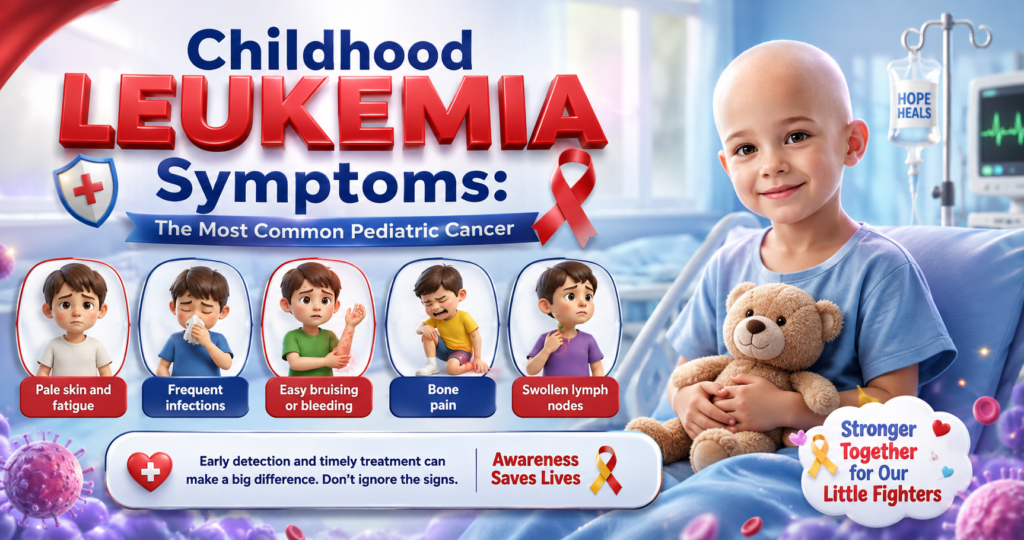
Leukemia is one of the most common childhood cancers. Identifying childhood leukemia symptoms early can lead to better outcomes.
Common symptoms include:
- Pale skin and fatigue
- Frequent infections
- Easy bruising or bleeding
- Bone pain
- Swollen lymph nodes
Because these symptoms often mimic common illnesses, awareness and vigilance are key components of pediatric oncology awareness.
Brain Tumor Signs in Children: Warning Signals You Shouldn’t Ignore
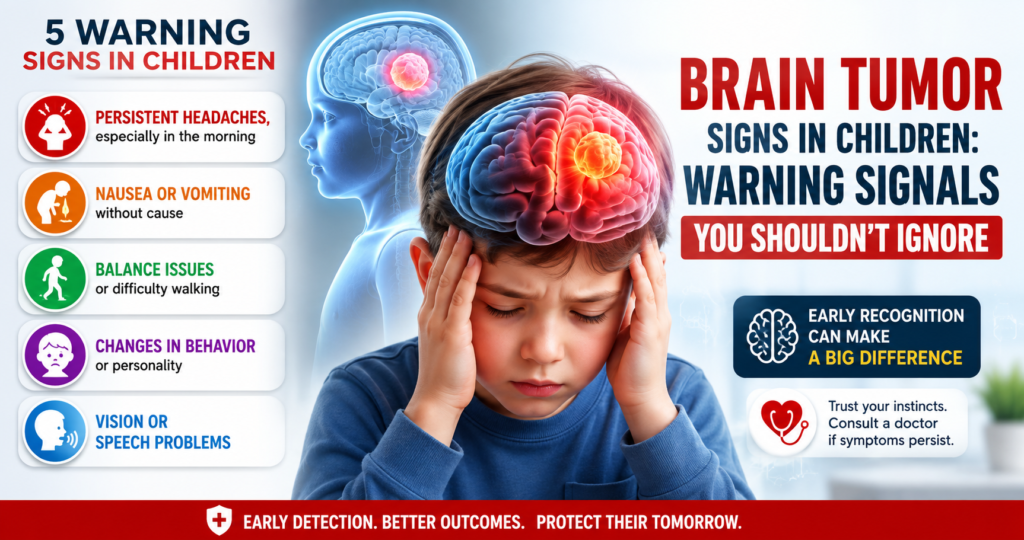
Brain tumors are another serious form of pediatric cancer. Recognizing brain tumor signs in children can help in early intervention.
Warning signs include:
- Persistent headaches, especially in the morning
- Nausea or vomiting without cause
- Balance issues or difficulty walking
- Changes in behavior or personality
- Vision or speech problems
Prompt medical evaluation is critical when these symptoms appear, as early treatment can significantly improve outcomes.
Cancer Warning Signs in Kids: What Makes Them Different
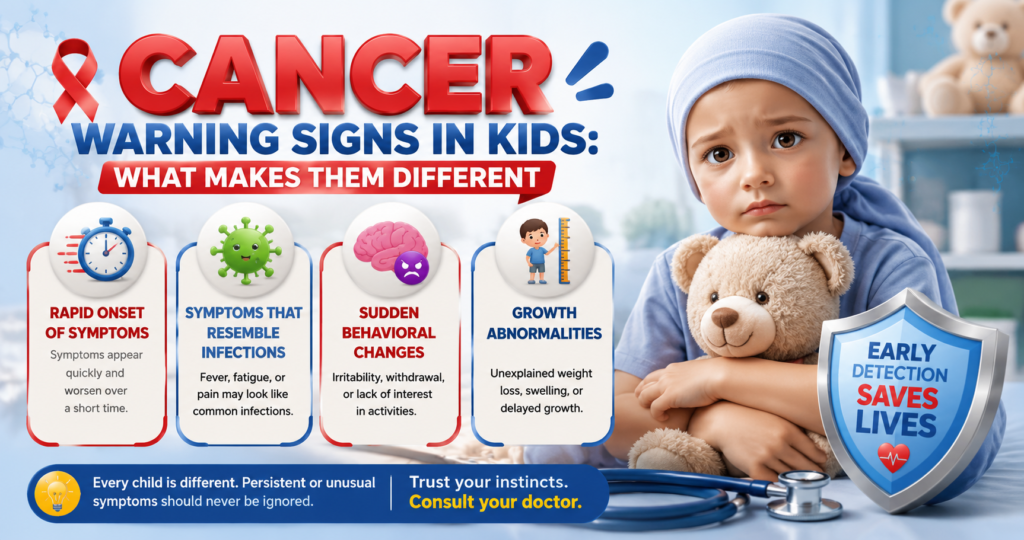
Cancer warning signs in kids often differ from those in adults. Children’s bodies respond differently, and symptoms can progress quickly.
Some unique characteristics include:
- Rapid onset of symptoms
- Symptoms that resemble infections
- Sudden behavioral changes
- Growth abnormalities
Understanding these differences helps parents and healthcare providers prioritize early diagnosis childhood cancer and avoid delays in treatment.
Early Diagnosis Childhood Cancer: Why Timing Is Critical
The importance of early diagnosis childhood cancer cannot be overstated. Early detection allows for:
- Less aggressive treatment
- Higher survival rates
- Reduced long-term complications
- Better quality of life
Studies show that children diagnosed early have a significantly higher chance of recovery. This highlights the importance of early detection in kids and the need for regular health check-ups.
Pediatric Oncology Awareness: Building Stronger Support Systems
Pediatric oncology awareness goes beyond recognizing symptoms—it includes education, support, and advocacy. Families dealing with childhood cancer face emotional, financial, and social challenges.
Awareness initiatives help:
- Provide emotional support to families
- Encourage early screening
- Promote research funding
- Improve healthcare infrastructure
Community involvement is essential to ensure that every child receives the care they deserve.
Childhood Cancer Prevention Awareness: Is Prevention Possible?
While not all cancers can be prevented, childhood cancer prevention awareness focuses on reducing risk factors and promoting healthy lifestyles.
Preventive measures include:
-
- Avoiding exposure to harmful chemicals
- Ensuring proper nutrition
- Maintaining a healthy environment
- Regular medical check-ups
Though prevention is limited, awareness plays a crucial role in minimizing risks and promoting early detection.
Symptoms of Cancer in Children: A Comprehensive Overview
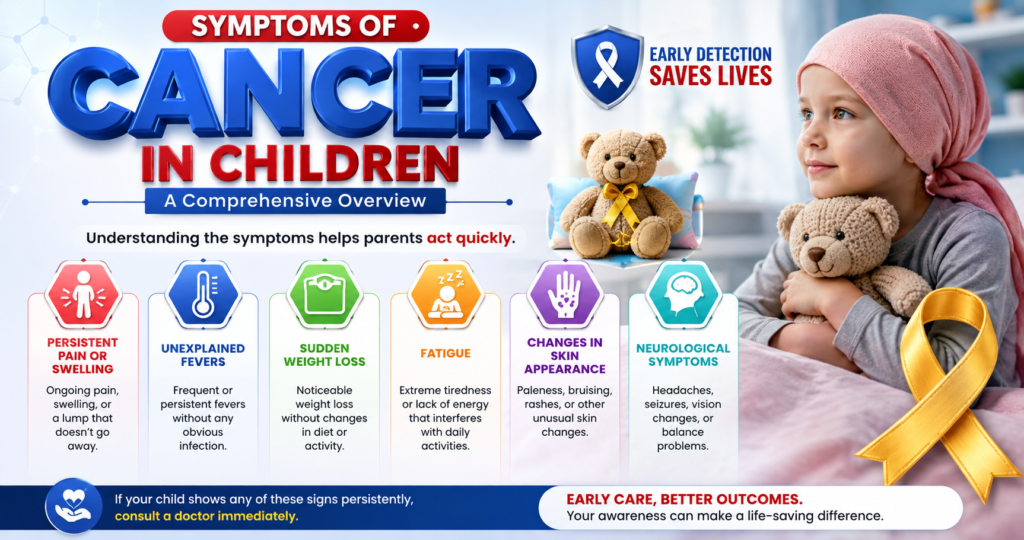
Understanding the symptoms of cancer in children helps parents act quickly. These symptoms may vary depending on the type of cancer but often include:
- Persistent pain or swelling
- Unexplained fevers
- Sudden weight loss
- Fatigue
- Changes in skin appearance
- Neurological symptoms
Recognizing these symptoms early is essential for childhood cancer survival awareness.
Importance of Early Detection in Kids: A Life-Saving Approach
The importance of early detection in kids lies in its ability to improve treatment success rates. Early detection:
- Increases survival chances
- Reduces treatment intensity
- Minimizes long-term side effects
- Improves overall outcomes
Parents, teachers, and healthcare providers must work together to ensure timely diagnosis and treatment.
Childhood Cancer Survival Awareness: Stories of Hope
Thanks to advancements in medicine, childhood cancer survival awareness has improved significantly over the years. Many children go on to live healthy, fulfilling lives after treatment.
Survival rates have increased due to:
- Improved diagnostic tools
- Advanced treatment methods
- Better supportive care
- Increased awareness
However, continued efforts are needed to ensure that every child has access to quality healthcare.
Recognize Cancer Symptoms Early: Your Role as a Caregiver
To recognize cancer symptoms early, caregivers must stay informed and proactive. Key steps include:
- Monitoring persistent symptoms
- Keeping track of health changes
- Seeking medical advice promptly
- Avoiding self-diagnosis
Early action can make a life-saving difference.
Pediatric Cancer Education: Empowering Communities
Pediatric cancer education is a cornerstone of awareness campaigns. Educating parents, teachers, and communities helps:
- Identify symptoms early
- Reduce fear and stigma
- Encourage timely medical care
- Support affected families
Education empowers individuals to take action and contribute to a healthier future for children.
Save Lives Through Awareness: A Collective Responsibility
The message of Childhood Cancer Awareness Month is clear: we can save lives through awareness. Every effort counts—from sharing information to supporting affected families.
Ways to contribute include:
- Participating in awareness campaigns
- Supporting cancer research organizations
- Educating others about symptoms
- Encouraging regular health check-ups
Together, we can create a world where no child suffers due to delayed diagnosis.
Conclusion
Childhood Cancer Awareness Month is not just about awareness—it’s about action. By understanding childhood cancer awareness, recognizing early detection symptoms, and promoting pediatric oncology awareness, we can make a real difference.
Early detection remains the most powerful tool in fighting childhood cancer. When communities come together to spread knowledge and support families, we move closer to a future where more children survive and thrive.
Let us commit to staying informed, spreading awareness, and taking timely action—because every second counts, and every child deserves a chance at life.
Leave a Reply