
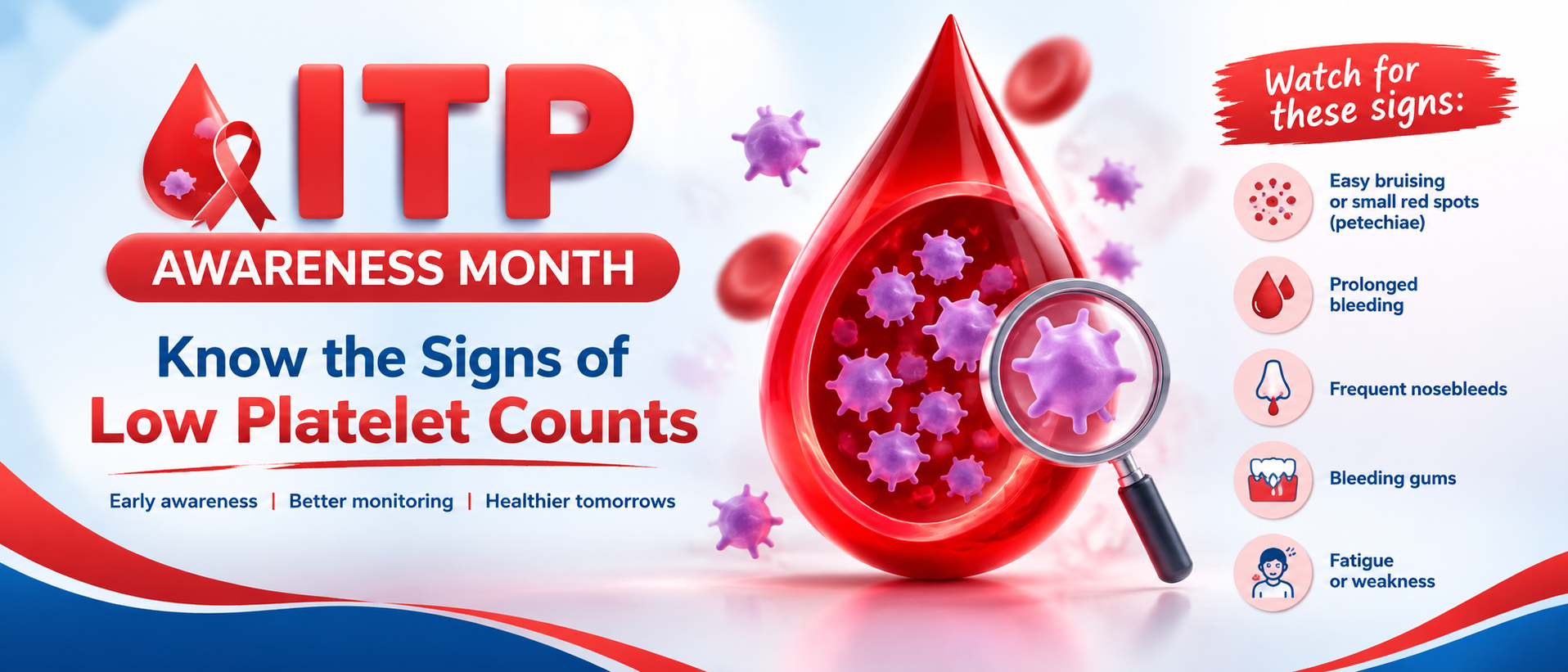

Why ITP Awareness Month Matters
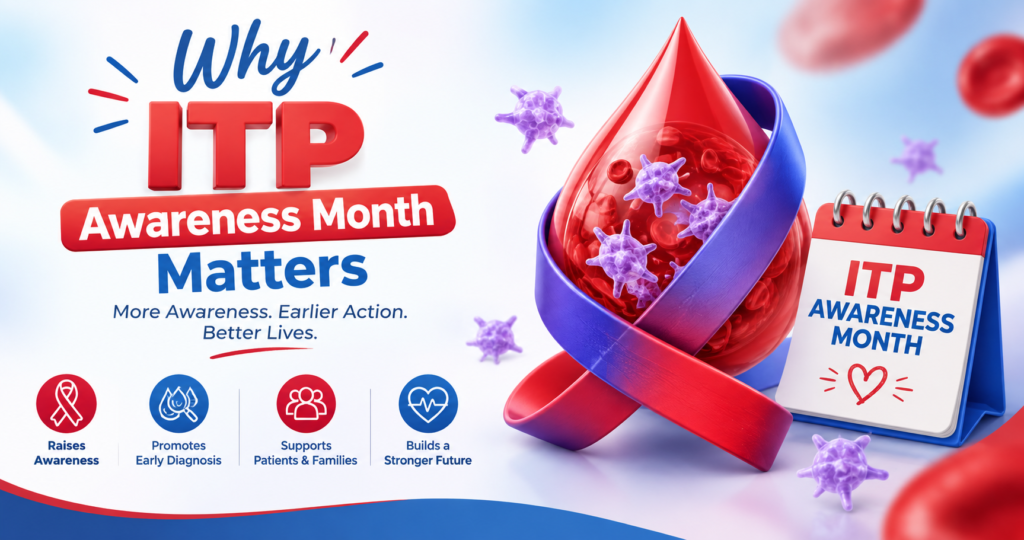
ITP Awareness Month is an important opportunity to increase understanding of Immune Thrombocytopenia (ITP), a condition in which the immune system mistakenly targets and destroys platelets. Platelets play a vital role in blood clotting, so having a low platelet count can increase the risk of bleeding.
Many people may not recognize the early signs of ITP because symptoms can range from mild to more noticeable bleeding. Some people may have no obvious symptoms at all and discover a low platelet count during a routine blood test.
Greater platelet count awareness can help people recognize possible warning signs and understand when professional medical evaluation may be appropriate. Learning about ITP can also help patients, families, and communities better understand this often misunderstood blood disorder.
What Is Immune Thrombocytopenia?
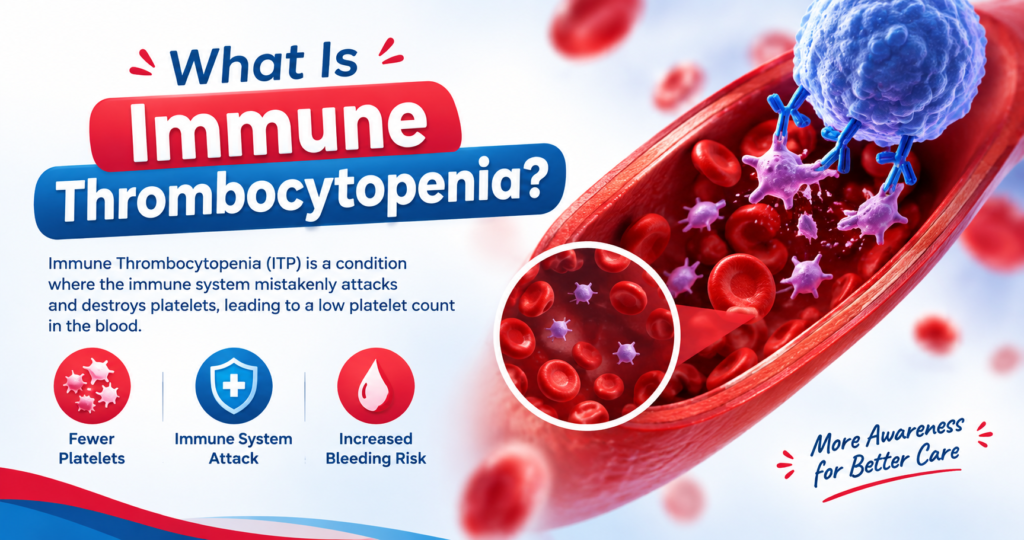
Immune Thrombocytopenia, commonly called ITP, is a condition involving the body’s immune system and blood platelets. Normally, platelets circulate in the bloodstream and help stop bleeding by forming clots when blood vessels are damaged.
With ITP, the immune system mistakenly identifies platelets as something that should be removed from the body. As a result, platelets may be destroyed faster than the body can replace them. In some cases, platelet production in the bone marrow may also be affected.
The severity of ITP varies considerably. Some individuals experience only a mild reduction in platelet levels, while others can develop significant bleeding complications.
ITP may occur in children or adults and can develop suddenly or persist for a longer period. Understanding the condition is an important part of improving awareness of platelet disorders and bleeding disorders.
Low Platelet Count: What Does It Mean?
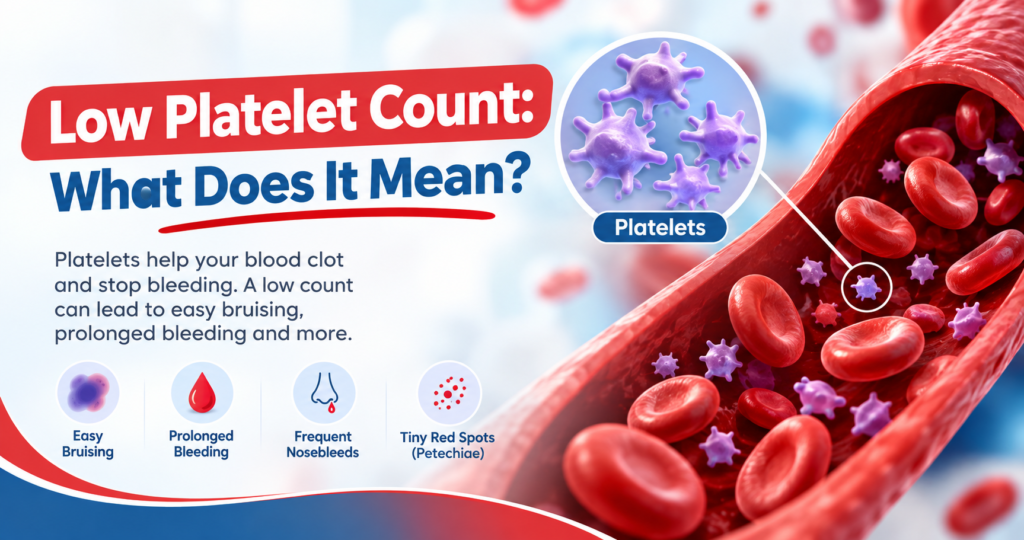
A low platelet count means that the number of platelets circulating in the blood is below the normal range. Platelet levels are typically measured through a blood test called a complete blood count (CBC).
Platelets are essential for controlling bleeding. When a blood vessel is injured, platelets gather around the damaged area and help create a clot.
When platelet levels become significantly reduced, the body may have greater difficulty controlling bleeding. However, the severity of symptoms does not always correspond perfectly to the platelet number.
A low platelet count can have many possible explanations. Therefore, having a low platelet count does not automatically mean a person has ITP.
ITP Symptoms You Should Know
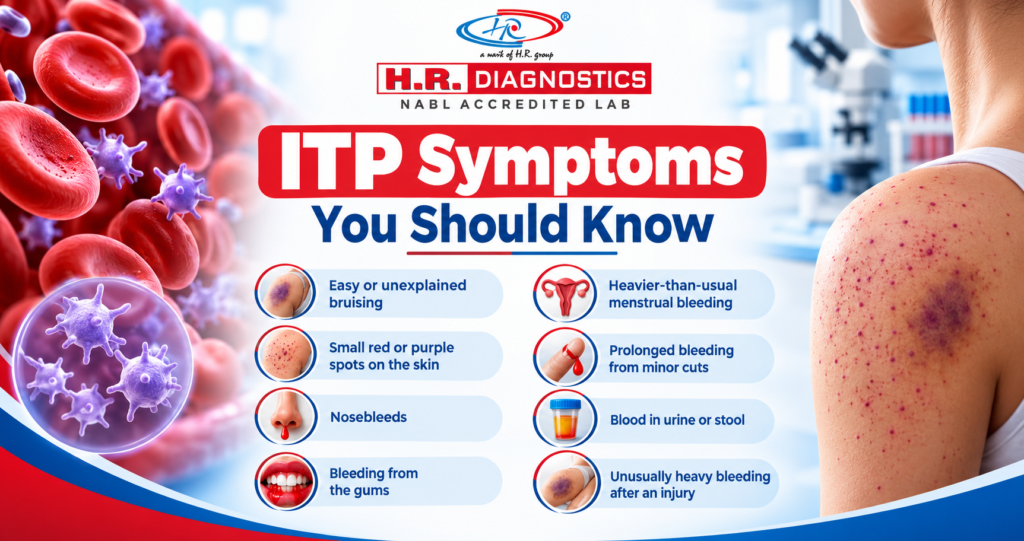
The ITP symptoms experienced by patients can vary depending on platelet levels and other individual factors. Some people may have few or no symptoms, while others may experience noticeable bleeding-related problems.
Common symptoms can include:
- Easy or unexplained bruising
- Small red or purple spots on the skin
- Nosebleeds
- Bleeding from the gums
- Heavier-than-usual menstrual bleeding
- Prolonged bleeding from minor cuts
- Blood in urine or stool
- Unusually heavy bleeding after an injury
People with suspected ITP should discuss unusual or persistent bleeding symptoms with a qualified healthcare professional.
ITP Warning Signs: When Should You Pay Attention?
Recognizing ITP warning signs is an important part of awareness. Unexplained bleeding or frequent bruising should not automatically be attributed to ITP, but they may warrant medical evaluation.
Important signs may include sudden or frequent bruising without an obvious injury, recurring nosebleeds, unusual bleeding from the gums, or numerous tiny red or purple spots appearing on the skin.
Heavy menstrual bleeding can also occur in people with low platelet levels.
Severe or uncontrolled bleeding requires urgent medical attention. Anyone experiencing significant bleeding, blood in vomit, black or bloody stools, severe headache with other concerning symptoms, or other potentially serious symptoms should seek emergency medical care.
Easy Bruising and Unexplained Bleeding
Easy bruising is one of the symptoms that may occur when platelet levels are low. A person may notice bruises appearing without remembering an injury or may develop larger bruises after relatively minor impacts.
However, bruising is common and can have many causes. Medications, nutritional issues, physical activity, certain medical conditions, and other factors may contribute to bruising.
When bruising occurs frequently alongside other symptoms of abnormal bleeding, a healthcare professional may recommend blood testing to investigate the underlying cause.
Petechiae: Tiny Spots That May Signal Low Platelets
Petechiae are tiny, flat red, purple, or brownish spots that can appear on the skin. They occur when small blood vessels leak a small amount of blood into the skin.
Petechiae can sometimes be associated with low platelet levels, including ITP. They are often found on the legs, feet, or other areas of the body, although their distribution can vary.
It is important to remember that petechiae are not exclusive to ITP. Infections, medications, other blood disorders, and various medical conditions can also cause them.
If unexplained petechiae appear suddenly or are accompanied by other bleeding symptoms, medical evaluation can help determine the cause.
Thrombocytopenia Causes: Why Do Platelets Become Low?
There are many possible thrombocytopenia causes, and ITP is only one of them.
Low platelet levels may occur because:
- The body is not producing enough platelets.
- Platelets are being destroyed too quickly.
- Platelets are being removed or trapped in certain organs.
- Certain medications affect platelet levels.
- Some infections or medical conditions affect platelet production or destruction.
- Immune system problems cause platelet destruction.
Because thrombocytopenia has multiple possible causes, identifying the reason behind a low platelet count is important before deciding on treatment.
Platelet Disorders and Their Impact
Platelet disorders include conditions that affect the number or function of platelets. Some disorders cause platelet counts to become too low, while others may affect how platelets function.
ITP is primarily associated with immune-mediated platelet destruction. Other platelet disorders can have completely different mechanisms and treatments.
This is why people should avoid self-diagnosing based solely on symptoms. A healthcare professional can review medical history, medications, physical findings, and laboratory results to determine what may be happening.
ITP Diagnosis: How Is It Identified?
ITP diagnosis generally involves evaluating the patient’s medical history, symptoms, physical examination, and blood test results.
There is no single test that can independently confirm every case of ITP. Instead, healthcare professionals generally consider ITP after assessing the overall clinical picture and excluding other potential explanations for thrombocytopenia.
A complete blood count can provide information about platelet levels and other blood cells. A blood smear may also be used to examine blood cells under a microscope.
Depending on the individual situation, additional investigations may be recommended to identify or rule out other causes of low platelet levels.
The diagnostic process is important because several medical conditions can cause thrombocytopenia and may require different treatments.
Blood Tests and Platelet Count Awareness
Platelet count awareness can help people better understand the role of routine blood testing in identifying certain conditions.
A CBC can measure the number of platelets in the blood. If a test shows a low platelet count, the healthcare professional may recommend repeating the test or conducting additional investigations.
It is important not to interpret a platelet number in isolation. Doctors consider the platelet count alongside symptoms, medical history, medications, other blood results, and overall health.
Regular medical evaluation can be particularly important when someone has persistent unexplained bleeding, bruising, or other concerning symptoms.
Immune System Disorders and ITP
ITP is associated with immune system disorders because the body’s immune response mistakenly targets its own platelets.
Normally, the immune system protects the body from harmful organisms and abnormal cells. In autoimmune conditions, however, immune activity may mistakenly target healthy cells or tissues.
In ITP, this immune response can result in increased platelet destruction.
The exact reason why some people develop ITP is not always clear. ITP may occur after certain infections or in association with other immune-related conditions, but the circumstances vary between individuals.
ITP Treatment: What Are the Options?
ITP treatment depends on several factors, including platelet levels, bleeding symptoms, age, overall health, and whether the condition is newly diagnosed or persistent.
Not every person with ITP requires immediate treatment. Some people with mild symptoms may be monitored regularly by their healthcare team.
When treatment is necessary, healthcare professionals may consider therapies designed to reduce platelet destruction, increase platelet production, or control significant bleeding.
Depending on the situation, treatment approaches can include corticosteroids, intravenous immunoglobulin (IVIG), medicines that stimulate platelet production, and other therapies.
In some cases, additional treatments may be considered when ITP does not respond adequately to initial therapy.
Treatment decisions should always be individualized and made in consultation with a qualified healthcare professional.
Understanding Abnormal Bleeding
Abnormal bleeding is one of the most important concerns associated with significant thrombocytopenia.
Bleeding can appear in different ways. A person may experience frequent nosebleeds, gum bleeding, unusually heavy menstrual periods, prolonged bleeding from minor injuries, or blood appearing in urine or stool.
Not every episode of abnormal bleeding means someone has ITP. However, unexplained or persistent bleeding deserves appropriate medical assessment.
Severe bleeding can be a medical emergency. Immediate professional care is important when bleeding is heavy, persistent, or associated with symptoms such as weakness, fainting, confusion, severe headache, or other concerning changes.
ITP and Bleeding Disorders: Understanding the Difference
ITP is sometimes discussed alongside bleeding disorders, but these conditions are not all the same.
Bleeding disorders can result from problems involving platelets, clotting factors, blood vessels, or other parts of the body’s clotting system.
ITP primarily involves a reduced platelet count caused by an immune-mediated process. Other bleeding disorders may involve inherited or acquired problems with clotting proteins or platelet function.
Understanding these differences can prevent confusion and encourage people to seek an accurate diagnosis instead of assuming that every bleeding problem has the same cause.
Can Children Develop ITP?
Children can also develop ITP. In some children, the condition may appear suddenly, sometimes following an infection.
Children may develop bruising, petechiae, nosebleeds, or other signs of low platelet levels. Because children frequently experience minor injuries while playing, it can sometimes be difficult for parents to determine whether bruising is unusual.
Parents and caregivers should discuss unexplained or excessive bruising and bleeding with a pediatric healthcare professional.
The approach to monitoring and treatment in children may differ from that used in adults, so professional assessment is important.
Living With ITP
Living with ITP can involve regular monitoring and awareness of bleeding symptoms. People diagnosed with the condition may need periodic blood tests to monitor platelet levels.
Patients should also discuss medications and supplements with their healthcare professionals because some medicines can affect bleeding risk or platelet function.
Depending on the severity of the condition, doctors may provide individualized recommendations regarding physical activities and situations that could increase the risk of injury.
Emotional support can also be valuable. Living with a chronic or unpredictable condition can sometimes cause anxiety or uncertainty. Reliable medical information and communication with healthcare providers can help patients feel more informed about their condition.
ITP Awareness Month: Breaking Common Misconceptions
During ITP Awareness Month, it is important to address common misconceptions about the condition.
One misconception is that every low platelet count is caused by ITP. In reality, thrombocytopenia has many possible causes.
Another misconception is that everyone with ITP experiences severe bleeding. Symptoms can vary considerably, and some people may have few symptoms.
It is also important to understand that a diagnosis of ITP does not mean a person will necessarily experience serious complications. Medical monitoring and appropriate treatment can help manage the condition.
Awareness should focus on recognizing symptoms, understanding the importance of medical evaluation, and supporting people living with ITP.
How Can You Support ITP Awareness?
There are several ways to support ITP Awareness Month and increase public understanding:
- Learn about Immune Thrombocytopenia from reliable medical sources.
- Share accurate information about ITP symptoms and warning signs.
- Encourage people with unexplained bleeding to seek medical advice.
- Help reduce misconceptions about platelet disorders.
- Support individuals living with ITP.
- Promote awareness about the importance of blood tests when medically recommended.
- Avoid spreading unverified medical claims on social media.
Awareness can help people recognize potentially important symptoms without encouraging unnecessary fear or self-diagnosis.
When Should You Contact a Healthcare Professional?
Anyone experiencing persistent or unexplained bruising, recurrent nosebleeds, unusual gum bleeding, petechiae, heavy menstrual bleeding, or other signs of abnormal bleeding should consider discussing these symptoms with a healthcare professional.
Urgent medical attention may be necessary when bleeding is severe or difficult to control, or when concerning symptoms such as severe headache, confusion, fainting, weakness, or significant blood loss occur.
A healthcare professional can determine whether blood testing or further evaluation is appropriate.
Know the Signs, Understand ITP
ITP Awareness Month provides an opportunity to improve understanding of Immune Thrombocytopenia and the importance of recognizing a low platelet count.
Symptoms such as easy bruising, petechiae, abnormal bleeding, and recurrent nosebleeds can occur with low platelet levels, although they can also have other causes. Understanding ITP warning signs can encourage people to seek appropriate medical evaluation.
From understanding thrombocytopenia causes to learning about ITP diagnosis and ITP treatment, education plays an important role in helping patients make informed decisions with their healthcare teams.
Greater platelet count awareness can help communities recognize the importance of blood health and encourage timely medical attention when unusual symptoms occur.
This ITP Awareness Month, take the opportunity to learn the signs, understand the condition, and share reliable information. Early recognition and appropriate medical care can make an important difference for people living with ITP and other bleeding disorders.
Leave a Reply