
What Is Maternal Health Awareness Day 2026?

Maternal Health Awareness Day 2026 is an opportunity to focus public attention on the health, safety, dignity, and well-being of mothers before, during, and after pregnancy. In the United States, the American College of Obstetricians and Gynecologists (ACOG) observes Maternal Health Awareness Day on January 23, and its 2026 theme is “Holding Ground on Maternal Health.” The observance emphasizes preventing maternal deaths and advancing respectful, evidence-based care. Maternal health, however, is not simply a date on a calendar; it is a continuing responsibility shared by healthcare professionals, families, communities, governments, and society.
The importance of this awareness becomes clearer when we look at current global data. WHO reports that approximately 260,000 women died during pregnancy and childbirth in 2023, with more than 700 women dying each day from preventable causes related to pregnancy and childbirth. The global maternal mortality ratio was estimated at 197 deaths per 100,000 live births in 2023, while the global target under Sustainable Development Goal 3.1 is below 70 by 2030. These numbers remind us that safe motherhood requires more than medical treatment at the time of delivery. It requires continuous maternal healthcare, timely information, skilled professionals, accessible facilities, and meaningful maternal health support throughout the pregnancy journey.
The 2026 Theme and the Need to Hold Ground on Maternal Health
The phrase “Holding Ground on Maternal Health” carries an important message: progress must not be taken for granted. According to ACOG, evidence-based solutions include equitable access to prenatal care, specialist care when needed, properly equipped birthing facilities, emergency preparedness, and patient-safety approaches throughout the perinatal period. This is particularly important because maternal health improvements can slow or reverse when healthcare systems face shortages, financial pressures, conflict, displacement, or unequal access.
Maternal Health Awareness Day 2026 can therefore serve as a reminder to protect the progress already achieved while continuing to improve care. A safe pregnancy should never depend solely on a woman’s income, location, social circumstances, or ability to travel long distances for treatment. Every expectant mother deserves respectful communication, competent healthcare, informed decision-making, and a realistic pathway to emergency care when complications occur.
Why Maternal Health Awareness Matters in 2026
Maternal health awareness helps women understand their health needs and recognize when professional medical advice is necessary. Pregnancy is a natural process, but it can also involve complications that develop quickly and require immediate attention. Conditions such as severe bleeding, hypertensive disorders, infections, and other pregnancy-related complications can become serious without appropriate care. WHO emphasizes that skilled health professionals providing care before, during, and after childbirth can save women’s lives.
Awareness also helps families move beyond myths and assumptions. A woman may appear healthy while still requiring monitoring for conditions that cannot be identified through appearance alone. Regular consultations allow healthcare professionals to assess maternal and fetal well-being, monitor changes, provide appropriate tests and vaccinations where indicated, discuss nutrition and medications, and identify potential risks. Good awareness transforms pregnancy from a period of uncertainty into one where women and families understand what to expect and when to seek help.
The Global Maternal Health Challenge
The global picture shows both progress and urgency. WHO and partner agencies report that maternal deaths fell by about 40% between 2000 and 2023, but the pace of improvement has slowed substantially since 2016. More than 90% of maternal deaths in 2023 occurred in low- and lower-middle-income countries, highlighting the connection between maternal health and access to quality healthcare.
The challenge is also affected by social and humanitarian conditions. WHO reported in February 2026 that nearly two-thirds of maternal deaths worldwide occur in countries affected by conflict or fragility, and estimated that 160,000 women died from preventable maternal causes in fragile and conflict-affected settings in 2023. These realities demonstrate why maternal health services must be resilient, accessible, and capable of reaching women who face additional barriers to care.
Understanding Safe Motherhood and Quality Maternal Healthcare
Safe motherhood means creating the conditions in which a woman can experience pregnancy, childbirth, and the postpartum period with appropriate medical care, dignity, information, and protection from preventable harm. It includes preparation before pregnancy, appropriate prenatal care, skilled care during childbirth, emergency services when required, and postnatal care after delivery. It also includes attention to nutrition, mental well-being, reproductive health, and the woman’s ability to make informed decisions about her care.
Quality maternal healthcare should be patient-centered rather than limited to a checklist of medical procedures. A woman should feel comfortable asking questions about symptoms, tests, medications, delivery options, breastfeeding, recovery, and warning signs. Healthcare providers should listen carefully and communicate information in a way that the woman and her family can understand. When mothers are treated with respect and supported by qualified professionals, healthcare becomes not only safer but also more empowering.
What Safe Motherhood Really Means
Safe motherhood is not the promise that every pregnancy will be free from complications. Instead, it means that potential problems are identified early and that the healthcare system is prepared to respond appropriately. This distinction matters because some pregnancy complications cannot be predicted completely, but their consequences can often be reduced through timely diagnosis and treatment.
A strong safe-motherhood approach connects women with healthcare throughout the pregnancy journey. It encourages women to attend recommended appointments, follow professional advice, maintain appropriate nutrition, understand warning signs, and have a plan for reaching a suitable healthcare facility. Families can strengthen this approach by supporting transportation, appointment attendance, emotional well-being, and emergency preparedness.
The Importance of Prenatal Care for a Healthy Pregnancy
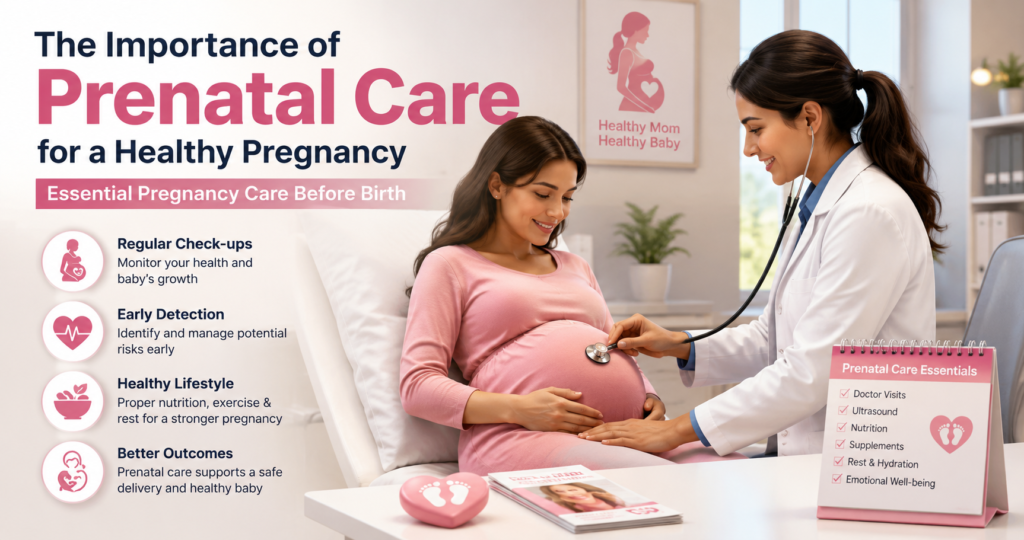
Prenatal care is one of the most important foundations of a healthy pregnancy. It gives healthcare professionals opportunities to monitor the mother’s health, assess pregnancy progress, identify risks, provide appropriate guidance, and respond to concerns. The exact schedule and investigations depend on individual circumstances, medical history, local guidelines, and the healthcare professional’s assessment.
Pregnancy care should not begin only when a woman experiences discomfort. Ideally, women planning pregnancy should have access to preconception counseling, especially when they have existing health concerns or take regular medicines. Once pregnancy is confirmed, appropriate appointments help establish a care pathway. These visits are also valuable opportunities for maternal health education, because a woman can ask questions about diet, physical activity, medicines, vaccinations, screening, warning signs, emotional health, and preparation for childbirth.
Essential Pregnancy Care Before Birth
Good pregnancy care involves more than checking whether the baby is growing. Healthcare professionals consider the mother’s blood pressure, symptoms, medical history, nutritional needs, mental well-being, and other factors that can influence pregnancy outcomes. Depending on the individual situation, clinicians may recommend blood tests, ultrasound examinations, screening procedures, supplements, vaccinations, or specialist referrals.
Women should avoid taking medicines, supplements, or herbal products without discussing them with an appropriate healthcare professional. They should also communicate openly about previous pregnancies, surgeries, allergies, medical conditions, and any unusual symptoms. A simple conversation at the right time can sometimes make a major difference to the care plan.
Recognizing Pregnancy Warning Signs Early
Pregnancy health awareness means knowing that certain symptoms require prompt medical evaluation rather than waiting for the next routine appointment. Heavy vaginal bleeding, severe abdominal pain, severe headache with visual changes, difficulty breathing, seizures, loss of consciousness, high fever, severe swelling, or other concerning symptoms can require urgent medical assessment. The appropriate response depends on the individual’s circumstances, so women should follow advice from their healthcare provider and seek emergency care when serious symptoms occur.
Awareness is especially important because complications can develop rapidly. Families should know where the nearest appropriate maternity or emergency facility is located and how they will reach it if necessary. Preparing important medical records and contact information in advance can reduce confusion during an emergency. Safe pregnancy practices are not about becoming frightened by every symptom; they are about recognizing potentially serious changes and responding quickly.
Maternal Health Services Every Woman Should Know About
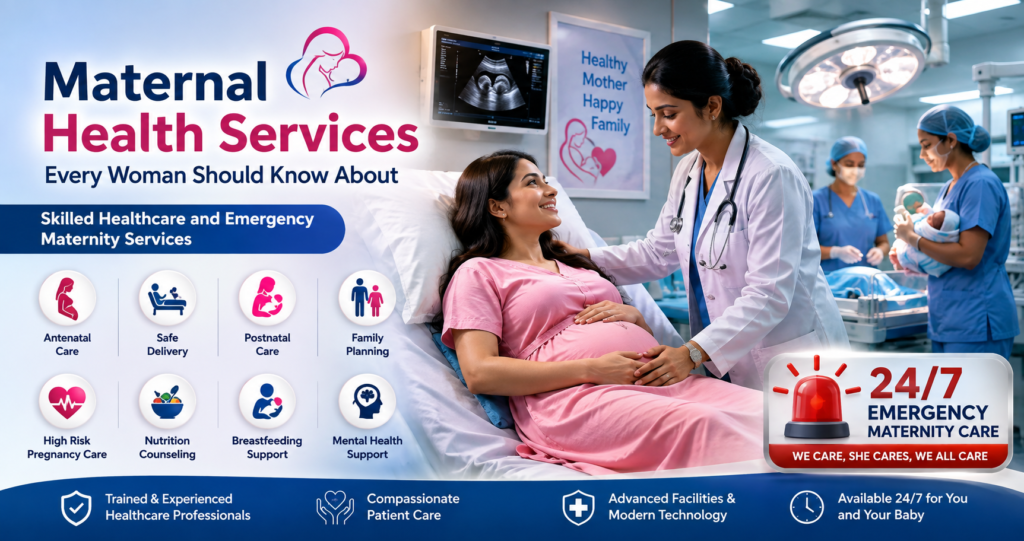
Accessible maternal health services form the backbone of safe motherhood. These services can include preconception counseling, antenatal or prenatal consultations, laboratory investigations, ultrasound and other diagnostic services when clinically indicated, skilled childbirth care, emergency obstetric services, postnatal consultations, breastfeeding support, family planning counseling, and mental-health support.
The availability of services is only part of the equation. Women also need services that are affordable, geographically accessible, culturally respectful, and appropriately staffed. WHO’s latest maternal health information highlights the importance of skilled health professionals, with doctors, nurses, and midwives playing critical roles in maternal and newborn care. A healthcare system may have advanced equipment, but if women cannot reach it or cannot afford to use it, access remains incomplete.
Skilled Healthcare and Emergency Maternity Services
Skilled maternity professionals can identify complications, provide appropriate care, and coordinate referrals when a higher level of treatment is needed. Hospitals and maternity facilities should also have systems for managing emergencies, including appropriate staff, medicines, blood services where required, surgical capability where indicated, and referral pathways.
The goal is not simply to increase the number of medical interventions. The goal is to ensure that every woman receives the right care at the right time. Respectful communication, informed consent, privacy, and dignity should remain central to the experience.
Maternal Health Education Can Save Lives
Maternal health education turns medical information into practical knowledge that women and families can use. Education can explain why prenatal appointments matter, how nutrition supports pregnancy, which symptoms require medical attention, how to prepare for childbirth, and why postnatal recovery deserves attention. It can also help communities challenge myths that may discourage women from seeking timely medical care.
Education should be simple, accessible, and available through multiple channels. Healthcare centers, schools, community organizations, digital platforms, awareness campaigns, and trained health workers can all contribute. The most effective messages are those that respect local realities while encouraging evidence-based healthcare decisions.
Safe Pregnancy Practices for Mothers and Families
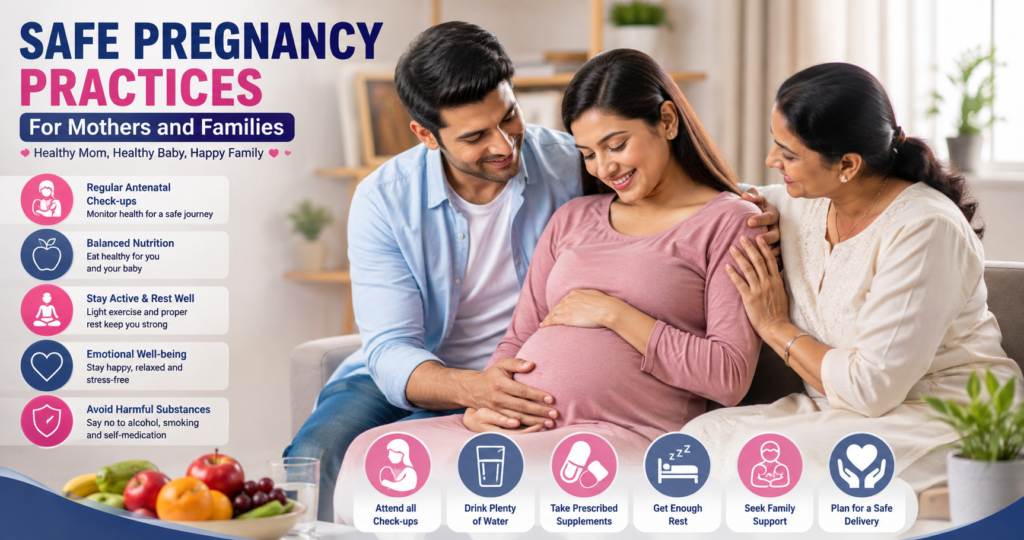
Safe pregnancy practices begin with regular professional care and extend into everyday life. Women should follow individualized medical advice, maintain a balanced diet, stay appropriately active when medically suitable, avoid tobacco and other harmful substances, take prescribed medicines and supplements as directed, and attend recommended appointments.
Families have an equally important role. Partners and relatives can help women attend appointments, maintain healthy routines, recognize warning signs, and access urgent care when needed. Emotional support matters too. Pregnancy can bring excitement, anxiety, physical discomfort, and major life changes, so a supportive home environment can contribute significantly to maternal wellness.
The Role of Nutrition in Maternal Wellness
Nutrition is an important part of maternal wellness because pregnancy increases the body’s nutritional demands. A balanced diet can provide energy and essential nutrients needed to support the mother’s health and fetal development. However, nutritional requirements vary according to age, health status, pregnancy stage, dietary pattern, and other factors.
Women should discuss supplements such as iron, folic acid, calcium, or other nutrients with qualified healthcare professionals rather than relying on generalized advice alone. Good nutrition is not about following a perfect diet every day. It is about developing sustainable eating habits and addressing deficiencies or special nutritional requirements with appropriate professional guidance.
Mental Health Is Part of Maternal Care Awareness
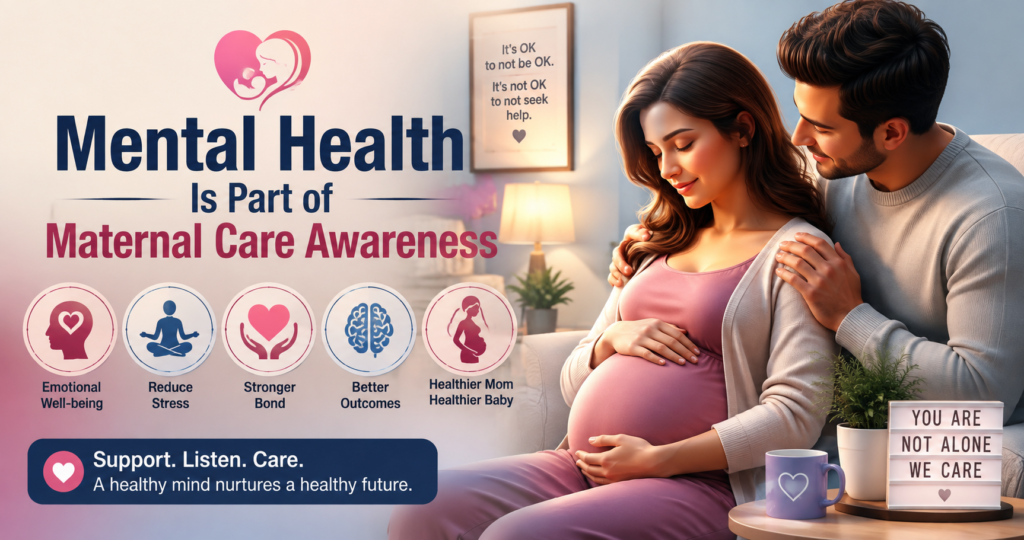
Physical health is only one part of pregnancy and postpartum well-being. Maternal care awareness should also include emotional and mental health because pregnancy, childbirth, sleep disruption, hormonal changes, financial concerns, relationship changes, and the responsibilities of caring for a newborn can affect how a mother feels.
Persistent sadness, overwhelming anxiety, hopelessness, extreme irritability, difficulty functioning, or thoughts of self-harm should never be dismissed as simply part of motherhood. Women experiencing concerning emotional or psychological symptoms should speak with a qualified healthcare professional promptly. Creating a culture where mothers can ask for help without shame is an essential part of compassionate maternal healthcare.
Why Postnatal Care Should Never Be Ignored
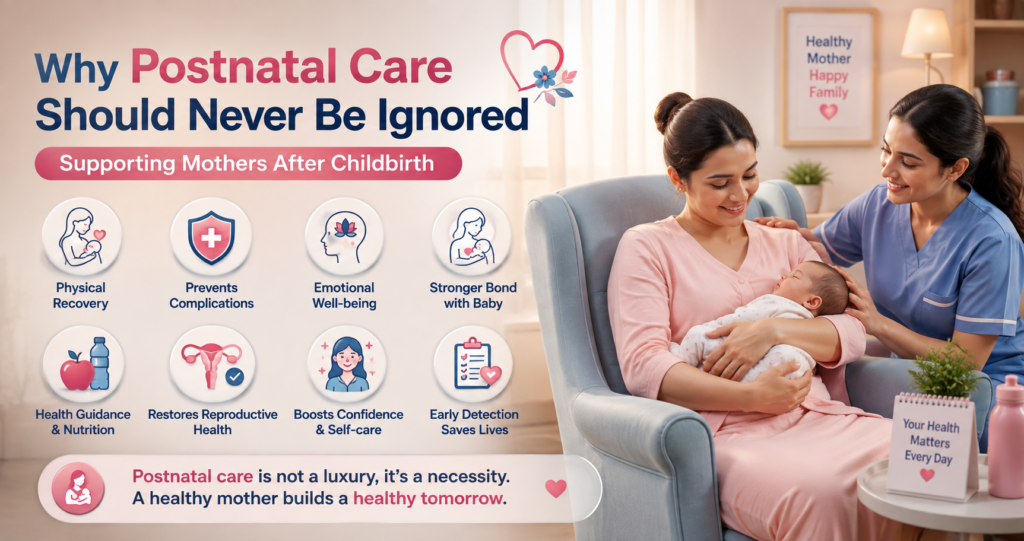
Postnatal care is sometimes overlooked because attention shifts toward the newborn after delivery. Yet the mother continues to recover physically and emotionally, and some complications can occur during the postpartum period. WHO defines maternal death in its standard measure as a death during pregnancy or within 42 days after the end of pregnancy, underscoring that maternal health concerns do not end at delivery.
Postnatal care can include assessment of recovery, blood pressure and other health concerns where indicated, breastfeeding support, family planning counseling, mental-health screening or support, wound or surgical recovery guidance, and education about warning signs. The exact follow-up plan should be individualized. A mother deserves the same attention and respect after birth that she received during pregnancy.
Supporting Mothers After Childbirth
Families can support postpartum recovery by ensuring that mothers have opportunities to rest, eat adequately, attend follow-up appointments, and communicate concerns. Partners can share household and newborn responsibilities rather than assuming that the mother should manage everything immediately after delivery.
Healthcare providers can also help mothers understand what physical and emotional changes are expected and which symptoms require medical assessment. This combination of professional guidance and practical family support creates a stronger safety net during a vulnerable period.
Maternal Health Support Beyond the Hospital
Maternal health support should extend beyond clinical appointments. Transportation, financial assistance, community health workers, telehealth where appropriate, educational resources, and social support can help women remain connected to care. This becomes particularly important for women living in rural, remote, underserved, or conflict-affected areas.
WHO’s 2026 analysis of conflict and fragility shows how instability can severely increase maternal risks, with maternal mortality ratios substantially higher in conflict-affected countries. Building resilient healthcare systems therefore requires more than hospitals; it requires reliable referral networks, trained personnel, medicines, transportation, communication systems, and community-level support.
Addressing Inequality in Maternal Healthcare
A mother’s chance of receiving safe care can be influenced by where she lives, her financial circumstances, healthcare availability, transportation, education, and social conditions. Global data show that more than 90% of maternal deaths occurred in low- and lower-middle-income countries in 2023. This means maternal health cannot be separated from broader questions of healthcare access and social equity.
Improving outcomes requires investment in primary healthcare, skilled maternity professionals, emergency referral systems, health education, and affordable services. It also requires listening to women and communities about the barriers they experience. Safe motherhood becomes a realistic goal when healthcare systems are designed around the needs of the people they serve.
Technology and the Future of Maternal Health Services
Technology can strengthen maternal health services when it is used thoughtfully. Digital appointment systems, teleconsultation, electronic health records, remote monitoring, mobile health education, and digital reminders can help some women stay connected with healthcare. Technology may be particularly valuable where distance makes frequent travel difficult, although it cannot replace in-person assessment when physical examination or emergency treatment is necessary.
The future of maternal healthcare should combine innovation with human connection. A digital reminder can tell a mother about an appointment, but a skilled healthcare professional must still listen to her concerns and make appropriate clinical decisions. Technology should therefore be viewed as a bridge that can improve access, continuity, and communication rather than as a substitute for quality care.
How Families Can Promote Pregnancy Health Awareness
Families can make pregnancy health awareness part of everyday life by encouraging healthy routines and supporting medical care. A partner, parent, sibling, or friend can accompany a woman to appointments when appropriate, help organize transportation, learn warning signs, and make sure she has time to rest.
Families should also avoid spreading unverified pregnancy advice from social media or informal sources. When questions arise, reliable healthcare professionals should be the first source of guidance. A supportive family does not make medical decisions for the mother; it helps her access information and care so that she can participate confidently in decisions about her health.
What Healthcare Providers Can Do for Safe Motherhood
Healthcare providers have a central role in safe motherhood. Beyond clinical competence, they can create an environment where women feel heard and respected. Clear explanations, appropriate informed consent, confidentiality, culturally sensitive communication, and timely referral can significantly improve the quality of the care experience.
Healthcare organizations can strengthen maternal outcomes by investing in staff training, patient-safety systems, emergency preparedness, quality improvement, data collection, and coordinated referral pathways. ACOG’s 2026 Maternal Health Awareness Day messaging similarly emphasizes evidence-based, patient-centered solutions and properly equipped facilities capable of responding to pregnancy-related emergencies.
How Communities Can Strengthen Maternal Care Awareness
Communities can turn maternal care awareness into action through education and practical support. Community health workers, local organizations, schools, employers, healthcare facilities, and public-health programs can help spread accurate information about prenatal care, healthy pregnancy habits, warning signs, childbirth preparation, and postpartum support.
Awareness campaigns should avoid blaming women for poor outcomes. Instead, they should recognize the barriers that prevent people from accessing care and work toward practical solutions. When communities normalize prenatal and postnatal care, encourage women to seek help early, and support families during pregnancy, maternal health becomes a shared responsibility rather than an individual burden.
Maternal Health Awareness Day 2026: A Call to Action
Maternal Health Awareness Day 2026 should inspire action beyond awareness posters and social media messages. It should encourage women to prioritize appropriate pregnancy care, families to provide practical and emotional support, healthcare professionals to maintain high standards of respectful care, and policymakers to invest in resilient maternal health systems.
The global evidence makes the urgency clear. Although maternal mortality has declined substantially since 2000, WHO estimates that around 260,000 women still died from maternal causes in 2023, and more than 700 women died each day from preventable pregnancy- and childbirth-related causes. These are not simply statistics; each number represents a mother, daughter, partner, sister, or friend whose life mattered.
The message for 2026 is therefore straightforward: every mother deserves safe, respectful, affordable, and quality care. Maternal health awareness can help create the knowledge, confidence, and community support needed to move closer to that goal.
Conclusion: Every Mother Deserves Safe and Quality Care
Maternal health is a journey that begins before pregnancy and continues well after childbirth. Prenatal care, safe pregnancy practices, skilled maternity care, postnatal care, maternal health education, nutrition, mental-health support, and accessible maternal health services all form pieces of the same safety net. When these pieces work together, women are better positioned to experience pregnancy and motherhood with dignity and confidence.
Maternal Health Awareness Day 2026 offers an important opportunity to reinforce this message. Current global evidence shows meaningful progress, but it also demonstrates that preventable maternal deaths remain a major challenge. Awareness must therefore lead to action: earlier care, better information, stronger healthcare systems, respectful treatment, and reliable support for every mother.
A healthy mother is not simply someone who gives birth safely. She is a woman whose physical, emotional, and social well-being is valued throughout the entire journey. Every mother deserves safe motherhood, quality maternal healthcare, and the opportunity to begin motherhood with health, dignity, and hope.
Frequently Asked Questions About Maternal Health Awareness Day 2026
1. What is Maternal Health Awareness Day 2026?
Maternal Health Awareness Day 2026 is an awareness observance focused on preventing maternal deaths, improving maternal healthcare, and promoting respectful, evidence-based care. ACOG observes the day nationally on January 23 and selected “Holding Ground on Maternal Health” as its 2026 theme.
2. Why is maternal health awareness important?
Maternal health awareness helps women and families understand the importance of prenatal and postnatal care, recognize potential warning signs, seek timely medical assistance, and make informed healthcare decisions. Greater awareness can help address preventable risks and reduce delays in receiving appropriate care.
3. What is included in maternal healthcare?
Maternal healthcare can include preconception counseling, prenatal consultations, pregnancy screening and monitoring, skilled childbirth care, emergency maternity services, postnatal care, breastfeeding support, family planning services, mental-health support, and appropriate referrals.
4. How can families support a healthy pregnancy?
Families can support a healthy pregnancy by encouraging regular healthcare visits, helping with transportation, supporting nutritious meals and healthy routines, avoiding harmful myths, recognizing urgent warning signs, and providing emotional support. They should encourage the mother to discuss medical questions directly with qualified healthcare professionals.
5. Why is postnatal care important?
Postnatal care helps monitor the mother’s recovery after childbirth and provides opportunities to address physical complications, emotional concerns, breastfeeding challenges, family planning needs, and other health issues. Maternal care should continue after delivery rather than ending when the baby is born.
Leave a Reply