
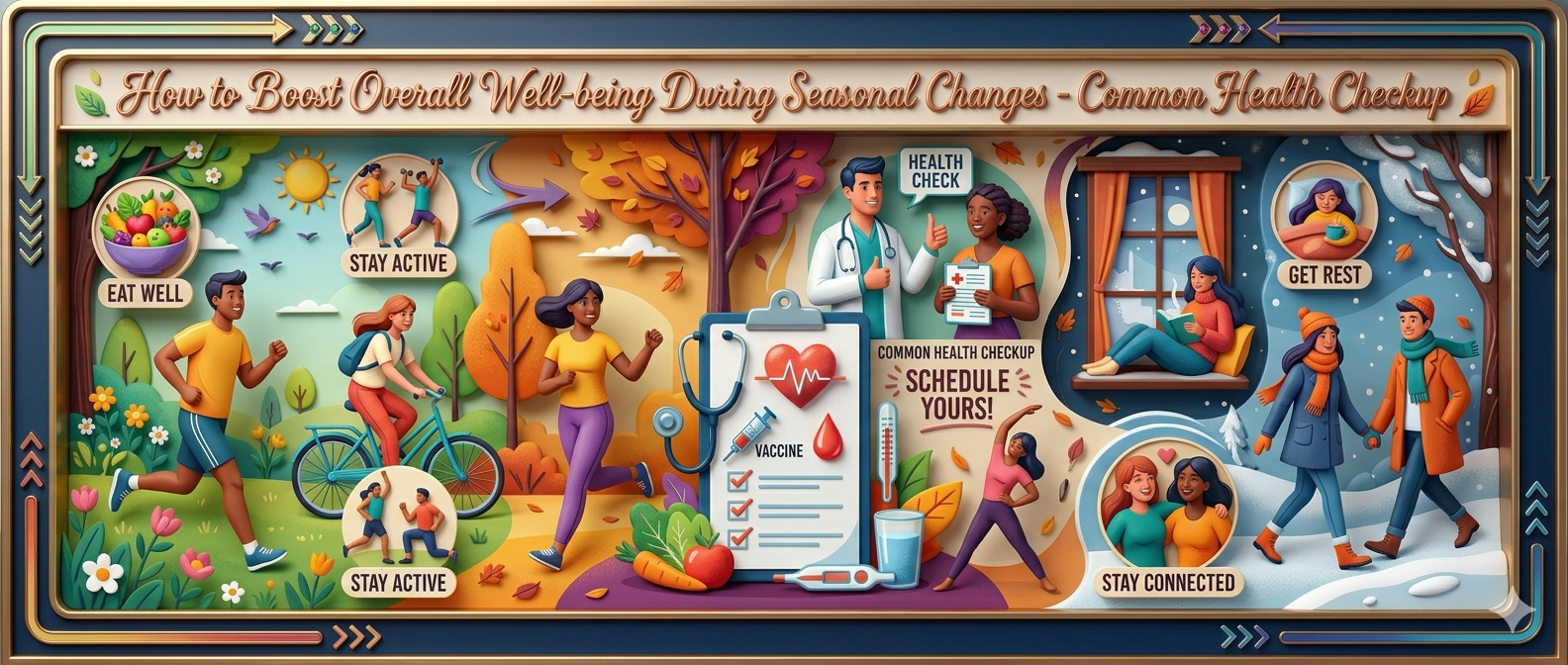
Why Seasonal Changes Impact Your Health and Well-being


The Science Behind Seasonal Shifts and Body Response
Hormonal and Immune System Fluctuations
Seasonal transitions don’t just mean swapping wardrobes or adjusting your daily routine—they trigger a cascade of biological changes inside your body that many people underestimate. When temperatures fluctuate and daylight hours shift, your internal clock, also known as the circadian rhythm, has to recalibrate. This recalibration directly affects hormones like melatonin and serotonin, which regulate sleep, mood, and energy levels. Ever wondered why you feel sluggish during winter or unusually energized in spring? That’s your biology reacting in real time.
Your immune system also plays a fascinating game of adaptation. During colder months, viruses thrive in low humidity and cooler temperatures, making your body work harder to defend itself. On the flip side, seasonal allergies during spring and autumn can overload your immune responses, causing inflammation and fatigue. It’s like your body is constantly walking a tightrope, trying to maintain balance while external conditions keep changing.
Another overlooked aspect is how seasonal changes influence metabolism. Research suggests that your body may crave calorie-dense foods in winter as a survival instinct, while in warmer months, lighter meals feel more satisfying. This natural shift can sometimes lead to unhealthy eating habits if not managed consciously.
What makes this even more interesting is the psychological connection. Reduced sunlight exposure can lower serotonin levels, leading to mood dips or even Seasonal Affective Disorder (SAD) in extreme cases. This isn’t just “winter blues”—it’s a legitimate condition backed by science.
Understanding these internal changes is the first step toward regaining control. When you realize that your body is responding—not malfunctioning—you can take proactive measures to support it. And that’s where strategies like Common Health Checkup at H.R. Diagnostics come into play, helping you stay ahead instead of playing catch-up with your health.
Importance of Common Health Checkup at H.R. Diagnostics During Seasonal Changes
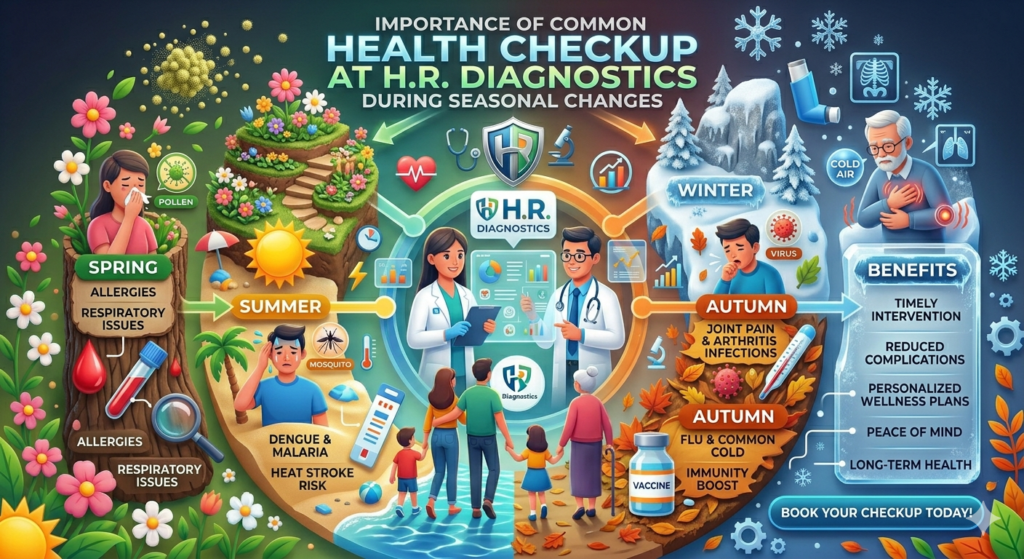
Early Detection of Seasonal Health Risks
Preventive Healthcare Approach
Think of your health like a car—most people only visit the mechanic when something breaks down. But what if you could prevent the breakdown altogether? That’s exactly what a Common Health Checkup at H.R. Diagnostics aims to achieve, especially during seasonal transitions when your body is more vulnerable.
Seasonal changes often act as silent triggers for underlying health issues. For example, fluctuating temperatures can exacerbate respiratory conditions like asthma or bronchitis. Similarly, changes in diet and activity levels can influence blood sugar, cholesterol, and blood pressure. These shifts are often subtle, making them easy to ignore until they become serious problems.
Regular checkups act as your early warning system. By monitoring key health indicators, you gain valuable insights into how your body is adapting to seasonal changes. Blood tests, vitamin level assessments, and metabolic screenings can reveal deficiencies or imbalances that might otherwise go unnoticed. Imagine catching a vitamin D deficiency at the start of winter instead of dealing with months of fatigue and weakened immunity—that’s the power of preventive care.
H.R. Diagnostics stands out by offering comprehensive and accurate testing, ensuring that you’re not just getting numbers but actionable insights. Their diagnostic approach focuses on identifying patterns rather than isolated issues, which is crucial during seasonal transitions when multiple factors are at play.
There’s also a psychological advantage. Knowing your health status reduces anxiety and empowers you to make informed decisions. Instead of guessing whether your fatigue is due to stress, diet, or an underlying issue, you have concrete data guiding your actions.
Preventive healthcare isn’t just about avoiding illness—it’s about optimizing your well-being. When you incorporate regular checkups into your routine, especially during seasonal changes, you shift from reactive to proactive living. And that small shift can make a massive difference in how you feel, function, and thrive throughout the year.
How To Boost Overall Well-being During Seasonal Changes with Proper Nutrition
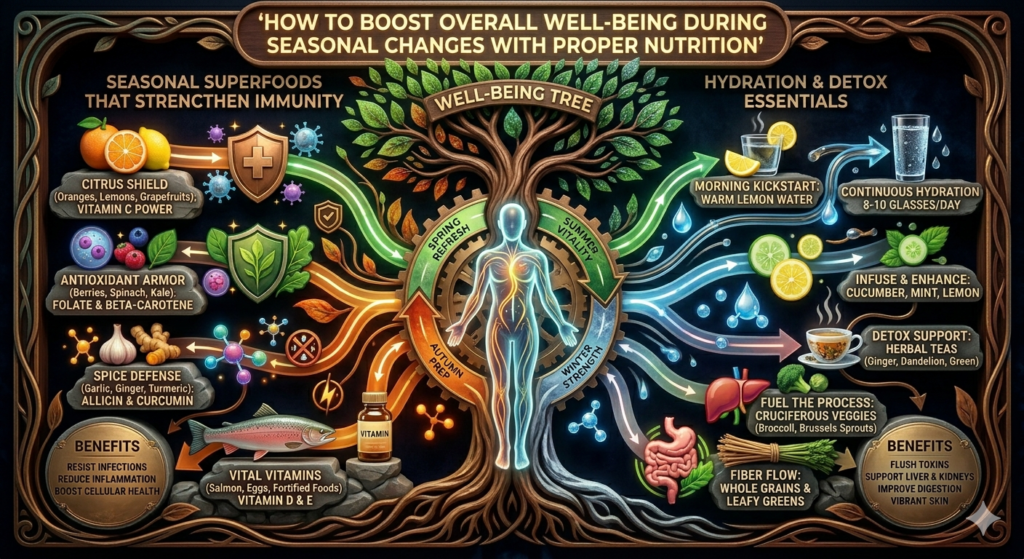
Seasonal Superfoods That Strengthen Immunity
Hydration and Detox Essentials
Food isn’t just fuel—it’s information for your body. What you eat during seasonal changes can either strengthen your defenses or leave you feeling drained and vulnerable. If you’re serious about learning how to boost overall well-being during seasonal changes, nutrition is where the real transformation begins.
Seasonal eating is one of the most effective yet underrated strategies. Nature has a clever way of providing exactly what your body needs at the right time. During winter, foods like citrus fruits, carrots, and leafy greens are rich in vitamin C and antioxidants, helping you fight infections. In summer, hydrating foods like watermelon, cucumber, and coconut water keep your body cool and prevent dehydration.
But here’s the catch—modern lifestyles often disconnect us from seasonal eating patterns. Processed foods, sugar-heavy snacks, and irregular meal timings can weaken your immune system, making it harder to adapt to environmental changes. That’s why focusing on whole, nutrient-dense foods becomes crucial.
Hydration is another game-changer that people often overlook. During colder months, you may not feel as thirsty, but your body still requires adequate fluids to maintain metabolic functions and flush out toxins. Herbal teas, warm water with lemon, and broths can be excellent alternatives to keep hydration levels in check.
Detoxification doesn’t have to mean extreme diets or fasting. Simple habits like increasing fiber intake, reducing processed foods, and staying hydrated can naturally support your body’s detox systems. Think of it as giving your internal organs a helping hand rather than forcing drastic changes.
Combining proper nutrition with regular monitoring through a Common Health Checkup at H.R. Diagnostics ensures that your dietary choices are actually benefiting your body. It’s one thing to eat healthy—it’s another to know that your body is responding positively.
When nutrition aligns with your body’s seasonal needs, you don’t just survive the changes—you thrive in them.
Role of Common Health Checkup at H.R. Diagnostics in Preventive Care
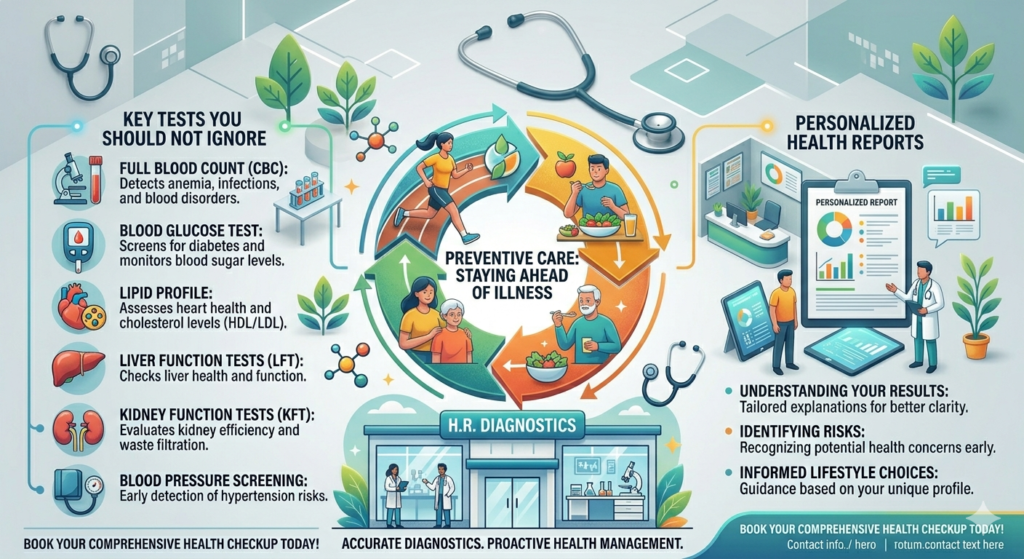
Key Tests You Should Not Ignore
Personalized Health Reports
When it comes to staying healthy during seasonal changes, guesswork simply doesn’t cut it. You might feel fine on the surface, but your body could be signaling subtle imbalances that only proper testing can reveal. This is where the Common Health Checkup at H.R. Diagnostics becomes more than just a routine—it becomes a strategic tool for preventive care.
One of the biggest advantages of regular health checkups is access to key diagnostic tests that provide a comprehensive snapshot of your health. These typically include blood sugar levels, lipid profiles, liver function tests and kidney function tests, and vitamin deficiencies. Each of these markers tells a story about how your body is functioning and adapting to seasonal changes.
For instance, a sudden drop in energy levels during winter could be linked to low vitamin D or iron levels—issues that are easily detectable through basic blood tests. Similarly, seasonal dietary indulgences can impact cholesterol or blood sugar levels, making periodic monitoring essential.
What sets H.R. Diagnostics apart is their emphasis on personalized health reports. Instead of overwhelming you with complex medical jargon, they break down your results into actionable insights. This means you don’t just receive data—you understand what it means and what steps to take next.
Personalization also allows for targeted interventions. If your reports indicate a specific deficiency or risk factor, you can tailor your diet, lifestyle, or treatment plan accordingly. This approach eliminates the trial-and-error method that many people rely on when trying to improve their health.
There’s also a long-term benefit to tracking your health data over time. Patterns begin to emerge, helping you identify how your body responds to different seasons. This kind of insight is invaluable for making informed decisions year after year.
Preventive care isn’t about doing more—it’s about doing what matters most. And with the support of Common Health Checkup at H.R. Diagnostics, you gain clarity, confidence, and control over your well-being.
Lifestyle Adjustments to Boost Overall Well-being During Seasonal Changes
Sleep Patterns and Energy Levels
Stress Management Techniques
Let’s be honest—when seasons change, your routine often goes out the window. One day you’re waking up refreshed with sunlight streaming through your window, and the next, you’re hitting snooze five times because it’s still dark outside. These shifts might seem minor, but they can seriously disrupt your sleep patterns and energy levels, making it harder to stay productive and emotionally balanced.
Your body thrives on consistency, yet seasonal transitions constantly challenge that rhythm. Shorter days in winter can increase melatonin production, making you feel sleepy and sluggish, while longer daylight hours in summer may reduce sleep quality. The result? You feel out of sync, tired during the day, and restless at night. To counter this, maintaining a fixed sleep schedule becomes crucial. Going to bed and waking up at the same time—even on weekends—can stabilize your internal clock.
Energy levels are closely tied to sleep quality, but they’re also influenced by how you manage stress. Seasonal changes can bring unexpected stressors—workload fluctuations, holiday pressures, or even mood dips due to reduced sunlight. If left unchecked, stress can weaken your immune system and make it harder for your body to adapt.
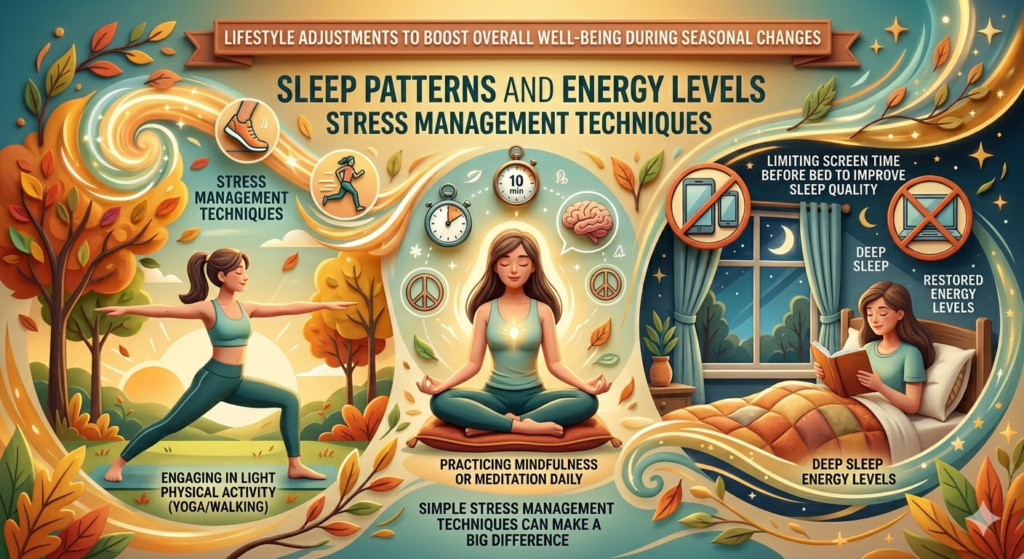
Simple stress management techniques can make a big difference:
- Practicing mindfulness or meditation for even 10 minutes daily
- Engaging in light physical activity like yoga or walking
- Limiting screen time before bed to improve sleep quality
What’s interesting is how lifestyle adjustments and medical insights work hand in hand. A Common Health Checkup at H.R. Diagnostics can reveal whether your fatigue is purely lifestyle-related or linked to underlying issues like anemia or hormonal imbalances.
Think of your body as a finely tuned instrument—seasonal changes might throw it slightly off-key, but with the right adjustments, you can bring it back into harmony.
How Exercise Helps Boost Overall Well-being During Seasonal Changes
Indoor vs Outdoor Workouts
Building Consistency Year-Round
Exercise often becomes the first casualty when seasons shift. Cold mornings, hot afternoons, or rainy evenings can all feel like valid excuses to skip a workout. But if you’re serious about learning how to boost overall well-being during seasonal changes, staying physically active is non-negotiable.
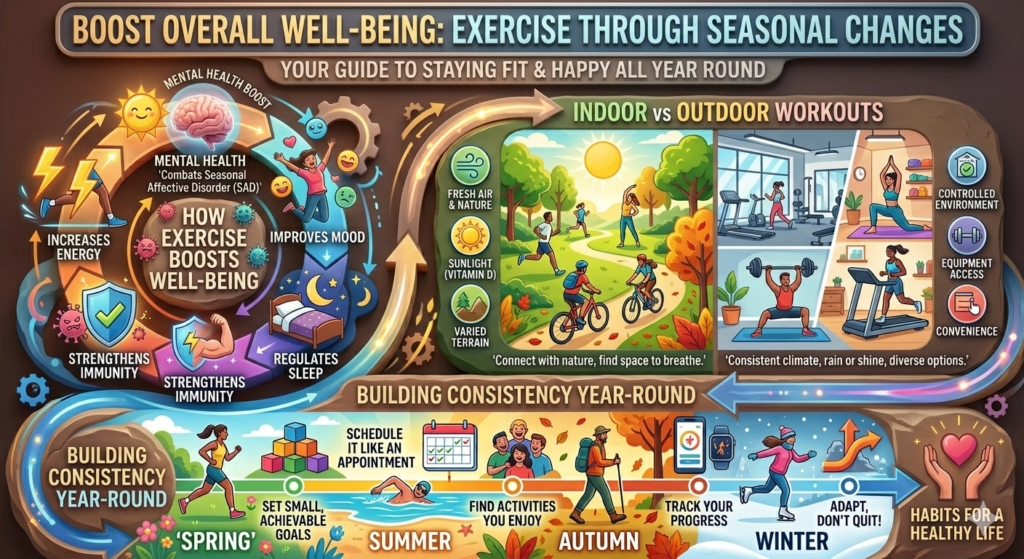
Your body relies on movement not just for physical strength but also for mental clarity and emotional stability. Exercise improves blood circulation, enhances immune function, and releases endorphins, the feel-good hormones that help combat seasonal mood swings. It’s like giving your body a natural boost without any side effects.
One common dilemma people face is choosing between indoor and outdoor workouts. Each has its advantages. Outdoor exercises, such as jogging or cycling, expose you to natural sunlight, which can improve vitamin D levels and mood. On the other hand, indoor workouts provide consistency, especially when weather conditions are unpredictable.
The key isn’t choosing one over the other—it’s adapting your routine. For example, during extreme weather, you can switch to home workouts, gym sessions, or even online fitness classes. The goal is to eliminate excuses and maintain continuity.
Consistency is where most people struggle. It’s easy to start strong but hard to keep going when conditions aren’t ideal. This is where habit-building comes into play. Setting realistic goals, tracking progress, and mixing up your routine can keep things interesting and sustainable.
Pairing your exercise routine with regular monitoring through a Common Health Checkup at H.R. Diagnostics ensures that your efforts are actually benefiting your body. You can track improvements in cholesterol levels, blood pressure, and overall fitness markers.
When exercise becomes a year-round habit rather than a seasonal activity, you build resilience—not just physically, but mentally as well.
Benefits of Regular Common Health Checkup at H.R. Diagnostics
Monitoring Chronic Conditions
Improving Long-Term Health Outcomes
Health isn’t something you fix once and forget about—it’s an ongoing process. This becomes even more critical if you’re dealing with chronic conditions like diabetes, hypertension, or thyroid disorders. Seasonal changes can amplify these conditions, making regular monitoring through a Common Health Checkup at H.R. Diagnostics absolutely essential.
Chronic conditions are often sensitive to environmental and lifestyle changes. For instance, colder weather can cause blood vessels to constrict, leading to higher blood pressure. Similarly, changes in physical activity and diet can impact blood sugar levels. Without regular checkups, these fluctuations can go unnoticed until they cause complications.
Monitoring allows you to stay one step ahead. By keeping track of your health metrics, you can adjust medications, diet, or lifestyle habits in real time. This proactive approach reduces the risk of emergencies and hospital visits.
But the benefits go beyond just managing existing conditions. Regular checkups also contribute to long-term health outcomes. Early detection of potential issues—such as rising cholesterol levels or declining kidney function—can prevent them from developing into serious problems.
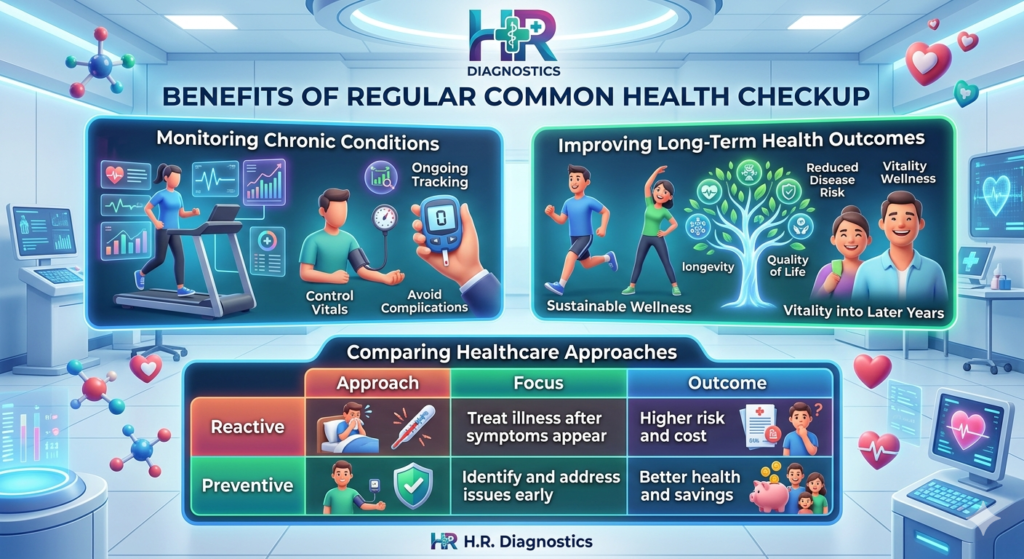
Here’s a quick comparison of reactive vs preventive healthcare:
| Approach | Focus | Outcome |
| Reactive | Treat illness after symptoms appear | Higher risk and cost |
| Preventive | Identify and address issues early | Better health and savings |
H.R. Diagnostics plays a crucial role by providing accurate, timely, and comprehensive reports that empower you to take control of your health journey.
When you commit to regular checkups, you’re not just managing your health—you’re investing in a better quality of life.
Mental Health and Seasonal Changes: A Hidden Challenge
Recognizing Seasonal Affective Disorder (SAD)
Practical Coping Strategies
Mental health often takes a backseat when discussing seasonal changes, yet it’s one of the most affected areas. Ever felt unusually low, unmotivated, or irritable during certain times of the year? That’s not just a coincidence—it could be linked to Seasonal Affective Disorder (SAD).
SAD is a type of depression that occurs at specific times of the year, usually during winter when sunlight exposure is limited. Reduced sunlight affects serotonin levels, which play a key role in mood regulation. The result is a persistent feeling of sadness, fatigue, and lack of interest in daily activities.
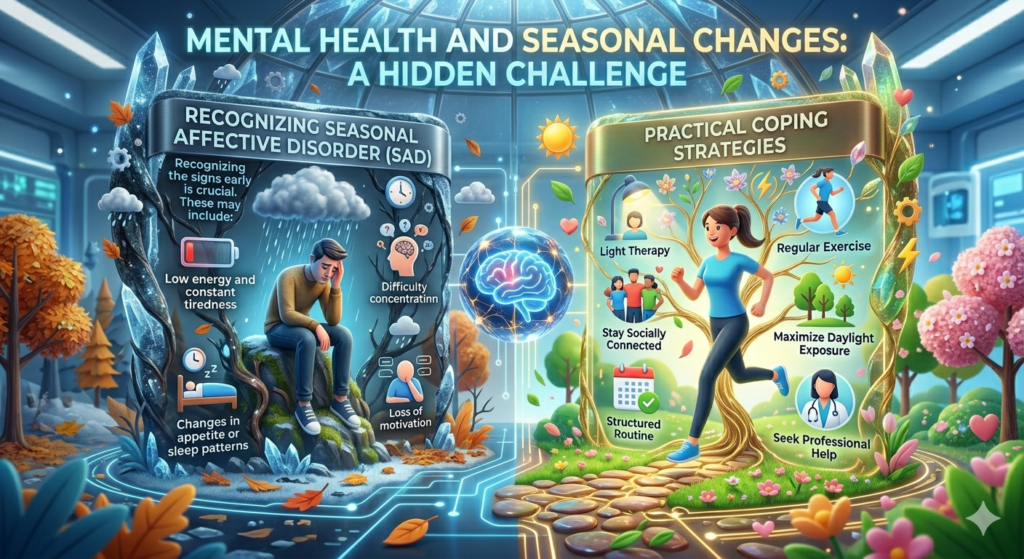
Recognizing the signs early is crucial. These may include:
- Low energy and constant tiredness
- Difficulty concentrating
- Changes in appetite or sleep patterns
- Loss of motivation
The good news? There are practical ways to manage these symptoms. Increasing exposure to natural light, maintaining a consistent routine, and staying physically active can significantly improve mood. Light therapy and counseling are also effective options for those experiencing severe symptoms.
What many people overlook is the connection between mental and physical health. A Common Health Checkup at H.R. Diagnostics can help identify underlying factors like vitamin deficiencies or hormonal imbalances that may be contributing to mood changes.
Mental health isn’t separate from overall well-being—it’s deeply interconnected. Addressing it proactively can make seasonal transitions much smoother and more manageable.
How To Build Immunity to Boost Overall Well-being During Seasonal Changes
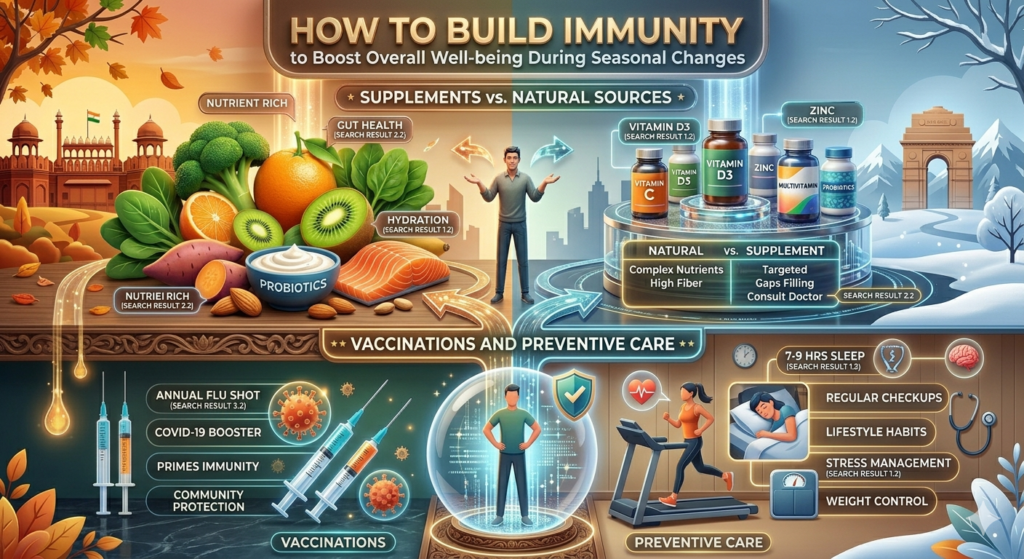
Supplements vs Natural Sources
Vaccinations and Preventive Care
If there’s one thing that determines how well you handle seasonal changes, it’s your immune system. Building strong immunity is at the core of understanding how to boost overall well-being during seasonal changes.
The debate between supplements and natural sources is ongoing. While supplements can provide a quick fix for deficiencies, they should not replace a balanced diet. Whole foods offer a combination of nutrients that work synergistically, making them more effective in the long run.
For example, instead of relying solely on vitamin C tablets, incorporating citrus fruits, bell peppers, and leafy greens into your diet can provide additional antioxidants and fiber. That said, supplements can be beneficial when prescribed based on your health reports.
Vaccinations are another critical aspect of preventive care. Flu shots and other seasonal vaccines can protect you from common infections that tend to spike during certain times of the year.
Combining these strategies with regular monitoring through a Common Health Checkup at H.R. Diagnostics ensures that your immune system is well-equipped to handle seasonal challenges.
Think of immunity as your body’s defense shield—the stronger it is, the less likely you are to fall sick.
Choosing H.R. Diagnostics for Common Health Checkup
Advanced Technology and Accurate Results
Affordable and Accessible Healthcare Services
When it comes to health checkups, accuracy and reliability are non-negotiable. Choosing the right diagnostic center can make all the difference, and H.R. Diagnostics stands out as a trusted name in preventive healthcare.
One of the key advantages is their use of advanced diagnostic technology. Modern equipment ensures precise results, reducing the chances of errors or misdiagnosis. This level of accuracy is crucial, especially when you’re making decisions about your health based on these reports.
Accessibility is another major factor. Healthcare should not be a luxury, and H.R. Diagnostics addresses this by offering affordable packages tailored to different needs. Whether you’re looking for a basic checkup or a comprehensive health assessment, there’s an option that fits your requirements.
Their approach goes beyond just testing—they focus on patient experience. From easy appointment scheduling to quick report delivery, every step is designed to make healthcare convenient and stress-free.
What truly sets them apart is their commitment to preventive care. Instead of waiting for problems to arise, they encourage regular monitoring and early intervention.
Choosing H.R. Diagnostics isn’t just about getting tests done—it’s about taking a proactive step toward a healthier, more balanced life.
Conclusion
Seasonal changes are inevitable, but how you respond to them makes all the difference. By understanding your body’s needs, making smart lifestyle choices, and prioritizing regular Common Health Checkup at H.R. Diagnostics, you can stay ahead of potential health challenges. From nutrition and exercise to mental health and preventive care, every small step contributes to your overall well-being. The goal isn’t just to adapt—it’s to thrive, no matter the season.
FAQs
- How often should I get a common health checkup during seasonal changes?
It’s recommended to undergo a health checkup at least twice a year, especially before major seasonal transitions like winter and summer. - What tests are included in a Common Health Checkup at H.R. Diagnostics?
Typically, it includes blood tests, lipid profile, liver and kidney function tests, and vitamin level assessments. - Can seasonal changes really affect mental health?
Yes, conditions like Seasonal Affective Disorder (SAD) are directly linked to changes in sunlight and weather. - Is exercise necessary during seasonal transitions?
Absolutely. Regular exercise helps maintain immunity, improves mood, and stabilizes energy levels. - Why choose H.R. Diagnostics for health checkups?
They offer accurate results, advanced technology, affordable packages, and a strong focus on preventive healthcare.
Leave a Reply