
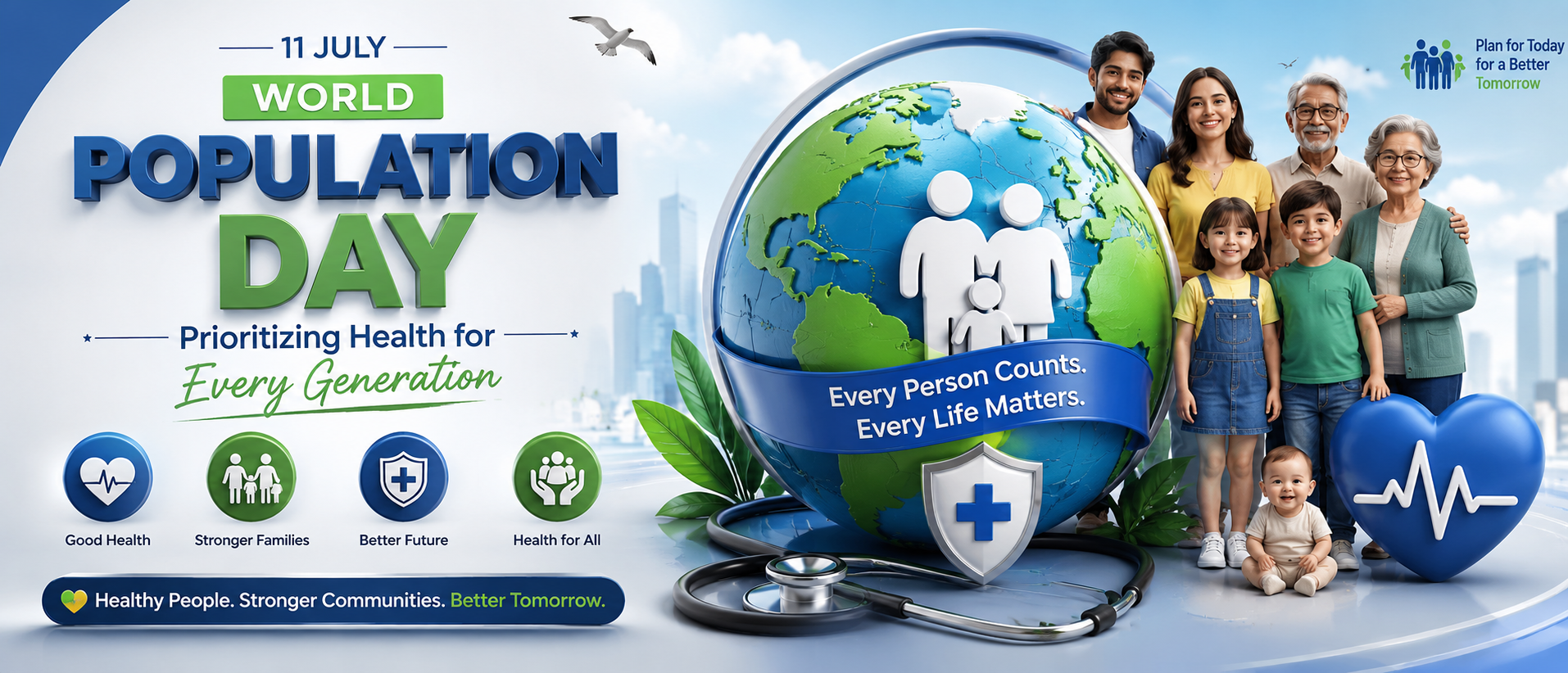
World Population Day is observed every year on 11th July to raise awareness about global population issues and the importance of ensuring a healthy, sustainable future for everyone. As the world’s population continues to grow, governments, healthcare organizations, educators, and communities must work together to create solutions that improve the quality of life for people of all ages.
World Population Day 2026 serves as a reminder that population growth is not simply about numbers—it is about ensuring equal access to healthcare, education, nutrition, employment, and opportunities. The health and well-being of every generation play a critical role in achieving sustainable development and building resilient societies.
This year’s focus, Prioritizing Health for Every Generation, highlights the need to invest in preventive healthcare, maternal and child health, reproductive health services, and public health systems. Every individual deserves access to quality healthcare regardless of age, gender, income, or geographical location.
World Population Day 2026: Why This Global Observance Matters
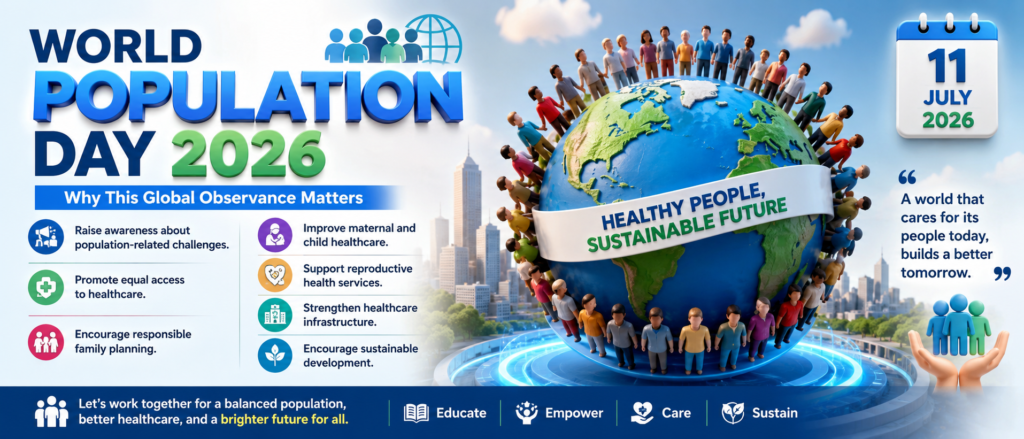
World Population Day 2026 encourages countries around the world to evaluate how population changes affect healthcare systems, economic growth, education, and environmental sustainability.
As global populations increase, healthcare systems face greater demands. Urbanization, aging populations, climate change, migration, and emerging diseases create new challenges that require innovative public health strategies.
World Population Day provides an opportunity to:
- Raise awareness about population-related challenges.
- Promote equal access to healthcare.
- Encourage responsible family planning.
- Improve maternal and child healthcare.
- Support reproductive health services.
- Strengthen healthcare infrastructure.
- Encourage sustainable development.
By addressing these priorities, societies can ensure healthier lives for current and future generations.
Prioritizing Health for Every Generation
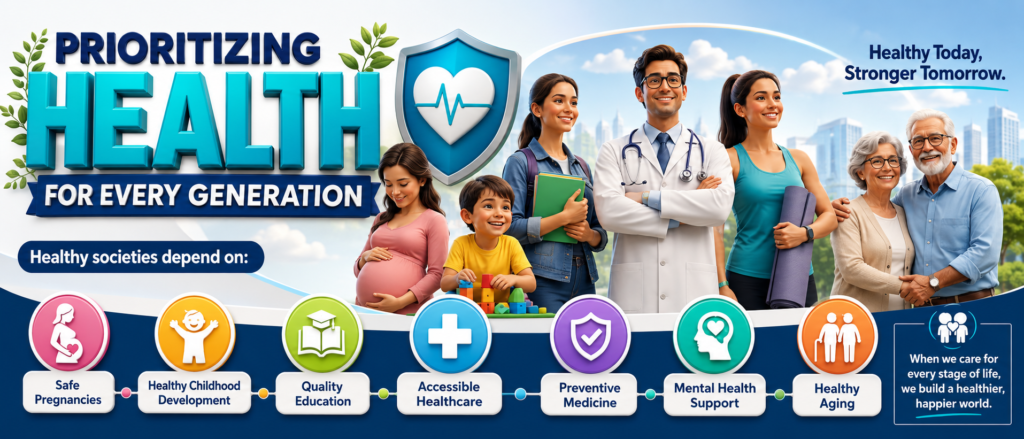
The theme Prioritizing Health for Every Generation emphasizes that good health should begin before birth and continue throughout every stage of life.
Healthy societies depend on:
- Safe pregnancies
- Healthy childhood development
- Quality education
- Accessible healthcare
- Preventive medicine
- Mental health support
- Healthy aging
Children require vaccinations, nutrition, and education. Adolescents need reproductive health education and mental health support. Adults benefit from preventive screenings and healthy lifestyles, while older adults require specialized care to maintain independence and quality of life.
Investing in healthcare throughout life reduces disease, lowers healthcare costs, and improves economic productivity.
World Population Day Awareness Creates Positive Change
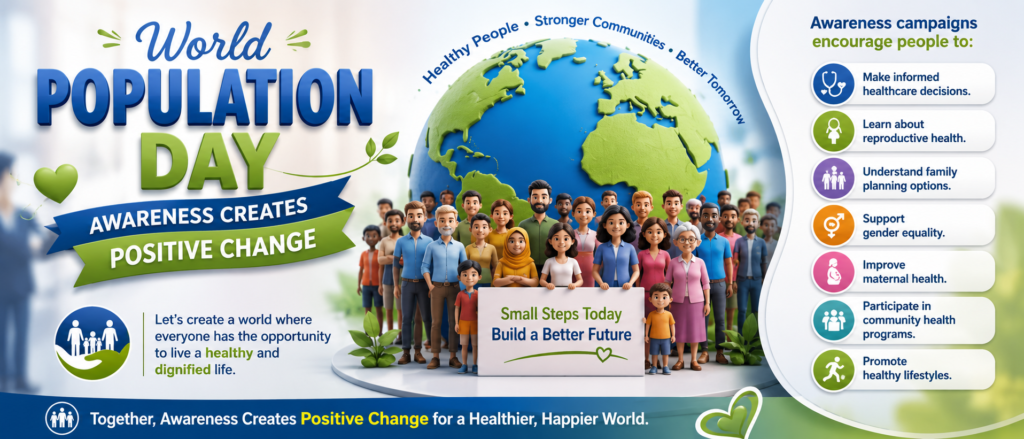
Increasing World Population Day awareness helps individuals understand how population trends influence healthcare, education, employment, housing, and natural resources.
Awareness campaigns encourage people to:
- Make informed healthcare decisions.
- Learn about reproductive health.
- Understand family planning options.
- Support gender equality.
- Improve maternal health.
- Participate in community health programs.
- Promote healthy lifestyles.
Schools, hospitals, healthcare providers, and governments play an important role in educating communities about these issues.
Global Population Health: Building Stronger Nations
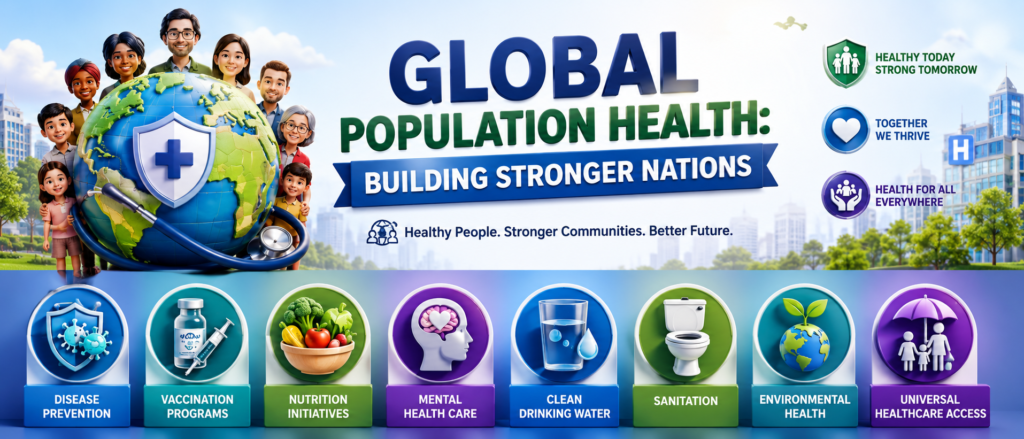
Improving global population health means ensuring every individual has access to healthcare services regardless of where they live.
Global population health includes:
- Disease prevention
- Vaccination programs
- Nutrition initiatives
- Mental health care
- Clean drinking water
- Sanitation
- Environmental health
- Universal healthcare access
Healthy populations contribute to stronger economies, increased productivity, reduced poverty, and improved quality of life.
International collaboration also helps countries prepare for future public health emergencies through research, innovation, and knowledge sharing.
Population Health Initiatives That Transform Communities
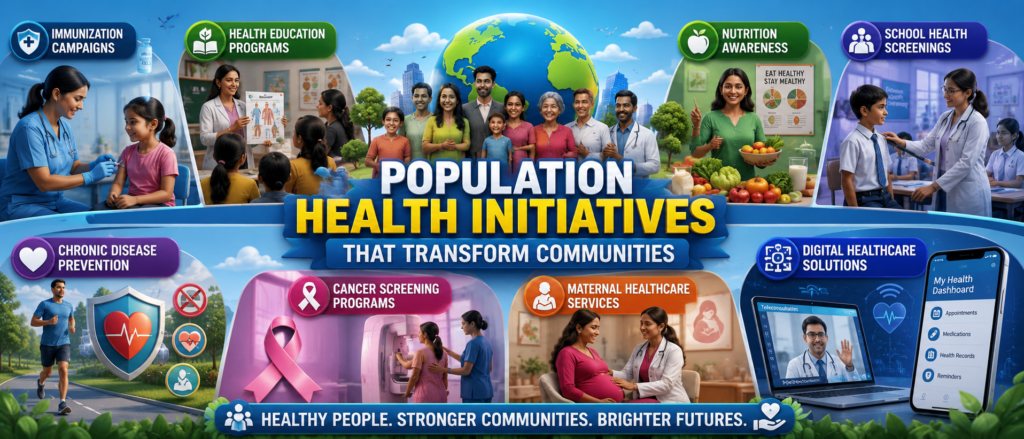
Effective population health initiatives focus on preventing disease rather than only treating illness.
Examples include:
- Immunization campaigns
- Health education programs
- Nutrition awareness
- School health screenings
- Chronic disease prevention
- Cancer screening programs
- Maternal healthcare services
- Digital healthcare solutions
Community-based healthcare programs improve access for rural and underserved populations while reducing healthcare inequalities.
Governments, NGOs, healthcare providers, and international organizations must work together to expand these initiatives.
Sustainable Population Growth Supports Future Generations
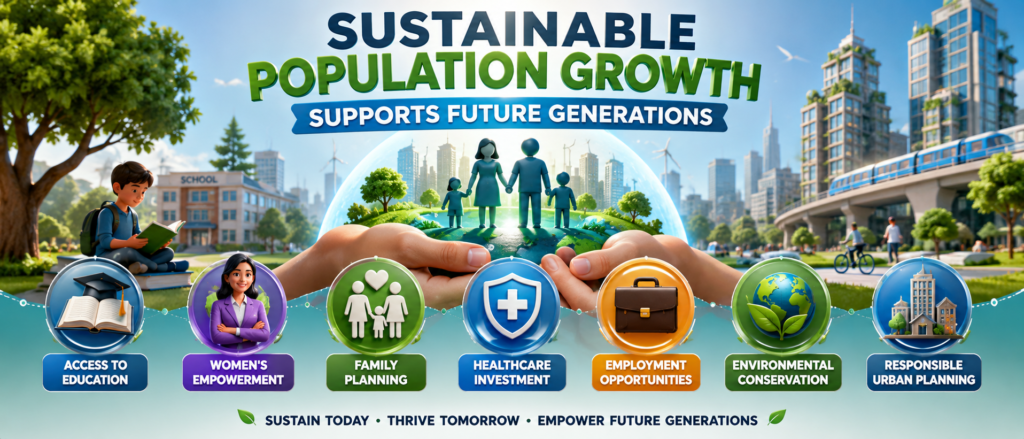
Sustainable population growth means balancing population expansion with available resources while protecting the environment and ensuring quality healthcare.
Sustainable growth depends on:
- Access to education
- Women’s empowerment
- Family planning
- Healthcare investment
- Employment opportunities
- Environmental conservation
- Responsible urban planning
When countries invest in sustainable development, they create healthier communities capable of supporting future generations.
Responsible population planning benefits both people and the planet.
Family Planning Awareness Empowers Families
Family planning awareness enables individuals and couples to make informed decisions about when and how many children they wish to have.
Benefits include:
- Healthier pregnancies
- Reduced maternal mortality
- Improved child health
- Better financial stability
- Increased educational opportunities
- Women’s empowerment
- Lower healthcare costs
Family planning supports healthier families while contributing to national economic development.
Access to accurate information and healthcare services helps families make choices that align with their goals and circumstances.
Maternal and Child Health Is the Foundation of Healthy Societies
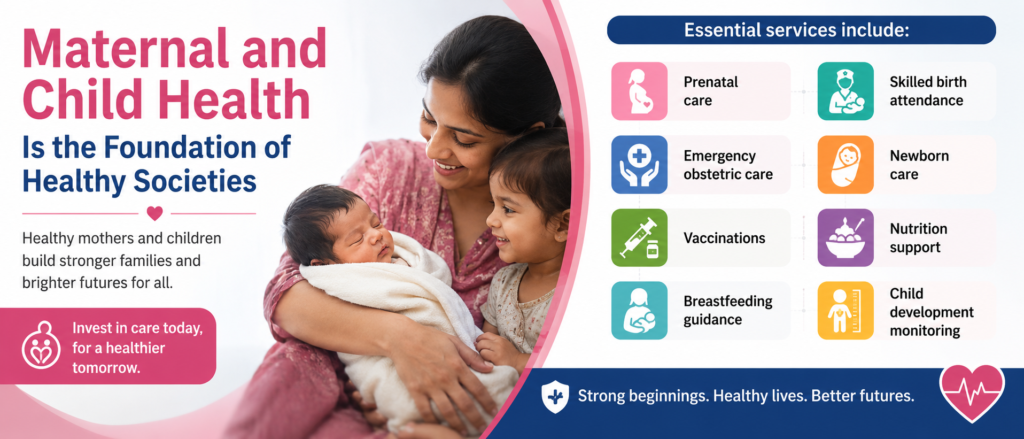
Improving maternal and child health remains one of the most important priorities worldwide.
Essential services include:
- Prenatal care
- Skilled birth attendance
- Emergency obstetric care
- Newborn care
- Vaccinations
- Nutrition support
- Breastfeeding guidance
- Child development monitoring
Healthy mothers are more likely to give birth to healthy babies, creating long-term benefits for families and communities.
Investing in maternal and child healthcare reduces infant mortality and supports stronger societies.
Reproductive Health Education Builds Informed Communities
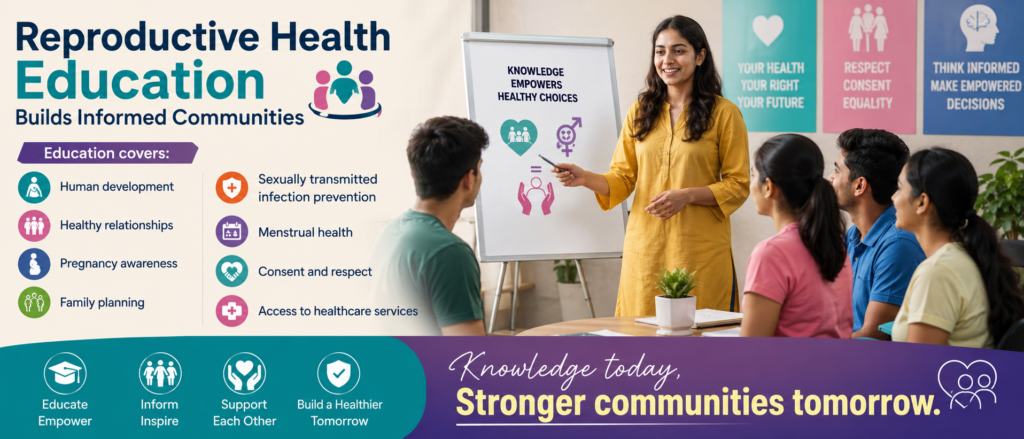
Providing comprehensive reproductive health education helps young people and adults understand their health, rights, and responsibilities.
Education covers:
- Human development
- Healthy relationships
- Pregnancy awareness
- Family planning
- Sexually transmitted infection prevention
- Menstrual health
- Consent and respect
- Access to healthcare services
Knowledge empowers individuals to make informed decisions that protect their health and future.
Schools, healthcare professionals, and community organizations all have an important role in delivering accurate, age-appropriate information.
Healthcare for All Generations Must Be Accessible
Providing healthcare for all generations means ensuring every person receives quality medical care regardless of age or socioeconomic background.
Healthcare systems should offer:
- Preventive care
- Routine health screenings
- Vaccination services
- Mental health support
- Emergency care
- Chronic disease management
- Elderly care
- Rehabilitation services
Universal healthcare access strengthens societies by reducing health inequalities and improving life expectancy.
Healthcare investments today create healthier populations tomorrow.
Public Health Awareness Encourages Preventive Care
Increasing public health awareness helps communities understand how lifestyle choices affect long-term health.
Public health campaigns promote:
-
- Healthy eating
- Physical activity
- Vaccination
- Hygiene
- Mental wellness
- Tobacco control
- Disease prevention
Educated communities are better prepared to prevent illness and respond to health emergencies.
Prevention remains one of the most cost-effective healthcare strategies.
Healthy Communities Begin with Healthy People
Creating healthy communities requires collaboration among governments, healthcare providers, educators, employers, and citizens.
Healthy communities feature:
- Clean environments
- Safe drinking water
- Accessible healthcare
- Nutritious food
- Parks and recreational facilities
- Quality education
- Employment opportunities
- Social inclusion
Community participation encourages healthier lifestyles while strengthening social connections and improving overall well-being.
When communities thrive, nations prosper.
Sustainable Development Goals and Population Health
The sustainable development goals established by the United Nations recognize that health is closely connected with education, gender equality, poverty reduction, clean water, climate action, and economic development.
Population health contributes directly to several Sustainable Development Goals by:
- Reducing maternal mortality
- Improving child survival
- Expanding healthcare access
- Supporting gender equality
- Promoting quality education
- Reducing poverty
- Encouraging environmental sustainability
Countries that invest in healthcare and education are better positioned to achieve long-term sustainable development.
Population and Healthcare Awareness for a Better Future
Improving population and healthcare awareness allows individuals and policymakers to make informed decisions that strengthen healthcare systems and improve public well-being.
Awareness campaigns encourage:
- Early disease detection
- Preventive healthcare
- Vaccination participation
- Maternal health services
- Healthy lifestyles
- Responsible family planning
- Community engagement
- Health equity
Healthcare awareness should be continuous, reaching people through schools, workplaces, healthcare facilities, and digital platforms.
An informed population is better equipped to contribute to healthier, more resilient communities.
The Role of Technology in Modern Healthcare
Digital technologies are transforming healthcare delivery across the world.
Innovations include:
- Telemedicine
- Electronic health records
- Artificial intelligence
- Mobile health applications
- Remote patient monitoring
- Digital diagnostics
Technology improves healthcare accessibility, especially in remote and underserved regions, enabling earlier diagnosis and more efficient treatment.
Digital health also supports better data collection for population health planning and disease prevention.
Challenges Facing a Growing Global Population
Despite progress, significant challenges remain:
- Unequal healthcare access
- Poverty
- Malnutrition
- Infectious diseases
- Climate change
- Aging populations
- Healthcare workforce shortages
- Rising healthcare costs
Addressing these challenges requires coordinated action among governments, healthcare institutions, international organizations, and local communities.
Long-term investment in healthcare infrastructure and workforce development is essential.
How Individuals Can Support World Population Day
Everyone can contribute to the goals of World Population Day by:
- Learning about population issues.
- Promoting healthy lifestyles.
- Supporting family planning awareness.
- Encouraging regular health checkups.
- Participating in community health programs.
- Sharing reliable health information.
- Advocating for equal healthcare access.
- Supporting maternal and child health initiatives.
Small actions taken by individuals can collectively create meaningful improvements in community health.
Conclusion
World Population Day reminds us that every individual deserves the opportunity to live a healthy and fulfilling life. As we observe World Population Day 2026, the theme Prioritizing Health for Every Generation calls on governments, healthcare professionals, educators, and communities to work together in building healthier societies.
Strengthening World Population Day awareness, improving global population health, expanding population health initiatives, promoting sustainable population growth, encouraging family planning awareness, protecting maternal and child health, advancing reproductive health education, ensuring healthcare for all generations, increasing public health awareness, creating healthy communities, supporting the sustainable development goals, and enhancing population and healthcare awareness are essential steps toward a more equitable and sustainable future.
By investing in health today, we empower every generation to thrive tomorrow. A healthier population is not only the foundation of stronger families and prosperous communities but also the key to sustainable development and global well-being.
Leave a Reply