
Why Monsoon Infections During Pregnancy Need Special Attention

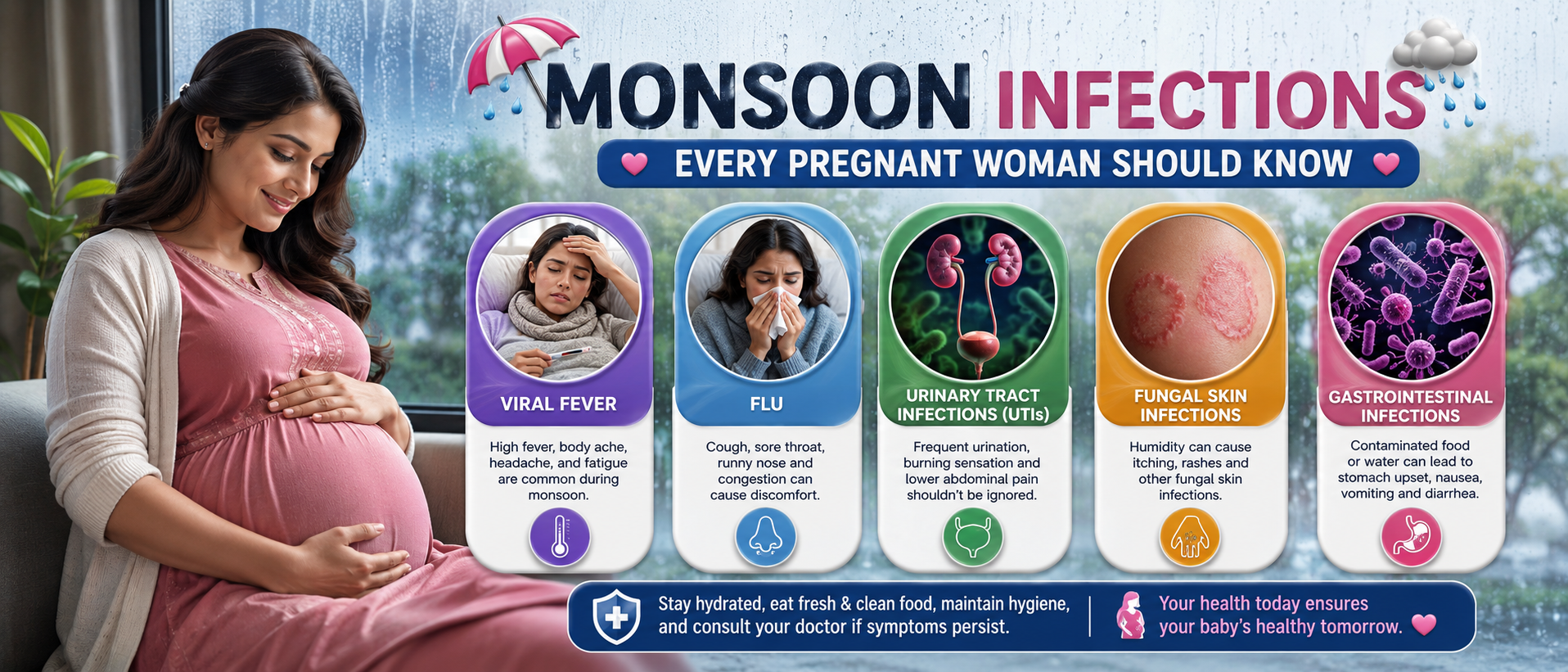
The monsoon season brings pleasant weather, lush greenery, and relief from scorching summer temperatures. Unfortunately, it also creates the perfect environment for bacteria, viruses, fungi, and parasites to multiply rapidly. Puddles of stagnant water, increased humidity, contaminated food, and poor sanitation significantly raise the risk of infections. For pregnant women, these seasonal changes demand extra attention because the body naturally undergoes several physiological and hormonal adjustments that can influence immune function. This makes monsoon infections during pregnancy a serious health concern that should never be ignored.
Pregnancy is a beautiful journey, but it also requires mothers to become more cautious about their health. Even mild illnesses can sometimes lead to dehydration, nutritional deficiencies, fatigue, or complications if left untreated. Viral infections, influenza, urinary tract infections, fungal skin infections, and stomach infections become more common during the rainy season. While many of these illnesses can be treated successfully with timely medical care, delayed diagnosis may increase risks for both the mother and the developing baby.
Many women mistakenly assume that a slight fever, persistent cough, itching, or stomach upset is simply part of seasonal weather changes. However, these symptoms may indicate an infection that requires medical evaluation. Early diagnosis and proper treatment help prevent complications while ensuring the safety of the pregnancy.
Healthcare professionals recommend maintaining excellent hygiene, eating freshly prepared food, drinking safe water, and avoiding self-medication during pregnancy. Some common medications that are considered safe for the general population may not be suitable during pregnancy. Therefore, every symptom should be discussed with a qualified obstetrician before starting any treatment.
Understanding the different types of infections that commonly occur during the rainy season empowers pregnant women to recognize warning signs early. Awareness, prevention, and timely medical consultation remain the strongest tools for protecting maternal and fetal health throughout the monsoon months.
Understanding Pregnancy Immunity During Monsoon
Pregnancy naturally alters the immune system to support the growth and development of the baby. Contrary to popular belief, immunity does not simply become weaker; instead, it adapts to protect both the mother and the fetus. These immune adjustments are essential for preventing the mother’s body from rejecting the developing baby. However, they can also make pregnant women more vulnerable to certain infections, particularly respiratory and urinary infections that become more prevalent during the rainy season.
Humidity plays a major role in increasing microbial growth. Warm and moist environments encourage bacteria and fungi to multiply rapidly on surfaces, clothing, footwear, and even the skin. Waterlogging during monsoon also contaminates drinking water and food supplies, increasing exposure to harmful microorganisms. These environmental changes explain why common infections in pregnant women tend to increase during this season.
Hormonal fluctuations further contribute to these changes. Elevated progesterone levels relax smooth muscles throughout the body, including those in the urinary tract. This slows urine flow and increases the possibility of bacterial growth, making urinary tract infections more common during pregnancy. At the same time, changes in blood circulation and body temperature create favorable conditions for fungal infections in skin folds and intimate areas.
Respiratory viruses also spread more easily when people spend more time indoors in enclosed environments during rainy weather. Close contact with infected individuals increases the likelihood of catching seasonal flu or viral fever. Since pregnancy increases oxygen demand and places additional stress on the respiratory system, influenza symptoms may sometimes become more severe than in non-pregnant adults.
Maintaining pregnancy immunity during monsoon involves much more than taking vitamin supplements. A balanced diet rich in fruits, vegetables, proteins, and whole grains supports immune function naturally. Adequate sleep, hydration, moderate physical activity approved by the doctor, and proper prenatal care also contribute significantly to maintaining overall health.
Monsoon health checkups become especially important during the rainy season. Healthcare providers can identify early signs of infection, monitor maternal well-being, and recommend safe preventive measures based on individual health conditions. Preventive care remains the safest approach to ensuring maternal health in rainy season while reducing unnecessary complications.
Viral Fever in Pregnancy: Symptoms, Risks, and Prevention
A viral fever in pregnancy is one of the most common illnesses during the monsoon season. Rainy weather creates ideal conditions for viruses to spread quickly through contaminated surfaces, respiratory droplets, and close personal contact. Although many viral infections are mild and resolve within a few days, pregnant women should never ignore persistent fever because it can lead to dehydration, weakness, reduced appetite, and other complications if left untreated. Since the mother’s health directly affects the baby’s development, prompt medical evaluation is always the safest approach.
The symptoms of viral fever in pregnancy often begin gradually and may include fever, chills, headache, muscle aches, body pain, fatigue, sore throat, and a general feeling of weakness. Some women also experience a runny nose, mild cough, watery eyes, or loss of appetite. These symptoms may resemble those of seasonal influenza or the common cold, making it difficult to distinguish between different viral infections without medical advice. Any fever higher than 38°C (100.4°F), persistent vomiting, breathing difficulty, severe dehydration, or reduced fetal movement should be reported to a healthcare provider immediately.
One of the biggest concerns with viral fever during pregnancy is dehydration. High fever causes excessive fluid loss through sweating, while nausea and poor appetite make it difficult to maintain adequate nutrition. Dehydration can reduce blood circulation, increase fatigue, and, in severe cases, contribute to pregnancy complications. Drinking sufficient water, oral rehydration solutions when advised, fresh coconut water, and clear soups can help maintain hydration. However, pregnant women should avoid taking over-the-counter medicines without consulting their obstetrician because some medications are not considered safe during pregnancy.
Preventing viral infections requires a combination of good hygiene and healthy daily habits. Washing hands frequently with soap, avoiding crowded places during outbreaks, wearing a mask when necessary, and disinfecting frequently touched surfaces significantly reduce the risk of infection. Eating freshly cooked meals, getting adequate sleep, and following a balanced prenatal diet also support the body’s natural immune defenses. These preventive measures play a major role in pregnancy infection prevention throughout the rainy season.
Healthcare experts also emphasize that not every fever is a simple viral illness. Diseases such as dengue, malaria, chikungunya, and COVID-19 may initially present with fever and body aches but require different investigations and treatment plans. Therefore, self-diagnosis should always be avoided. Early consultation with a qualified healthcare professional helps ensure accurate diagnosis and appropriate management, protecting both mother and baby.
Flu Symptoms in Pregnant Women and How to Stay Protected
Seasonal influenza remains one of the most important respiratory illnesses affecting expectant mothers during the rainy season. The flu is caused by influenza viruses that spread through coughing, sneezing, and contaminated hands or objects. Because pregnancy places additional demands on the lungs, heart, and immune system, flu symptoms in pregnant women may become more severe than in healthy adults who are not pregnant. This makes early recognition and medical care especially important.
The flu usually develops suddenly. Common symptoms include high fever, chills, dry cough, sore throat, nasal congestion, headache, body pain, extreme fatigue, and weakness. Some pregnant women may also experience vomiting or diarrhea. Unlike the common cold, influenza often causes more intense body aches and a higher fever. These symptoms can interfere with normal daily activities and may increase the risk of dehydration if fluid intake becomes inadequate.
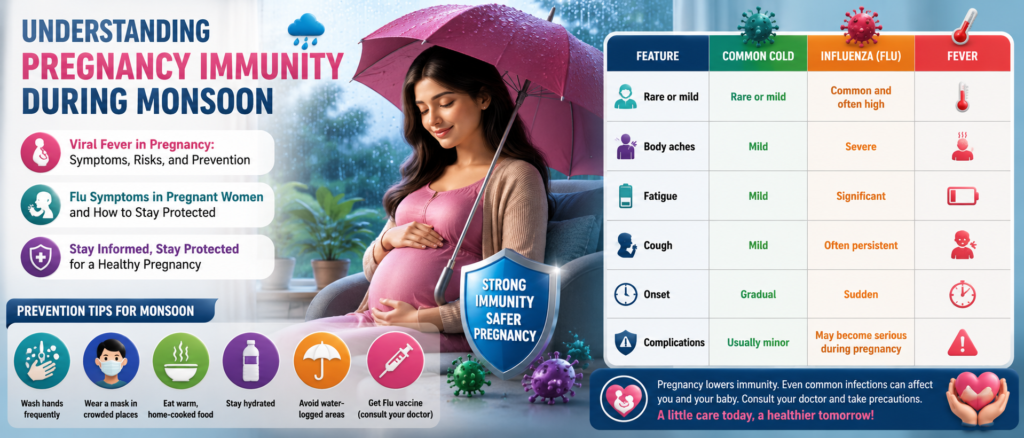
One question many expectant mothers ask is how to differentiate the flu from an ordinary cold. The following table provides a simple comparison.
| Feature | Common Cold | Influenza (Flu) |
| Fever | Rare or mild | Common and often high |
| Body aches | Mild | Severe |
| Fatigue | Mild | Significant |
| Cough | Mild | Often persistent |
| Onset | Gradual | Sudden |
| Complications | Usually minor | May become serious during pregnancy |
Treatment focuses on symptom relief and preventing complications rather than simply reducing fever. Doctors may recommend pregnancy-safe medications depending on the severity of symptoms and the stage of pregnancy. Plenty of rest, warm fluids, nutritious meals, and proper hydration are equally important components of recovery. Antibiotics should never be taken unless prescribed because influenza is caused by a virus, not bacteria.
Vaccination remains one of the most effective preventive strategies against seasonal influenza. Many national and international health organizations recommend influenza vaccination during pregnancy because it helps protect both the mother and the baby. Along with vaccination, avoiding contact with sick individuals, maintaining good respiratory hygiene, covering coughs and sneezes, and washing hands regularly can significantly reduce the chances of infection.
Maintaining a healthy lifestyle also strengthens pregnancy immunity during monsoon. Regular prenatal care, stress management, moderate exercise as advised by the doctor, and adequate sleep all contribute to better resistance against seasonal illnesses. Prevention is always easier than treatment, particularly during pregnancy when medication choices are limited.
Urinary Tract Infection During Pregnancy: Symptoms, Causes, and Treatment
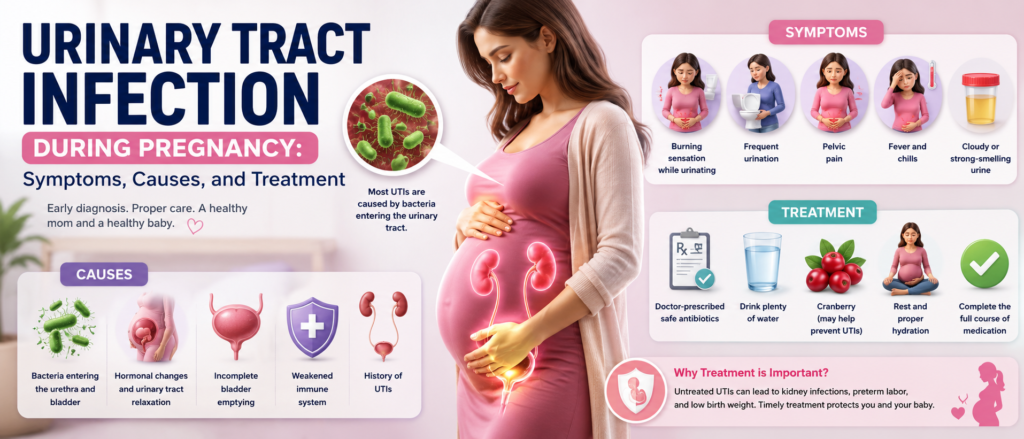
A urinary tract infection during pregnancy is one of the most frequently diagnosed bacterial infections among pregnant women, especially during the monsoon season. Increased humidity, dehydration, hormonal changes, and slower urine flow all contribute to bacterial growth within the urinary tract. If left untreated, a simple bladder infection may spread to the kidneys, increasing the risk of serious maternal complications and, in some cases, preterm labor. Fortunately, early diagnosis and appropriate treatment usually lead to a full recovery.
The most common UTI symptoms in pregnancy include a burning sensation while urinating, frequent urination, cloudy or foul-smelling urine, pelvic discomfort, lower abdominal pain, and the constant urge to pass urine even when the bladder is nearly empty. Some women may also experience fever, chills, nausea, or back pain if the infection has reached the kidneys. Because pregnancy itself often increases urinary frequency, many women mistakenly ignore these warning signs. Persistent discomfort or pain during urination should always be evaluated by a healthcare provider.
Hormonal changes during pregnancy relax the muscles of the urinary tract, slowing the movement of urine and making it easier for bacteria to multiply. As the uterus enlarges, it places pressure on the bladder and urinary passages, further increasing the likelihood of infection. Warm, humid weather during the rainy season can also encourage bacterial growth if personal hygiene is not maintained properly.
Diagnosis usually involves a urine routine examination and urine culture to identify the bacteria responsible for the infection. Once confirmed, doctors prescribe pregnancy-safe antibiotics that effectively eliminate the infection without harming the developing baby. Completing the full course of medication is essential, even if symptoms improve within a few days. Stopping treatment early may allow the infection to return or become more difficult to treat.
Preventing UTIs requires consistent daily habits. Drinking plenty of water helps flush bacteria from the urinary tract. Urinating whenever the urge arises, rather than holding urine for long periods, also reduces bacterial multiplication. Wearing breathable cotton underwear, maintaining proper intimate hygiene, changing out of wet clothing promptly, and wiping from front to back after using the toilet further decrease infection risk. These simple lifestyle measures are among the most effective forms of pregnancy infection prevention during the monsoon.
Pregnant women with diabetes, previous urinary infections, kidney stones, or structural urinary abnormalities may have a higher risk of recurrent infections. Such women may require closer monitoring throughout pregnancy. Routine prenatal urine testing plays a valuable role in detecting infections even before symptoms appear, allowing treatment to begin early and reducing the likelihood of complications.
By recognizing UTI symptoms in pregnancy early and seeking timely medical care, expectant mothers can protect both their own health and the healthy development of their baby throughout the rainy season.
Fungal Skin Infections in Pregnancy: Causes, Symptoms, and Prevention
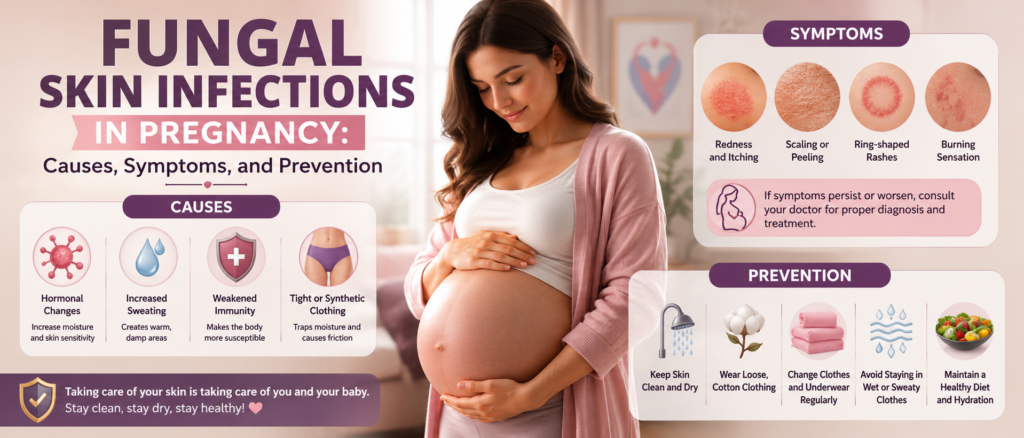
The monsoon season creates the perfect environment for fungi to thrive because of constant moisture, high humidity, and excessive sweating. As a result, fungal skin infections in pregnancy become increasingly common during the rainy months. Hormonal changes that occur during pregnancy can also make the skin more sensitive, while increased perspiration encourages fungal growth in warm areas of the body such as the underarms, groin, under the breasts, between the toes, and skin folds. Although these infections are usually not dangerous to the baby, they can cause significant discomfort if left untreated.
Common symptoms include persistent itching, redness, flaky or peeling skin, circular rashes, burning sensations, and white patches in affected areas. Some women may also notice skin discoloration or irritation that worsens after sweating. Vaginal yeast infections are another common fungal condition during pregnancy and may present with thick white discharge, itching, irritation, and discomfort. Since several skin conditions can resemble fungal infections, self-diagnosis should be avoided. Consulting a healthcare professional ensures proper diagnosis and safe treatment using pregnancy-approved medications.
Maintaining good hygiene remains the best defense against fungal infections. Pregnant women should bathe daily, dry their skin thoroughly after bathing, especially between skin folds, and wear loose-fitting cotton clothing that allows proper air circulation. Wet clothes, damp shoes, and sweaty garments should be changed immediately because fungi multiply rapidly in moist environments. Sharing towels, socks, or personal hygiene products should also be avoided.
Nutrition also contributes to healthy skin and a stronger immune system. A balanced diet rich in vitamins, minerals, antioxidants, and adequate protein supports the body’s ability to resist infections. Staying hydrated keeps the skin healthy and helps regulate body temperature during humid weather. These simple habits support pregnancy wellness tips while reducing the likelihood of recurrent fungal infections throughout the rainy season.
Expectant mothers should never apply over-the-counter antifungal creams or herbal remedies without medical advice. Some topical medications may not be suitable during pregnancy. Early consultation with an obstetrician or dermatologist allows safe treatment while minimizing discomfort. Prompt management ensures that fungal infections remain a temporary inconvenience rather than a prolonged health concern.
Gastrointestinal Infections During Pregnancy and Food Safety
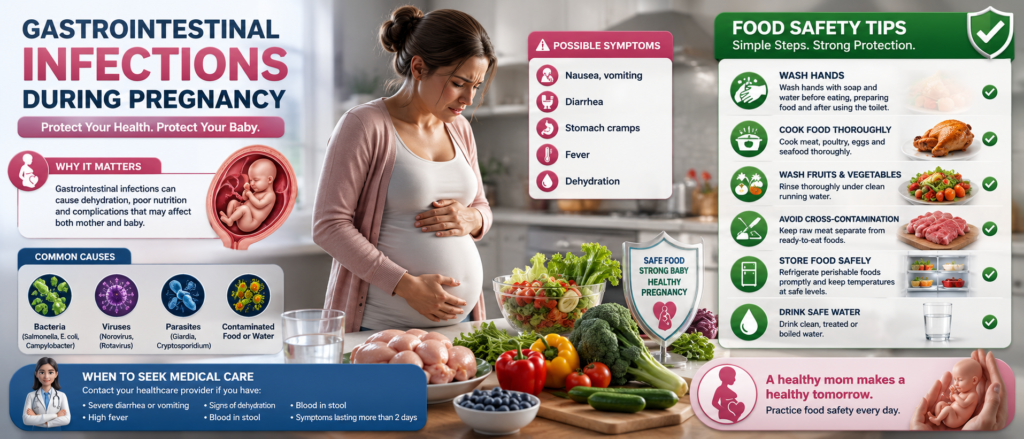
Food and water contamination become much more common during the monsoon season, increasing the risk of gastrointestinal infections during pregnancy. Flooded roads, contaminated drinking water, poor food storage, and unhygienic street food create favorable conditions for bacteria, viruses, and parasites that cause stomach infections. Because pregnant women are more susceptible to dehydration, gastrointestinal illnesses deserve immediate attention.
The most common symptoms include diarrhea, vomiting, nausea, stomach cramps, abdominal pain, fever, bloating, and loss of appetite. Persistent vomiting or diarrhea can quickly lead to dehydration, electrolyte imbalance, and nutritional deficiencies that may affect both mother and baby. In severe cases, dehydration can contribute to reduced blood circulation and increase the risk of pregnancy complications if not treated promptly.
Food safety plays a critical role in safe pregnancy during monsoon. Freshly cooked meals are always safer than food left at room temperature for several hours. Fruits and vegetables should be washed thoroughly under clean running water before consumption. Drinking only purified or boiled water significantly reduces the risk of waterborne infections. Street food, undercooked meat, raw seafood, and unpasteurized dairy products should be avoided during pregnancy, particularly during the rainy season.
Proper kitchen hygiene is equally important. Hands should be washed before preparing food, raw and cooked foods should be stored separately, and leftovers should be refrigerated promptly. Cross-contamination between raw meat and ready-to-eat foods should also be prevented. These everyday precautions dramatically reduce the chances of gastrointestinal infections.
If symptoms persist for more than 24 hours, blood appears in the stool, fever develops, or the pregnant woman cannot keep fluids down, immediate medical evaluation is necessary. Doctors may recommend oral rehydration therapy, laboratory investigations, or pregnancy-safe medications depending on the cause of infection. Early treatment helps prevent dehydration while ensuring the baby’s continued growth and development.
Monsoon Health Tips for Pregnant Women
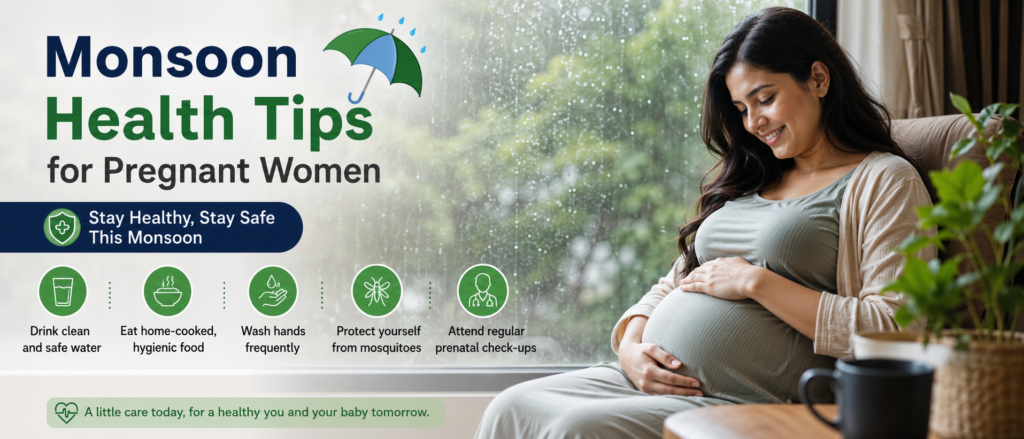
Following practical monsoon health tips for pregnant women can significantly reduce the risk of seasonal illnesses while promoting overall maternal well-being. Small daily habits often make the biggest difference when it comes to preventing infections and maintaining a healthy pregnancy during the rainy season.
Healthy eating remains the foundation of a strong immune system. A balanced diet containing fresh fruits, seasonal vegetables, whole grains, lean proteins, dairy products, nuts, and healthy fats provides essential nutrients that support both maternal health and fetal development. Iron, folic acid, calcium, vitamin D, and protein should be consumed according to the recommendations of the treating obstetrician. Proper hydration is equally important, even when the weather feels cooler during the monsoon.
Regular hand washing with soap, especially before meals and after returning home, helps prevent many viral and bacterial infections. Wearing clean, dry clothing, avoiding waterlogged areas, using mosquito repellents approved by healthcare providers, and maintaining a clean home environment further reduce exposure to infectious organisms. Proper footwear also protects against fungal infections and injuries.
Adequate rest allows the body to recover and maintain a healthy immune response. Pregnant women should aim for sufficient nighttime sleep along with short periods of relaxation during the day if needed. Stress management techniques such as prenatal yoga, breathing exercises, meditation, and light physical activity approved by the doctor may also improve overall health.
Regular prenatal appointments should never be skipped during the rainy season. Routine examinations allow healthcare providers to monitor maternal and fetal health, identify early warning signs, and recommend timely interventions whenever necessary. These preventive measures support maternal health in rainy season while helping mothers enjoy a safer pregnancy.
Pregnancy Infection Prevention for a Safe Pregnancy During Monsoon
Effective pregnancy infection prevention begins with awareness and consistent healthy habits. Although infections cannot always be avoided completely, following evidence-based preventive measures significantly lowers the chances of illness during pregnancy. Prevention protects not only the expectant mother but also contributes to the healthy growth and development of the unborn baby.
Simple practices such as frequent hand hygiene, consuming hygienically prepared food, drinking safe water, maintaining personal cleanliness, and avoiding unnecessary exposure to crowded places during infectious outbreaks form the first line of defense. Women should avoid self-medication because many common medicines may not be appropriate during pregnancy. Any fever, rash, breathing difficulty, painful urination, persistent vomiting, severe diarrhea, or unusual vaginal discharge should prompt immediate medical consultation.
Vaccinations recommended during pregnancy should be discussed with the obstetrician. Influenza vaccination, when appropriate, offers important protection against seasonal flu and its complications. Pregnant women with chronic conditions such as diabetes, asthma, kidney disease, or hypertension may require additional monitoring because they have a higher risk of infection-related complications.
Family members also play an essential role in maintaining a healthy home environment. Anyone experiencing fever, cough, or respiratory symptoms should practice proper respiratory hygiene and minimize close contact with the pregnant woman until recovery. Keeping living spaces clean, ensuring good ventilation, and eliminating mosquito breeding sites around the home provide additional layers of protection.
Ultimately, rainy season pregnancy care is built on prevention, early recognition of symptoms, and prompt medical attention. Staying informed empowers expectant mothers to make healthier choices throughout the monsoon while minimizing unnecessary health risks.
Conclusion
The monsoon season undoubtedly brings cooler weather and refreshing rainfall, but it also increases the likelihood of infections that require special attention during pregnancy. Conditions such as viral fever in pregnancy, flu symptoms in pregnant women, urinary tract infection during pregnancy, fungal skin infections in pregnancy, and gastrointestinal infections during pregnancy are among the most common illnesses that can affect expectant mothers. Recognizing symptoms early, seeking prompt medical care, and following safe treatment recommendations greatly reduce the risk of complications.
Maintaining good hygiene, eating freshly prepared nutritious food, drinking clean water, getting adequate rest, and attending regular prenatal checkups are simple yet highly effective strategies for protecting maternal and fetal health. By following practical monsoon health tips for pregnant women, strengthening pregnancy immunity during monsoon, and prioritizing pregnancy infection prevention, expectant mothers can enjoy a healthier and safer pregnancy throughout the rainy season.
Frequently Asked Questions (FAQs)
1. Why are monsoon infections during pregnancy more common?
The rainy season increases humidity, water contamination, and microbial growth, making bacterial, viral, and fungal infections more common. Pregnancy-related immune and hormonal changes can further increase susceptibility to infections.
2. What are the common UTI symptoms in pregnancy?
Common symptoms include burning during urination, frequent urination, pelvic pain, cloudy or foul-smelling urine, lower abdominal discomfort, and fever in severe cases. Medical evaluation is recommended if these symptoms occur.
3. How can pregnant women prevent viral fever during monsoon?
Frequent hand washing, avoiding crowded places during outbreaks, maintaining proper hygiene, eating nutritious food, staying hydrated, getting enough sleep, and consulting a doctor promptly if fever develops can help reduce the risk.
4. Are fungal skin infections harmful during pregnancy?
Most fungal skin infections are not harmful to the baby but can cause significant discomfort for the mother. Early diagnosis and treatment with pregnancy-safe medications help prevent worsening symptoms.
5. What are the best monsoon health tips for pregnant women?
Maintain personal hygiene, drink purified water, eat freshly cooked food, avoid street food, wear dry cotton clothing, prevent mosquito bites, attend regular prenatal checkups, stay hydrated, and seek medical advice whenever infection symptoms appear.
Leave a Reply